A good morning walk in the hills beats guessing. This Nuwara Eliya tour strings together waterfalls, tea country, and a strawberry stop into one efficient 4–6 hour outing. I like that it feels like a real day in the region, not a rushed checklist.
You get two clear wins: a friendly private guide experience (people specifically praised guides like Lakmal and Sameera) and multiple tea stops that show how Sri Lankan tea moves from bush to factory. The only real drawback is weather: this route needs good conditions, so you should plan for possible date changes if the day turns gray or rainy.
If you want a practical way to see Nuwara Eliya’s signature sights without renting your own transport, this is a strong match. It’s also nice that you get pickup and a mobile ticket, so you spend less time coordinating and more time looking out the window.
In This Review
- Key things I’d bet on
- Where this tour fits: Nuwara Eliya in one guided sweep
- Starting early at 6:00am: why the morning route works
- Nuwara Eliya base vibes: the setting behind the tour
- Bomburuella and Ramboda waterfalls: mist, breaks, and timing
- Damro tea factory: seeing tea move from crop to product
- Tea plantation safari: the views plus the context
- Tea bush modern tea factory: the second look that makes it click
- Strawberry farm stop: the sweet detour that changes the pace
- Pickup, private group size, and mobile ticket: how logistics affect your mood
- Guides that people actually talk about: Lakmal and Sameera
- Price vs. value: why $40 per group can make sense
- How to get the most out of the day (without turning it into a workout)
- Who should book this tour
- Should you book Nuwara Eliya Tours with Titan Tours Sri Lanka?
- FAQ
- What time does the tour start?
- How long does the tour take?
- How much does it cost?
- Is pickup included?
- Is this a private tour?
- Do I get a mobile ticket?
- What is the cancellation policy?
- Does the tour run in any weather?
Key things I’d bet on
- Early start at 6:00am means you spend the coolest, calmest part of the day outside
- Private tour for your group (up to 2 people) keeps it flexible and conversation-friendly
- Tea factory visits at Damro and another modern tea facility help you understand the process, not just the views
- Two waterfall stops give you both scenery and that refreshing misty break from the road
- Strawberry farm time adds a sweet, different flavor to the hill-country theme
- Free cancellation up to 24 hours before helps if weather or plans shift
Where this tour fits: Nuwara Eliya in one guided sweep

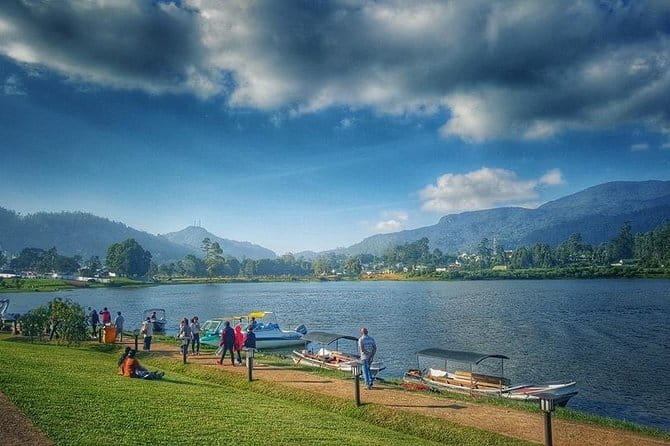
Nuwara Eliya has that classic hill-country vibe: cool air, rolling green views, and a soundtrack of waterfalls and tea talk. The smartest part of this tour is how it bundles the region’s highlights into one morning block, so you’re not spending half your day figuring out logistics. Start time is 6:00am, and the total trip runs about 4–6 hours.
The format matters for your comfort. This is private, so it’s only your group. The price is $40 per group (up to 2), which, for a guided route with pickup, is the kind of deal that makes sense when you don’t want to hire a car all day. You’ll also have a mobile ticket, which cuts down on paperwork and last-minute hassle.
One more detail I appreciate: the tour is described as being near public transportation. That’s a quiet advantage. Even if pickup timing isn’t perfect, you’re not totally stranded far from a way to get back if you need to adjust.
You can also read our reviews of more tours and experiences in Nuwara Eliya.



Starting early at 6:00am: why the morning route works
A 6:00am start sounds intense until you see why it’s useful. In this part of Sri Lanka, mornings tend to feel fresher and less crowded. Even if the roads are busy, early departures usually mean smoother timing and better light for photos.
You also get a cleaner flow through the day’s stops. With a 4–6 hour schedule, there’s no room for big delays, so starting early is how you avoid the dreaded half-day feeling of arriving at tea stops while everything is fogged out.
Bring a light layer. You’re in hill country, and mornings can feel cooler than you expect. If you run hot, you can always shed it once the sun climbs.
Nuwara Eliya base vibes: the setting behind the tour

The tour centers on Nuwara Eliya, and that matters because the whole day has the same theme: hills, cooler weather, and the tea economy. Before you even reach the factories and viewpoints, you’ll feel like you’re moving through the region’s daily life.
This is where a good guide pays off. People praised the operator’s communication and guidance, including being in constant contact before the trip. That kind of support isn’t just polite. It helps you keep your timing and expectations straight, especially when you’re juggling pickup and early start energy.
If you like tours that feel personal and practical, this is the style. It’s not framed as a lecture. It’s more like: here’s what we’re seeing today, and why it matters.
Bomburuella and Ramboda waterfalls: mist, breaks, and timing

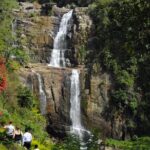
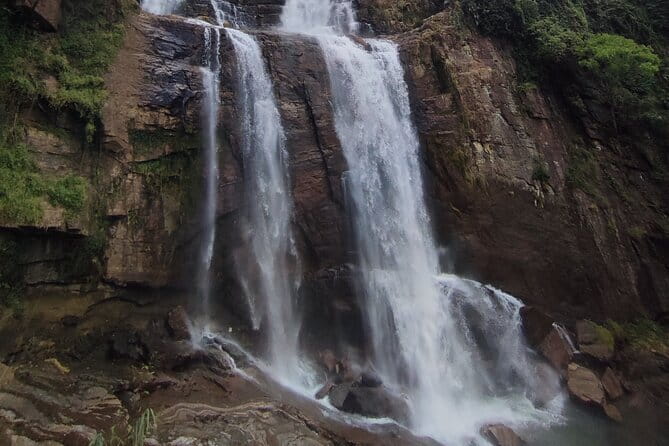
Two waterfall stops are built into the morning: Bomburuella Waterfalls and Ramboda Waterfalls. Waterfalls are never just scenery here. They’re also a mood reset.
What you’ll likely enjoy most is the contrast: you’re in tea-country air, then suddenly you’re in damp, cool mist near the falls. It’s a real sensory break from roads and factory interiors. It also gives you photo moments that are different from the uniform “green hill” shots you can get in other places.
The possible downside is weather dependence. Since the experience notes it requires good weather, a rainy day can change access and comfort around water features. If clouds roll in, you may still enjoy the scenery, but you’ll want to be flexible about how the day feels.
Tip for you: wear shoes that handle slippery ground. Even when it’s not pouring, waterfall areas can be slick.
Damro tea factory: seeing tea move from crop to product
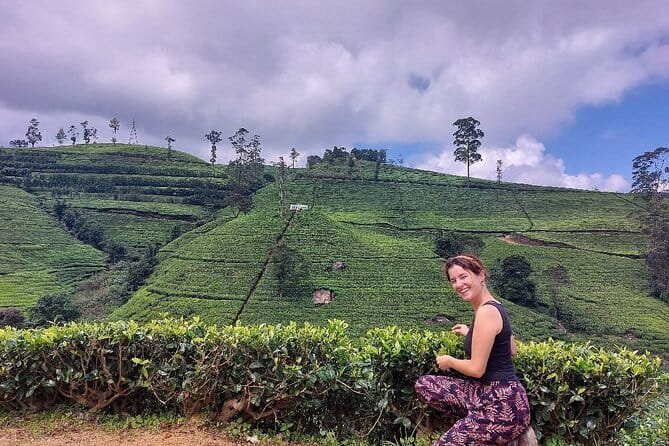
Tea factories are where the tour becomes educational in a very hands-on way. One of the featured stops is Damro Tea Factory.
What I like about a factory visit on a short tour is the “why” behind the product. Instead of only hearing that Ceylon tea is famous, you see how tea is processed and sorted. That makes tasting later (or even drinking tea back home) feel more connected to what you saw.
Also, it’s a great indoor-to-outdoor rhythm. You’ll get a break from outdoor walking, then you’re back on the move for more landscape and viewpoints.
If you’re the type who enjoys learning by watching, this stop is one of the highlights to prioritize. Even if you’re not a tea expert, factory visits turn the subject into something concrete.





Tea plantation safari: the views plus the context
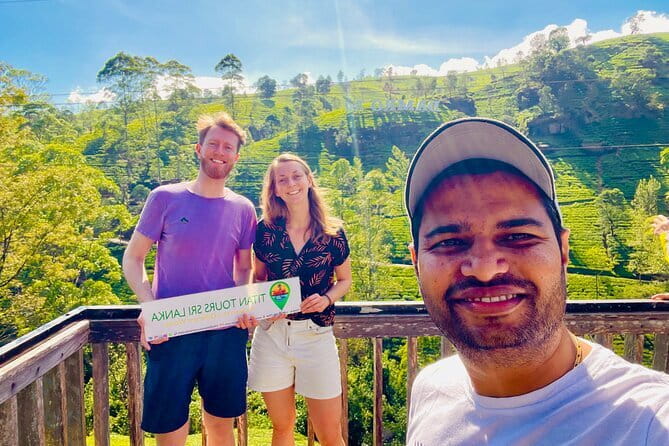
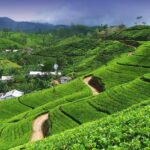
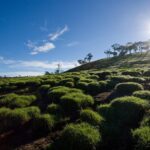
After Damro, the tour includes a tea plantation safari and time around tea-growing areas. This is where you get the bigger picture: tea isn’t just a factory story. It’s a landscape story.
The value here is context. Tea plantations explain why the region’s climate and geography matter. It also helps you understand what you’re looking at when you see hillsides covered with tidy rows and rolling slopes.
And it keeps the day from feeling like you only visited buildings. A plantation segment gives you fresh air and makes your morning feel like a real journey through the countryside, not just scheduled stops.
Wear something comfortable for walking and keep an eye on footing. Plantation terrain can vary, and you’ll likely spend time getting to viewpoints and back.
Tea bush modern tea factory: the second look that makes it click
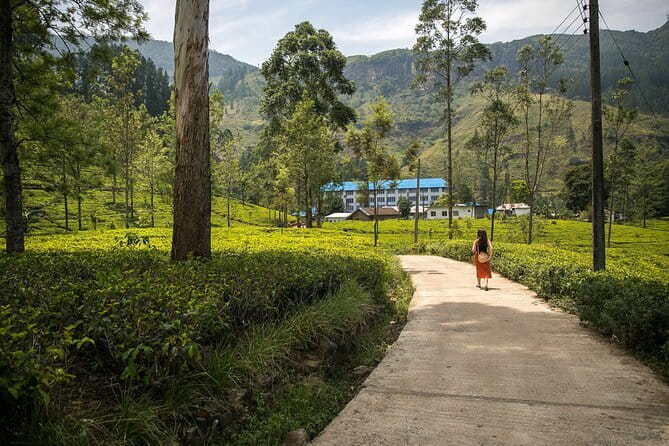
The tour includes another tea-related stop: a tea bush modern tea factory. I like the idea of seeing tea at more than one stage. When you get a second factory viewpoint, things start to connect. You’re not just learning one process step. You’re building a mental map of how the system works.
This part is especially good if you enjoy small differences: how tea leaves are handled, how the facility is organized, and what you notice as you move from outdoor bush areas into production spaces.
A practical note: factory areas can involve cooler interiors and brighter outdoor patches. Bring a light layer so you don’t feel chilled when you step inside, then overheated when you step back out.
Strawberry farm stop: the sweet detour that changes the pace
Not every hill-country tour includes fruit. This one includes a strawberry farm stop, and it’s a nice change of pace after tea and waterfalls.
The strawberry segment adds variety in scenery and atmosphere. Instead of only greens and gray mist, you get something more colorful and playful. It also gives your eyes a rest from factory and plantation patterns.
If you’re traveling with someone who likes photos but also wants variety beyond views, this stop is a solid “everyone wins” moment.
Pickup, private group size, and mobile ticket: how logistics affect your mood
The tour offers pickup, and it’s a private setup for up to 2 people. That’s a meaningful detail. When your group is small, your guide can slow down for questions and adjust your pace without making it awkward. People who booked this kind of experience were especially positive about the guides being welcoming and focused on getting things right.
The mobile ticket also reduces friction. You’re not scrambling for printouts or proving paperwork at each stop. You just show the ticket and go.
One consideration: private tours can sometimes feel more “you and the driver/guide” than big-group tours, which can be great if you want interaction. If you prefer silent sightseeing, you might still enjoy it, but you’ll probably get more conversation than on a bus tour.
Guides that people actually talk about: Lakmal and Sameera
The stand-out theme from the feedback is the human part: the guides’ warmth and follow-through. Two guide names come up clearly in the customer notes: Lakmal and Sameera.
That matters because this tour relies on timing and smooth movement between outdoor and indoor stops. A guide who keeps things organized makes the day feel effortless. A guide who’s enthusiastic also improves your attention span. When someone explains what you’re seeing, you notice more.
If you care about service, this is where the experience earns its praise: helpful communication, a welcoming attitude, and a genuine push toward a good day.
Price vs. value: why $40 per group can make sense
At $40 per group (up to 2), you’re paying for more than transport. You’re paying for an organized morning that links:
- early start timing
- pickup help
- multiple key sights (waterfalls, tea factories, plantation segment)
- a private guide experience
Is it the cheapest way to cover the hills? Probably not if you’re already planning to drive yourself. But for many people, the question isn’t just cost. It’s time and stress.
If you don’t want to manage route planning, coordinate multiple locations, and spend energy asking locals for directions in the morning rush, this price can feel fair. Especially because the tour is structured to fit inside a half-day. Less time spent on logistics usually means more time enjoying what you came for.
How to get the most out of the day (without turning it into a workout)
Here’s how I’d set yourself up for a smooth experience:
- Start your morning with a calm breakfast plan. You’ll want energy before the 6:00am start.
- Wear comfortable walking shoes, especially for waterfall areas.
- Bring a light layer for cooler mornings and factory interiors.
- Use the guide time. Ask simple questions about what you’re seeing in the tea factories and plantations. The whole point is turning the sights into understanding.
- Expect weather can change the feel of the day. If conditions are poor, the tour notes it may be adjusted or refunded.
If you show up ready to be flexible, the day feels smooth instead of stressful.
Who should book this tour
I think this is a great fit if you:
- want a morning highlights circuit without planning five separate outings
- enjoy tea culture and want more than just a quick stop
- like waterfalls but don’t want to spend the whole day jumping between locations
- prefer private, small-group attention over larger tours
- are traveling as a couple or duo (since pricing is per group up to 2)
It may be less ideal if you’re the kind of traveler who hates early mornings, or if you want an all-day, slow, unstructured experience. This one is efficient by design.
Should you book Nuwara Eliya Tours with Titan Tours Sri Lanka?
I’d recommend booking if you want a well-paced half-day that combines waterfalls, tea factories, plantation context, and a strawberry farm without the hassle of coordinating everything yourself. The standout reason is the guide experience, with names like Lakmal and Sameera showing up in customer praise for being welcoming and service-minded.
I’d think twice if you’re traveling with tight timing that can’t handle weather changes. Since the experience requires good weather, keep a flexible mindset.
If you’re planning a Nuwara Eliya day and you want value that feels practical, this is one of the more sensible ways to do it.
FAQ
What time does the tour start?
The tour start time is 6:00am.
How long does the tour take?
It runs for about 4 to 6 hours.
How much does it cost?
The price is $40.00 per group (up to 2).
Is pickup included?
Yes, pickup is offered.
Is this a private tour?
Yes. It’s private, and only your group participates.
Do I get a mobile ticket?
Yes, the tour includes a mobile ticket.
What is the cancellation policy?
You can cancel for a full refund if you cancel at least 24 hours before the experience starts.
Does the tour run in any weather?
The experience requires good weather. If it’s canceled due to poor weather, you’ll be offered a different date or a full refund.