Yala is one of Sri Lanka’s best wildlife bets. This half-day or full-day jeep safari is built around getting you into Yala during the prime leopard hours, with expert guides who help you read animal signs instead of just scanning from the roadside.
What I like most is the focus on wildlife viewing time (not endless driving) and the fact that guides actually work to find animals—so you’re not just hoping. One thing to plan for: the tour price doesn’t include the Yala entrance fee, so your final cost depends on bringing enough cash for the gate.
In This Review
- Key things that make this Yala safari work
- Why Yala’s timing matters more than wishful scanning
- Your pickup and jeep ride: comfort, but also a reality check
- The first checkpoint: arriving at the main entrance (and why the “free time” helps)
- Stop by stop: how the safari rhythm plays out
- Pickup to park launch
- Main entrance: a short breather before the guided drive
- Guided wildlife leg #1 (about 2 hours)
- Patanangala break (about 30 minutes)
- Guided wildlife leg #2 (about 2.5 hours)
- Return to Tissamaharama
- What you might see in Yala (and what to watch for)
- Lunch and half-day vs full-day: what changes in the day
- Value and price: the real math behind the $10 deal
- The guide can make or break the safari
- Who should book this safari, and who might want a different plan
- Should you book this Yala National Park safari?
- FAQ
- How long is the half-day Yala safari?
- How long is the full-day Yala safari?
- Is lunch included?
- Where are the pickup locations?
- What’s included in the tour price?
- Is the Yala National Park entrance fee included?
- How much is the entrance and service fee, and how do I pay it?
- Is there a live guide, and what language do they speak?
- What vehicle is used for the safari?
- Is the tour refundable if I change my plans?
Key things that make this Yala safari work
- Prime leopard timing: you’re in the park during a high-probability 2-hour window for sightings
- Small jeep groups: up to 7 passengers makes it easier to see and take photos
- Guides who track: the best guides read footprints and listen for animal sounds
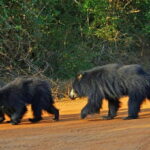
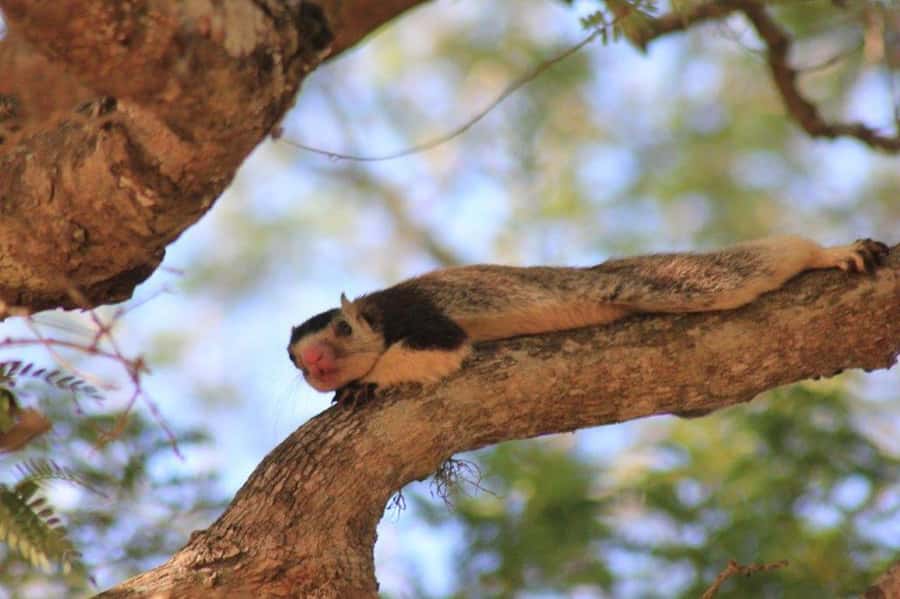
- A real mix of animals: elephants, crocodiles, sloth bears, buffaloes, and more
- Smart pacing: guided drives split into main viewing blocks, plus a break at Patanangala
- Eco-friendly approach: operations support local community efforts
Why Yala’s timing matters more than wishful scanning
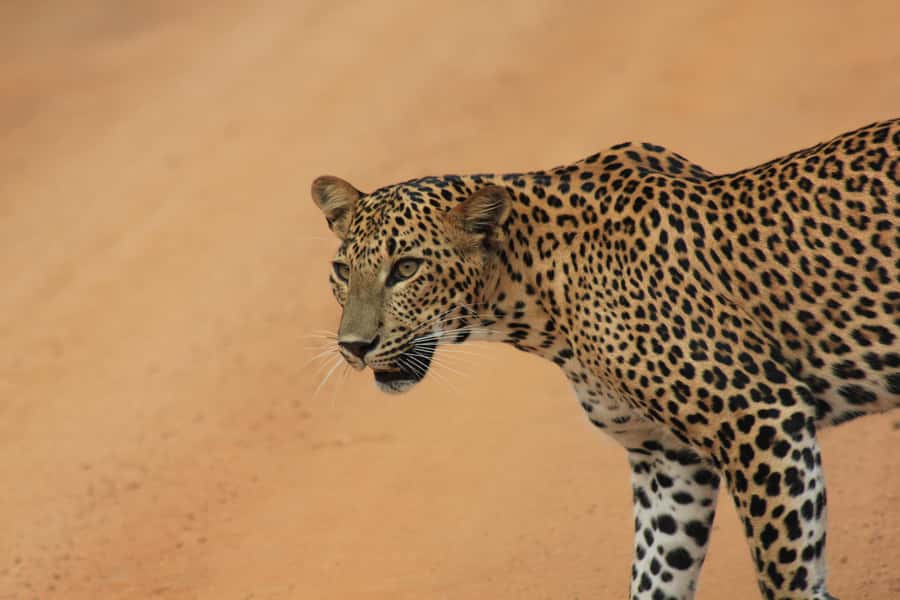
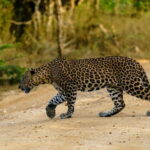
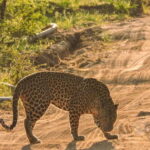
Yala National Park is famous for leopards, and the big advantage of this safari format is that it’s organized around the best part of the day. The schedule aims to put you inside the park during one of the best two-hour periods for leopard spotting. That matters, because leopards aren’t a vending machine. Even when you’re in the right place, timing affects what you’re likely to see—resting patterns, movement, and visibility all shift.
This is also a park where you don’t just want one highlight. The itinerary is set up so your day includes multiple chances to encounter different wildlife types. In practice, that means you’re likely to see a mix: big mammals like elephants and buffaloes, plus the reptiles and birds that make Yala feel alive even when the leopard isn’t in view.
You can also read our reviews of more tours and experiences in Hambantota.
Your pickup and jeep ride: comfort, but also a reality check
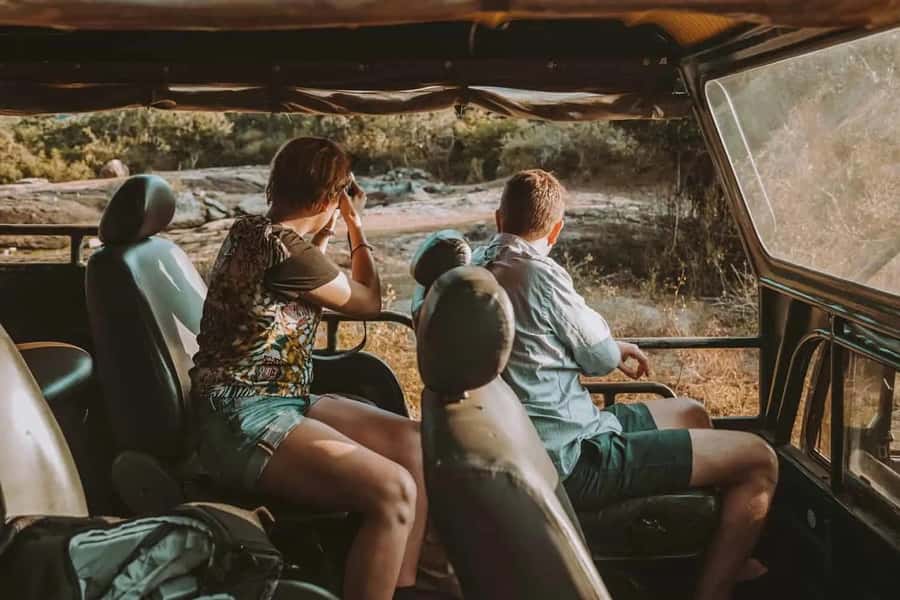
Tours start in the Yala area with pickup at Tissamaharama. If you’re staying around Kirinda, Palatupana, Weerawila, or Kataragama, pickup is offered there too, so you can keep the trip simple and not worry about arranging transport.
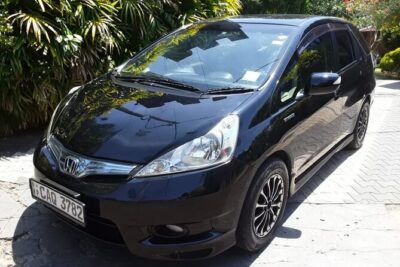
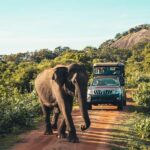
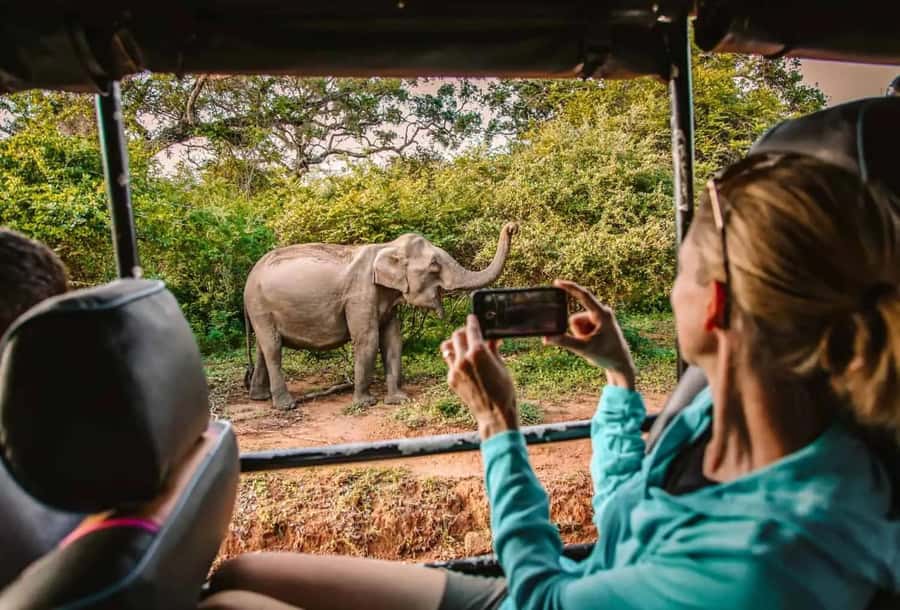
Inside the safari jeep, you’re going to feel two things quickly: the need for good viewing on uneven terrain, and the benefit of a small group. The jeep carries a maximum of 7 passengers, which helps with sightlines and keeps the driving experience from turning into chaos. You’ll still be in a safari vehicle on a rougher ride, so if you dislike bumpy roads, plan for that.
Also note the practical limits: this tour isn’t suitable for wheelchair users, and it’s not a good match if you have back problems or you’re pregnant. That’s less about comfort on paper and more about what sustained sitting and off-road movement can do to your body.
The first checkpoint: arriving at the main entrance (and why the “free time” helps)
After getting picked up and getting you rolling for a short drive, you reach the Yala National Park main entrance. There’s a 30-minute window labeled as free time before the guided part begins.
That break is useful. You can collect yourself, use the available time to get organized, and settle before the game drive really starts. It’s also a good moment to confirm what you’ll need for the park gate.
One more critical point: entrance tickets and the service fee are not included in the safari package. You need to bring 13,000 LKR cash per person for the Yala entrance and service fee. If you show up without cash, you’ll lose time at the gate—or worse, you may not get in. I recommend making this a one-task mission: withdraw the money beforehand and keep it easily accessible.
Stop by stop: how the safari rhythm plays out
Here’s the itinerary flow you can expect, and what each segment is really for.
Pickup to park launch
Your morning or afternoon begins with pickup (often from Tissamaharama) and a short initial drive. This is the “getting you there” phase. It can feel like dead time if you don’t understand the logic: early placement matters. The goal is to position you so you can actually spend your best viewing hours inside Yala—not stuck arriving late.
Main entrance: a short breather before the guided drive
At the main entrance, you get about 30 minutes of free time, then the program turns into a guided session with game drive and wildlife viewing. That break isn’t long, but it can make the difference between showing up rushed versus ready.
Guided wildlife leg #1 (about 2 hours)
Next comes the first guided game drive block: around 2 hours of wildlife viewing with a guide. This is where your guide’s skill starts to matter most. A good guide doesn’t just point at trees and hope. They help you notice smaller cues—track marks, movement in scrub, likely water areas, and bird behavior.
In Yala, animals often show up in quick bursts. Having a steady chunk of guided time helps you avoid the common mistake of constantly repositioning without understanding what you’re looking at.
Patanangala break (about 30 minutes)
Then you stop at Patanangala for a break of about 30 minutes. This gives you time to stretch and reset. It’s also a practical timing tool: if you’re doing the full-day option (with lunch), that pacing helps keep the safari from feeling like one long grind.
Even if you’re doing the half-day option, the presence of a break tells you the tour isn’t purely about piling on driving hours.
Guided wildlife leg #2 (about 2.5 hours)
After Patanangala, you return to Yala for the second viewing block, about 2.5 hours of guided game drive and wildlife viewing. This second leg matters because animal patterns can shift as the day moves forward. You might not see everything in the first block, so having another longer window improves your odds of catching different species or different behavior.
Some of the strongest wildlife memories from this kind of safari come from this later block—when you’ve learned where your guide is likely to look, and your eyes start reading the landscape faster.
Return to Tissamaharama
Finally there’s a return drive back to Tissamaharama with a ride time of about 30 minutes. The tour ends back where it started, so you’re not left trying to figure out transport after a long day in the bush.
What you might see in Yala (and what to watch for)
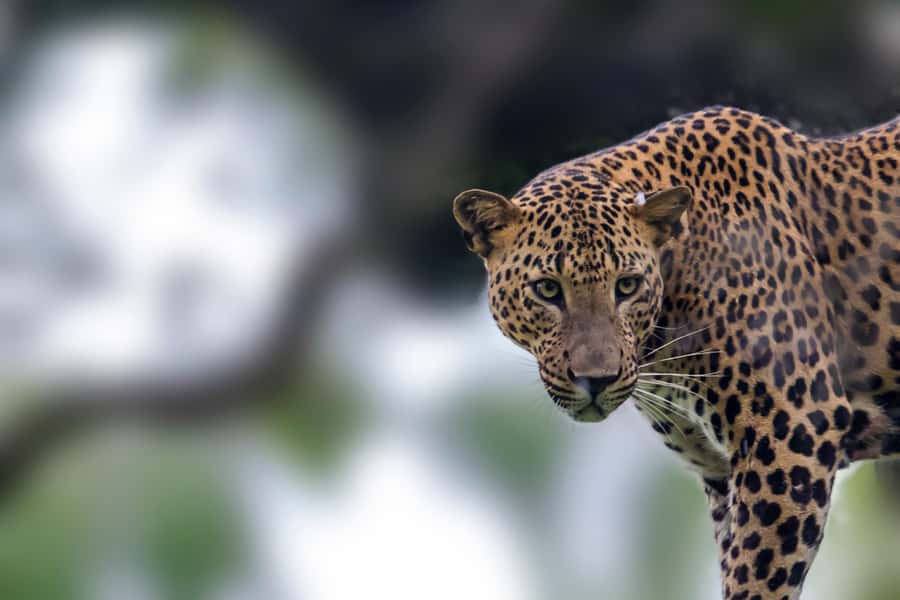
Yala is set up for variety, and this safari aims at that variety.
You’re specifically in the right place for:
- Leopards (the headline animal, and the one timing is designed around)
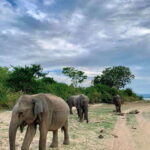
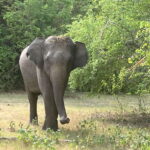
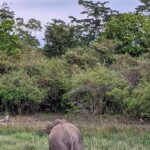
- Elephants
- Crocodiles
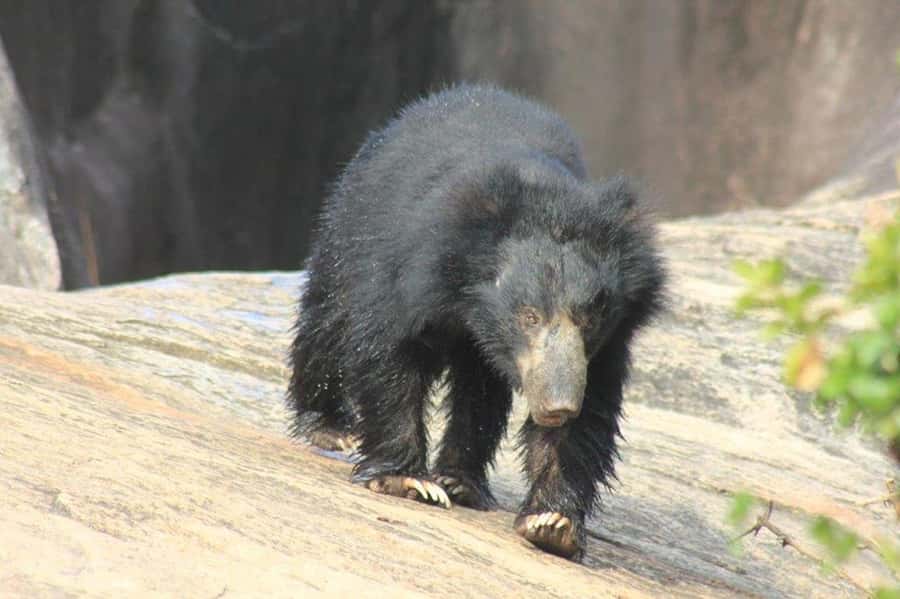
- Sloth bears
- Buffaloes
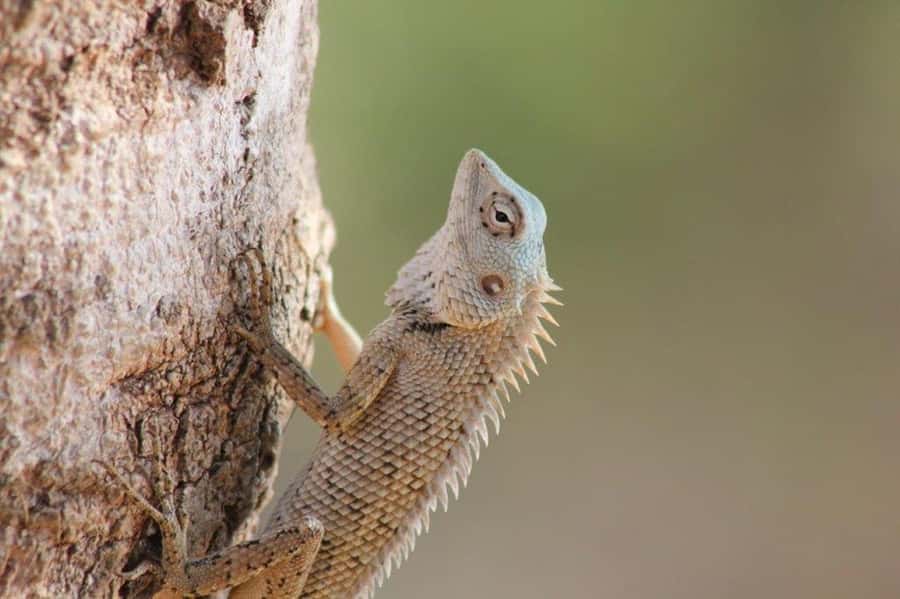
- Many bird species
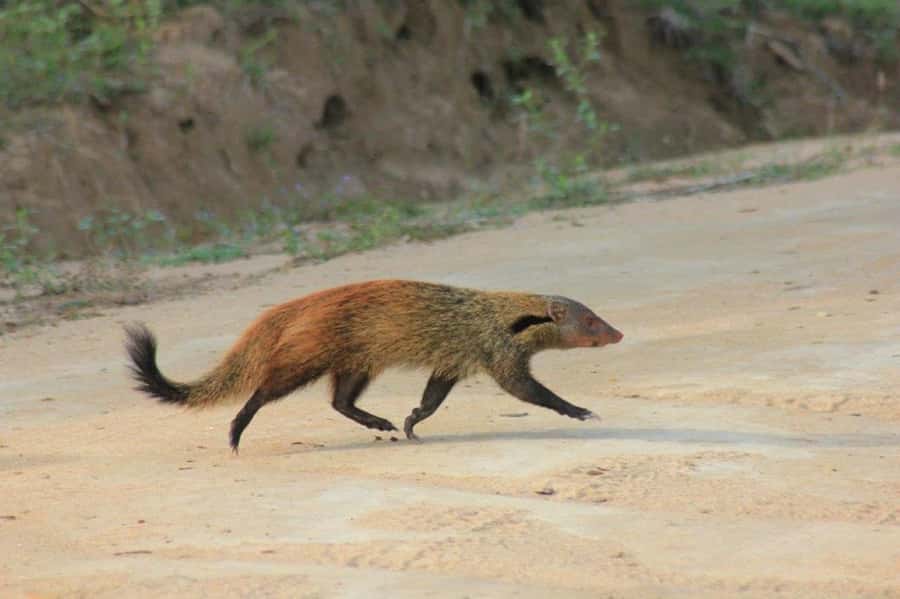
That list is impressive on paper, but the real value is how the guides help you notice animals when they’re not in obvious positions. One recurring theme from guide performance is the ability to locate animals using signs like footprints and sounds. That skill turns your safari from a passive ride into an active wildlife search.
Birdwatching also matters here. Yala has plenty of birds, and birds often react to the presence of mammals or changing conditions. When you’re with a guide who can identify birds and explain what they’re doing, the park feels more readable.
Lunch and half-day vs full-day: what changes in the day
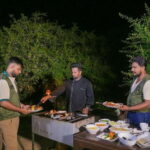
You have options: a half-day safari (about 4 hours) or a full-day safari (up to 12 hours), and lunch is included on the full-day option.
If you’re short on time, the half-day version can still make sense because Yala’s best leopard window is built into the timing. You’ll probably feel more focused on highlights: one guided viewing stretch, then back out.
If you have the day, full-day gives you the advantage of more viewing time in the park, including a lunch break that helps you stay energized for the second wildlife leg. The extra hours also matter because animals don’t follow your schedule; they follow their own.
Value and price: the real math behind the $10 deal
The tour price is listed as $10 per person, which sounds like a steal. But here’s the part you need to plan around: the Yala entrance and service fee is 13,000 LKR per person (about $43).
So your total cost isn’t just the safari fee. It’s the safari price plus the gate fee.
That said, the safari fee still adds value because it covers:
- transport in a safari jeep (max 7 passengers),
- hotel-area pickup and drop-off in the Yala region,
- a live English-speaking guide,
- and guided game-drive time.
In other words, the $10 isn’t paying for the whole park access. It’s paying for the safari operation and the human guidance that helps you actually use your time in the park.
If you already know you’ll pay the gate fee anyway, then this package is a practical way to turn that fee into a guided, structured safari rather than a self-driven scramble.
The guide can make or break the safari
This is where this tour earns strong marks. The guides are known for strong English, good humor, and a serious ability to find animals rather than just follow the crowd.
Names you’ll hear in this operation include Sasanka, Ishan, Tikiri, and Nalaka. The standout skill pattern across these guides is the same: they pay attention to details like foot prints and animal sounds, and then they move with purpose.
You also benefit from a photography-friendly mindset. When a guide stops you at the right moment and gives you time to frame a shot without rushing, you don’t just get a blurry memory—you get usable pictures.
Another benefit: some guides aim for spots away from heavy congestion. That can mean quieter wildlife moments and easier viewing, though you still shouldn’t expect empty roads in a famous park.
Who should book this safari, and who might want a different plan
This tour is a good fit if you:
- want leopard odds improved by smart timing,
- prefer a guided search over DIY scanning,
- like the idea of a small jeep group (up to 7 passengers),
- value wildlife expertise and clear English.
It may not be the best fit if you:
- need wheelchair access (it’s not suitable),
- have back issues or mobility constraints,
- are pregnant (not suitable),
- or hate sitting in a vehicle for extended periods on rough terrain.
Also keep in mind it’s a safari. If you’re expecting a zoo-style guarantee, you’ll be disappointed. The guide’s job is to maximize your chances, not control animal behavior.
Should you book this Yala National Park safari?
I’d book it if you’re basing your trip around Yala and you want the best use of limited daylight. The combination of leopard timing, structured viewing legs, and guides who look for animal signs is the core reason this works.
The main reason to pause is the cost stacking: the gate fee is substantial, and the tour price alone isn’t the full picture. If you can plan for the 13,000 LKR cash and you’re comfortable with the vehicle and physical demands, then this safari is a solid way to turn Yala’s reputation into a real wildlife day.
If you’re unsure whether to go half-day or full-day, lean full-day if you have the time. The second guided leg gives you another set of odds, and lunch helps you keep a steady pace.
FAQ
How long is the half-day Yala safari?
The half-day option is about 4 hours.
How long is the full-day Yala safari?
The full-day option is about 12 hours.
Is lunch included?
Lunch is included with the full-day safari option.
Where are the pickup locations?
Pickup is available from the Yala area, including Tissamaharama, Kirinda, Palatupana, Weerawila, and Kataragama.
What’s included in the tour price?
The package includes hotel pickup and drop-off in the listed areas, transportation in a safari jeep (up to 7 passengers), the guided safari (half-day or full-day based on your choice), and lunch if you choose the full-day option.
Is the Yala National Park entrance fee included?
No. Entrance tickets and the service fee are not included.
How much is the entrance and service fee, and how do I pay it?
You need 13,000 LKR in cash per person for park entrance and the service fee.
Is there a live guide, and what language do they speak?
Yes, there is a live tour guide, and the tour is in English.
What vehicle is used for the safari?
A luxury safari jeep is used, with a maximum of 7 passengers per jeep.
Is the tour refundable if I change my plans?
There is free cancellation up to 24 hours in advance for a full refund.