If your day starts in Colombo and ends by the ocean, you’ll love this route. This private full-day trip strings together temples, beach-town wildlife, a UNESCO fort, and a final wind-down at Jungle Beach. It’s the kind of day where you get stories, not just photos.
I especially liked two things: the guided walk through Galle Fort (with Portuguese and Dutch layers you can actually see), and the Madhu River boat ride where nature feels close—mangroves, birds, and that slow moving safari pace. The guide I met (Charith) also made the stops feel connected, not random.
One thing to consider: it’s a full day with lots of moving and walking, so if you hate heat, sun, and uneven streets, plan for extra breaks and bring the right shoes.
In This Review
- Key points worth knowing
- How This Colombo-to-Galle Day Trip Feels (And Why It Works)
- Colombo Pickup to a South-Coast Rhythm: Private Car Pace
- Kalutara Bodhiya: A Temple Stop That’s More Than a Photo Stop
- Hikkaduwa and Bentota: Coral-Reef Beach Life and Turtle Conservation
- Madhu River Safari: Mangroves, Birds, and the Slow Boat Energy
- Tsunami Village Visit: A Learning Moment That Stays With You
- Galle Fort: UNESCO Walls, Portuguese-Dutch Blends, and Rampart Views
- Stilt Fishermen and Wawurukannala Viharaya: Daily Life Meets Spiritual Art
- Jungle Beach: Your Calm Finish by Clear Water and Jungle Trees
- Price and Value: Is $70 Fair for This Much Variety?
- Who This Tour Suits Best (And Who Might Want Another Option)
- Should You Book This Colombo to Galle Fort and Jungle Beach Day Trip?
- FAQ
- What’s included in the tour?
- Is lunch included?
- What’s not included?
- How long is the tour?
- Where does pickup happen?
- Are there different starting times?
- What languages are guides available in?
- Is this a private group?
- What should I bring?
- What rules should I follow during the tour?
- What’s the cancellation policy?
Key points worth knowing
- Galle Fort guided time focused on the ramparts and old-town streets, not just a quick look
- Kalutara Bodhiya stop tied to a sacred Bodhi tree belief system and local Buddhist practice
- Madhu River safari through mangroves, plus included fish-therapy and crocodile time
- Turtle-focused moments in the Hikkaduwa area, with conservation context
- Tsunami village visit that shows rebuilding and resilience, not just a historical footnote
- Jungle Beach as your calm payoff with time to relax and swim
How This Colombo-to-Galle Day Trip Feels (And Why It Works)
This isn’t a one-note day. You start with city pickup, then you travel south through a mix of religion, coastal wildlife, colonial walls, and quiet sand time. The big win is flow: you’re not just checking boxes—you’re seeing how coastal Sri Lanka mixes faith, daily life, and survival after major events.
Because it’s a private group, you also have more breathing room than you’d get on a big bus tour. If you need a slower pace at the fort, want extra time for photos, or want to ask questions, the guide can adjust. In the reviews, the driver-and-guide combo really comes through—people highlight guides like Manoj, Shaminda, Mashud, and Lakmal for being attentive, friendly, and helpful with recommendations and photos.
The main tradeoff is energy. You’ll be in the car for transit and on your feet for multiple stops. It’s doable, but you’ll feel it by late afternoon if you arrive with low stamina.
You can also read our reviews of more tours and experiences in Colombo.
Colombo Pickup to a South-Coast Rhythm: Private Car Pace
You’re picked up in Colombo, and the tour is set up around a driver who stays with you for the day. You’ll get the driver’s phone number and live location shared while you’re getting into the vehicle. That matters more than it sounds—when you’re traveling by your own map-reading skills, one missed turn can waste hours.
This tour also lists multiple guide languages (English, French, Japanese, Italian, Russian), so you’re not stuck with a basic script. From the reviews, guides like Charith and Manoj are specifically praised for explanations and for taking care of small moments—like where to stand for photos or when to walk versus when to ride closer.
Bottom line: if you want control and comfort, you’re in the right format.
Kalutara Bodhiya: A Temple Stop That’s More Than a Photo Stop
Your day includes Kalutara Temple, also known as Kalutara Bodhiya. It’s a serene Buddhist temple stop with a famous sacred Bodhi tree—believed to be a descendant of the tree under which the Buddha attained enlightenment. Even if you don’t know the full religious background, the place communicates something quickly: it’s lived-in faith, not just an exhibit.
What I like about this kind of stop on a day trip is how it resets the tone. After beach towns and road time, you get a quieter atmosphere. You’ll also likely see local religious practice up close, which is a nice change from purely tourist-focused stops.
Practical note: dress and behavior matter. You’ll want to be respectful and aware that you’re walking through a sacred space. Also, bring comfortable shoes—temple grounds can involve uneven paths.
Hikkaduwa and Bentota: Coral-Reef Beach Life and Turtle Conservation
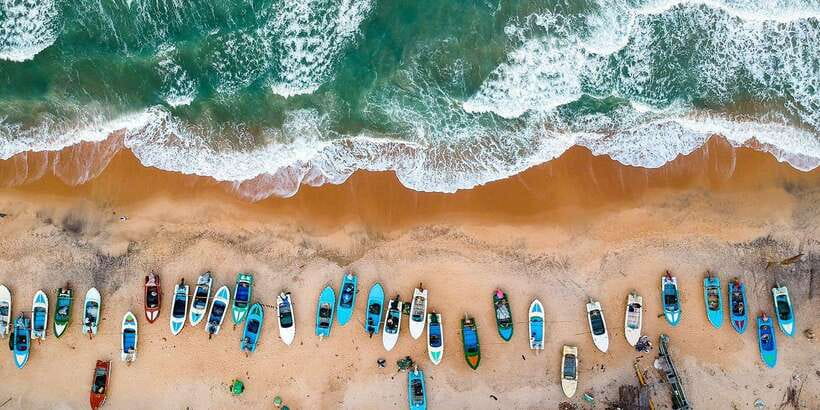
The tour includes a beach-town stop in Hikkaduwa (45 minutes). Hikkaduwa is known for coral reefs and vibrant marine life, and your time there is paired with a turtle-focused angle. The experience includes turtle sanctuary-style activity where visitors can participate in turtle feeding and learn about conservation efforts aimed at protecting turtles.
This is one of those moments where you get to see an issue up close without it turning into a hard sell. If you care about conservation, you’ll appreciate that the focus is on protection and education rather than just spectacle.
A quick reality check: marine life rules still apply. The tour states you’re not allowed to touch marine life, and that you should keep things respectful around wildlife. It’s a good thing. It keeps you from crossing lines you might not even realize are sensitive.
Then there’s a Bentota stop (1 hour). The exact emphasis isn’t spelled out in the details you provided, but the overall structure of the day keeps it in the same zone: beach region, coastal culture, then inland nature and fort time.
Madhu River Safari: Mangroves, Birds, and the Slow Boat Energy
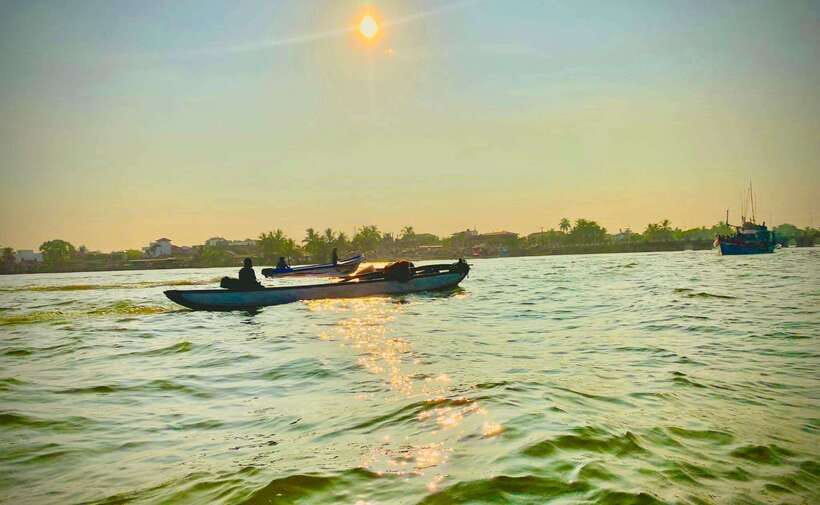
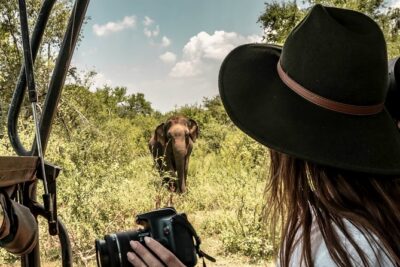
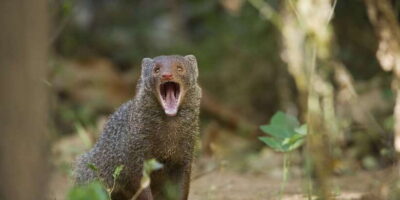
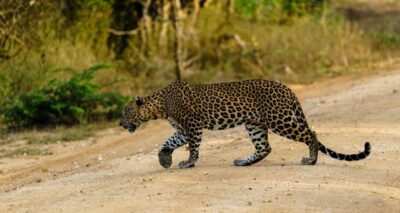
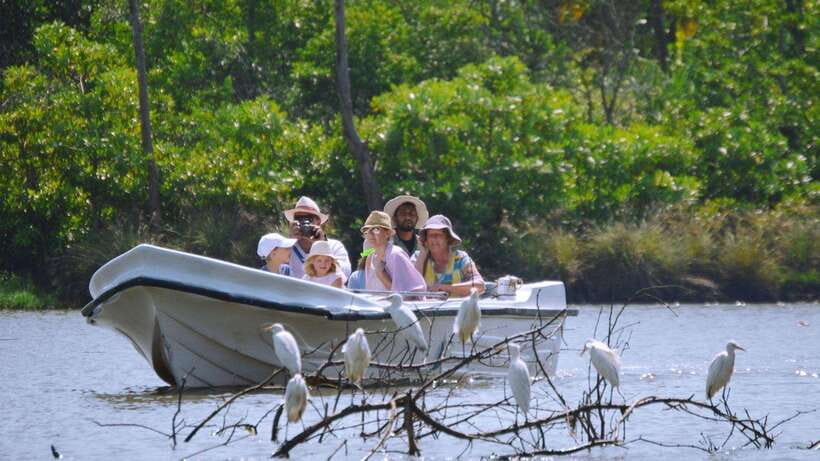
One of the most memorable sections is the boat ride along the Madhu River. This is described as a tranquil ride through mangroves with a chance to spot wildlife—exotic birds, monkeys, and other species that live in the area. The big value here is pace. The river format gives you time to notice the small stuff: bird movement, water texture, the rhythm of mangrove edges.
This part of the day also includes tickets for fish therapy and crocodile—plus time where you may get hands-on encounters like holding turtles (the tour notes that taking pictures and holding turtles is free from them). That combination is exactly why this day trip feels more than sightseeing. It mixes nature watching with a more interactive angle.
Two important considerations:
- Fish therapy is included, but you should expect it to feel unusual. It’s not for everyone. If you’re squeamish, you can still watch your group and decide at the moment.
- With crocodiles, keep a steady head and follow guide instructions. This is where good guidance matters.
Also, remember the day is heat-heavy. You’ll want insect repellent and water, especially around river stops.

Tsunami Village Visit: A Learning Moment That Stays With You
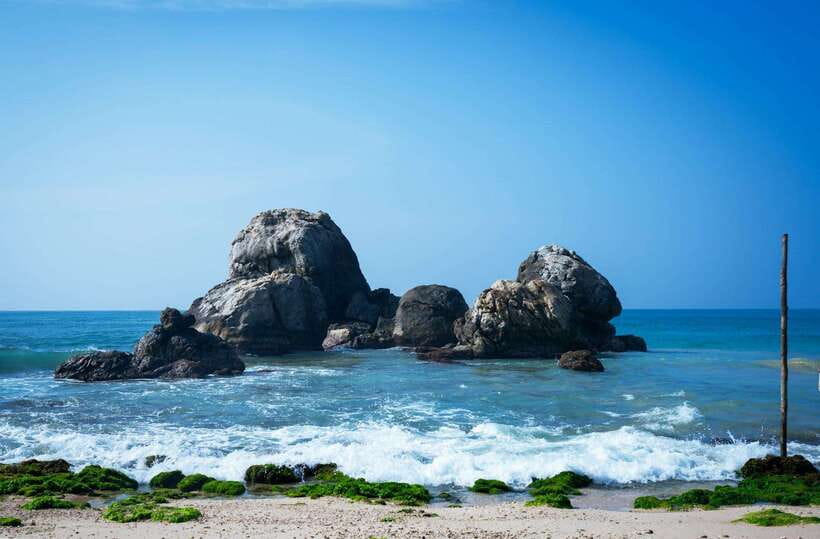
The tour includes exploration of a tsunami village. It’s a poignant stop that connects a major 2004 tsunami impact to what local communities did next—rebuild, adapt, and keep going. Many villages have been rebuilt with support from different organizations, and visiting gives you a direct look at resilience rather than just a news story.
How to make this stop meaningful: ask your guide what changed locally and what recovery looks like day to day. Don’t rush through the photos. If the place is quieter, be quieter. This is one of those moments where your behavior affects the vibe more than it does at a museum.
If you’re the type who prefers happy-only travel, this won’t be your easiest segment. But if you want your trip to feel real, it’s one of the most important parts of the itinerary.
Galle Fort: UNESCO Walls, Portuguese-Dutch Blends, and Rampart Views
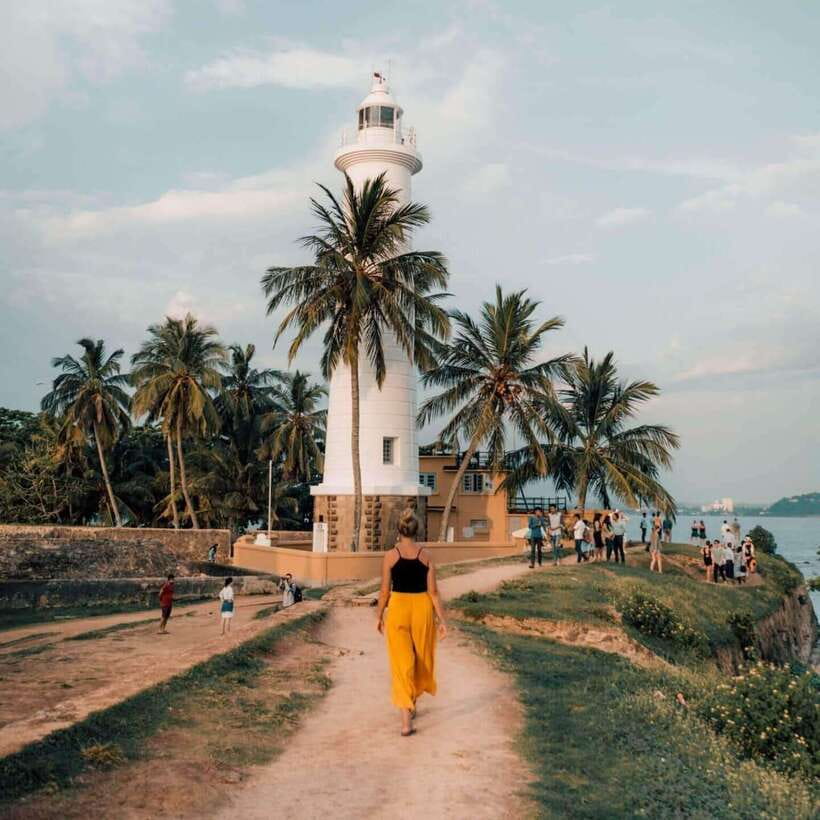
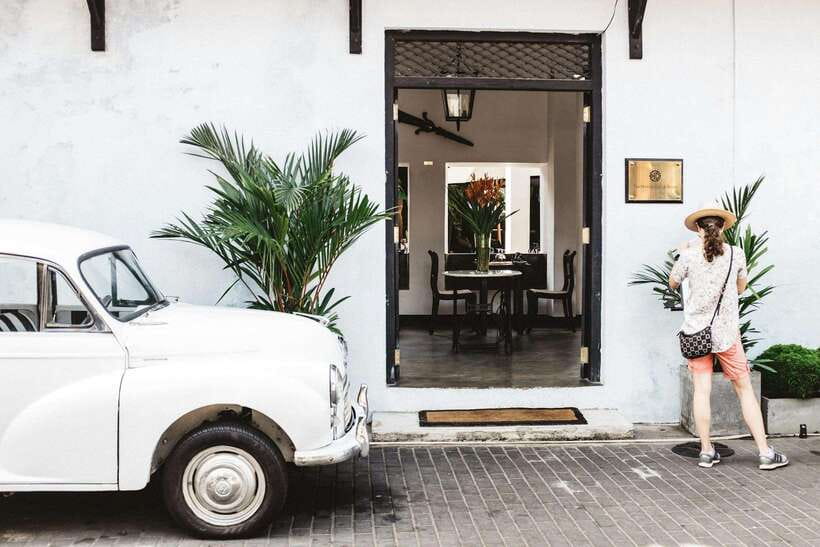
Arriving in Galle, the fort is the big headline. Galle Fort is a well-preserved UNESCO World Heritage site with Portuguese influence starting in the 16th century and later Dutch fortifications. That European-South Asian mix isn’t theoretical—you see it in the fort layout, defensive structure, and the way the old town feels built around the sea.
You get a guided tour of Galle Fort (with about an hour set aside in the details you shared). I love fort walking tours that don’t just name buildings. Here, the best payoff is the combination of:
- cobblestone streets and historic buildings
- small museums and old-town stops
- ramparts with Indian Ocean views
The fort is also practical for shopping and casual breaks. The streets are lined with cafes, shops, and art galleries, so if you want a cold drink or a longer look at local crafts, you can often find a moment.
One more tip: take your shoes seriously. Fort lanes can be uneven, and you’ll already have a full day in your legs.
Stilt Fishermen and Wawurukannala Viharaya: Daily Life Meets Spiritual Art
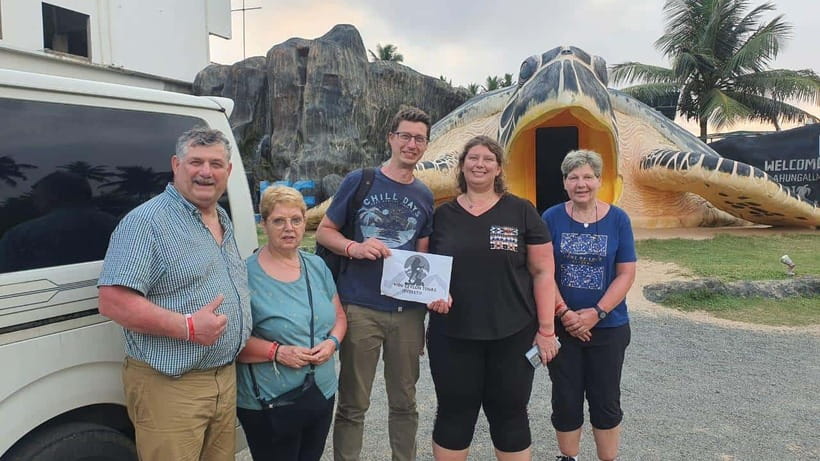
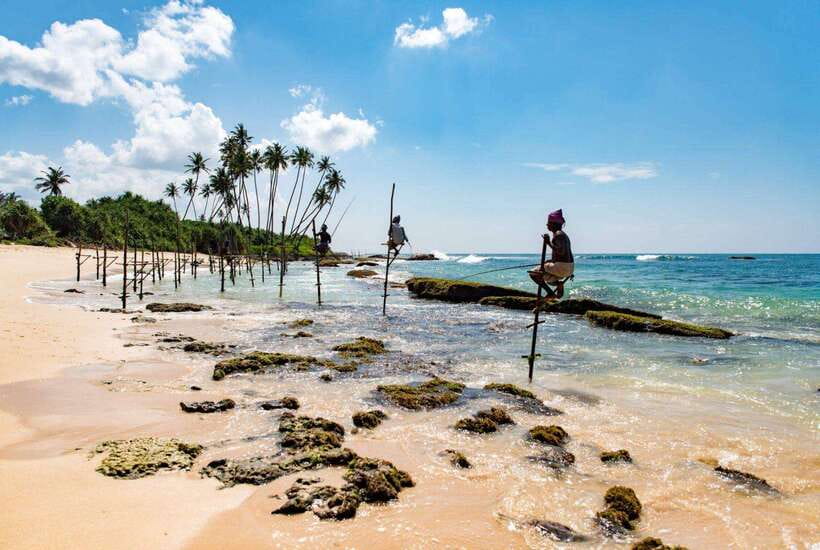
Back in the southern coastal zone, the tour includes stilt fishermen with tickets. This is one of those Sri Lanka scenes that feels instantly distinctive: fishermen perch on stilts embedded in shallow water and fish from that high perch. It’s not only a visual spectacle; it shows how people adapt to local conditions.
The tour also includes a temple stop called Wawurukannala Viharaya. It’s known for a large Buddha statue and intricate murals. I like including one spiritual site besides the earlier Bodhiya stop because it shows variety in Buddhist expression—different scale, different art style, different mood.
If you’re photographing, avoid flash inside historical buildings. Also keep your movement respectful around religious spaces. Your guide can help you position for photos without being disruptive.
Jungle Beach: Your Calm Finish by Clear Water and Jungle Trees
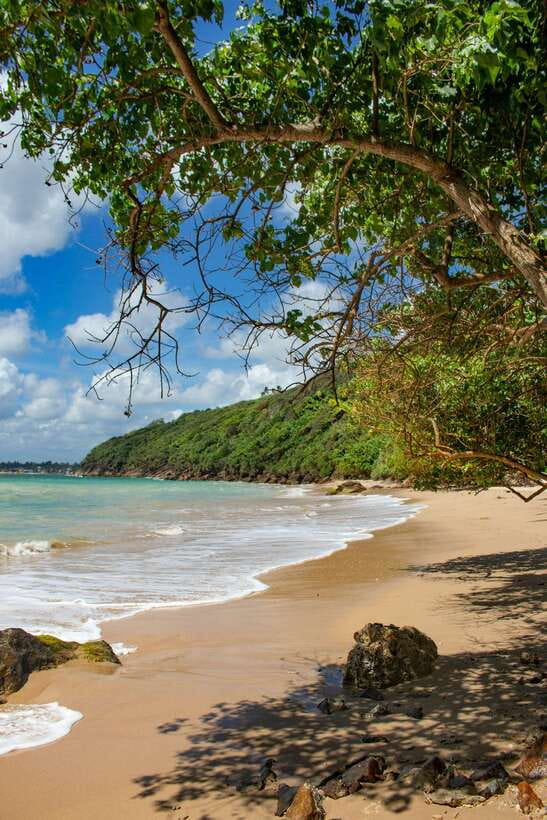
To end the day, you get Jungle Beach—described as a quiet, secluded beach surrounded by lush jungle and clear waters. This is a smart way to close a packed day: the ocean and calmer atmosphere help your brain decompress after forts, boats, and cultural stops.
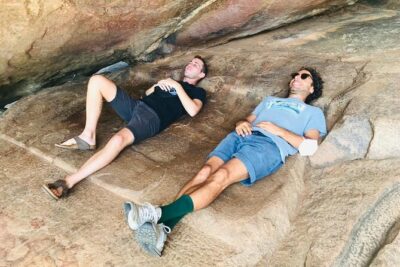
Here’s what to expect from a practical standpoint. You’ll likely have time to relax and swim, and you’ll want to treat this as your “slow down” moment. Your earlier stops are about seeing; this last one is about feeling.
Also note the tour’s wildlife rule: don’t touch marine life. If the water looks tempting, enjoy the view and take photos, but follow the guide’s safety rules.
Price and Value: Is $70 Fair for This Much Variety?
At $70 per person for a 1-day private group, the value depends on what you care about. The price is not only transportation. Your inclusions list covers a lot:
- guided Galle Fort tour plus entrance fees
- tsunami village exploration
- tickets for stilt fishermen
- tickets for Jungle Beach
- tickets tied to Madhu River activities (including fish therapy and crocodile)
- entry to temples
- bottled water and a coconut drink (Sri Lankan king coconut)
What you should notice is the “ticket stacking” effect. You’re paying for multiple regulated stops and activities across different locations, and those costs add up fast in Sri Lanka if you plan it yourself. The tour also includes skip-the-ticket-line, which can save time when lines form.
What you should also know: lunch isn’t included, and turtle farm and Madhu River safari islands are not included. So you’ll want to budget for lunch and keep expectations aligned with what’s actually part of the package.
Overall, for a day that mixes UNESCO walking, wildlife conservation angles, river safari time, and a beach finish, $70 feels like reasonable value—especially if you’d rather pay to have the logistics handled.
Who This Tour Suits Best (And Who Might Want Another Option)
This tour is a great fit if you want:
- a private day with a guide who explains, not just a driver who drops you at stops
- a mix of culture (temples, fort) and nature (Madhu River, turtle conservation, stilt fishermen)
- an ending that doesn’t feel rushed: Jungle Beach relaxation
It may be less ideal if you want a laid-back beach-only day. You will walk and move a lot. Also, if interacting with animals (like fish therapy or close-up encounters) makes you uncomfortable, you might prefer a tour without that emphasis.
Should You Book This Colombo to Galle Fort and Jungle Beach Day Trip?
Yes, I’d book it if you like a day that tells a story across Sri Lanka’s coast—from faith and colonial walls to wildlife, rebuilding, and a final swim. The strongest reasons to say yes are the guided focus on Galle Fort and the fact that the day includes multiple meaningful stops rather than repeating the same type of scenery.
I’d reconsider if you hate heat, prefer minimal walking, or want only one theme. This is a many-stops kind of day.
If you do book, pack smart: comfortable shoes, hat, sunscreen, insect repellent, and a camera you’re ready to use. And when the day turns emotional—like the tsunami village visit—give it your attention. That’s when the trip stops being a checklist and starts feeling real.
FAQ
What’s included in the tour?
The tour includes a guided tour of Galle Fort and surrounding attractions, tsunami village exploration, tickets for stilt fishermen, entrance fees to Galle Fort, tickets for Jungle Beach, tickets for fish therapy in Madhu River and crocodile, entry fees for temples, Sri Lankan king coconut, bottle of water, and guidance for taking photos and holding turtles (described as free from the us).
Is lunch included?
No. Lunch is not included.
What’s not included?
Turtle farm and Madhu River safari islands are not included.
How long is the tour?
It’s listed as a 1-day experience.
Where does pickup happen?
Pickup is included from Colombo, and you return to Colombo at the end of the day.
Are there different starting times?
The duration is 1 day, and it says you should check availability to see starting times.
What languages are guides available in?
The tour lists English, French, Japanese, Italian, and Russian.
Is this a private group?
Yes. It’s a private group.
What should I bring?
Bring comfortable shoes, a hat, camera, sunscreen, and insect repellent.
What rules should I follow during the tour?
Plastic bags are not allowed, touching marine life is not allowed, flash should be avoided inside historical buildings, smoking is not permitted, and it also notes not to bring large bags or plastic bags.
What’s the cancellation policy?
Free cancellation is available up to 24 hours in advance for a full refund, and there’s a reserve now & pay later option.