Elephants and the coast in one long day. This Kandy to Trincomalee shuttle pairs an open 4×4 safari jeep with a targeted wildlife drive in Sri Lanka’s top elephant country, usually around lake areas where the biggest gatherings happen. I love the mix of real safari time plus a smooth drop off in the east, but note the national park entrance fee is not included.
You start at 11:30 AM with pickup in Kandy, then you’re transferred into the jeep once you reach the right meeting spot. It’s designed for a small group (up to 10), so you’re not fighting for viewing angles, and you’ll get bottled water plus evening snacks during the safari.
In This Review
- Key details worth knowing before you go
- Kandy pickup at 11:30: how this day fits into a Sri Lanka route
- The open 4×4 safari jeep: why the ride matters as much as the sightings
- Minneriya National Park: elephant feeding grounds built around water
- Kaudulla and Hurulu eco park: how your destination choice affects your day
- Wildlife spotting with a trekker: what you can realistically expect
- Snacks, timing, and the ride toward Trincomalee (and Niaveli)
- Price and value: what $100 covers, and what you should budget for
- Who should book this Kandy to Trincomalee safari drive
- How to prepare for a better elephant-sighting day
- Should you book this safari shuttle?
- FAQ
- How long is the Kandy to Trincomalee shuttle and safari drive?
- What time does the experience start in Kandy?
- Which national park do you visit?
- Are national park entrance fees included?
- What’s included in the price?
- What if the tour is cancelled due to poor weather?
Key details worth knowing before you go
- 11:30 AM start from Kandy: you’ll still get a full day’s wildlife focus before heading toward Trincomalee
- One of three elephant zones: Minneriya, Kaudulla, or Hurulu eco park, based on where wildlife activity is strongest
- A trekker helps with spotting: you’re not just driving around hoping for the best
- Snack + water included: evening snacks during the safari, plus bottled water for the ride
- Small group size: maximum 10 travelers, minimum 2
Kandy pickup at 11:30: how this day fits into a Sri Lanka route
This is a great choice if you’re building a road trip from the island’s hill country toward Sri Lanka’s east coast. The timing is the key: a late-morning departure from Kandy means you skip the early chaos and still arrive at the park area with enough daylight to spot animals around open water.
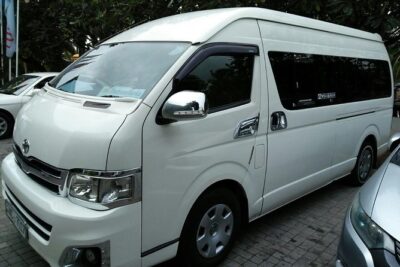
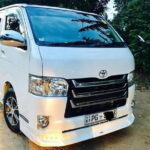
Pickup and drop are handled by car or MPV, so the transfers feel more like a private transfer with a safari add-on than a rigid bus tour. You’ll also have a mobile ticket, and you’ll get confirmation at booking time.
One practical thing to plan for: you’re in a shared format, with a maximum of 10 people. That usually makes the jeep experience feel easier—fewer voices, fewer heads, less waiting—compared with bigger tour buses.
You can also read our reviews of more tours and experiences in Kandy.
The open 4×4 safari jeep: why the ride matters as much as the sightings
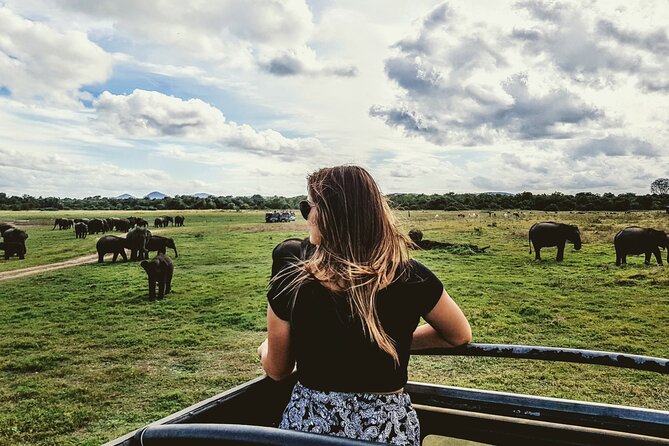
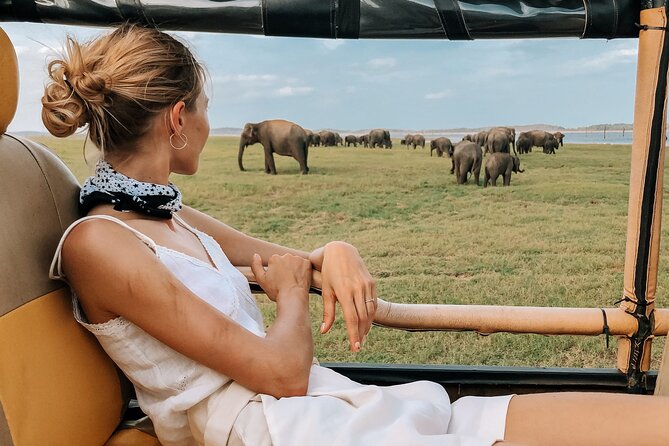
You shift from the transfer vehicle into an open-concept 4×4 safari jeep once you reach the meeting point area. That open design changes the feel of the outing. You get a better view out to the sides, and it’s easier to track movement when animals shift between grass, shoreline, and forest edge.
The other big difference is the human help. A safari trekker directs you to the best spots for viewing, instead of treating the drive like a random search. In elephant country, tiny changes in position matter—an elephant can appear near the lake one minute and be gone behind a tree line the next—so local guidance is a real value.
And yes, this is a real safari setup: bottled water keeps you going, and evening snacks help you avoid the hungry-late-lull that often happens on long wildlife days.
Minneriya National Park: elephant feeding grounds built around water
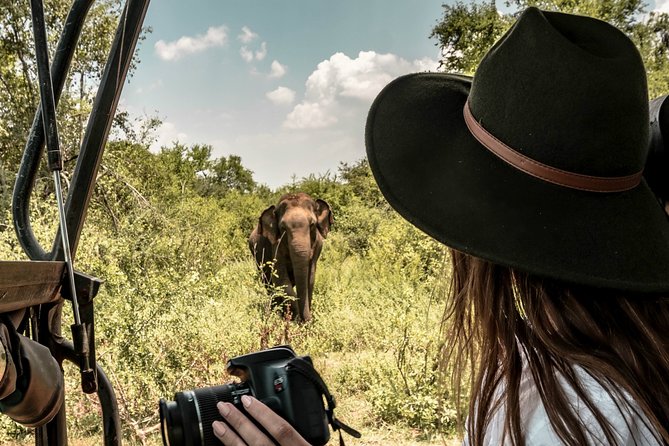
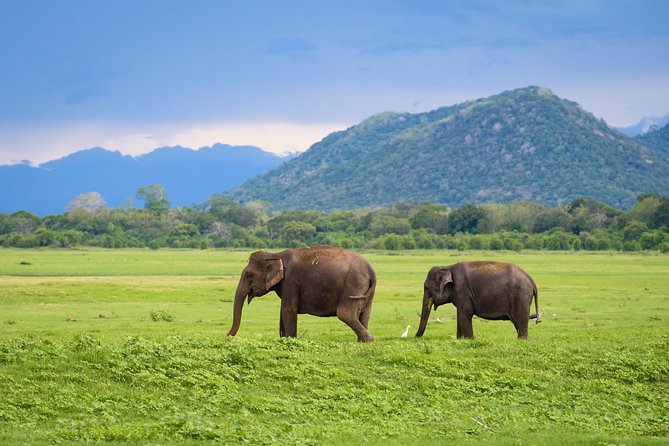
If your day centers on Minneriya, you’re heading to one of the most important elephant areas in Sri Lanka. Minneriya was designated as a national park on 12 August 1997, after it was originally declared as a wildlife sanctuary in 1938. The reason for protecting the area is tightly linked to the landscape’s water system: it guards the catchment of Minneriya tank and the wildlife in the surrounding zone.
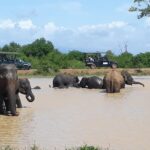
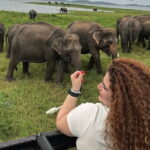
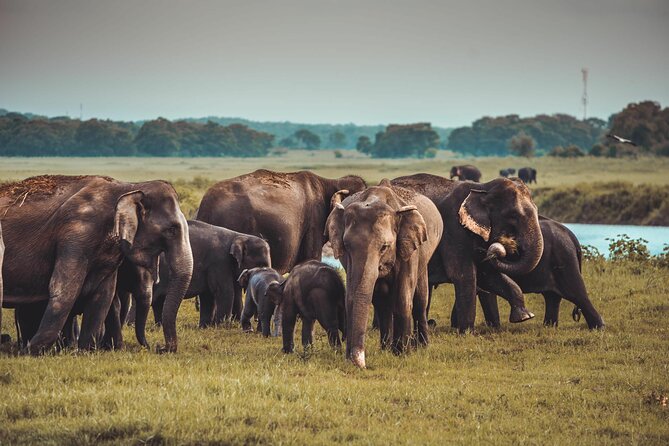
That tank connection is more than trivia. Minneriya’s big seasonal pattern is tied to dry-season feeding. The park is known as a dry season feeding ground for the elephant population that moves between forests of Polonnaruwa and the Trincomalee district area. When elephants gather around water sources, the viewing odds improve—especially when they come into view near the lake.
There’s also a historical anchor here. Minneriya tank was built by King Mahasen in the third century AD. So while your focus is wildlife spotting, you’re also visiting a place shaped by centuries of human water management.
Bird lovers also have something to work with. Minneriya, along with Kaudulla and Girithale, makes up one of Sri Lanka’s Important bird areas, listed among the country’s 70 Important bird areas.
Kaudulla and Hurulu eco park: how your destination choice affects your day
This shuttle-and-safari format doesn’t lock you into a single park. You go to Kaudulla, Minneriya, or Hurulu eco national park depending on the transitioning behavior of wildlife creatures. Practically, that means the route is built around animal movement, not just a checklist.
Why that helps you: elephant sightings can be very timing-dependent. If elephants are more active in one area that day, the plan aims to follow that. The goal is to maximize your chance of seeing large elephant gatherings, especially near water.
What stays consistent across the park options is the safari style:
- You’re in an open jeep.
- A trekker directs your viewing stops.
- You get evening snacks during the safari window.
- You’ll look for not just elephants, but other wildlife too.
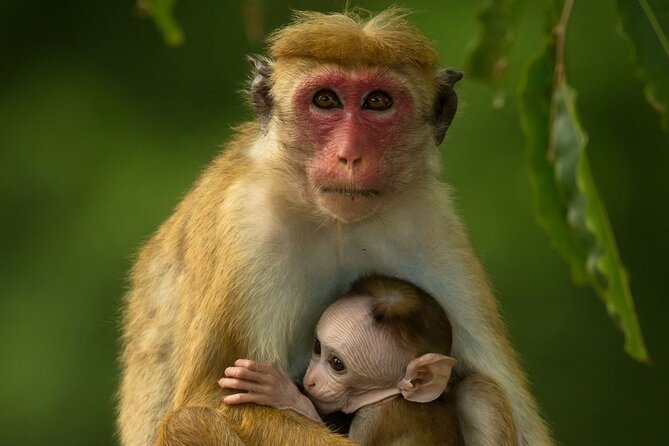
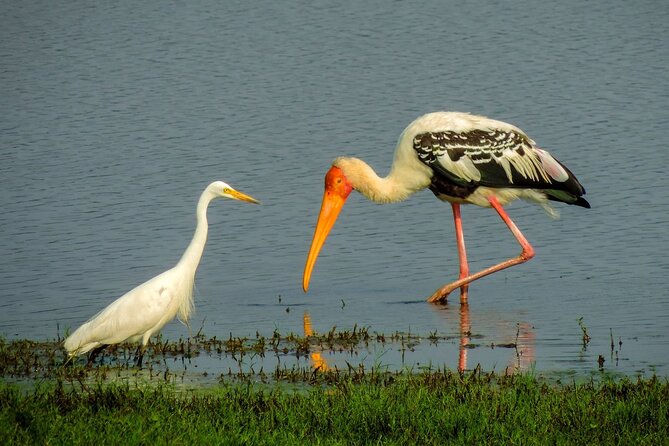
And about other animals: you may spot Sambar deers and Axis deers, plus two types of endemic monkeys and a wide range of birds. One review note that leopards are not typically expected in this part of Sri Lanka, so don’t build your trip around that possibility.
Wildlife spotting with a trekker: what you can realistically expect
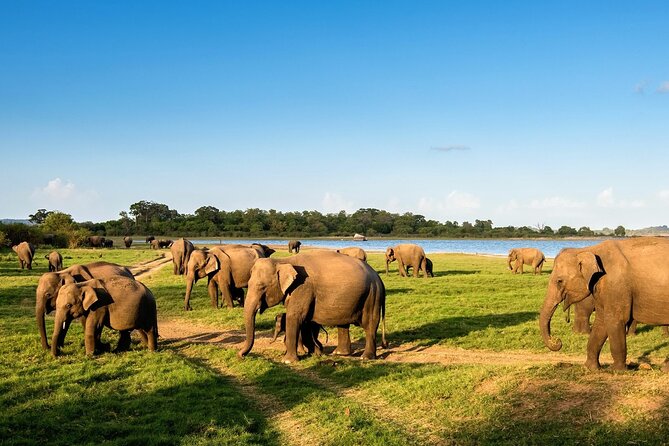
Your trekker’s job is to point you toward the spots where animals are most likely to show up. On elephant-focused days, that usually means positioning for shoreline or lake-area viewing, since elephants often show up where water and food overlap.
Elephants aren’t the only target. You can also look out for endemic monkeys and deer species (Sambar and Axis), plus lots of bird activity around the park. A wide range of birds is mentioned as part of the experience, which matters because it gives you something to watch even during quiet moments.
One review also picked out water buffalo as an added bonus. That’s the nice part of elephant country: even if the elephants are off in the distance, you’re often still seeing other animals nearby in the same general zone.
Do expect it to feel popular. The safari drive happens in a park that can attract multiple jeep tours at once. Translation: be patient, keep your camera ready, and don’t assume you’ll always have the perfect, empty view.
Snacks, timing, and the ride toward Trincomalee (and Niaveli)
The safari portion includes evening snacks during the drive, and you’ll have bottled water as well. That’s a small detail that actually helps a lot. Wildlife parks can run long or feel slow depending on animal movement, so having food handled means you’re not stuck searching for something once you finally see the animals.
After the safari, you’ll end with drops along the Trincomalee and Niaveli area. That matters if you’re planning a beach-focused second half of your trip. Rather than just getting dropped back in a central bus station, you’re sent toward the places most people use as their east-coast base.
It also reduces your day-stress. In a route like this, the hardest part is often stitching together transport. Here, the plan already includes the transfers, so you can spend your mental energy on spotting wildlife.
Price and value: what $100 covers, and what you should budget for
At $100 per person, this is mainly value-priced because it bundles three things together:
- Pickup and drop from Kandy via car or MPV
- Safari drive in an open-concept 4×4 jeep with a trekker
- Bottled water and evening snacks
That combination is what you’re paying for. If you tried to piece it together separately—transfer + jeep + guide support—you’d likely end up spending more time coordinating and sometimes more money.
The one clear extra cost is the national park entrance fee, which is not included. So when you’re budgeting, add that on top of the $100.
Also keep in mind the duration is listed at about 8 hours. With that kind of time, you’re paying for both the wildlife experience and the actual travel day work, not just an hour or two in the park.
Who should book this Kandy to Trincomalee safari drive
This tour suits you if:
- You want an elephant-focused safari on your way to the east coast
- You prefer a small group (maximum 10) instead of a large coach
- You like having a trekker help with animal spotting
- You want transport handled end-to-end, with drop off around Trincomalee and Niaveli
It’s especially useful if you don’t want to spend an extra day in transit. Instead of treating Kandy and Trincomalee like two separate trips, you turn the move into part of the experience.
If you’re traveling solo, the minimum participation is 2 people, so you’ll want to check availability for shared dates. The operator notes they’ll do their best to take solo travelers on board for shared experiences.
How to prepare for a better elephant-sighting day
This is a safari day, so think like one. Pack a light layer for longer time outdoors, and wear shoes that can handle uneven ground when you’re stopping for viewing.
Bring patience for the elephant rhythm. Even when the elephants are around, sightings happen in moments, not on demand. A trekker’s guidance helps, but the animal schedule still drives everything.
Also, plan your expectations around what’s realistic here. One review points out that leopards are not part of the typical target list in this region, so your best strategy is to focus on the big, reliable highlights—especially elephant gatherings and the lake-area viewing they’re known for.
Should you book this safari shuttle?
Book it if you want the practical win: wildlife time plus transport from Kandy to the Trincomalee/Niaveli region in one ticket. The $100 price makes sense because it includes the jeep safari with trekker help, plus the snacks and bottled water that keep the day comfortable.
Don’t book it if you strongly need the national park fee to be fully included in the package price, or if you’re the type who hates the idea of a park schedule that can shift between Minneriya, Kaudulla, or Hurulu based on animal movement.
FAQ
How long is the Kandy to Trincomalee shuttle and safari drive?
It runs about 8 hours.
What time does the experience start in Kandy?
Pickup starts at 11:30 AM.
Which national park do you visit?
You’ll go to Kaudulla, Minneriya, or Hurulu eco national park depending on wildlife movement.
Are national park entrance fees included?
No, the national park entrance fee is not included.
What’s included in the price?
Hotel pickup and drop (by car or MPV), safari drive with an experienced trekker, bottled water, and evening snacks are included.
What if the tour is cancelled due to poor weather?
If it’s canceled because of poor weather, you’ll be offered a different date or a full refund.