That tuk-tuk ride makes village life feel close. I love how this trip mixes lakes and countryside views with hands-on culture like traditional pottery, so it’s not just a drive-by photo stop. I also like the small-group feel, capped at 8 people, which keeps the day relaxed instead of chaotic. One thing to consider: you’re on the move for about 6 hours, and the schedule includes a bit of travel time before the tuk-tuk portion starts.
You’ll start with pickup at Hambantota’s passenger pier, then head to the village start point. Once you’re there, the morning flows from animal sights (including bat nests) to scenic water, then into village workshops and a rural homestead. If you want a slow, stay-put visit, this one may feel a little brisk.
In This Review
- Key Highlights You’ll Actually Feel During the Day
- From Hambantota Pier to the Yala Start Point
- Bat Nest Area and Lakes: The Morning Tuk-Tuk Loop
- Clay Pot Making: Try the Traditional Wheel, Then Take It Home
- A Village House Visit: Daily Chores, Gardens, and Ceylon Tea
- How the Guide Makes It Work (And Why Names Matter)
- Price and Value: Is $90 Fair for This Kind of Day?
- Group Size, Timing, and What to Expect During a Cruise Day
- Who This Tour Fits Best
- Should You Book This Village Expedition in Yala?
- FAQ
- What time does the Yala village tuk-tuk tour start?
- How long is the experience?
- Is pickup and drop-off included in the price?
- What activities are included during the tour?
- Is bottled water included?
- Does the tour cost include taxes and site/activity fees?
- What is the cancellation policy?
Key Highlights You’ll Actually Feel During the Day
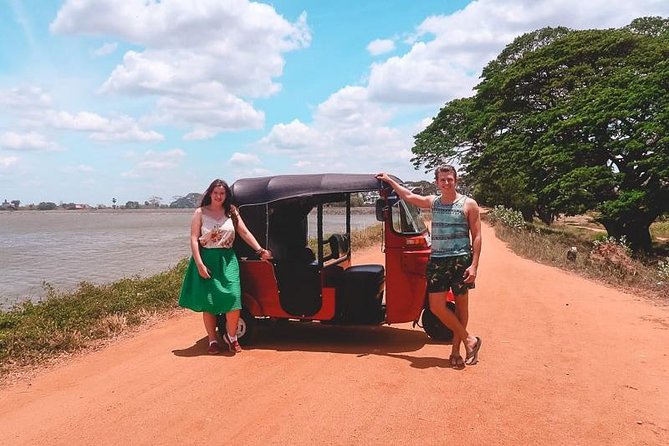
- Pier pickup built for cruise timing so you’re not guessing how to get started
- Tuk-tuk loops around lakes rather than just sitting in a vehicle
- Pottery on a traditional wheel where you can make a souvenir pot
- Village chores you can see in real time like rice field and garden work
- A cup of Ceylon tea made by village women as part of the homestead visit
- Small group limit (max 8) which usually means better conversation
From Hambantota Pier to the Yala Start Point

The day begins at 8:30 am with pickup from the passenger pier at Hambantota. If you’re arriving by cruise, this matters. Getting your feet on the ground quickly beats hunting for a taxi or trying to read local transport schedules with limited time.
You then travel to the starting point for the village expedition. Plan on a chunk of transit before the tuk-tuk portion really begins. In practice, it can feel like roughly an hour of moving from the harbor area out toward Yala’s village sites. The upside is that you’re not stuck in uncertainty. You’re led step-by-step, and the guide handles the flow.
Also note what’s included during this section of the day: you get an air-conditioned vehicle for the transfer and bottled water during sightseeing. That doesn’t make Sri Lanka “cool and comfy” for the whole day, but it helps you avoid that dry-mouthed, tired feeling that can creep in when you’re bouncing between stops.
You can also read our reviews of more tours and experiences in Hambantota.



Bat Nest Area and Lakes: The Morning Tuk-Tuk Loop
Once you reach the village start point, you’re welcomed by your tuk-tuk guide. This is when the pace shifts from road travel to slow, local movement—tuk-tuks are much easier to enjoy than a bus because you can actually look around while you go.
The first stop is the bat nest area. It’s a quick, visual introduction to the natural side of this region. Even if you’re not a wildlife expert, it’s the kind of scene that makes you pause and look up, which is exactly what you want on a shore excursion. It’s a reminder that this isn’t only “people watching”—it’s also the local ecosystem.
After that, you move to what the tour describes as the most scenic lakes in the area. Then comes the best part for many people: you ride around the lake by tuk-tuk. This gives you a more personal perspective of water, shoreline, and everyday rural activity compared to viewing the area from a distance.
Practical note: the ride around the lake is a highlight, but it’s still a tuk-tuk ride. Wear comfortable clothing and walking shoes, as suggested. You want to be ready for uneven ground near viewpoints or short walk segments between stops.
One small drawback to keep in mind: the morning is structured. You’ll get to see a lot, but you won’t have unlimited free time to linger in any single spot. If you’re the type who needs extra minutes to study every detail, do your “slow looking” during the lake ride, since that’s when the day naturally gives you better viewing opportunities.
Clay Pot Making: Try the Traditional Wheel, Then Take It Home
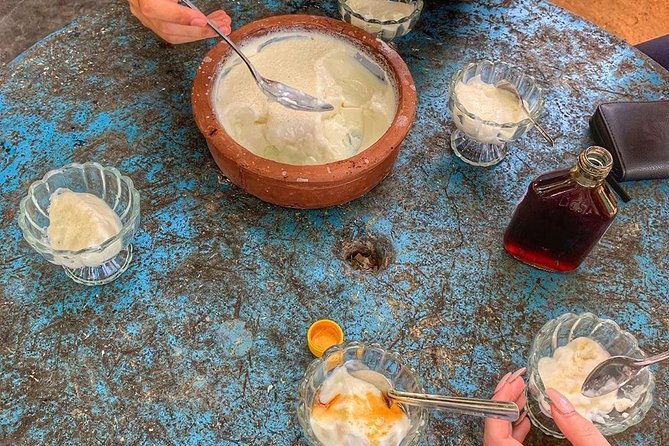
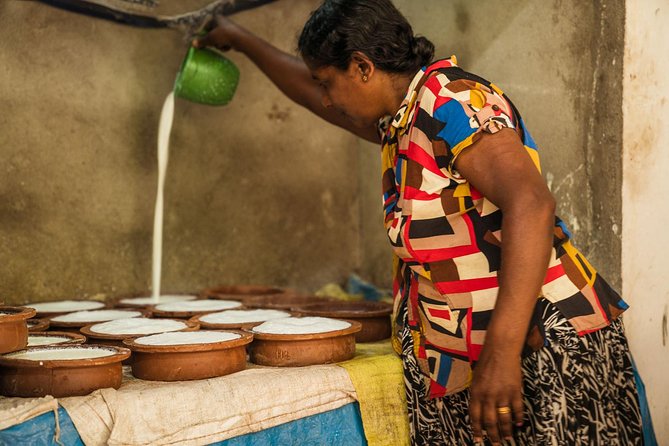
Next up is a clay pot making house, where you’ll learn the intricate art of Sri Lankan pottery from expert artisans. This is the kind of activity that turns a cultural visit into a tangible memory.
Here’s what makes this stop valuable: you’re not only watching someone else work. You can make your own clay pot on a traditional wheel, and it becomes a special souvenir. Even if your first attempt looks more like a lopsided bowl than a masterpiece, it’s still yours. That’s the point.
There’s another subtle benefit: pottery work gives you a window into everyday craftsmanship. Sri Lankan village life isn’t only about farms and household chores. It also depends on skills—hands, patience, and know-how passed down and practiced in workshops like this one.
What to expect here day-of:
- You’ll have time during this stop to learn the basics from artisans.
- You’ll participate in the wheel-making process.
- You’ll leave with something you can actually bring back.
If you’re short on photo time, this is one stop worth prioritizing, because it’s the one where you’ll be actively involved.
A Village House Visit: Daily Chores, Gardens, and Ceylon Tea
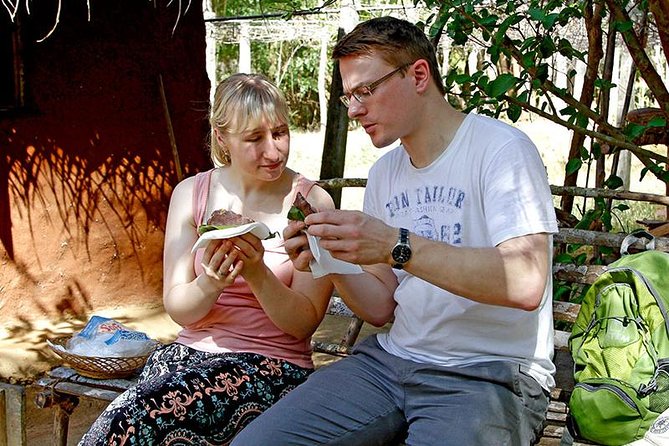
After pottery, you head to a village house to see rural lifestyle up close. This is where the experience turns from activities to everyday routines.
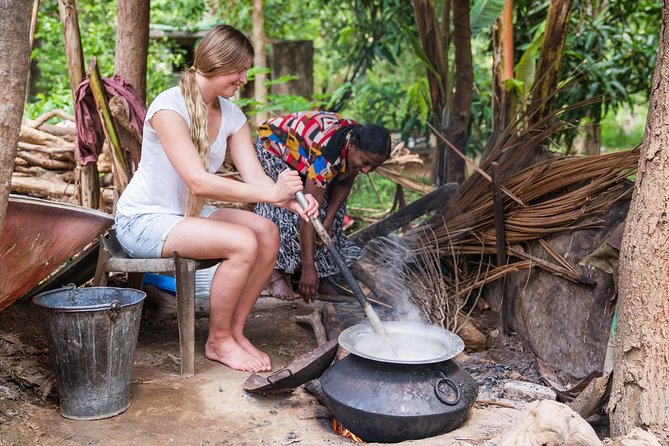
You’ll witness daily chores, including rice fields and vegetable gardens. That gives you real context for what people eat, how food is produced, and how the year’s work shapes the rhythm of life. It’s also a calmer part of the day. Instead of moving quickly from one viewpoint to the next, you’re observing a homestead setting and how tasks fit together.
Then comes a moment that’s simple but memorable: you can taste a cup of Ceylon tea made by the village women. Tea is one of those travel experiences that sounds small until you sit down and realize it’s part of hospitality and daily comfort. Even if you’re not a huge tea person, it’s the human touch that makes the village visit feel personal instead of staged.
A practical consideration here: this portion includes walking and time spent in a rural environment. Keep your shoes comfortable. The tour includes guidance to wear comfortable clothing and walking shoes, and I agree—don’t show up in anything restrictive if you want to enjoy the day.
How the Guide Makes It Work (And Why Names Matter)

The quality of a village tour often hinges on the guide. In this case, the guide experience is a major part of the value.
One guide name that shows up strongly is Nalin, who was praised for bringing the sites to life with clear English and local insight. Another guide name you may run into is Manju, known for being on time for cruise groups and for offering a professional, friendly approach.
You’ll feel this in how the day is explained—why a lake matters here, what you’re looking at in the natural areas, and how the workshop activity connects to village life. When someone can connect the dots in plain language, the trip stops feeling like a checklist.




Price and Value: Is $90 Fair for This Kind of Day?
The price is $90.00 per person for an approx. 6-hour tour from Hambantota by tuk-tuk.
What makes this cost feel reasonable is what’s included:
- Pickup and drop-off in Hambantota harbor
- A local guide
- Costs of activities and site visits
- Bottled water during sightseeing
- All government taxes
What’s not included:
- Meals
- Personal expenses
- Gratuities (recommended)
So you’re paying for a guided day with transport and entry/participation tied to the main activities. That’s not just “sightseeing.” It includes an actual workshop experience where you make a clay pot.
Where the value can swing for you is your meal situation. Since meals aren’t included, you’ll likely want to plan around it—especially if your cruise schedule leaves little flexibility for lunch. If you already have a meal plan with your cruise, you’re set. If not, consider budgeting for food separately so you’re not stuck deciding on the fly.
Bottom line: for a shore excursion that includes real hands-on culture plus transport and guide support, $90 often feels like fair math—especially with the maximum group size kept at 8.
Group Size, Timing, and What to Expect During a Cruise Day
This is capped at a maximum of 8 travelers. It’s also limited by a minimum of 2 people to operate. That small cap changes the feel of the day. You get quicker answers, fewer awkward pauses, and more space to ask questions.
Timing is also built around the harbor. Pickup is at 8:30 am, and you’re dropped back by around 13:30 hrs. That gives you a reliable window for cruise logistics. The whole thing is designed to fit within a typical port-day rhythm.
One more consideration: the day depends on good weather. If conditions are poor, you’ll be offered a different date or a full refund. That’s common for outdoor village touring, where walking and visibility matter.
Who This Tour Fits Best
This tour makes the most sense if you want:
- A village-focused day, not a theme-park style stop
- A tuk-tuk ride that actually lets you see the countryside at a slower pace
- Hands-on culture, especially pottery with the traditional wheel
- A homestead moment with real daily chores and Ceylon tea
It’s less ideal if you want long, free wandering time. The day is structured to cover multiple parts of village life, so you’ll be moving from one experience to the next.
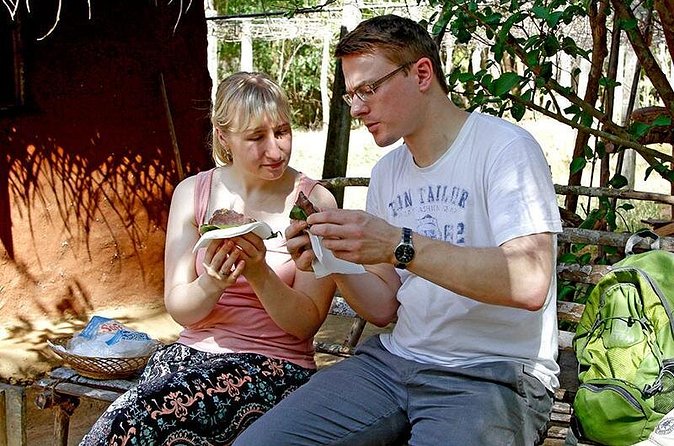
Also, because most people can participate and the group is small, it’s a good match for couples and small groups who prefer a guided day with plenty of human contact.
Should You Book This Village Expedition in Yala?
Yes, I think you should book this if your goal is authentic village life with real activities—not just a quick drive past rural scenes. The mix of tuk-tuk lake riding, pottery participation, and a tea-and-chores homestead visit is a strong combo. Add in the included guide, bottled water, and the fact that it’s built around pickup and drop-off at Hambantota’s passenger pier, and it’s a practical choice for a port day.
Skip it only if you strongly prefer a slow pace with minimal logistics, or if you know you’ll struggle with a day that includes transit plus multiple walking and workshop segments. In those cases, you may want a longer stay or a more relaxed village-focused plan.
FAQ
What time does the Yala village tuk-tuk tour start?
It starts at 8:30 am, with pickup from the passenger pier at Hambantota harbor.
How long is the experience?
The duration is about 6 hours.
Is pickup and drop-off included in the price?
Yes. Pickup and drop-off in Hambantota harbor are included.
What activities are included during the tour?
You’ll explore a bat nest area, visit scenic lakes and take a tuk-tuk ride around them, visit a clay pot making house to learn pottery and make your own pot, and visit a village house to see daily rural chores and taste Ceylon tea.
Is bottled water included?
Yes. Bottled water is provided during sightseeing.
Does the tour cost include taxes and site/activity fees?
Yes. The price includes all government taxes and the cost of activities and site visits.
What is the cancellation policy?
You can cancel for a full refund if you cancel up to 24 hours in advance. If it’s canceled due to poor weather, you’ll be offered a different date or a full refund.