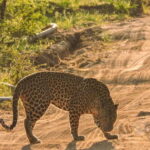
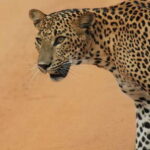
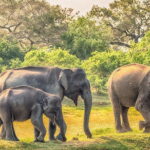
Elephants steal the show in Udawalawe. This private day trip blends a Udawalawe wildlife safari with a stop at the Elephant Transit Home, so you get both wild sightings and the rehab story behind them.
I love how free pickup/drop-off handles the South Coast logistics for you, so your day starts easy and stays that way. I also like that the package is genuinely all-in on the big stuff: transport, fees, and meals are covered, including bottled water and a proper lunch.
One thing to plan for: it’s a 7 to 8 hour day with a fixed start (8:00am morning or 12:00pm evening), and drinks beyond what’s included will be on you.
In This Review
- Key things to know before you go
- Udawalawe from the South Coast: the easiest kind of logistics
- Inside the 3-hour Udawalawe jeep safari: how you actually find wildlife
- Practical tips that make a difference on safari days
- Udawalawe Elephant Transit Home: what rehab looks like up close
- A note on expectations
- Lunch and the rhythm of a full day
- Price and value: is $180 per person fair for this setup?
- Who this tour suits best (and who might want to think twice)
- Booking details that can affect your day
- Should you book this Udawalawe safari day trip?
- FAQ
- What time does the morning safari start?
- What time does the evening safari start?
- How long is the Udawalawe safari day trip?
- Where is pickup offered?
- What’s included in the $180 price?
- Are drinks included with lunch?
- Is this a private tour?
- What if the weather is bad or I need to cancel?
Key things to know before you go
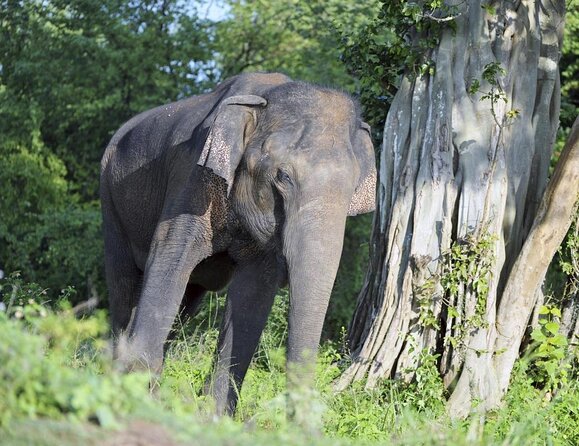
- Private pacing on a jeep safari gives you more time to watch elephants when they show up close to the road.
- Elephant Transit Home (ETH) visit connects what you see in the wild with what caretakers are doing for orphaned calves.
- All-in day package covers transport, safari jeep time, entry fees, bottled water, and lunch.
- South-coast pickup zones include Hambantota, Ranna, Tangalle, and Dikwella, which makes it easier than organizing a patchwork plan.
- More than elephants on your radar: sambar, chital, wild boar, and dry-zone birdlife are part of the hunt.
Udawalawe from the South Coast: the easiest kind of logistics
If you’re basing yourself on Sri Lanka’s south coast, Udawalawe can feel like one of those far-off destinations. This tour keeps it simple. You get free round-trip transfers from in or around Hambantota, Ranna, Tangalle, and Dikwella, and you start from the pickup point at either 8:00am (morning safari) or 12:00pm (evening safari).
The duration is listed at about 7 to 8 hours, which is long enough to feel like a full day, but not so long that you spend the whole time in a car. The private setup also matters: you’re not playing shuffle-the-passengers, and the guide can run the day at your group’s pace.
A small but useful detail: the tour uses a mobile ticket, so you’re not hunting for paper confirmations. And since the provider handles the transport and park-related costs together, you’re less likely to hit that classic travel moment where you’re ready to go but missing one fee or one ticket step.
You can also read our reviews of more tours and experiences in Hambantota.

Inside the 3-hour Udawalawe jeep safari: how you actually find wildlife
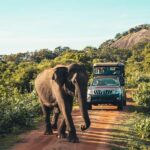
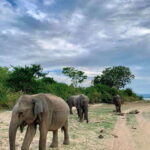
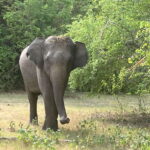
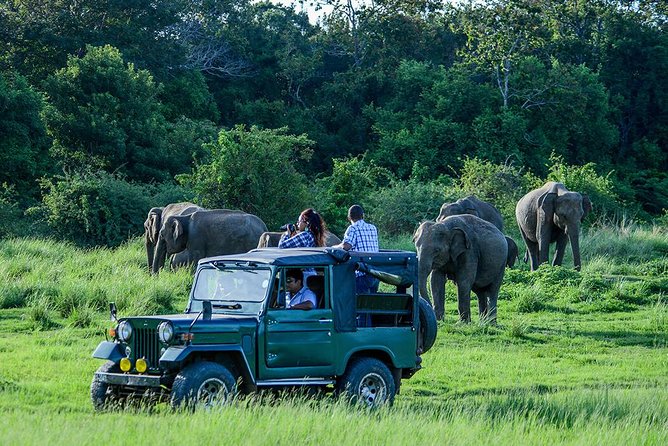
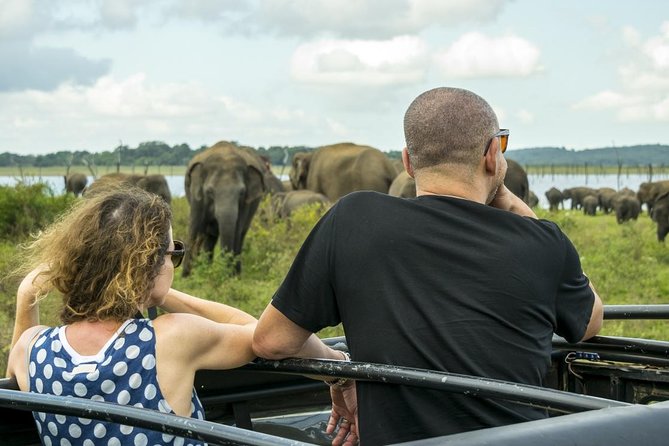
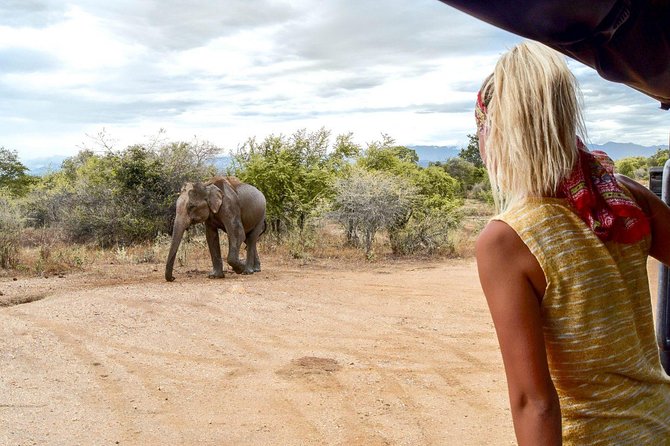
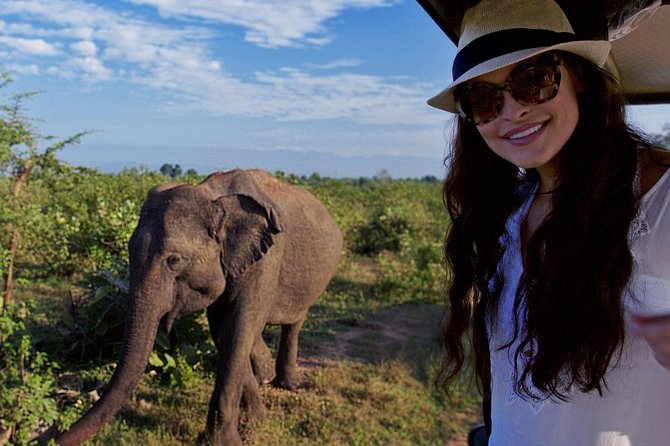
The heart of the day is a 3-hour safari jeep session inside Udawalawe National Park. This park is famous for Asian elephants, and it’s the kind of place where grasslands and bushy areas help animals move close to the roads—good news for your viewing time.
I like that the safari window is long enough for you to shift from fast scanning to patient watching. Elephants don’t always show up on cue, and wildlife spotting is rarely one-and-done. With 3 hours, you’re more likely to catch the moments that matter: herds feeding, ears flicking, calves moving with the group, and that slow drift that looks boring until you realize you’re watching behavior up close.
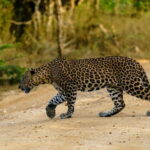
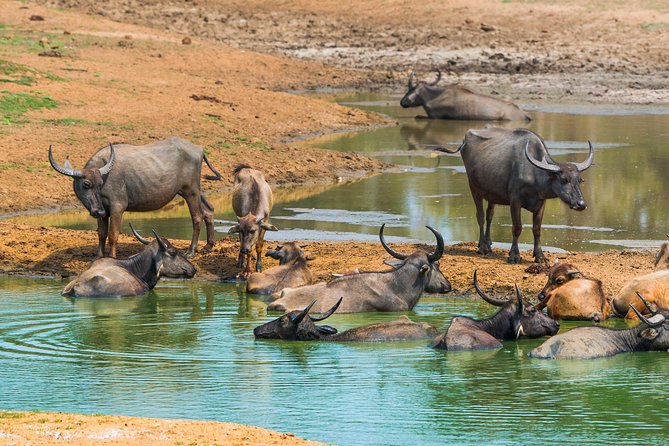
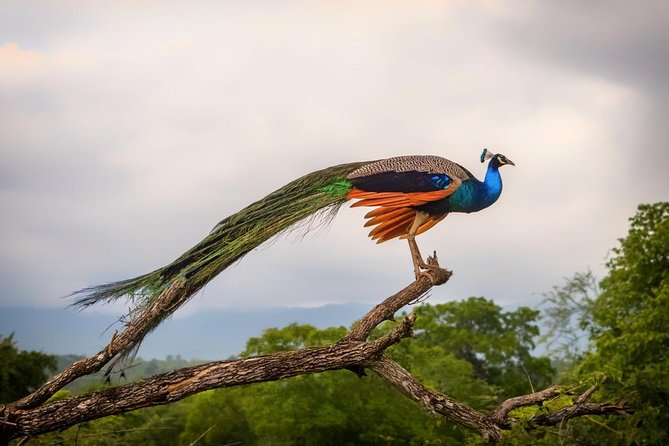
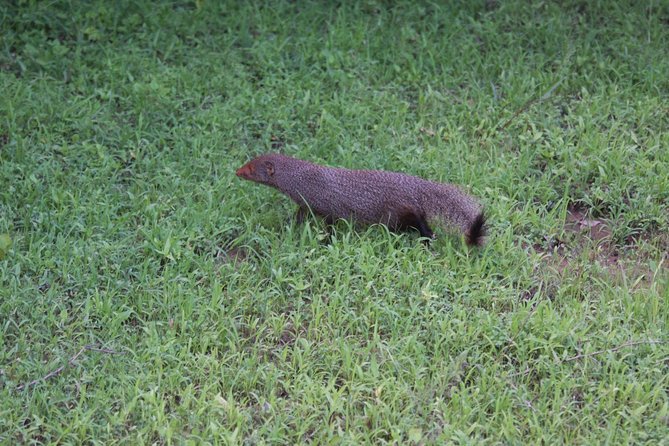
What you can reasonably aim to spot includes sambar and chital (two types of deer), wild boar, and dry-zone birdlife. Based on the kinds of sightings people have logged on this outing, you might also catch peacocks, monkeys, lizards, mongoose, and even crocodiles depending on water areas and what the animals are doing that day.
The safari is done by an experienced driver-guide in a dedicated jeep for your group. In plain terms: you’re not stuck following a huge bus line, and you can adjust as the driver navigates the park roads. The guide also has time to make a few stops for interesting points, so you’re not just getting driven and told go look there.
Practical tips that make a difference on safari days
Because you’re outdoors for a chunk of time, your comfort matters. Wear breathable clothes and plan for sun exposure, especially for the morning start. Bring sunglasses and consider a hat, because staring at wildlife usually means scanning for motion more than reading details.
Also, if you want your best elephant odds, keep your eyes active during the whole jeep portion, not only when you think you’ve seen something. You’ll often notice smaller animal movement first, and that’s the kind of cue that can lead to elephants later.
Udawalawe Elephant Transit Home: what rehab looks like up close
The second stop is the Elephant Transit Home (ETH), located within Udawalawe National Park. It’s a facility established in 1995 by Sri Lanka’s Department of Wildlife Conservation, and the mission is straightforward: rehabilitate orphaned elephant calves with the goal of eventual release back into the wild.
This part runs about 30 minutes, which is brief, but it gives you a meaningful contrast to the safari. On the jeep, you’re watching elephants living their natural routine. At ETH, you’re seeing the human side of wildlife protection—why some calves end up in care in the first place, and how that care helps them build the skills they’ll need later.
What makes ETH a good pairing is the emotional clarity. You’re not only seeing elephants; you’re understanding the why behind their presence in different contexts. That makes the whole day feel more purposeful, not just a wildlife checklist.
A note on expectations
Because ETH is about rehabilitation, your experience may feel calmer than the jeep safari. The setting is also different: less open-roaming and more structured. If you’re hoping for big surprises every minute, keep expectations realistic. The value here is the bigger picture and the chance to see how care work connects to long-term conservation.
Lunch and the rhythm of a full day
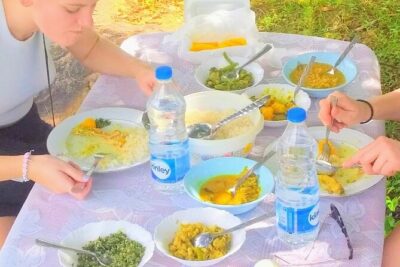
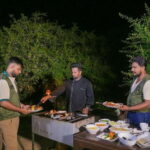
Your package includes lunch and bottled water, plus the admission and park-related fees tied to the day. In real-life terms, that means your day has fewer money stops and fewer decision points.
Many safari days in the area follow a rhythm: transfer to the park, jeep time, then food and a final break before the return. On this outing, there’s also often a lunch stop en route that’s handled for you, so you’re not stuck searching when hunger hits. That matters because safari days can run long enough that getting food becomes stressful if you have to hunt for it on your own.
One small thing to plan: drinks are listed as not included. Bottled water is included, but if you like sodas, juice, or beer with lunch, you’ll want to budget for that. It’s an easy fix—just don’t assume your lunch includes everything beyond water.
Price and value: is $180 per person fair for this setup?
At $180 per person, this tour isn’t cheap, but it also isn’t just selling you a ticket and a vague promise. You’re paying for several things that are usually the painful parts of travel: private transfers from your pick-up zone, an experienced driver-guide, and the safari jeep time with entry fees and a meal included.
Here’s why that matters for value. If you tried to piece this together yourself—transport to the park, park entry, a jeep safari booking, and then arranging the ETH visit—you’d likely spend time coordinating, re-checking details, and paying separate fees. This package is built to remove those frictions.
It’s also a private excursion, meaning your group is the only group using the vehicles tied to your booking. If you’re traveling with friends or family, that privacy can be a big part of why $180 feels reasonable instead of expensive.
One more practical point: the tour is typically booked well ahead (on average 44 days in advance). That suggests it’s popular enough that you shouldn’t wait until the last minute if your schedule is tight.
Who this tour suits best (and who might want to think twice)
This is a great fit if you want wildlife time without doing logistics math all day. It also works well if you care about elephants specifically, because the day is designed around Udawalawe’s elephant reputation and then reinforces that with the ETH visit.
It’s also a good choice for people who dislike rushed group travel. The tour is private, and the day runs at your group’s pace rather than a stop-watch schedule meant for a coach bus.
You might want to think twice if you’re not comfortable with a long day or if fixed start times are a problem. You’re committing to either the morning 8:00am start or the 12:00pm evening start, and your day is structured around that. If you want maximum flexibility to roam on your own schedule, a guided day trip might feel limiting.
Booking details that can affect your day
Most travelers can participate, and there’s a minimum of 2 adults per booking. That’s useful to know if you’re a couple planning a solo-adult trip. If your party is smaller, your options may be limited under this package structure.
The tour is confirmed at booking time, which helps reduce that travel anxiety of waiting for a last-minute “maybe.” You’ll also get a mobile ticket, so your day-of experience should be smooth.
Because the tour requires good weather, expect the operator to adjust if conditions aren’t right. The plan if weather becomes an issue is a different date or a full refund, so you’re not gambling your budget on one forecast.
Should you book this Udawalawe safari day trip?
If you’re staying in the south coast and you want a clean, well-run elephant day, I’d say this is a strong pick. The big win is the combination: a real safari jeep window plus a focused visit to the Elephant Transit Home, all wrapped into a private package with transport and major fees handled.
Book it if you value structure. It’s the kind of tour that reduces stress without making your day feel generic. And if elephants are your priority, the day is shaped for that goal rather than spreading attention across unrelated stops.
Skip or reconsider if your schedule is too tight for a 7 to 8 hour block, or if you dislike fixed start times. Also remember drinks beyond what’s included aren’t part of the price, so plan for that small budget detail.
FAQ
What time does the morning safari start?
The morning safari starts at 8:00am from your pickup point.
What time does the evening safari start?
The evening safari starts at 12:00pm from your pickup point.
How long is the Udawalawe safari day trip?
The trip runs about 7 to 8 hours in total, including the safari and the Elephant Transit Home stop.
Where is pickup offered?
Free pickup and drop-off are offered from in or around Hambantota, Ranna, Tangalle, and Dikwella.
What’s included in the $180 price?
The price includes private transportation with an experienced driver-guide, the safari jeep for 3 hours, admission fees for the safari and the Elephant Transit Home, bottled water, lunch, and all fees and taxes.
Are drinks included with lunch?
Drinks are not included. Bottled water is included.
Is this a private tour?
Yes. It’s a private excursion with only your group participating.
What if the weather is bad or I need to cancel?
The experience requires good weather. If it’s canceled due to poor weather, you’ll be offered a different date or a full refund. You can cancel up to 24 hours in advance for a full refund.