Big sites, big animals, and an easy pace. This private 14-day Sri Lanka run starts in Colombo with daily pickup and a climate-controlled car plus a driver-guide so you can focus on seeing, not figuring. You also get flexibility to tweak the flow as you go, which matters in a country where plans can change fast.
I especially like two things here: the combo of UNESCO-grade ruins (Sigiriya, Anuradhapura, Polonnaruwa) with a real wildlife backbone (Minneriya elephants and Yala’s leopard odds). You’ll also get a human element—names like Menaka (planning support) and driver-guides such as Hemantha, Ashoka, Sumudu/Sumudhu, Jaya, and Namal show up repeatedly as the kind of people who adjust to families and keep the day moving.
One consideration: a lot of the big moments are not included for free. Entry tickets are mostly extra, and key items like safari jeeps and train tickets aren’t included either—so you’ll want to budget day-by-day. Also, one stop can mean an early-morning workout (Adam’s Peak climbs).
In This Review
- Key things to know before you go
- Private 14 days from Colombo: the value is in the way it’s paced
- Price and logistics: what’s included vs. what you’ll pay on the ground
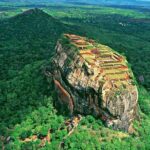
- Day 1: Sigiriya’s Rock Fortress and the tech that still feels impossible
- Days 2–3: Anuradhapura and Polonnaruwa—two ancient city vibes in a row
- Day 4 in Kandy region: Dambulla caves, a free spice tour (with a catch), and Kandyan dance
- Day 5: Tooth Relic Temple and the Kandy gardens-and-tea triangle
- Day 6: Kitulgala whitewater rafting and the long climb to Adam’s Peak
- Days 7–9: Hill country cool air—Nuwara Eliya, waterfalls, Ella train views, and two peak climbs
- Day 10–11: Yala National Park safari and then beaches that actually feel like a reset
- Day 12: Whale watching from Mirissa early, then stilt fishing and sea life moments
- Day 13: Galle Fort’s European-Asian blend, Madu Ganga mangroves, and turtles in Kosgoda
- Day 14: Colombo highlights you can do without stress
- Who this tour fits best (and who should consider a different plan)
- Should you book Best of Sri Lanka in two weeks from Colombo?
- FAQ
- How many people is this tour for?
- Where does the tour start and end?
- Is pickup included?
- How long is the tour?
- What transportation is included?
- Are attraction entry fees included?
- Are hotels and meals included?
- Are safari jeeps and train tickets included?
- What does the tour include at UNESCO sites?
- What is the cancellation policy?
Key things to know before you go
- Private transport every day: Air-conditioned vehicle with a driver-guide, so long drives feel manageable.
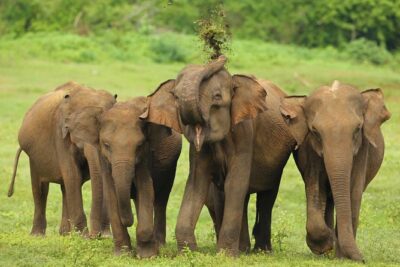
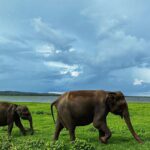
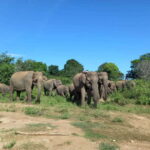
- Wildlife isn’t a checkbox: You’ll hit both Minneriya elephant gatherings and Yala national park.
- UNESCO ruins on a tight route: Sigiriya plus ancient cities like Anuradhapura and Polonnaruwa.
- Action + nature mix: Whitewater rafting at Kitulgala and whale watching from Mirissa.
- Beach time with timing built in: Mirissa and Unawatuna give you a reset after the inland days.
- Your guide can matter as much as the sights: Menaka is noted for planning patience, while guides like Hemantha and Ashoka are described as flexible on real-life needs.
Private 14 days from Colombo: the value is in the way it’s paced
Sri Lanka is one of those countries where “too much time” is possible—because everything is worth seeing. The smart move is not squeezing every stop into every hour. This tour’s setup helps you do that: you start with hotel pickup, ride in an air-conditioned private vehicle, and travel with a driver-guide who can keep transfers smooth.
What you get with a private format is simple: you can slow down for photos at Sigiriya or speed up when the road looks like it’s going to be slow. The tour also says you can customize your itinerary, which is the real advantage over rigid big-group circuits.
In the practical sense, this is also a low-stress way to string together very different Sri Lanka moods:
- ancient temples and ruins
- hill-country tea towns and waterfalls
- wildlife safaris
- beach time and early-morning tours
If you’re traveling with kids, this kind of structure usually wins because fewer logistics sit on your shoulders. If you’re traveling solo or as a couple, private transport still pays off because you’re not waiting for someone else’s pace.
You can also read our reviews of more tours and experiences in Colombo.
Price and logistics: what’s included vs. what you’ll pay on the ground
The price is $1,200 per group (up to 6) for about 14 days. That sounds like a lot until you look at what’s bundled in.
Included items that drive value:
- Private transportation in a climate-controlled vehicle
- Driver-guide support plus the driver’s accommodation and food
- Guides at UNESCO world heritage sites
- Taxes and service charges
- Pickup is offered, and you get a mobile ticket
What you should budget for separately:
- Entry fees for attractions (most stops list admission as not included, while a few are marked free)
- Hotels and accommodation
- Safari jeeps (important for Yala)
- Train tickets (important for the Nuwara Eliya to Ella train ride)
Here’s the key way to think about this: the tour price covers the hard part—getting you there, getting you on time, and keeping the day organized. You still control the money-for-entrance fee choices. That’s usually cheaper than paying for a pile of pre-booked packages you won’t actually use.
One more logistics detail worth knowing: the meeting point is listed at Off2srilanka Tours, Francis Perera Mavatha, No 293/1B, Makuluduwa Rd, Piliyandala. The tour ends back at that meeting point.
Day 1: Sigiriya’s Rock Fortress and the tech that still feels impossible
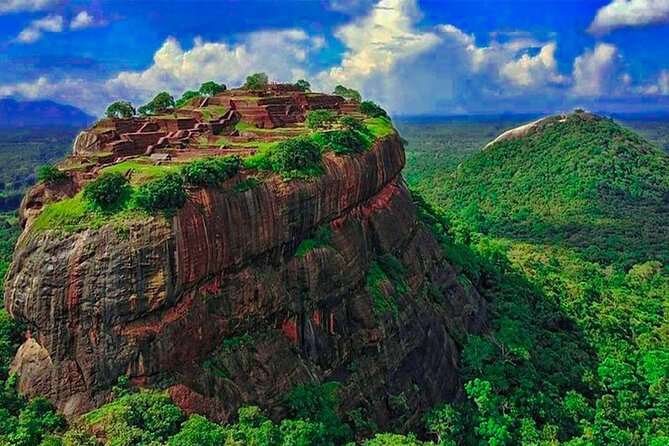
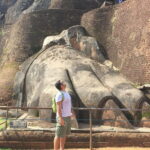
On day 1, you go straight for Sigiriya, the famous ancient rock fortress. This is UNESCO-level stuff for a reason. The fortress dates back to the 5th century and the site is known for more than the climb—there are advanced irrigation systems credited to the era, plus water gardens that make the place feel planned, not random.
You’ll see a mix of features that make the ascent worth it:
- the Mirror Wall graffiti area
- frescoes of the Sigiriya damsels
- lion paws carved into the rock near the entrance
- the water-garden layout around the approach
Two practical tips:
- Wear shoes you don’t mind getting dusty, because it’s a climb and you’ll be moving a lot.
- Admission ticket isn’t included, so plan to pay on arrival.
Days 2–3: Anuradhapura and Polonnaruwa—two ancient city vibes in a row
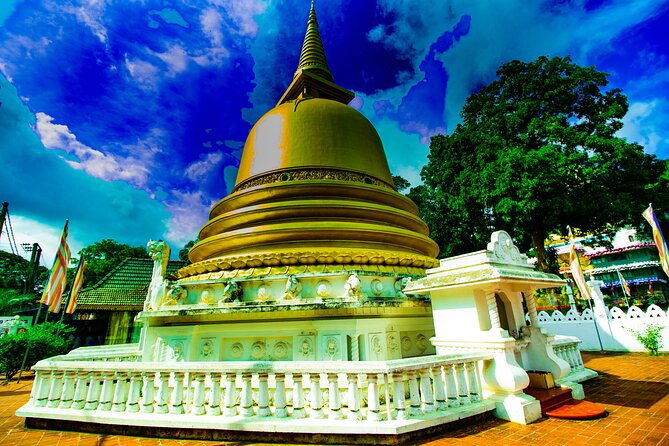
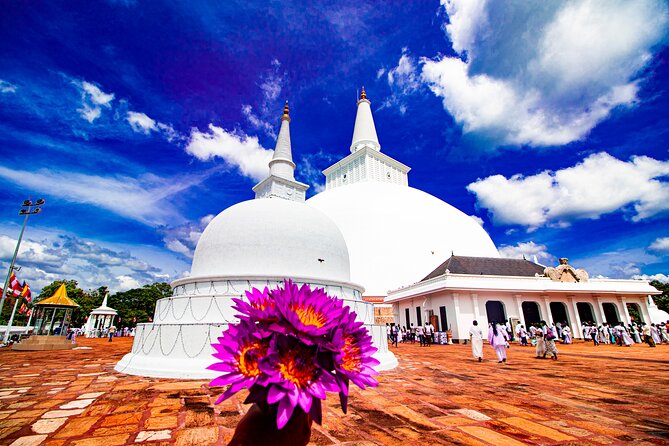
Day 2 starts with Anuradhapura, a sacred ancient city that dates back to around the 3rd century BC. What you get here is the “palaces, temples, and monuments” feel—plus a story that makes the ruins more than scenery. The city was founded around a cutting from Buddha’s fig tree, and it later flourished for about 1,300 years before being abandoned after invasions.
Then you add Mihintale, a mountain near Anuradhapura where Buddhism is tied to a legendary meeting between a monk named Mahinda and King Devanampiyatissa. If you want one day that feels both spiritual and historical, this pair does it.
On day 3, you switch to Polonnaruwa—ruins that are described as some of the best preserved in the country. This is the “ruins with structure” day. You’ll start at the Archaeological Museum and then move through major ruins like:
- the Royal Palace and its audience hall
- the Sacred Quadrangle
Why this works: you’re not only seeing one big highlight. You’re seeing two ancient capitals’ different styles of sacred and civic space.
Day 4 in Kandy region: Dambulla caves, a free spice tour (with a catch), and Kandyan dance
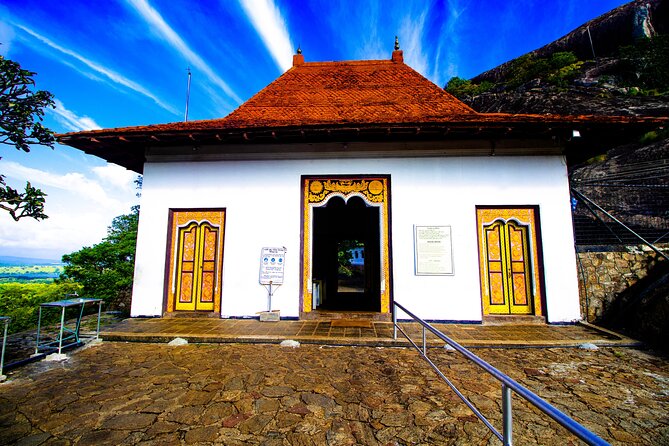
Day 4 blends big religion sites with one of Sri Lanka’s most common stops: the roadside spice garden.
First is Dambulla Cave Temple, a sacred Buddhist site. The big practical win: it’s marked as free on full-moon days, though those days can be crowded. Even when it’s not full-moon free, it’s a major cultural stop. Expect more than one cave—there are over 80 caves documented in the area, with five famous ones.
There are two rules you should take seriously:
- cover shoulders and legs
- remove shoes before entering
Next you go to Ranweli Spice Garden, where you can join a tour with an English-speaking guide. The tours are described as educational—cocoa, vanilla, cinnamon, cloves, coriander, coffee, nutmeg, pepper, cardamom, aloe vera, tulsi, henna, and more. The catch is that free tours often end with a stronger sales push in the gift shop. You’ll get the knowledge, but you may also get a little “buy pressure.” Decide in advance what you want to purchase, if anything.
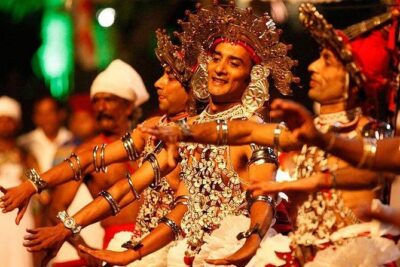
Finally, in the evening (or later day flow), you visit a Kandy cultural dance show. This is a good add-on because it connects to Sri Lankan tradition and gives you a break from temples. The show you’ll see includes Kandyan dance styles and references to ritual origins.

Day 5: Tooth Relic Temple and the Kandy gardens-and-tea triangle
If day 4 is about caves and culture, day 5 is about Kandy’s core identity.
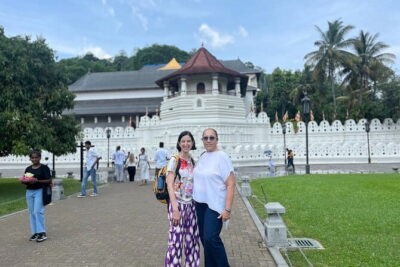
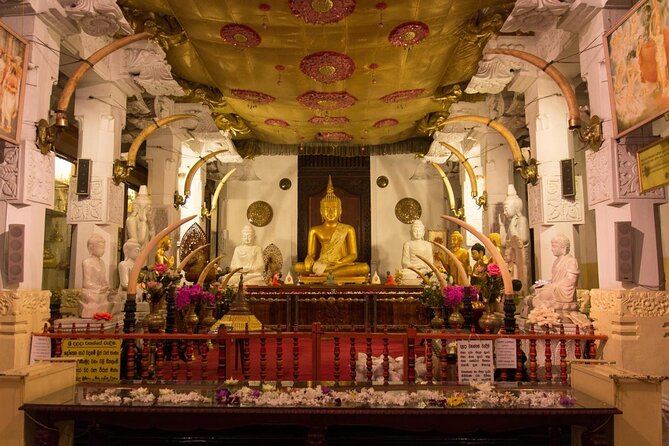
You’ll visit the Temple of the Sacred Tooth Relic (the tooth itself is the legendary relic). The tour flow includes times for pujas (ceremonies), and the tooth is celebrated and paraded through history with attempts at theft or destruction also part of the story.
Then you head to the Royal Botanical Gardens, outside Kandy. This is the landscaped break day, spanning 60+ hectares and tied to both older origins and later British-era development. It’s also connected to plant exchanges, including species moved from London’s Kew Gardens. If you want a pause from climbing stairs and walking ruins, this is a good one.
The tea layer comes next at the Ceylon Tea Museum in the former Hanthana Tea Factory. It’s a focused stop and it fits well after the gardens. If you’re into how things are made, this kind of museum is more satisfying than a quick photo stop.
Day 6: Kitulgala whitewater rafting and the long climb to Adam’s Peak
Day 6 is for people who like movement.
First: whitewater rafting in Kitulgala on the Kelani River. The ride covers 5 major rapids and 4 minor rapids, with safety gear and a briefing handled by instructors. It’s roughly a 5 km stretch and the activity is for participants aged 10 and up (based on the provided info).
Two reality checks:
- Wear gear that’s okay to get wet.
- Listen to the briefing. Rapids are fun when you know what to do.
Next day flow goes to Adam’s Peak (Sri Pada). This stop has a spiritual footprint but also a workout footprint. The climb is via a steep staircase with over 5,000 steps. People often start at around 2:30 am to reach the summit for sunrise. The peak is associated with different religions’ interpretations of the sacred footprint.
If early mornings are a dealbreaker for your group, you might treat Adam’s Peak as optional or shorten expectations. But if you can do it, sunrise climbs are the kind of day that becomes a story you actually retell.
Days 7–9: Hill country cool air—Nuwara Eliya, waterfalls, Ella train views, and two peak climbs
On day 7, you’re in Nuwara Eliya, described as the tea production capital with an elevation around 1,900 meters. It’s also known for a temperate climate and a British-era retreat vibe. The tour includes a city focus plus Gregory Lake and St. Clair’s Falls and Devon Falls.
This part of the route is less about ancient monuments and more about “Sri Lanka in mood swings”:
- tea towns
- waterfall stops
- short walks and easy scenic breaks
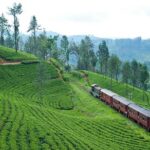
Day 8 is one of the big logistics wins on the tour: the train ride from Nanu Oya to Ella (or reverse). It’s listed as 3 hours and famous for passing through green tea plantations and mountain views. The tour strongly suggests buying tickets well in advance, and you can buy at stations for the date you want. Train tickets are not included, so take that seriously and plan your spending.
Days 8–9 then move through Ella town and the classic viewpoint stops:
- Ella itself is small, surrounded by tea hills and cloud-forest type greenery.
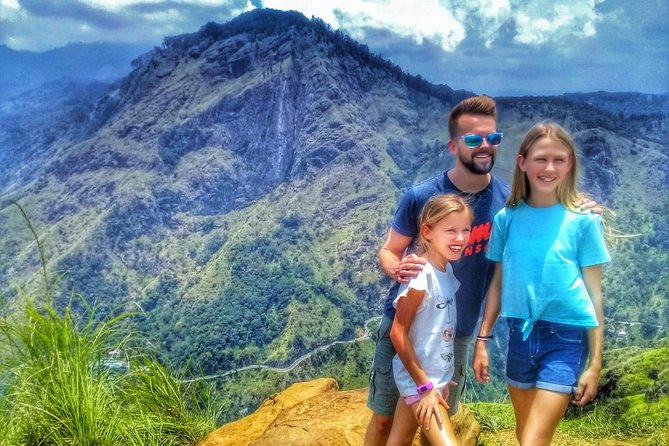
- Little Adam’s Peak: a relatively easy climb with sensational views over tea terraces, Ella Rock, and the Ella gap. On clear days you can see toward the south coast.
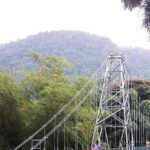
- Nine Arches Bridge: a 30-meter-high viaduct built in 1921, and one of the best-known feats of Sri Lanka’s railway system.
Day 10 adds Ravana Ella Falls and Buduruwagala Temple. Ravana Falls can be used for bathing in summer months (as noted). Buduruwagala features 8th-century rock carvings—seven large Buddhist figures carved into a cliff, including a giant Buddha image.
Day 10–11: Yala National Park safari and then beaches that actually feel like a reset
Day 10 ends with Yala National Park, which is famous for predators. The park is described as having the highest density of leopards in the world, so your odds of spotting one are considered relatively strong. You might also see elephants, sloth bears, and crocodiles.
Two safari notes that matter for your expectations:
- Yala is divided into blocks; the stop includes a reminder to use the entrance visitor center because it has informative displays.
- Even with good odds, wildlife sightings aren’t guaranteed. Your best mindset is flexible patience.
Then the tour moves to the coast with Mirissa and Unawatuna.
Mirissa is the beach-energy hub: long sandy stretch, palm trees overhead, restaurants, and easy day trips like snorkeling, surfing, and whale watching. Unawatuna is the quieter option nearby with a reputation for white sand and snorkeling in coral reefs where turtles and colorful fish are common.
If you’re traveling for a mix of “see a lot” and “recover,” this is the right pivot point. After the early mornings and long drives inland, these beach days give you a chance to breathe.
Day 12: Whale watching from Mirissa early, then stilt fishing and sea life moments
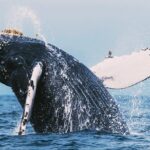
Day 12 includes whale and dolphin watching from Mirissa, starting with an early departure listed at 6:00 am from Mirissa harbor. Tours are 3–5 hours depending on spotting. The species listed include blue whales, Bryde’s whales, sperm whales, fin whales, and sometimes killer whales, plus multiple dolphin types.
This is one of those activities where the schedule is half the experience. You get out early to meet animals when conditions are best, and you’re back before the afternoon heat runs your energy down.
Later you also get the stilt fishermen tradition. The concept is simple but patience-heavy: fishermen cast from high stilts and wait until fish comes along. It’s a cultural look at how fishing methods are still practiced by some who don’t use modern equipment.
Day 13: Galle Fort’s European-Asian blend, Madu Ganga mangroves, and turtles in Kosgoda
Day 13 is an excellent “coast meets culture” day.
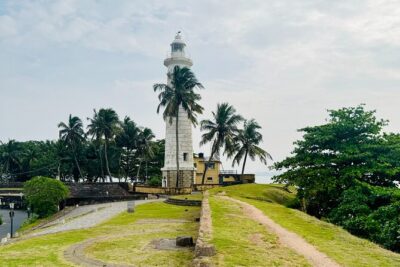
First: Galle Dutch Fort. The Portuguese started a basic fort in 1505, and later the Dutch expanded it with improvements like the big sea wall. Today, you can walk cobbled alleys and see the mix of European and Asian architecture. It’s also lively by the sea wall with buskers and small street activities, so it feels like a real place—not a sealed museum.
Next is a boat-style stop on Madu Ganga River, a coastal ecosystem of mangroves and islands. The river system is described as having around 64 islands. You can see local wildlife like monkeys, water monitor lizards, and birds such as cormorants and kingfishers. It also includes the idea of visiting an island tied to Buddhist tradition.
Then: Kosgoda Sea Turtle Conservation Project, including a turtle hatchery. The project aims to monitor nesting activity and conserve sites. Eggs are collected or rescued, hatched safely away from predators, and then released to sea. Some hatchlings are held for short-term head starting before release.
If you care about doing tourism that feels less extractive, this is the kind of stop that adds meaning to a beach trip.
Day 14: Colombo highlights you can do without stress
Your last day is Colombo, with highlights listed for about 3 hours. The tour includes:
- Galle Face Green
- Barefoot
- Viharamahadevi Park
- Dutch Period Museum and Dutch Hospital
- Old City Hall
- Arcade Independence Square
- Seema Malakaya Meditation Centre
- Jami-Ul-Alfar Mosque
- Wolvendaal Church and St Anthony’s Church
- Gangaramaya Temple
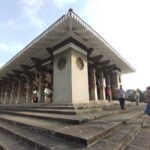
- Independence Memorial Hall
- St Lucia’s Cathedral
- plus more highlights
Then you spend extra time at Galle Face Green, a 5-hectare ocean-side park stretching about 500 meters along the coast. It began as a horse-racing and golf area under earlier management and has a long list of uses since then. This is a nice way to end because it gives you a calm, open-air farewell.
Who this tour fits best (and who should consider a different plan)
This tour is a strong match if you want:
- a private, organized route with daily pickup
- a balance of major ruins + wildlife + beach
- minimal hassle with transfers and timing
- a driver-guide who can adapt to your family’s needs, which is a theme in the provided feedback names (Hemantha, Ashoka, Sumudu/Sumudhu, Jaya, Namal, plus planning support from Menaka)
It may feel like too much if:
- you dislike early mornings (Adam’s Peak often means starting around 2:30 am)
- you don’t want to manage extra costs for entry fees, safari jeeps, and train tickets
- your group wants lots of free time with no driving
Should you book Best of Sri Lanka in two weeks from Colombo?
I’d book it if you want a high-hit mix of Sri Lanka’s most compelling regions—ancient sites, elephant and leopard safari time, hill-country tea views, and whales from Mirissa—without having to run around coordinating each piece yourself.
I would not book it if you’re trying to keep your budget all-inclusive, because entry tickets plus safari jeeps plus train tickets are extra. I’d also think twice if you know your group won’t do steps and early starts.
If you do book, here’s my practical advice:
- set aside time and money for entry fees and transport add-ons like safari jeeps and the train
- bring clothing that works for temple dress rules (shoulders and legs covered, and be ready for shoe removal)
- decide early whether Adam’s Peak is a must-do, a maybe, or a skip for your group
It’s a busy two weeks, but it’s also one of the more efficient ways to see Sri Lanka’s big “wow” moments in a way that still feels human.
FAQ
How many people is this tour for?
It’s priced per group for up to 6 travelers, and it’s a private tour for only your group.
Where does the tour start and end?
It starts and ends back at the meeting point listed as Off2srilanka Tours, Francis Perera Mavatha, No 293/1B, Makuluduwa Rd, Piliyandala 10300, Sri Lanka.
Is pickup included?
Yes, pickup is offered after hotel pickup each morning.
How long is the tour?
The duration is listed as 14 days (approximately).
What transportation is included?
Private transportation is included, along with an air-conditioned vehicle and a driver-guide.
Are attraction entry fees included?
No. Entry fees for attractions are not included, and many stops specify admission tickets are not included.
Are hotels and meals included?
No. Hotels and accommodation are not included, and meals are excluded.
Are safari jeeps and train tickets included?
No. Safari jeeps and train tickets are not included.
What does the tour include at UNESCO sites?
The tour notes guides at UNESCO world heritage sites are included, along with taxes and service charges.
What is the cancellation policy?
You can cancel up to 3 days in advance of the experience for a full refund, and the policy says you must cancel at least 3 full days before the experience’s start time to be refunded.