Sri Lanka’s sights go from rock to tea fast. This private 7-night plan strings together UNESCO classics, wildlife time in a real national park, and a calm southern-coast breather, with a driver-guide handling the heavy logistics. I like that it starts with sensory Sri Lanka (spices) and keeps momentum without feeling like a blur.
Two things I really like: you get a private, air-conditioned vehicle with an English-speaking chauffeur guide, so you’re not stuck wrangling buses or timed-tickets with strangers. And the itinerary mixes big-ticket landmarks (Sigiriya, Dambulla, Kandy, Temple of the Tooth Relic) with hands-on stops like the spice garden and sea-turtle conservation, so the trip feels grounded instead of checklist-only.
One consideration: entrance fees and most activity tickets are not included, and a couple stops involve climbing or extended walking—so bring comfortable shoes and expect to budget extra day-of at places like Sigiriya.
In This Review
- Key highlights worth planning around
- Spice-garden opener in Colombo: a smart start for your whole trip
- Sigiriya Lion Rock and Minneriya jeep safari: where the tour gets its wow-factor
- Climbing Sigiriya’s Ancient Rock Fortress
- Sigiriya Craft Village: hands-on rural rhythm
- Minneriya National Park in a 4×4 Jeep
- From Dambulla caves to the Temple of the Tooth Relic: sacred places that are easy to respect
- Golden Temple of Dambulla caves
- Temple of the Sacred Tooth Relic (UNESCO)
- Gem stop in Kandy: fast and useful, if you treat it like a lesson
- Kandy Cultural Dance Show
- Kandy to Nuwara Eliya: botanical gardens, waterfall viewpoints, and tea-country reality
- Kandy city tour basics
- Peradeniya Royal Botanical Gardens
- Ramboda Falls and Mackwoods Tea Estate
- Pedro Tea Factory and Nuwara Eliya stroll time: the British-era vibe with cooler air
- Nuwara Eliya (time to wander)
- Lover’s Leap Falls and Gregory Lake
- Southern Coast transition and beach reset: one day to stop ticking boxes
- Madu River mangroves, sea turtles in Kosgoda, then Colombo’s city pulse
- Madu River Safari: mangroves up close
- Kosgoda Sea Turtle Conservation Project
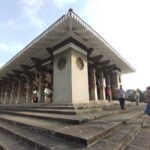
- Colombo city time: Pettah Bazaar, Jamiul Alfar Mosque, Gangaramaya Temple
- Final Colombo loop and airport transfer: end strong, not rushed
- Price and value: where $800 per group makes sense
- Service quality I’d bank on: punctual, flexible, and family-friendly
- Who should book this tour
- Should you book this 7-night private Sri Lanka tour?
- FAQ
- FAQ
- Is the tour private?
- How many people can go on this tour?
- What does the price include?
- Are entrance fees included?
- Do I get pickup in Colombo?
- Do they provide mobile tickets?
- What is the cancellation policy?
Key highlights worth planning around
- Sigiriya Lion Rock with time to actually climb and look around, not just pose and run
- Minneriya National Park by 4×4 with a late-day wildlife focus (birds are a key theme)
- Dambulla caves + Temple of the Sacred Tooth Relic in the Kandy area—two major spiritual stops
- Tea-country immersion via Ramboda Falls viewpoints and a tea factory/estate visit
- Madu River mangroves + Kosgoda turtle project for nature that’s easy to access and meaningful
- Colombo time that’s practical, including Pettah Bazaar, Gangaramaya Temple, and a final city loop
Spice-garden opener in Colombo: a smart start for your whole trip
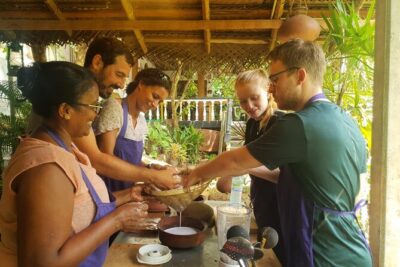
Your tour begins with a spice garden stop—short (about 30 minutes), but it sets the tone for everything that follows. You’ll smell and learn where Sri Lanka’s signature spices come from, with cinnamon, pepper, cardamom, nutmeg, and mace mentioned as key examples. This isn’t a complicated lecture. It’s more like getting your bearings: once you’ve smelled these aromas fresh from the source, later food moments and marketplace browsing feel more meaningful.
I also like how this first stop is low-stress. After travel days, it’s nice to start with something accessible rather than immediately hopping into long drives or major climbs.
The spice garden can be an especially good warm-up if you’re traveling as a family, since it’s short enough that kids won’t melt down before the real sights even start.
You can also read our reviews of more tours and experiences in Colombo.
Sigiriya Lion Rock and Minneriya jeep safari: where the tour gets its wow-factor
The second day is built around two very different but equally memorable experiences: Sigiriya and Minneriya National Park.
Climbing Sigiriya’s Ancient Rock Fortress
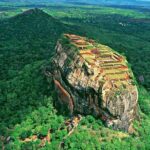
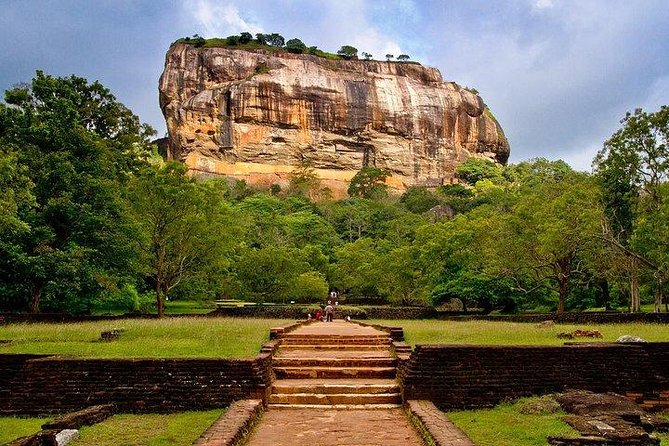
You’ll head to Sigiriya, the 5th-century rock fortress linked with King Kasyapa. The big moment is climbing up to the viewpoint. The entrance is described as being framed by lion paws, which is a classic visual cue for what you’re walking into. Expect about 2 hours for this stop.
A practical note: entrance fees are not included, so plan for that in your daily budget. Also, even if you’re in decent shape, stairs and uneven surfaces are part of the deal here. Good shoes matter.
Sigiriya Craft Village: hands-on rural rhythm
Right after Sigiriya, the tour shifts to a Sigiriya craft village experience. You may do an oxen cart ride and follow it with a catamaran safari on a calm lake. The day also mentions walking through golden fields during harvest season-like scenery.
This segment is a nice change of pace. It slows your brain down after a major climb and gives you that “real place” feeling—villagers, daily work, and local crafts—without needing expert knowledge. Admission fees aren’t included here, so again, budget a bit extra.
Minneriya National Park in a 4×4 Jeep
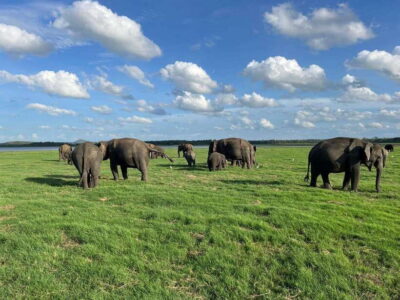
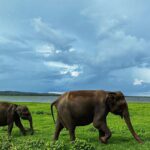
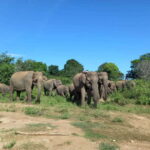
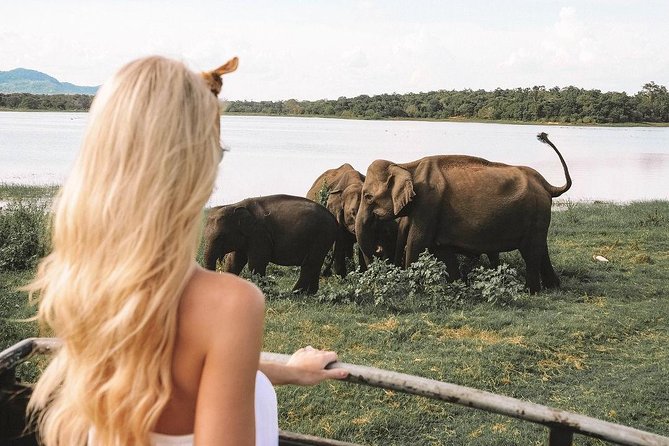
To close the day, you go into Minneriya National Park in a 4×4 jeep for about 3 hours, with the tour framing it as a get-wild moment. The evening focus is especially tied to birds—peacock, eagle, pelicans, parrots, crane, and more.
This is one of those days where the private setup helps. You’re not pacing yourself among crowds, and the guide can help you aim your time. Also, admission tickets aren’t included, so if wildlife is the main reason you booked, it’s worth setting aside entrance cost before you go.
If you’re the type of traveler who likes checking boxes but also wants actual life outdoors, this day lands well.


From Dambulla caves to the Temple of the Tooth Relic: sacred places that are easy to respect

On day three, you move into the cultural-spiritual heartland with two major stops, plus a Kandy evening.
Golden Temple of Dambulla caves
First up is the Golden Temple of Dambulla, known for cave murals and figurines tied to the life story of Lord Gautama Buddha. The tour time here is about 1 hour, and entrance fees are not included.
Dambulla is one of those places where you don’t need to be a scholar to get something from it. The art is the guide: murals and images do a lot of communication, and the guide context helps you read what you’re seeing instead of just watching your photos rack up.
Dress smart: Sri Lanka temples tend to expect respectful clothing. If your plan includes a lot of temple time in a row, pack accordingly early.
Temple of the Sacred Tooth Relic (UNESCO)
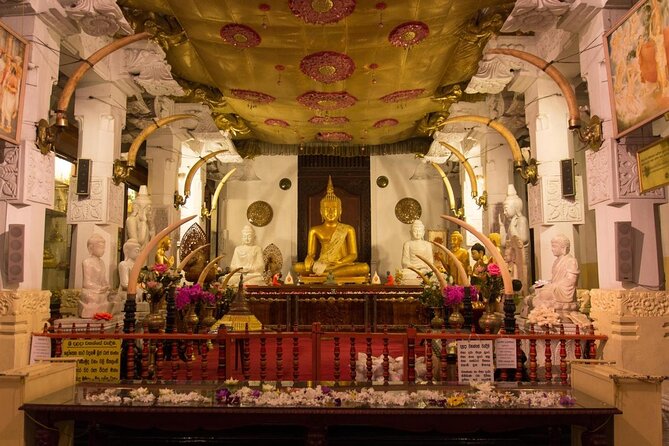
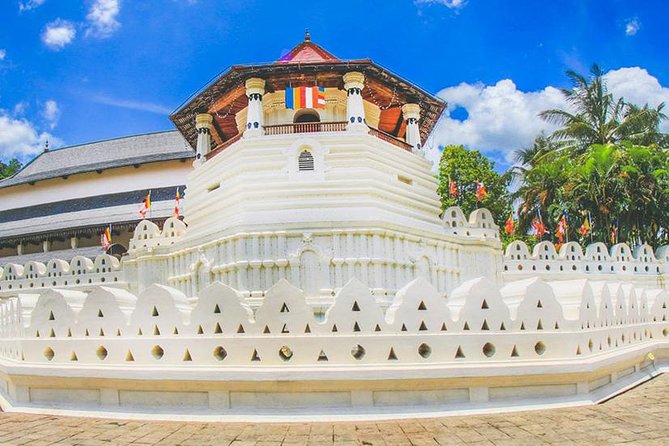
Next you visit the Temple of the Sacred Tooth Relic, a UNESCO World Heritage Site built in the 16th century. The site is presented as a place of veneration and protection for Buddha’s sacred tooth. You’ll have about 1 hour.
This temple adds weight to your Kandy area experience because it’s not only about architecture. It’s about what people come here to honor, and the tour’s setup helps you see it through that lens instead of treating it like a museum.
Gem stop in Kandy: fast and useful, if you treat it like a lesson
You also stop at Sorborn Gems & Jewellery KANDY for about 1 hour, and that stop lists admission as free.
Here’s a balanced way to approach this kind of store visit: go in with curiosity, not impulse-buying. You’ll learn about gems as part of Sri Lanka’s long association with stone deposits. If you’re not shopping, it can still be educational. If you are shopping, ask questions and take your time.
Kandy Cultural Dance Show
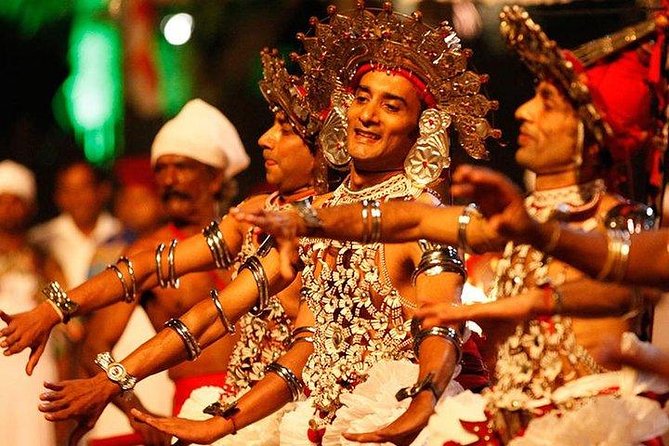
In the evening, the plan includes the Kandy Lake Club cultural dance show for about 1 hour. Admission is listed as not included.
This can be a great “wrap” to the day. After temple and art, a performance brings the culture into motion. It’s also one of the easiest family-friendly options since it’s contained and timed.
Kandy to Nuwara Eliya: botanical gardens, waterfall viewpoints, and tea-country reality
Day four is about transitions: you leave Kandy and start climbing into the cooler hill-country world. That change of scenery is half the point.
Kandy city tour basics
You’ll do a Kandy city tour including Kandy View Point, plus souvenir shops and markets. The idea is practical: see the city’s layout, get a sense of what locals are shopping for, and find small items that help you remember the place without going overboard.
Peradeniya Royal Botanical Gardens
Next is the Royal Botanical Gardens of Peradeniya, about 1 hour, with admission not included. The tour describes gardens formed in the early 19th century and featuring over 4000 plant species.
This is a good stop if you like walking slowly and looking closely. It’s also a “break” from temples—still cultural, but calmer on the mind. If you’ve been doing a lot of heavy sight days, this one helps you breathe.
Ramboda Falls and Mackwoods Tea Estate
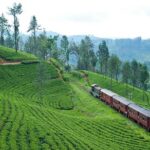
From there, you head toward Nuwara Eliya with waterfall view points. One featured stop is Ramboda Falls, described as the 11th tallest in the country, followed by a guided visit through Mackwoods Tea Estate focused on learning how tea is produced.
This is where the tour starts teaching you about Sri Lanka in a way that sticks. Tea isn’t just scenery; it’s labor, seasons, processing steps, and a whole economy. Even if you don’t drink tea every day at home, you’ll likely taste it differently after seeing the workflow.
Pedro Tea Factory and Nuwara Eliya stroll time: the British-era vibe with cooler air
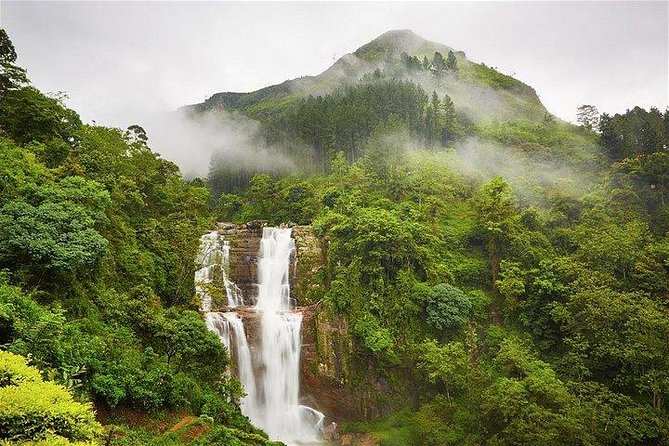
Day five continues in tea country with slower pacing.
Nuwara Eliya (time to wander)
You get about 3 hours in Nuwara Eliya, and it’s described as a town where the British created a replica of the English countryside, with homes in styles like Georgian and Queen Anne. There’s also mention of well-kept lawns and a laid-back feel.
This is the right amount of time to wander, grab a snack, and cool down after earlier climbs. Since admission is free for this segment, you can focus on how you spend your time rather than what you pay.
Lover’s Leap Falls and Gregory Lake
You visit Lover’s Leap Falls—listed as about 30 meters high—and then Gregory Lake, created in 1873 during the British era.
These stops are not just “pretty water.” They help you understand why hill-country tourism exists. When you’re higher up, weather changes faster, views are wider, and the pace naturally slows.
Entrance is not included for Lovers Leap and Gregory Lake, so plan for small add-on costs.
Practical tip: hill-country weather can be moody. Bring a light layer even if Colombo felt warm.
Southern Coast transition and beach reset: one day to stop ticking boxes
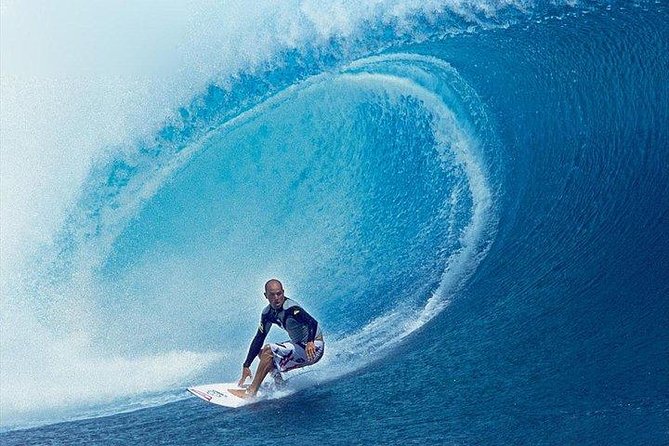
Day six is a deliberate gear change. You travel from the hill country down to the southern coast with waterfall stops and view points, then you relax at the beach with leisure time.
Even without listed durations for each viewpoint, the structure is clear: you get scenic stops for movement and then real downtime. This day matters if you want energy for wildlife and Colombo walking later. If every day is a sprint, you’ll start skipping moments just to stay awake.
If you’re traveling with kids or with mixed ages, this is also a relief day. You don’t have to be “on” the entire time.
Madu River mangroves, sea turtles in Kosgoda, then Colombo’s city pulse
Day seven blends nature and city life, and it does it in a logical order: river first, conservation project second, then urban exploration.
Madu River Safari: mangroves up close
You spend about 2 hours on a Madu River boat ride focusing on the mangroves and their ecology. The tour describes the area as swampy marshlands covered in mangrove forests.
Boat-based nature is one of the easiest ways to see wetlands without hiking through mud or dense brush. It also tends to be comfortable for a wide range of mobility levels, depending on how the dock area is set up.
Entrance for this stop is listed as not included, so again, budget a little extra.
Kosgoda Sea Turtle Conservation Project
Next is Kosgoda Sea Turtle Conservation Project with a visit to the Kosgoda Turtle Care Centre as part of the tour experience. The stop lasts about 1 hour and is not included in admission.
The key value here is conservation: you learn how turtles are cared for across life stages, and you’re given a chance to “do your part” through conservation.
Even if you’re not a hardcore animal person, a conservation-focused visit usually feels more grounded than a pure exhibit. It’s also a good family-friendly moment: turtles tend to be memorable for kids without being chaotic.
Colombo city time: Pettah Bazaar, Jamiul Alfar Mosque, Gangaramaya Temple
The day ends in Colombo, with about 2 hours in the urban commercial area. You’ll explore Pettah Bazaar, Jamiul Alfar Mosque, Gangaramaya Temple, and more.
This is a practical way to see Colombo. Pettah Bazaar is for energy and everyday life, while the mosque and temple give you the more reflective cultural side. Admission is listed as free for this segment, so you can spend where you want.
One caution: Colombo can feel hectic compared with the countryside. Wear shoes that handle uneven sidewalks and keep an eye on bags in busy market areas.
Final Colombo loop and airport transfer: end strong, not rushed
On day eight, you do a small city tour of about 3 hours in Colombo, then you head to the airport to end your trip.
This last day is useful because it gives you a final chance to look at the city beyond one quick segment. You’re also not forced to cram everything into the final hours before a flight, which is where travel plans often fall apart.
If you’re someone who likes clear closure, this structure helps.
Price and value: where $800 per group makes sense
The tour price is $800 per group for up to 4 people. The booking rhythm is listed as about 5 days in advance on average, and you get a private experience.
Here’s how I’d judge the value in plain terms:
- You’re paying for a private AC vehicle plus an English-speaking chauffeur guide, and the price covers lunch and local taxes, plus fuel. Those costs add up fast if you try to piece things together yourself.
- Driver accommodation is included, which is one of those hidden costs that often shocks independent planners.
- Hotels are 3-4 star and only included for a selected option, and breakfast is listed as included only for a selected option. So your total comfort level depends on which option you choose.
Main “watch-out” for budgeting: entrance fees and most activity tickets aren’t included. That doesn’t make the tour bad—it just means you should expect additional spending, especially for Sigiriya and national park style experiences.
For families and small groups, this can be a strong deal because you’re splitting the private-vehicle cost across multiple people. For solo travelers, it might feel pricier since you can’t spread costs as much—but the private setup is still convenient.
Service quality I’d bank on: punctual, flexible, and family-friendly
The reviews you shared point to one recurring theme: service people feel easy to work with. In one family trip, the guide named Tharaka was described as punctual and reliable, with a strong ability to adapt plans to preferences. In another case, the driver named Sashi was described as helpful and smooth across the many transfers.
There’s also a detail worth noticing: one review mentioned a flight delay of 4 hours, yet the driver still came without complaint and kept things moving. That kind of flexibility matters more than people think—Sri Lanka travel can involve timing changes, and private tours succeed or fail on how they handle the unexpected.
Bottom line: I’d expect the company behind the scenes to respond quickly, and I’d expect your day-to-day experience to feel organized rather than chaotic.
Who should book this tour
This tour is a good fit if you:
- want a private Sri Lanka route without juggling multiple guides or public transport
- like a mix of UNESCO sites, tea country, wildlife, and conservation
- are traveling as a family or small group up to 4
- prefer comfort (air-conditioned private vehicle) while still getting out to walk, climb, and explore
It may not be ideal if you:
- hate spending extra on entrance fees and ticketed activities
- can’t handle steps and uneven terrain (Sigiriya is the main one)
- want a full “beach-only” vacation without cultural sites in between
Should you book this 7-night private Sri Lanka tour?
Yes, if your goal is a well-paced Sri Lanka that doesn’t skip the big moments but still includes nature and meaning. The itinerary has variety: spice to rock fortress, caves to Kandy’s sacred site, botanical gardens to tea country, then mangroves and turtles, plus Colombo city time.
I’d especially lean toward booking if you value the private AC vehicle with a licensed, English-speaking chauffeur guide, because that’s the piece that keeps the trip smooth when roads, weather, or timing don’t cooperate.
FAQ
FAQ
Is the tour private?
Yes. It’s a private tour/activity, and only your group participates.
How many people can go on this tour?
The price is listed per group, up to 4 people.
What does the price include?
Included items are lunch, a private air-conditioned vehicle, a professional English-speaking chauffeur guide, local taxes and charges, fuel charges, driver accommodation, and 3-4 star hotel accommodations for a selected option. Breakfast is listed as included for a selected option too.
Are entrance fees included?
No. Entrance fees for places and activities are not included.
Do I get pickup in Colombo?
Pickup is offered.
Do they provide mobile tickets?
Yes, the tour includes a mobile ticket.
What is the cancellation policy?
You can cancel for a full refund up to 24 hours in advance of the experience start time. If you cancel less than 24 hours before, the amount paid won’t be refunded.