A cooking class that feels like a warm family visit. You’re not just learning recipes; you’re learning the why behind Sri Lankan flavor, from spice grinding to cooking in clay pots, taught at Forest Face Lodge by a real home kitchen setup. I love the hands-on pace and the way My Mom and the family guide you step-by-step, including ingredient choices and typical methods. The one drawback to think about is that this is a relaxed, home-style experience with a tight 3-hour window that also includes Kandy sightseeing stops.
You’ll start with ingredient shopping and learn how spices work as the backbone of Sri Lankan food, then you’ll cook your own dishes and eat what you make. It’s also great value because the class price includes lunch and dinner, plus bottled water, with an instructor leading the whole flow.
If you want a formal, restaurant-style cooking demo with lots of downtime, this may not be the right fit. But if you want practical technique, you’ll likely feel in good hands.
In This Review
- Key Points to Know Before You Go
- Kandy’s Family Kitchen at Forest Face Lodge
- Before the Stove: Market Time and Picking Ingredients
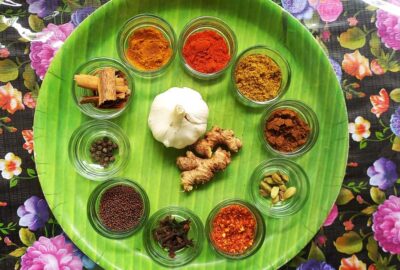
- The Spice Lesson: How Sri Lankan Flavor Is Built
- Hands-On Cooking: Curries, Rice, and Clay Pots
- Kandy Sighting Stops Before and Around the Class
- Temple of the Sacred Tooth Relic
- Kandy and City Center
- Kandy View Point
- What You Actually Learn (Beyond the Recipe)
- Price and Value: What $20 Gets You in Kandy
- Practical Tips for Your 3-Hour Food Day
- Who This Cooking Class Is Best For
- Should You Book This Sri Lankan Cooking Class by FFL?
- FAQ
- How long is the Sri Lankan cooking class by FFL in Kandy?
- How much does it cost per person?
- Is pickup available?
- What meals are included?
- Is the tour private?
- What if there’s poor weather?
Key Points to Know Before You Go
- Forest Face Lodge homestay setting means a real kitchen, not a show kitchen
- Market ingredient shopping helps you understand what makes Sri Lankan cooking different
- Spice grinding and clay-pot cooking are hands-on, not just explained
- Lunch and dinner included with bottled water for solid meal value
- Private group experience so you get more personal attention
- Kandy sight stops add context before you sit down to cook and eat
Kandy’s Family Kitchen at Forest Face Lodge
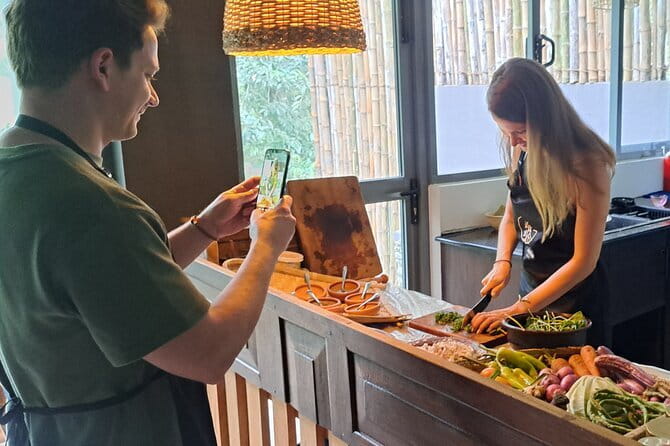
This is a Kandy experience built around food and family, hosted at Forest Face Lodge in a cozy homestay unit. You’ll meet at 222/3 Dambawela Rd, Gurudeniya (near Kandy), and the day ends back at the same meeting point. That “start and finish in one place” matters because it keeps your energy for the cooking part, not for constant transit.
What I like most here is the teaching style. Instead of you standing back while someone else cooks, you get pulled into the process. The class is guided by the host with over 30 years of experience—presented as My Mom in the way the experience is described—and you learn techniques that feel practical rather than theatrical.
You can also tell they care about comfort: the atmosphere is described as easy going and the teaching effort is emphasized, which usually means you won’t feel rushed or talked over. It’s a good option if your goal is to come home with skills you can actually use.
You can also read our reviews of more tours and experiences in Kandy.

Before the Stove: Market Time and Picking Ingredients
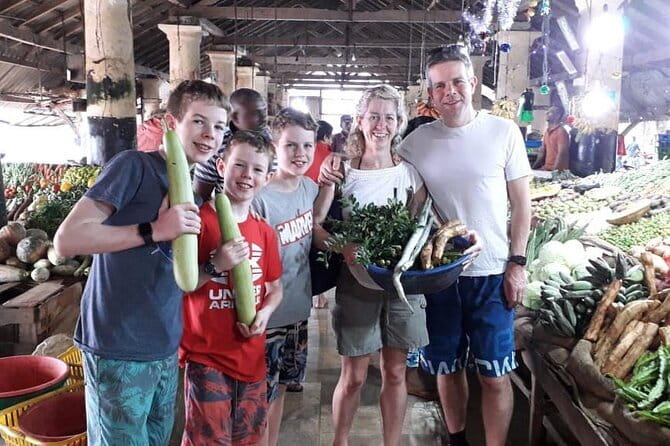
A big part of Sri Lankan cooking is what goes in first. This experience starts with selecting fresh ingredients while learning why they matter in local dishes. A market visit shows up as part of the process, and that’s one of the smartest things they do.
When you see ingredients up close—spices, aromatics, and the foods used for everyday cooking—you stop thinking of curry as just a sauce in a bowl. You start seeing it as a system: the base ingredients, the spice balance, and the timing.
For you, this means the rest of the class makes more sense. You’re not just following steps; you’re learning what to look for when you’re shopping later at home. If you have food allergies, the experience explicitly asks you to let them know ahead of time, which is important when spices and ingredients are used in a big way.
The Spice Lesson: How Sri Lankan Flavor Is Built
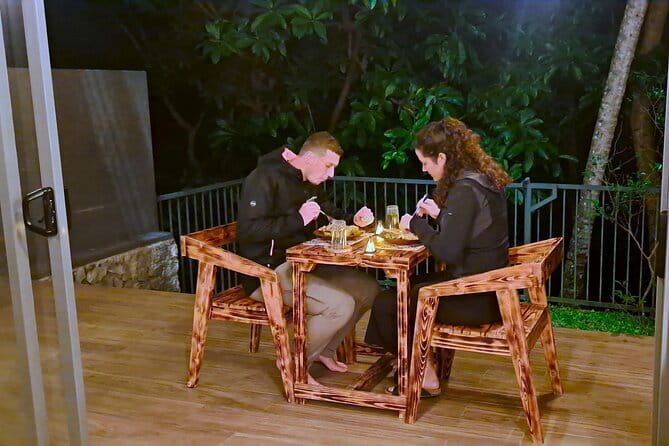
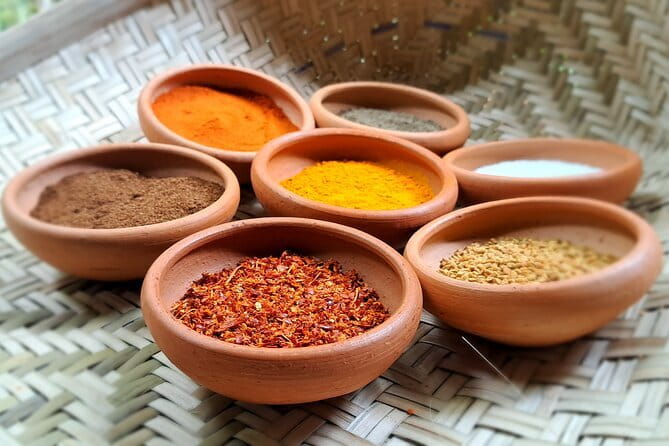
Sri Lankan cooking leans heavily on spices, and the class is designed to teach you how to balance aromatic spices instead of treating them as a single flavor block. You learn through doing, including grinding spices yourself. That step is not just a craft moment—it changes how spices behave in cooking.
Grinding can help you understand texture and intensity: spices go from dry and separate to fragrant and integrated. In a home kitchen, that practical understanding is what you carry forward. When you cook later, you’ll know that spice prep and spice timing affect the final taste.
One more detail that stands out is the focus on traditional techniques. The course mentions clay pots, which is where Sri Lankan cooking gets extra personality. Clay pot cooking can change how heat moves and how food develops flavor over time. Even if you don’t own one at home, learning the method helps you understand how to approximate it with your own equipment.
Hands-On Cooking: Curries, Rice, and Clay Pots
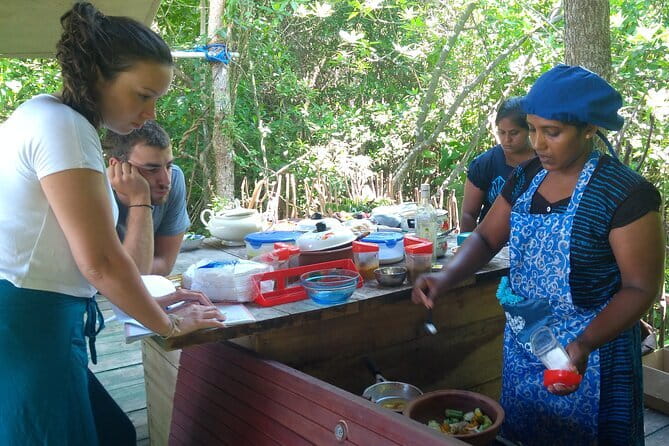
This is the heart of the experience: you cook a variety of authentic Sri Lankan dishes using traditional techniques, then you eat the meal you made. The food list isn’t spelled out in the details you provided, but the class description is clear about the skills: spice balance, grinding, and cooking with clay pots.
From a practical standpoint, this structure helps you in two ways:
First, you learn a repeatable workflow. You’ll move through ingredient choices, spice prep, cooking steps, and serving. That makes it much easier to recreate the dishes later without needing to remember every tiny detail.
Second, you get to see how each step builds flavor. Sri Lankan curry flavor is layered. It’s not only about heat. It’s about aromatics, seasoning balance, and how the cooking method supports them. By cooking yourself, you’re paying attention to those layers in real time.
You’ll end with a sit-down meal so you can taste what you created and understand why the class teaches the way it does. And since dinner is included, you won’t be scrambling for food afterward.
Kandy Sighting Stops Before and Around the Class
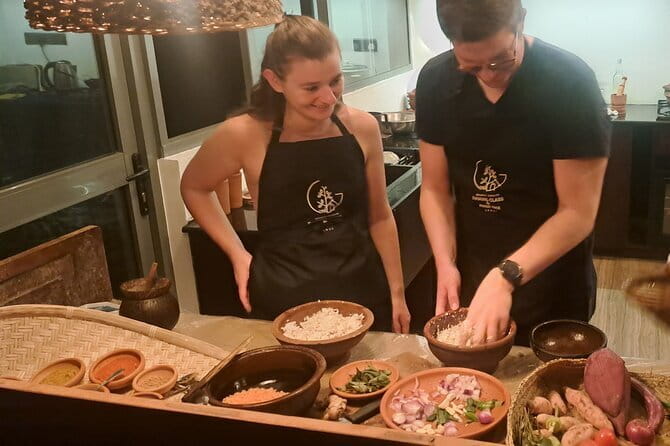
This isn’t purely a kitchen session. The day includes Kandy-related stops that set the scene and keep the experience from feeling like you’re isolated. The listed stops are:
- Temple of the Sacred Tooth Relic
- Kandy
- Kandy View Point
- Kandy City Center
Even if the exact timing at each stop isn’t detailed, the pattern is clear: you get a mix of culture and viewpoint moments, then you return to the cooking setting. For you, that can be a relief. Food experiences feel better when you also see a bit of the place that shaped the cuisine.
Here’s how to think about each stop:

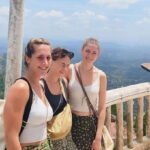


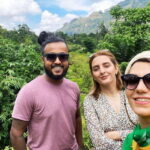
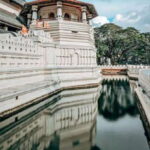
Temple of the Sacred Tooth Relic
This is a major cultural landmark in Kandy. The value for your day is context—understanding the kind of spiritual and historical atmosphere that surrounds everyday life in the city. Dress code matters at religious sites, so bring something that covers shoulders and knees if you can.
Kandy and City Center
Kandy itself and the city center stop give you a general sense of the town rhythm. This is helpful because Sri Lankan cooking isn’t separate from daily life; it’s shaped by what locals buy, cook, and eat.
Kandy View Point
A viewpoint stop works well with a cooking class because it breaks the schedule. You get a chance to refocus, stretch, and take photos—useful if you’re coming from a busy travel day.
The only caution: since the day blends sightseeing and cooking, it can feel like a “3 hours goes fast” kind of plan. If you’re hoping for long, slow exploration of Kandy, this class may not replace a dedicated day in town.
What You Actually Learn (Beyond the Recipe)
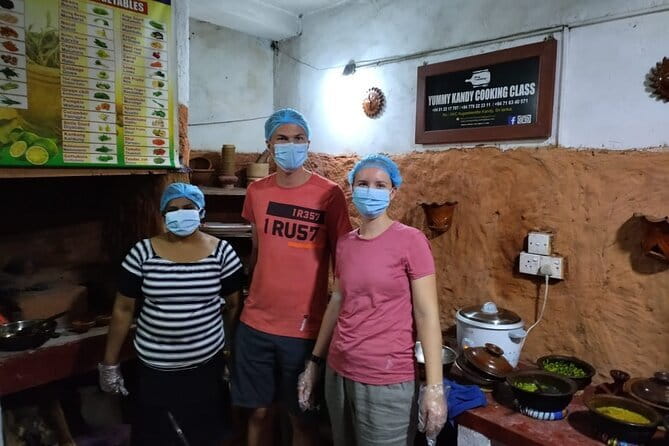
The class description emphasizes secrets of spices and traditional techniques like spice balancing and clay-pot cooking. In practice, that usually means you come away with more than a list of dishes.
You’ll learn how to approach spice as a process. That includes grinding spices and understanding how spices contribute aroma and depth. You also learn how ingredient selection affects the outcome. When you choose ingredients thoughtfully at the start, your results at the end tend to improve.
I also like that the instructor is presented as a family guide. My Mom’s experience is a key part of why the teaching is likely clear and patient. The reviews you provided talk about a lot of effort in teaching typical Sri Lankan methods and about cooking a variety of delicious curries and rice. That points to a class that spends time on technique, not just on getting through steps.
And then there’s the payoff: you eat what you make. Food tasted right after cooking is a powerful teacher. You notice things like salt balance, spice strength, and texture, so you can adjust later when you cook on your own.
Price and Value: What $20 Gets You in Kandy
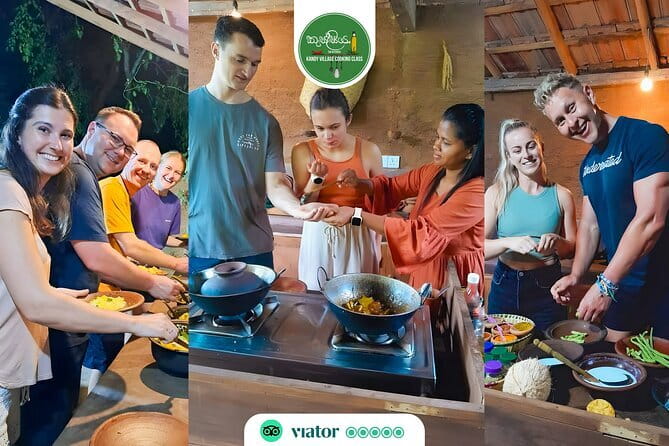
At $20 per person for about 3 hours, the value is strong—especially because the class includes lunch and dinner, along with bottled water, plus a guide/instructor. For the same price in many places, you’d often get a short tasting or a single-course meal, not a full, hands-on session where you cook and then eat.
Pickup is offered, which can be a big time-saver in Kandy. The experience also uses a mobile ticket, which is convenient if you’re already managing maps, transport, and other bookings.
One more value point: it’s a private tour/activity, so it’s only your group. That matters because hands-on cooking usually benefits from smaller group attention. If you’re traveling as a couple or small group, you often get more direct help.
Not included: alcoholic beverages. If you want drinks, plan on paying separately.
Practical Tips for Your 3-Hour Food Day
Here are a few things I’d plan for so you can enjoy the class without stress:
- Wear comfortable clothes and shoes. You’re cooking, and kitchens are warm and active.
- Expect you’ll need to pay attention during spice prep and cooking steps. If you’re the type who loves instructions, this is a good match.
- If you have allergies, tell them ahead of time. The experience explicitly requests that you let them know. That’s especially important with spice-heavy cooking.
- Bring modest, respectful clothing if you’re also visiting the Temple of the Sacred Tooth Relic.
- If you get motion sick easily, remember you’ll likely move between Kandy stops before returning to the cooking location.
Also note the practical end point: the activity ends back at the meeting point at Forest Face Lodge. That helps you plan your next transport without guessing.
Who This Cooking Class Is Best For
This is a great fit if you want a hands-on cooking experience that’s close to everyday life. You’ll likely enjoy it if you care about spices, like using traditional methods, and want to learn through doing rather than watching.
It’s also a good match for:
- couples or small groups who want a more personal class
- people who enjoy cultural context alongside food
- anyone who likes learning kitchen technique, not just recipes
It may feel less ideal if you want a more formal “chef classroom” vibe or if you hate any schedule that includes multiple stops in a short time. The day mixes Kandy sights with cooking, so it’s energetic, not slow and floating.
Should You Book This Sri Lankan Cooking Class by FFL?
I’d book it if your top priority is skill-building and you want the real-family side of Kandy cuisine. The combination of market ingredient choices, spice grinding, and clay-pot cooking creates a solid learning arc. Add lunch and dinner included, and the price starts to look like a bargain rather than a novelty activity.
Book it if you’re comfortable with a home-kitchen pace and you’re happy to move through a few Kandy stops before the cooking starts. It’s also worth booking if you like food experiences where the teaching effort is a core part of the program.
Skip it only if you strongly prefer a more polished restaurant class format or you want a longer, separate sightseeing day in Kandy. Since the schedule is compact, you’ll feel it.
If you want a day that combines Sri Lankan cooking technique with real cultural context, this one is a strong choice.
FAQ
How long is the Sri Lankan cooking class by FFL in Kandy?
The class runs for about 3 hours.
How much does it cost per person?
The price is $20.00 per person.
Is pickup available?
Yes, pickup is offered.
What meals are included?
Lunch and dinner are included, along with bottled water.
Is the tour private?
Yes, it’s a private tour/activity, and only your group will participate.
What if there’s poor weather?
The experience requires good weather. If it’s canceled due to poor weather, you’ll be offered a different date or a full refund.