A real curry lesson starts at a family kitchen. Sri Lankan Cookery with Nilu pairs hands-on cooking with spice coaching inside Nilu and Janaka’s home in the Mahanuvara area, just outside Kandy. I love how personal the experience feels in a small group of just 3, and how patiently Janaka (English-speaking) explains the why behind the spices, not just the steps.
I also like the practical goal: you cook Sri Lankan dishes using ingredients you can typically find back home, then you get a recipe PDF with notes that make repetition easier. One thing to consider: it’s not a grab-and-go meal. You enjoy what you cook on-site, and there’s no takeaway food.
In This Review
- The “4 hours” package that actually teaches you something
- Key points to know before you book
- From Kandy pickup to a village kitchen in Mahanuvara
- Meeting Nilu and Janaka: where the hospitality is part of the lesson
- Welcome drink, menu planning, and the spice lesson that makes curry make sense
- Cooking four vegetable dishes and a Sri Lankan protein the right way
- What you’re really learning
- Adjustments for your tastes
- Ingredients you can find later
- The traditional dessert finish: a sweet lesson, not just dessert
- Enjoying your cooking at Nilu’s home: the payoff
- Pricing: is $31 for 4 hours actually good value?
- Who should book this cooking class (and who might not)
- Practical tips before you go (so your class feels smooth)
- Should you book Sri Lankan Cookery with Nilu?
- FAQ
- How long is the Sri Lankan Cookery with Nilu class?
- Where do I get picked up from?
- What’s the group size?
- Is the cooking class taught in English?
- Can you adjust the dishes for food preferences or allergies?
- Is takeaway food included?
- Do I get recipes to take home?
- What’s the cancellation policy?
- Can I book now and pay later?
The “4 hours” package that actually teaches you something
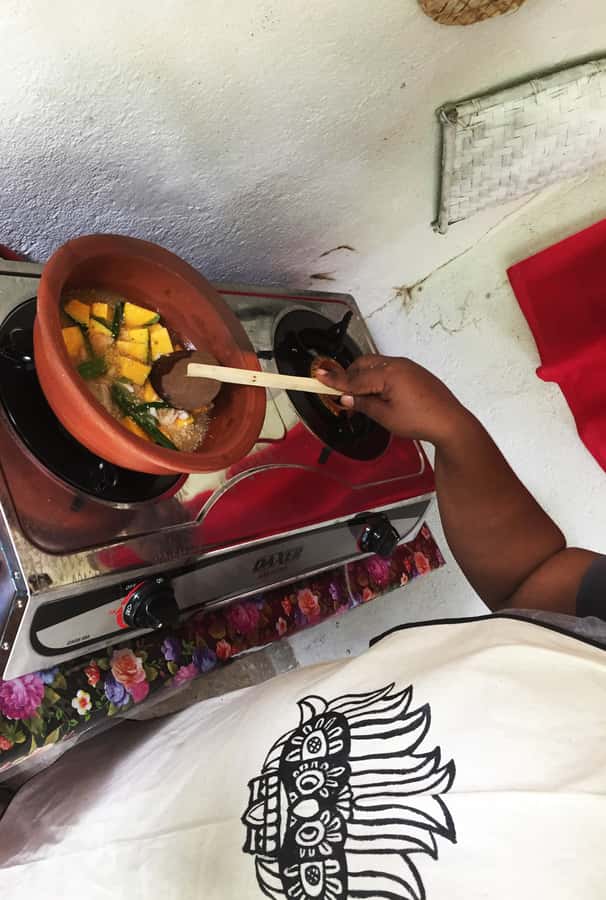
You start with hotel pickup in Kandy, then head to the village kitchen where you’ll cook a full set of dishes: four vegetable dishes plus a Sri Lankan-style protein. Expect a traditional dessert at the end, then time to eat your results at Nilu’s home.
If you’re hoping for an ultra-fast photo-op or a hands-off show-and-tell class, this isn’t that. This is for people who want to learn how to handle local spices and build curry flavor the Sri Lankan way.
Key points to know before you book
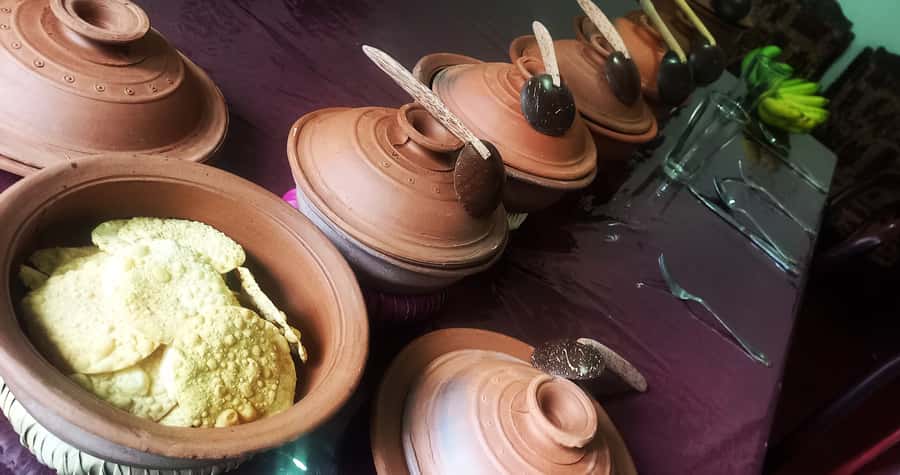
- Small group size (max 3): more time with the instructor while you cook.
- English instruction: Janaka guides with explanations you can follow without guessing.
- Hands-on spice technique: you learn how to handle local spices and ingredients, not just cook one dish.
- Preferences are built in: tell them what you like or avoid, and the menu can be adjusted.
- You eat what you cook: the class ends with enjoying your meal at their home.
- Recipe PDF after class: helpful if you want to recreate the food later with ingredients you can source.
You can also read our reviews of more tours and experiences in Kandy.


From Kandy pickup to a village kitchen in Mahanuvara
The day begins with a straightforward hotel pickup in Kandy. The driver meets you at the hotel lobby, then you head out to the Mahanuvara area where the cooking kitchen is set up in the host family’s home/village setting. The transfer matters because it changes the feel of the class. You’re not just visiting a restaurant kitchen for 45 minutes. You’re going to a real domestic cooking space—where spices are part of everyday life.
Once you arrive, you’ll start with a welcome drink. That sounds simple, but it helps you settle in fast and it signals the tone: this is a family-run cooking session, not a scripted tourist workshop. After that, you get an intro to Sri Lankan cuisine and the menu for the day, so you know what you’re aiming for before you touch ingredients.
Potential drawback: the schedule is only 4 hours total, so this is paced. You’ll learn a lot, but you won’t have the freedom to linger over every simmer for hours like you might at a private chef’s table.
Meeting Nilu and Janaka: where the hospitality is part of the lesson
Nilu and Janaka are the core of the experience, and it shows in how the class runs. Reviews consistently highlight the warmth and patience, and that tracks with what you want from a cooking class. If you’re going to handle spices with confidence, you need someone who answers questions calmly and takes the time to explain.
Janaka is the main English-speaking instructor. That’s a big deal for two reasons. First, you’re more likely to understand the flavor logic—how spice blends and cooking steps work together. Second, you’re less likely to feel lost if you aren’t used to Sri Lankan pantry staples.
Nilu is the host energy in the room. Even if you’re not doing every step yourself, you’ll feel included—like you’re being taught inside a real home, rather than watched from the outside.
Why this matters for you: curry cooking can feel intimidating if you’ve only tried store-bought spice mixes. A patient instructor helps you translate those smells and flavors into repeatable steps at home.
Welcome drink, menu planning, and the spice lesson that makes curry make sense
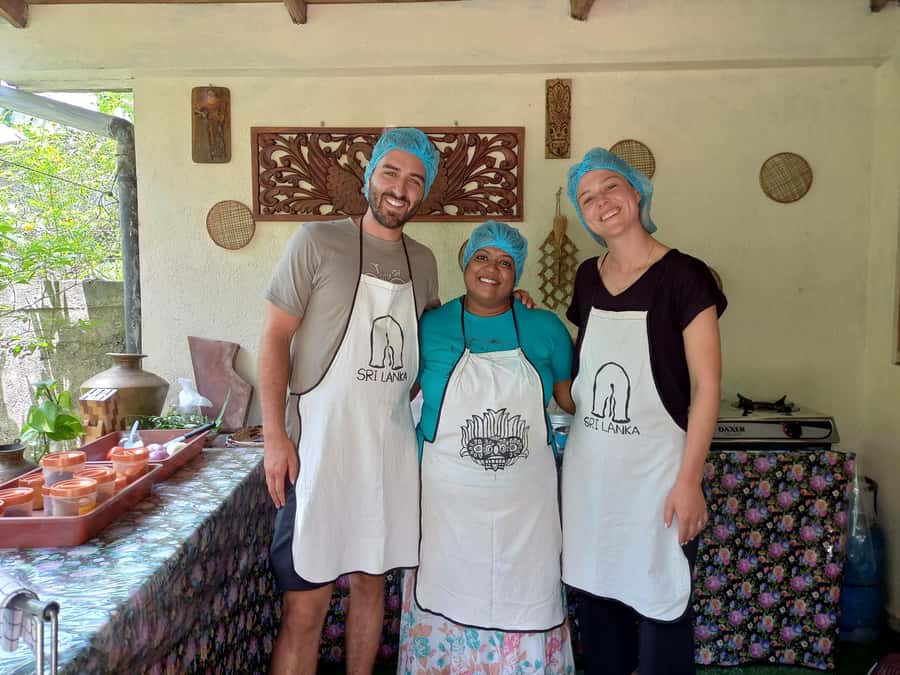
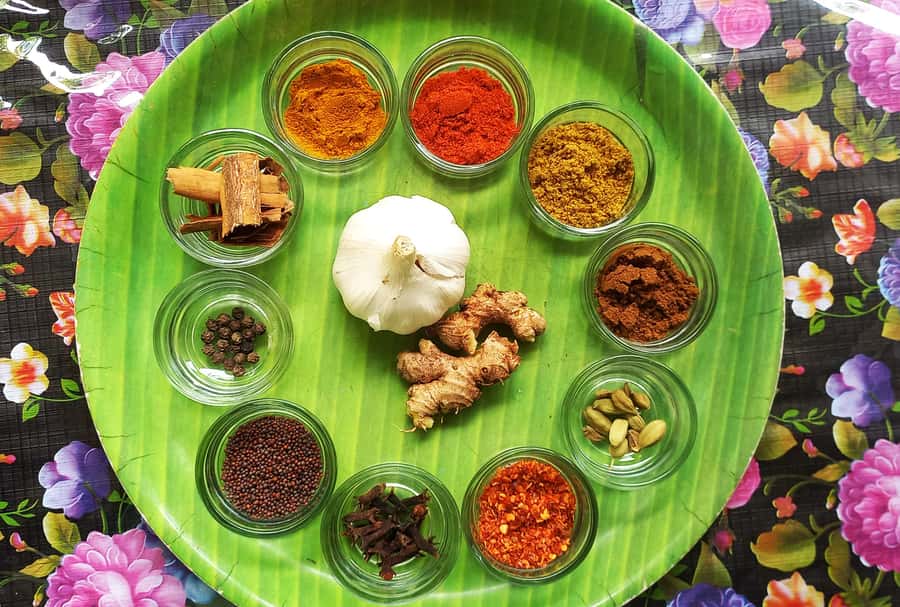
Before the cutting starts, you’ll be briefed on Sri Lankan cuisine and the menu of the day. That “orientation” time is underrated. Many cooking classes jump straight into chopping. Here, you get context about the role of local spices and ingredients, so when you’re asked to stir, grind, or fry, it’s not random.
You’ll also have the chance to share your food preferences or allergies. That matters because Sri Lankan cooking often includes specific aromatics and heat levels. Being able to adjust dishes to you helps the lesson stick. It’s much easier to recreate a curry later if it’s closer to the food you actually want to eat.
A nice practical detail: multiple people note that the ingredients/dishes chosen are meant to be manageable later. In other words, you’re not just tasting exotic techniques for fun. You’re learning how to bring them back to your own kitchen.
Cooking four vegetable dishes and a Sri Lankan protein the right way
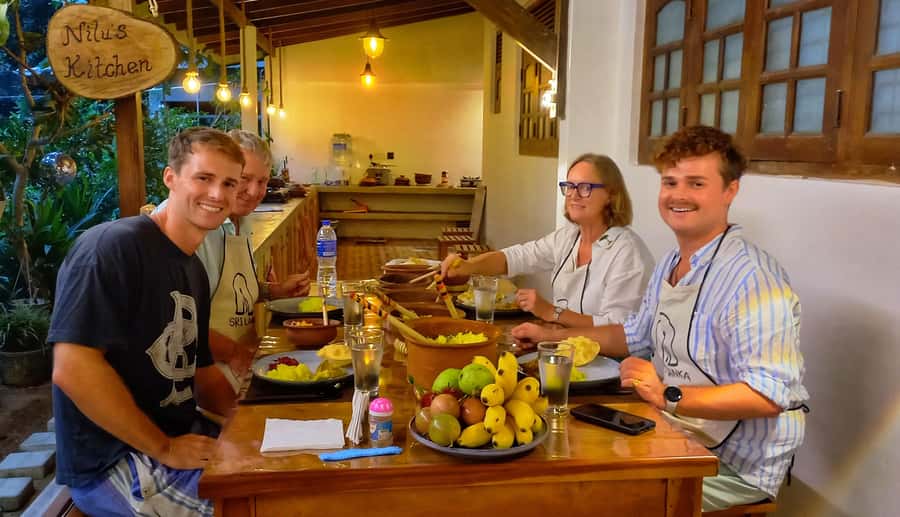
The cooking session is built around a full lineup, not a single recipe. You’ll cook four vegetable dishes and a protein cooked in Sri Lankan style. You’ll also have many accompaniments during the meal, so you experience the way Sri Lankan curry culture works as a set—like flavors that belong together instead of one standalone main.






What you’re really learning
Cooking multiple dishes in one session teaches you two key skills:
- How spice behavior changes by cooking step. Toasting, blooming in oil, and adding spices at different times can shift bitterness, sweetness, and aroma. When you learn this once, you can apply it across dishes.
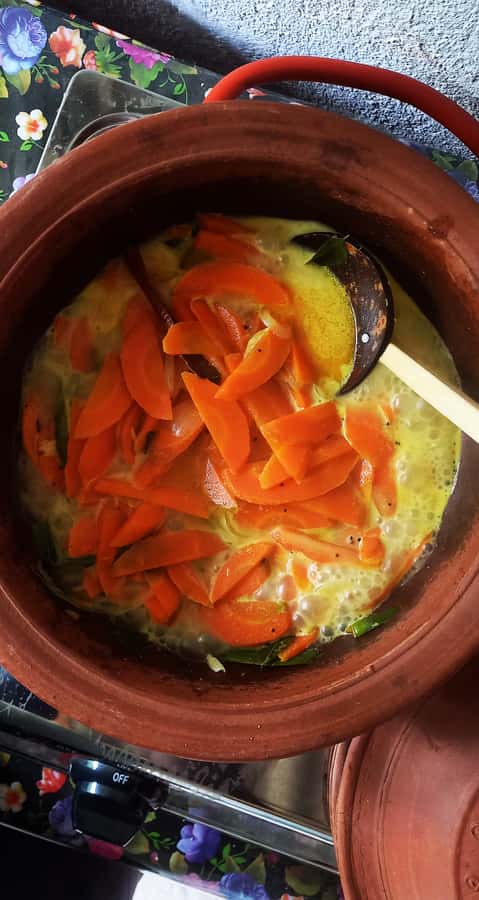
- How textures create balance. Vegetable dishes in Sri Lankan cuisine often rely on gentle cooking, thickening, and spice layering. If you learn how the sauce clings, you’ll know how to get that mouthfeel when you recreate it later.
Adjustments for your tastes
One of the strongest points from the experience is flexibility. If you tell them you prefer vegetarian cooking, the menu can shift toward vegetable-based dishes. People describe making multiple veg dishes with great variety, which is exactly what you want if you don’t eat meat. Even if you do eat protein, the ability to adjust flavors and preferences helps you leave with confidence.
Ingredients you can find later
A recurring highlight is that you get guidance toward ingredients that can be found back home. That doesn’t mean every pantry item is identical to Sri Lanka, but it means the class is structured for real life, not fantasy shopping lists. That’s where value shows up. If a class leaves you with hard-to-find ingredients, you’ve basically paid for a memory. If it leaves you with repeatable steps and accessible ingredients, you’ve paid for future dinners.
Small consideration: because it’s a small group and a home setting, you’ll likely be cooking with other participants nearby and following a shared workflow. If you need total silence or an ultra-formal setting, this won’t be that vibe. It’s family kitchen energy.
The traditional dessert finish: a sweet lesson, not just dessert
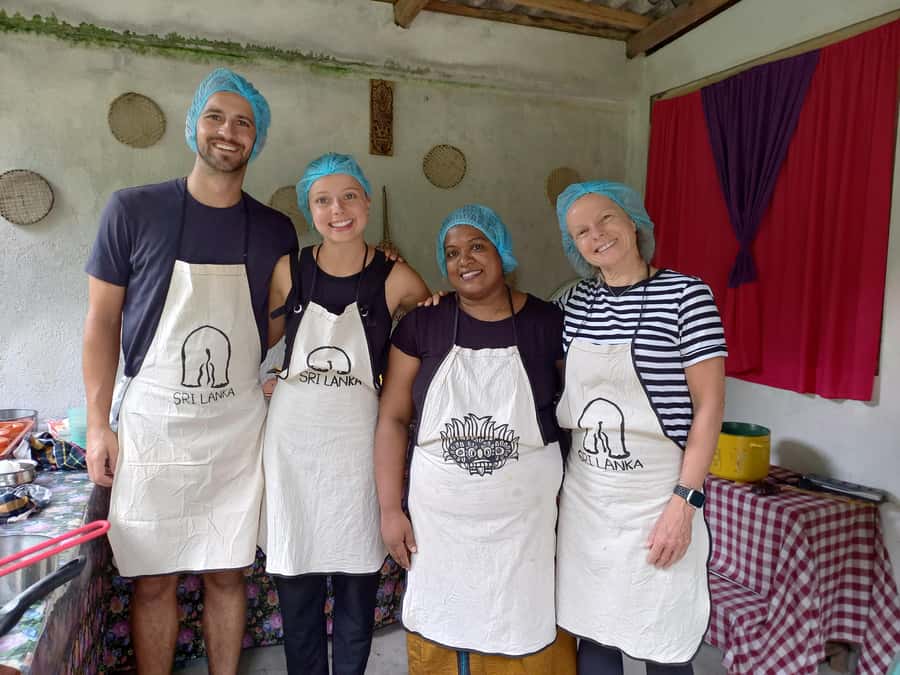
After the main cooking, the class ends with a traditional Sri Lankan dessert. You learn it as part of the cooking flow, so it isn’t just a plated finale. You get the techniques and the method behind the sweetness.
Dessert can be a weak point in some classes if it’s an afterthought. Here, it’s treated as a real part of the day. And if you care about getting a full picture of Sri Lankan cuisine—not just curry—this is where you fill in the missing chapter.
Also, because you’ll be eating at the end, you won’t leave with only the smell of spices on your clothes. You’ll leave with food you can actually remember by taste.
Enjoying your cooking at Nilu’s home: the payoff
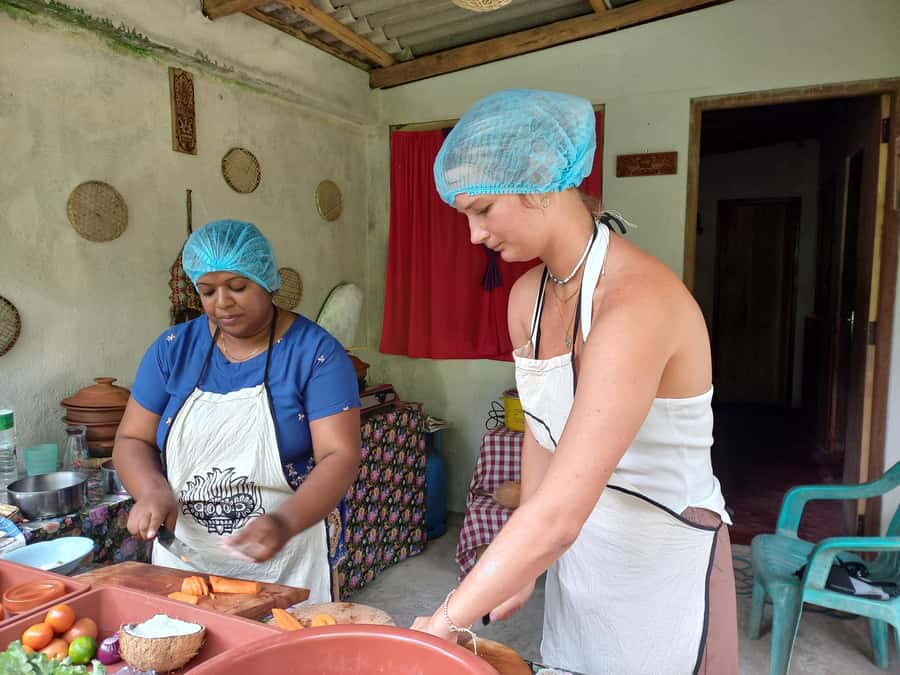
When the cooking part finishes, you enjoy your food at Nilu’s home. This matters because curry cooking is a multisensory process: aroma matters, spice heat matters, and taste needs time to settle. Eating together in the home setting lets you judge what you made, compare it to what Sri Lankan flavors should feel like, and take mental notes for next time.
It’s also a gentle reminder that this class is about more than teaching cooking. It’s about sharing food culture. You’re not just ticking a “cooking class” box. You’re participating in a real meal.
Potential drawback: the experience doesn’t include takeaway food. So if you’re the type who hates wasting extra curry, plan to eat enough on-site or plan your next meal after.
Pricing: is $31 for 4 hours actually good value?
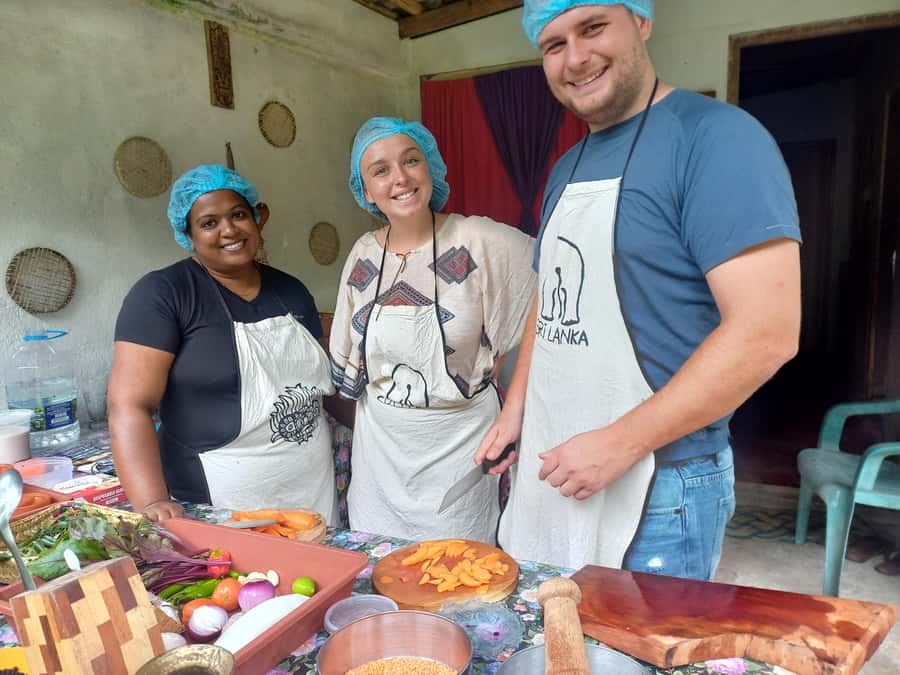
At $31 per person for a 4-hour class, the price is strong—especially if you compare it to cooking classes that include mostly tasting, fewer dishes, or large groups. Here, you get:
- a small group capped at 3 participants
- English instruction from the instructor
- multiple dishes cooked by you: four vegetable dishes plus a protein
- Sri Lankan dessert included
- hotel pickup and drop included in the price
Where the value really shows up is the mix of quantity and personalization. You’re not paying for one dish. You’re paying for a full cooking arc with spice techniques and a meal you can enjoy while it’s fresh.
One more detail that supports value: people mention receiving a PDF with recipes and ingredient guidance that can be found in Europe (or at least closely approximated). That increases the chance you’ll actually use what you learned, instead of letting it fade.
Who should book this cooking class (and who might not)
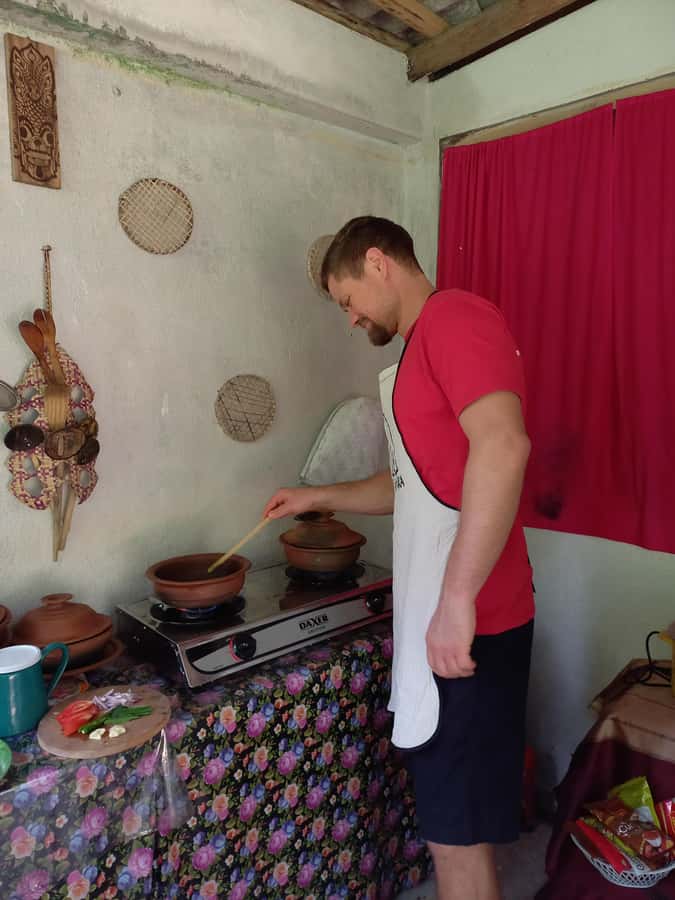
This is ideal if you want a Sri Lankan cooking experience that’s hands-on, practical, and guided in plain English. It also fits well if you like the idea of learning curry technique rather than collecting recipes.
You’ll get the most out of it if:
- you’re cooking-curious and want spice know-how you can repeat
- you want a class built for accessible ingredients back home
- you have preferences or dietary limits and want adjustments
- you like small-group teaching where questions don’t get lost
You might want to think twice if:
- you’re only interested in tasting and don’t want to cook
- you need takeaway food included
- you prefer large, hotel-style tour structure over a family home setting
Practical tips before you go (so your class feels smooth)
A few simple prep moves make a difference:
- Tell them your preferences and allergies in advance. The class is described as adjustable, and you’ll get a better menu match when they know what to plan around.
- Wear comfortable clothes. You’ll be cooking, handling spices, and likely getting a little messy.
- Plan to eat well during the session. Since there’s no takeaway, you don’t want to arrive starving and then discover the meal is the point.
- Bring a curious attitude. Sri Lankan spice work can surprise you—in a good way—if you let the instructor guide you step by step.
And if you’re the kind of person who loves leaving with something tangible, the recipe PDF mentioned in reviews is a solid reason to book. It turns the experience into future dinners.
Should you book Sri Lankan Cookery with Nilu?
I think you should book it if you’re in Kandy and you want more than a generic food tour. This class is built for learning: spice techniques, a full set of dishes (vegetables plus protein), and a dessert finish. The small group size and English instruction make it easier to ask questions and actually understand what you’re doing.
Book it if you like cooking classes where you leave with recipes you can use and ingredients you can source, not just a nice meal and a few photos.
Skip it only if you dislike home-style pacing, don’t want to cook, or need takeaway included. For most people aiming to learn Sri Lankan curry the practical way, this is an easy yes.
FAQ
How long is the Sri Lankan Cookery with Nilu class?
The class lasts about 4 hours.
Where do I get picked up from?
Hotel pickup is included, and the driver will pick you up from the lobby of your hotel in Kandy.
What’s the group size?
It’s a small group limited to 3 participants.
Is the cooking class taught in English?
Yes. The instructor is described as English speaking.
Can you adjust the dishes for food preferences or allergies?
You can and should let them know your food preferences or allergies ahead of time so they can adjust accordingly.
Is takeaway food included?
No. Takeaway food is not included.
Do I get recipes to take home?
You receive a PDF with recipes and ingredient guidance after the class.
What’s the cancellation policy?
There is free cancellation up to 24 hours in advance for a full refund.
Can I book now and pay later?
Yes. The option is described as Reserve now & pay later, so you can book without paying immediately.