Kandy in one day can sound like a lot, but this route pulls it off with smart pacing and real variety. I like the mix of Pinnawala elephants plus Kandy’s spiritual centerpiece at the Temple of the Sacred Tooth. I also like that you get a guided day tour from an AC vehicle with an English-speaking guide, so you’re not trying to piece everything together yourself. The main drawback is that it is a long 14-hour day with multiple ticketed add-ons and several stops that feel shopping-oriented.
You’ll start with hotel pickup in the Negombo area and ride uphill toward Kandy in comfort, then spend time on the ground with guided visits, photo stops, and cultural stops. If you want a calmer trip, or you hate paying extra entrance fees, you’ll need to plan your priorities.
In This Review
- Key points to know before you go
- 14 hours from Negombo: comfort, timing, and the uphill reality
- Pinnawala Millennium Elephant Foundation: why it makes sense at the start
- Tea factory and tea estate: learn what you’re actually tasting
- Spice garden, gem, and craft stops: how to handle the shopping vibe
- Kandy viewpoint: the fast panorama that sets the mood
- Temple of the Sacred Tooth Relic: what makes it the heart of Kandy
- Royal Botanical Gardens and Kandy Lake: where the day breathes
- The National Railway Museum stop: short but useful context
- Culture dance show: worth it if you like performance
- Price and add-on fees: what you’re really paying
- Who this tour suits best, and who should rethink it
- Should you book? My take
- FAQ
- How long is the tour from Negombo to Kandy?
- Is hotel pickup and drop-off included?
- What’s included in the tour price?
- Which entrance fees are not included?
- Are meals included?
- Is there an English-speaking guide?
- What should I wear for the religious sites?
- Do I need to remove shoes in the temples?
- Is the tour cancellable with a full refund?
Key points to know before you go
- Private AC transport from Negombo for a smoother, safer long day drive
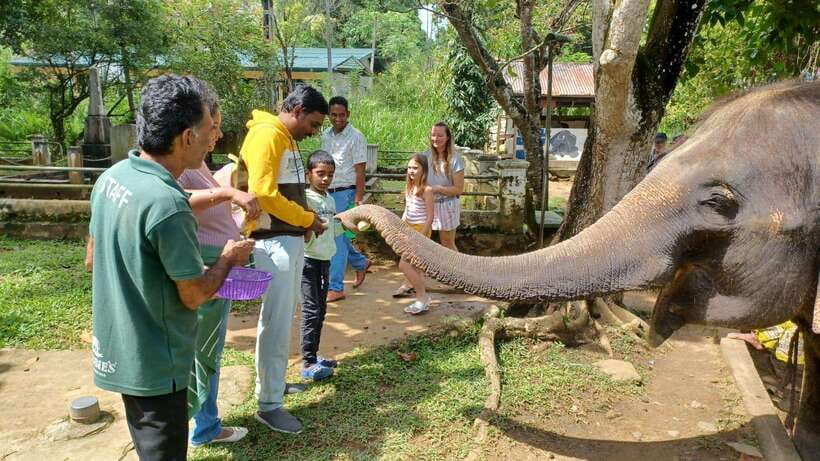
- Millennium Elephant Foundation at Pinnawala runs as the opening anchor stop (plus you may spot other animals on site)
- Temple of the Sacred Tooth is the emotional center of Kandy, and your guide will help you navigate it
- Tea factory and estate visit gives you a practical look at how tea becomes tea
- Botanical Gardens plus Kandy Lake add breathing room between heavier attractions
- Some free stops are built for buying, so you should go in with a skip plan
14 hours from Negombo: comfort, timing, and the uphill reality
This tour is built around one simple goal: get you to Kandy with minimal hassle. You’re picked up from a wide list of Negombo-area locations, then transferred by private air-conditioned vehicle with a driver and an English live guide. Water is included, which sounds minor until you’re hours into the day.
The schedule is full, and that matters more than it sounds. Kandy is not right around the corner from Negombo, so the road time is real. One guide I talked with during a similar trip style noted that the last stretch back can take longer than you expect, partly because Sri Lankan driving means you feel the bends and turns more than you do on highways. The good news: with a calm, experienced driver, it still feels managed, not chaotic.
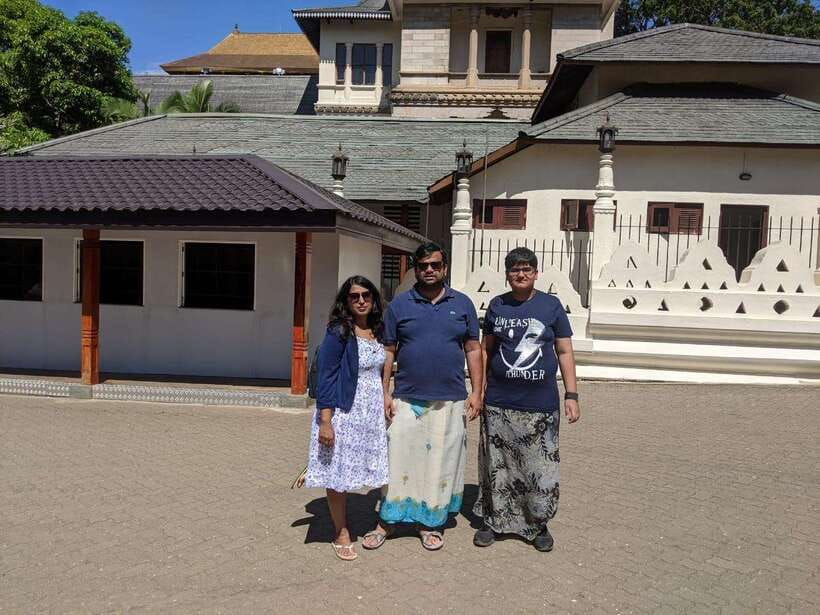
Dress for a religious day. Bring light clothes you can move in, and wear sandals or flip-flops, because you’ll want easy shoe removal for temple visits.
You can also read our reviews of more tours and experiences in Kandy.
Pinnawala Millennium Elephant Foundation: why it makes sense at the start
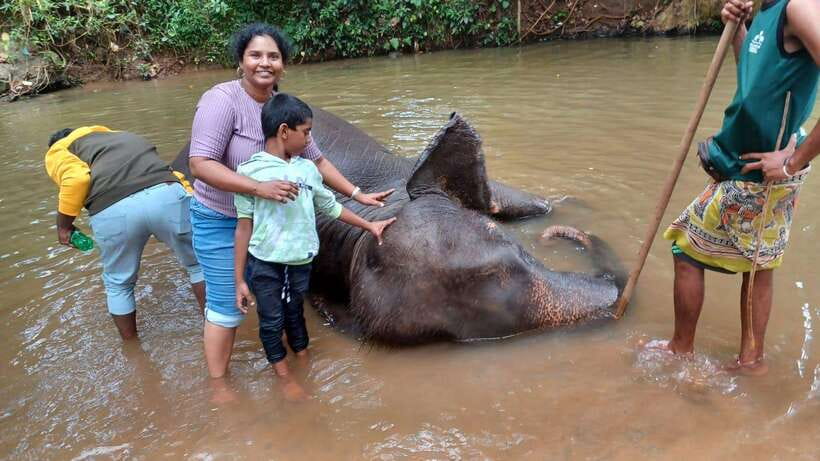
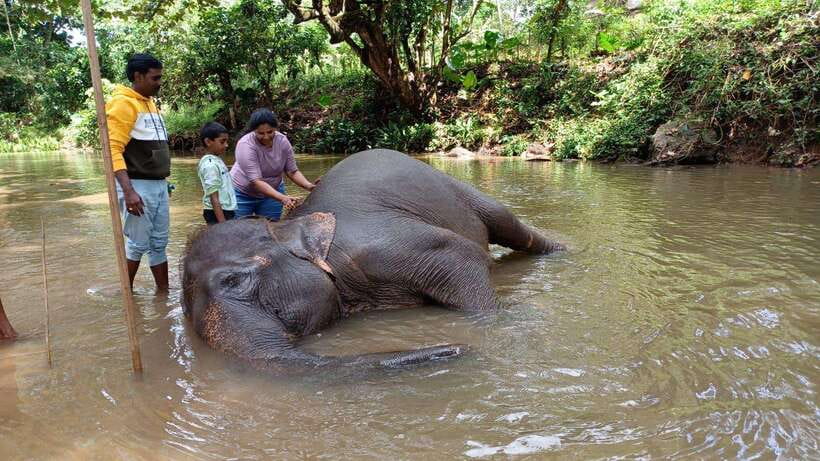
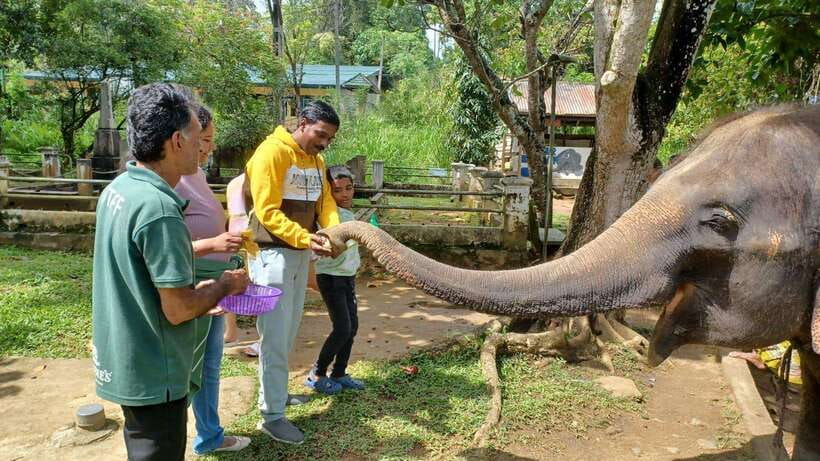
Pinnawala is a strong first stop because it gives you a clear “wow” moment early, before you settle into Kandy’s quieter rhythm. The visit is guided, with a mix of photo stops and time to actually watch the elephants up close. The time slot is about one hour here, which is short enough to keep the rest of the day energetic, but long enough that it doesn’t feel like a photo-op sprint.
One useful detail: Pinnawala is not only about elephants. You can also find other animals on site, which adds variety when you want something beyond the main attraction. If you’re traveling with kids or you simply want an easy introduction to Sri Lanka’s animal life, this stop does the job quickly.
Practical tip: wear something comfortable for walking, and keep your phone charged. You’ll be taking photos, and you don’t want to be hunting for a charger half a day later.
Tea factory and tea estate: learn what you’re actually tasting
The tea stop is one of the best parts because it’s grounded. You’re not just seeing a plantation from a distance; you’ll visit a tea factory and tea estate. Since the entrance is listed as free, this is one of the places where the tour adds value without pulling you into another paid ticket.
In practice, this kind of visit helps you understand tea beyond the cup. You learn how the product moves from plant to processing, and you get context for why Sri Lanka tea has a particular character. Even if you don’t plan to buy tea, it’s the kind of stop that turns a souvenir into something you understand.
Where the day can get tricky is the timing around shopping. Some factory-style stops naturally include sales, but you can treat it like a museum: look, ask one or two questions, and then move on when you’ve got what you came for.
Spice garden, gem, and craft stops: how to handle the shopping vibe
This day includes several short stops that are free to enter but tend to include shopping time. That includes a spice garden-style visit and multiple craft or gallery stops like batik, wood carvings, and silk-related experiences, plus a gem museum and other craft stops. The structure is usually photo stop, guided tour, sightseeing, and often time for shopping.
Here’s the honest way to use this: treat these as cultural “taster” stops, not shopping errands. If you’re buying something, great. If you aren’t, keep your expectations realistic. These places often demonstrate crafts and then encourage purchases, and the push can start to feel repetitive when you stack many of them back-to-back.
My advice: when one of these stops turns into a sales session, switch your goal to learning. Ask about the craft process, look at how items are made, and set a mental time limit. If you’re strict about that, the day stays enjoyable.
A smart traveler strategy I’ve seen work: skip spending time on the sales-heavy stops and keep your energy for the big anchors—elephants, tea, and the Temple of the Tooth.
Kandy viewpoint: the fast panorama that sets the mood
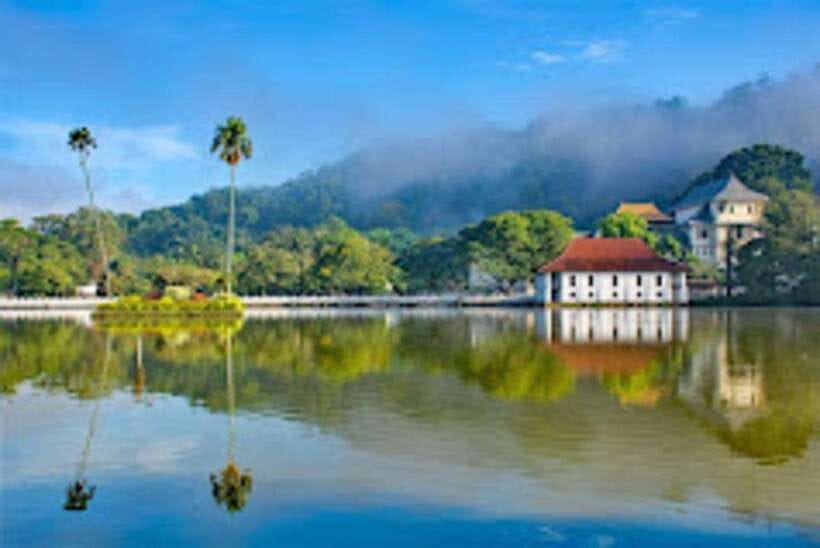
Before you plunge into Kandy’s center, you’ll get a viewpoint photo stop. This matters because Kandy sits in a hilly setting, and the viewpoint helps you get your bearings fast. From there, the city feels less confusing and more connected, especially when you’re hopping from lake to temple to gardens.
It’s the kind of stop that doesn’t need to be long to be useful. It gives you a visual reference for the rest of the day and gives your legs a chance to pause without fully breaking the schedule.





Temple of the Sacred Tooth Relic: what makes it the heart of Kandy
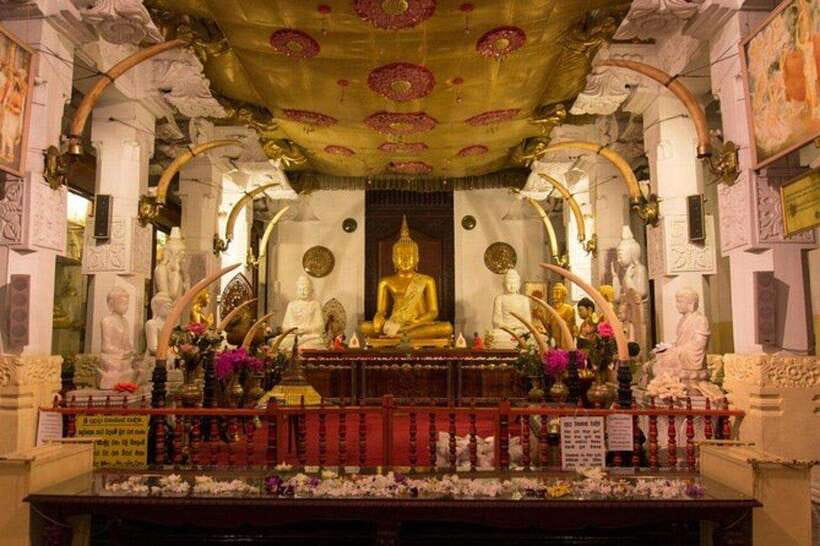
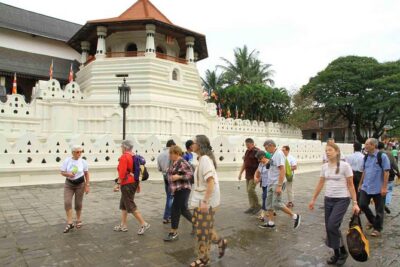
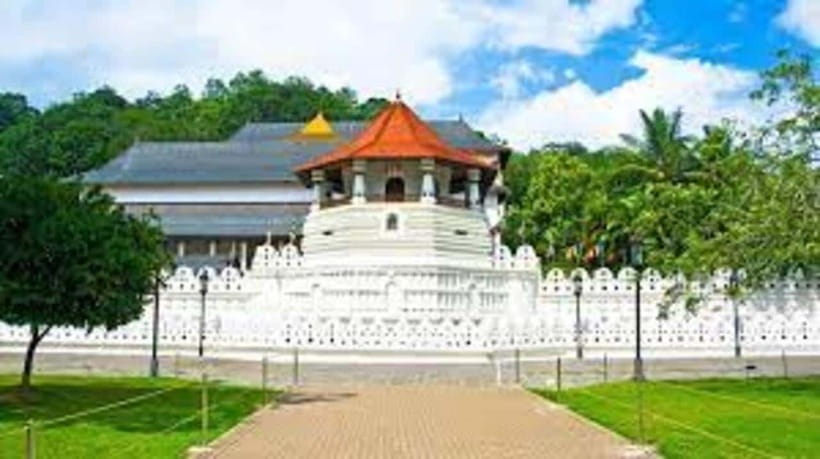
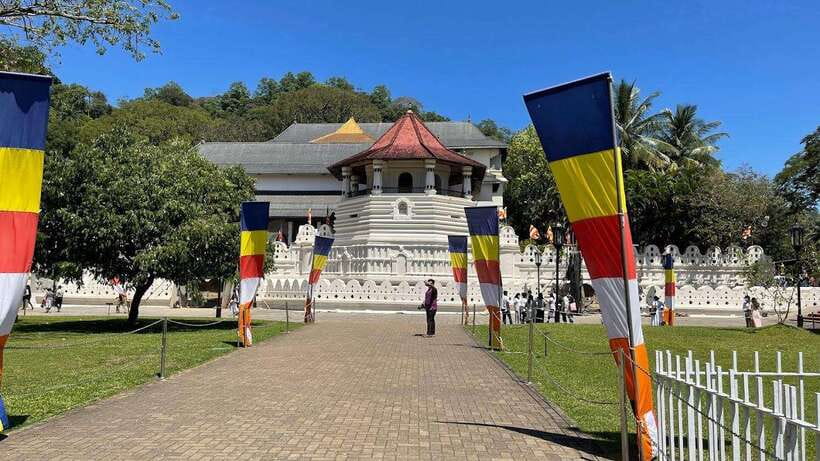
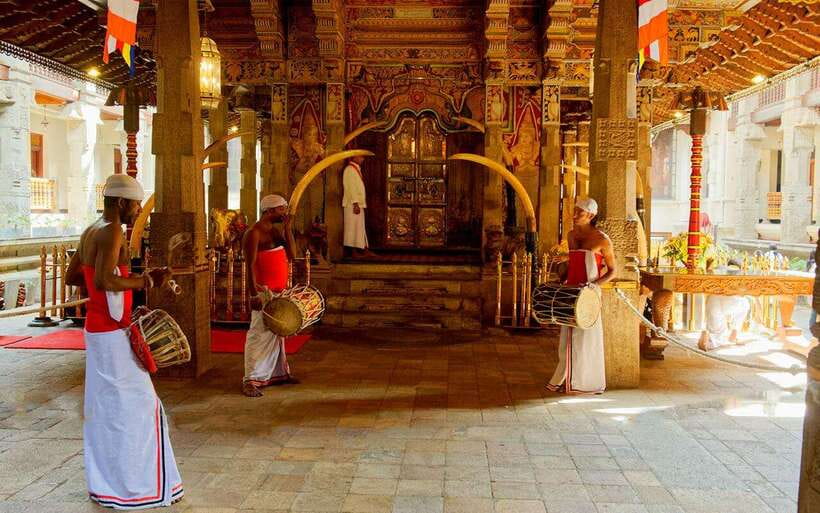
The Temple of the Sacred Tooth Relic is the reason most people come to Kandy, and this tour builds your visit around it. You’ll enter with a guided visit and time for sightseeing, plus you’ll have help understanding what you’re looking at. Your ticket for this is listed as LKR 2000 per person, and it’s one of the major paid items.
Two practical reminders make your visit smoother. First, wear sandals or flip-flops and dress respectfully. Second, you’ll need to remove shoes and slippers when you enter Hindu or Buddha temple areas.
If you like temples that are active and meaningful, this one delivers. It’s not just pretty architecture; it’s a living religious site. A good guide helps you spot what matters and how to move without slowing everyone down.
If you’re sensitive to crowd flow, go a bit slower. The temple is busy and you’ll want to keep your pace steady rather than trying to rush every photo.
Royal Botanical Gardens and Kandy Lake: where the day breathes
Kandy has a way of making you slow down, and the Royal Botanical Gardens help you do that. This tour includes a guided visit and sightseeing time inside the gardens, with the entrance fee listed as LKR 3750 per person. If you’re expecting a simple walk, adjust your mindset: this is a proper garden visit, not a quick courtyard stop.
After that, you’ll shift to Kandy’s lake area. The schedule includes a Kandy Lake Club stop and time around Kandy Lake for photo and sightseeing. Even with a packed itinerary, these moments are valuable because they let you step out of “attraction mode” and back into “city mode.”
What I like about this pairing is balance. You get something reflective and scenic right after the temple intensity.
The National Railway Museum stop: short but useful context
You’ll also make a stop at the National Railway Museum in Kadugannawa. It’s not a massive time commitment—about 15 minutes for photo stop, visit, and guided tour. There’s also some additional time around sightseeing.
What makes it worthwhile is context. Sri Lanka’s railway story is part of the country’s development, and a quick guided view can add meaning to the long road trip you’re doing anyway. If you love transport history, you’ll appreciate it more. If you don’t, it functions as a break from other heavier cultural stops.
Culture dance show: worth it if you like performance
The Great Kandy Culture dance show is optional in the sense that it’s listed as a separate paid entrance item, LKR 3500 per person. If you want a quick, concentrated cultural snapshot, it’s a good use of time. If you’re more museum-and-temple than performance, you might prefer to allocate that budget elsewhere.
Either way, plan your energy for it. You’ll already have a full day of walking and driving. If you feel tired, you can treat the show like a finale: sit back, watch, and don’t over-plan photos.
Price and add-on fees: what you’re really paying
The headline price is $49 per person, and for a full day from Negombo with private AC transport, hotel pickup/drop-off, guide, and included attractions, it can represent good value. But you should think of that $49 as the base cost, not the full day total.
Here are the main extra ticket items listed:
- Pinnawala Millennium Elephant Foundation: 30 USD per person
- Temple of the Sacred Tooth Relic: LKR 2000 per person
- Royal Botanical Garden: LKR 3750 per person
- National Railway Museum: LKR 500 per person
- Great Kandy Culture dance show: LKR 3500 per person
Some other stops are listed as free entrance (tea factory/estate, spice garden, gem museum, batik factory, wood carvings, silk gallery, Kandy viewpoint). That helps keep costs under control if you’re selective.
My value take: this tour is best when you treat it as a sampler of Kandy and surrounding culture, not as a day where everything is included. If you plan to do the elephants and the tooth temple (the two biggest emotional anchors), you’re already aligning with the tour’s strongest payoff.
Also remember meals are not included—no breakfast, no lunch, no dinner. With a 14-hour day, that can affect your budget and comfort, so plan for food and water beyond what’s included.
Who this tour suits best, and who should rethink it
This works well if you have limited time in Sri Lanka and you want Kandy highlights without arranging separate tickets and transport. It’s also a good match for travelers who like a guide to coordinate the day and keep you moving with less stress.
It may be less ideal if you hate scheduled shopping stops or you want a slower, more flexible day. The day includes multiple sales-oriented craft and gallery stops, and you’ll likely feel the pattern unless you go in ready to skim.
If you do book it, you’ll get the best experience by being intentional:
- Commit to the elephants, tea, and the Temple of the Sacred Tooth.
- Pick and choose the paid add-ons based on your interests.
- Use the free craft stops as short cultural breaks, not buying missions.
Should you book? My take
If you’re short on time and you want the big Kandy hits plus Pinnawala and tea in one organized day, I’d say yes. The private AC transport, guided flow, and the clear anchors at Pinnawala and the Temple of the Sacred Tooth make it a smart use of a long day.
But if you already have Kandy planned more slowly, or you’re trying to keep the budget tight and avoid ticket stacking, you may prefer a lighter day plan. This tour is great when you go in with priorities and treat the shopping stops as optional texture, not the main event.
FAQ
How long is the tour from Negombo to Kandy?
The duration is 14 hours.
Is hotel pickup and drop-off included?
Yes. Pickup and drop-off are included, with pickup in the Negombo area and drop-off in listed nearby locations.
What’s included in the tour price?
Included items are hotel pickup and drop-off, transportation by private air-conditioned vehicle, water bottle, and all taxes and fees.
Which entrance fees are not included?
Not included are Temple of the Tooth entrance fee (LKR 2000 per person), Royal Botanical Garden entrance fee (LKR 3750 per person), Pinnawala elephant orphanage entrance fee (30 USD per person), Great Kandy Culture dance show entrance fee (LKR 3500 per person), and National Railway Museum entrance fee (LKR 500 per person).
Are meals included?
No. Breakfast, lunch, dinner, and food/drinks are not included.
Is there an English-speaking guide?
Yes, the tour includes a live guide in English.
What should I wear for the religious sites?
The tour recommends suitable clothes with sandals or flip flops for the Temple of the Tooth and other religious sites.
Do I need to remove shoes in the temples?
Yes. When entering a Hindu temple or Buddha temple, shoes and slippers must be removed.
Is the tour cancellable with a full refund?
Yes. Free cancellation is offered up to 24 hours in advance for a full refund.