Yala feels close, even from Ella. This is a long day built around a Yala National Park safari plus a smooth transfer to the coast afterward, so you can go straight from game viewing to beach time. You’ll ride in an air-conditioned car for the cross-island part, then switch to 4×4 safari jeeps inside the park.
I especially like the way the experience is guided and targeted. The safari team focuses on Yala’s headline animals—Sri Lankan leopard, sloth bear, elephants, deer, crocodiles—and you’re not just left to wander. I also like the small-group setup, with a maximum of 6 passengers per jeep when you’re out on safari.
One thing to consider: wildlife isn’t guaranteed, and the overall day can be tiring. On top of that, the park entrance ticket and food aren’t included, so the real cost is more than the headline price.
In This Review
- Key things I’d plan around before you go
- Ella to Yala: a long transfer that’s actually part of the experience
- Inside Yala National Park: what your guide is doing (and why you’ll feel it)
- The wildlife “hit list”: what you’re most likely watching for
- Timing matters: sunrise energy versus afternoon viewing
- The jeep setup: comfort, control, and better viewing
- Where you land after the safari: Mirissa, Galle, Hikkaduwa, Tangalle, Hiriketiya
- Price and value: what $11 really means here
- What to bring, and how to avoid unnecessary stress
- Who this safari fits best (and who should choose something else)
- Should you book the Ella Yala safari with coastal drop?
- FAQ
- What towns are pickup and drop-off available from?
- How long is the safari day?
- Is the Yala National Park entrance ticket included?
- Is food and drink included?
- What vehicle do I ride in during the safari?
- How many people are in each safari jeep?
- Do I get an English-speaking guide?
- What do I need to bring?
- Is cancellation free?
- Is this tour suitable for everyone?
Key things I’d plan around before you go
- Sri Lankan leopard odds, not guarantees: guides do the work, but nature decides the final scene.
- 4×4 safari jeeps with small groups: up to 6 passengers per jeep for a more controlled viewing experience.
- A long Ella-to-coast day: plan for hours of driving, then settle into your next stop.
- Short breaks for comfort: you get practical stops like bathroom and drinks while you’re in the park area.
- Driver coordination can help: safari drivers communicate with each other when animals are spotted.
Ella to Yala: a long transfer that’s actually part of the experience
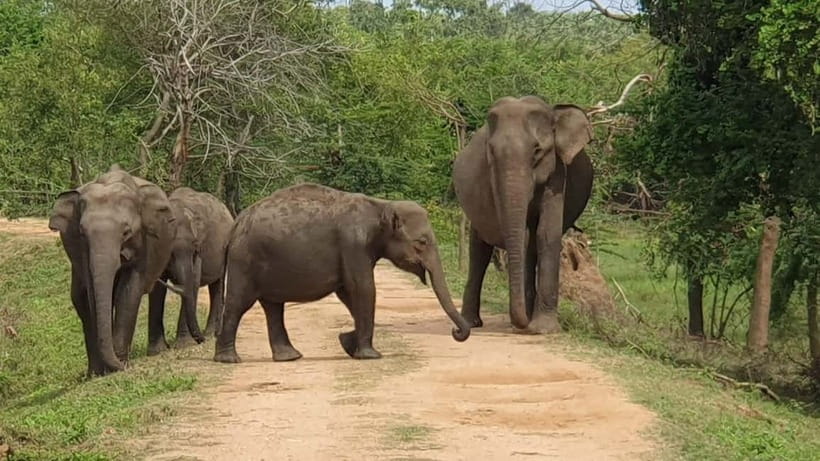
The best thing about this tour is how it solves a real problem in Sri Lanka: you want Yala wildlife, but you’re also trying to reach beach areas like Mirissa, Tangalle, Hiriketiya, Galle, or Hikkaduwa without wasting a second night. You start from Ella (or one of the nearby pickup towns), and you’re taken by car in air-conditioned comfort toward Yala.
That matters more than you might think. The drive takes time, and the park is remote enough that “just go on your own” quickly turns into a planning headache—especially if you’re trying to keep your trip moving. Here, your transport is handled end-to-end: pickup, safari day, then drop-off at your chosen coastal destination.
You’ll also likely get small “make the trip feel worth it” moments on the way. One example from real-world experience is a quick stop for Ella waterfall photos. It’s not the main event, but it’s the kind of extra that makes a long day feel less like sitting in traffic.
You can also read our reviews of more tours and experiences in Ella Sri Lanka.

Inside Yala National Park: what your guide is doing (and why you’ll feel it)
Once you enter Yala National Park, the guiding changes the whole experience. You’re not just driving past trees and grassland and hoping for a miracle. The guide helps you read what’s around you—where animals might be feeding, moving, or resting—and that skill is what turns a “drive” into a real safari.
Yala is known for its mix of habitats, and you’ll actually feel that variety from the road. You move through different sections of the park—from denser areas to more open ground—so you’re not stuck staring at one type of scenery. That variety increases the chance of seeing different species in different moments, instead of everything feeling samey.
You should also expect a structured flow: photo stops, guided viewing, and time for sightseeing. In other words, you’ll get moments where you’re fully in safari mode, and moments where you can breathe, reset your camera, and take a quick break.
The guide also shares insights about wildlife and conservation efforts. Even if you’re not a “wildlife lecture” person, it’s helpful. It changes how you look at the park. You start noticing signs—tracks, resting spots, water sources—rather than just waiting for the animal to appear.
The wildlife “hit list”: what you’re most likely watching for
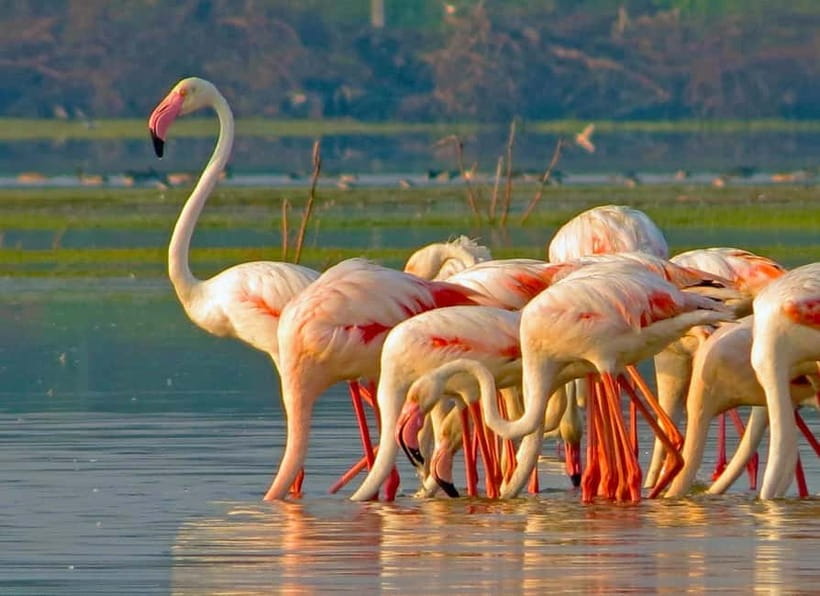
This safari is built around a clear list of animals. The best part is that the focus isn’t vague. You go for:
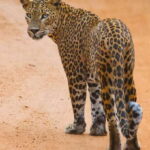
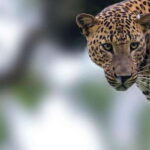
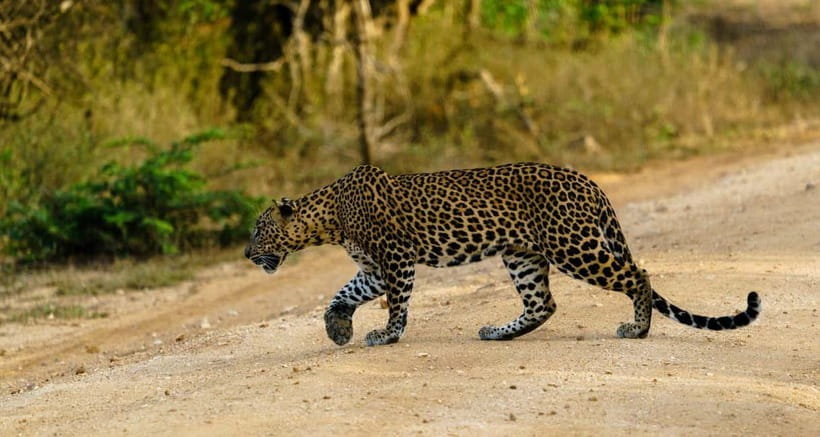
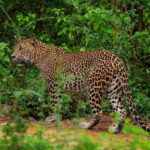
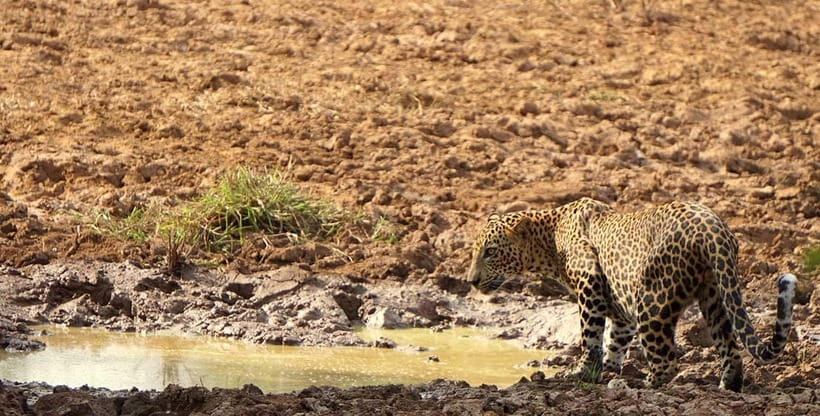
- Sri Lankan leopard: Yala is one of the island’s best places to look, with leopard density often highlighted as exceptional. Still, keep your expectations realistic. Leopards can be visible far away, and sometimes they’re not out at all during your time slot.
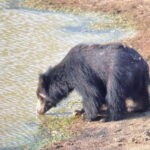
- Sloth bear: often less predictable than elephants, so you’re watching closely for movement and signs rather than expecting a guaranteed sighting.
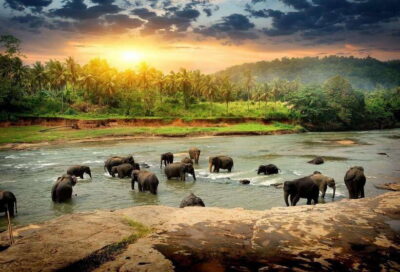
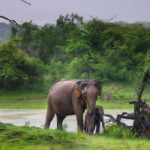
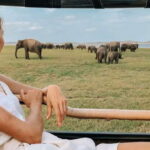
- Elephants: this is a park where elephants are a serious possibility, and you’ll likely spend time scanning for groups near water and in open areas.
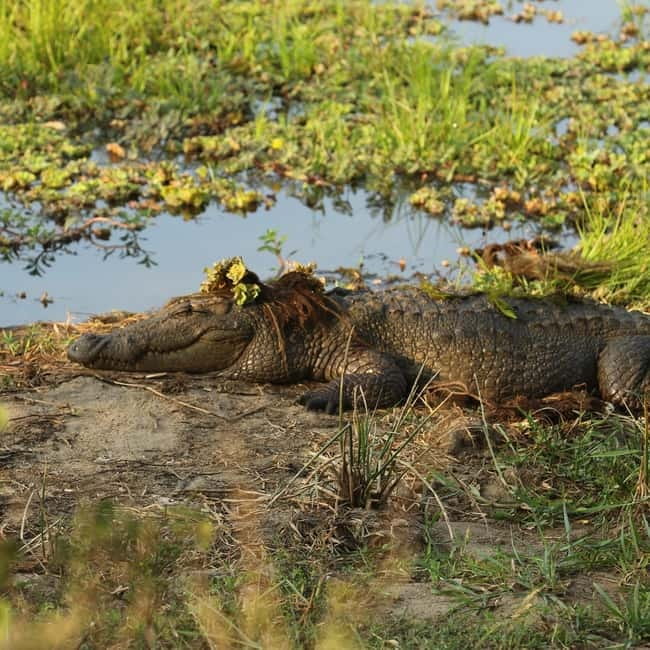
- Crocodiles: you may spot them along water edges, especially when the safari timing aligns with where they choose to rest or move.
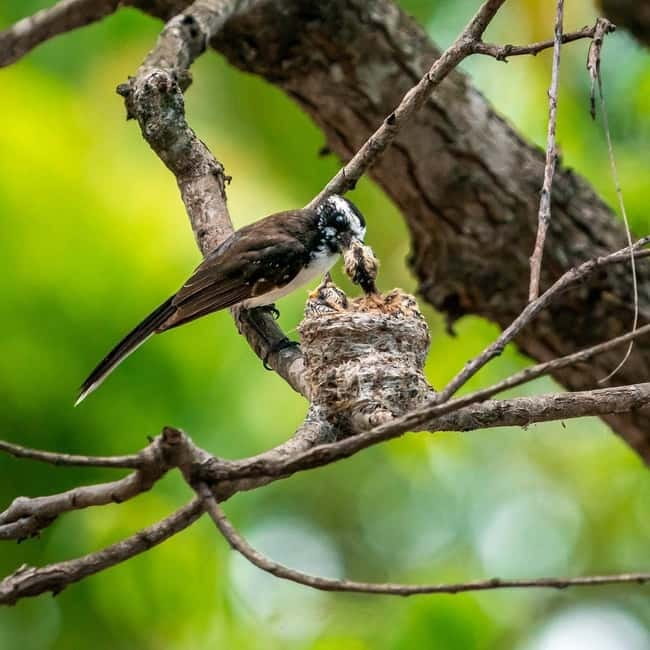
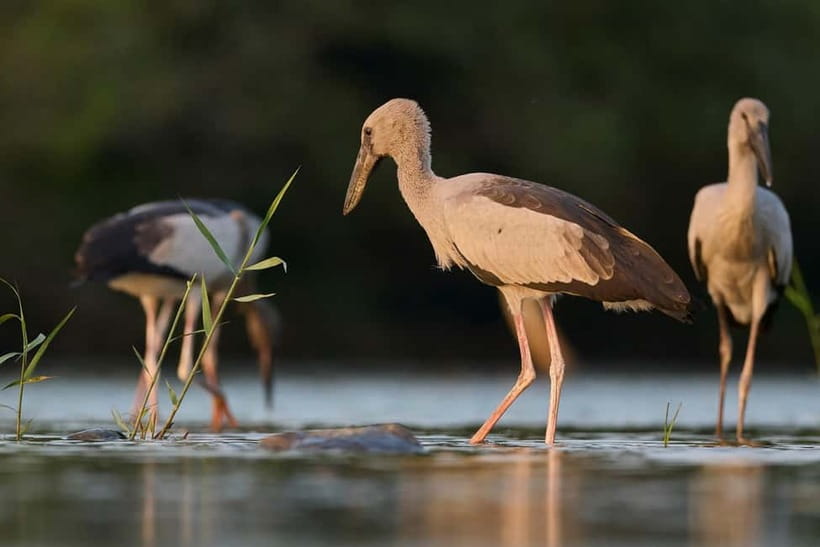
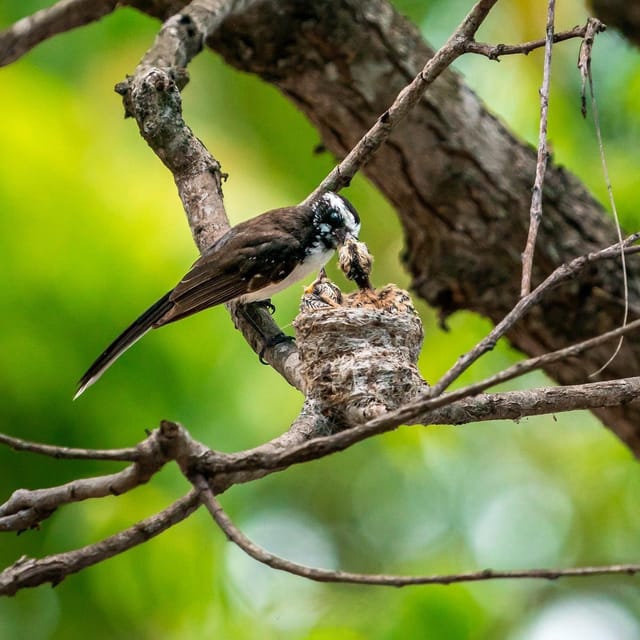
- Deer and birds: birds are one of the easiest “wins” to look for. Even when mammals are quiet, the park can still deliver constant action.
Here’s the practical mindset that will help you enjoy the day: you’re buying an organized search. Leopard sightings are luck plus patience plus guide skill. The guide and driver team does their best, including coordinating with other jeeps when animals are found.
And yes—when a leopard is spotted, the park can feel like a watch party. You’ll see multiple jeeps converging. That’s normal. What helps is staying calm, taking your photos efficiently, and not rushing the moment. It’s usually a short window, and it’s easy to miss if you’re fiddling.
Timing matters: sunrise energy versus afternoon viewing
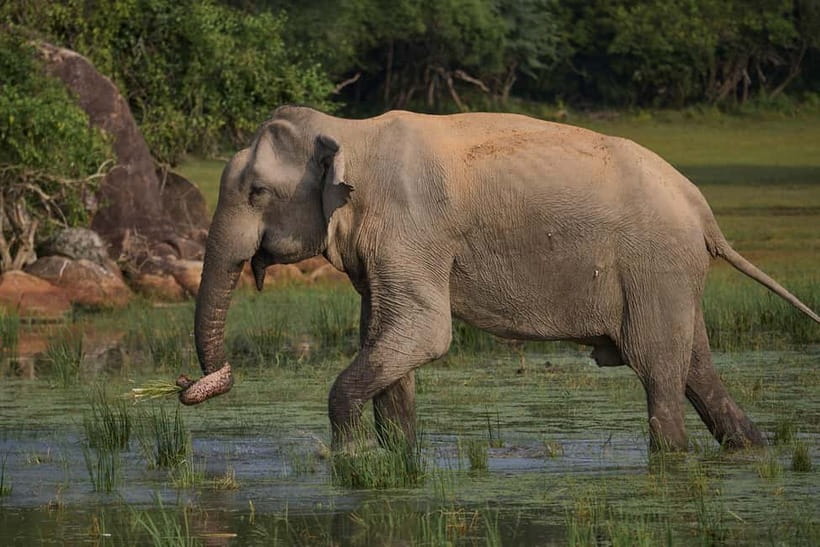
Your total day can run about 9 to 16 hours, and the safari experience includes sunrise time (with a 4-hour sunrise window shown). That tells you something important: this isn’t just a casual afternoon loop. There are start-time options, and the timing affects both animal behavior and your comfort.
Sunrise safaris tend to feel more “alive.” Animals may be more active, the light is better for spotting, and you start cooler in the day. One real-world highlight is how people remember the sunrise view and the way it sets the tone for wildlife searching.
Afternoon safaris can be excellent too, but with a different feel. You might find elephants and other animals moving in patterns that suit the later hours. It also tends to be a little easier on your body if you’re not excited about early starts.
If you’re choosing between times, I’d think about your trip style. If you want maximum energy and the best light for photography, go for sunrise. If your schedule is tight or you want a slower start, the afternoon option can still pay off.
The jeep setup: comfort, control, and better viewing
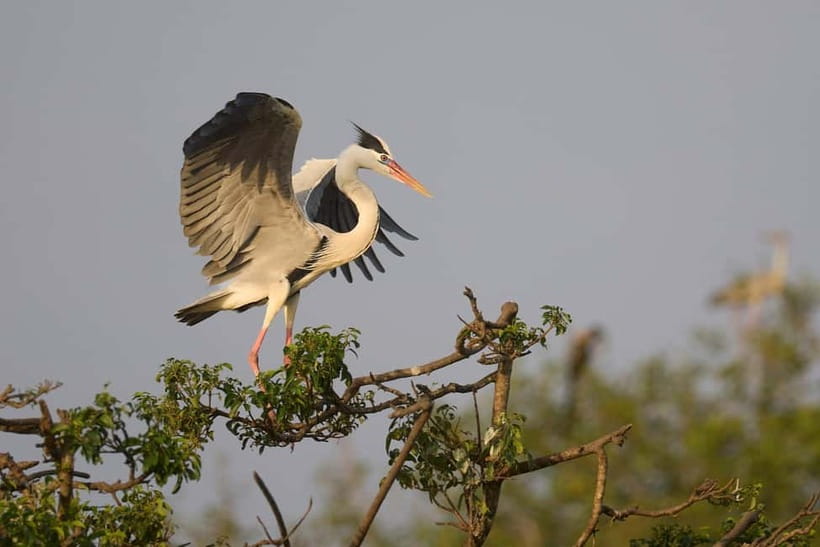
You’ll travel in a luxury air-conditioned car for the transfer, then switch to a spacious 4×4 safari jeep for the park. The jeep size matters because it affects how crowded viewing gets around a stop. With a max of 6 passengers per jeep, you’re not wrestling for camera angles or shoulder space.
There’s also a special note for larger groups: if your booking is for 6 passengers or more, you can get a private safari jeep setup (also capped at 6 passengers), which usually means you get more control over the day’s pace.
One practical truth: safari roads can be rough. One experience shared was a jeep getting stuck in mud, which is the kind of thing that can happen in a big natural reserve. That’s not something you can control, but it’s a good reminder to pack patience and expect “real terrain,” not paved-road convenience.
Also, the safari rides can feel a bit fast or bumpy when you’re moving quickly to the next best location. That’s part of the game: drivers are often trying to get you to sightings before the animals move on.

Where you land after the safari: Mirissa, Galle, Hikkaduwa, Tangalle, Hiriketiya
A big reason this tour can feel like good value is what happens after the safari. You don’t end the day back in Ella. You move on to a coast base where you can actually enjoy Sri Lanka’s beach time.
Your drop-off options include places like Mirissa, Tangalle, Hiriketiya, Galle, and Hikkaduwa (plus several inland towns). So you can build a logical route: wildlife day first, then relaxation day second.
This also helps logistically. Instead of spending your afternoon figuring out transport from Yala to the coast, you’re already handled. By the time you arrive, you can shower, eat, and settle in without planning your next ride.
Price and value: what $11 really means here
The price shown is $11 per person, but the tour doesn’t pretend that covers everything. The national park entrance ticket is not included (listed as LKR 13,000 per person), and food and drink are not included.
So what are you paying for? You’re paying for:
- Pickup and drop-off from your chosen towns
- Air-conditioned transport to and from Yala
- A 4×4 safari jeep
- A guide/driver and safari organization
- Toll charges
That can still be good value if you like convenience and you don’t want to deal with separate bookings (transport + safari vehicle + guide). It’s also a smart option if you want Yala without adding extra hotel nights just to make the distances work.
The only time I’d hesitate is if you’re trying to squeeze costs so hard that convenience becomes a problem. If you have the skills and budget to arrange everything independently, you might be able to do it cheaper. But if you want a single planned day that gets you from Ella to wildlife and then to the coast, this setup is usually worth it.
What to bring, and how to avoid unnecessary stress
This is a straightforward tour in what you need.
Bring:
- Passport or ID card
Plan to:
- Skip alcohol and drugs, since they’re explicitly not allowed.
- Dress for a long day outdoors (you’ll be in the park area for hours and moving between spots).
Also, keep in mind the suitability notes. It’s not suitable for pregnant women and it’s not suitable for people with back problems. Between the time in the car, the safari vehicle ride, and the long day duration, those constraints aren’t minor.
Language-wise, your guide is listed as English.
Who this safari fits best (and who should choose something else)
This tour makes the most sense if:
- You’re basing yourself in Ella (or nearby) and want to hit Yala as a priority.
- You want a guided safari focused on major animals rather than a DIY route.
- You want a clean handoff to a beach town afterward.
- You prefer small groups (max 6 per jeep).
It may not fit if:
- You can’t handle long driving days (remember the experience runs about 9 to 16 hours).
- You need guaranteed animal sightings. There are no guarantees in a wild reserve.
- Your body can’t handle bumpy transport or long sitting periods (again, back problems and pregnancy are flagged).
Should you book the Ella Yala safari with coastal drop?
If your goal is a well-run, one-day bridge between the Hill Country and the south coast, I’d say yes. You’re getting organized transport, a 4×4 jeep safari search, and a drop into beach bases like Mirissa or Hiriketiya so you keep your trip moving.
I’d only hold off if you’re strongly cost-focused and already comfortable arranging separate transport and safari logistics on your own. Also, don’t book it expecting a guaranteed leopard. Book it for the chance, the search, and the fact that when animals show up, your guide’s effort and jeep positioning are built for spotting.
FAQ
What towns are pickup and drop-off available from?
Pickup and drop-off are offered for multiple locations, including Ella, Tangalle, Hiriketiya, Mirissa, Weligama, Unawatuna Galle, Galle, Tissamaharama, Thanamalwila, Udawalawa, Matara, and Hikkaduwa.
How long is the safari day?
The duration is listed as 9 to 16 hours, depending on the starting time and schedule.
Is the Yala National Park entrance ticket included?
No. The national park entrance ticket is not included and is listed as LKR 13,000 per person.
Is food and drink included?
No. Food and drink are not included.
What vehicle do I ride in during the safari?
You travel in a 4×4 safari jeep for the park portion, and you also have a luxury air-conditioned car for the transfer.
How many people are in each safari jeep?
The maximum is 6 passengers per jeep. For bookings of 6 passengers or more, you get a private safari in the safari jeeps, also accommodating up to 6 passengers.
Do I get an English-speaking guide?
Yes. The tour includes a live tour guide in English.
What do I need to bring?
You should bring your passport or ID card.
Is cancellation free?
There is free cancellation up to 24 hours in advance for a full refund.
Is this tour suitable for everyone?
It’s listed as not suitable for pregnant women and people with back problems. Alcohol and drugs are not allowed.