Spices start working fast. This Kandy cooking class takes you into a real village home just outside the city, where you cook traditional Sri Lankan food from scratch instead of watching from the sidelines. You’ll learn the order of cooking, how spices act, and how everyday meals get built at home.
I especially like that you’re totally inside the village in a quiet residential area, not in a generic concrete classroom. I also like that the menu follows local practice, and each day of the week can feature a different set of dishes—so your class feels tied to real routines, not a one-size-fits-all script.
One consideration: you’ll need to plan for the end of the class. Pickup from Kandy is included, but the return journey from the village may cost extra (you can arrange it yourself or pay for transport).
In This Review
- Key things you’ll notice right away
- A village kitchen outside Kandy (not a staged cooking room)
- The class menu: what you’ll cook in a 3.5-hour lesson
- Vegan options and protein choices that don’t derail the class
- Pickup and the three daily windows that fit real schedules
- How the cooking lesson feels: guided, but hands-on
- The meal you make: rice, vegetables, curry, sambol, papadam, dessert
- Rice and the vegetable spread
- Curry: the spice core
- Coconut sambol: flavor pop and texture
- Papadam: the crunchy finish
- Traditional sweet: end your meal like a home meal
- What you take home: photos of recipes you cooked
- Value check: is $23 worth it?
- Who this cooking class is best for
- Should you book Kandy cooking with a village family?
- FAQ
- Where is this cooking class located?
- How long is the class?
- What does the price include?
- Are vegan meals available?
- Does the class include pickup from Kandy?
- Is return transportation included?
- What time options are available?
- Is the instruction in English?
- Is it a private group?
- Is it wheelchair accessible?
Key things you’ll notice right away
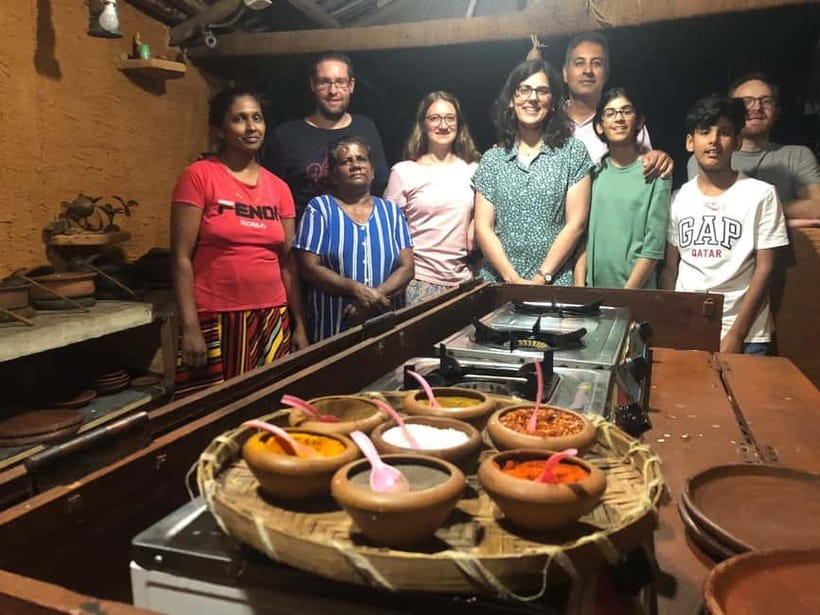
- You’re in a village, not a city building: the lesson happens about 6.5 km outside Kandy, at a home in a residential area.
- Hands-on from start to finish: you cook the dishes yourself, with an English instructor guiding the process.
- A full traditional meal, A to Z: rice, multiple vegetables, curry, sweets, coconut sambol, and papadam.
- Menu changes by day: the dishes reflect Sri Lankan culinary traditions, and the daily menu can differ.
- Vegan is supported: the class can do vegan versions, and it can also include egg/chicken/fish depending on what you choose.
- You’ll get recipe photos after: so you can recreate the meal back home with fewer guesswork moments.
A village kitchen outside Kandy (not a staged cooking room)
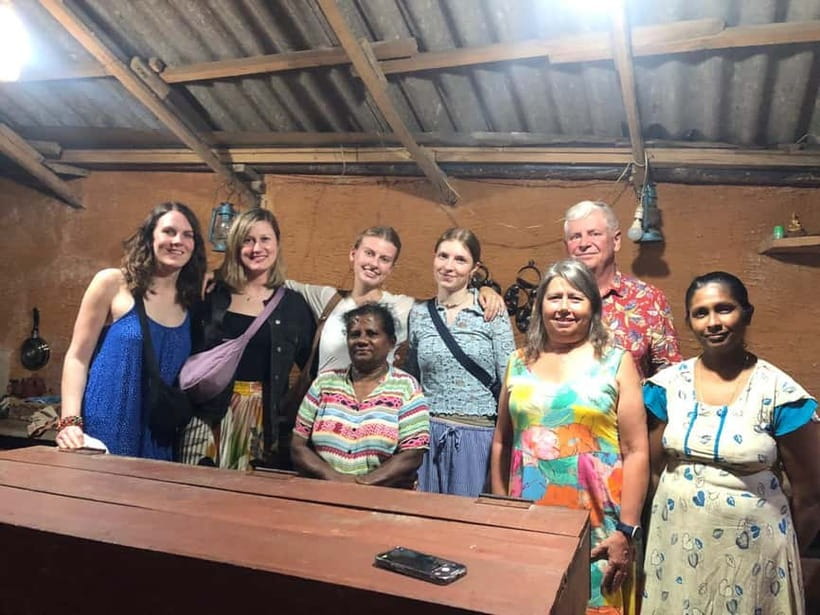
The biggest win here is location and feel. This class is in Mahanuvara, with the cooking lesson happening in a house in a quiet residential area just outside Kandy—around 6.5 km away from the city. That distance matters. You’re not just leaving Kandy on a quick ride; you’re arriving somewhere that works like a real neighborhood.
In practical terms, you’ll likely notice:
- fewer commercial distractions
- a calmer pace
- more focus on the actual cooking process (and the ingredients that go with it)
You’ll also appreciate the setup if you’re the type who gets bored by “touristy” food experiences. This one keeps things traditional: you cook traditional dishes, using the spices and techniques used for everyday meals.
The class is described as happening fully inside the village, and in a non-concrete setting. That usually means the experience feels more personal, with you working around a real family-style kitchen flow rather than a fixed demo counter.
You can also read our reviews of more tours and experiences in Kandy.

The class menu: what you’ll cook in a 3.5-hour lesson
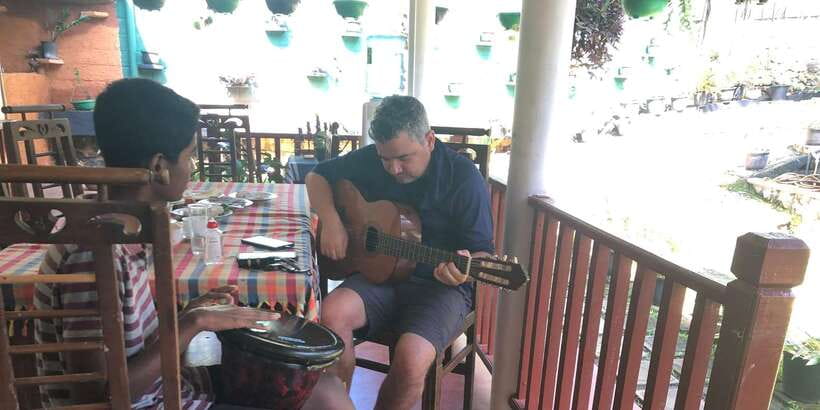
The lesson runs about 3 to 4 hours (often listed as 3.5 hours), and the timing can vary depending on how quickly you cook. That’s a good detail to know. In a hands-on class, the instructor can’t rush your hands or skip steps, especially with dishes that need simmering time.
What’s included in the cooking plan:
- rice
- 7 vegetables
- a fish or chicken curry
- one Sri Lankan traditional sweet (dessert)
- coconut sambol
- papadam
Even before you taste anything, this lineup tells you what the class is really teaching: how Sri Lankan meals balance carbs, vegetables, spice layers, a coconut component, and a sweet finish. You aren’t just making one dish. You’re learning how the meal comes together as a full plate.
Here’s how to think about it while you cook:
- Rice is your base. Most other dishes are built to go with it.
- The vegetable set is where you’ll learn cooking methods beyond “chop and stir,” because Sri Lankan cooking often varies texture and spice intensity across different vegetables.
- The curry teaches simmering and how spices distribute their flavor over time.
- Coconut sambol adds brightness and texture, and it’s often the part people remember most once they’ve made it.
- Papadam is the crispy support; it adds crunch and contrast.
- The sweet gives your meal closure, so you experience the full arc of a traditional home-style menu.
Vegan options and protein choices that don’t derail the class
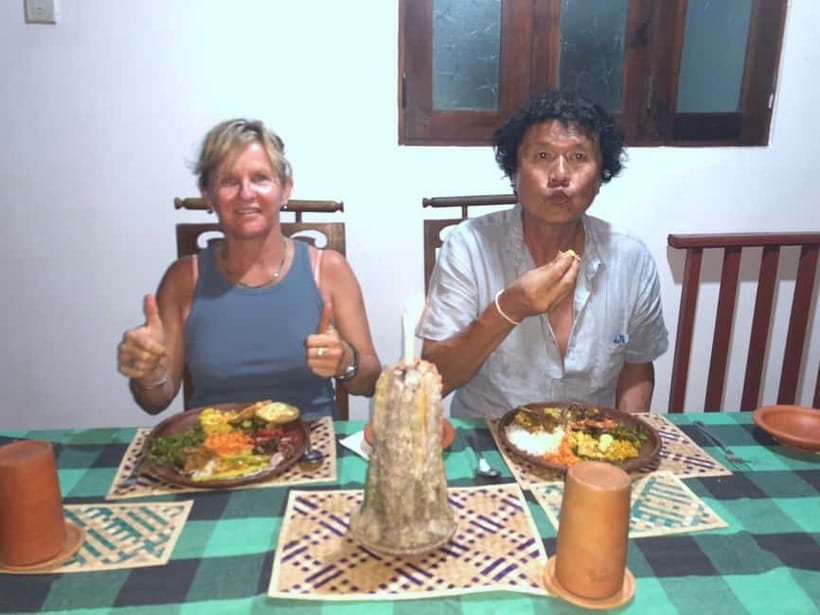
If you’re vegan (or mostly plant-based), this class is built for you. Vegan food is available, and the provider notes that they can include egg, chicken, or fish if you want those options instead.
What I like about this flexibility is that it doesn’t sound like a separate “special menu” that runs in parallel with the main experience. The course is still structured around Sri Lankan cooking principles—rice, vegetables, coconut sambol, and sweets—so you still learn the same style of seasoning and kitchen rhythm.
How to decide what you want:
- If you’re vegan, confirm you want the vegan versions of the dishes right away, especially anything that would normally involve fish/chicken.
- If you eat animal products, you can choose between fish or chicken curry, but you’ll still work the same cooking flow and learn the spice technique.
This is a practical point: you’ll get more value if you match the class menu to what you actually want to taste and replicate later.
Pickup and the three daily windows that fit real schedules
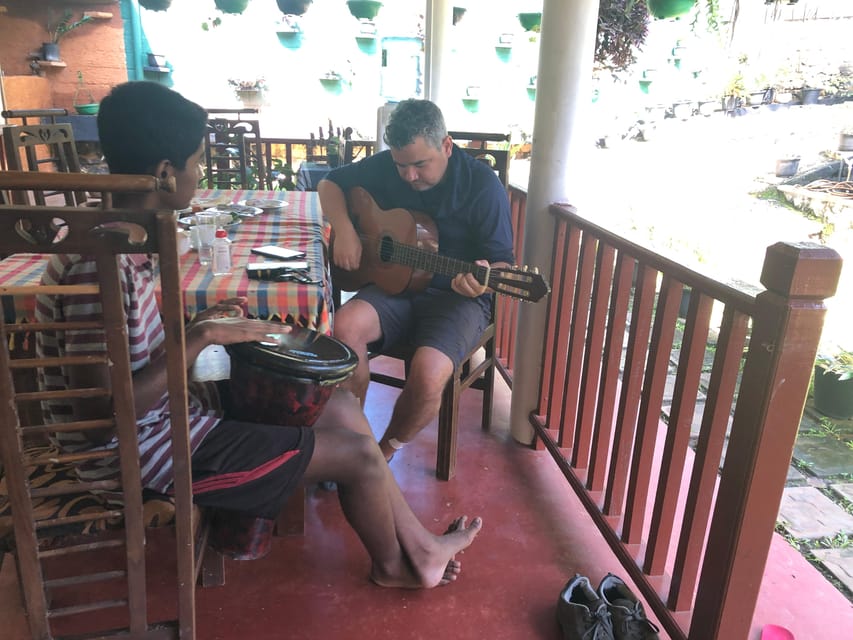
Transport is partly included, and understanding the timing helps your day run smoothly.
Pickup:
- included from Kandy
- also covers about 3 km around Kandy
Class windows:
- Lunch class: 9:00am to 12:30pm
- Midday class: 1:00pm to 4:30pm
- Dinner class: 5:00pm to 8:30pm
So even though the lesson is listed as 3.5 hours, you’ll want to treat those blocks as the real guide for your day. Plan to arrive ready to cook, not just arrive on time. You’re going to be chopping, grinding, simmering, and plating.
Private group:
- the experience is set up as a private group, which often makes it easier to ask questions in an English-speaking class and to move at a comfortable pace.
One more practical note: you’re not in the city. Since the home is inside the village area outside Kandy, you’ll want to think about your return plans before you head out. The class includes transport from Kandy to the cooking place, but you pay extra for the return journey unless you arrange it yourself or have the provider help.
How the cooking lesson feels: guided, but hands-on
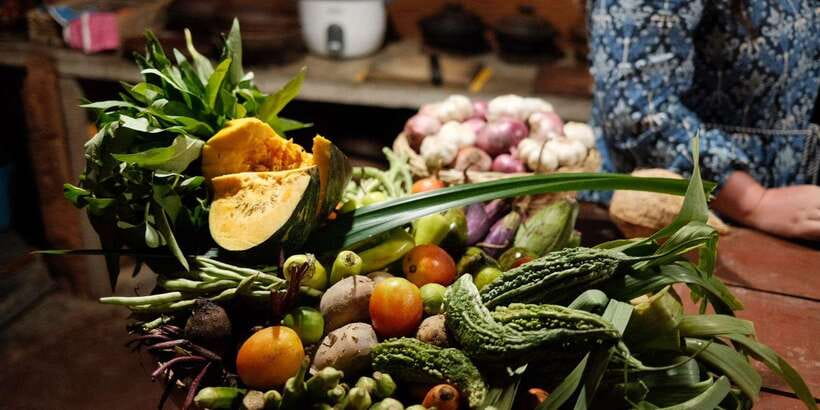
The instructor is English-speaking, and the emphasis is on you cooking. The provider description is clear: the chef explains how to cook using the spices, and you cook the dishes yourself.
In a class like this, the learning comes from the sequence:
- you see the spice ingredients and how they’re used
- you follow steps while the instructor watches your technique
- you adjust based on timing (especially for curry simmering and vegetable doneness)
Because the lesson includes traditional foods with all the spices, you’ll likely leave knowing the logic behind flavor, not just the final taste. That matters if you’re planning to cook at home later. If you only follow recipes, you can end up with a meal that looks right but tastes flat. Here, you’ll learn why the curry is built the way it is and how coconut sambol gets its personality.
Also, the cooking area is described in reviews as really nice and comfortable, and the hosts are described as wonderful and insightful. That combo usually means you feel more like you’re learning at a home than completing a workshop checklist.





The meal you make: rice, vegetables, curry, sambol, papadam, dessert
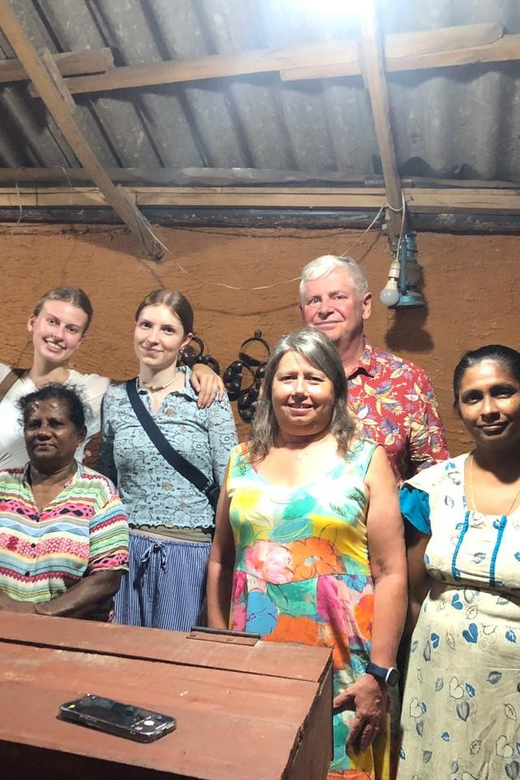
Let’s talk about the food as a set, because that’s where the value lives.
Rice and the vegetable spread
You’ll make rice and seven vegetables. That’s a lot of variety for one session, and it’s exactly why the class is worth doing. You’ll learn how different vegetables handle heat and spice differently, so the meal isn’t one-note.
Curry: the spice core
You’ll cook a fish or chicken curry (unless you choose vegan versions). Curry is where you learn the “Sri Lankan kitchen” approach: how spices build depth and how you manage simmering time.
Coconut sambol: flavor pop and texture
Coconut sambol is one of the key Sri Lankan components that travels well at home if you replicate the method. It adds a fresh, spicy, coconut-forward hit that balances curry heaviness.
Papadam: the crunchy finish
Papadam gives crunch and a snappy contrast. It’s also an easy element to remember because it isn’t as complex as curry, yet it changes the whole plate feel.
Traditional sweet: end your meal like a home meal
The included dessert rounds out the menu. Sweets in Sri Lanka often aren’t overly complicated, but they use local flavors and textures. You’ll get at least one traditional sweet recipe as part of the included plan.
What you take home: photos of recipes you cooked
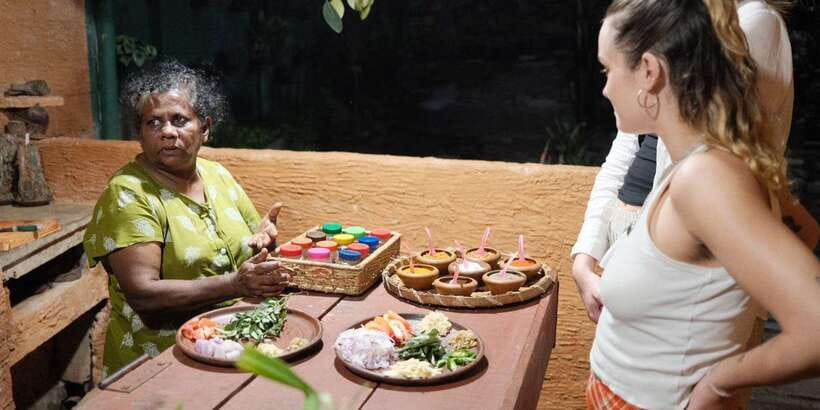
After the class, you can be sent photos of all the recipes you cooked. For me, this is one of those small details that changes the whole aftertaste of the experience.
Without photos, you might remember the vibe and forget ratios, sequence, or the way something was chopped or mixed. With recipe photos, you can recreate the dishes more accurately and faster.
Practical tip: take a photo during cooking too (if you’re allowed). Then compare your notes against the photos you receive after. That creates a system that helps you cook again instead of just remembering that you enjoyed it.
Value check: is $23 worth it?
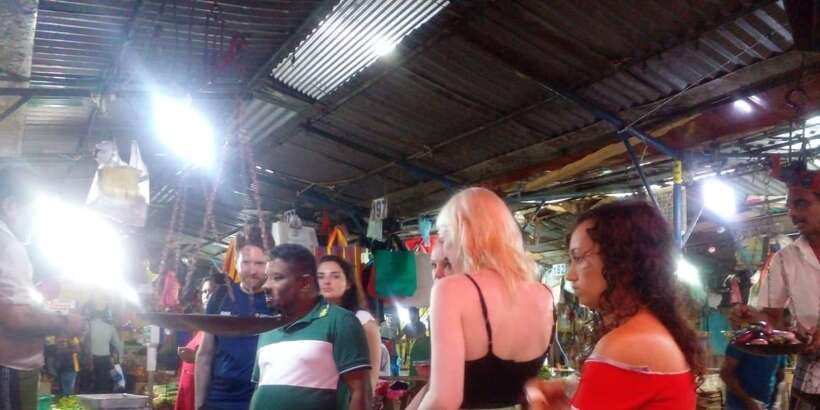
At $23 per person, this class competes very well with other food experiences in the Kandy area—especially because you’re not just tasting, and you’re not stuck watching someone else cook.
Here’s why the value works:
- You get a full meal concept: rice, curry, multiple vegetables, sambol, papadam, and a sweet.
- You’re learning hands-on with spices, not collecting snacks.
- The class includes pickup from Kandy (to the village home).
The one cost nuance: return transportation from the village may be extra. If you’re budgeting, factor that in early so you’re not surprised at the end of your class.
For the kind of traveler who wants more than a tasting session—someone who wants a skill, a flavor map, and a real meal—you’re getting a lot for the price.
Who this cooking class is best for
This experience fits best if you:
- want a hands-on meal experience (not a demo)
- enjoy spicy, coconut-forward Sri Lankan flavors
- like learning how local food is put together, step by step
- want an authentic village setting outside the city center
It’s also a good choice if you’re traveling with food interests and you value English instruction so you can ask questions while you cook.
It may be less ideal if you have mobility needs, since it’s noted as not suitable for wheelchair users.
Should you book Kandy cooking with a village family?
I’d book it if you want a day that ends with more than memories—you’ll leave with cooking knowledge, recipe photos, and a full set of dishes you prepared yourself.
Make the call faster with these quick checks:
- Pick the time window that matches your energy: lunch (9:00am), mid-day (1:00pm), or dinner (5:00pm to 8:30pm).
- Plan for the return ride cost in advance, since pickup is included only one way.
- Decide your protein or vegan preference before you go so the menu matches what you want to learn and taste.
- If you’re the type who asks lots of questions, the English instruction and village setting are the reason to choose this style of class.
If you’re after a real Sri Lankan home-food experience near Kandy, this is one of the best ways to get there.
FAQ
Where is this cooking class located?
It’s in Mahanuvara, Sri Lanka, and the village cooking home is about 6.5 km outside Kandy.
How long is the class?
Lessons typically last 3 to 4 hours, often listed as 3.5 hours. Exact timing can vary depending on how you cook.
What does the price include?
The included items include rice, 7 vegetables, fish or chicken curry (depending on your choice), one traditional Sri Lankan sweet, coconut sambol, and papadam. Lunch/dinner timing depends on the session you book.
Are vegan meals available?
Yes. Vegan foods are available. The provider also notes they can include egg, chicken, or fish if you want those options.
Does the class include pickup from Kandy?
Yes. Pickup is included from Kandy and around 3 km outside Kandy.
Is return transportation included?
No. Transport from Kandy to the cooking place is included, but the return journey costs extra. You can arrange it yourself or pay for transport if offered.
What time options are available?
There are three sessions: 9:00am to 12:30pm (lunch), 1:00pm to 4:30pm (midday), and 5:00pm to 8:30pm (dinner).
Is the instruction in English?
Yes. The instructor is English-speaking.
Is it a private group?
Yes, it’s listed as a private group.
Is it wheelchair accessible?
No, it’s noted as not suitable for wheelchair users.