Street food tells the real Kandy story. This 3.5-hour walk through the city’s food lanes takes you to five local tastings, from kottu and hoppers to dosas, spicy sambols, Ceylon tea, and traditional desserts, with a guide bringing the spice-trade and colonial influences into plain language.
I especially like how the food is built around Sri Lankan favorites rather than snack-sized samples that barely count. And I like that vegetarian options are available at every stop, so you are not forced to sit out or just sip tea while everyone else eats.
One thing to plan for: it’s a walking tour. You’ll cover a few hundred meters between stops, with total walking kept to about 3 km, and it’s not set up for wheelchair users—so comfortable shoes matter.
In This Review
- Quick takeaways from this Kandy food walk
- Why this Kandy food walk feels more like dinner than tourism
- Getting there: Burger King at Kandy City Centre (KCC) Mall, Level 4
- The walking pace: a few hundred meters, up to 3 km total
- Your 3.5-hour tasting route: 5 stops that cover Sri Lanka on a plate
- Stop 1: Kottu, the sizzling street-food favorite
- Stop 2: Hoppers, the bowl-and-flavor combo
- Stop 3: Dosas, the crisp edges and spicy filling logic
- Stop 4: Spicy sambols and Ceylon tea, the balance makers
- Stop 5: Traditional desserts, the sweet finish that feels earned
- The bigger story on your plate: spice trade and colonial influence
- Vegetarians can eat well, not just “get something”
- The guide experience: live English tour with Keith’s people skills
- Price and value: $26 for a full flavor evening
- Who should book this Kandy food walk
- Final call: should you book Eats Kandy?
- FAQ
- What’s included in the Kandy food walk?
- How long does the tour last?
- Where do I meet the guide?
- Is the tour vegetarian-friendly?
- How much walking is involved?
- Is the tour accessible for wheelchair users?
- Is there a guide and what language do they speak?
- What’s the price?
- FAQ
- Can I cancel for a refund?
- Is it a private group?
Quick takeaways from this Kandy food walk
- Five food stops that span street food, sides, drinks, and traditional sweets
- Vegetarian options at every stop, so you can follow along without stress
- English live guide with stories that connect flavor to spice routes and Portuguese, Dutch, and British influence
- Keith-led vibes: personable, engaging, and focused on making sure you eat well
- Easy walking, up to about 3 km total, but you still need to be game for on-foot pacing
Why this Kandy food walk feels more like dinner than tourism
Kandy has plenty of sights, but food is often the fastest route to the daily rhythm of a place. This tour is designed around that idea: you walk, you eat, and you get quick context for what you’re tasting. Instead of one big history lecture, you get bite-sized explanations tied directly to the dishes in front of you.
I like that the lineup balances the Sri Lankan “must-try” crowd-pleasers with the flavors that show up again and again—spices, heat, tang, and comfort carbs. Expect the kind of meal variety that makes it hard to pick a favorite because everything works together.
And the vibe is social without being chaotic. It’s a private group, and the guide keeps things moving so you’re not stuck waiting while the city swallows time.
You can also read our reviews of more tours and experiences in Kandy.
Getting there: Burger King at Kandy City Centre (KCC) Mall, Level 4
Meeting points can make or break a tour, especially in a busy city. Here, you meet at Burger King on Level 4 of Kandy City Centre (KCC) Mall. That’s convenient because a mall is usually easy to orient to—bright signs, clear entry points, and a spot you can reliably find.
A practical tip: arrive a few minutes early and plan to check where Level 4 puts you once you exit the elevator/escalator. You’ll want to look calm, not frantic, because the tour starts with you getting settled and ready to start walking.
The walking pace: a few hundred meters, up to 3 km total
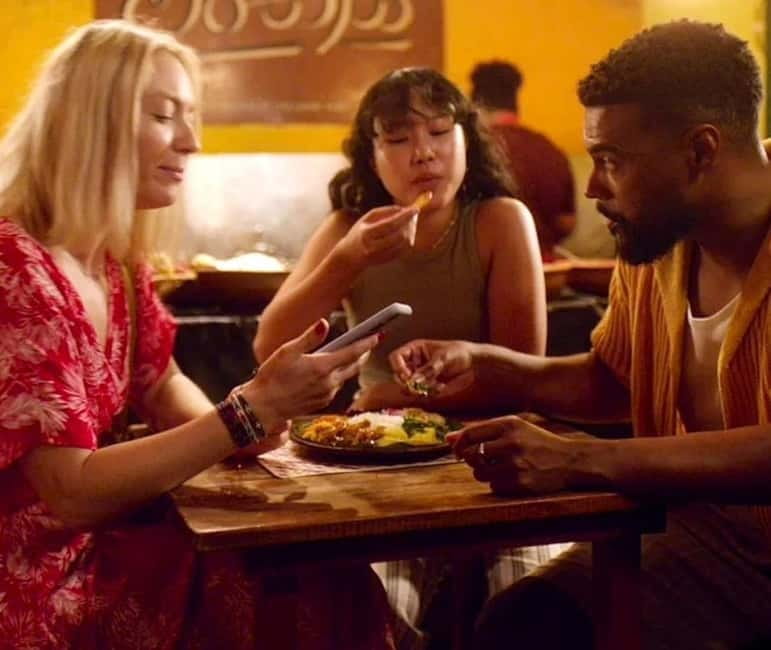
This is not a bus tour. You’ll move between five food spots with short walking stretches. The total walking distance stays at or under about 3 km across the full 3.5 hours, which keeps it realistic if you’re generally comfortable walking.
I’d still treat this like any other active city evening:
- wear comfortable shoes
- bring a little water patience (you’ll get drinks on the tour, but you’ll still be moving)
- keep your phone charged for photos, because street food looks as good as it smells
Also, it’s not wheelchair accessible, so if mobility is a concern, you’ll want to think carefully before booking.
Your 3.5-hour tasting route: 5 stops that cover Sri Lanka on a plate
The core promise is simple: five tastings that rotate through classic Sri Lankan dishes. The exact meals and drinks included can vary by tour option, but the dish types are set: kottu, hoppers, dosas, spicy sambols, Ceylon tea, and traditional desserts.
Here’s how the flow usually lands—think of it as building a flavor map as you go.
Stop 1: Kottu, the sizzling street-food favorite
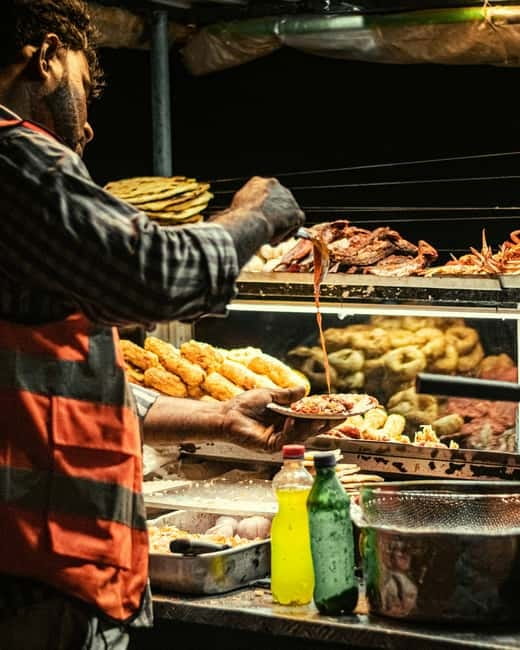
Kottu is one of those dishes you instantly understand even if you’ve never had it before. It’s chopped and stir-fried with spices and often served with accompaniments that bring texture and balance.
This is usually a great opening stop because kottu hits multiple flavor targets at once: savory depth, heat, and that comforting “street-food meal” feeling. It also sets expectations for what the rest of the walk will taste like—bold, aromatic, and not timid.






Stop 2: Hoppers, the bowl-and-flavor combo
Next up: hoppers. These crispy-edged, bowl-like pancakes are a signature of Sri Lankan eating, and they’re perfect for tasting because the texture is part of the experience, not just the taste.
Hoppers also give you a different kind of flavor base compared to kottu. Where kottu leans into stir-fried spice intensity, hoppers tend to feel more rounded and soft inside, with crisp edges that make each bite feel different.
Stop 3: Dosas, the crisp edges and spicy filling logic
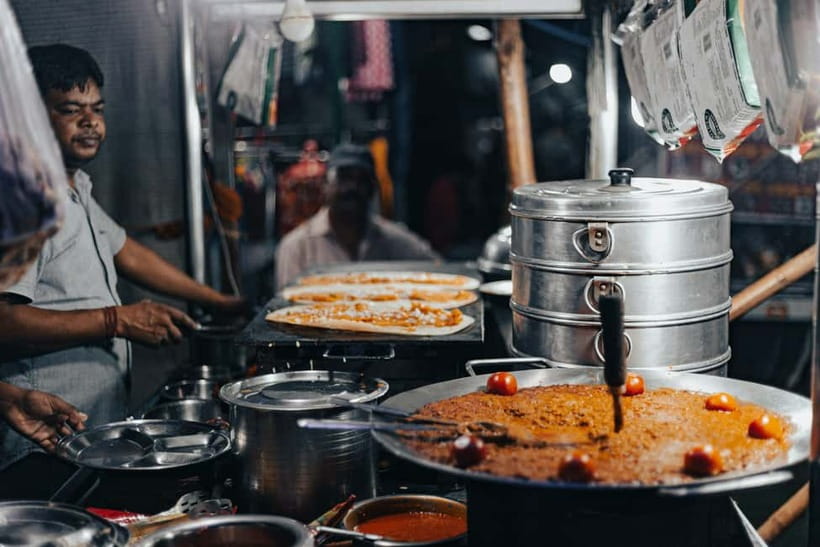
Dosas bring a South Asian rhythm to the table. Expect a crisp outer layer and a filling that connects to Sri Lanka’s love of bold seasonings.
What I like about dosas in a Kandy food walk is that they widen your “Sri Lanka flavor vocabulary.” You start noticing how spices and sauces can shift depending on whether the dish is built around a thin crepe, a hopper batter, or stir-fried mix-ins.
Stop 4: Spicy sambols and Ceylon tea, the balance makers
At some point you’ll get spicy sambols, the side sauces and relishes that can turn a plain bite into a firework. They’re often bright with chili heat and tang, and they teach you the practical Sri Lankan trick: balance doesn’t mean bland. It means layers.
Then there’s Ceylon tea, which helps reset your palate. Tea is not just a drink here—it’s a soft landing after spice, and it also ties into Sri Lanka’s identity as a tea-growing island.
If you’re cautious with spice, tell the guide you want it moderated. Since vegetarian options exist at every stop, the guide should be able to steer you toward what works best for your taste.
Stop 5: Traditional desserts, the sweet finish that feels earned
A good food tour doesn’t end with a sugar afterthought. The traditional dessert stop is there to close the loop: you’ve worked through savory heat and spice complexity, and now you get something sweet that feels grounded in local tradition.
This ending matters. It keeps the tour from turning into a nonstop burn-and-stuff-it evening. After the last bites, you can think about the flavors you liked most—then you can hunt them down later on your own.
The bigger story on your plate: spice trade and colonial influence
What makes this tour more than a food parade is the way the guide connects what you eat with why it tastes the way it does.
You’ll hear how Kandy’s culinary heritage links to the ancient spice trade and Sri Lanka’s position in the Maritime Silk Road. That’s not abstract. It’s a reason spices, aromatics, and “mix-and-match” flavors show up across dishes that might look unrelated at first glance.
You’ll also get the colonial layer—Portuguese, Dutch, and British influences—and how those influences shaped a fusion of flavors. The practical takeaway is this: Sri Lankan cuisine can be simultaneously traditional and changed by contact. It’s not one sealed-off tradition. It’s a living system that absorbed ideas, then made them Sri Lankan.
I like that the guide’s approach tends to make the story usable. You walk away knowing what to notice next time you order something on a menu, not just remembering facts.
Vegetarians can eat well, not just “get something”
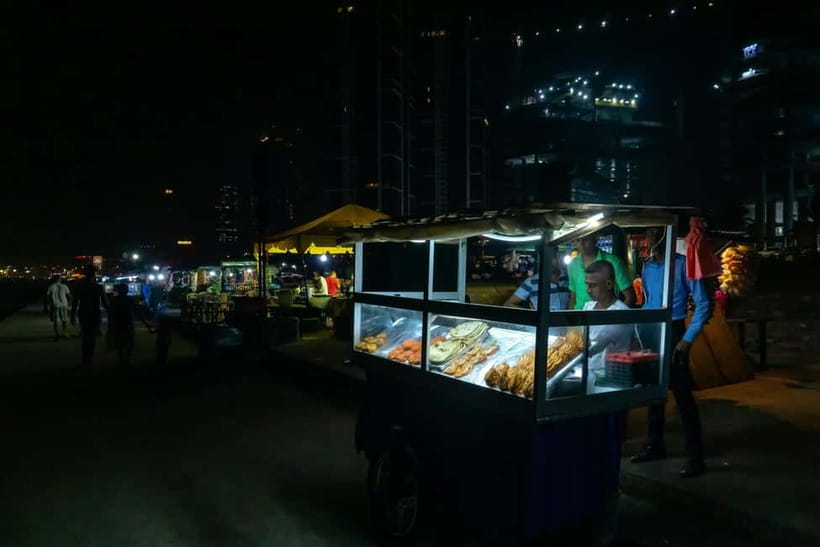
This is one of the cleanest parts of the tour description: vegetarian options are available at every stop. That matters because food tours often fail vegetarians by treating them like an afterthought.
Here, vegetarian seating is built into the structure of the walk. You should still expect the flavors to stay bold—spices, sambol-style sides, and carbs that make the meal feel complete. The guide will help you understand what you’re eating, which is especially useful if you’re seeing dishes for the first time.
If you have specific dietary limits beyond vegetarian (like no eggs or no dairy), you’ll want to mention it early so the guide can guide your choices confidently.
The guide experience: live English tour with Keith’s people skills
This tour runs with a live guide in English. And the big pattern from the experience is consistent: the guide is engaging and eager to explain what you’re tasting.
Keith is the named guide in the tour feedback, and his style seems to mix two things that are rare together: city knowledge and friendly momentum. In plain terms, that means you don’t just get a list of foods. You get reasons, plus the feeling that you’re being cared for while you eat.
Because it’s a private group, the pacing can feel more comfortable than larger group walks. You’re less likely to get separated or stuck waiting for the slowest eater.
Price and value: $26 for a full flavor evening
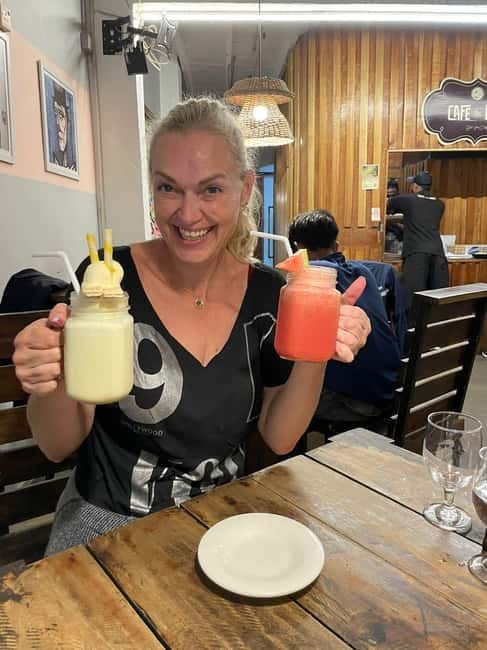
At $26 per person for 3.5 hours, you’re paying for more than food. You’re paying for:
- five tasting stops (with meals and drinks included depending on the selected option)
- an English-speaking guide who provides cultural and culinary context
- a structured walking route that saves you from guessing where to eat in a new city
Is it a bargain in the way a cheap street snack is a bargain? Not exactly. But value here comes from variety and guidance. If you tried to DIY this route, you’d spend time hunting places, ordering one dish at a time, and hoping you picked the “right” versions. This gives you the short list, in sequence.
If you are a food-focused traveler, this price usually makes sense because you’re eating like you’d want to eat anyway—just with less planning friction.
Who should book this Kandy food walk
This is a great fit if you:
- want a focused introduction to Kandy’s food scene in one evening
- like street-food staples like kottu and hoppers
- enjoy learning how food connects to spice routes and colonial influence
- prefer a private group experience rather than big-group pacing
- want vegetarian options included at every stop
It’s less ideal if you:
- can’t manage walking a few hundred meters at a time
- need wheelchair-accessible routing
Final call: should you book Eats Kandy?
If you’re in Kandy for only a short time, or you want your first night to count, I’d book it. The structure is simple and effective: five tastings, a knowledgeable English guide, and enough walking to feel like you’re moving through the city without turning it into a hike.
If you do have a comfort zone preference (especially around spice or heat), you’ll still be able to participate because vegetarian options are available throughout the route. Just come prepared to ask for what you like, and you’ll get a better experience.
One last practical note: if plans are still flexible, it’s set up for free cancellation up to 24 hours in advance and you can reserve now and pay later—helpful when your itinerary is still shifting.
FAQ
What’s included in the Kandy food walk?
The tour includes 5 food stops and tastings of local dishes and drinks such as kottu, hoppers, dosas, sambols, Ceylon tea, and traditional desserts. Vegetarian options are available at every stop. Meals and drinks included can vary based on your selected tour option.
How long does the tour last?
The experience runs for 3.5 hours.
Where do I meet the guide?
Meet at Burger King located on level 4 of the Kandy City Centre (KCC) Mall.
Is the tour vegetarian-friendly?
Yes. Vegetarian options are available at every food stop.
How much walking is involved?
It’s a walking tour with a few hundred meters between food stops, and the total walking distance will not exceed about 3 km over the full 3.5 hours.
Is the tour accessible for wheelchair users?
No, it’s not suitable for wheelchair users.
Is there a guide and what language do they speak?
Yes, there is a live tour guide, and the tour is in English.
What’s the price?
The price is $26 per person.
FAQ
Can I cancel for a refund?
Yes. You can cancel up to 24 hours in advance for a full refund.
Is it a private group?
Yes, it’s listed as a private group.