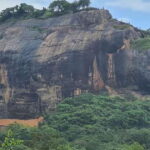
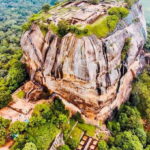
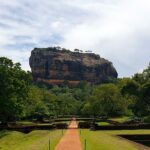
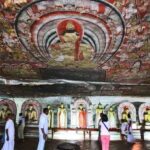
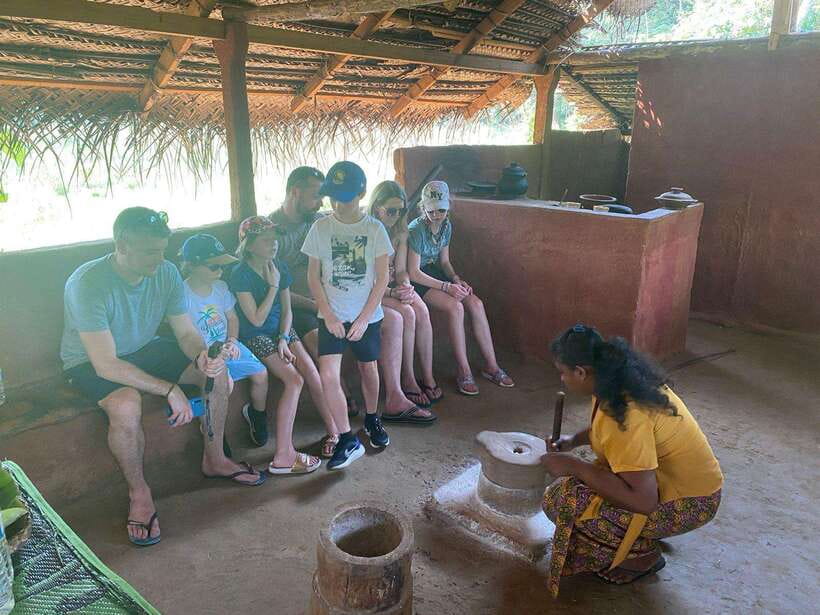
Sigiriya is the kind of place that makes you slow down and stare, even before you reach the rock. I really like how this tour mixes world-famous sights with a more local feel, including village lunch and craft stops.
I also like that you’re not just passively watching. You get a proper visit to the Sigiriya complex (gardens, frescos, Lion’s Gate, top views) and then the Dambulla Cave Temple with its five cave rooms and major mural areas.
One drawback to keep in mind: the headline price can feel too good, because entrance tickets and meals aren’t included, and that’s usually where your day’s total changes fast.
In This Review
- Key points to know before you go
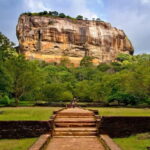
- Entering Sigiriya: gardens, frescos, and the Lion’s Gate climb
- Sigiriya value: why this tour works when it matches your expectations
- Dambulla Cave Temple: Golden Temple first, then five caves of murals
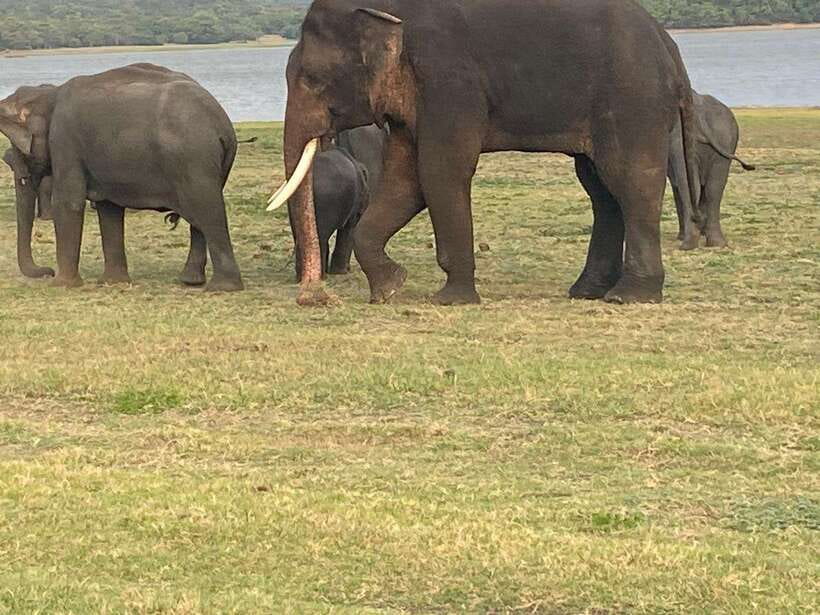
- The jeep safari after Dambulla: elephant chances and real safari rules
- Price and logistics: the $50 headline versus the real total
- The 14-hour reality: how to survive the day without hating it
- Who should book this tour, and who should think twice
- Should you book Colombo–Negombo: Sigiriya & Dambulla with safari?
- FAQ
- What’s the duration of the Colombo–Negombo to Sigiriya & Dambulla tour?
- Does the price include hotel pickup and drop-off?
- Are entrance tickets to Sigiriya and other sites included?
- Is food included on the tour?
- Do you get a guide at Sigiriya?
- Is the jeep safari included after Dambulla?
Key points to know before you go
- Sigiriya’s full circuit: water gardens, boulder gardens, moats, Lion’s Gate, then the palace remains from above
- Dambulla’s cave lineup: Golden Temple photo stop, then the main UNESCO complex with five caves
- That 14-hour pace: it’s a full day with multiple active stretches, not a relaxed half-day
- Jeep safari by 4×4: wildlife time after the caves, with a real focus on elephant spotting
- Included basics vary by confirmation: bottled water and a king coconut are listed, but you should verify exactly what you’ll receive
- Good English support is possible: one strong positive is that the experience can feel comfortable even if your English is limited
Entering Sigiriya: gardens, frescos, and the Lion’s Gate climb
If you’re picturing Sigiriya as only the final viewpoint, you’ll enjoy it even more if you treat the climb like part of the show. The tour starts with a drive from the Colombo–Negombo area through scenic countryside, usually early enough that you start the rock in the morning light.
At the base, you typically purchase your entry tickets (these are not included in the price), and you’re given a quick intro on Sigiriya’s history and the route. You’ll also get guidance on safety for the climb. That matters here. Even if the route isn’t long, it’s steep in spots, and the rock is busy.
Then comes the slow reveal. Before you start the harder part, you walk through the archaeological garden zone:
- Water gardens and boulder gardens that show how the site was planned like a palace ecosystem
- Moat systems that make the fortress logic feel real, not just theatrical
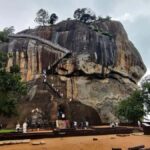
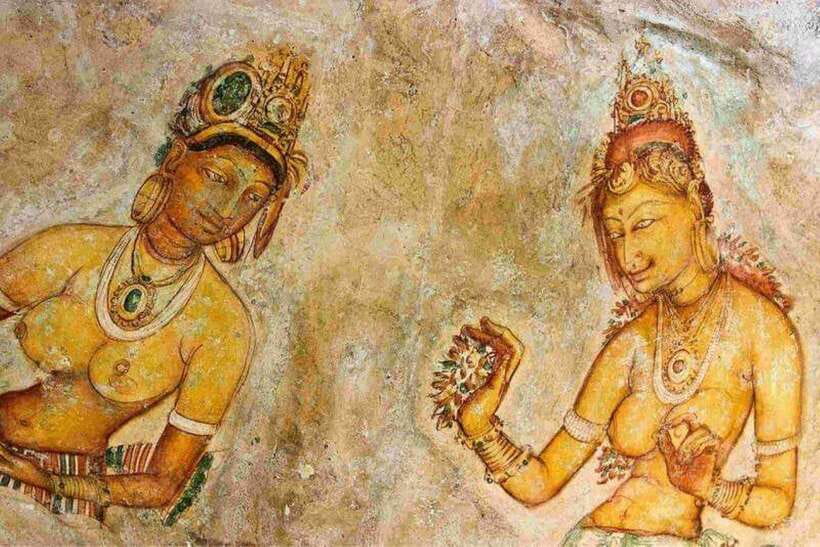
As you move upward, you pass the famous Sigiriya frescos—the well-known figures painted on the rock. The tour usually stops here around the midway point, so you get a strong break before the top crowds.
Next is the moment most people remember: Lion’s Gate. It’s shaped like lion paws and sets the tone for the climb. From there, the rock-top experience is mostly about views and palace leftovers. You explore remnants like:
- water fountains and channels
- royal living spaces and bathing areas
- open sections where you can imagine court life
Finally, you reach panoramic lookout points. On a clear day, you see jungle, ponds, and surrounding mountains. It’s one of those views where you understand why this site was worth defending.
When you descend, you may have a chance to visit the museum at the base with artifacts from the site. It’s not required, but it helps tie the rock-top story to what people actually used and built.
You can also read our reviews of more tours and experiences in Dambulla.

Sigiriya value: why this tour works when it matches your expectations
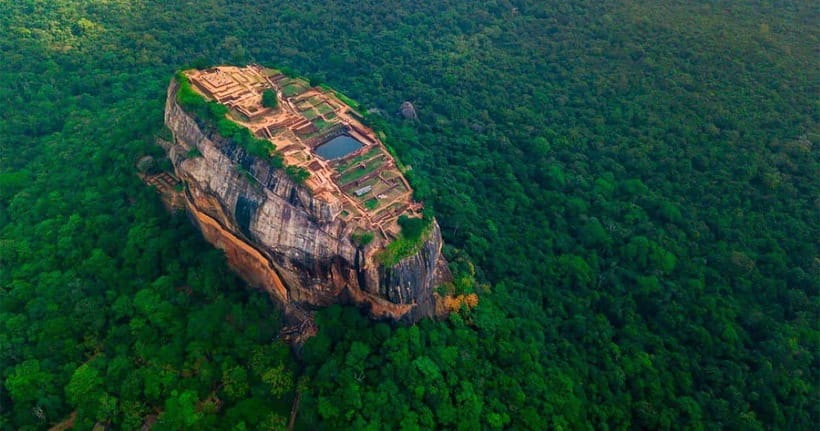
The strongest part here is not the act of getting to Sigiriya. It’s what you get after you arrive. Many day trips treat Sigiriya like a checkbox: climb, photo, leave. This one is built around the full route—from gardens through frescos through Lion’s Gate up to the palace remnants—so you don’t feel like you spent a fortune just to stand in one spot.
Still, I’d be practical with your planning. The tour includes a guide at Sigiriya Lion Rock, and that can turn the experience from scenery into context. But you should also be prepared for the possibility that some parts of the day feel less guided than the main rock segment.
If you’re coming from Colombo–Negombo and want value without doing a private two-site trip, this is one of the more logical ways to package it: it hits Sigiriya plus Dambulla plus safari in one go. Just don’t assume everything shown in photos is automatically included—confirm what you’ll pay on arrival and what’s already part of the package.
Dambulla Cave Temple: Golden Temple first, then five caves of murals
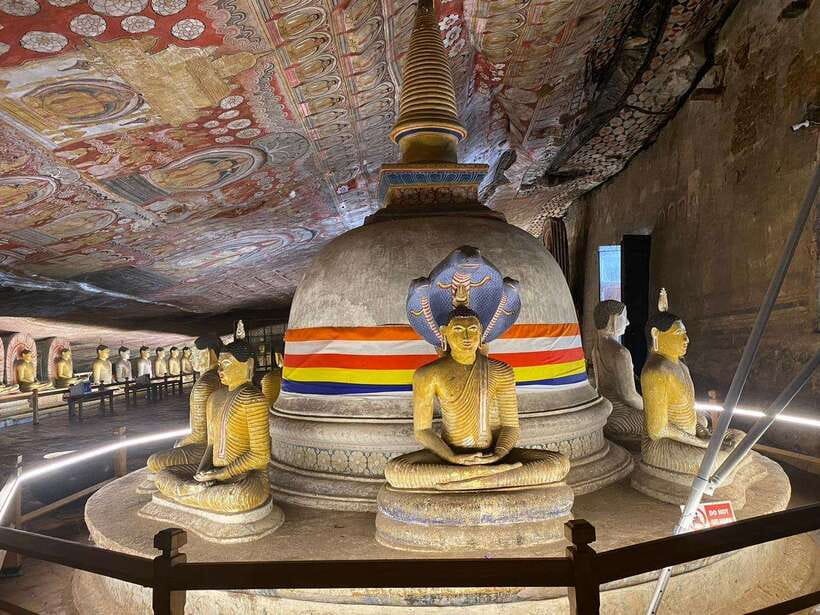
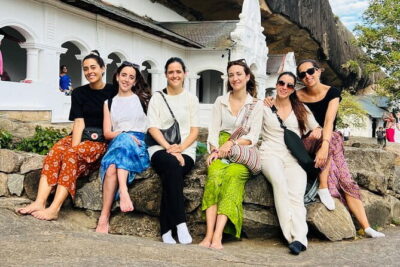
After Sigiriya, you move on to Dambulla Cave Temple, a UNESCO World Heritage site. The approach here is usually straightforward: you start with the Golden Temple (a big Buddhist statue you can see from afar), then head toward the main cave complex.
The Golden Temple section is a good warm-up. You get quick photo time and a chance to orient yourself before you start walking toward the caves. It’s also where you can slow down and shift from Sigiriya’s royal fortress vibe to Dambulla’s religious art and shrine spaces.
Then you reach the cave complex. The climb is described as short but can feel steep. Once you’re in, it’s all about what’s inside: there are five main caves, packed with Buddhist statues and paintings. The caves aren’t just pretty backdrops. They’re arranged like a visual timeline of devotion.
The cave most people talk about is the Cave of the Great Kings. This is where you’ll see the large Buddha statues and some of the most famous ancient mural work. The walls can include paintings that are thousands of years old, and the details make more sense when you take your time instead of speed-walking.
As you explore, you’ll likely notice two things:
- the way the paintings connect natural rock surfaces with deliberate religious storytelling
- how the cave design controls light and attention, so the important images feel placed for viewing rather than simply carved
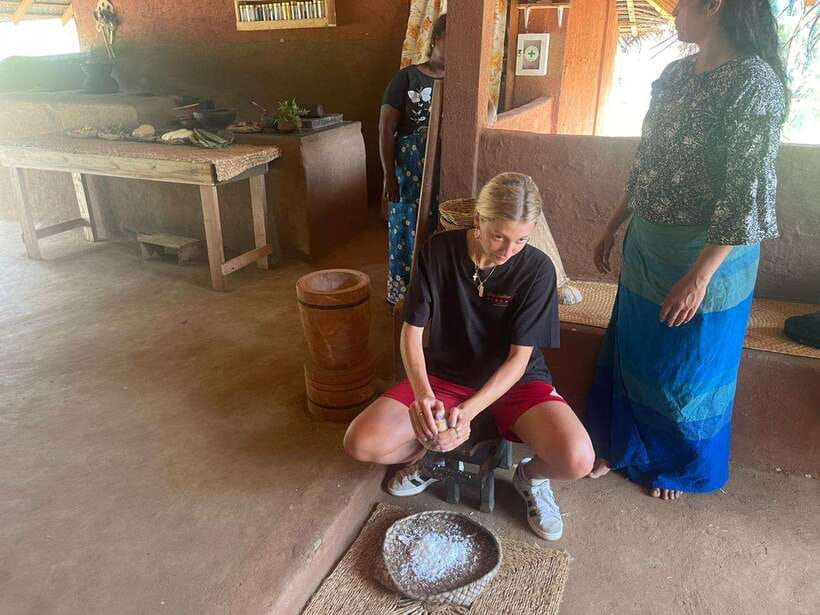
After the cave visit, the day typically transitions into shopping and optional stops. You might have time for souvenir browsing and sometimes a spice garden visit. Whether that part feels like a highlight or a quick add-on depends on your patience, but it can be useful if you want something more than just cave photos.
The jeep safari after Dambulla: elephant chances and real safari rules
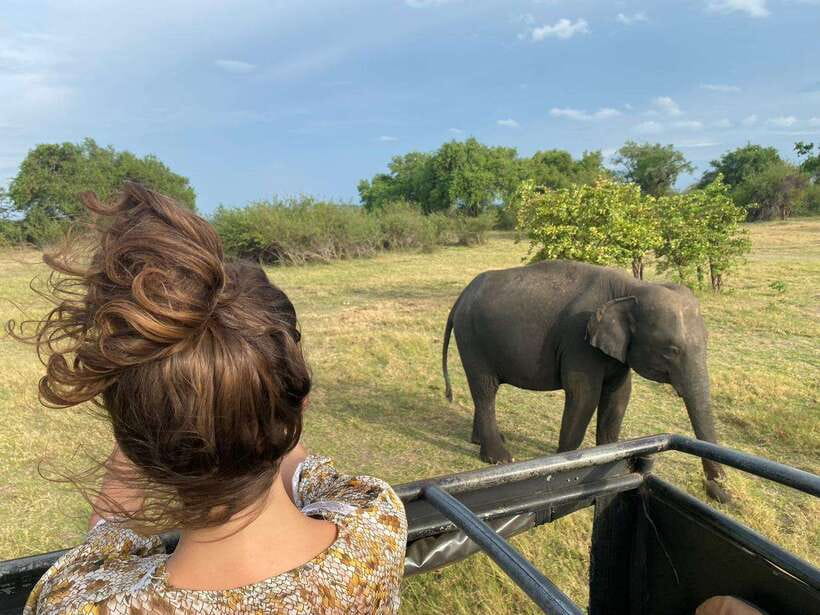
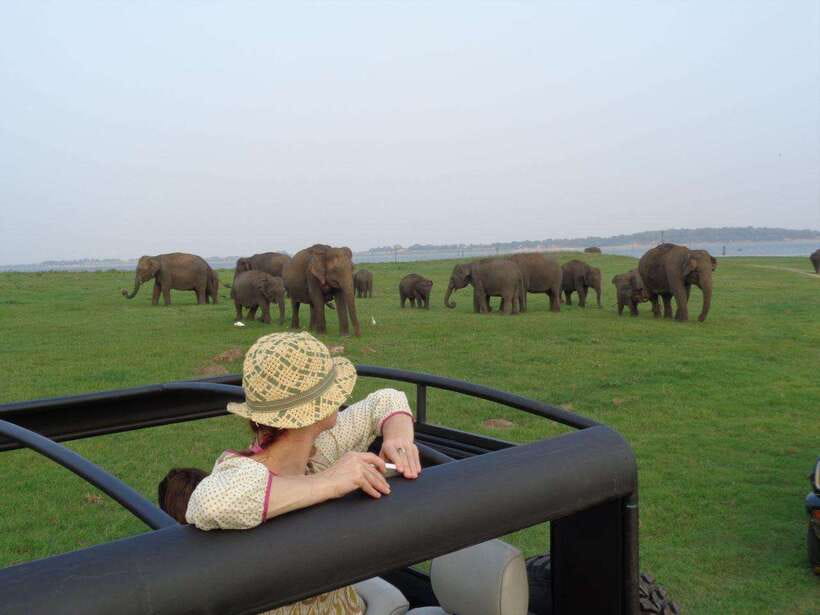
Then comes the part that many people enjoy most because it feels less scripted: the private wild safari by safari jeep after the cave temples.
You’ll board a 4×4 jeep with a guide who knows the park and tells you what you might see. The route usually goes through mixed terrain—jungle edges, grasslands, and around waterholes. In safari terms, waterholes are big. They pull animals into predictable areas.
The safari’s main attraction is wildlife, especially elephant herds. The tour description highlights the chance to see large groups, sometimes over 100 animals. You might not get that exact number on every day (wildlife is wildlife), but the elephant focus is clear.
A good safari mindset helps:
- expect some slow stretches while jeeps reposition
- listen to the guide’s cues more than your own guessing
- bring patience for dust, heat, and uneven roads
Also, this is where tour timing matters. A 14-hour day means you want to arrive ready for movement, not hungry-angry-tired. Bring water support if you need it, even if bottled water is listed as included.
Price and logistics: the $50 headline versus the real total
Let’s talk value the way you should—like an accountant with a camera.
The tour price is listed at $50 per person, and it includes key basics:
- hotel pickup and drop-off
- air-conditioned vehicle transport
- an English-speaking driver
- bottled water
- a king coconut
- a guide at Sigiriya Lion Rock
But important items are not included:
- entrance fees (including entry tickets at Sigiriya)
- food and drinks
That means your day’s budget depends heavily on what you eat and exactly what entrance fees are charged at each stop.
And here’s the practical warning: the experience is advertised with a village lunch and craft demonstrations, but the difference between what’s promised and what’s actually provided can be frustrating if you don’t get a clear confirmation in writing. I’d strongly recommend you do two things before you go:
- ask for a total cost breakdown: entrance fees, meals, and any safari/park charges if applicable
- confirm what’s included on the day—especially around water, king coconut, and whether any guide coverage extends beyond Sigiriya
Some solo or private setups can be handled differently depending on availability, so if you care about having everything as described, confirm it early.

The 14-hour reality: how to survive the day without hating it
Fourteen hours sounds simple until you’re actually in it. This itinerary stacks three heavy hitters and adds active walking.
Here’s what that means for you on the ground:
- Sigiriya includes walking through gardens plus a steep climb and a lot of stairs/uneven rock paths
- Dambulla involves another short but steep approach to the cave complex and lots of interior walking
- Jeep safari adds time in a vehicle and outdoor heat
So pack and plan like it’s an outdoor workout day. Comfortable closed shoes help. Sun protection helps. If you’re sensitive to heat, plan your breaks. Also, expect that restrooms may not always be convenient during the busiest parts.
Food is another key. Since meals are not listed as included, your energy can dip if you only eat what’s guaranteed. The description mentions village lunch, which sounds included, but I’d still treat meals as something you should verify rather than assume.
The best way to keep this day enjoyable is to set your expectations: this is not a slow sightseeing day. It’s a full-day route where you’ll get a lot, but you’ll move a lot.
Who should book this tour, and who should think twice
I think this tour is a strong fit if:
- you want Sigiriya + Dambulla + safari in one day
- you like organized pacing with a driver and transportation lined up
- you’re comfortable spending extra on top attractions since entrance fees and meals are separate
I’d think twice if:
- you hate surprises around costs and inclusions
- you’re booking something private or single-occupancy and need strict one-on-one timing
- you want a totally guided experience at every stop, not just the main rock segment
There’s also a language angle. One of the nicest positives you can hope for is a smooth English experience—so if your English is limited, it’s worth confirming the guide style and ensuring the communication plan is clear for both Sigiriya and the caves.
Should you book Colombo–Negombo: Sigiriya & Dambulla with safari?
Here’s my honest take. The sights are worth it on their own. Sigiriya Lion Rock is a real Sri Lanka benchmark, and Dambulla’s cave temples are the kind of place where you’ll want to linger. Adding a jeep safari after that gives your day a wildlife payoff instead of ending on a bus.
But the risk is not the places. The risk is the match between the advertised inclusions and what you actually pay on the day. Because entry tickets and meals are not included, the total can rise fast. And some operational hiccups—like schedule changes or mismatched inclusions—can be a headache if you’re counting on a specific plan.
If you book, do this checklist:
- confirm the date and pickup time in writing
- ask what entrances are covered versus what you must buy
- confirm whether the king coconut and bottled water are definitely included on your departure
- clarify guide coverage: you’re guaranteed guidance at Sigiriya, but ask what happens during Dambulla and safari
If you can get those answers up front, you’re likely to have a satisfying day: temples, fortress views, and the chance to spot elephants—without spending multiple days organizing it yourself.
FAQ
What’s the duration of the Colombo–Negombo to Sigiriya & Dambulla tour?
The tour runs for about 14 hours.
Does the price include hotel pickup and drop-off?
Yes. Hotel pickup and drop-off are included.
Are entrance tickets to Sigiriya and other sites included?
No. Entrance tickets and entrance fees are not included.
Is food included on the tour?
Food and drinks are not listed as included. The description mentions a village lunch, so it’s smart to confirm what’s actually provided with your booking.
Do you get a guide at Sigiriya?
Yes. A guide at Sigiriya Lion Rock is included.
Is the jeep safari included after Dambulla?
Yes. After Dambulla, you’ll do a private wild safari by safari jeep, with wildlife spotting guided by a driver/guide.