Dolphins out at sea beat a beach day. This 3-hour dolphin and whale watching boat tour off Trincomalee is interesting because you’re actively searching for big animals (blue whales and sperm whales) while also having strong odds for spinner dolphins. I like that the operator frames the season realistically—your chances are good, but you’re not promised whales every single outing. The main drawback is that the Indian Ocean is not calm, and some boats can feel bumpy and a bit cramped.
If you’re prone to motion sickness, plan ahead. The water can have at least a light swell, and they recommend taking seasick pills in the morning, 1–2 hours before you step onto the boat (Avomine or Celenid are mentioned). I also appreciate that the tour includes a light breakfast, bottled water, and a life jacket—small comforts that matter when you’re bouncing on the waves for a few hours.
In This Review
- Key points before you go
- Why Trincomalee and Nilaveli are worth your time
- The 3-hour schedule: meeting, heading out, and your watch windows
- Animals you might spot, and what that means for your chances
- Sea conditions, comfort, and your motion-sickness game plan
- Price and value: what $42 covers on the water
- Who should book this Nilaveli whale and dolphin tour (and who should skip it)
- Should you book this Trincomalee dolphin and whale watching boat tour?
- FAQ
- How long is the Trincomalee dolphin and whale watching boat tour?
- How much does the tour cost?
- Where do I meet for the tour?
- What animals are you looking for during the trip?
- What is included in the price?
- Is hotel pickup or drop-off included?
- When are sightings most common?
- Is swimming allowed during the tour?
- Who should not take this tour?
Key points before you go
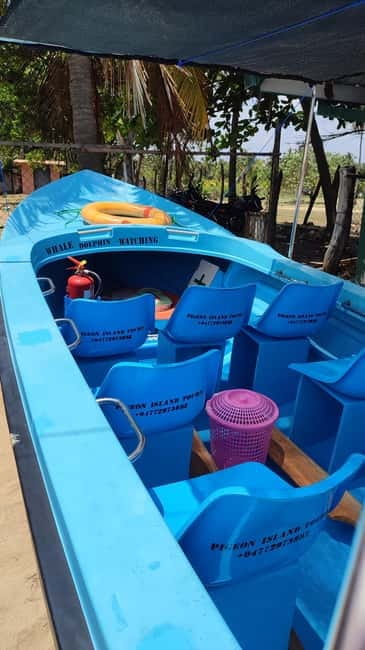
- Season-long odds, especially for dolphins: dolphins are described as very likely during the whole season.
- Blue whales and sperm whales are possible off Trincomalee: you’re hunting for the big names in the same outing.
- About 2 hours of watch time around Nilaveli: you’re not just touring past the area and turning back.
- Comfort matters because the sea is usually choppy: expect swell and plan for motion.
- What you get for $42 is practical: water, light breakfast, life jacket, and all fees and taxes are included.
- Swimming isn’t allowed: this is strictly a boat-based wildlife search.
Why Trincomalee and Nilaveli are worth your time
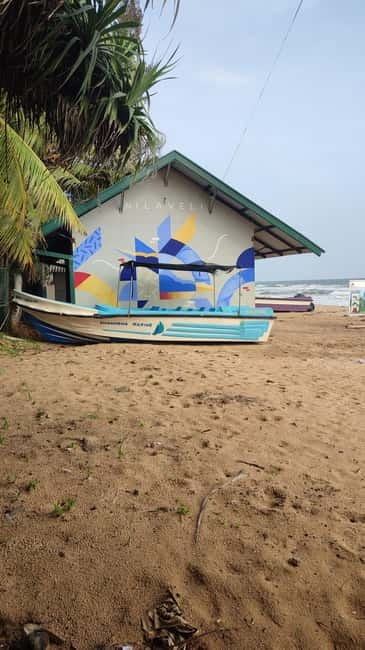
Trincomalee (and nearby Nilaveli) is one of the better places on Sri Lanka’s east coast for whale and dolphin watching because it sits along migration routes. The tour info points to sightings that cluster around March/April and August/September, when whales continue their movements around the island.
Here’s the part I think you’ll appreciate: the operator doesn’t sell this as a guaranteed sighting lottery. They tell you the Indian Ocean has swell, and they explain that there are days when whales or dolphins simply won’t show up despite best efforts. That honesty helps you set expectations and pick your trip day with a little flexibility.
And dolphins are the big story on this tour. The season note says it’s probably a 50/50 mix for whales, but dolphins are described as essentially 100% likely through the season. So even in a “no whales” day, you’re still chasing motion, surf, and jumps—not just a distant maybe.
You can also read our reviews of more tours and experiences in Trincomalee.
The 3-hour schedule: meeting, heading out, and your watch windows
This is a straightforward half-day plan. You meet at the Pigeon Island Tours office in Nilaveli (address: 42/1B, 4th Cross Lane, Kannaki Amman kovil road, Gopalapuram, 31010), then you board and head out to sea. From your start time, the total experience runs about 3 hours, and the boat returns to the starting point after that.
You’ll spend the most time watching around Nilaveli, with about 2 hours set aside for dolphin and whale viewing. The remaining time is travel to and from the watching area. That structure is exactly what you want for wildlife viewing—you get enough time to wait, scan, and react when fins or spouts appear, instead of feeling rushed.
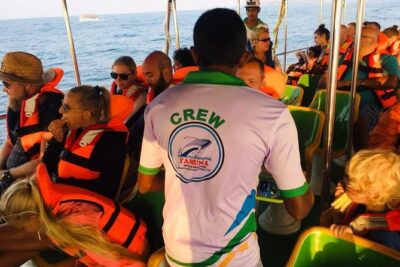
Group size can vary. The tour is listed as a shared boat, but the description also says you may go out with a small group of about six people. Either way, this isn’t a large cruise ship scene; it’s the kind of setup where you’ll be leaning over the rails with everyone trying to spot movement first.
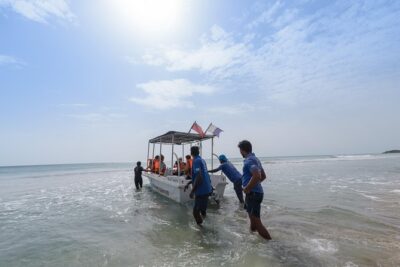
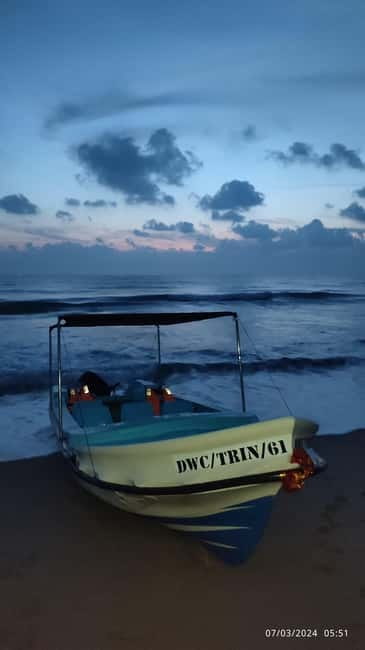
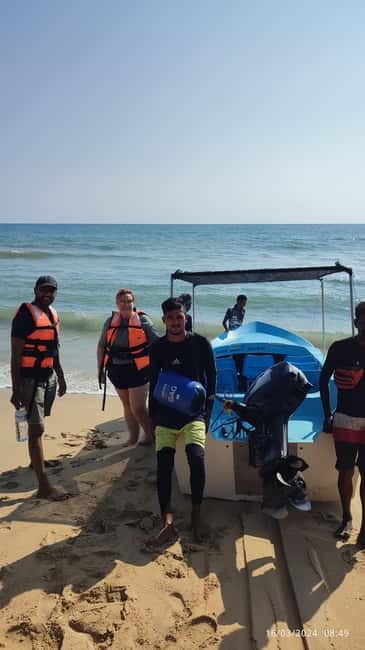
One more practical note from real-world sailing conditions: expect the boat experience to feel active, not luxury. Some boats in this area can be small enough that you might get a hand with how the boat enters the water. It’s not a big deal, but it’s another reason to wear decent footwear and be ready for a hands-on boarding moment.
Animals you might spot, and what that means for your chances
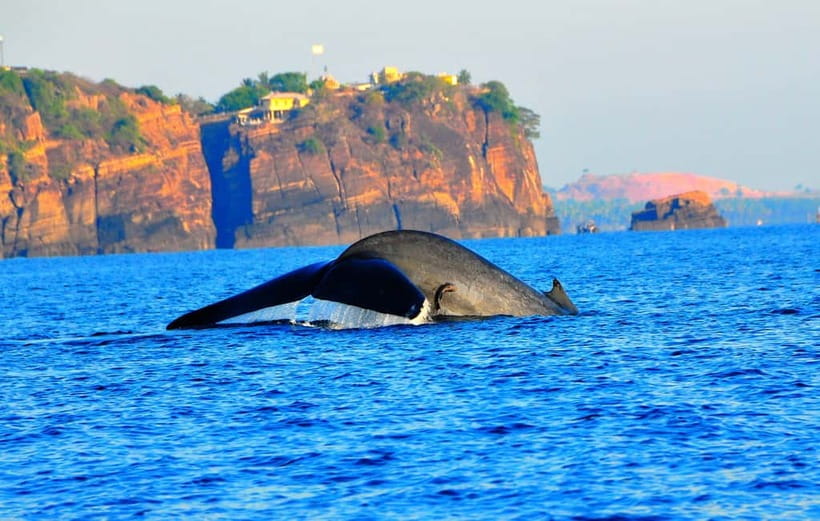
The tour is built around three target animals: blue whales, sperm whales, and spinner dolphins. Those choices matter because they’re realistic for this region, and they also change what you’ll pay attention to on the water.
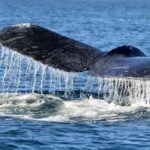
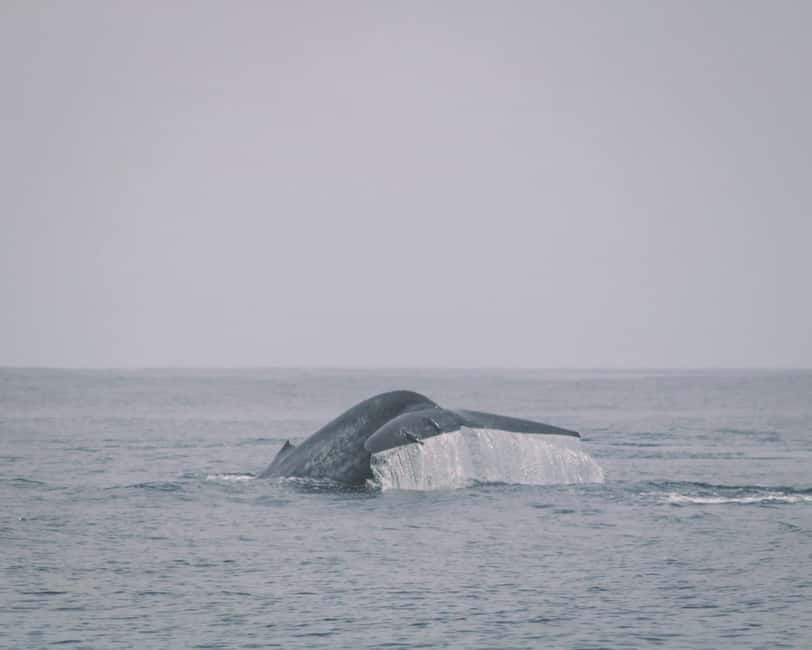
Blue whales are the slow, impressive “wait for the moment” kind of whale. You’re looking for a spout and then a silhouette that appears far enough out to feel huge but not close enough to guarantee it. Sperm whales are similar in the sense that spotting can take time, and sightings can be hit-or-miss depending on where they’re feeding and traveling.
Spinner dolphins are different. They’re energetic and often easier to find once you’re in the right zone. The tour’s season guidance strongly emphasizes dolphins, and that matches how these sightings tend to work in practice: once dolphins are around the boat, you can get repeated passes and longer engagement.
There’s also a useful way to think about the whale/dolphin odds. They say most sightings occur between March/April and August/September, linked to whales migrating around Sri Lanka. If you’re traveling outside those peaks, you still can go, but you should treat whales as the bonus and dolphins as the core goal.
And yes, there will be days when the ocean and the animals don’t cooperate. The operator directly notes that some days make it impossible to show dolphins or whales even with their best efforts. That’s not meant to scare you off—it’s meant to help you pick this as a wildlife search experience, not a promise.
Sea conditions, comfort, and your motion-sickness game plan
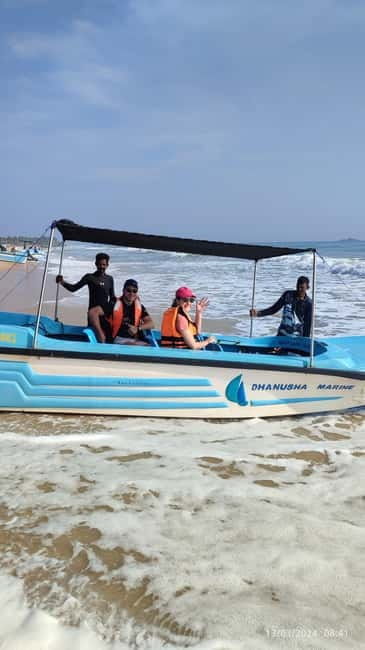
If you’re only imagining smooth sailing, update your mental picture. The info says the Indian Ocean is not calm, and there is always at least a light swell. That matters because “light swell” still turns into bouncing, especially when you’re on a smaller shared boat.
If this is your first boat ride in these conditions—or you get sea sick—you’ll be happier with a plan. The operator specifically advises taking seasick pills in the morning, about 1–2 hours before entering the boat. They mention Avomine and Celenid, and you’re told to consult your doctor or pharmacist before using them. You’ll find those medications in most pharmacies in Sri Lanka.
Comfort on board is also worth factoring in. The tour includes a life jacket and provides bottled water, but it doesn’t market itself as cushy. One account described cramped plastic seats that became uncomfortable after a bumpy ride. I’d treat that as a signal to dress for impact: wear long bottoms, avoid thin clothing, and bring something small to cushion your seat if you’re sensitive.
For your kit, keep it simple:
- Sunglasses (glare at sea can be intense)
- Camera (or phone in a secure pouch)
- Drinks and water (they include 500ml, but you may want more)
- A light layer if you get cool out on the water
And remember: swimming is not allowed. This tour stays focused on wildlife watching from the boat, so don’t plan on jumping in if the urge hits.
Price and value: what $42 covers on the water
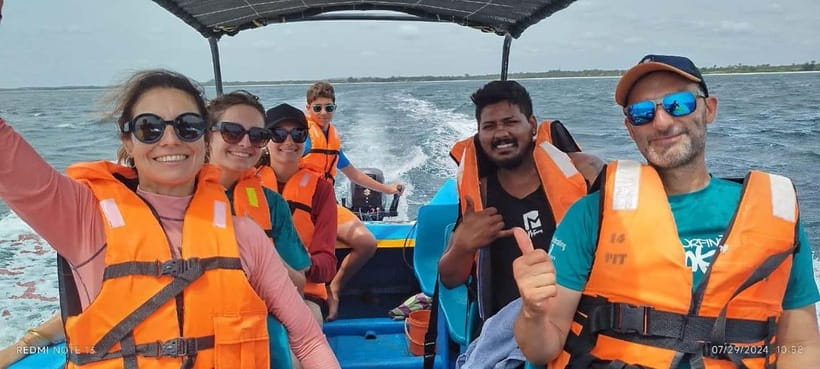
At $42 per person for a 3-hour outing, this tour sits in the “pay for a focused wildlife chance” category—not a sightseeing-only cruise. The value comes from what’s included and what isn’t.
Included:
- All fees and taxes
- A boat seat with a life jacket
- 500ml bottled drinking water
- Light breakfast (vegetarian or non-vegetarian)
Not included:
- Hotel pickup/drop-off
- Water beyond what’s provided
- Anything like a private transfer (they note transfers can be arranged for an extra charge depending on distance)
That inclusion list is genuinely helpful because you’re already dealing with the essentials: safety gear, hydration, and a basic meal before or during the trip. If you show up hungry and dry, sea sickness can get worse. Getting water and a light breakfast means you’re starting from a better place.
One more value note: the booking info says you can reserve now and pay later, plus there’s free cancellation up to 24 hours in advance for a full refund. That kind of flexibility matters on ocean tours where weather and animal movement both play a role.
Finally, I like that this operator seems to take responsibility when plans go wrong. One account praised a refund even when the traveler missed the trip due to their own error. I can’t promise that will happen for everyone, but it tells me they aim to handle issues fairly instead of disappearing.

Who should book this Nilaveli whale and dolphin tour (and who should skip it)
This tour fits best if you can handle a few hours on the water in a light swell and you genuinely want to search for whales and dolphins. It also helps if you’re the type who can get excited by dolphins even when whales aren’t seen.
It’s not for everyone. The info says it’s not suitable for:
- Children under 4
- Pregnant women
- People with back problems
- People with heart problems
- People over 70
Also, a moderate level of fitness is required. You don’t need to be an athlete, but you do need to manage boarding and movement on a boat without getting yourself into trouble.
If your priority is guaranteed whales, you might feel disappointed. The operator openly says whales are not assured on every day. But if your priority is dolphins and a real attempt at seeing big whales during the season windows (March/April and August/September are highlighted), this is a strong choice.
And if you’re budgeting for this portion of your Sri Lanka trip, treat it like a ticket to an experience you can talk about: scanning the horizon, watching for spouts, then switching into dolphin mode when fins start appearing. That swing—from big, slow whales to quick, playful dolphins—is exactly what makes these outings memorable.
Should you book this Trincomalee dolphin and whale watching boat tour?
I’d book it if you’re traveling to eastern Sri Lanka and you want a true Trincomalee whale watching experience with dolphins as the core goal. The combination of target species, 3 hours of on-water time, life jacket safety, and included breakfast and water makes this feel like a practical outing rather than an overpriced “maybe” tour.
I’d think twice if:
- You know you get severely motion sick and you didn’t plan for medication.
- You can’t handle choppy water or cramped seating.
- You’re hoping for whales as the only acceptable outcome.
If you do book, go prepared: bring sunglasses and a phone-safe way to shoot photos, consider seasick medication (Avomine or Celenid are named), and set your expectations that some days are whale-light. Do that, and you’ll give yourself the best shot at the kind of dolphin encounters that make people come back to Trincomalee again and again.
FAQ
How long is the Trincomalee dolphin and whale watching boat tour?
The tour duration is 3 hours, including the time on the water and the return to the starting point.
How much does the tour cost?
The price is $42 per person.
Where do I meet for the tour?
You meet at Pigeon Island Tours at 42/1B, 4th Cross Lane, Kannaki Amman kovil road, Gopalapuram Nilaveli, 31010 in Trincomalee.
What animals are you looking for during the trip?
The tour focuses on spotting blue whales, sperm whales, and spinner dolphins.
What is included in the price?
The price includes all fees and taxes, a boat seat with a life jacket, 500ml bottled drinking water, and a light breakfast (vegetarian or non-vegetarian).
Is hotel pickup or drop-off included?
No, hotel pickup and drop-off are not included, though transfers may be arranged for an extra charge depending on distance.
When are sightings most common?
Most sightings are said to occur between March/April and August/September.
Is swimming allowed during the tour?
No, swimming is not allowed.
Who should not take this tour?
It’s not suitable for children under 4, pregnant women, people with back problems, people with heart problems, and people over 70 years old.