Two mornings can change how you see the sea.
This PADI Scuba Diver course is a focused first certification that gets you into the water with a PADI Professional and works toward a max depth of 12 m. Based out of Unawatuna (south coast), it’s designed for people who want real, structured instruction fast—without jumping straight to the full Open Water syllabus.
Two things I really like about this course: the teaching is repeatedly described as calm, patient, and clear, with instructors such as Ellie, Delphine, Eliška, Norbert, Fabeo, and Alex highlighted for strong guidance and comfort in the water. I also appreciate the practical setup: equipment use is included, the group is kept small (max 8), and you get private transportation plus bottled water, snacks, and tea/coffee.
One key consideration before you book: the course fee doesn’t include the PADI fee of 70 Euros for the manual and certification costs. If you’re budgeting tight, that extra line item matters.
In This Review
- Key Highlights Before You Go
- PADI Scuba Diver in Unawatuna: A Fast Track to Your First Certification
- The 2–3 Day Schedule: What You’ll Actually Spend Your Time On
- Theoretical work (about half a day)
- Confined water training (about half a day)
- One day for open-water sessions (8:30 am to about 1 pm)
- What You Learn Underwater (Without Guesswork)
- Depth Limits: 12 m vs 18 m (And Why It Matters)
- Instructor Quality and Safety Focus: What the Course Feels Like
- Price and Value: What $240.23 Really Buys You
- Inclusions That Save You Hassle (and the One Thing Missing)
- Picking This Course for the Right Reasons
- Quick Practical Notes That Affect Your Comfort
- Should You Book This PADI Scuba Diver Course?
- FAQ
- FAQ
- How long is the PADI Scuba Diver course?
- Is pickup included?
- What depth can I reach with the PADI Scuba Diver certification?
- What’s included in the course price?
- What’s not included in the course fee?
- Where does the course start and end?
- How big is the group?
- What happens if the course can’t run due to weather or cancellation?
Key Highlights Before You Go
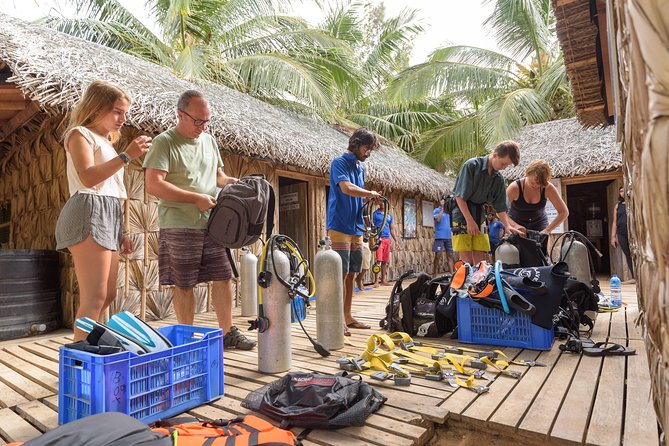
- Small group size (max 8) keeps instruction more personal.
- Theory + skills + open-water practice happens on a tight 2–3 day arc.
- Supervised certification limit (12 m) means you’re learning within clear boundaries.
- Scuba equipment is provided, so you don’t need to hunt gear.
- Instructors get praised for patience and safety-focused teaching (Ellie, Delphine, Eliška, Norbert, Fabeo, Alex).
PADI Scuba Diver in Unawatuna: A Fast Track to Your First Certification
If you’ve been waiting for that moment when scuba stops being an idea and becomes a skill, the PADI Scuba Diver course is built for you. It’s a subset of the PADI Open Water Diver program, which matters because you get a credential that’s real and official—but with a narrower scope.
The big takeaway: as a Scuba Diver, you’ll be limited to training dives with a PADI Professional and a max depth of 12 m. That’s not a “lesser” experience; it’s a training choice. You’re learning the basics the right way first: control, breathing, buoyancy basics, and procedures, before you’re expected to be fully independent at deeper depths.
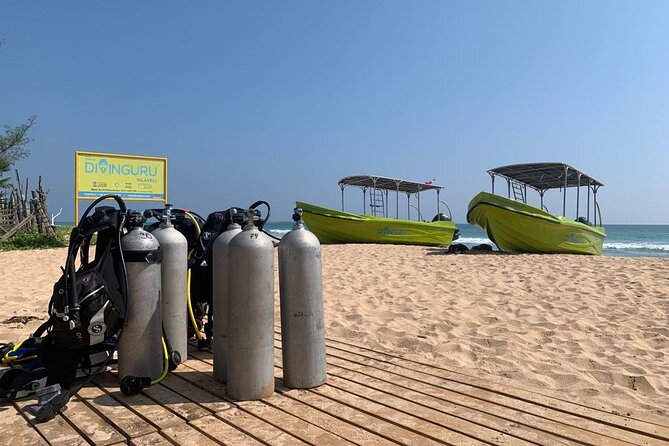
And location-wise, this is run from a PADI 5 STAR IDC dive resort address in Unawatuna. That’s useful because it keeps the course centered at one base with a defined start and end point—less scrambling, more learning.
You can also read our reviews of more tours and experiences in Negombo.
The 2–3 Day Schedule: What You’ll Actually Spend Your Time On
The course timing is tight but not confusing. You should expect around 2 to 3 days, with the work split into three chunks:
Theoretical work (about half a day)
You’ll complete the theoretical portion using the first 3 sections of the PADI Open Water Diver course, but without the exam. This is a smart pacing choice. It lets you absorb the core knowledge that supports safe underwater behavior without turning the start of your trip into a test day.
For you, that means you can focus on understanding why the skills matter. You’re not just memorizing—at least the program’s structure pushes you toward real comprehension before you get wet.
Confined water training (about half a day)
Next comes confined water training, aligned with the first 3 dives of the Open Water Diver course (again, this is about skills progression). Confined water is where you build muscle memory: breathing patterns, comfort with equipment, and controlled movements—usually in a controlled environment where you’re not dealing with open-water variables.
This part is valuable because it reduces the number of surprises when you hit open water. If you’re nervous about your first time underwater, this step is often the difference between panic and “okay, I’ve got this.”
One day for open-water sessions (8:30 am to about 1 pm)
Finally, you get a morning with two open-water sessions, starting at 8:30 am and running until roughly 1 pm. That timing is good for travel sanity: you get a meaningful block of water time early in the day, then you still have the rest of the day open.
Also, this course is structured around practicing what you learned immediately. You’re not doing random fun time first. The program moves you from knowledge → controlled skills → real open water, in that order.


What You Learn Underwater (Without Guesswork)
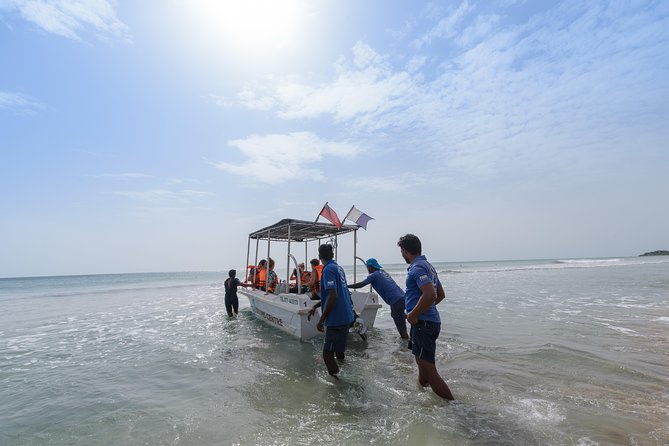
Because the Scuba Diver course is a subset of the Open Water curriculum, you’re not being pushed to master everything at once. Instead, you’re learning what lets you function safely with support.
Here’s what the structure tells you to expect:
- You’ll work on core underwater behavior before you’re asked to operate independently.
- Your sessions are supervised by a PADI Professional, which changes the feel of learning. You’re allowed to focus on your technique while your instructor manages the big-picture safety process.
- The learning path is credential-linked, so your practice is guided toward the standards needed for the Scuba Diver certification.
If your goal is to start confidently and quickly, this layout helps. If your goal is maximum independence right away, it’s worth reading the next section carefully.
Depth Limits: 12 m vs 18 m (And Why It Matters)
This is the part people often skim, then regret later.
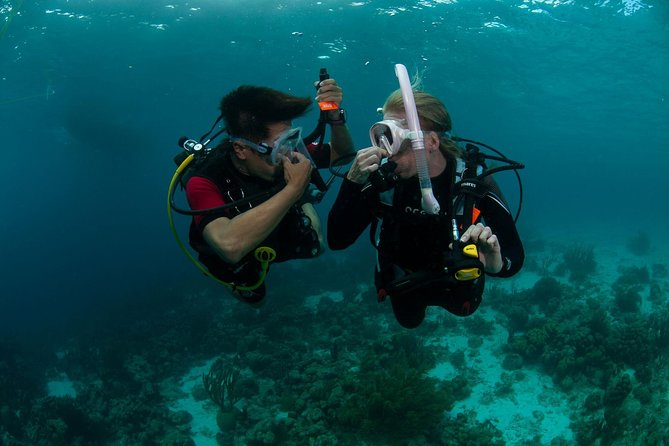
Your Scuba Diver certification lets you go to a max depth of 12 m while diving with a PADI Professional. If you want to be fully independent with your buddy and go up to 18 m, the recommendation is to take the PADI Open Water Diver course instead.
So ask yourself:
- Do you want a first credential that opens doors, with guided learning?
- Or do you want the freedom that comes with the full Open Water training path?
Both are valid. But mixing up the two goals is how people end up feeling underwhelmed later.
Instructor Quality and Safety Focus: What the Course Feels Like
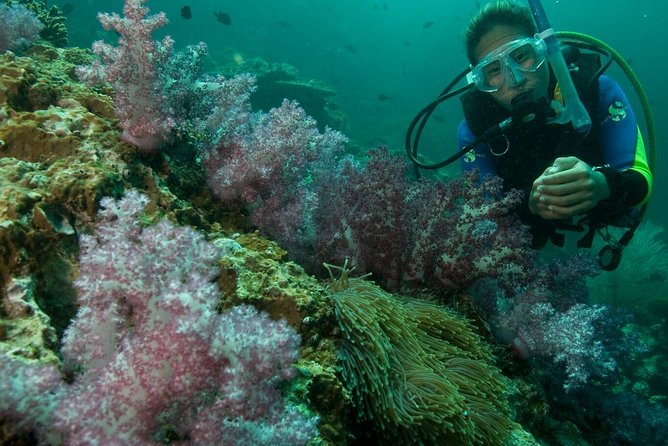
High ratings in scuba courses usually come down to two things: how safe people feel, and how clearly skills are taught. The instruction you’ll encounter here is repeatedly praised for being calm and patient, with instructors named like Ellie, Delphine, Eliška, Norbert, Fabeo, and Alex.
That matters practically. A first certification is where small explanations make a big difference. Clear coaching helps you:
- get comfortable with equipment,
- understand what you’re doing and why,
- recover quickly if you feel off during a skill.
And since the group is capped at 8 travelers, you’re less likely to get lost in the shuffle. In a small group, instructors can watch more closely and correct sooner—which is where “it went smoothly” usually starts.
Price and Value: What $240.23 Really Buys You
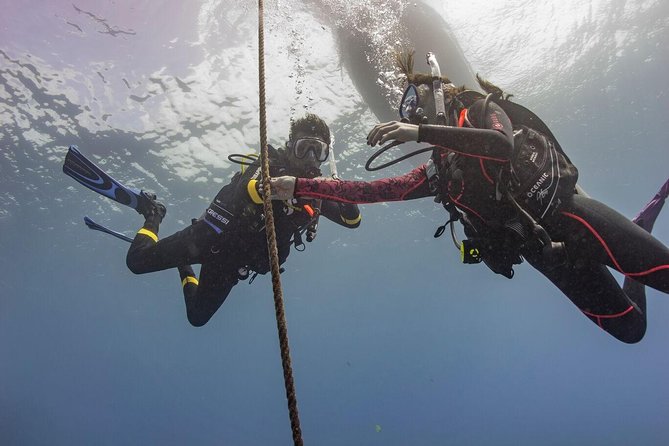
At $240.23 per person, the big value is that your day-to-day “scuba logistics” are handled for you:
- Use of scuba equipment is included
- private transportation is included
- bottled water, snacks, and coffee and/or tea are included
That’s not a small thing. For a first course, cutting down on gear rental hunting and travel friction can save both time and money.
But you still need to budget one extra cost: the PADI fee of 70 Euros, which covers the PADI Scuba Diver Manual and certification costs. This isn’t optional within the program—it’s simply not part of the listed course price.
So when you’re comparing value, think of it like this:
- The $240.23 is paying for the learning delivery: instruction time, support, and included items.
- The 70 Euros is the credentialing and materials part.
If you budget for both from the start, the overall value looks much stronger.
Inclusions That Save You Hassle (and the One Thing Missing)
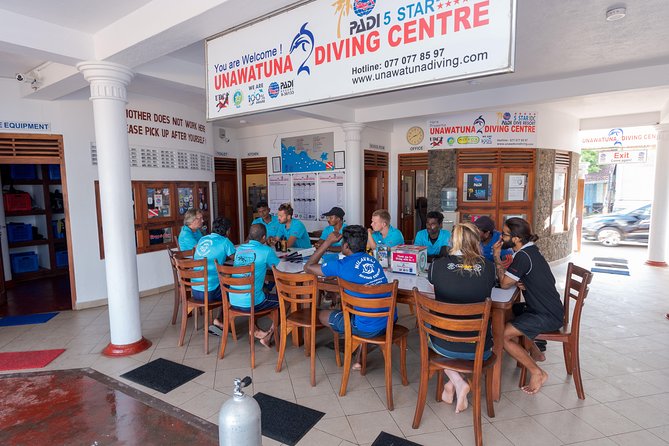
Here’s what’s covered:
- Bottled water
- Coffee and/or tea
- Private transportation
- Snacks
- Use of scuba equipment
What’s not included:
- Lunch
That lunch gap is the easiest practical planning item. You’ll want to assume you need food on your schedule, especially on a day with a morning start.
One other subtle planning point: this course is not described as “exam-based.” The theory portion is the first sections of the Open Water content, but without the exam. That can make the early part feel lighter than full certification routes that include testing.
Picking This Course for the Right Reasons
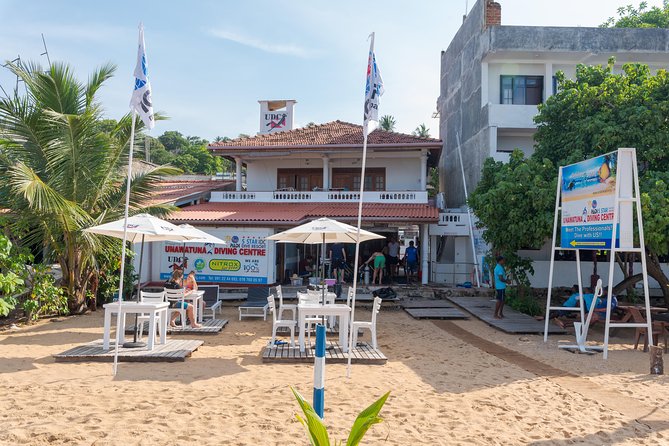
This PADI Scuba Diver course is a great match if:
- you want a first certification without committing to the full Open Water path right now,
- you’re okay being limited to 12 m and diving with a PADI Professional,
- you value structured learning in both confined water and open water,
- you like the idea of a small group experience.
It’s also a solid option if you’re traveling with limited time, because the program is built around a short, efficient flow: theory, skills in controlled water, then open-water sessions in one morning.
It may not be the best match if:
- you already know you want independent buddy diving up to 18 m,
- you’re hoping for the full freedom that comes with the Open Water certification scope.
Quick Practical Notes That Affect Your Comfort
A few details can shape how smooth your experience feels:
- The course calls for moderate physical fitness. You don’t need to be an athlete, but you should be comfortable with basic physical activity and being in the water.
- The start point is at a defined resort address in Unawatuna, and the activity ends back there. That keeps logistics simple.
- The activity notes “near public transportation,” which is helpful if you’re not relying entirely on pickup.
Should You Book This PADI Scuba Diver Course?
If you want your first scuba certification with clear limits, strong instruction, and a small group setting, I’d say book it—especially if you’re prepared for the extra 70 Euros PADI fee and you’re happy with the 12 m supervised framework.
Don’t book it if your main priority is immediate independence and 18 m depth. In that case, you’ll likely be happier switching to the PADI Open Water Diver course from the start, so you don’t have to redo steps later.
FAQ
FAQ
How long is the PADI Scuba Diver course?
It takes around 2 to 3 days, with theory and confined water training taking about half a day each, plus one day with two open-water sessions from 8:30 am to around 1 pm.
Is pickup included?
Yes. Pickup is offered, and private transportation is included in the course.
What depth can I reach with the PADI Scuba Diver certification?
The Scuba Diver credential allows you to dive with a PADI Professional to a maximum depth of 12 m.
What’s included in the course price?
The price includes bottled water, coffee and/or tea, private transportation, snacks, and use of scuba equipment.
What’s not included in the course fee?
Lunch is not included. Also, the PADI fee of 70 Euros for the manual and certification costs is not included.
Where does the course start and end?
It starts at DIVINGURU Unawatuna, PADI 5 STAR IDC DIVE RESORT on Matara Rd, Unawatuna, and ends back at the meeting point.
How big is the group?
The maximum group size is 8 travelers.
What happens if the course can’t run due to weather or cancellation?
The experience requires good weather. If it’s canceled due to poor weather, you’ll be offered a different date or a full refund. There is also free cancellation up to 24 hours in advance for a full refund.
If you want, tell me your travel dates and whether you’re aiming for 12 m only or 18 m independence later—I can help you sanity-check which certification path fits your plan.