Whales come close in Trincomalee. I love that this is a small, intimate boat morning safari, built around frequent wildlife sightings and a respectful approach to marine life.
Two things I especially like: you get a professional, safety-focused crew and you’re not stuck on an overcrowded vessel, which makes sightings feel calmer and more watchable. The added bonus is the mix of targets—blue whales, dolphins, and even rarer surprises—plus a final coastal cruise with the Hindu temple view.
One consideration: it’s an early-start speedboat outing and it’s not suitable for pregnant women, so if you’re sensitive to motion or long mornings, plan carefully.
In This Review
- Quick highlights to know before you go
- Why Trincomalee’s dawn cruise is the main event
- Getting on the boat: the Trinco Bay Dive Center meetup
- The wildlife hunt: what you’re likely to spot (and what makes it exciting)
- Blue whales and dolphins near the surface
- Sperm whales, and rare chances for killer whales
- Other sea life: turtles, flying fish, and seabirds
- Staying safe and respectful: how the tour’s rules shape your experience
- The pacing: how the 2–3 hour outing really feels
- Price and value: why $36 can be a fair deal
- Who this tour is best for
- What to bring for a smooth, comfortable safari
- Should you book this Trincomalee whale and dolphin safari?
- FAQ
- How long is the Trincomalee whale and dolphin safari?
- Where do I meet for the tour?
- Is hotel pickup included?
- What’s included in the tour price?
- What should I bring?
- Which languages are available for the live guide?
- Is the tour refundable if plans change?
Quick highlights to know before you go
- Early-morning search increases your chances of real whale and dolphin encounters
- Small, non-overcrowded boat for easier viewing and a more personal feel
- International whale watching guidelines guide how close (and how safely) you approach wildlife
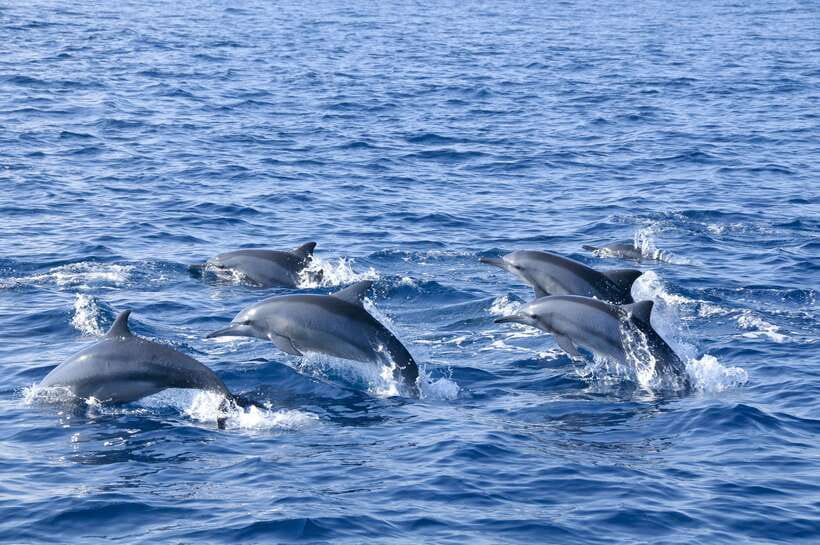
- Big-name species possibilities include blue whales, sperm whales, and spinner dolphins
- More than whales: turtles, flying fish, and seabirds may show up too
- Temple views while you’re on the water add a memorable finish to the trip
Why Trincomalee’s dawn cruise is the main event
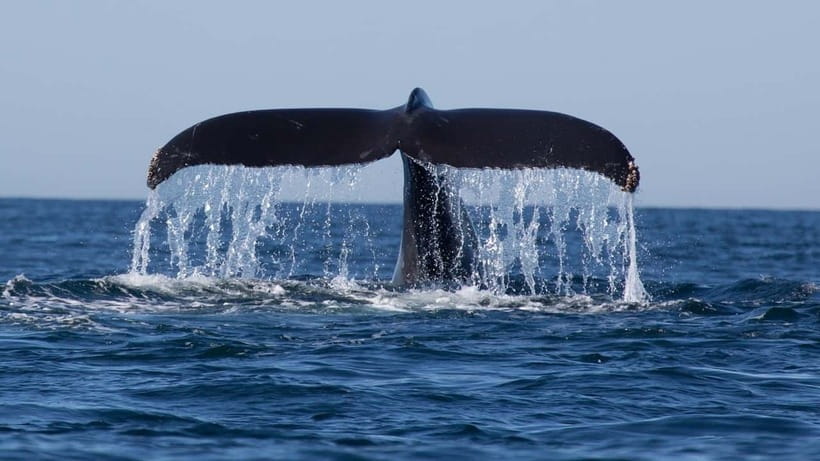
Trincomalee is one of those rare places where the ocean feels like the show, not the background. This tour is timed for early morning, when conditions are often better for wildlife viewing and you’re more likely to catch animals active at the surface. You’ll set out from Trinco Bay, then head into the water where sightings are known to happen.
What matters here is how the day is designed. You’re not just going out and hoping. The guides run a focused search route for whales and dolphins, and they keep things structured enough that you get time to watch—without rushing every time you see a splash. You also stay within international whale watching standards, which is the difference between a responsible wildlife experience and one that feels chaotic or reckless.
And because the boat is small and intimate, your experience is more about observing than jockeying for a good spot. If you’ve ever watched whale tours from crowded decks, you know how quickly it turns into noise and elbows. This one is built to reduce that.
You can also read our reviews of more tours and experiences in Trincomalee.
Getting on the boat: the Trinco Bay Dive Center meetup
Your tour starts back at the Trinco Bay Dive Center at 41 Alles Garden, Trincomalee 13000. It’s located in the Aqua Hotel area next to Fernando’s Beach Market, and your meeting point is listed clearly as Trinco Bay Dive Center.
From there, you board a speedboat and head out. Life jackets are provided, which I appreciate—especially on a fast, open-water outing. You’ll also get water and biscuits to keep you comfortable on the morning ride.
Practical note: there’s no hotel pickup included. If you’re staying outside the area, you’ll want to plan your own way to the meeting point so you’re not scrambling right before departure. Also, luggage or large bags aren’t allowed, so pack light and think “day kit,” not a full beach setup.
The wildlife hunt: what you’re likely to spot (and what makes it exciting)
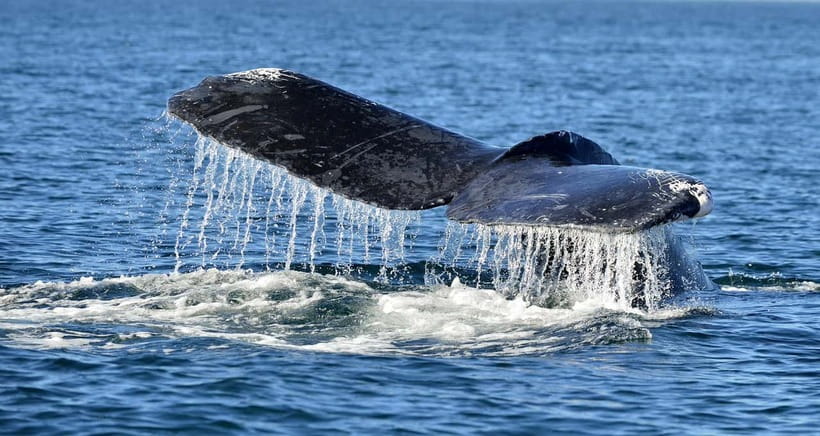
The core goal is simple: whale and dolphin watching, with a good chance at multiple species in the same trip. The tour’s descriptions and the sightings people talk about center on these main possibilities:
Blue whales and dolphins near the surface
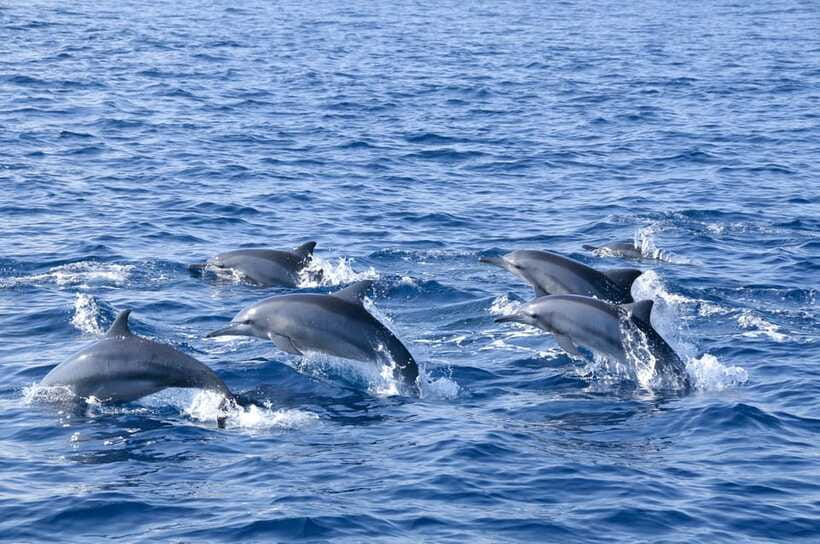
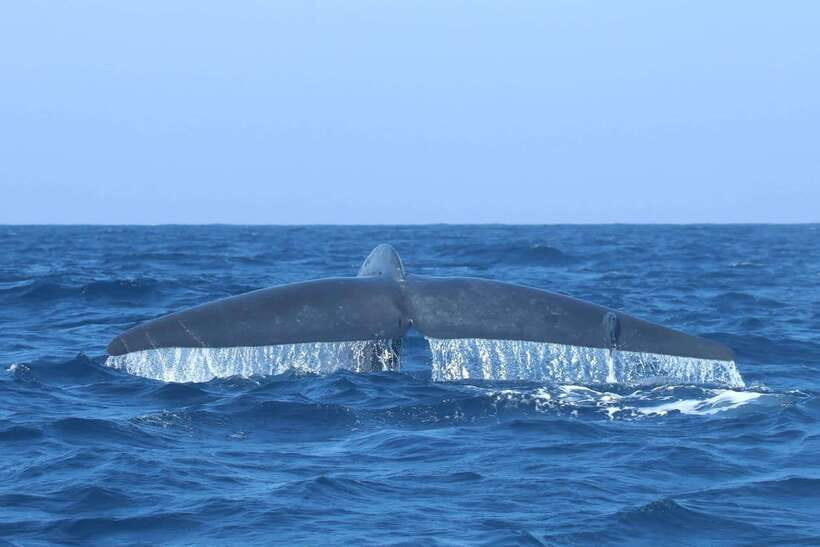
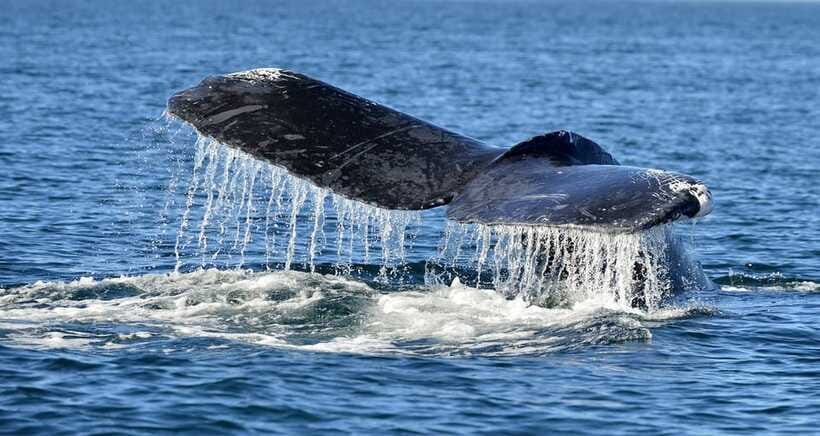
Blue whales are the headline attraction. They’re majestic, and even when sightings are brief, watching a big animal surface naturally is a powerful moment. The tour also targets dolphin activity, including spinner dolphins (often just called “spinner dolphins” in descriptions). The promise here isn’t just distant sightings—it’s the chance to see dolphins swimming close enough that you can actually track their movements.
In practice, this kind of tour lives and dies by timing and location. That’s why the early start matters. It’s also why a small boat helps: you tend to spend more time watching and less time waiting for the crowd to settle.
Sperm whales, and rare chances for killer whales
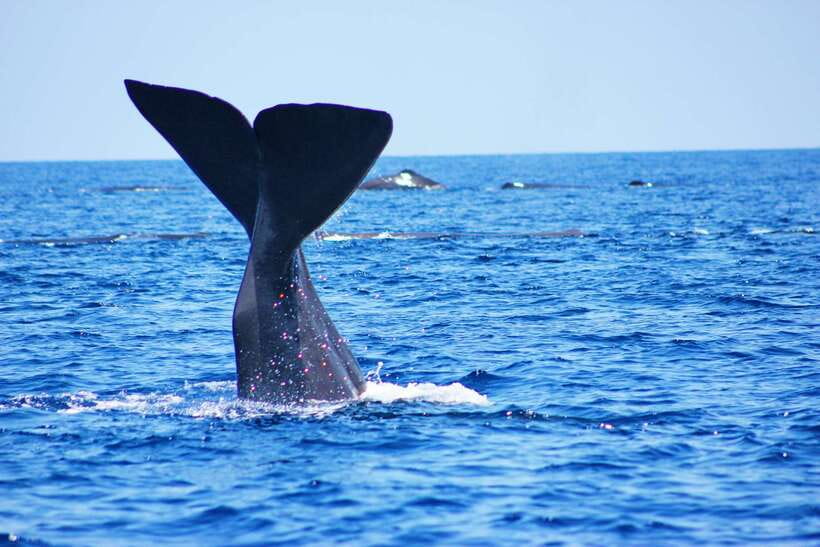
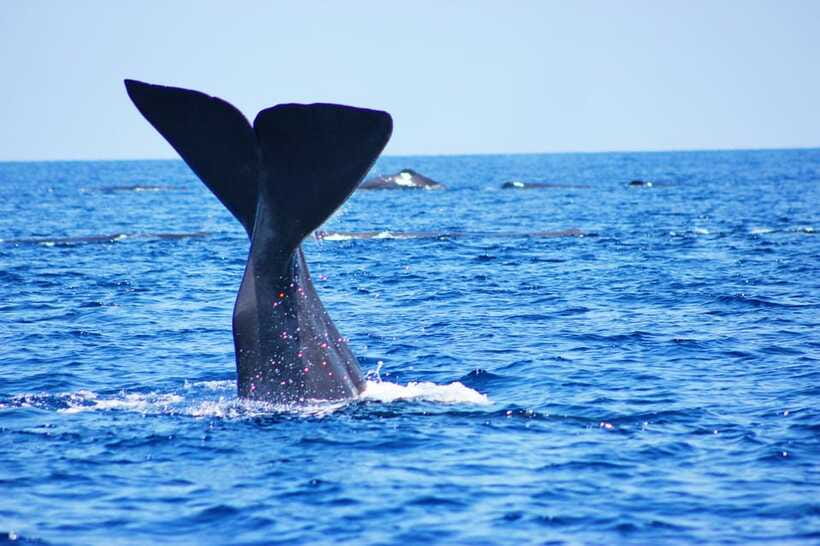
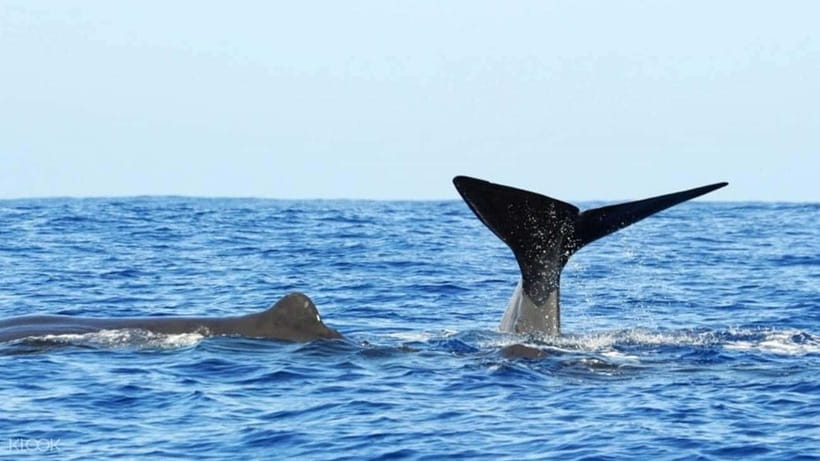
The safari also looks for sperm whales, plus the rare possibility of killer whales and orcas. Those last two are not your guaranteed “every time” animals, but they’re mentioned as potential encounters. When a tour lists them, it usually means the operator knows the area has had such sightings before and is willing to search where conditions make sense.
This is where “exciting” becomes “realistic.” You’re going on a wildlife safari, not a theme park. Some trips may be all dolphins and turtles. Some may deliver a bigger whale sighting. The value is that the crew searches intelligently rather than treating sightings as random.


Other sea life: turtles, flying fish, and seabirds
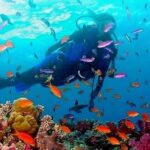
Even when the main animals stay just out of perfect view, the ocean still gives you plenty to watch. The tour specifically mentions turtles, flying fish, and seabirds. When you’re moving across water during active marine life hours, these small moments add up—especially if you like reading the sea surface like a map.
If you’re the type who watches birds for clues (where they’re diving, where they gather), you’ll likely enjoy this section. The guide’s knowledge can make these smaller sightings feel connected instead of random.
Staying safe and respectful: how the tour’s rules shape your experience
A whale safari is only as good as its behavior at sea. This one specifically states that it follows international whale watching guidelines for approaching whales. That matters because it usually means you won’t see the operator doing high-speed chasing or aggressive crowding.
You’ll also have a guide and marine experts on board. Their job isn’t only to find animals; it’s to manage safe distance and keep you informed. When the guides explain what you’re seeing—like how to spot behavior patterns, when to look, or why a pod is moving—you get more from the sighting even if the whale only surfaces a couple of times.
From a comfort standpoint, the boat is described as small and intimate, and the experience is meant to feel safe and comfortable. Plus, you’ll have life jackets and clear safety focus before departure.
Bottom line: the best part isn’t just seeing whales. It’s seeing them without the tour turning into a free-for-all.
The pacing: how the 2–3 hour outing really feels
The tour runs for about 2–3 hours, which is a sweet spot. Long enough to search and find something meaningful, short enough that you’re not dealing with a full half-day commitment.
Here’s the flow you should expect:
- You meet at Trinco Bay Dive Center and get briefed for the water.
- You head out early morning in the speedboat to search known areas for whales and dolphins.
- When animals are spotted, you spend time watching and learning—rather than constantly shifting direction.
- As the tour wraps up, you return to shore, with coastal scenery as part of the ending.
The tour description also mentions you’ll admire the Hindu Temple as you cruise the crystal-clear waters. Even if you’re focused on animals, that coastal moment can be a satisfying finale. It turns the experience into more than a quick wildlife stop.
Price and value: why $36 can be a fair deal
At $36 per person, this tour sits in the “good value” category for what you’re getting—especially if you compare it to tours that cost more but still feel crowded or less organized.
What’s included:
- speedboat
- guide and marine experts
- life jackets
- water and biscuits
- all fees and taxes
What’s not included:
- hotel pickup and drop-off (available for an additional charge, if arranged)
So the real question is not the headline price—it’s whether the inclusions match the experience you want. Here, the essentials are covered: transportation on the water, safety equipment, and a knowledgeable crew. The only “extra” you might pay is for pickup if you can’t easily reach the meeting point yourself.
If you’re already near Trincomalee’s eastern harbor area, this becomes even better value. If you need transport arranged, factor that into your total day cost.
Who this tour is best for
This is a strong match if you:
- want a small-group feel (less crowding, more attention on wildlife)
- care about respectful whale watching rules
- want a morning adventure that also gives you scenic payoff along the coast
- enjoy learning at sea, not just taking photos
It’s also a good pick for nature-minded travelers who like marine life in general. You may come for whales, but you’ll likely enjoy dolphins, turtles, seabirds, and flying fish too.
Who should skip it: the tour is listed as not suitable for pregnant women, and the overall nature of a speedboat morning means it’s wise to think about motion sensitivity.
What to bring for a smooth, comfortable safari
You’ll keep it simple, and that’s the point. Bring:
- Sunglasses
- a towel
- your camera
- sunscreen
If you have a hat, wear it. The tour is early, but sun and glare off the water can be intense. Also, keep your kit compact since large bags and luggage aren’t allowed.
A small tip: if you’re serious about photos, clean your camera lens before boarding. Salt spray is real on speedboats.
Should you book this Trincomalee whale and dolphin safari?
I think you should book if you want a responsible whale and dolphin outing with a small-boat setup, expert guidance, and a real chance at multiple species in a short trip. The combination of early timing, safety-first operation, and the mix of animals listed—blue whales, sperm whales, spinner dolphins, turtles—makes it feel like more than a basic sea tour.
Skip or reconsider if you’re not comfortable with speedboat conditions or if pregnancy rules apply for your situation. Also, if you need hotel pickup to make your day realistic, price that in before you commit.
If your goal is to spend a couple hours watching marine life in an organized, respectful way (not chasing crowds), this one fits the bill.
FAQ
How long is the Trincomalee whale and dolphin safari?
The tour duration is listed as 2–3 hours.
Where do I meet for the tour?
You meet at Trinco Bay Dive Center, 41 Alles Garden, Trincomalee 13000, Sri Lanka. The location is in Aqua Hotel next to Fernando’s Beach Market.
Is hotel pickup included?
Hotel pickup and drop-off are not included, but they can be arranged for an additional charge.
What’s included in the tour price?
The tour includes a speed boat, a guide (marine experts), water and biscuits, life jackets, and all fees and taxes.
What should I bring?
Bring sunglasses, a towel, a camera, and sunscreen.
Which languages are available for the live guide?
The live tour guide language options listed are English, German, French, Russian, and Chinese.
Is the tour refundable if plans change?
Free cancellation is offered up to 24 hours in advance for a full refund.