An open-deck ride makes Colombo feel instantly closer. This private Colombo City Tour on an open-deck bus is a smart way to cover a lot of ground in about 6 hours, with a guide explaining the city’s layered Portuguese, Dutch, and British past as you pass key sights. I especially like the history storytelling and the chance to catch views with the air on your face from the open top. One thing to plan for: you’ll be on the go for most of the day, and traffic can stretch the timing between stops.
You’ll start at 8:30 am from Colombo and return to the port area later, which helps a lot when you’re already in cruise/port mode. I also appreciate the private setup, including pickup and drop-off from designated meeting points and round-trip transfer, so you’re not waiting around for strangers. The main consideration is practical: there’s no included lunch or drinks, so you’ll want to bring money (and ideally a bit of patience) for breaks.
If you like a mix of “look and learn” sights—colonial-era buildings, modern city landmarks, Buddhist temples, and sea views—this is the kind of day that keeps your camera busy and your brain fed. Just keep your smart casual dress code in mind, and don’t forget that a valid passport is required on travel day.
In This Review
- Key highlights at a glance
- The open-deck bus experience: why this ride matters
- Price and what $112 really covers
- From the port to Colombo’s colonial core
- Independence Square and the civic stage
- Beira Lake and Cinnamon Gardens: city life beyond monuments
- Laksala for handicrafts: a smart shopping pause
- Gem and jewelry shopping: where the “wish list” happens
- Lighthouse, clock tower, and the harbor/fort areas
- Kelaniya Temple: a calm shift in pace
- Gall Face Green: where Colombo meets the sea
- Gangarama Temple: a highlight for many people
- Timing, energy, and what to bring for a 6-hour city run
- Who this tour is best for (and who might not love it)
- Should you book this Colombo open-deck city tour?
- FAQ
- How long is the Colombo City Tour on Open Deck Bus?
- What time does the tour start, and where does it begin?
- Is this a private tour?
- What’s included in the price?
- Do I need a passport for this tour?
- Is food included?
Key highlights at a glance
- Open-deck views that make the city feel airy and immediate, not stuck behind glass
- Colonial-era context through stops tied to Portuguese, Dutch, and English influences
- Temple time at Kelaniya Temple and Gangarama Temple, with iconic Colombo atmosphere
- Sea and city landmarks including Beira Lake, Gall Face Green, and harbor/fort areas
- Shopping stops at the state-owned Laksala and for gem and jewelry options
The open-deck bus experience: why this ride matters
The headline here is the open-deck bus style of sightseeing. Even if you’ve visited big cities before, this format changes the feel of the trip. You get that wind-in-your-face effect, and you can actually see the street life and building fronts as you move—without craning your neck up at tiny windows.
It also helps for photography. You’re positioned to catch wider angles: long boulevards, waterfront stretches, and skyline glimpses as you cross different parts of central Colombo. That bird’s-eye style perspective comes from being up a bit and moving through viewpoints rather than standing in one spot all morning.
Practical note: open-deck riding means more sun and more dust in the air. If you’re the type who gets wiped out by heat, plan for it. Wear light clothing under the smart casual rule, bring sunglasses, and keep sunscreen handy.
You can also read our reviews of more tours and experiences in Colombo.


Price and what $112 really covers
At $112 per person for an approx. 6-hour private tour, you’re paying for convenience and structure as much as for attractions. What makes it feel like value is what’s included:
- a professional guide
- local taxes
- pickup and drop-off from designated meeting points
- a private tour setup
- round-trip private transfer
- transport by private vehicle
What you should budget extra for: food and drinks (including lunch), plus alcoholic drinks if you choose them, and any optional photo packages, souvenirs, or shopping add-ons. So the math is: you’re not buying admission tickets listed here, you’re buying guided time + transportation + route coverage.
This works best if you want one organized day instead of piecing together transport, tickets, and explanations. If you love wandering independently, you might feel limited by the scheduled stops. But if you want Colombo’s major highlights connected into a story, this price starts to make sense quickly.
From the port to Colombo’s colonial core
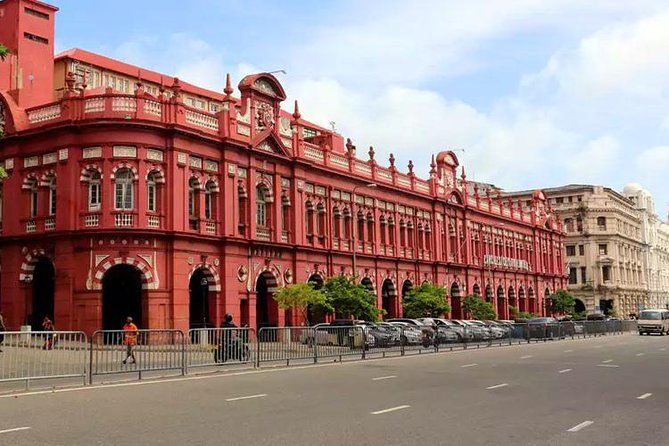
Your day begins with meeting the Globes Travel representative/guide and heading out for a route packed with recognizable landmarks. The first big theme is the city’s colonial layers—because Colombo didn’t develop in one single “era.” It grew under different foreign influences, and the guide’s job is to point out what that means in real life: building styles, civic spaces, and the way certain areas were organized.
You’ll pass through stops that are basically Colombo’s “signature” civic circuit:
- National Museum
- Old Parliament
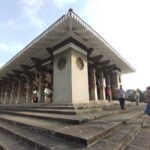
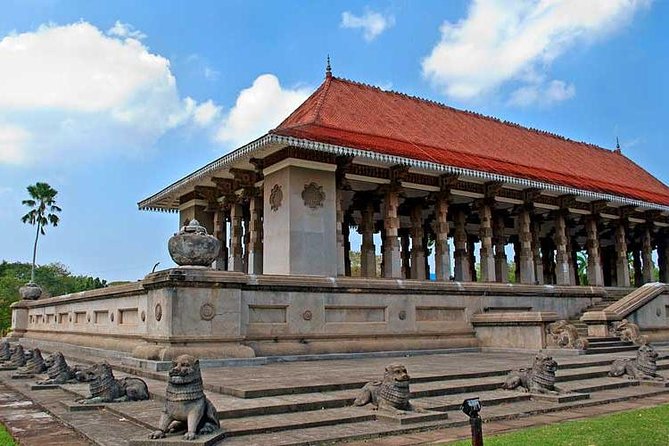
- Independence Memorial Arcade and Independence Square
- Independence Square also shows up again later in the day, which gives you a second chance to re-focus when the route loops back
A key plus here is that you’re not just seeing buildings. You’re learning why these places matter and how the city’s identity was shaped. A good example from the trip vibe: the guide’s explanations of the Portuguese, Dutch, and English eras tend to be the kind of detail that makes a drive-through feel like a guided lesson.
Time check: don’t assume every stop is long. The tour is built for coverage. That’s why you’ll want to treat some locations as “arrive, look, understand, move on,” rather than expecting a slow museum-style visit at each point.
Independence Square and the civic stage
Independence Square is one of those places where Colombo shows off its idea of self. Even if you don’t know the exact history behind every feature, the square format makes it easy to understand the symbolism—open space, major civic buildings, and the sense that this is where important moments happened (and where the city still gathers).
You’ll also see the nearby Independence Memorial Arcade, which ties into the broader idea of how independence is framed through architecture and public space. Since the tour revisits the area, you get a chance to catch it from different angles as the day’s route continues.
If you’re short on time in Colombo, this is the stop that helps you get oriented fast. You come away with a mental map of where key parts of the city’s political and ceremonial life sit.
Beira Lake and Cinnamon Gardens: city life beyond monuments
After the civic stops, you transition into more everyday Colombo. Beira Lake is a useful pause because it breaks the pattern of only “buildings and squares.” It gives you a sense of geography—where water meets roads, and how central Colombo breathes.
Then you move through Cinnamon Gardens, a name that signals the kind of neighborhood shift you’ll feel as you travel. This is where the day starts to feel like more than a museum circuit. You’re driving through parts of town that reflect modern Colombo’s rhythm, while still staying close enough to the landmark cluster to keep the schedule realistic.
A drawback to keep in mind: when routes pass through well-known neighborhoods, traffic can be slow at the wrong time of day. The good news is the tour is built with enough movement to absorb some delays. The bad news is you might have shorter photo windows if congestion hits.
Laksala for handicrafts: a smart shopping pause
One of the most practical stops in the itinerary is Laksala, the state-owned handcrafts emporium. It’s a shopping stop, yes—but it’s also a chance to slow down and buy things that are part of Sri Lanka’s everyday craft story rather than a generic souvenir scramble.
Because it’s state-owned, it tends to feel more straightforward than some street shopping. You can browse for textiles, crafts, and small keepsakes without needing to decode every shop strategy. If you like coming home with usable mementos—things you can actually explain later—this stop can be worth more than a typical quick souvenir dart.
Tips: set a small budget before you arrive. Look carefully at materials and workmanship. And if you’re shopping for gifts, plan to buy heavier items here (rather than later at a place you might rush through).
Gem and jewelry shopping: where the “wish list” happens
The tour also includes gem and jewellery shopping. In Colombo, this is a common attraction because the city acts as a major hub for stone and jewelry commerce. The guide’s role here is important: they can help you navigate the “why” behind what you’re seeing and keep you moving without getting stuck.
Still, it’s the kind of stop where your preferences matter most. If you love jewelry, you’ll likely enjoy the time. If you don’t, treat it as a browsing break rather than a requirement.
A balanced approach: if you’re curious, look at a few items, ask basic questions, and avoid impulse buying when you’re tired. Since lunch isn’t included, you can also run short on energy by the time you reach later shopping—so keep that in mind.
Lighthouse, clock tower, and the harbor/fort areas
As the route reaches the coastline mood, you’ll see:
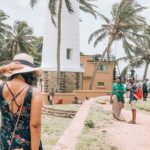
- Lighthouse and Clock tower
- harbor and fort areas of Colombo
These are the “sea-facing” pieces of the puzzle. The lighthouse and clock tower help anchor the city’s waterfront identity. And when you head into the harbor and fort areas, Colombo starts to look like the port city it has always been.
This section tends to be where the open-deck effect shines again. Waterfront air hits different. You get a moving view of where trade, shipping, and old coastal infrastructure shaped the city. It’s also a nice contrast after the inland civic stops.
Because the itinerary includes returning to the harbor/fort area later, you may see different angles from your route. That repeat isn’t a flaw if traffic and timing work in your favor—it can actually help you notice details you missed earlier.
Kelaniya Temple: a calm shift in pace
From city sights, the tour swings to Kelaniya Temple. This stop changes the tone of the day in a good way. A temple visit gives your eyes and mind a break from cars and monuments.
What you can expect here is a more still, spiritual atmosphere compared with Colombo’s central streets. Even if you only spend a limited amount of time, the setting typically helps you understand why Colombo’s religious sites are central to the city’s daily life.
Practical note: temples call for respectful behavior and conservative clothing. Since your dress code is smart casual, choose clothing that still feels appropriate for a religious site. If you’re wearing light fabrics, keep them modest.
Gall Face Green: where Colombo meets the sea
After the temple stop, the route includes Gall Face Green. This is one of those places that works for almost any travel style: sit, watch, people-watch, and feel the seaside atmosphere.
Gall Face Green also helps you connect Colombo’s modern coastal life with the older port energy. It’s a good place to reset before the next temple stop—especially if you want a moment where you’re not “between destinations.”
If the day is hot, this is the stop where you’ll appreciate a shade break. The open-deck bus ride gives you wind, but Gall Face Green is still outdoors and sun can catch you.
Gangarama Temple: a highlight for many people
The itinerary includes Gangarama Temple, described as one of the most important Buddhist temples in Sri Lanka. This is typically the type of stop that becomes a core memory from a city tour, because temples aren’t just buildings. They’re active spiritual spaces.
Gangarama Temple is also the kind of site that rewards calm attention. Take a few minutes to look slowly, notice artwork and devotional areas, and let the atmosphere sink in before you move on. The guided context helps here—because when you understand what you’re seeing, the visit feels less like a checklist.
After Gangarama, you’ll return toward the harbor and fort areas again and then head to Independence Square once more. That final loop gives the day structure: temples, then coast, then civic symbolism again, before you return to the port.
Timing, energy, and what to bring for a 6-hour city run
This tour is about coverage, not a lazy all-day stroll. Even with a private setup, you’ll move between areas and rely on transport to connect everything.
To make your day easier:
- bring water (since drinks and lunch aren’t included)
- wear sunscreen and sunglasses for open-deck riding
- keep a light layer in mind (sun + wind can shift fast)
- keep small cash/cards ready for shopping and optional photo packages
Also, smart casual matters. If you show up too casual, it can create stress before you even start.
Who this tour is best for (and who might not love it)
This tour is a great fit if you:
- want an organized, guided day that covers major Colombo landmarks
- like open-air sightseeing and the wind-on-your-face vibe
- enjoy history explained through real places, not just a list of facts
- want shopping built in (Laksala and gem/jewelry) without planning it yourself
It’s less ideal if you:
- only want one or two neighborhoods and prefer long free time
- hate shopping stops, even when browsing is optional
- get cranky when a schedule changes due to traffic (because Colombo roads can slow things down)
Should you book this Colombo open-deck city tour?
If you want a first look at Colombo that feels guided, not rushed chaos, I think this is an easy yes. The strong points are clear: open-deck city views, a professional guide who ties locations to the Portuguese, Dutch, and English eras, and a route that balances civic landmarks, sea atmosphere, and key temples.
Before you book, decide how you feel about shopping stops and outdoor time. If you can handle a warm day, bring water, and use the guide’s explanations to make each stop meaningful, this tour is likely worth your $112 for the time and structure you get.
If you want Colombo in one organized hit—starting from the port and finishing back there—this is the kind of tour that makes the day feel effortless, with less logistics on your plate.
FAQ
How long is the Colombo City Tour on Open Deck Bus?
The tour duration is approximately 6 hours.
What time does the tour start, and where does it begin?
The start time is 8:30 am, and the meeting point is Colombo, Colombo, Western Province.
Is this a private tour?
Yes, it’s a private tour/activity, meaning only your group participates.
What’s included in the price?
Included are local taxes, a professional guide, pickup and drop-off from designated meeting points, private tour setup, round-trip private transfer, and transport by private vehicle.
Do I need a passport for this tour?
Yes. A current valid passport is required on the day of travel, and passport details are needed at the time of booking.
Is food included?
No. Lunch and drinks are not included, though alcoholic drinks may be available to purchase.