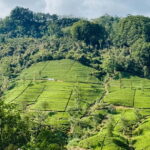
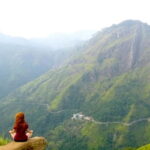
A day trip from Ella that actually tells a story. You’ll get a tea factory tour at Dambatenne and finish with jaw-dropping Lipton’s Seat views over the tea hills. The tradeoff: if the day feels tight, the stops can come and go a bit fast, so plan to enjoy the moment instead of trying to do everything slowly.
You’ll also pass through the Dambatenne countryside—green fields, tea estates, and everyday village life along the way. When you’re lucky with your guide, you may get thoughtful explanations about culture and the sights you pass; I’ve heard names like Demudt and Dimithu come up, and they tend to make the drive more interesting than just scenery.
In This Review
- Key takeaways
- Dambatenne + Lipton’s Seat: Why this combo works so well from Ella
- Price and value: what $48 buys you (and what it doesn’t)
- Getting there from Ella: private transport, real time, and comfort tips
- Dambatenne Tea Factory: a 1890 Lipton legacy and what you’ll see
- Guided time at the factory: plan for quick learning, then your own pace
- The tuk-tuk moment: why a short ride can make the scenery feel real
- Lipton’s Seat: the lookout that turns tea hills into a map
- Best time to go: early morning beats cloud roulette
- Food, entrance fees, and the small choices that prevent a rough day
- The tour experience on days when everything goes right (and when it doesn’t)
- Who this Ella tea tour is best for
- Should you book this tour from Ella?
- FAQ
- FAQ
- How long is the tour?
- Where does the tour start?
- Is hotel pick-up and drop-off included?
- Do I get a guided tour at Dambatenne Tea Factory?
- Will I be able to taste tea?
- How long will I spend at Lipton’s Seat?
- Is food included?
- Are entrance fees included?
- What should I bring?
- Is the tour wheelchair accessible?
- What happens on Sundays?
Key takeaways
- Dambatenne factory built in 1890 gives you a real look at how tea goes from leaf to cup
- Hands-on processing walkthrough covers fermentation, rolling, drying, cutting, sieving, and grading
- Lipton’s Seat is the payoff with big views across tea country toward multiple provinces
- Early morning matters if you want fewer clouds and less mist
- Food isn’t included so you’ll want a plan for lunch or a snack
Dambatenne + Lipton’s Seat: Why this combo works so well from Ella

This is one of those Ella excursions where both halves make sense together. Dambatenne Tea Factory answers the main question—how tea is actually produced—then Lipton’s Seat delivers the reason tea country became world-famous in the first place: the setting is stunning and the empire behind it was built on these hills.
The best part is that you’re not only looking at tea plants. You’re walking through the steps of making tea, seeing where decisions happen, and then pairing that with a viewpoint where you can take in how geography drives the whole tea business. If you’ve been curious about the tea you drink at home, this tour gives you a mental map for what you’re tasting.
You can also read our reviews of more tours and experiences in Ella Sri Lanka.


Price and value: what $48 buys you (and what it doesn’t)
At about $48 per person for roughly 8 hours, the value mainly comes from transport and access, not from food or luxury. This tour includes:
- hotel pick-up and drop-off in/around Ella
- private vehicle transport
- bottled water
- guided time at the tea factory (plus your own time at the lookout)
What’s not included:
- food and drinks (unless specified)
- entrance fees
So here’s the practical way to think about it: you’re paying for a guided day that strings together two major tea stops with minimal hassle. If you already had a car and timed everything yourself, you’d still pay for the same kind of transport headache—plus you might not get the factory explanation in the right order.
Getting there from Ella: private transport, real time, and comfort tips
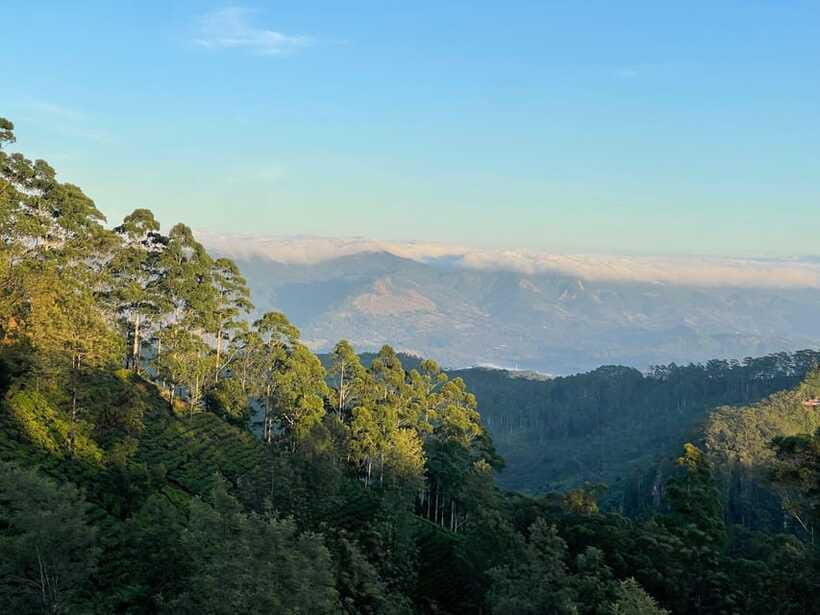
Most of your day is spent on the road between Ella, Dambatenne, and Lipton’s Seat. Transfers are described as approximate, and traffic/time of day can change what you feel as you go.
What you can control:
- Wear comfortable shoes. You’ll be doing walking at both stops.
- Bring a sun hat and sunglasses. Even when it’s cool-ish in the hills, sun can still catch you.
- You’ll likely want a light layer. Tea areas can shift from sun to mist quickly.
Also note that this isn’t set up for everyone: it’s not wheelchair accessible, and it’s also listed as not suitable for pregnant women. If that might apply to you, it’s worth checking with your operator before booking so you don’t end up uncomfortable for hours.
Dambatenne Tea Factory: a 1890 Lipton legacy and what you’ll see
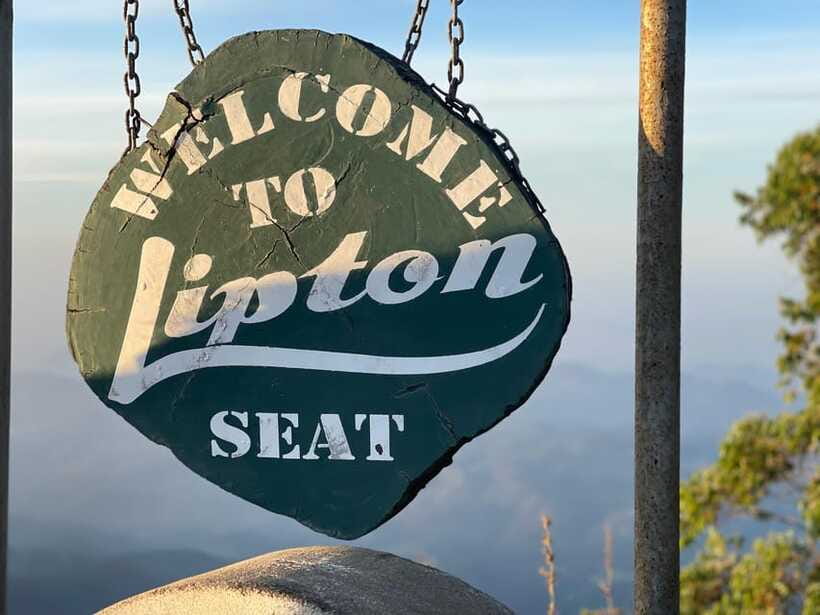
Dambatenne Tea Factory is where the tour earns its keep. The factory is described as being built in 1890 by Sir Thomas Lipton, a key name in tea history. That matters because this place isn’t just a modern attraction—it’s tied to the era when tea production was organized like an industry and shipped like an export business.
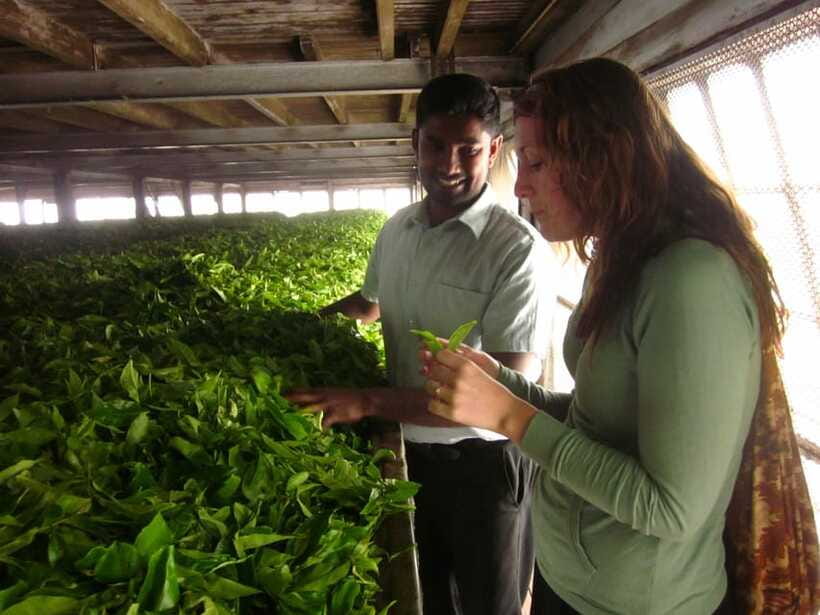
Inside, you get a guided walk through the production flow. You should come away understanding how tea changes along the way, and the tour specifically covers these stages:
- fermentation
- rolling
- drying
- cutting
- sieving and grading
Even if you’ve never studied tea processing, seeing the sequence in person helps. Fermentation is where chemical changes shape flavor potential. Rolling helps define the leaf shape. Drying locks in what you’re building. Cutting, sieving, and grading are about size consistency and quality standards—things you won’t think about when you’re just drinking a cup at home.
You’ll also get time to shop afterward if you want tea to take home, and you’ll have the chance to try a cup after the factory tour. That tasting is often where the learning clicks, because you can connect what you saw to what you’re tasting.
Guided time at the factory: plan for quick learning, then your own pace
The factory portion is listed as about 45 minutes, including guided time and some free time (walking/shopping/self-guided). That time window is important: it means you’ll get a solid overview, but you’re not there for a full slow-school seminar.
If you want to get the most out of the visit, come with 2–3 questions ready. For example:
- Which step has the biggest impact on flavor?
- What tea styles come from these processing choices?
- How do they decide on grading?
If your guide is strong, you’ll hear extra context as you walk—some guides talk about culture and the landscape you’re passing too, not just machines and steps. If your guide keeps it very short or focuses mostly on getting you from one room to the next, you can still learn a lot, but you’ll want to ask questions during the moments you have.





The tuk-tuk moment: why a short ride can make the scenery feel real
You’ll have about 30 minutes in a tuk-tuk as part of the day’s movement. It’s not a long ride, but it’s a nice shift from the car because you feel more of the roadside reality—how close daily life sits to the plantations.
This is also a good chunk of time to slow down and watch for details: how tea fields are laid out, how paths connect to villages, and how the countryside changes as you climb and approach the viewpoints.
Lipton’s Seat: the lookout that turns tea hills into a map
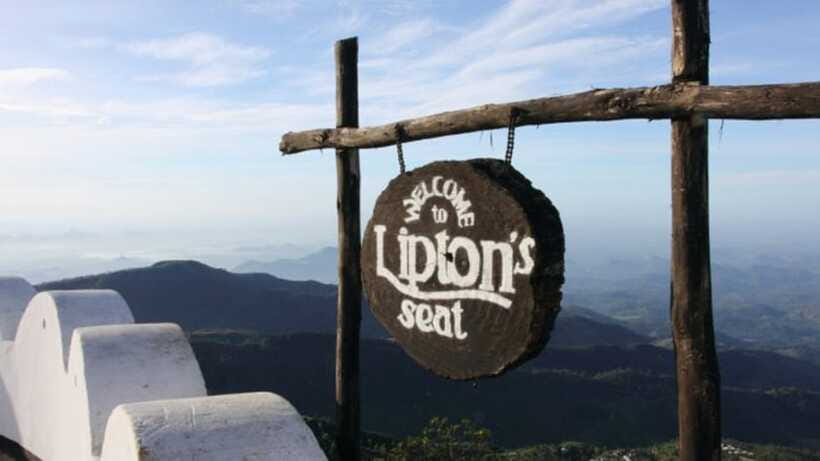
Lipton’s Seat is the other big reason to book this tour. It’s described as one of Sri Lanka’s most impressive viewpoints, and it connects directly back to Sir Thomas Lipton, who used to survey his tea empire from up here.
The viewpoint is also where the day’s story becomes visual. From Lipton’s Seat, you’re meant to be able to look across emerald hills and tea estates and see across multiple provinces—up to seven are mentioned. Whether you can see all of that clearly depends on weather, cloud cover, and haze.
Best time to go: early morning beats cloud roulette
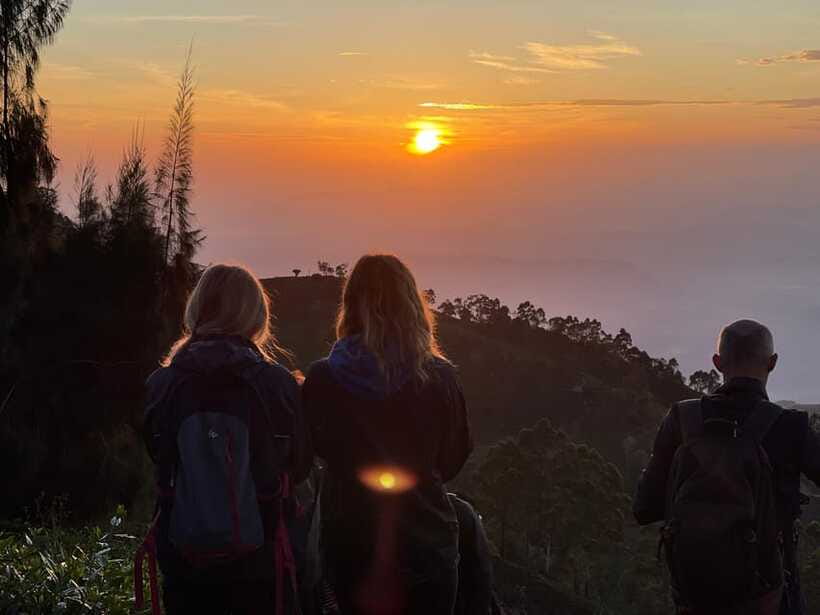
This is one of the most important practical notes for your planning. Early morning is recommended for fewer clouds and less mist. If you arrive late, you might get great tea history but a view that’s softened into gray layers.
So if you can choose your departure time (or if your operator schedules you early), take it. The difference between a sharp, wide panorama and a foggy blur is huge for photos and for that wow feeling.
You’ll have about 45 minutes at the lookout, and it’s mainly self-guided plus a walk/scenic time on the way. That means you can pace yourself—stop, look, take photos, and just breathe in the scale.
Food, entrance fees, and the small choices that prevent a rough day
This tour includes bottled water, but it doesn’t include food and drinks unless specifically arranged. That can be totally fine if you plan ahead, but it can also turn annoying if your timing doesn’t match hunger.
Here’s what I suggest:
- Eat something before you leave Ella.
- Carry a snack if you’re the type who gets cranky when tea tourism runs long.
- Be ready for entrance fees if they apply at either site, since they’re listed as not included.
Also bring a way to protect yourself from sun and light rain. Tea-country weather can change fast around viewpoints, and you’ll be outside.
The tour experience on days when everything goes right (and when it doesn’t)
There’s a real split between people who come away thrilled and people who feel disappointed. The difference usually isn’t the tea itself. It’s how much your day turns into a smooth story versus a rushed transport run.
When it goes right, you’ll feel:
- a clear sequence at the factory
- enough time to ask questions
- helpful explanation on the drive
- a calm lookout where you can actually look
When it goes wrong, it tends to feel like:
- you get dropped at Lipton’s Seat with minimal context
- you only see the highlights for a short window
- the pacing turns into nonstop driving between places
You can protect yourself from this by being proactive:
- Ask your driver/guide early what the plan is for timing at Lipton’s Seat and how much time you’ll have for explanation.
- Tell them right away if you care more about the viewpoint photos or more about tea processing detail.
- Don’t wait until you’re already at the lookout to start asking questions.
Who this Ella tea tour is best for
This is a good fit if you like:
- learning how everyday products are made
- tea-plantation landscapes
- structured sightseeing without needing to drive yourself
- viewpoints that reward early starts
It’s also a decent match for solo travelers who want a day filled with clear checkpoints.
It may not be your best choice if you:
- need lots of time at each stop (because some parts are necessarily timeboxed)
- can’t handle uneven walking surfaces
- prefer a day with long unstructured exploration rather than two main sights
Should you book this tour from Ella?
If you want an easy, organized day focused on tea production plus one of the best viewpoints in the area, I’d say it’s worth booking. Dambatenne gives you the process behind tea, and Lipton’s Seat gives you the big-picture view that makes tea country feel real.
My main caution is simple: pace and guidance quality matter. If you’re booking with the mindset that you’ll ask questions, enjoy what you see in the time you have, and go early to avoid mist, the experience tends to land well.
If your top priority is a slow, lingering hike with lots of time off the schedule, look for a more flexible option. But for a first time Ella tea day, this one hits the sweet spot between learning and scenery.
FAQ
FAQ
How long is the tour?
It’s listed as 8 hours from Ella to the tea factory and Lipton’s Seat, with return to your hotel.
Where does the tour start?
Your tour pickup is from your hotel in or around Ella.
Is hotel pick-up and drop-off included?
Yes—hotel pick-up and drop-off are included.
Do I get a guided tour at Dambatenne Tea Factory?
Yes. You’ll have a guided tour at the factory, and there’s also some time for shopping/walking/self-guided exploration.
Will I be able to taste tea?
Yes. After the factory tour, you’ll have the chance to try a cup.
How long will I spend at Lipton’s Seat?
Lipton’s Seat is listed as about 45 minutes, including walking and self-guided time with scenic views on the way.
Is food included?
No. Food and drinks are not included, unless specified by your provider.
Are entrance fees included?
Entrance fees are listed as not included.
What should I bring?
Bring comfortable shoes, sunglasses, and a sun hat.
Is the tour wheelchair accessible?
No, it’s listed as not wheelchair accessible.
What happens on Sundays?
On Sundays, no processing takes place at the tea factory, so there’s little to see there.