Cooking in a Kandy home beats a studio class. This hands-on lesson with The Best Kandy Kitchen takes place in a family kitchen near the Bahirawakanda Mountain and the big Buddha statue, and you’ll learn how everyday cooking shapes Sri Lankan meals. I love the market-to-stove flow and the small group size (up to 2 people), which means you can actually ask questions. One possible drawback: it’s a family rhythm, so even though you season and participate, the hosts do a good chunk of the prep and cooking.
You’re not just making food—you’re seeing how a Sri Lankan household cooks, chats, and feeds a day’s worth of meals. Expect about 3 hours of cooking and eating, including ten vegetable dishes, coconut sambol, coconut roti, and fish or chicken (your choice), plus the recipes to take home.
In This Review
- Key highlights you’ll feel right away
- A Kandy home-cooking class with real family rhythm
- Where you’ll be cooking: Bahirawakanda-area calm, inside a home kitchen
- The menu: what you actually learn to cook
- Market walk and spice know-how (if you want it)
- How the lesson works: women teaching and you doing real work
- Coconut roti and sambol: the best “take-home” skills
- Dishes you’ll likely talk about later: curries, eggplant, and mushrooms
- Eating part of the lesson: how the meal becomes the final test
- Timing, transport, and what to plan around
- Price and value: $99 for up to 2
- What to bring (and what to skip)
- Who should book this Kandy cooking class
- Should you book The Best Kandy Kitchen?
- FAQ
- FAQ
- How long is the cooking class in Kandy?
- How many people are in the group?
- Is pickup and drop-off included?
- What language is the instructor?
- What dishes are included in the class?
- Can I visit the local market as part of the experience?
- Do you get recipes at the end?
- What should I bring with me?
- Are there any restrictions on pets or assistance animals?
- Is the class suitable for wheelchair users?
- What is the cancellation policy?
Key highlights you’ll feel right away
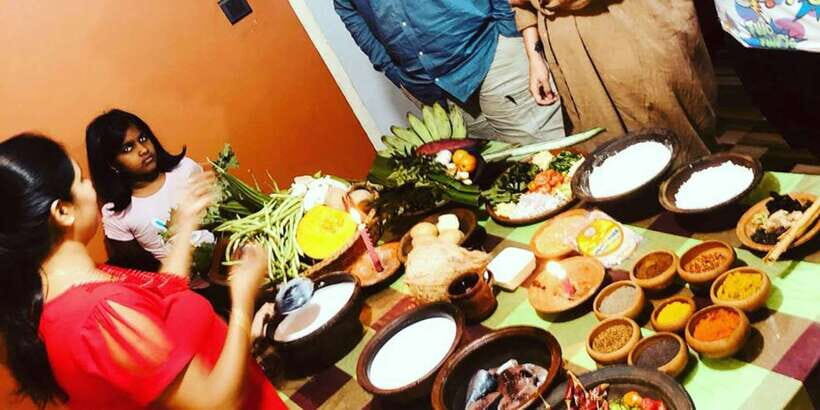
- Family kitchen near Bahirawakanda: a calm green setting close to the Kandy area’s landmark Buddha view
- Small group up to 2: more hands-on time and easier back-and-forth in English
- Market and spices focus: you can go to the local market and learn how produce and spices get used
- A full menu, not a sampler: ten vegetable dishes plus coconut sambol, coconut roti, and fish/chicken
- Women-led instruction: teaching comes from the wife, sister, and mother (with family help along the way)
A Kandy home-cooking class with real family rhythm
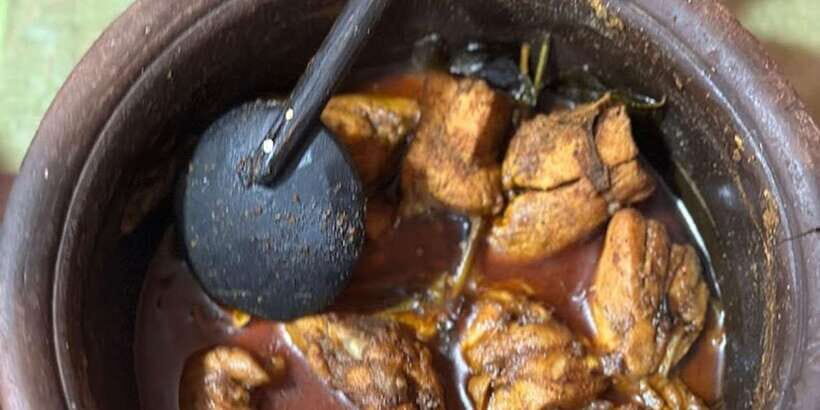
The biggest reason I like this class is simple: it feels like you’re stepping into a real Sri Lankan kitchen, not watching someone perform for a camera. The Best Kandy Kitchen is run by a local family who live near the Bahirawakanda Mountain, with the big Buddha statue nearby. That matters, because you’re not only learning recipes. You’re learning how food fits into daily life.
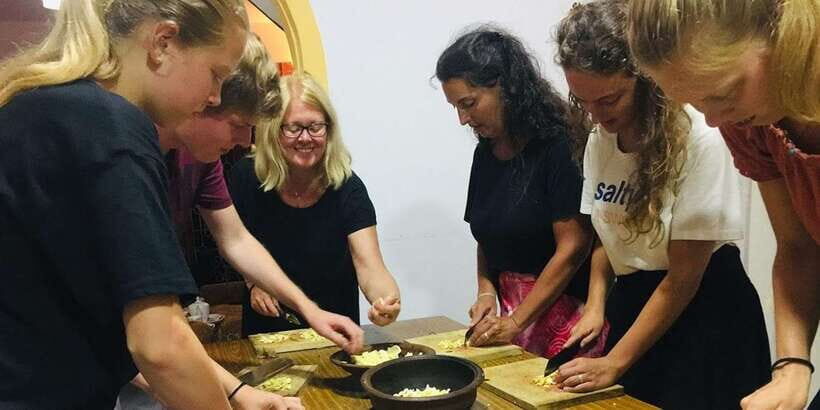
The class is held inside their home kitchen, so the atmosphere is practical and warm. You’ll move through ingredients, spices, and cooking steps while the family keeps things flowing. In other words, it’s hands-on work with context—not a lecture.
And the small group size (up to 2 participants) changes everything. When there are only a couple of you, you can ask about substitutions, spice heat, and timing without having to shout over the next person’s questions. It also helps you actually taste as you go, rather than just waiting for the final plate.
You can also read our reviews of more tours and experiences in Kandy.


Where you’ll be cooking: Bahirawakanda-area calm, inside a home kitchen
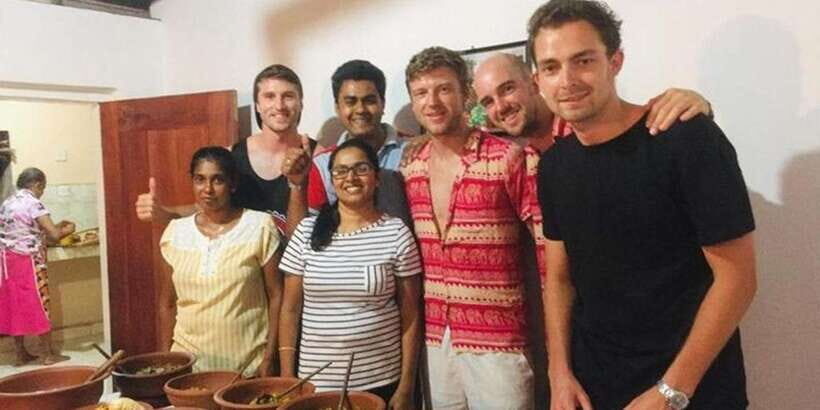
You’ll be picked up from around Kandy town, and the home is near Bahirawakanda Mountain, close to the big Buddha statue area. The class description also emphasizes the setting: a calm, green neighborhood feel.
What that means for you in practice:
- You’ll likely start the experience fresh, not drained from a long, complicated transfer.
- You’ll get a different Kandy side than the usual “sightseeing loop.” It’s more residential and grounded.
- Since it’s in a home kitchen, expect a lived-in environment—comforting if you like authenticity, slightly different if you’re expecting a commercial cooking school setup.
One more practical note: the class is listed as not suitable for wheelchair users. So if mobility access is a concern, it’s worth checking with the provider before booking.
The menu: what you actually learn to cook
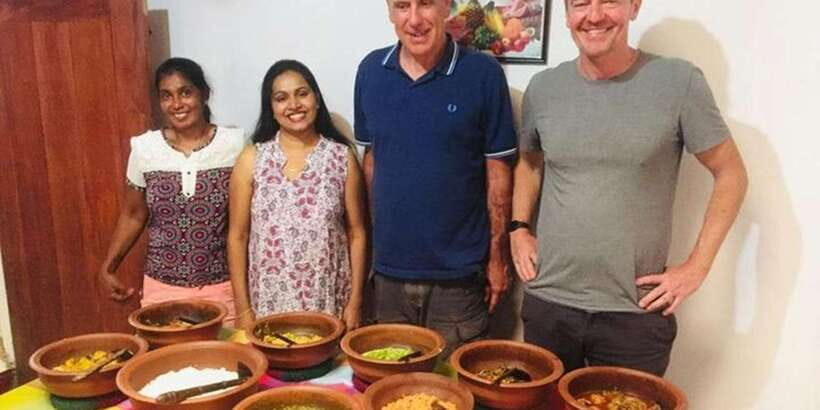
This class is built around a full Sri Lankan spread. The included dishes are substantial, not just one highlight curry. Here’s what you can expect to be part of:
- Ten types of vegetable dishes
- Fish or chicken, based on your choice
- Coconut sambol
- Coconut roti
- Water bottles during the experience
That lineup is a big deal for value. A lot of cooking classes “teach” by walking you through a single dish. Here, you’re working through a bundle of dishes, which means you learn patterns—how spice blends behave, how coconut changes the texture, and how different vegetables hold up in different curry styles.
From the way the family runs things, the lesson isn’t only about producing 13 perfect dishes. It’s about understanding what makes Sri Lankan cooking feel Sri Lankan: spice layering, coconut usage, and the balance of flavors across meal after meal.
You’ll also get recipes at the end. That’s not a throwaway printout. If you want to cook at home, recipes make it possible to repeat what you learned.
Market walk and spice know-how (if you want it)
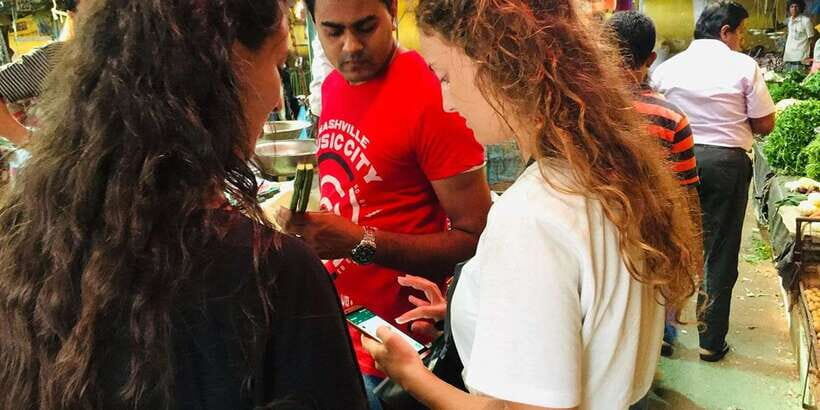
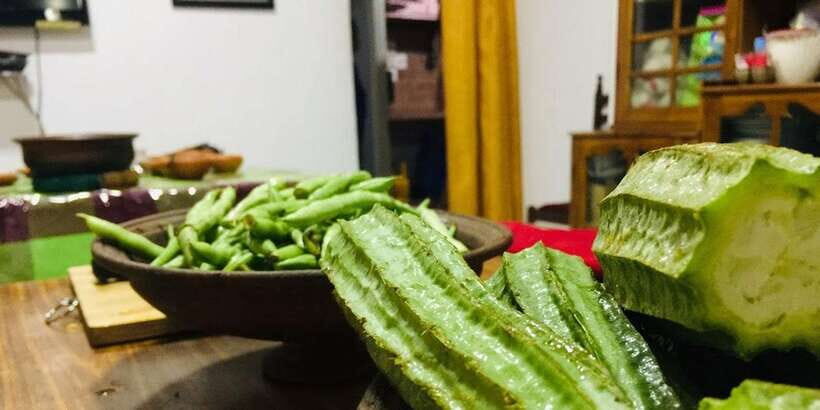
One of the most helpful parts is the option to visit the local market. The hosts guide you to understand ingredients up close—especially spices and vegetables—and explain how they’re used in everyday cooking.
A small detail I really like: the market guide you meet can be Dinesha, and that kind of friendly, local accompaniment makes the shopping side feel like part of the lesson, not an extra errand. You’re not just buying ingredients. You’re learning what to look for and why it matters.
In practical terms, this market component helps you later at home. When you understand what ingredients the dishes depend on—spice intensity, vegetable texture, coconut’s role—you’re less likely to end up with a “close enough” version that tastes off.
If you’re short on time or you’d rather skip market walking, you can still do the cooking focus. The market portion is described as guided for those who want that experience, so you have some choice.
How the lesson works: women teaching and you doing real work
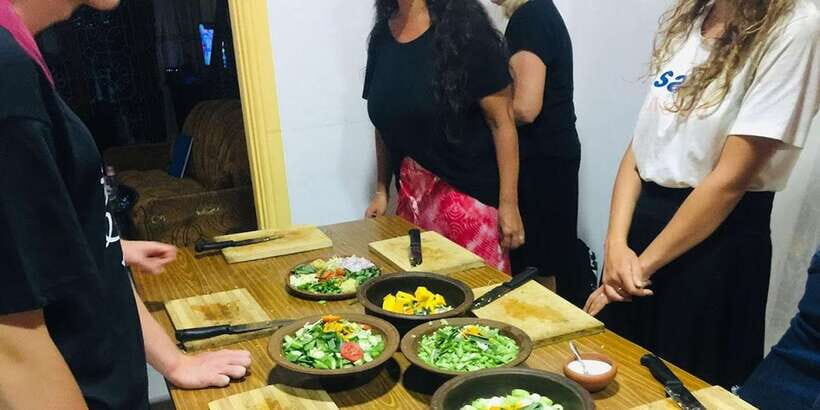
The class is explicitly family-led. There’s no big professional chef behind the curtain. Instruction comes from the women in the household—described as the wife, sister, and mother—and the family may also involve the children (including little girls who sometimes join).
This matters for two reasons.
First, it changes the pace. The teaching style is more like learning from someone you’d actually know, with practical explanations. That family context comes through in the questions people ask and how the cooking gets timed.
Second, it changes your role. You will be seasoning and participating, not just watching. Still, because the family cooks this way every day, they’re fast at the parts that take longer. That’s why some curries or dish elements may happen alongside your instruction—so you get guidance while dishes keep moving toward the table.
If you really want total control over every step, manage expectations a bit. In this setup, the goal is learning technique and flavor structure, not proving you can run the whole kitchen alone.





Coconut roti and sambol: the best “take-home” skills
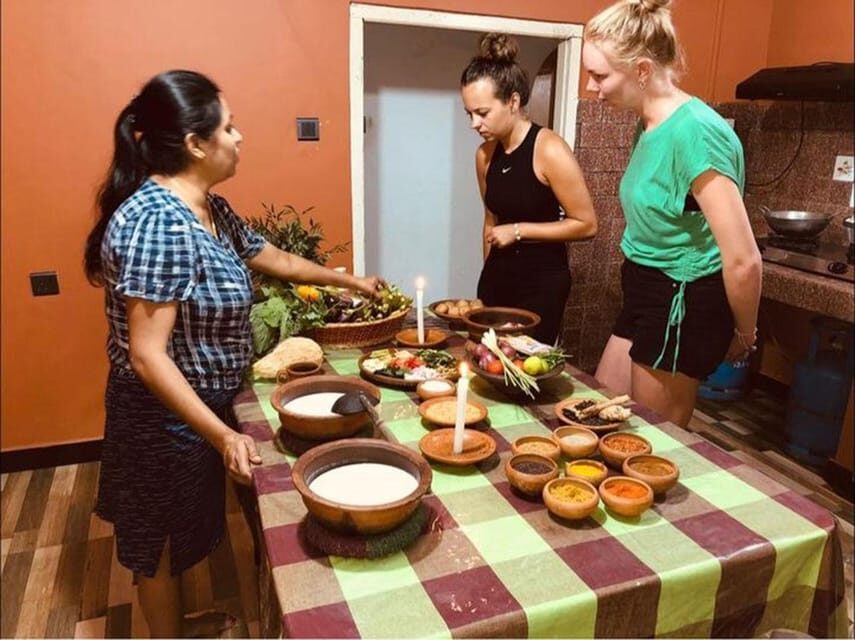
Two included items you’ll want to pay attention to are coconut roti and coconut sambol. In Sri Lankan food culture, these aren’t side ideas—they’re key flavor builders. Coconut roti gives you the comforting base. Sambol is where heat, crunch, and tang show up in a way that makes the rest of the meal pop.
One standout detail: people have described a highlight involving a very old sambol-making stone board (not a modern gadget). That’s the sort of thing you don’t learn from reading recipes. Seeing the traditional method helps you understand the texture—why sambol tastes the way it does, not just what ingredients go in it.
If you like cooking at home, this is where the class pays off most. Even if you don’t recreate every curry perfectly, you can practice roti and sambol and suddenly you’re eating like you traveled.
Dishes you’ll likely talk about later: curries, eggplant, and mushrooms
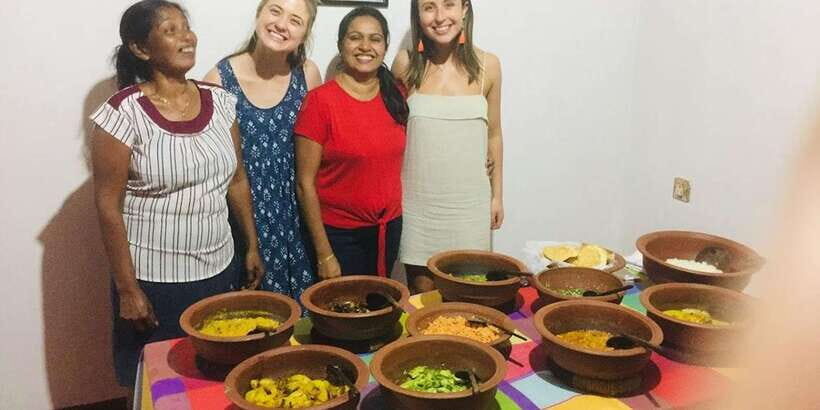
The menu covers lots of vegetables, but certain vegetable curries tend to stick with people. For example, eggplant and mushroom curry have been described as favorites.
That’s a good sign for you because these vegetables are usually forgiving enough to cook well in a curry framework. If you’re new to Sri Lankan spices, vegetable dishes can be a great learning path. They teach you curry fundamentals without the extra complexity that sometimes comes with seafood handling.
And with ten vegetable dishes in the mix, you’ll see how the same spice logic can shift depending on the vegetable—how long to cook, how thick the curry should feel, and how to balance coconut and heat.
Eating part of the lesson: how the meal becomes the final test
This class isn’t just cooking and then running. You end up eating the food you made (and you’ll likely feel proud doing it). That matters because it turns techniques into taste memory.
If you love food but sometimes struggle cooking what you ate abroad, this is the fix: you learn flavor in the moment, then you take recipes home to recreate it.
You may also notice that while the curries are being made, the family keeps things organized so you’re not stuck waiting forever. The experience is built as an efficient 3-hour loop that gets you through ingredients, cooking, and eating without dragging.
Timing, transport, and what to plan around
The experience lasts 3 hours. Pickup is included around Kandy town, and you’ll be asked to wait in the hotel lobby about 10 minutes before your scheduled pickup time.
This is worth planning carefully if you have other Kandy sights on your list. Three hours isn’t long, but it’s enough time that you’ll want a clear block before dinner plans.
Also note:
- Instructor is English
- Small group is limited to 2 participants
- You can usually choose fish or chicken, plus the ten vegetable dishes, coconut sambol, and coconut roti
If you’re traveling as a couple, this class can be a really good deal. You get a private-feeling experience for the price of a group class.
Price and value: $99 for up to 2
The listed price is $99 per group up to 2, with a duration of 3 hours. That’s not “cheap,” but it’s also not trying to sell you a high-volume factory experience.
For value, I look at what you actually receive:
- A family-run home setting (not a mass class)
- Small group up to 2
- A big menu: ten vegetable dishes plus coconut sambol, coconut roti, and fish/chicken
- Recipes at the end
- Pickup and drop-off around Kandy town
- Water bottles included
When you line those up, it starts to make sense. You’re paying for instruction plus food plus convenience plus a memorable cultural contact point.
If you’re solo, the “per person” cost becomes higher because you’re still booking a group slot up to 2. If you’re a couple or a friend pair, it’s easier to call it great value.
What to bring (and what to skip)
You’ll get the best experience if you come prepared for a home kitchen environment. Bring:
- Change of clothes
- Camera
- Cash
- Charged smartphone
Given it’s a cooking class inside a home kitchen, change of clothes is one of those small moves that saves you from “why did I wear my nice top” regret.
What to know about restrictions:
- Pets are not allowed (assistance dogs allowed)
- It’s not suitable for wheelchair users
Who should book this Kandy cooking class
This is a great fit if you:
- Want authentic home cooking rather than a commercial show
- Love learning spices and ingredients, not just following instructions
- Like small groups where your questions actually get answered
- Want recipes you can use later at home
- Are visiting Kandy and want something that feels local, not only scenic
It might be less ideal if you:
- Want a totally hands-off “watch and taste” experience
- Need step-free, wheelchair-accessible setups
- Have strong discomfort with family kitchens and the busy pace of home cooking
Should you book The Best Kandy Kitchen?
If your idea of a good trip includes learning how locals actually cook and eat, book it. The small group size, home kitchen setting near Bahirawakanda, and the menu scale (ten vegetable dishes plus coconut sambol/roti and fish/chicken) make it a strong “learn a lot for your time” choice.
My tipping point for you: you’re not leaving with one curry recipe. You’re leaving with patterns, spice understanding, and multiple dishes you can attempt later. That’s the kind of souvenir that keeps paying off after the flight home.
FAQ
FAQ
How long is the cooking class in Kandy?
The class lasts 3 hours.
How many people are in the group?
It’s a small group limited to 2 participants.
Is pickup and drop-off included?
Yes. Pickup and drop-off are included around Kandy town.
What language is the instructor?
The instructor speaks English.
What dishes are included in the class?
You’re included for ten types of vegetable dishes, coconut sambol, coconut roti, and fish or chicken (based on your choice).
Can I visit the local market as part of the experience?
If you want the market experience, the hosts guide you to the local market and explain spices and vegetables.
Do you get recipes at the end?
Yes. Recipes are provided at the end of the class.
What should I bring with me?
Bring change of clothes, a camera, cash, and a charged smartphone.
Are there any restrictions on pets or assistance animals?
Pets are not allowed. Assistance dogs are allowed.
Is the class suitable for wheelchair users?
No, it is listed as not suitable for wheelchair users.
What is the cancellation policy?
You can cancel up to 24 hours in advance for a full refund.