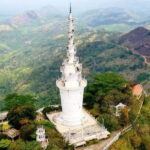
A fast path through Sri Lanka icons. You’ll get a private 4-day route (up to three people) starting 8:00 am with pickup offered, plus a mobile ticket and a mix of big-ticket sights from Anuradhapura to Trincomalee. I like that the operator pitches a government-licensed, insured setup, and I also like the human touch: Aruna’s approach is described as dependable, safety-minded, and good at tailoring the day’s pace.
One practical catch: admission tickets are not included for several major stops, including Dambulla Cave Temple, Sigiriya, Jaya Sri Maha Bodhi, and Nalanda Gedige. If you’re budgeting, treat entrance fees as extra on top of the tour price.
This route is built for people who want to move efficiently, see classic cultural ruins, and still get a real wildlife-and-beach payoff by the end.
In This Review
- Key things that make this tour work
- Entering the route: Anuradhapura to Trincomalee in 4 days
- Day 1: Dambulla Cave Temple, Sigiriya, and Anuradhapura’s sacred places
- Day 2: Mihintale heritage and a Wilpattu safari built for leopards
- Day 3: Polonnaruwa ruins, Minneriya elephants, and Giritale tanks
- Day 4: Nilaveli sea time and Pigeon Island National Park snorkeling and diving
- Price and logistics for a private group of up to 3
- What you gain when Aruna is driving and explaining
- Who should book this, and who might want to tweak expectations
- Should you book this 4-day Anuradhapura, Polonnaruwa and Trinco tour?
- FAQ
- How long is the 4 Days Tour of Anuradhapura, Polonnaruwa and Trinco?
- Where does the tour start?
- How many people can join this private tour?
- What’s included in the tour price?
- Are admission tickets included for the temples and sites?
- What wildlife experience is included?
- What beach and water activities are included on the final day?
- Is this tour operated by a licensed provider?
- What is the cancellation policy?
Key things that make this tour work
- Private group up to 3 for easier timing and less waiting around
- Pickup offered and a clear start at 8:00 am
- Aruna’s style of adjusting the plan and explaining as you go
- Wildlife mix: Wilpattu leopard focus plus Minneriya elephant watching
- Multi-genre days: caves and rock fortresses, heritage sites, ruins, then Nilaveli and Pigeon Island
- Admission fees extra at multiple key stops, so you can plan your cash needs
Entering the route: Anuradhapura to Trincomalee in 4 days
This 4-day experience is basically a Sri Lanka greatest-hits loop, but with enough variety to keep it from feeling like one long bus ride. You’ll base out of the Kandy area (tour location listed as Kandy), then pack in central cultural sights like Dambulla and Sigiriya, swing into the Anuradhapura zone, continue to Polonnaruwa, and end along the Trincomalee coast.
What makes it feel efficient is the way each day has a clear theme. Day 1 leans sacred and scenic. Day 2 shifts to heritage plus a Wilpattu safari. Day 3 is ruins plus elephants. Day 4 is ocean time, with swimming and snorkeling options.
It’s also designed as a private tour, meaning only your group participates. That matters because you can keep a steadier rhythm—stop when you need to, and don’t lose time to other groups.
You can also read our reviews of more tours and experiences in Kandy.

Day 1: Dambulla Cave Temple, Sigiriya, and Anuradhapura’s sacred places
Day 1 starts with Dambulla Cave Temple (about 1 hour 30 minutes). This is one of those stops that rewards simple planning: you’ll want comfortable shoes because caves and temple areas can involve uneven steps and dark sections. Admission isn’t included, so budget for entrance when you arrive.
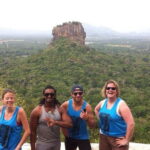
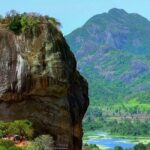
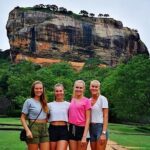
Next is Sigiriya: the Ancient Rock Fortress, scheduled for about 3 hours. The itinerary calls out a small, low-risk hike, which is a great sign if you want views without turning the day into a fitness challenge. Even if you’re not the type to memorize facts, this place hits hard visually—the rock fortress is famous for a reason, and the climb helps you understand how it was built to dominate the landscape.
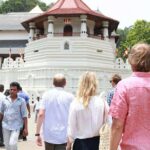
Then you move into Anuradhapura with Jaya Sri Maha Bodhi, which is paired with time to see 16 ruined places as part of the visit (about 5 hours). This isn’t just one monument stop. It’s more like a guided walk through layers of the ancient city—ideal if you like religious sites where the meaning shows in the details.
Later in the Matale area, the plan includes two shorter, very different “cultural texture” stops:
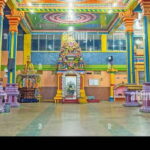
- Muthumariamman Temple / Arulmigu Sri Muthumari Amman Kovil: a Hindu temple dedicated to Mariamman, with the name meaning tied to rain and fertility (Muthu = pearl; Mari = rain; Amman = mother in Tamil).
- Aluvihare: a suburb of Matale (about 3.5 km north of Matale), founded around 300 B.C. and located along the Kandy–Jaffna highway.
You finish Day 1 with Nalanda Gedige (only 15 minutes). It’s described as an old, mysterious structure with a mix of Hindu and Buddhist architecture, and it was rediscovered in 1893 by H. C. P. Bell. Even with a short stop, this is the kind of place that makes your day feel less cookie-cutter.
Day 2: Mihintale heritage and a Wilpattu safari built for leopards
Day 2 opens with Mihintale (about 2 hours). This is a heritage site that pairs well with Day 1 because it keeps the spiritual and historical theme going. The value here is pacing: two hours is enough time to walk, look closely, and actually absorb what you’re seeing instead of sprinting for photos.
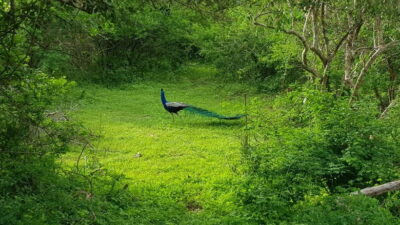
After that comes the main wildcard: Wilpattu National Park safari time (listed as full day or half day, with 6 hours noted for the safari segment). The itinerary’s focus is leopards, which is a useful detail because you can set expectations accordingly: wildlife spotting is never guaranteed, but prioritizing leopards means your safari route and search effort should align with that goal.
You’ll also have time tied to Nuwara Wewa, described as the largest of the three man-made reservoirs in Anuradhapura. Reservoir areas often change the feel of a day. In practice, this kind of stop can break up long drives and give you a natural pause point between heritage walking and safari time.
Day 3: Polonnaruwa ruins, Minneriya elephants, and Giritale tanks
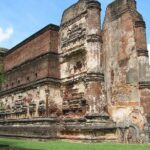
Day 3 is a classic cultural-ruins day with an active option. Polonnaruwa is scheduled for about 5 hours, and the plan mentions a cycling tour to reach more places inside the ancient city. If you like ruins but also like movement, this is a smart way to cover ground without making it feel like a checklist. Cycling can also make the site feel less crowded because you control your pace.
Polonnaruwa is framed as Sri Lanka’s 2nd Kingdom, which helps you understand why the ruins feel different from the earlier Anuradhapura zone. You’re not just seeing old buildings—you’re seeing a different chapter of power, layout, and craftsmanship.
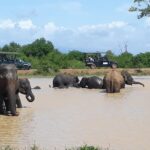
Then it shifts into wildlife mode with Minneriya National Park for elephant watching (about 4 hours). This is one of the best “wow” shifts in the whole itinerary. It’s also nicely balanced against the ruins day, because you’re switching from stone-and-stories to living movement.
The day also includes Giritale tank, a reservoir connected with both Giritale and Minneriya. Even without turning it into a long detour, adding a tank/reservoir detail is helpful because it gives context for why animals gather where they do.
Day 4: Nilaveli sea time and Pigeon Island National Park snorkeling and diving
Day 4 is the payoff if you’ve been touring inland. You start with Nilaveli Main Beach for about 2 hours, described as having a very sky-blue look and offering a safe sea bath. That’s a practical description, because beach time works best when it’s not a “guess if the water is okay” situation.
Then you head to Pigeon Island National Park for about 5 hours. The plan specifically mentions swimming, diving, snorkeling, and surfing, which tells you this day is built for active water time, not just sitting with a drink. If you’re planning gear, keep it simple: bring what you need for water comfort, and confirm locally what’s available for activities like snorkeling or surfing since equipment availability can vary.
You also finish the theme of “Trincomalee-area nature” by including Kantale Dam (listed as an irrigation dam in Kantale, Trincomalee District). Even if it’s not the longest stop, it rounds out the day so the coast visit doesn’t feel like only beach.
Price and logistics for a private group of up to 3
The price is $215.00 per group (up to 3) for approximately 4 days. That pricing is important because it changes the value equation. With a private vehicle and driver across multiple days, $215 can actually be cost-effective if you’re traveling with two people, since the per-person share drops.
Also, the tour includes pickup offered and mobile ticket, which reduces admin friction. The operator states it’s government licensed and includes full insurance, which is the kind of detail you want when you’re doing long days that involve safari and rural drives.
Just don’t ignore the biggest budget factor: admission tickets are not included for multiple key sights. When a plan lists temple and heritage tickets as extra, I treat it like this: your tour price covers the vehicle, driving time, and guide-style service, while your site entrances are separate. Build that into your total cost so you’re not surprised mid-trip.
Finally, the tour timing starts at 8:00 am, which usually helps you beat heat and crowds for morning sights.
What you gain when Aruna is driving and explaining
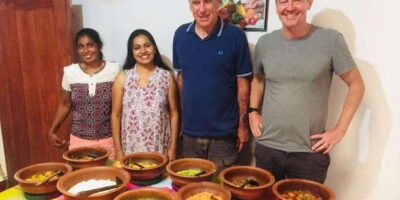
One of the strongest parts of this experience is the human side. Aruna is described as dependable and genuinely enthusiastic about showing the country, plus attentive to what the group needs. In one example, a family traveling with a one-year-old baby needed extra consideration, and Aruna was reportedly careful about that.
This matters because the itinerary is packed, and the difference between a good day and a stressful one often comes down to small decisions: pacing, when to take a breather, and how to handle changes if someone needs a pause. A driver who explains helps you understand what you’re looking at, especially at places like Nalanda Gedige or the cave temple where context makes the visuals land harder.
I also like the communication vibe described here: messages exchanged ahead of time, and a willingness to tailor the day rather than push a rigid schedule.
Who should book this, and who might want to tweak expectations
This tour fits best if you want a balanced mix: sacred sites (Dambulla, Sigiriya, Jaya Sri Maha Bodhi, Mihintale), heritage ruins (Polonnaruwa), wildlife time (Wilpattu for leopard focus and Minneriya elephants), and a real end-of-trip coast break (Nilaveli and Pigeon Island).
You might want to tweak expectations if you’re looking for a slow, laid-back pace. The itinerary includes multiple long segments (like Wilpattu and Polonnaruwa) plus shorter “supporting” stops in between. That’s not bad, just a style choice.
It’s also aimed at a broad range of people. The tour info says most people can participate, which is helpful if you’re not trying to filter for extreme activities. Just remember: there are hikes/steps at major sights, and water activities on the last day, so basic mobility and comfort with heat/walking will matter.
Should you book this 4-day Anuradhapura, Polonnaruwa and Trinco tour?
I’d book it if your ideal Sri Lanka trip includes three things: classic highlights in the cultural zones, a real safari attempt with a leopard focus, and a final couple of days that feel like you actually reached the coast. The private-group setup (up to three people) makes it easier to keep the plan flowing without constant coordination.
Before you hit the book button, do two practical checks:
- Ask about entrances for your exact dates. The itinerary flags tickets as not included for key sites, so you’ll want a rough total for entrances in your budget.
- Plan for weather variability on safari and outdoor segments. The experience requires good weather, so build in flexibility in your mindset.
If you want a tour that mixes big sights with wildlife and then finishes with real sea time, this one is a strong match.
FAQ
How long is the 4 Days Tour of Anuradhapura, Polonnaruwa and Trinco?
It runs for approximately 4 days.
Where does the tour start?
The meeting time is 8:00 am, and pickup is offered.
How many people can join this private tour?
It’s a private tour/activity, and the group size is listed as up to 3.
What’s included in the tour price?
The price is $215.00 per group (up to 3). The tour also includes pickup offered and a mobile ticket, but admission tickets are listed as not included for several major stops.
Are admission tickets included for the temples and sites?
Admission tickets are not included for multiple stops listed in the plan, including Dambulla Cave Temple, Sigiriya, Jaya Sri Maha Bodhi, and Nalanda Gedige.
What wildlife experience is included?
You’ll have safari time at Wilpattu National Park with a focus on watching leopards, and you’ll also do elephant watching at Minneriya National Park.
What beach and water activities are included on the final day?
Nilaveli Main Beach is included for sea bathing, and Pigeon Island National Park is included with swimming, diving, snorkeling, and surfing listed.
Is this tour operated by a licensed provider?
The tour overview states it is handled by a government licensed tour agent, and it includes full insurance.
What is the cancellation policy?
Free cancellation is offered up to 24 hours in advance for a full refund, and the experience requires good weather.