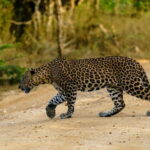
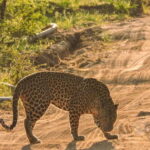
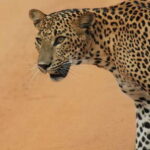
Yala’s leopards need timing, not luck. This safari is planned around the park’s best 2-hour window for leopard spotting, so you’re not just driving around and hoping. You’re also working with a team that reacts fast when an animal is signaled, which is exactly how you improve your chances in Yala.
I also like the practical setup: pick-up in the Tissamaharama area and surrounding towns, and safari jeeps that keep the group small (max 7 passengers), making the ride more comfortable for photo stops and quick repositioning. One possible drawback: the Yala entrance and service fees are not included, and they can add a noticeable amount to your total.
In This Review
- Quick hits
- Yala’s Best 2-Hour Leopard Window: Why the Timing Matters
- Pickup From Tissamaharama and Nearby Towns: The Hidden Value of a Good Start
- Main Entrance Stop: Your 30 Minutes to Get Ready
- First Game Drive (About 2 Hours): Build Momentum Fast
- Patanangala Break (About 30 Minutes): Rest Without Losing the Thread
- Second Game Drive (About 2.5 Hours): More Chances, Better Angles
- The Wildlife Cast: What You Can Expect to See
- Full-Day vs Half-Day: What Changes in the Real World
- Price and Park Fees: Getting Real About Value
- Comfort and Jeep Style: Small Details That Affect Your Photos
- Eco-Friendly Safari Operations: Why It’s More Than a Buzzword
- Who Should Book This Yala Safari (and Who Might Skip It)
- Practical Tips for Your Yala Day
- Should You Book Ajith Safari Jeep Tours for Yala?
- FAQ
- Where is pickup offered for this Yala safari?
- How long is the half-day safari?
- How long is the full-day safari?
- Does the full-day option include lunch?
- Are park entrance and service fees included in the price?
- What type of vehicle is used?
- Is there an English-speaking guide?
- What animals can you expect to see?
- Is the tour suitable for everyone?
- What is the cancellation policy?
Quick hits
- Leopard-focused schedule built around the park’s best 2-hour period for sightings
- Small jeeps (max 7) so you get easier sightlines and less cramped seating
- English live guide with real wildlife-finding know-how
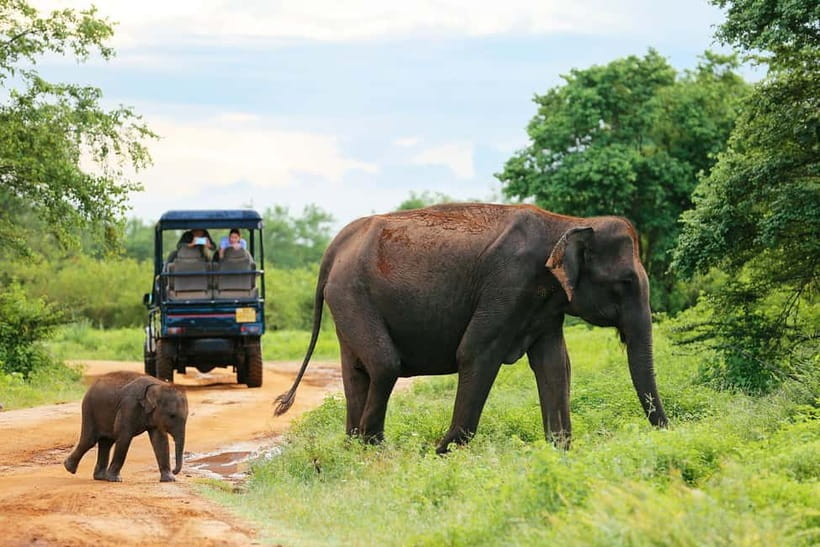
- Wildlife mix beyond cats including elephants, crocodiles, sloth bears, and buffaloes
- Full-day comfort perks like lunch plus water and cool drinks
- Eco-minded operations that support the local community
Yala’s Best 2-Hour Leopard Window: Why the Timing Matters
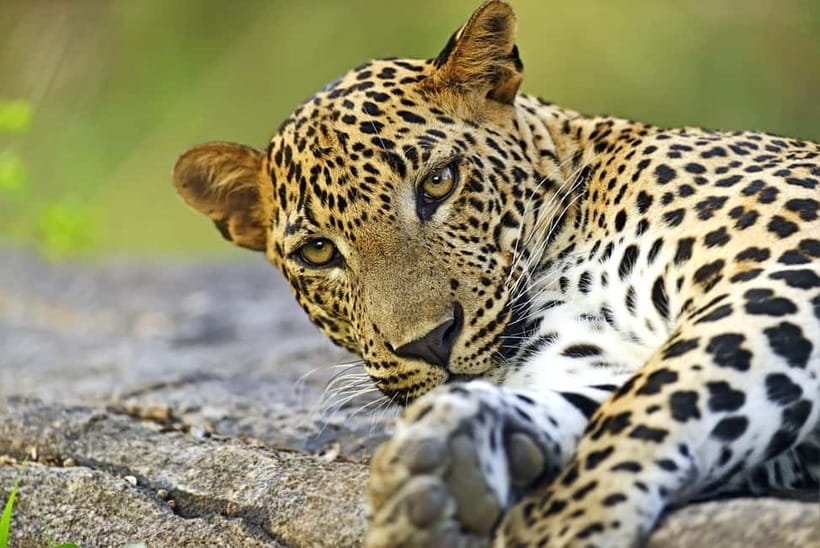
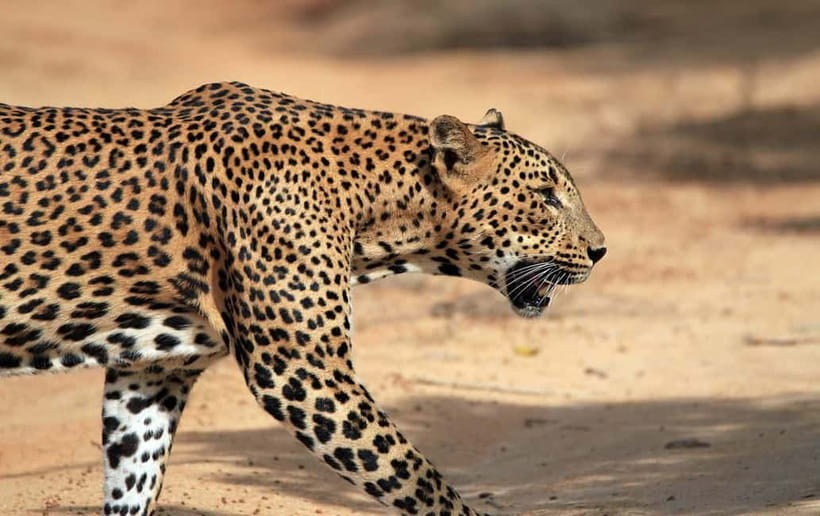
If you’ve come to Sri Lanka’s wild side, you’re probably chasing one thing: the leopard. What makes this safari smart is that it’s not based on a generic “any time is good” approach. The plan aims to have you in Yala during one of the best 2-hour periods for leopard activity and visibility.
Here’s how to think about it: Yala isn’t a zoo. Animals move, light changes fast, and heat can push wildlife into cover. When a tour is built around a short, high-probability window, you spend more time where it counts. That time-management piece is what separates a good Yala day from a frustrating one.
The other advantage is the team mindset. You’re not stuck waiting passively. When an animal is spotted, the vehicle drives to the signal quickly. That kind of responsiveness matters a lot in a place where sighting windows can be brief.
You can also read our reviews of more tours and experiences in Hambantota.
Pickup From Tissamaharama and Nearby Towns: The Hidden Value of a Good Start
Most safari frustrations start before you ever reach the gate. Long transfers, missed connections, and unclear pickup times can knock the day off balance. This experience keeps the opening smooth by offering hotel pickup and drop-off from the Yala-area stretch, including Tissamaharama and nearby towns like Kirinda, Weerawila, Palatupana, and Kataragama.
You’ll also get a real-world benefit from how they handle scheduling: pickup times are arranged based on the order of the hotels located between Tissamaharama and Palatupana, with timing shared the evening before. That means you’re less likely to waste precious morning or afternoon hours in transit.
And once you’re in the jeep, the small-group format helps. With a maximum of 7 passengers per jeep, you’re less squeezed when someone wants a better angle, you’re more likely to have space for your camera gear, and the driver can make repositioning stops without feeling like the vehicle is overcrowded.
Main Entrance Stop: Your 30 Minutes to Get Ready
You drive in for about 30 minutes to Yala’s main entrance, where you’ll have a short block of free time (about 30 minutes). This is a good moment to do the boring-but-important stuff: use the restroom if available, check your camera settings, and get your water sorted.
One practical note: the park entrance and service fee is not included, so you’ll want to plan for that extra cost. You’ll pay this on top of the safari price, so keeping cash or knowing your payment options ahead of time avoids last-minute stress.
This is also when you’ll feel the rhythm of the day set in. Yala is best when you treat it like a hunt: fast reactions, good readiness, and patience for long stretches without big sightings. Those first minutes help you start in the right headspace.
First Game Drive (About 2 Hours): Build Momentum Fast
After the entrance, the safari shifts into guided search mode with roughly 2 hours of game drive and wildlife viewing. This is when you want to pay attention to patterns rather than just animals.
For example:
- Look for movement where you wouldn’t expect it—trees, scrub edges, and open spots where animals feel exposed but still watchful.
- Scan for signs like tracks, wake-up calls from birds, and sudden changes in the way other animals behave.
- Trust the guide’s callouts. A good guide doesn’t just point. They help you understand what you’re seeing and why it’s there.
The value here is that the guide and driver are working together. When they pick up signals about an animal being visible, they move quickly. That can mean the difference between a brief glimpse and a real sighting you can actually appreciate.
Patanangala Break (About 30 Minutes): Rest Without Losing the Thread
Halfway through the experience, there’s a break stop at Patanangala for about 30 minutes. You should use this time to reset your body and your focus.
In hot conditions, even a short pause helps. After a game drive, people often feel stiff—neck, shoulders, and legs from sitting and leaning to see better. A break lets you stretch, refuel, and get ready for the next run.
One thing to keep in mind: wildlife doesn’t pause while you rest. That’s why timing matters. This break is intentionally slotted so you still get meaningful viewing time on both sides, rather than losing the whole flow of the day.
Second Game Drive (About 2.5 Hours): More Chances, Better Angles
The second section gives you about 2.5 hours of guided game drive and wildlife viewing. Longer viewing time on the back half is a smart move for Yala, because it gives you more opportunities for the animals to move, for light to change, and for sightings to reappear.
Also, the “back half” of a safari often feels different from the first one. Sometimes the first drive is about finding the right areas or reading the landscape for clues. The second drive can bring you closer to active zones or places where animals are more likely to be seen.
Your best strategy during these final hours is to stay alert but not frantic. You’ll get the most out of it when you:
- Keep scanning steadily rather than checking one area for too long.
- Watch the guide’s reactions. If the team perks up, something is usually happening.
- Be ready to move your camera quickly. In a place like this, slow setup can cost the shot.
The Wildlife Cast: What You Can Expect to See
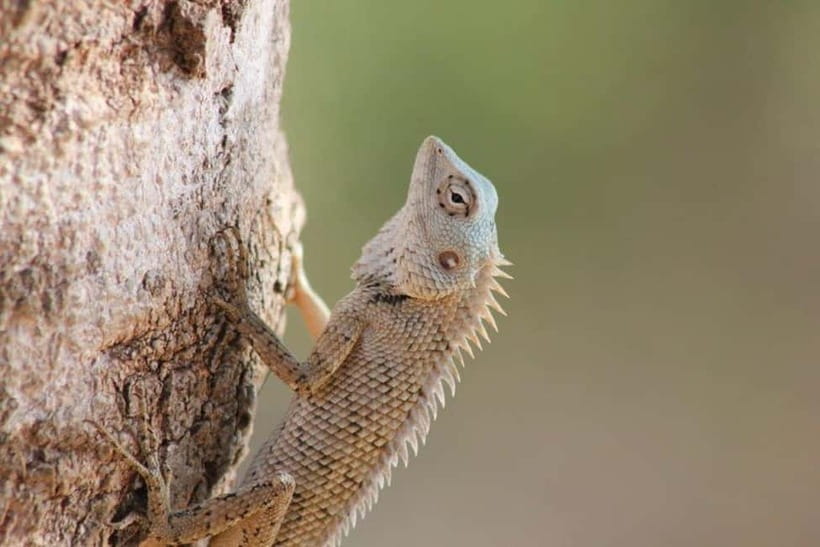
Yala is known for large predators, but the fun is that it doesn’t stop there. Based on the safari focus, you’re likely to run into a mix of big animals and lots of bird life.
Here’s what this safari highlights:
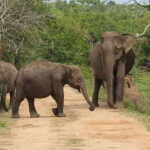
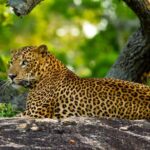
- Leopards: treated as the headline target, with the schedule designed around the best chances
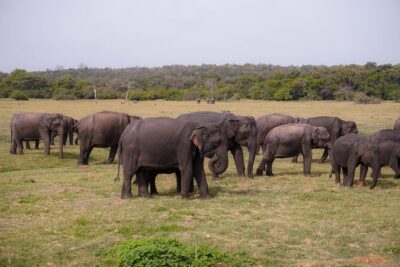
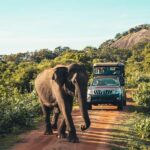
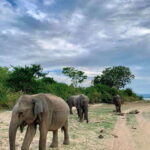
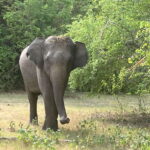
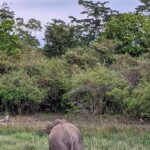
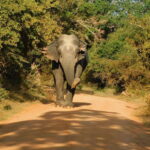
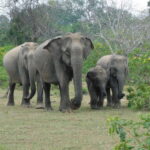
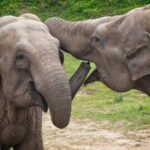
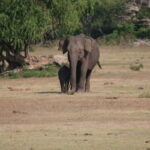
- Elephants: often seen in the park
- Crocodiles: a key part of the landscape’s wildlife story
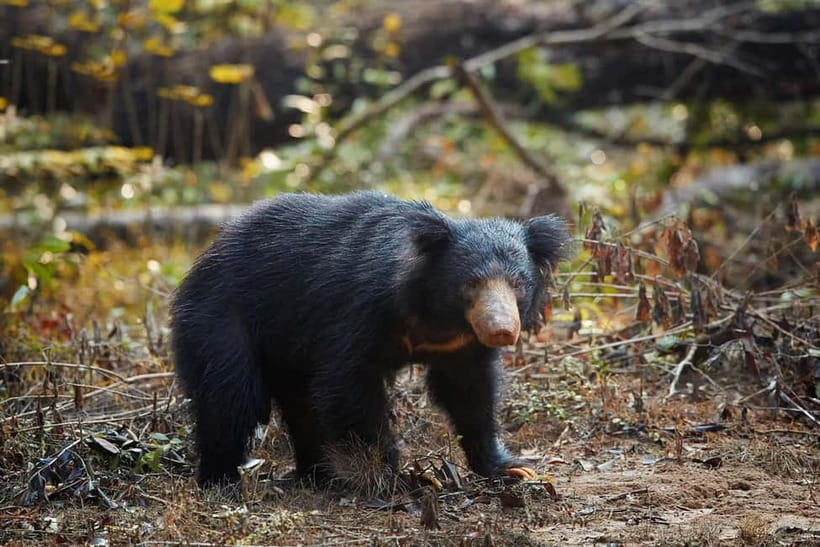
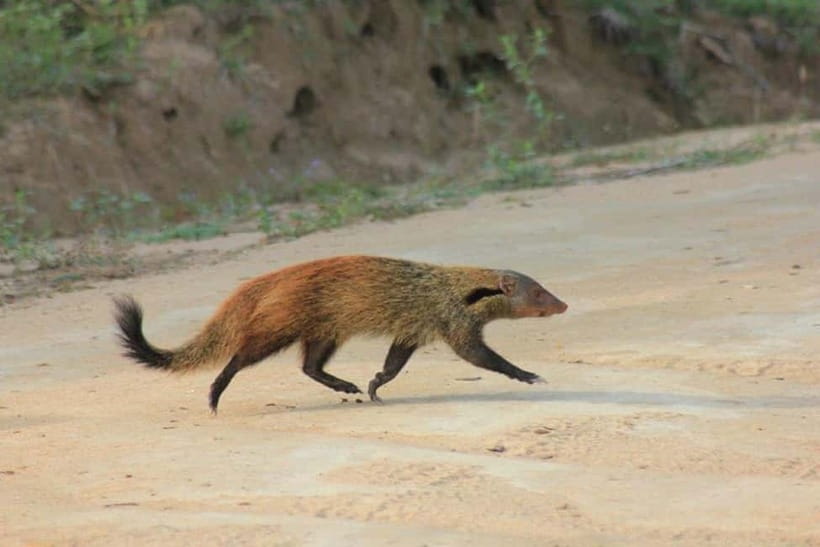
- Sloth bears and buffaloes: both mentioned as possible sightings
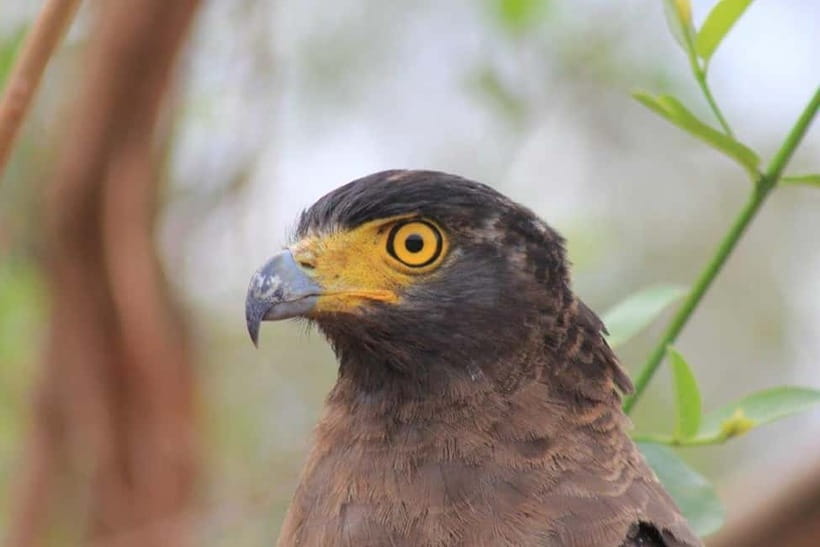
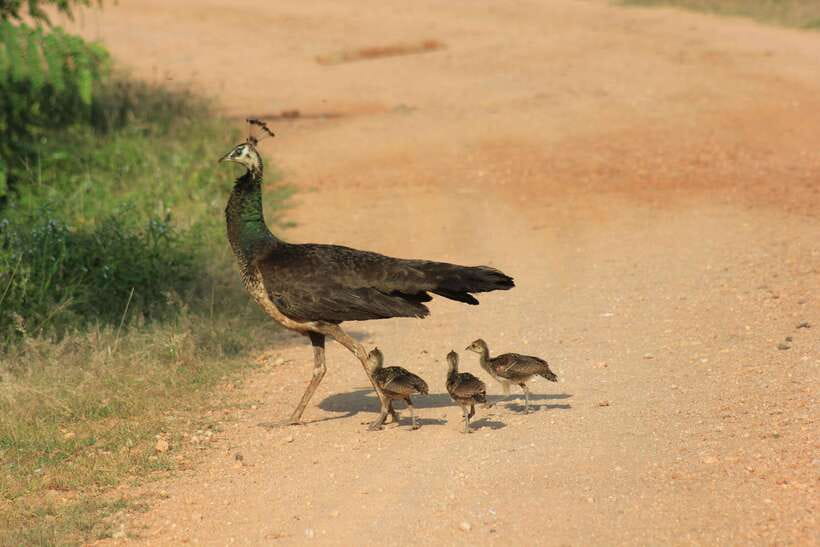
- Bird species: you’ll have time to appreciate the variety of local birds during viewing stops and drives
Now, a balanced reality check: Yala can be unpredictable. Animals may be hiding in heat, and sightings depend on where they are and how light is playing. That’s why this safari leans on timing, responsiveness, and a driver who gets you to the right signals quickly.
Full-Day vs Half-Day: What Changes in the Real World
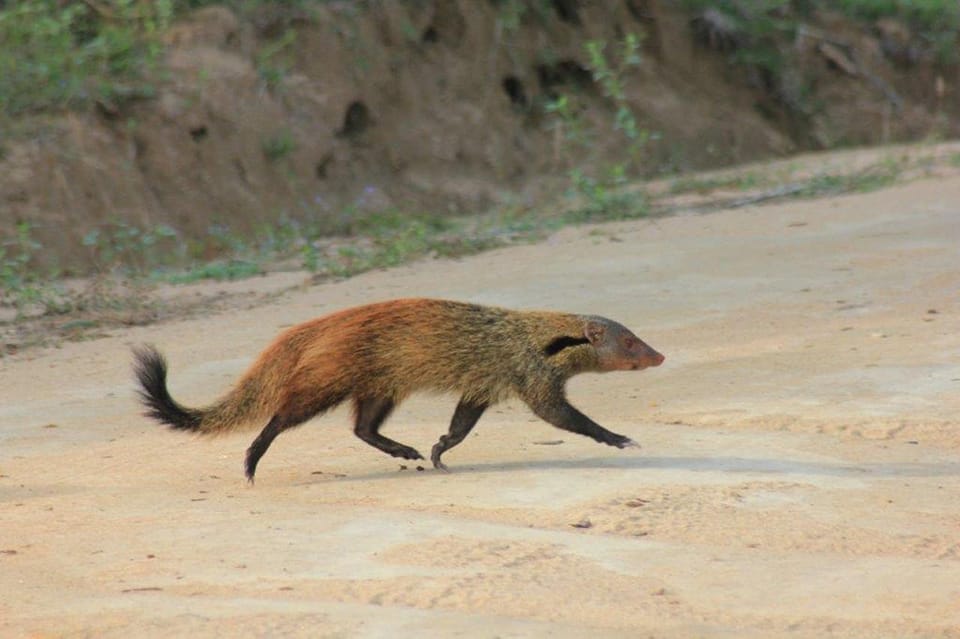
You can choose a half-day (about 4 hours) or a full-day (about 12 hours) option, and the difference isn’t just “more time on paper.” It changes what you can realistically do.
Full-day version adds:
- Lunch included
- Water and cool drinks included
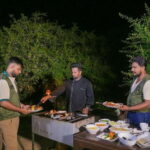
That matters because Yala days can be tiring, even if you’re not doing a walking safari. Heat and long sitting can drain you. Having food and drinks handled means you’re not hunting for supplies in the middle of a wildlife day.
If you’re on a tight schedule and want maximum action without eating the whole day, the half-day option can still be worth it—especially since the leopard-focused timing is built into the plan. But if you want a slower pace and less worry about comfort, the full-day format is the more forgiving choice.
Price and Park Fees: Getting Real About Value
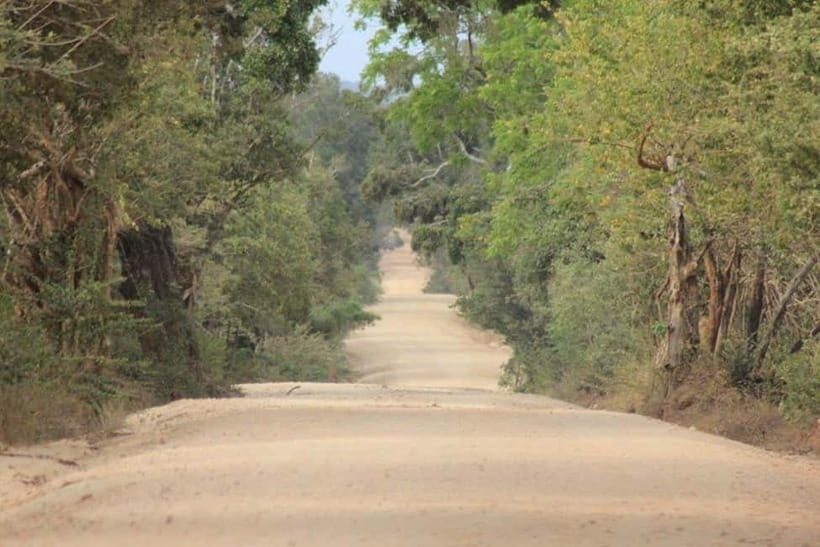
The safari price is listed at $12 per person, which sounds like a bargain—because the real cost driver is usually the national park fee. Here’s the key detail: Yala entrance and service fees are not included, and they’re around Sri Lankan Rupees 13,000 (about $43).
So what are you actually paying for with the $12?
- Transport in a safari jeep (small group format)
- A guide in English
- Game drive time in the park (and lunch/drinks if you choose full day)
- Pickup and drop-off service from the Yala-area towns
In other words, the $12 covers the safari operation and guiding, while the park fee is a separate mandatory charge. When you look at it this way, the value becomes clearer: you’re buying a focused wildlife experience without inflated “driver-only” pricing.
Also, the price being so low is only meaningful if the execution is good—which is why the guide/driver quality matters. The strongest feedback from past guests praises professional guiding and fast repositioning when sightings happen. That kind of operational competence is what turns a cheap ticket into a worthwhile day.
Comfort and Jeep Style: Small Details That Affect Your Photos
This safari uses comfortable safari jeeps, and the group size cap (max 7) is a big part of why the ride usually feels manageable. Less crowding means:
- You can shift position more easily for views
- Your camera gear is less likely to become a foot-standoff
- You’re less drained by constant minor adjustments during stops
The driver’s driving style matters too. When an animal is signaled, the vehicle moves quickly to reach the sighting area. That doesn’t mean reckless driving—it means the driver is paying attention to wildlife signals and timing.
And if you’re traveling with kids, this comfort factor becomes even more important. One family highlight in the experience feedback specifically called out how a young child connected well with the driver and appreciated the experience—exactly what you want when a safari is a full-day attention test.
Eco-Friendly Safari Operations: Why It’s More Than a Buzzword
This safari is described as sustainable and eco-friendly, with support for the local community. That’s not just marketing language you should ignore. In wildlife areas, operational choices affect the whole ecosystem of your day—from how vehicles behave to how local residents benefit from tourism.
While you can’t measure sustainability from inside the jeep, you can look for real signals like:
- Whether the operation keeps group sizes controlled
- Whether drives feel purposeful rather than chaotic
- Whether the company structure clearly involves local support
From the way this safari is run—small jeeps, guide-led viewing, and a planned approach—there’s at least alignment with the idea of lower disruption and better management. You’re spending your day watching wildlife, not watching vehicles act like they own the road.
Who Should Book This Yala Safari (and Who Might Skip It)
This is a great fit if you want a safari that’s:
- Focused on leopard odds through schedule timing
- Comfortable enough to enjoy long seated viewing
- Organized with English guidance and responsive driving
- Reasonably priced for the operation component (with park fees separate)
It’s especially suitable for people staying in the Tissamaharama area who want pickup and drop-off without planning logistics of their own.
Not suitable for:
- Pregnant women
- People with back problems
- Wheelchair users
The safari style is jeep-based, but it still involves the realities of a vehicle ride and wildlife rough roads.
Practical Tips for Your Yala Day
You’ll get more out of the safari if you plan like a wildlife watcher, not like a sightseeing tourist.
Bring:
- Sun protection (hat/sunscreen)
- A water bottle if you’re half-day (full-day includes water and cool drinks)
- Light layers you can manage when heat shifts
Wear:
- Comfortable shoes with grip
- Clothes you don’t mind getting dusty from jeep roads
Mind your expectations:
- Leopards are not guaranteed. The point is that your day is scheduled for better odds, and the driver and guide are geared to act quickly when sightings happen.
- Animals may hide. If you don’t get everything in one pass, the second drive is where things often turn around.
Should You Book Ajith Safari Jeep Tours for Yala?
If you want the best chance at a leopard sighting without paying premium guide prices, I think this is a strong option—especially with the leopard-focused timing, English live guidance, and small-jeep setup.
Book it if:
- You’re staying near Tissamaharama and want pickup handled
- You care about comfort and photo angles
- You’d rather choose an operation built around seeing animals well than just “being in the park”
Skip or reconsider if:
- You’re worried about the extra park entrance/service fee (it’s separate)
- You have mobility or back concerns, since it isn’t listed as suitable for those situations
If you’re flexible, the full-day choice is often the more relaxed way to do Yala, because the lunch and drinks help you stay steady through the long wildlife window.
FAQ
Where is pickup offered for this Yala safari?
Pickup is offered from the Yala area, including Kirinda, Weerawila, Tissamaharama, Palatupana, Kataragama, Yoda Kandiya area, and nearby locations. Pickup times are arranged based on the most suitable order and shared in the evening before.
How long is the half-day safari?
The half-day option runs for about 4 hours.
How long is the full-day safari?
The full-day option runs for about 12 hours.
Does the full-day option include lunch?
Yes. The full-day safari includes lunch.
Are park entrance and service fees included in the price?
No. Yala National Park entrance and service fees are not included. The fee is listed at about Sri Lankan Rupees 13,000 (approximately $43).
What type of vehicle is used?
You’ll travel in a safari jeep or SUV with a maximum of 7 passengers per jeep.
Is there an English-speaking guide?
Yes. There is a live tour guide who speaks English.
What animals can you expect to see?
The safari highlights leopards, elephants, crocodiles, sloth bears, buffaloes, and many bird species.
Is the tour suitable for everyone?
The tour is not suitable for pregnant women, people with back problems, or wheelchair users.
What is the cancellation policy?
You can cancel up to 24 hours in advance for a full refund.