Elephants in Udawalawe are the main show, no fluff. I like the all-inclusive setup that keeps your day simple, and I also like the fact you get both a 4×4 safari and a visit to the Elephant Transit Home where conservation work is front and center. One thing to consider: the transfer from the port can be a bit cramped, and some vehicles have tinted windows that can make photos harder than you’d hope.
This is a smart choice for a cruise shore excursion out of Hambantota because the drive to the park is planned, the day is kept to about 7 hours, and the group stays small (up to 15). You’ll be out early, and you should be comfortable with a full day that includes bumpy jeep time—but the payoff is real elephant action.
In This Review
- Key highlights you can plan around
- Why Udawalawe from Hambantota is a great cruise shore plan
- Getting from the port to Udawalawe National Park without chaos
- Udawalawe National Park in a 4×4 jeep: what to expect and how to enjoy it
- Elephant Transit Home: why the feeding program matters
- Guides and the small-group feel: the difference between a ride and a story
- Timing on a 7-hour schedule: how to keep your day stress-free
- Price and value: what $180 buys you on this day
- Who this Udawalawe elephant safari fits best
- Should you book the Udawalawe safari and Elephant Transit Home tour?
- FAQ
- How long is the Udawalawe elephant safari and orphanage tour?
- Where does the tour start and what time do we meet?
- How many stops are included?
- What’s included in the price?
- Is the tour limited to a small group?
- Is there any fitness requirement?
- Can I cancel for a refund?
Key highlights you can plan around
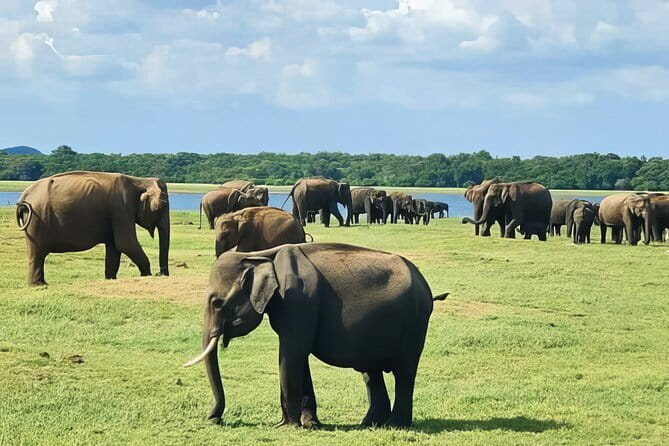
- 4×4 safari jeep in Udawalawe National Park for close wildlife sightings
- Elephant Transit Home (ETH) feeding program and baby-elephant care
- All-inclusive pricing: entrance tickets and transport included
- Small group size (max 15) which usually makes the experience feel easier
- Air-conditioned vehicle + bottled water to keep the ride manageable
Why Udawalawe from Hambantota is a great cruise shore plan
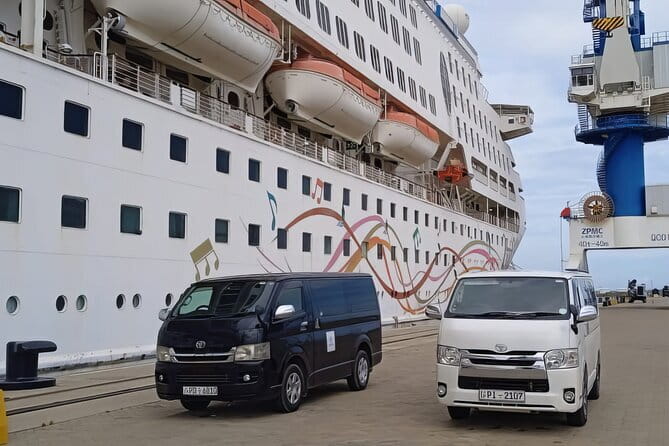
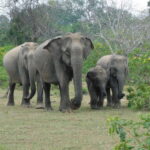
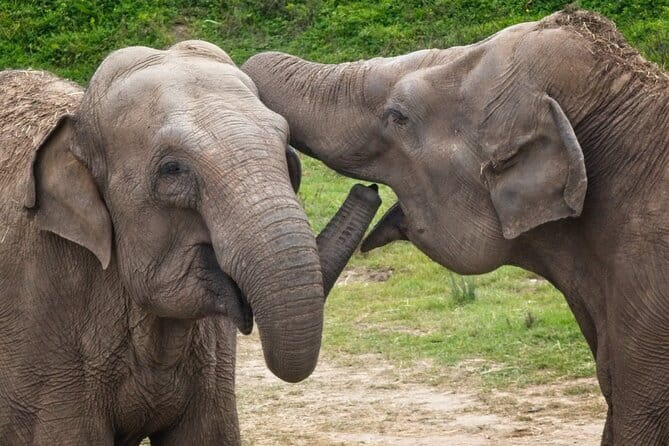
If you’re tying the day to a cruise schedule, Udawalawe works because it’s built around one big wildlife target: Asian elephants. You’re not bouncing between half a dozen stops. Instead, you get a solid chunk of time where elephants are genuinely the expectation, plus a short conservation visit that adds meaning beyond photos.
Starting from Hambantota Port also helps. You’re not gambling on complicated intercity transfers on your own. Pickup is offered, and the day is organized so you can still fit it into a typical shore-excursion window.
Price-wise, it’s positioned as an all-inclusive day at $180. For cruise passengers, that matters because you often end up paying extra for basic logistics. Here, entrance tickets (Safari Park and Orphanage) and transport are included, so you can budget without surprise add-ons.
You can also read our reviews of more tours and experiences in Hambantota.

Getting from the port to Udawalawe National Park without chaos
Your day starts at 8:30am, which is early enough to get into position while conditions are still workable. The tour notes a travel time of about 2 hours, so expect a real drive day, not a quick hop.
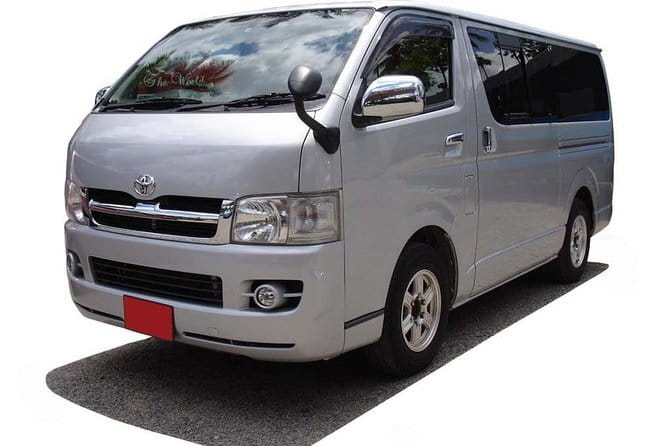
You’ll ride in an air-conditioned vehicle, and bottled water is included. That’s not a luxury detail—Sri Lanka’s heat can wear you down quickly, and you’ll want energy before the jeep safari. One practical tip: bring something light to cover your arms and a cap or hat, because you’ll likely be out in the open around the viewing areas.
Now, a caution based on real-world experiences: some people found the first vehicle a bit cramped and mentioned tinted windows on the port-to-park transfer. If you care about photos from the road, try to sit where you can see clearly early in the ride. Also, set expectations: the safari jeep is where you’ll get the real wildlife moments, not the bus windows.
Udawalawe National Park in a 4×4 jeep: what to expect and how to enjoy it
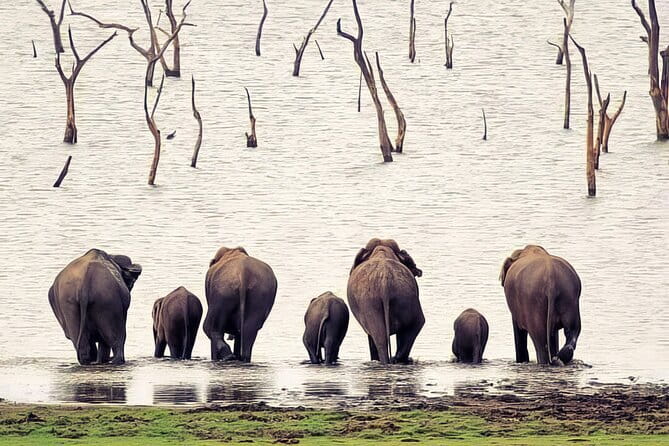
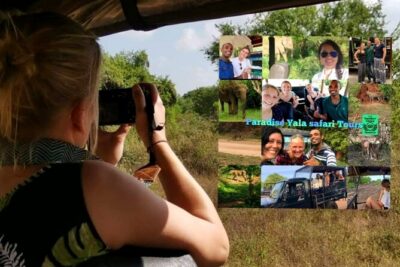
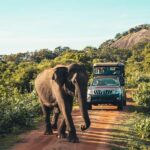
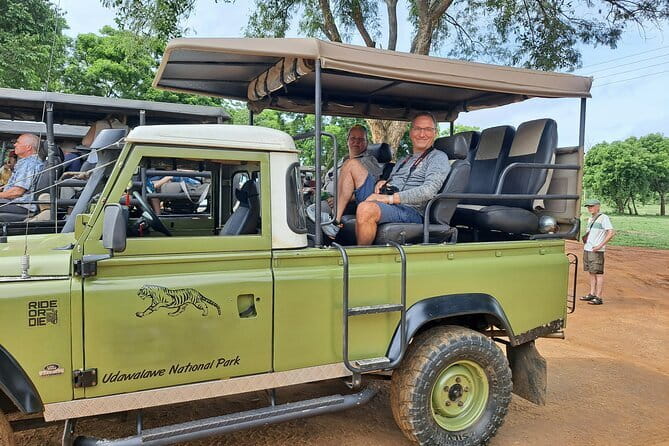
This part is the heart of the tour. In Udawalawe National Park, you’ll spend about 3 hours driving in a customized 4×4 safari jeep, which is the right vehicle for the bumpy, uneven terrain and the kind of spotting that happens at close range.
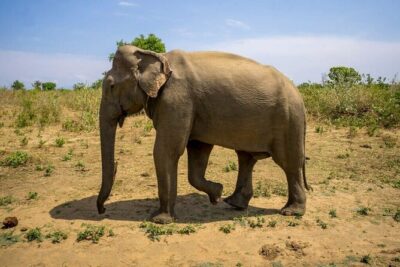
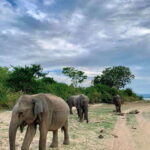
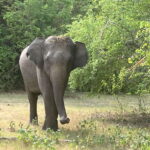
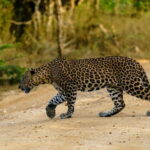
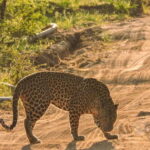
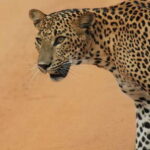
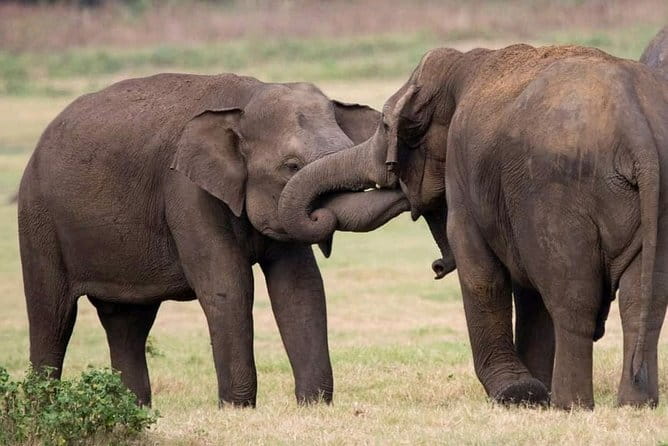
What you’re realistically hunting for is elephants—but Udawalawe delivers variety. You can expect to look for elephants and also other wildlife such as buffalo, deer, crocodiles, and lots of birdlife. Occasionally, people also get lucky with larger predators like leopards, but that’s never guaranteed on any safari.
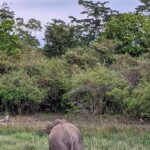
The real value here is the mix of time and vehicle. Three hours in a jeep is long enough to get into rhythm: slow scanning, a bit of repositioning, then a sudden stop where everyone stands on the lookout. When you see elephants close to the jeep, it changes how you experience them. You stop thinking about photos and start thinking about behavior—how they move, how they pause, and how the group stays together.
One photo note: if you’re hoping for great window-free shots during the transfer, remember that the safari portion is more open and more likely to let you actually shoot what you see. On the jeep, keep your camera ready but avoid blocking the view of others—your best photos often happen when you’re fast and calm, not when you’re frantic.
Elephant Transit Home: why the feeding program matters
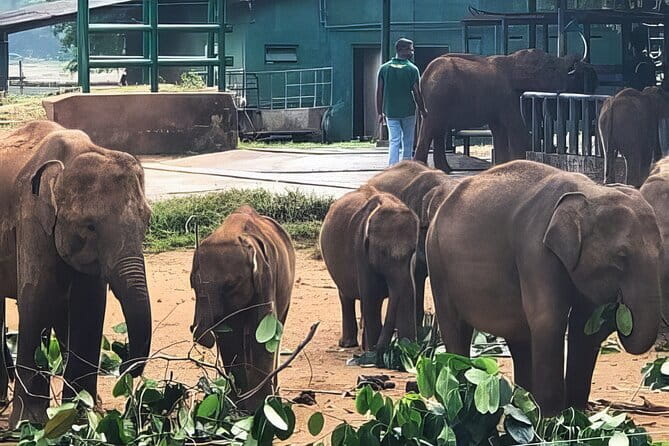
After the safari, you shift gears to the Elephant Transit Home, with about 30 minutes on site. This is where the day gets more human, because you’re seeing conservation work in action rather than only nature viewing.
The tour focuses on baby elephants being cared for, including bottle-feeding, and it’s designed to show what the Elephant Transit Home does to protect and support Sri Lanka’s elephants. Even with a short visit, the feeding window tends to be the moment people remember because the care and routines are so visible.
This is also a good time to slow down. On safari, your pace is all about spotting and moving. At ETH, your pace is more about watching and learning—how caretakers respond to the babies and how the facility’s role fits into broader elephant conservation.
If you’re the type who worries that “orphanage” visits might be sad or exploitative, this one is framed around care and conservation efforts. You can treat it as a conservation stop, not just a photo stop. Keep your expectations respectful: you’re there to witness feeding and care, not to turn it into a selfie contest.
Guides and the small-group feel: the difference between a ride and a story
This tour caps at 15 travelers, which usually means you’ll spend more time with your group and less time waiting around in a big crowd. That matters on a cruise day when you want a smooth flow.
Guide quality also shows up in the experiences. People have credited different guides with clear explanations and good timing—names that came up include Yehen (Chathu), Cham, and Sam. If your guide speaks good English, you’ll likely get more out of the safari because you’ll understand what you’re seeing and why the jeeps stop where they stop.
One honest caution: some accounts mention limited English from the driver or not much commentary during parts of the day. That doesn’t mean the safari isn’t good—it can still be excellent for elephant sightings—but it does mean you might have to work a bit harder to interpret what you’re seeing. If English matters to you, keep an eye out for how your guide communicates during pickup.
My practical advice: ask one simple question early on, like where you’re likely to see elephants most that day. When the guide has a moment, they’ll often share what they’re watching for. It’s a small move that can turn a good day into a memorable one.
Timing on a 7-hour schedule: how to keep your day stress-free
The tour runs about 7 hours total, with the safari and ETH as the two anchor blocks. Between those, you have the drive time in both directions from the port.
For cruise passengers, timing is the whole game. You’ll want to be on time at the meeting point and keep your day free of delays. If you get motion sick easily, plan for the drive—bring what works for you. The air-conditioned vehicle helps, but a long drive plus early start still affects some people.
Also, plan for the way wildlife spotting works. Sometimes you get rapid sightings; sometimes you drive and scan for a while before anything appears. That’s normal. The best strategy is to stay patient and quiet during scanning moments. Most of the action happens when the jeep stops, and those minutes can be the difference between a quick glimpse and a close, clear sighting.
Price and value: what $180 buys you on this day
Let’s talk value, not just price. At $180, you’re paying for more than a safari ticket. The tour includes transport from the port area, entrance fees for the safari park and Elephant Transit Home, air-conditioned driving, and bottled water. For cruise excursions, that mix is often what protects you from add-on costs later.
You’re also getting a structured time allocation: roughly 3 hours in the park plus a short ETH visit, with everything wrapped into an organized day. If you were to try this on your own, you’d need to solve multiple problems: park entry, vehicle suitable for the terrain, timing with the cruise, and logistics from Hambantota. The all-in approach tends to be worth it when cruise days are short and you don’t want to gamble.
The biggest “value risk” isn’t the price. It’s the experience fit: if you want lots of detailed narration the whole way, you may find some parts less informative. And if you’re hoping for clear sightseeing through tinted windows during the transfer, that may not match your expectations. In other words, you’re paying for the safari outcome and a conservation stop, not for a private lecture all day.
Who this Udawalawe elephant safari fits best
This tour suits you if you:
- Want a straightforward cruise shore excursion built around elephants and practical time blocks
- Like wildlife viewing from a vehicle designed for safari roads
- Want a short conservation visit instead of only a photo-focused stop
- Appreciate a smaller group (max 15) for an easier day flow
It may not be ideal if you:
- Need lots of commentary and expect fluent explanations from every driver at all times
- Care most about road-trip views and photography through windows rather than jeep safari moments
- Have trouble with moderate physical demands associated with getting in and out of vehicles in safari conditions
Should you book the Udawalawe safari and Elephant Transit Home tour?
I’d book it if you’re in the Hambantota area on a cruise day and your goal is a real elephant safari plus a meaningful conservation stop, without having to piece together logistics. The day is built around the right priorities: time in Udawalawe National Park and a visit to the Elephant Transit Home feeding program.
If you’re picky about comfort or you’re photo-focused on the transfer ride, do your homework and manage expectations. But even with that caveat, the core safari experience is the point, and this tour is structured to maximize it.
If your cruise schedule allows it, this is a strong “one-day, big wildlife” option in Sri Lanka that balances excitement with conservation.
FAQ
How long is the Udawalawe elephant safari and orphanage tour?
It’s listed at about 7 hours total.
Where does the tour start and what time do we meet?
The start time is 8:30am, and pickup is offered for cruise passengers from Hambantota Port.
How many stops are included?
There are two main stops: Udawalawe National Park (about 3 hours) and the Elephant Transit Home (about 30 minutes).
What’s included in the price?
The package includes air-conditioned vehicle transport, a 4×4 safari jeep, national park entry fees, the Elephant Transit Home admission, bottled water, and mobile tickets.
Is the tour limited to a small group?
Yes. The group size is capped at a maximum of 15 travelers.
Is there any fitness requirement?
The tour notes that travelers should have a moderate physical fitness level.
Can I cancel for a refund?
Yes, you can cancel up to 24 hours in advance for a full refund. If you cancel within 24 hours, there is no refund.