Sri Lanka can feel big and chaotic. This 12-day luxury guided loop keeps it simple, with a real plan from Negombo to Yala. I love how the trip is packed with the big-name sights that actually matter, and I also love the human touch: guides like Donald (that name shows up again and again in the reviews) steer you toward local food and side moments you would miss on your own. The one drawback to think about is the pace: you’ll have early starts, long drive days, and several walking-focused sites, so it’s not a lazy resort-only vacation.
What makes this itinerary work is the balance of Sri Lanka’s “story chapters.” You get ancient Buddhism in Anuradhapura, the jaw-dropping stone scenery around Sigiriya, tea-country cool air, safari time, and then a relaxed finish by the sea. And because it’s set up as a guided tour (not you-and-your-map), you spend less energy figuring out logistics and more time noticing details like the sacred Bodhi tree tradition and the craftsmanship behind old irrigation ponds.
If you want a trip where the guide does the heavy lifting—timing, entrances, and route logic—this is a strong fit. Just go in knowing that this is a full program: you’ll be swapping hotels, climates, and moods every couple of days.
In This Review
- Key Things You’ll Enjoy Most
- How This 11-Night Sri Lanka Tour Gets You From Coast to Safari
- Day 1 in Negombo: Check In, Watch the Sunset, Eat Like a Local
- Anuradhapura Days: Bodhi Tree Reverence, Stupas, and Ancient Water Engineering
- Sigiriya’s Sunrise Plan: Pidurangala First, Then the Rock Fortress
- Dambulla’s Caves (Optional) and the Kandalama Gypsy Night on the Reservoir
- Kandy and Tea-Country Build-Up: Spice Gardens, Tooth Relic Area, and Market Time
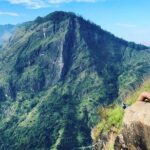
- Nuwara Eliya and Ella: Waterfalls, Tea Processing, Train Tracks, and Nine Arches
- Diyaluma Falls, Buduruwagala Temple, and the Yala Safari Setup
- Day 9: Yala at Dawn, Clay-Pot Curd in Tissamaharama, and Galle’s Dutch Fort Sunset
- Bentota Beach Leisure and the Included Snorkeling Kit
- Kosgoda Sea Turtles at Dusk and a Farewell Beach Dinner
- Price and Logistics: What You Get for $1,500
- Who This Tour Fits Best (and Who Might Reconsider)
- Should You Book This Sri Lanka Luxury Guided Tour?
- FAQ
- Where does the tour start?
- Is pickup offered?
- How long is the tour?
- What meals are included?
- Are entrance tickets included?
- Is snorkeling included?
- Is bicycle use included?
- Which activities are optional?
- Do I need to dress a certain way for religious sites?
- What if the weather is poor?
- Can the booking be changed or refunded after payment?
Key Things You’ll Enjoy Most
- Sigiriya from Pidurangala at sunrise with breakfast on the rock, not a crowded scramble.
- Anuradhapura’s sacred sites and ancient ponds (Kuttam Pokuna and Eth Pokuna) with a guide who explains what you’re seeing.
- Tea-country days in Nuwara Eliya and Ella that mix scenery with hands-on food moments.
- Yala National Park early safari plus a calmer next leg through Tissamaharama and Galle.
- Kosgoda sea turtle release at dusk and a beach farewell dinner with music and a bonfire.
How This 11-Night Sri Lanka Tour Gets You From Coast to Safari
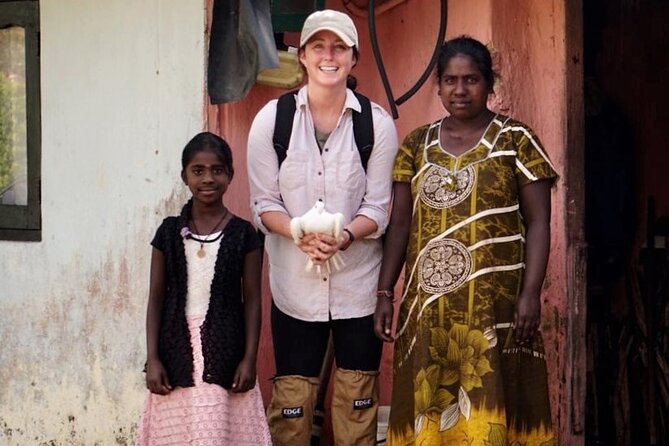
This tour is built like a route, not a random list of stops. You start on the west coast in Negombo, then roll into Sri Lanka’s cultural heart around Anuradhapura. After that, you jump to the hill-country world near Sigiriya and Kandy, then move up into cooler tea territory before sliding down into the south for Yala and Galle. You finish in beach-mode with Bentota, then Kosgoda for sea turtles.
The mini-coach format matters. You’re not switching between private cars every hour, and you’re not constantly hunting for transportation. And because it’s a private group setup—only your group—your guide can keep the day moving at a pace that fits your people, including time for questions. Reviews also point to a guide who uses that flexibility to hunt for better snack stops and less-touristy moments when timing allows.
One small thing to know: the itinerary includes optional add-ons (like the Dambulla cave visit and a Yala evening safari). You choose, but the base trip still stays full.
You can also read our reviews of more tours and experiences in Negombo.

Day 1 in Negombo: Check In, Watch the Sunset, Eat Like a Local
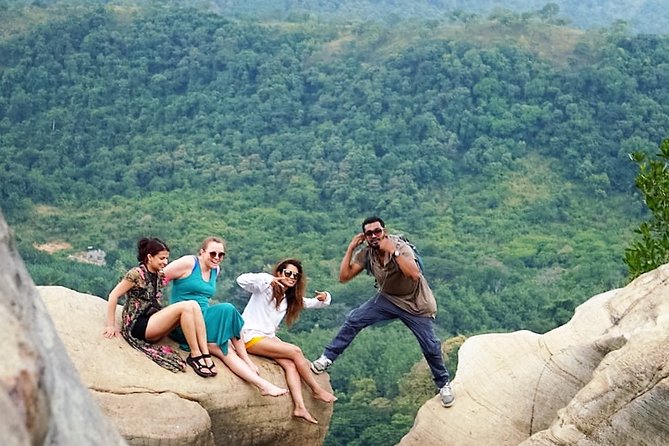
Negombo is a smart place to begin because it feels coastal but not too “tour-bus.” You check into a luxury beachfront hotel and get a quick intro to the program, plus a bit of town context from your guide. Later, you do a short walk along the busy beach street as the sun goes down. That’s where the tour’s style shows: you’re not just dropped at a restaurant—you’re guided into the rhythm of the place.
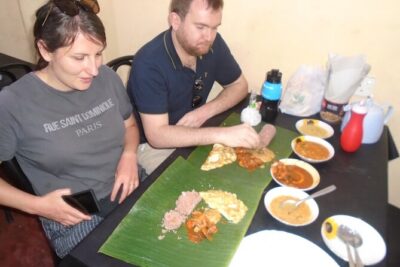
Dinner is included and very Negombo: fresh-grilled whole fish with salad and a typical rice-and-curry plate. This is the kind of meal that tells you what you’re going to keep finding across the trip—simple ingredients, big flavor, and food that looks like it belongs there.
Practical note: Negombo evenings can be warm. If you’re sensitive to heat, pack light layers for dinner and the walk, because your hotel to restaurant timing is designed around sunset.
Anuradhapura Days: Bodhi Tree Reverence, Stupas, and Ancient Water Engineering
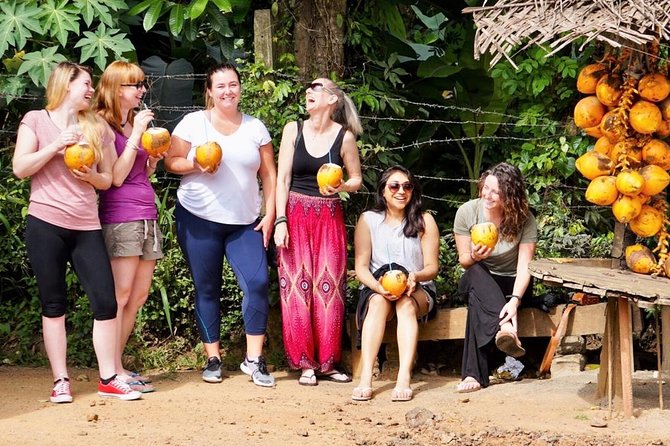
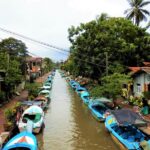
Sri Lanka’s Buddhist heritage is the backbone of this part of the tour, and the route is organized to make you feel it step-by-step. After visiting the fish market and nearby canal and lagoon area on Day 2, the next focus is Anuradhapura and its sacred sites.
For the evening shrine visit, the tour asks you to cover shoulders and knees. That’s not just a rule; it’s part of showing respect where you’re walking. You’ll head to the sacred Bodhi tree—described in the itinerary as the recorded oldest tree planted by humans—and the guide provides context for why it matters.
Day 3 turns into a full ancient-site day. Expect a packed sequence of stops that each highlight a different side of the city:
- Major statues and relic structures like Samadhi statue and Ruwanwelisaya
- Twin Baths (Kuttam Pokuna), including restoration details that explain what survived, what was replaced, and why the site looks the way it does today
- Eth Pokuna (Elephant Pond) and hydraulic engineering logic—water handled efficiently through underground pipes and canals that were meant to last
- Abayagiriya Stupa, explained through sectarian tension and its historical height claims
- Isurumuniya, with carvings and the “lovers” stone story elements mentioned in the itinerary
If you usually zone out at ruins, don’t. The value here is that the guide ties architecture to daily life—especially waterworks. Sri Lanka’s ancient sites aren’t just pretty stones; they’re systems. When someone points out the engineering behind the ponds, suddenly you can see the whole civilization behind the monument.
A consideration: this is a long day of walking between sites. Wear supportive shoes and plan for sun and humidity, even if the temple shade helps.
Sigiriya’s Sunrise Plan: Pidurangala First, Then the Rock Fortress
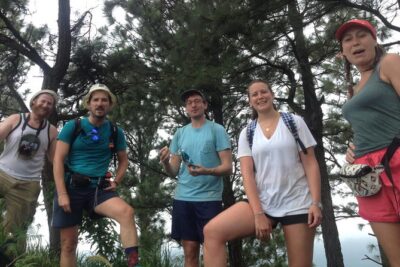
Day 4 starts early, around 5 am. That timing is a gift. You climb Pidurangala Rock, and the payoff is your early views back toward Sigiriya, plus sunrise energy before crowds get too intense. Breakfast is arranged on top of Pidurangala—fruits, local bread, fresh juice, and herbal tea—so you’re fueled for what comes next.
Then you head down and take a short vehicle transfer to Sigiriya for the main rock fortress visit. The itinerary includes a museum stop, and your guide covers the big questions: who built it, why, when, and what the fresco paintings and water-garden legends add to the story. You’ll also get guidance on the steps and climbing effort so the visit doesn’t feel like a random endurance test.
Here’s what I’d call the practical win of this plan: you get the “awe moment” twice. Pidurangala gives you the wide look, while Sigiriya gives you the intimate close-up experience of how the fortress space works.
Drawback to consider: if you have limited mobility or knee issues, rock steps and uneven paths can be challenging. You might want to confirm your fitness level before choosing this specific sunrise sequence.
Dambulla’s Caves (Optional) and the Kandalama Gypsy Night on the Reservoir
After Sigiriya, you get an optional stop at the Golden Temple of Dambulla rock cave complex (not included). The tour lists it as optional and “informed by your guide,” which means you can match it to your energy level and interest in cave interiors.
That evening is a standout: a gypsy night by Kandalama Reservoir. You’ll go out around 5 or 5:30 and join a catamaran ride to the middle of the lake where you see Sigiriya rock from a distance and watch the sunset. The itinerary also includes Tody, a local drink distilled from fishtail palm sap, plus lamps, bonfire, local music, and village atmosphere.
This is where a guided tour earns its keep. You’re not just watching scenery; you’re getting the local context for how people celebrate and what they consider special.


Kandy and Tea-Country Build-Up: Spice Gardens, Tooth Relic Area, and Market Time
Day 5 moves you into the central highlands and the Kandy area, where the climate shifts and the pace slows just enough to feel different from the dry-zone ruins.
You’ll visit spice-growing land on the way, with a practical focus on spices, products, medicine, and local remedies. The tour includes a head and shoulder massage and then a spice tea experience. This combo sounds simple, but it works because it ties the smells and flavors you see in the garden to how people use them at home.
In Kandy, you also stop at the market area and time is built in for your own exploring—small streets, British-influenced buildings, and the general UNESCO Kandy theme around the Temple of the Tooth relic zone. Later, the group joins an exclusive Japanese restaurant in town for a more “sit down and reset” style meal.
In the same day, you visit Ranweli Spice Garden again as a named stop, with time for the garden demonstration and lunch included by the spice garden crew. If you’re not a spice person, this can feel like two similar stops. If you are a spice person, it’s one of the best-value days on the itinerary because you connect your senses (smell/taste) with the practical “how it’s grown and used” story.
Nuwara Eliya and Ella: Waterfalls, Tea Processing, Train Tracks, and Nine Arches
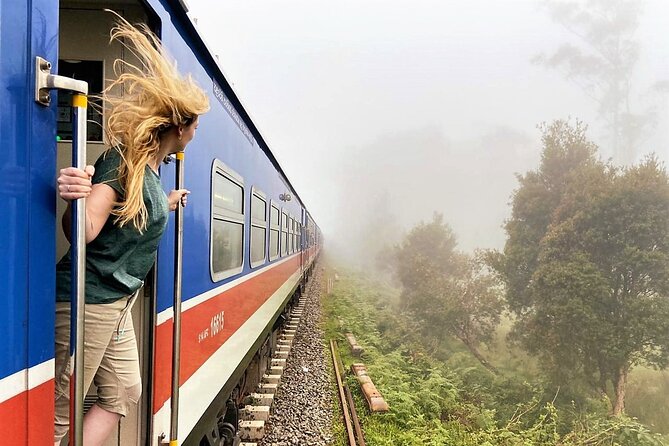
The hill-country segment is where Sri Lanka turns cooler and greener. Day 6 includes Ramboda Waterfall, tea terraces, and photo stops through mountainous views. You’ll get fruit tasting too, including a Sri Lankan red banana and seasonal fruits. Then you head to Nuwara Eliya, described as the City of Lights, sometimes called Little England.
Nuwara Eliya isn’t just scenery. The walk includes the grand hotel area, the old post office building, Victoria Park, and the fruit market. You’ll also visit Gregory Lake Park for a snack-lunch while looking toward the tallest peak of Sri Lanka. The itinerary also mentions that if the weather turns misty, you should switch to warm clothes guided by the team’s information—smart advice, because it can feel mild one minute and chilly the next.
Then Day 7 turns toward Ella. The tour includes understanding the science behind tea processing, plus town time for food (including a kottu rotttie), a walk on live train tracks, and a visit to Nine Arch Bridge. There’s even a timing element: your guide tracks train running moments so you can get the photo with a train crossing.
After the bridge, you take a tuk-tuk ride back to Ella town. That’s not just transport—it’s part of the local texture of the day.
One consideration: walking on train tracks can feel intense even when it’s guided. Wear shoes with grip, don’t rush, and follow your guide’s safety directions.
Diyaluma Falls, Buduruwagala Temple, and the Yala Safari Setup
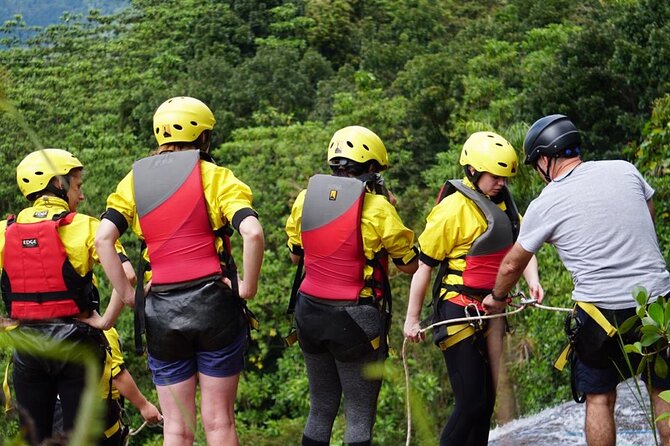
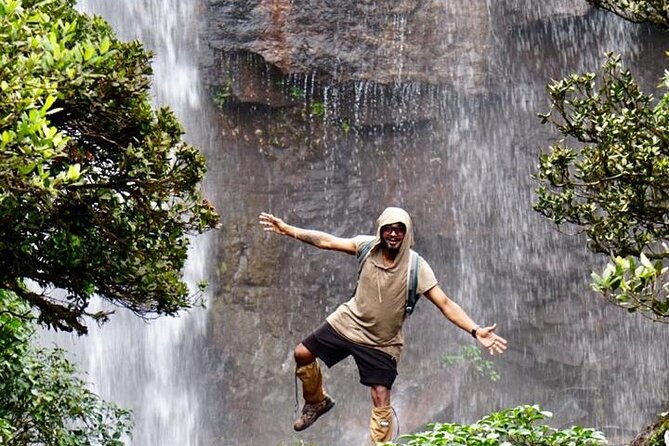
Day 8 gives you the “wild and wide” side of Sri Lanka before you hit the national park. You go to Diyaluma Falls, including natural pools. The itinerary states your team identifies safe swim locations, and the walk is supported by locals who know the steps.
There’s also a cliff jump option for brave souls, but it’s optional and framed by safety support. This is a day where you can choose your comfort level: swim, take photos, or just enjoy the viewpoint without pushing too hard.
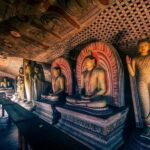
After the falls, you visit Buduruwagala Temple, a Mahayana complex with seven statues dating back to the 10th century, including a large Buddha statue and figures described as Avalokitesvara and related forms in the itinerary.
Finally, Day 8 includes Yala National Park as an optional evening safari (jeep and entrance ticket not included in the base program). Even if you skip the evening option, you’re still positioned for the main safari next morning.
Day 9: Yala at Dawn, Clay-Pot Curd in Tissamaharama, and Galle’s Dutch Fort Sunset
This is the big wildlife day. You leave your hotel around 5 am, and breakfast is handled as a picnic prepared by the hotel based on your pre-order requests and preferences. Water, fruit juice, and fresh fruits are included so you start the safari with real energy, not a sad pastry.
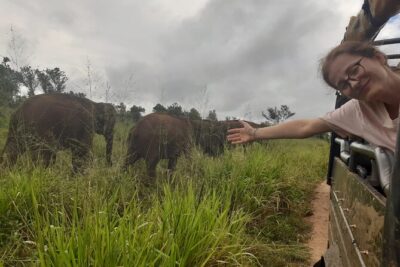
Yala is described as having a high density of leopards, and your itinerary frames it as a morning safari window. I’d treat this day as patience practice. Wildlife sightings aren’t guaranteed, but the guide’s early timing is the best shot at meaningful chances.
After the safari, you refresh and move on to Tissamaharama. There’s a short stop that focuses on how people make curd using buffalo milk with a natural fermenting method using clay pots and without a freezer. You even sample fresh curd described as mixed with palm trickle.
Then you end at Galle Dutch Fort for a guided walk. Your guide explains the fort’s creation across centuries of Dutch, Portuguese and British occupation influences, then you get rampart wall time for sunset. Galle’s harbor setting is built into the experience, and the itinerary emphasizes it as one of the best sunset spots in southern Sri Lanka.
A drawback to consider: this day is long. You’ll do wildlife early, then travel and walk late. If you’re sensitive to fatigue, it helps to keep water handy and avoid overpacking snacks that only sit in your bag.
Bentota Beach Leisure and the Included Snorkeling Kit
Day 10 is your breathing day: Bentota Beach with 8 hours to relax. The program leaves room for pool and spa time or sunbathing and beach time.
What’s interesting is that the trip includes snorkeling equipment and also lists bicycle use as included. The itinerary doesn’t spell out an exact snorkeling stop here, but having the gear means you can take advantage if your day timing and conditions line up.
If you like a structured holiday, Day 10 might feel too open. If you like rest, it’s perfect. This is where you recover your feet for the turtle-release day and farewell dinner.
Kosgoda Sea Turtles at Dusk and a Farewell Beach Dinner
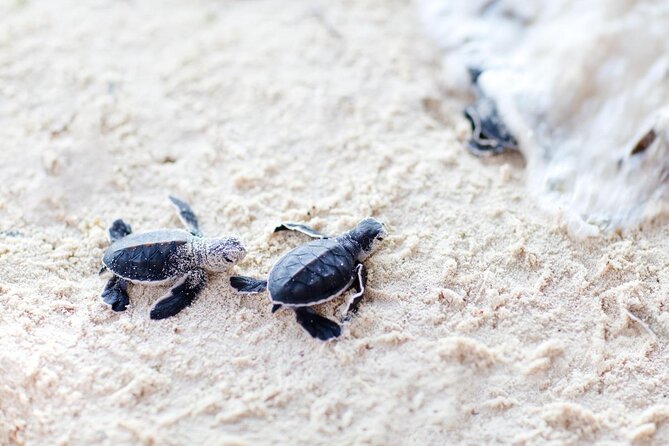
Day 11 is built around a cause and a feeling. You visit the Kosgoda Sea Turtle Conservation Project in the evening at dusk. The guide explains sea turtle nesting, including that Sri Lanka supports five types of sea turtles out of the seven species living in the world as stated in the itinerary.
The big moment: you release three-day-old baby turtles into the Indian Ocean. That’s not a photo-op that ends with a speech. It’s a practical, timed part of the conservation cycle, and it tends to stay with people long after the rest of the trip becomes “a lot of stops.”
There are optional add-ons after that day’s turtle visit—like a black water pool excursion, cinnamon process, Madhu river boat ride, or deep sea fishing—but the base day also protects leisure time.
Dinner is the farewell: a beach seafood dinner arranged by the team, followed by music and a bonfire. It’s a fitting end to a tour that moves across Sri Lanka’s different worlds.
Price and Logistics: What You Get for $1,500
At $1,500 per person, this isn’t a budget deal, but it also isn’t “you pay for a coach and hope for the best.” What you’re getting value for is the framework:
- Air-conditioned vehicle and guided transport between regions
- Many meals: breakfast (9), lunch (6), dinner (10)
- Entrance tickets and fees are generally included as part of the tour setup
- A guided schedule that hits major sights without turning your day into admin work
- Included items like snorkeling equipment and bicycle use
Where you’ll feel extra costs are the parts the tour clearly flags as not included: air tickets, travel insurance, and optional activities where surcharges may apply (for example, the Dambulla cave visit is labeled not included, and the Yala evening safari cost isn’t included).
If you’re the type who pays more for time saved, this price makes sense. If you’re the type who likes self-planning and cutting optional pieces, you may feel like you’re paying for structure you don’t need. For most people though, that structure is exactly the point.
Who This Tour Fits Best (and Who Might Reconsider)
This tour fits you best if you want:
- A guided route across Sri Lanka’s top zones: ruins, rock fortress, tea country, safari, and beaches
- A strong focus on food moments and local context, not just sightseeing photos
- A private group feel with a guide who can explain what you’re looking at and keep the timing right
You might reconsider if you want:
- A slow vacation with no early starts (this trip has early sunrise and dawn plans)
- A low-walking itinerary (temple sites, fortress climbs, and bridges involve walking)
- A guaranteed wildlife checklist (safaris are nature-based, and the tour can only set you up with the right conditions)
Should You Book This Sri Lanka Luxury Guided Tour?
I’d book it if your goal is to see Sri Lanka in one coordinated sweep with a guide who brings the places to life. The itinerary hits the big Sri Lanka moments—Sigiriya sunrise, Anuradhapura sacred sites, tea country, Yala, Galle, and sea turtle release—and the day structure keeps you from getting bogged down.
If you’re deciding between “do it yourself” and “guided,” the included meals, included fees, and the way timing is built around sunrise and dusk are the biggest reasons this tour can be worth it. You’re paying for fewer decisions and better sequencing.
If you’re unsure, focus on your comfort with early mornings and a handful of physically active sites. If that part sounds doable, this looks like a strong value way to experience Sri Lanka with less hassle and more meaning.
FAQ
Where does the tour start?
The tour start point is Colombo Bandaranaike International Airport (Katunayake), with the meeting point listed as Airport and Aviation Services (Sri Lanka) (Private) Limited.
Is pickup offered?
Yes, pickup is offered as part of the tour features.
How long is the tour?
The tour runs for 12 days (approximately), covering 11 nights.
What meals are included?
Breakfast is included for 9 days, lunch for 6 days, and dinner for 10 days.
Are entrance tickets included?
The tour includes all fees and taxes, and the itinerary lists admission tickets for many stops.
Is snorkeling included?
Yes, snorkeling equipment is listed as included.
Is bicycle use included?
Yes, bicycle use is included.
Which activities are optional?
Dambulla rock cave complex is noted as optional and not included in the program, and the Yala evening safari is optional with jeep and entrance ticket not included. There are also optional activities listed on the Kosgoda day.
Do I need to dress a certain way for religious sites?
For the Bodhi tree visit, the itinerary specifically notes dressing with clothes that cover shoulders and knees.
What if the weather is poor?
This experience requires good weather. If it’s canceled due to poor weather, you’ll be offered a different date or a full refund.
Can the booking be changed or refunded after payment?
This experience is non-refundable and cannot be changed for any reason. If you cancel, the amount paid will not be refunded.