Lion Rock wakes up early, and the caves glow later. I love getting two UNESCO sites in one day, and I really appreciate having a private guide who explains what I’m seeing instead of rushing past it. The only real downside is the very early 4:00 am start and a long day (about 12 to 14 hours), which can feel intense if you’re not a morning person.
This is an all-inclusive, private tour operated by Bentota Travel Mart, with round-trip transfers from select areas like Hikkaduwa, Galle, Unawatuna, and Mirissa. You get bottled water, lunch, entry tickets, and site guidance at both Sigiriya and the Dambulla Rock Cave Temple. One more thing to note: the experience is weather-dependent, so if conditions are poor, you’ll be offered a different date or a refund.
In This Review
- Key highlights at a glance
- First stop: beating the crowds with a 4:00 am departure
- Sigiriya Rock Fortress: Lion Rock and King Kasyapa’s citadel
- What to look for on the climb (so the 2.5 hours feel worth it)
- Dambulla Cave Temple: the Golden Temple and its rock cave complex
- Inside the caves: how to make the murals and statues actually click
- Lunch, bottled water, and the value of an all-inclusive day
- Timing realities: it’s a long day, so plan for comfort
- Who should book this Sigiriya–Dambulla trip?
- Should you book it?
- FAQ
- How long is the Sigiriya–Dambulla day trip?
- What time does the tour start?
- Are entrance fees included for Sigiriya and Dambulla?
- Is lunch included?
- Is this tour private or shared with strangers?
- What if weather is bad?
Key highlights at a glance
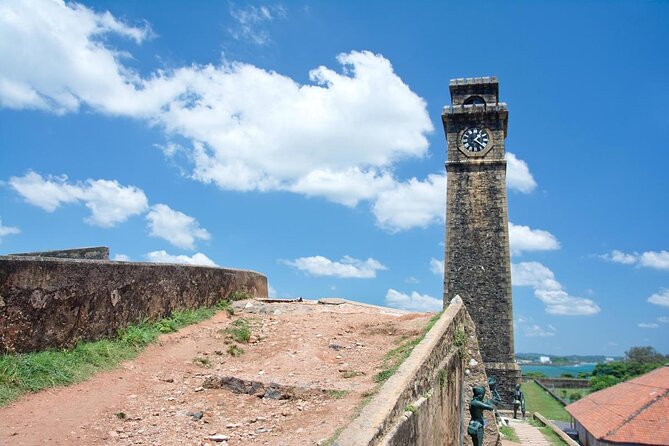
- Two UNESCO World Heritage sites in one day: Sigiriya Rock Fortress and the Golden Temple of Dambulla
- Early start with built-in transfers from select southern/coastal areas
- Guided access at both sites, with a professional guide for each attraction
- Time at Sigiriya (about 2.5 hours) plus time at Dambulla (about 1.5 hours) to actually look around
- All-in-one package value, including lunch, bottled water, and entry fees
First stop: beating the crowds with a 4:00 am departure
This tour starts at 4:00 am, and that’s not a small detail. At Sigiriya, the early hours matter for your energy and your photos. You’re also more likely to have clearer views from the rock when the day is still fresh.
Because this is an all-inclusive package, you’re not juggling tickets, transfers, or separate guides. Pickup and drop-off are handled, and the day stays organized end to end. You’ll typically ride in a private vehicle with bottled water, and you’ll have a driver who keeps things moving.
A practical note: plan your morning like it’s a day hike. Even though the tour includes lunch, you’ll want water within reach before breakfast hours kick in. Also, bring something light for layering. Your comfort changes fast when you’re going from pre-dawn air to exposed sun on rock paths.
You can also read our reviews of more tours and experiences in Hikkaduwa.

Sigiriya Rock Fortress: Lion Rock and King Kasyapa’s citadel
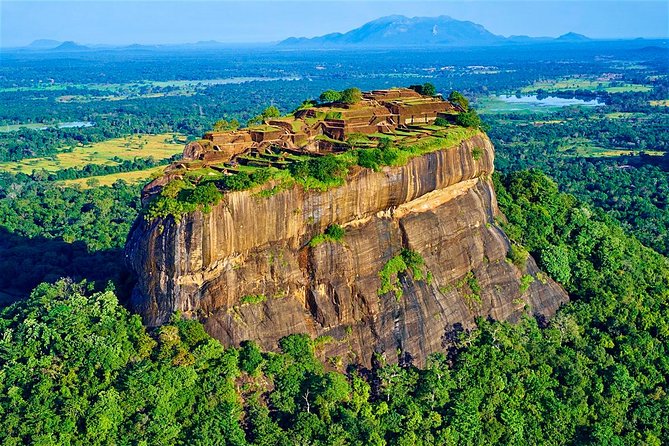
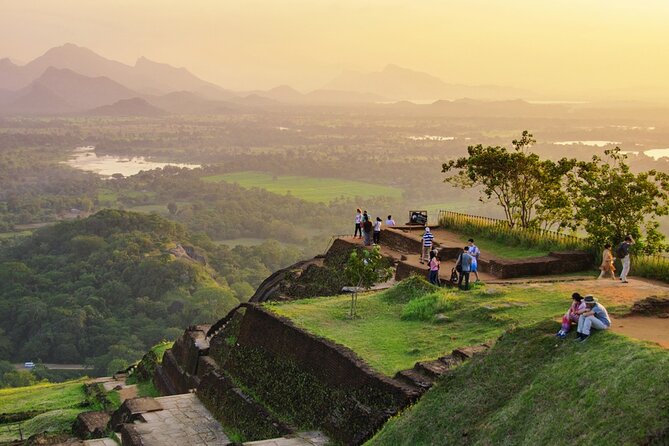
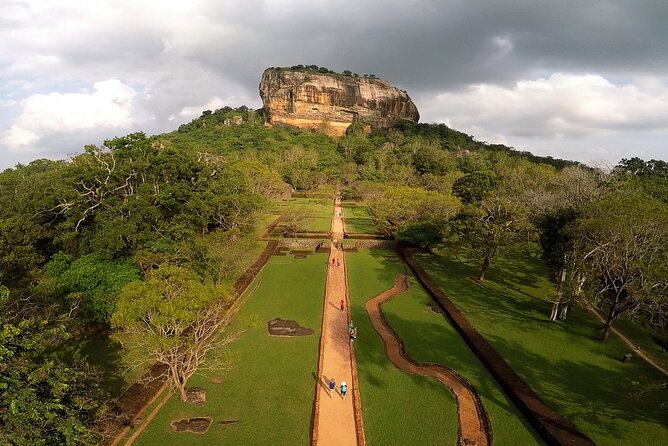
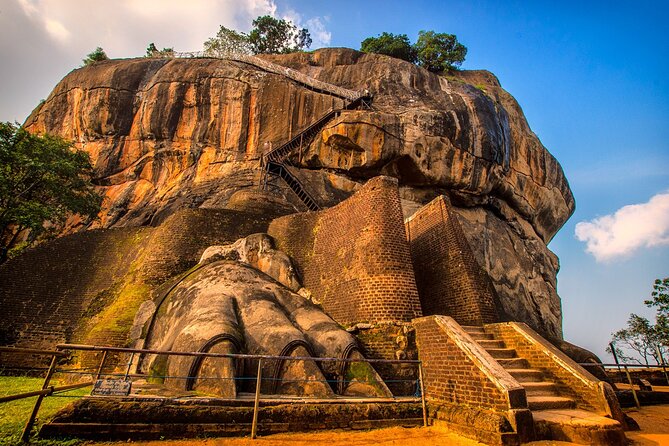
Sigiriya is dramatic in a way that pictures can’t fully capture. The rock fortress rises over 200 meters above the surrounding plains, so you feel it before you ever reach the entrance.
The story you’ll hear from your guide centers on King Kasyapa and the 5th century choice of this place as a citadel. In the local imagination it’s also tied to the famous lion motif, which is why people call it Lion Rock. You’ll see those iconic details tied to the older design language of the site, including the rock’s lion-paw symbolism.
Your time here is about 2 hours 30 minutes, and that duration is just right for a guided visit. You’re not here to sprint. You’re here to understand why this site mattered: the fortress wasn’t only about power. It was also a feat of engineering and a carefully designed environment, with the palace area and gardens up on the crest and the way the surrounding terrain is used as part of the plan.
What I like about having a guide is the context. Sigiriya isn’t just a steep climb to some views. It’s an architectural statement. The murals and palace design make it easier to understand that this was built as a whole experience, not a single landmark.
What to look for on the climb (so the 2.5 hours feel worth it)
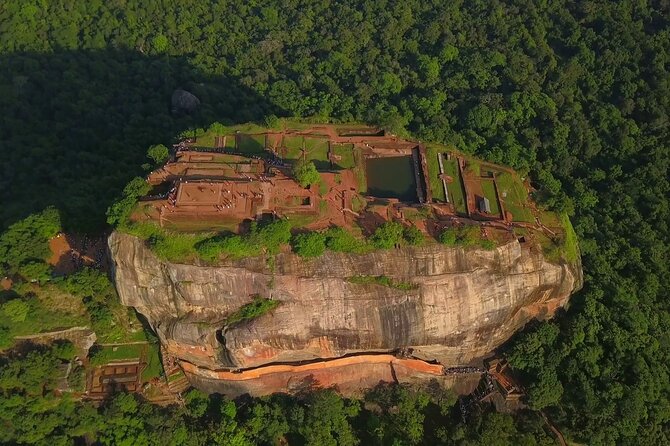
With a place like Sigiriya, the biggest risk is missing the details because you’re focused only on the steps. This is where the guided portion helps. You’ll get direction on what matters as you move through the complex.
Here are the specific things to keep an eye out for:
- The lion-paw features and the overall lion symbolism that gives Sigiriya its nickname
- Wall murals, which are part art, part storytelling, and part evidence of the site’s cultural importance
- The palace and garden layout at the top, where you can see how the designers shaped space using the rock’s position
- The “engineering marvel” feel of the fortress system, because it’s clear the builders weren’t working with guesswork
The tour includes entry, and the site guidance is part of the package, which means you don’t have to worry about lining everything up yourself. Your guide can also pace you, which is important because the climb is active and the sun can intensify quickly.
If you’re sensitive to heat, treat Sigiriya like you would a half-day hike. Slow down. Take pauses when you need them. This is also the day you’ll want your best footwear. Comfortable shoes matter more here than at most sightseeing stops.
Dambulla Cave Temple: the Golden Temple and its rock cave complex
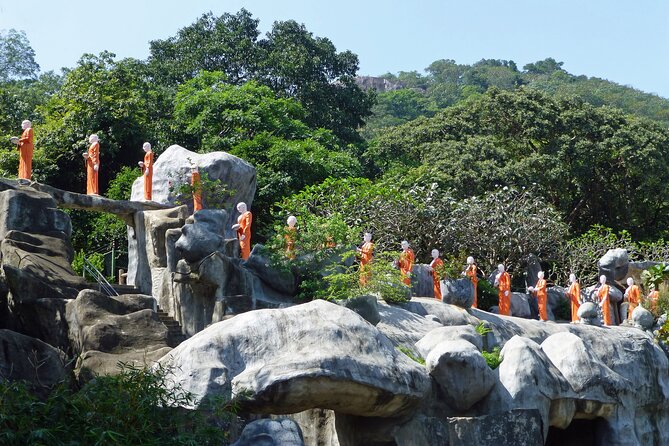
After Sigiriya, you’ll head to the Golden Temple of Dambulla, one of Sri Lanka’s most important sacred sites. This is UNESCO too, and it feels calmer than Sigiriya even though it’s still visually huge.
The rock towers about 160 meters above the surrounding plains, so the approach gives you that same strong sense of place. Your guided visit focuses on why Dambulla matters across centuries, including evidence of occupation reaching back much farther than many first-time visitors expect.
Dambulla is famous for the rock cave temple complexes, and they’re well preserved. You’ll have about 1 hour 30 minutes here, which means the guide can help you prioritize the most important cave areas without turning it into a checklist.
The headliner details are worth knowing before you go inside:
- More than 80 documented caves exist in the wider area
- Main attractions are spread over five caves
- These caves contain statues and paintings tied to Gautama Buddha and his life
- There are 153 Buddha statues in total
- You’ll also find three statues of Sri Lankan kings and four statues of gods and goddesses
- The murals cover about 2,100 square meters
That last one is the kind of scale that changes how you look at the cave walls. It’s not a few old pictures. It’s an entire program of religious art, and your guide can connect what you’re seeing to the cultural meaning.
Inside the caves: how to make the murals and statues actually click
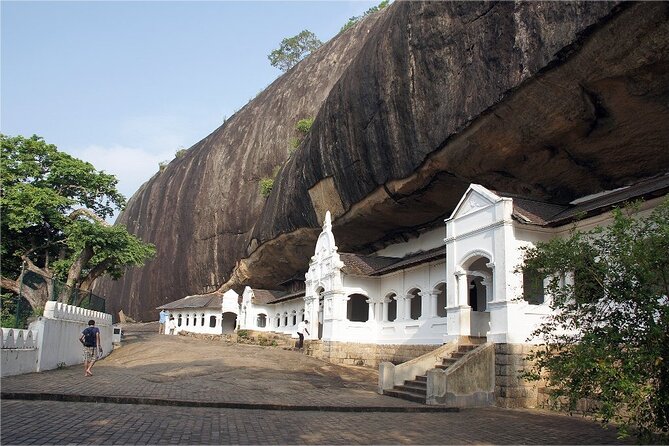
In a cave temple, your eyes can bounce around fast. You see a statue, you look at paintings, and suddenly the hour is gone. The best way to enjoy Dambulla is to let your guide steer your attention.
Here’s what I’d focus on during your visit:
- The storyline link in the paintings connected to Buddha’s life
- How the statue counts you’re told about translate into the space you’re standing in
- The way multiple caves work together as one sacred complex rather than separate attractions
You’ll likely notice that the caves aren’t random. The arrangement helps you move through an emotional arc: from opening views to deeper sacred spaces, with art and sculpture doing most of the teaching. That’s why having time with a guide matters on this stop.
Also, don’t ignore the view elements outside. The tour description points to scenic landscapes from Dambulla Temple. Even a short pause to look out over the plains changes the feel of the visit, because you remember you’re on top of a rock site that’s physically dominating the region.





Lunch, bottled water, and the value of an all-inclusive day
Let’s talk money and what you actually get. This tour costs $210 per person, which sounds steep until you break down what’s included.
You’re not only paying for transport. The package includes:
- Private transportation and hotel pickup & drop-off
- Lunch and bottled water
- Entry fees and professional site guides for both Sigiriya and Dambulla
In other words, you’re paying for a day that’s structured. You’re not hunting down tickets for UNESCO sites, and you’re not trying to find a guide separately at each location.
For my money, the best value part is the guide coverage. When someone explains what you’re looking at at Sigiriya and then again at Dambulla, your visit becomes more than photo stops. It turns into cultural context, and that’s what makes the time feel earned.
One more practical point: because entry fees and guidance are included, you avoid the common “surprise costs” that pop up when you DIY these UNESCO stops from the coast.
Timing realities: it’s a long day, so plan for comfort
Even with private transfers, this is still a marathon. The duration is listed as 12 to 14 hours, and the start time is 4:00 am. That means you should plan around fatigue.
If you want to enjoy it, I’d treat the day like this:
- Sleep hard the night before
- Have a simple breakfast plan before pickup if you can
- Bring a layer for early morning and sun-exposed later hours
- Pace yourself on the climb so you don’t burn out before you reach the views
The tour is weather-dependent. That’s not a scare tactic; it’s practical. If conditions are poor, you won’t be pushing to force it. Instead, you’ll be offered a different date or a full refund.
Who should book this Sigiriya–Dambulla trip?
This is a strong fit if you want a high-impact day without handling logistics yourself. I’d especially recommend it if you:
- Want both UNESCO sites but don’t want to coordinate them separately
- Like having a guide explain history and architecture rather than reading alone
- Prefer a private setup where the day can move at your group’s pace
A solo traveler can also make sense here, because the tour is private for your group, not a shared bus experience. Couples often like this format too since you get a shared guide experience and the same rhythm of stops.
If you’re traveling with kids or anyone who has trouble with early mornings or active climbs, consider whether a 12–14 hour day works for your group. The sites are amazing, but the timing is demanding.
Should you book it?
Yes, I’d book this if your top goal is seeing Sigiriya and Dambulla with guidance and zero hassle. The all-inclusive package approach is the main reason it works: transport, lunch, bottled water, entry fees, and professional site guides are already covered.
I’d hesitate only if the early 4:00 am start will ruin your trip, or if you strongly prefer slow travel with fewer big-ticket stops. For most people doing their first serious UNESCO day from the southern coast, this is a smart mix of value and structure.
FAQ
How long is the Sigiriya–Dambulla day trip?
The tour runs about 12 to 14 hours.
What time does the tour start?
Pickup starts at 4:00 am.
Are entrance fees included for Sigiriya and Dambulla?
Yes. Entry fees and the professional site guides are included for the Sigiriya Rock Fortress and the Dambulla Rock Cave Temple.
Is lunch included?
Yes. Lunch and bottled water are included.
Is this tour private or shared with strangers?
It’s private. Only your group participates.
What if weather is bad?
The experience requires good weather. If it’s canceled due to poor weather, you’ll be offered a different date or a full refund.