Breathing underwater in Sri Lanka is surprisingly doable. This 3-hour beginner-friendly scuba try session takes you from basic lessons to an open-water outing from the beach, with sights like a shipwreck and a rocky coral reef. You’ll go with a small group (up to 15) and come back feeling like you actually understand what’s happening underwater—thanks to patient training and a shipwreck/reef combo.
What I like most is the structure. You’ll get a short dive-gear basics setup plus hands-on practice in confined water (often a pool, depending on the option), then move to a boat outing with real depth limits. And the teaching style shows up in real examples: instructors like Ellie, Nico, Alex, Darshana, and Fabio are repeatedly praised for staying calm, taking time, and walking you through the signals at your pace.
The main thing to consider: it’s physical. You should be in reasonable health with moderate fitness, and there’s no lunch included (you’ll have snacks and water, but plan to eat after).
In This Review
- Key Highlights You’ll Care About
- First-Time Scuba Starts Here, Not in Deep Water
- Two Programs, Two Depth Comfort Zones
- Where You Start: Unawatuna Base on Matara Road
- What You Get for the Price (and What You Don’t)
- The Lesson Part: Signals, Breathing, and Calm Control
- Confined Water Practice: The Confidence Builder
- The Big Moment: Shipwreck and Rocky Coral Reef
- Extra Boat Outings: When You Want More Time
- Group Size and Personal Attention (Up to 15)
- Who This Suits Best
- Smart Prep Before Your Start Time
- Value Check: Is $84.09 a Good Deal?
- Should You Book This First-Time Scuba Session?
Key Highlights You’ll Care About
- Two depth options: one plan goes up to 6 m, another up to 12 m, so you can choose your comfort level.
- Confined practice first: you’ll train before getting out to the open water, which helps first-timers stay relaxed.
- Small group cap: up to 15 people, so you’re less likely to feel lost.
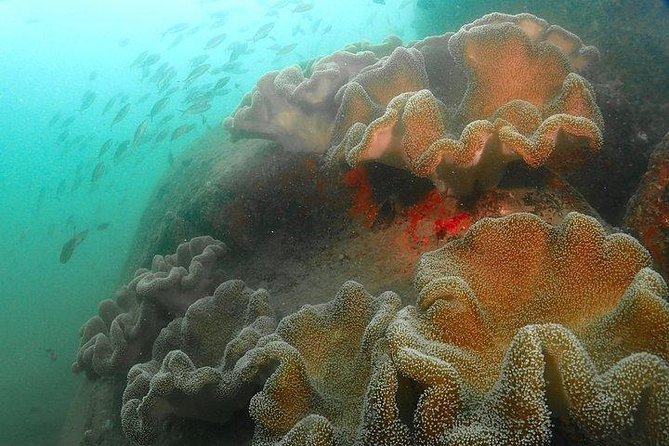
- Real sites, not just “a bit of water”: a shipwreck and rocky coral reef are part of the experience.
- Safety-first instruction: instructors emphasize calm coaching and controlled practice, even for nervous newcomers.
- Certificate of recognition: you get a PADI Certificate of Recognition and your details are registered in the PADI database.
First-Time Scuba Starts Here, Not in Deep Water
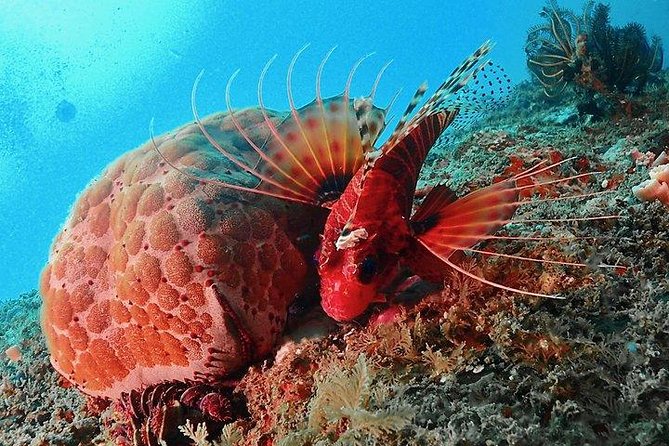
This is designed for people who want the real thing—breathing underwater, using gear, and seeing marine life—without jumping straight into a full certification course. The vibe is practical: you learn the basics, practice them right away in a controlled setting, then take the equipment to the ocean with clear limits.
The most reassuring part is that the session isn’t just a “try it and hope for the best” style. You get a basic lesson, then practice in confined water (and sometimes in confined open water, depending on the route you’re booked on). After that, you head out for a single main underwater outing. That sequence matters because underwater skill is mostly about muscle memory and calm breathing—both are easier to build when you’re guided step by step.
You can also read our reviews of more tours and experiences in Negombo.
Two Programs, Two Depth Comfort Zones
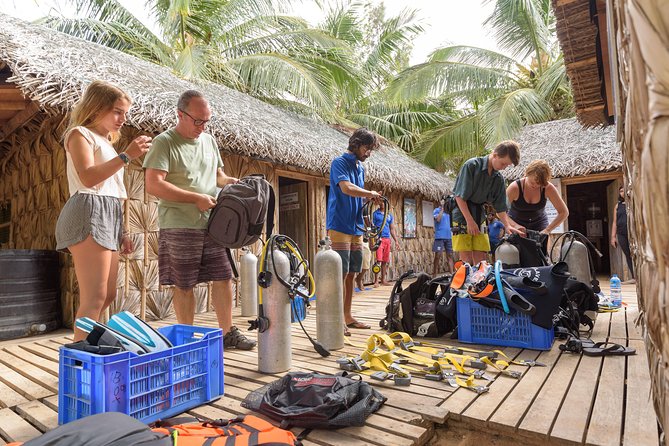
You’ll see two closely related formats, and the difference isn’t just time—it’s depth and who runs the open-water part.
Option 1 (shorter, up to 6 m)
If you book the shorter “non-certified” intro format, expect a basic dive theory lesson, short confined water training, and one boat outing reaching up to 6 m. This is led by PADI staff, including a lead such as a Divemaster-type role (the program wording uses that term).
Option 2 (longer, up to 12 m, with instructor-led depth)
For the full “PADI Discover Scuba” style option, it’s usually around 3 hours. You get basic dive theory, confined water training (sometimes in a pool, sometimes confined open water), and then one boat outing up to 12 m with a PADI instructor.
Why you should care: depth changes your pace and your mental load. Even if you’re comfortable in water, going deeper means you’ll follow instruction more closely and you’ll have less margin for panic. If you’re anxious (very common), the shallower route often feels like a smart on-ramp.
Where You Start: Unawatuna Base on Matara Road
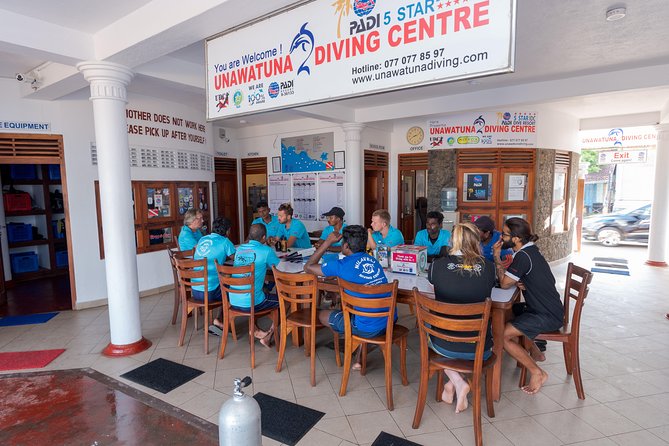
Your start point is at the Divinguru Unawatuna area on Matara Rd (80600, Unawatuna). This matters because the session logistics are built around that base: equipment, briefing, and the short travel to the water area.
The schedule includes both morning and afternoon starts—8:30 am or 1:30 pm—and your specific pickup timing should match what you select. If you’re the type who hates racing the clock, aim for the earlier slot. You’ll have more time to get settled before your first practice in the water.
What You Get for the Price (and What You Don’t)
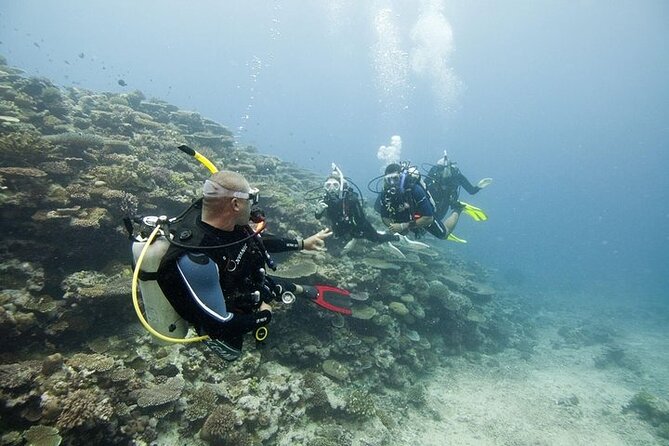
At about $84.09 per person, you’re paying for a full beginner package rather than only a boat ticket. Here’s what’s included:
- Rental equipment
- Bottled water
- Snacks
- Private transportation
- Coffee and/or tea
What’s not included: lunch.
This is actually pretty fair value if you’re coming without gear and without local diving experience. Renting everything on-site saves time and avoids the hassle of trying to buy or bring the right items yourself. The snacks and drinks also keep the energy steady during the lessons.
Just plan your food: since lunch isn’t included, eat a proper meal either before your morning session or after your afternoon one. If you’re prone to getting hungry when you’re nervous, bring that up to the staff so they can help you manage timing.
The Lesson Part: Signals, Breathing, and Calm Control
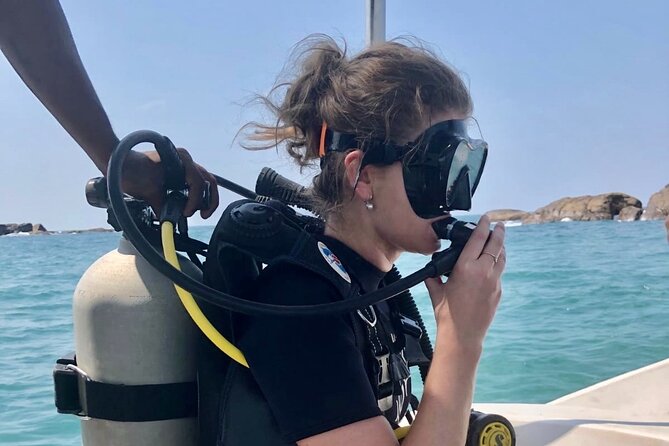
Before you go out anywhere, you get basic theory and coaching. This is where first-timers often feel the most strain—not because it’s hard, but because nobody wants to look confused while trying something new.
The good news: the instruction style coming through repeatedly in real examples is patient and very step-by-step. People mention instructors who:
- explained equipment use clearly,
- spent time on practice until confidence clicked,
- taught hand signals slowly and made sure you understood them, and
- stayed calm when someone felt scared.
You’ll also learn the underwater communication basics, including the signals you need to stay on the same page with your guide. This is one of the biggest reasons this type of “try” program works: you don’t just get gear—you get a way to communicate.





Confined Water Practice: The Confidence Builder
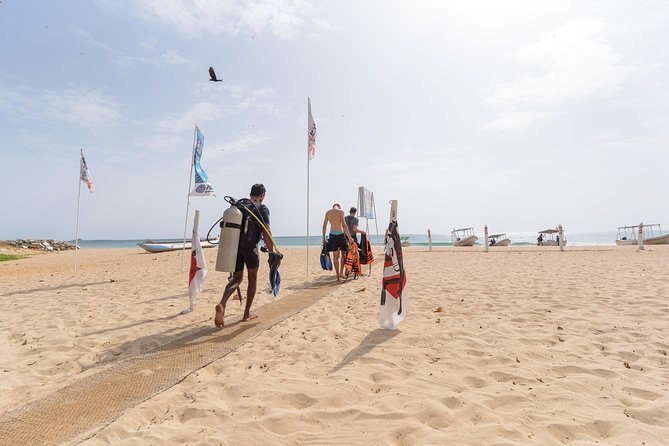
The session includes confined water training before the open-water part. Sometimes this is in a pool; sometimes it’s confined open water. Either way, the goal is the same: you practice key skills in a controlled environment where you can focus on breathing, buoyancy, and gear handling.
This step is underrated. It’s where you learn how it feels to manage your breathing rhythm and how your body reacts to the mask and regulator. Done right, it turns the underwater part from scary to doable.
And if you’re worried about nerves, this is the part that tends to make the biggest difference. Multiple first-timers describe feeling safe because they were given time to practice rather than rushed.
The Big Moment: Shipwreck and Rocky Coral Reef
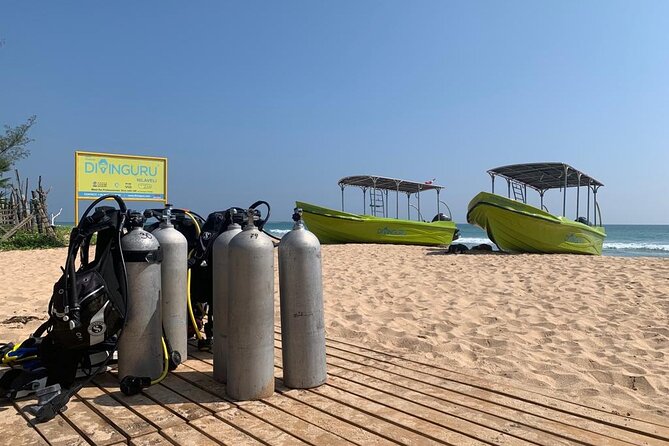
Once you’re trained enough, you move to the ocean for the main underwater outing from the beach area with a boat component. The sites are part of the appeal:
- a shipwreck, and
- a rocky coral reef area.
Why these spots matter for beginners: they’re visually interesting without requiring advanced skills. A shipwreck gives you something obvious to focus on, and rocky reef structure is easier to follow than fast-moving open water.
You’ll likely spend your time with your guide showing you where to look and reminding you what to do with your breathing and buoyancy. The instructor’s job here is to keep the outing calm and controlled, especially since many participants are still learning how to feel comfortable underwater.
If you’re a nervous first-timer, remember: your goal is not to “perform.” Your goal is to listen, follow signals, and stay relaxed. That’s what helps you see more and panic less.
Extra Boat Outings: When You Want More Time
The program includes one main boat outing. If you want additional outings beyond that, the pricing is stated clearly:
- an extra boat outing with the shorter format is 50 Euro each,
- an extra boat outing in the longer instructor-led format is 50 Euro each.
If you’re budget-minded, I’d treat the included outing as the main event and decide only after you know how you feel in the water. It’s easy to think you want more when you’re excited on the boat. The better plan is to wait until you’ve done the first one—then decide if you want to extend.
Group Size and Personal Attention (Up to 15)
The experience caps at 15 travelers, which helps in two ways. First, it keeps the staff-to-student ratio manageable. Second, it reduces the chance that your briefing turns into “stand around and wait.”
In beginner settings, attention is everything. You want time to ask questions, practice a skill again, and get reassurance. A smaller group makes that more likely.
Who This Suits Best
This is a great match for:
- first-time scuba try-goers who want structure (lesson → practice → ocean),
- travelers who are nervous but willing to learn step-by-step,
- couples or friends who want a guided “first underwater outing” with a clear path.
You should think twice if:
- you don’t feel you can meet the moderate physical fitness requirement,
- you know you struggle with intense breathing control in stressful moments,
- you can’t handle the idea of following instructions closely underwater.
Also, minimum age is 10 years, so it’s not for toddlers. If you’re traveling with a child, confirm comfort level and physical readiness with the team.
Smart Prep Before Your Start Time
You’ll get the gear, snacks, and transportation, so your prep is mainly about you. A few practical ideas:
- Eat something that won’t upset your stomach before the session (and remember lunch is not included).
- If you have any health concerns, be ready to discuss them before you get in the water. The program requires reasonable physical health.
- Wear swim-friendly clothes and plan for a change later.
- If you’re anxious, tell your instructor right at the start. The teaching approach here is built around patience, and staff examples show they’ll slow down when needed.
One more tip: if you’re booking for an afternoon slot, treat it like an event day. You’ll want your energy for learning and practice, not for a long gap of waiting or running errands right before pickup.
Value Check: Is $84.09 a Good Deal?
For a first-timer, $84.09 can be a very reasonable value—if you compare it to the real cost of gear rental, local transport, staff time, and a structured training session.
What you’re getting that usually costs extra elsewhere:
- rental equipment included,
- private transportation included,
- snacks, bottled water, and coffee/tea included,
- a full beginner training sequence with an ocean outing.
What you’re not getting:
- lunch,
- and any optional extra boat outing (50 Euro each).
So the value depends on you. If you were planning to rent gear anyway and you want one guided underwater outing without the time and cost of a full certification course, this is strong value. If you’re only curious for a quick peek and don’t want to follow instructions carefully, it may feel like more work than you expected.
Should You Book This First-Time Scuba Session?
Book it if you want a guided, beginner-friendly path with real coaching, a controlled practice step, and a real underwater outing that includes a shipwreck and rocky reef. The strongest reasons are the training sequence and the emphasis on patience and safety—exactly what nervous first-timers need.
Skip it (or choose a shallower option if you have the choice) if you’re not comfortable with depth limits, moderate fitness expectations, or the idea of learning signals and breathing control in a new setting. In other words: if you’re willing to learn and follow instructions, you’ll likely have a smooth first experience.
If you tell me your comfort level (easy swimmer? anxious? any health considerations?), I can help you choose between the shorter up-to-6 m plan and the longer up-to-12 m plan.