Jaffna feels both sacred and strategic. This full-day tour strings temples, royal ruins, and coastal breaks into one practical route through the city’s cultural core. I especially like how Nallur Kandaswamy Temple is explained in a way you can actually follow, and I also love the grounded, story-based stop at Manthiri Manai where royal heritage comes alive. One drawback: it’s a 10-hour day in warm weather, with lots of walking and moving between sites.
Guides matter here, and the tour’s English and Tamil support helps you track what you’re seeing. I’ve seen praise for guides like Jeena, Arun, and Dilushan for turning religion, history, and everyday life in Jaffna into clear, human explanations. It’s also a private group, so the pace feels easier than the big-coach style.
At $84 per person, this is strong value for a day that includes transport, hotel pickup and drop-off, a professional local guide, entrance fees, and lunch. The main thing you’ll want to budget mentally is energy: wear comfortable shoes and plan to sweat a bit.
In This Review
- Key highlights that make this tour worth your time
- Nallur Kandaswamy Temple: Sacred rituals you can actually understand
- Manthiri Manai and Chankili Gate: Royal Jaffna’s story in stone and legend
- Nilavarai Well and Keerimalai Springs: Water stops that feel simple, then personal
- KKS Beach and lunch reset: the day’s cooling-off moment
- Jaffna Public Library, Museum, and Fort ramparts: culture and colonial walls
- Pannai Park: the calm waterfront wind-down
- Price and value: what $84 includes and what it saves you
- Booking checklist: dress, sun protection, and respectful photo habits
- Should you book this Jaffna tour?
- FAQ
- How long is the Jaffna temples, royal palaces, and coastal heritage tour?
- What’s included in the price?
- What language is the live tour guide?
- Where does hotel pickup happen?
- Does the tour include beach time?
- What should I bring for the day?
- Is dress modestly required?
- Is wheelchair access available?
- Is photography allowed?
- Is cancellation free within a certain window?
Key highlights that make this tour worth your time
- Nallur Kandaswamy Temple: Learn what you’re watching, not just where to point your camera
- Manthiri Manai and Chankili Gate: Royal Jaffna stories set among real-world ruins and landmarks
- Nilavarai Well and Keerimalai Springs: Natural and sacred water stops that are easy to enjoy
- KKS Beach time: A real chance to cool off, not just a photo stop
- Jaffna Fort and Library: Colonial-era walls plus a stop tied to cultural revival
- Pannai Park: A calmer waterfront finish to close the day
Nallur Kandaswamy Temple: Sacred rituals you can actually understand
Nallur Kandaswamy Temple is the kind of place where it helps to have a guide, because faith here is active and visual. You’ll walk through the temple grounds, observe architecture and daily worship rhythms, and get context for why certain rituals matter. This isn’t just standing around taking pictures; you’re meant to connect the details.
A key advantage is that the guide explanations are aimed at making the actions make sense. In particular, guides have been praised for explaining ritual steps clearly so you understand what Hindu practice looks like in real time, not as a vague concept. If you’ve ever felt lost in a temple visit, you’ll like this setup.
Practical tips: dress modestly when you go in, and expect warmth. Photography is allowed, but you should still respect local customs—think “shoot carefully, not constantly.” Also keep an eye on your footing. Temple floors and approaches can be uneven, so comfortable shoes aren’t optional.
You can also read our reviews of more tours and experiences in Jaffna.
Manthiri Manai and Chankili Gate: Royal Jaffna’s story in stone and legend
After the temple, the tour shifts from living spirituality to the remnants of royal power. Manthiri Manai is the historic royal residence of the Jaffna kingdom, and it’s a stop that rewards slow attention. You’ll see what remains of the palace area and hear local legends tied to the site. It’s the kind of visit where the guide’s storytelling makes the “ruins” feel specific rather than generic.
Right nearby is the Chankili Gate (Chankiliyan Thoppu). This ceremonial gateway is a handy photo moment, but it’s also more than a backdrop. It marks a historical threshold—where movement and meaning met in older Jaffna life. When a guide explains the setting, you start noticing details you might otherwise miss, like where people would have entered and what the gate symbolized.
If you’re the type who likes history without turning it into a lecture, this pair of stops works well. You get stories, locations, and visual anchors in the same stretch.
Nilavarai Well and Keerimalai Springs: Water stops that feel simple, then personal
Next comes one of the tour’s most enjoyable pacing breaks: natural and sacred water visits. First, you visit the Nilavarai Bottomless Well area. The key hook is the local reputation—crystal-clear water and the famous “bottomless” idea tied to the spring. You’ll drive through rural and garden areas to reach it, so the travel time isn’t wasted.
Then you go to Keerimalai Sacred Water Springs. Here the vibe changes from curious sightseeing to a quieter, more reflective stop. The area is associated with healing powers in local belief, so even if you’re not chasing spirituality, it’s still a meaningful place to watch how people treat the water and the space around it.
Two practical notes help: bring water for the drive and protect yourself from sun. These stops can be short, but the heat adds up. And if you want photos, take them respectfully—avoid blocking anyone’s path or attention.
KKS Beach and lunch reset: the day’s cooling-off moment
After the sacred water stops, you get a payoff: time at KKS Beach (Kankesanthurai, or KKS). The tour builds in time to swim and relax, so you’re not ending the day dehydrated and cranky. This is where the day turns from “temples and walls” into “breathe and cool down.”
Because you’ll likely go from sun and heat to water, bring the right kit. The tour guidance includes beachwear, and it’s smart to pack a towel or at least a plan for what you’ll do with damp clothes afterward. Sunscreen matters here too—this is a full-day outing and the sun doesn’t take breaks.
Lunch comes after your beach time and is served at a local restaurant. This isn’t a fancy set menu described in detail, but it’s included and timed so you can refuel. You’ll then return to your hotel area for rest before the afternoon culture stops, which makes the day feel more manageable than a straight-through schedule.
Jaffna Public Library, Museum, and Fort ramparts: culture and colonial walls
In the afternoon you shift back to city heritage with three linked stops: Jaffna Public Library, Jaffna Museum, and Jaffna Fort ramparts.
The library visit is described as an iconic symbol of knowledge and cultural revival. Even if you’ve seen other public libraries around the world, this one lands differently because of its context in Jaffna’s identity. You’re not just visiting a building—you’re seeing a statement about learning and survival.
Then the Jaffna Museum helps you connect the dots. Expect exhibits that showcase Tamil heritage along with colonial history artifacts. It’s a useful bridge between what you saw in the royal palace remnants and what you’ll see on the fort walls. Without the museum stop, you might view the fort as only “European-era walls.” With it, the fort starts feeling like part of a bigger story.
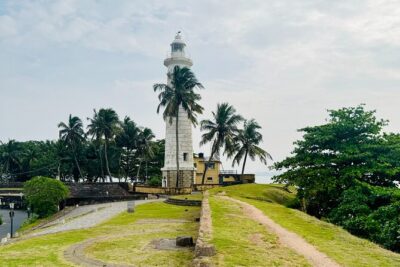
Finally, Jaffna Fort Frederik (often referenced as the 17th-century fort) brings panoramic views from the ramparts. You’ll walk along the fort and look out over the lagoon area. The fort is one of those places where the views clarify geography fast—where the land sits, how water shapes the city, and why certain sites matter.
If you’re a photo person, this is a strong finish point for pictures. If you’re not, it’s still worth going slow on the ramparts and letting the view do the explaining.
Pannai Park: the calm waterfront wind-down
To close the day, the tour ends at Pannai Park, a peaceful waterfront stop designed for unwinding. This is the right kind of finish after a full run of temples, royal sites, and forts. You can relax, take sunset photos, and let your brain stop sprinting through information.
If you want to remember the tour as more than a checklist, this last leg helps. It turns the day into a rhythm: sacred spaces, heritage sites, water breaks, and then quiet.
Even better, it’s a gentle way to re-enter normal life after the more intense cultural stops. You’ll leave with clearer priorities for what to explore more deeply later.
Price and value: what $84 includes and what it saves you
For $84 per person and about 10 hours, the real value is that the tour covers the parts that usually add up fast on your own: transport, hotel pickup and drop-off, a professional local guide, entrance fees, and lunch. You’re paying for convenience and context at the same time.
Here’s how that usually translates on the ground:
- Transport is handled, so you spend your energy on the stops rather than route planning.
- Entrance fees are taken care of, so you’re not doing last-minute ticket hunts.
- The guide’s work is built into every site, which makes the day easier to understand and faster to appreciate.
- Lunch is included, so your downtime isn’t dominated by decision-making.
One more practical plus: the transport vehicle type depends on the group size. Based on guide experiences people have had, rides can involve motorbike or tuk-tuk-style options in some cases. If you’re sensitive to heat or dust, tell your guide your comfort needs early—you’ll usually get practical suggestions, like using a more comfortable ride when the weather is intense.
This is best for people who want a full-day snapshot of Jaffna’s main cultural and coastal anchors, with enough structure to feel productive but enough pacing breaks to still enjoy it.
Booking checklist: dress, sun protection, and respectful photo habits
This is a day with real sun, modesty rules at temples, and a beach stop. To make it smooth, follow the tour’s guidance.
Bring:
- Comfortable shoes (for temples and ramparts)
- A hat and sunscreen
- Camera
- Water
- Beachwear for KKS Beach
Plan your behavior:
- Dress modestly for temple visits.
- Photography is allowed, but keep it respectful.
- No smoking, alcohol, or drugs during the tour.
Also note: the tour isn’t suitable for wheelchair users. Most walking is manageable for typical foot travelers, but expect steady movement across multiple sites.
Should you book this Jaffna tour?
I’d book this if you want a single day that gives you both spirituality and heritage without turning Jaffna into a blur of disconnected stops. The strongest reason to choose it is the guide-led context—people consistently highlight how guides explain temple rituals, connect Tamil culture to what you see, and frame colonial-era sites so they make sense.
I’d think twice if you hate long days in warm weather or if you prefer very slow, unscheduled wandering. You’ll be moving. But you also get smart breaks: sacred water stops, beach time, lunch, a hotel rest window, and a relaxed waterfront ending.
If your goal is to understand the “why” behind Jaffna’s landmarks while still getting sun and sea in one day, this is a solid match.
FAQ
How long is the Jaffna temples, royal palaces, and coastal heritage tour?
It runs for 10 hours.
What’s included in the price?
Transport (vehicle type depends on group size), hotel pickup and drop-off, a professional local guide, entrance fees to all sites, and lunch at a local restaurant.
What language is the live tour guide?
The guide speaks English and Tamil.
Where does hotel pickup happen?
Pickup is included, with designated pickup points in Jaffna/Nallur.
Does the tour include beach time?
Yes. You’ll visit Kankesanthurai (KKS) Beach and have time to swim, sunbathe, and relax.
What should I bring for the day?
Bring comfortable shoes, a hat, a camera, sunscreen, water, and beachwear.
Is dress modestly required?
Yes. You’re advised to dress modestly when visiting temples.
Is wheelchair access available?
No, it’s not suitable for wheelchair users.
Is photography allowed?
Photography is allowed, as long as you respect local customs.
Is cancellation free within a certain window?
Yes. Free cancellation is available up to 24 hours in advance for a full refund.