Spice shopping turns into dinner homework. This private class in Eastern Province, Sri Lanka turns curry-making into a hands-on lesson, taught in a modern kitchen but grounded in traditional Sri Lankan technique.
I especially like the personalization: the menu can be tailored around your preferences, pace, and how much time you want to spend cooking. I also love that you’re not just watching—you’re making the dishes yourself, with instruction on both traditional methods and modern shortcuts.
One thing to consider: the class can involve 10 to 11 dishes in about three hours, so it’s best if you’re ready to cook actively, not just snack and observe.
In This Review
- Key Points You’ll Care About
- Eastern Province Cooking School in a Homey, Hands-On Setting
- Your Menu Gets Built Around You, Not the Other Way Around
- Getting Started the Right Way: Natural Tea, Then Aprons On
- Sri Lanka’s Spices Through Curry Paste, the Flavor Center
- From Starters to Desserts: Learning 10 to 11 Dishes in 3 Hours
- Modern Techniques You Can Repeat Back Home
- Eating What You Make: Conversation as Part of the Lesson
- Price and Value: What $42 Per Person Really Gets You
- Who This Class Suits Best (and Who Might Want Something Else)
- Should You Book Sweetvalley Cooking School?
- FAQ
- Where does this cooking class take place?
- How long is the cooking class?
- What is the price per person?
- Is the class private?
- Can the menu be adjusted for dietary needs?
- What’s included in the activity?
Key Points You’ll Care About
- Tailor-made menu based on your preferences and time, with diet requests supported
- Curry paste from scratch, made using traditional methods and taught with clear technique
- You cook the dishes, not just learn about them
- Modern kitchen tips so you can repeat the food at home
- English-speaking private instruction with a small-group feel
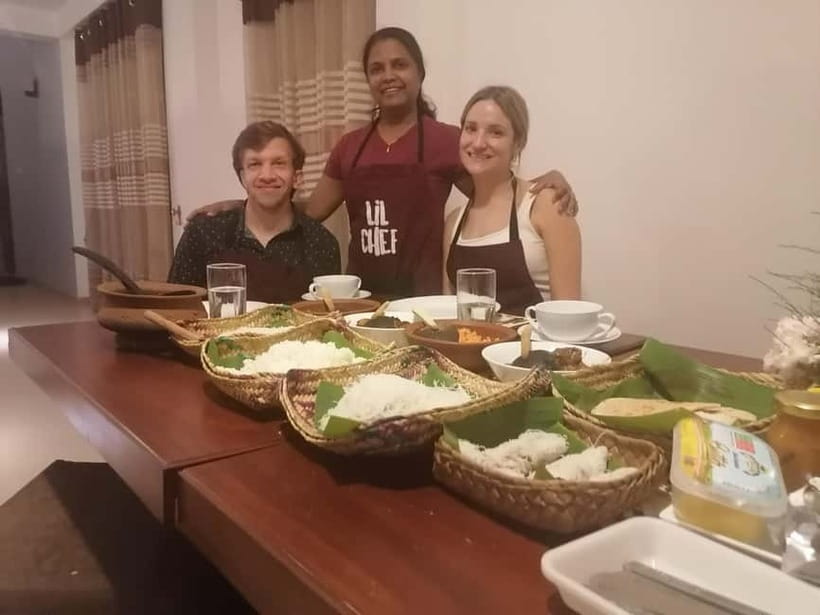
- Sample menus can include string hoppers, roti, sambal, curries, and cashew curry
Eastern Province Cooking School in a Homey, Hands-On Setting
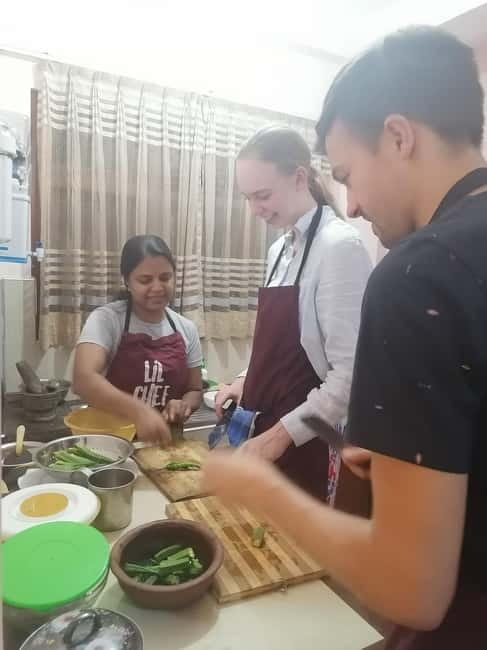
This experience is built around a simple idea: if you want Sri Lankan food to make sense, you have to cook it. You’ll spend three focused hours learning how the flavors come together, then you’ll eat what you helped create.
The setting matters. Even though the kitchen is modern, the teaching style is personal and welcoming. You’re learning from hosts who clearly care about food and about making the experience feel human—not staged, not rushed, and not stuck in a lecture format. That’s why this works so well as a private class: you can ask questions, slow down when you need to, and steer the menu toward what you actually want to eat.
You’ll also get hotel pickup and drop-off, which is a big deal in Sri Lanka where road times can be the whole plan. Instead of figuring out transport at the end of an active afternoon, a driver comes, calls your mobile number, and brings you back.
You can also read our reviews of more tours and experiences in Ella Sri Lanka.


Your Menu Gets Built Around You, Not the Other Way Around
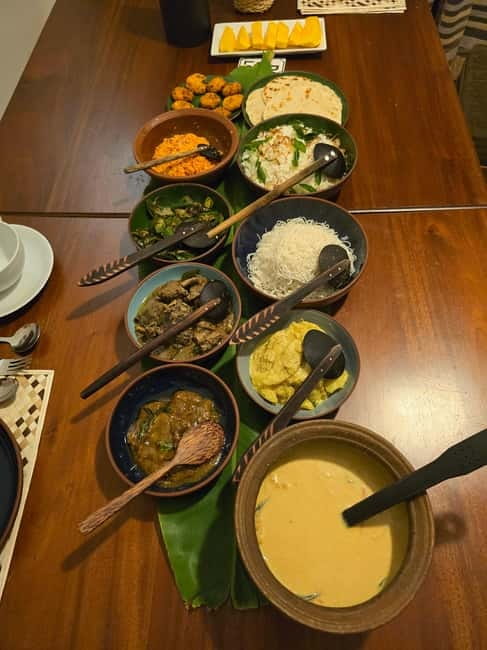
The biggest value here is that the class isn’t one fixed script. The course can be arranged based on what you want to cook, your dietary restrictions, and your learning pace.
That includes options like vegan and gluten-free meals. You can also request a vegetarian menu and specific dishes you’d like to learn. For me, that’s the difference between a generic cooking class and a practical one: you leave knowing how to cook the food you’ll actually crave later.
A tailored menu also helps with motivation. If you’re excited about, say, curries plus a favorite snack, you’ll pay closer attention to the steps that create flavor. And if you’re learning for a particular dietary goal, you’ll get guidance that makes those flavors work without relying on one-size-fits-all ingredients.
Getting Started the Right Way: Natural Tea, Then Aprons On
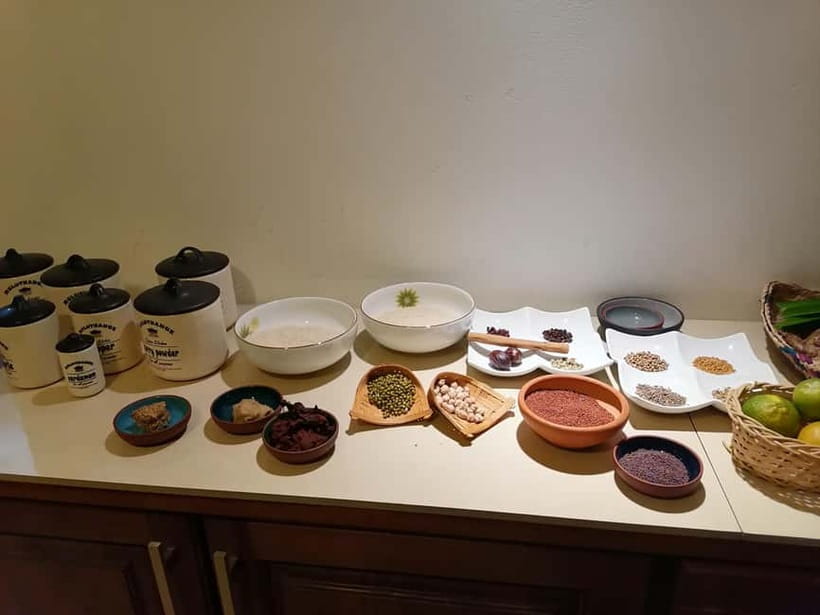
Most hands-on cooking experiences feel random at the start. This one doesn’t. You begin with a natural tea, which helps you shift into the rhythm of the evening. It’s a small touch, but it sets expectations: you’re not just here to cook; you’re here to learn a culinary culture.
Then it’s aprons on and straight into the kitchen workflow. The structure tends to be active from the beginning. You’ll be guided step-by-step, and you’ll also get a sense of why the order matters—especially when curry paste is involved, since it influences color, taste, and aroma across multiple dishes.
Sri Lanka’s Spices Through Curry Paste, the Flavor Center
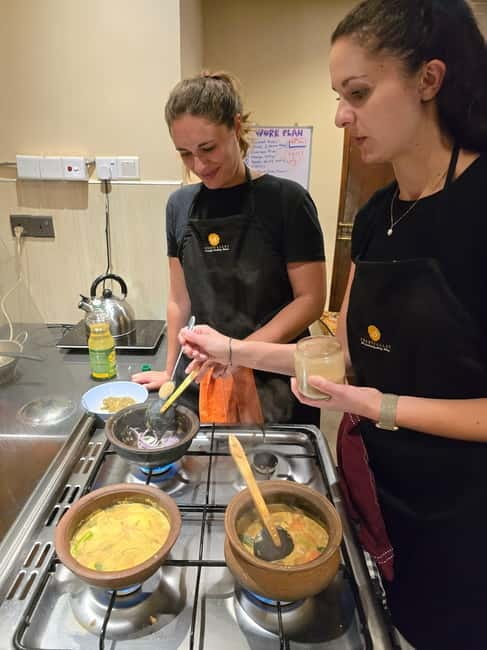
Curry paste is the engine of Sri Lankan cooking. Here, you don’t treat it like an ingredient that magically appears in a jar. You prepare it using a wide selection of spices following traditional methods.
This is one of the most teachable parts of the class because curry paste isn’t only about flavor—it’s about timing and texture. You’ll learn how the paste is created, how it behaves in cooking, and why that matters when you move from curry to other dishes that rely on the same spice base.
You also learn how this traditional method fits into a modern kitchen. That means you get practical guidance for what to replicate at home. You’ll come away with a better understanding of Sri Lankan cooking as a system, not a list of recipes.
If you love food that tastes layered but still feels comforting, curry paste is where the whole thing clicks.
From Starters to Desserts: Learning 10 to 11 Dishes in 3 Hours
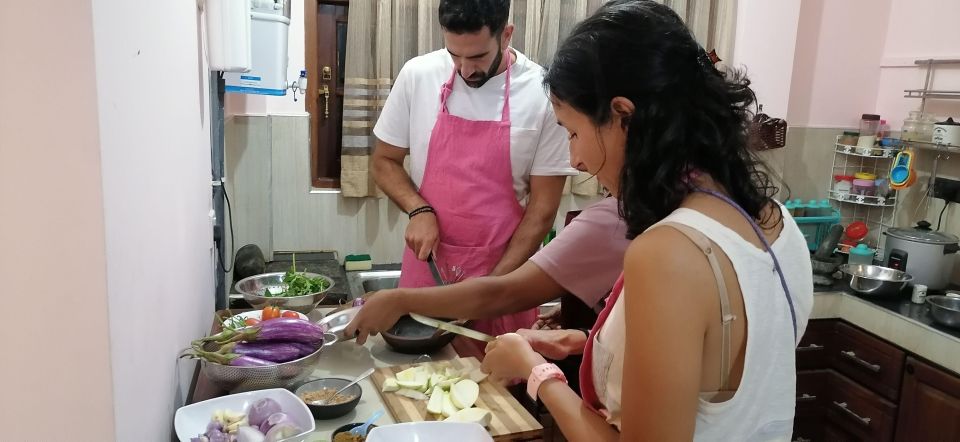
Three hours can sound tight, and it is—so the planning here matters. The class can include around 10 to 11 dishes, often organized into two cooking rounds. That prevents the session from collapsing into one long stretch of work, and it helps you stay focused.
What do you actually cook? Menus are customized, but the class experience can include things like:
- String hoppers (fresh, delicate, and a great skill marker)
- Curries built from your spice work
- Roti
- Sambal (a spicy condiment side)
- Cashew curry (a dish people get genuinely excited about)
And then you round things out with snacks and desserts. The key is that you’re not just learning one technique. You’re practicing the building blocks: spice base, balancing flavors, cooking textures, and assembling a meal that feels complete.
The teaching style supports that workload. You’ll get explanations of what you’re doing and why, not just instructions like do this, then that. When you understand the logic, you can adapt later at home without needing the same exact kitchen setup.



Modern Techniques You Can Repeat Back Home
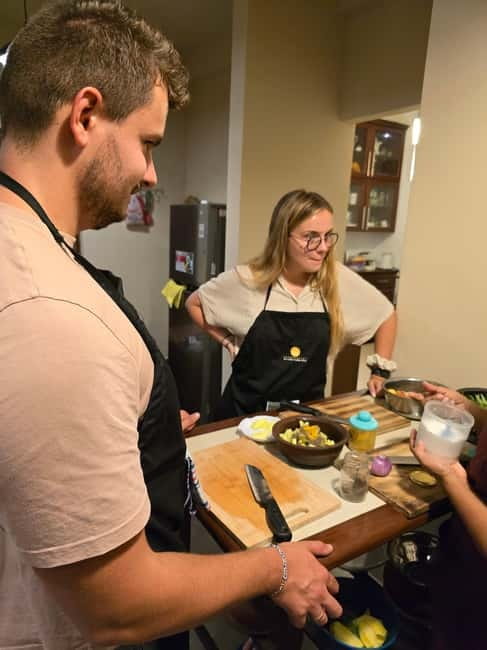
One of the smartest parts of the class is that it doesn’t stop at traditional method. You’ll also get modern kitchen tips for cooking the same foods with tools and timing you’re more likely to have at home.
That matters because the biggest frustration after cooking classes is leaving with recipes that don’t translate. Here, you’re trained to understand the technique behind the flavor. So if you don’t own the same equipment, or if you’re cooking for a different schedule, you’re still able to recreate the result.
The class also covers how to make the dishes easily once you’re home. That includes learning what to watch for as things cook—when the scent changes, when texture signals readiness, and how to adjust based on taste.
You’ll likely find yourself thinking about your spice base differently afterward. Instead of treating curry paste as a shortcut, you start viewing it as a foundation you can build on.
Eating What You Make: Conversation as Part of the Lesson
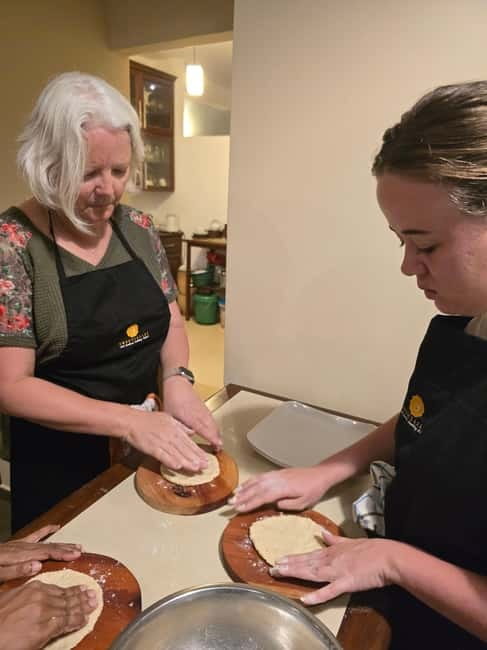
A good cooking class is balanced: you cook, you learn, and then you enjoy. This one lands there. After each cooking stretch, you eat the food you made, and you get time for conversation with your hosts.
In the best moments, it feels like being invited into someone’s kitchen. The hosts come across as humble and warm, and the vibe is focused on making you feel at home while still giving you practical teaching.
That human part isn’t fluff. It makes a difference because you’ll be more comfortable asking questions, clarifying steps, and slowing down when something isn’t clicking. In a private class, that matters.
Also, eating together is how you gauge success. Cooking is one thing; tasting your own work and understanding how it should taste is what turns instruction into memory.
Price and Value: What $42 Per Person Really Gets You
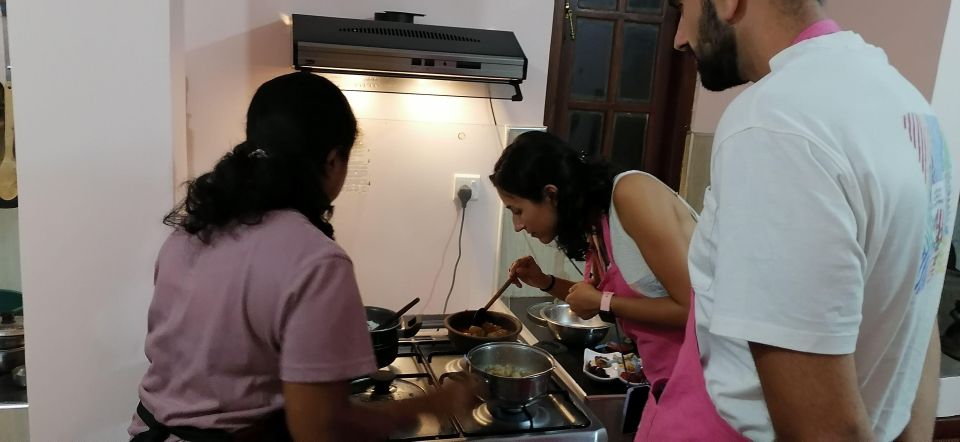
At $42 per person for a 3-hour private class with pickup and drop-off, you’re paying for three things at once: time with an instructor, a full hands-on cooking experience, and transport that removes friction.
Compared to group cooking classes, privacy can be the hidden value. You can request specific dishes and dietary adaptations, and you’re not competing for attention in a big room. That personalization is one of the reasons the menu can change meaningfully based on your needs.
Compared to a cooking class that only teaches basics, you’re also getting breadth. Learning up to 10 to 11 dishes in one session is a lot. Even if you don’t master everything perfectly, you’ll leave with a toolkit of techniques and flavors you can use immediately at home.
So the value is less about counting dishes and more about getting a structured path from spice base to full Sri Lankan meal.
Who This Class Suits Best (and Who Might Want Something Else)
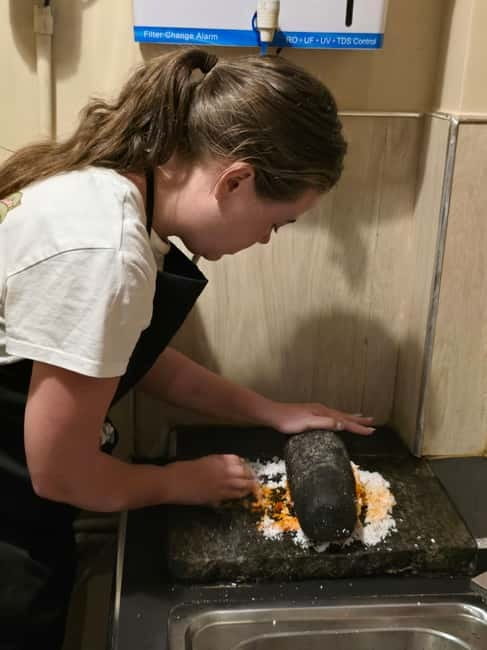
This is ideal if you:
- Want a hands-on Sri Lankan cooking experience rather than a quick tasting tour
- Prefer private instruction where you can ask questions and request specific dishes
- Need diet flexibility like vegan or gluten-free
- Are excited to learn curry paste and understand how it drives the rest of the meal
You might reconsider if you:
- Want a slow evening with minimal cooking
- Get overwhelmed when there are many stations and steps in a short time
- Prefer a class that focuses on just one or two dishes for deep repetition
If you’re the type who likes to be actively involved, this fits your style.
Should You Book Sweetvalley Cooking School?
I’d book it if you want Sri Lankan food you can actually cook later. The combination of curry paste practice, a tailor-made menu, and modern tips for repeating the results is a practical reason to choose this over a generic cooking show.
I’d also book it if you’re the sort of traveler who enjoys being welcomed into a home setup where the focus stays on learning and eating—especially since you get pickup and drop-off to keep your evening smooth.
If, on the other hand, you prefer relaxed sightseeing with limited kitchen time, look for something lighter. This class is for people who want to cook, learn, and eat what they made in the same sitting.
FAQ
Where does this cooking class take place?
It’s located in Eastern Province, Sri Lanka.
How long is the cooking class?
The experience lasts 3 hours.
What is the price per person?
The price is $42 per person.
Is the class private?
Yes. It’s a private group.
Can the menu be adjusted for dietary needs?
Yes. The menu can be tailored to your dietary restrictions and preferences, and they offer authentic vegan and gluten-free meals.
What’s included in the activity?
Hotel pickup and drop-off are included, and the driver will call your provided mobile number upon arrival. The class is taught in English.