Warm water, serious skills, and real-world sites. I like the hands-on specialty-style training with an instructor watching every move, and I like the calm, safety-first teaching style people highlight under instructors like Leon, Tarush, and Supun. One thing to plan for: the advertised course price doesn’t include the PADI manual/certification fee (70€), so your total budget will be higher than the $225.51 headline.
This AOWD is run from Divinguru in Unawatuna, with pickup offered and small groups (max 8). Expect a mix of reef, rocky valleys, wrecks, and even night water sessions in the right conditions, with depths ranging from about 6 to 30 m across 16 local sites. If you don’t like mornings that start on time (registration at 8:30 am), or you need a very calm, low-structure schedule, this course may feel intense.
In This Review
- Quick Key Points Before You Commit
- Where This Course Fits on Sri Lanka’s Coast
- The 3-Day Flow: Theory Blocks and 5 Adventure Water Sessions
- Deep Training and Underwater Navigation: The Mandatory Skills That Pay Off
- Reef, Rock, Wreck, and Night Sessions: What You’ll Likely See in Unawatuna
- Reef areas (usually up to around 18 m)
- Deeper rocky sites and valleys
- Wreck sites near Galle harbor (up to 30 m)
- Night sessions (weather and conditions permitting)
- Equipment, Food, and the Small Comforts That Keep You Smiling
- Instructors and Safety: The Real Reason People Keep Coming Back
- Price and Value: What $225.51 Covers (and What It Doesn’t)
- Picking Your Adventure Options: How to Make AOWD Fit Your Interests
- Practical Tips Before You Go (So Your Course Feels Easier)
- Should You Book This PADI AOWD Course in Unawatuna?
- FAQ
- What’s included in the AOWD price?
- What isn’t included in the course fee?
- How long is the course?
- Do I need online theory or exams?
- What are the mandatory parts of the AOWD course?
- What prerequisites do I need?
- Is pickup available and how big is the group?
- Can I cancel and get a refund?
Quick Key Points Before You Commit
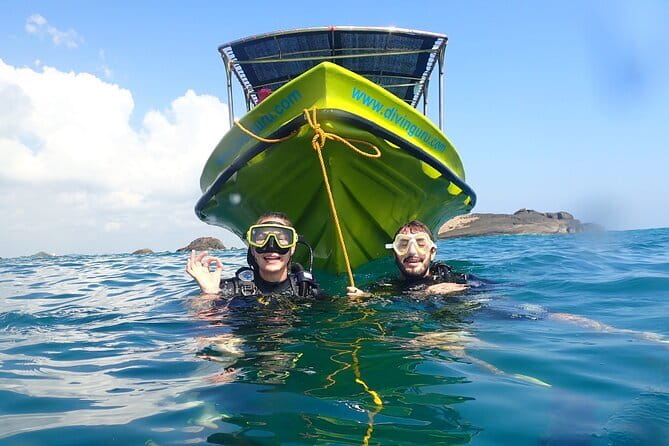
- 5 adventure water sessions across roughly 2–3 days, mixing mandatory skills with electives you choose
- Deep training + underwater navigation are required, so you’ll build real competence fast
- Small group limit (max 8) helps you get attention during skills work
- Expect wrecks up to 30 m (including the Rangoon Wreck), plus reef life with nudibranchs and reef fish
- You get equipment, snacks, and bottled water, but lunch isn’t included
- Budget extra for the PADI fee (70€) plus optional PADI AOWD eLearning
Where This Course Fits on Sri Lanka’s Coast
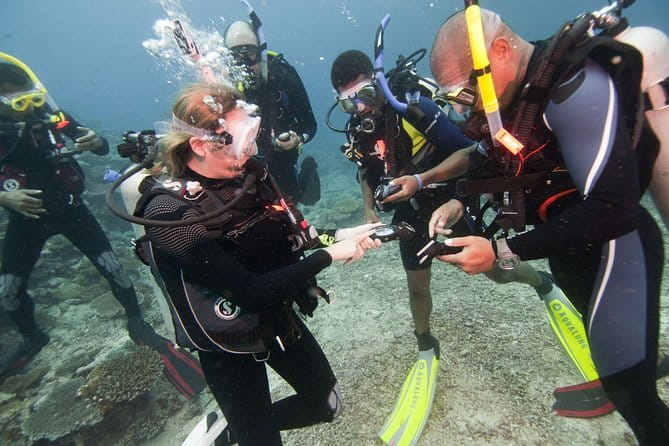
Unawatuna (on Sri Lanka’s south coast) is the kind of place where you can do a course and still see the area’s underwater variety without living out of a suitcase. Divinguru runs the Advanced Open Water Course from a PADI 5 Star IDC dive resort address on Matara Rd in Unawatuna, and the end point returns you to the same meeting spot.
What I like about this setup is how practical it is. You’re not just memorizing skills on a pool-like schedule; you’re applying them across different kinds of bottom and different depth bands, including both shallower reef areas and deeper rocky/wreck areas. That matters because AOWD is meant to turn your basic entry-level comfort into a toolset you can actually use.
The course length is listed as around 3 days, and PADI says 2 to 3 days for the AOWD content (with 5 adventure water sessions). In real life, that usually means a tight rhythm: short theory, then multiple skills and water sessions over consecutive days. If you like motion and momentum in your vacation, you’ll probably enjoy this.
You can also read our reviews of more tours and experiences in Negombo.

The 3-Day Flow: Theory Blocks and 5 Adventure Water Sessions
Here’s the structure you should expect.
The course includes 5 adventure water sessions. Before each one, you do some theory work for that specific segment (and it notes there are no exam requirements). The timing note says theory takes about half a day, and then you’ll usually run 2 or 3 water sessions per day.
You also get to choose 3 additional adventure options beyond the mandatory items. The schedule lists mandatory Deep Diving and Underwater Navigation, then you can pick from options such as wreck, boat, peak performance buoyancy, fish ID, and similar specialties. Translation for you: you can tailor the course toward what you’re curious about, instead of being locked into a single theme.
Registration time matters. If you start in the morning, you arrive at 8:30 am for registration. If you start in the afternoon, plan for 1:30 pm arrival. That’s a small thing, but it affects your whole day. In a place like Unawatuna, the easiest way to enjoy the course is to treat those times like a fixed appointment—don’t show up late and then hope things slide.
Group size is capped at 8 travelers. That matters for comfort and learning speed. Smaller groups mean instructors can spot issues quickly (especially during skills work like navigation, buoyancy control, and controlled descents).
Deep Training and Underwater Navigation: The Mandatory Skills That Pay Off
Two items are required: Deep Diving and Underwater Navigation.
Even if you’re feeling confident from your Open Water course, deep training changes your body rhythm. You’ll spend time learning how to manage comfort as depth increases—breathing rate, maintaining calm buoyancy, and staying aware of your gas and surroundings. The course is specifically structured for learning under supervision, which is what you want for a “first time going deeper” milestone.
Underwater navigation is one of those skills that can feel awkward at first, mostly because it goes against what your brain wants to do underwater (which is to drift and follow motion). The real value is that navigation helps you stop treating every new site like a random walk. Once you can navigate, you can read the site layout better and feel more in control—especially in areas with rocky features, deep valleys, or wreck structures where you don’t want to lose orientation.
What supports you here is the way the instructors are described across the program feedback you were provided: people consistently call out patient coaching, clear explanations, and a safety-first approach. When navigation is the focus, calm teaching is not a “nice to have.” It’s what helps you keep your head clear and execute the skill correctly.
Reef, Rock, Wreck, and Night Sessions: What You’ll Likely See in Unawatuna
The center describes around 16 different dive sites, with depths roughly between 6 and 30 m. They also break down what kind of life and terrain you can expect, and that’s useful when you’re deciding whether the course will feel like more than just “practice.”
Reef areas (usually up to around 18 m)
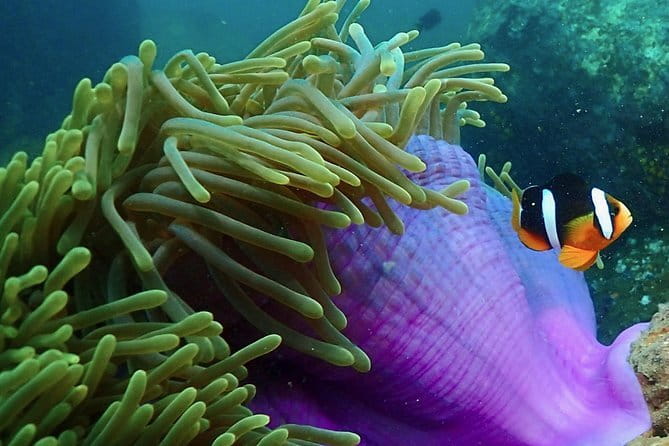
Reef sites are where you can see coral fish of the Indian Ocean, and you can also find macro life, including nudibranchs. The notes say hard and soft corals are present at many reef sites, but they also note coral can be limited (described as rare up to 18 m). Translation: go in expecting interesting fish and small life, not a constant wall-to-wall coral show.
Also mentioned: sting rays on the sandy bottom. That’s exactly the kind of sighting that feels like “real world” scuba—something you can’t replicate in a training environment.




Deeper rocky sites and valleys
At deeper sites, the terrain is described as mostly rocky, with deep valleys to explore. This is good AOWD fuel because navigation and buoyancy matter more when you’re not just cruising over flat sand. Rocky terrain can also mean more hiding places for small creatures—though you’ll experience it through the lens of training and controlled profile planning.
Wreck sites near Galle harbor (up to 30 m)
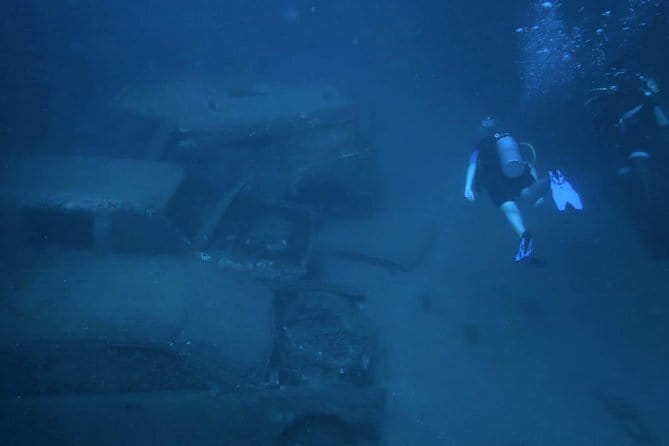
This is where the site list gets especially compelling. The wreck section highlights three named wrecks:
- Rangoon Wreck at about 30 m
- SS Oreste around 22 m
- Galle Ship Wreck around 18 m
The center says these wrecks are on sandy ground, and it notes that the most soft corals and fish live at the two deeper wrecks. It also mentions the chance of seeing hundreds to thousands of sweet lips, along with other fish. That’s a big deal for your course experience because wreck water sessions often feel more cinematic than standard reef hopping—provided you’re comfortable managing depth and buoyancy.
Night sessions (weather and conditions permitting)
Night sessions are listed as part of what the centre offers. You should expect this to depend on conditions and planning. Night work can be excellent for learning because visibility, perception, and buoyancy awareness all change after dark.
Equipment, Food, and the Small Comforts That Keep You Smiling
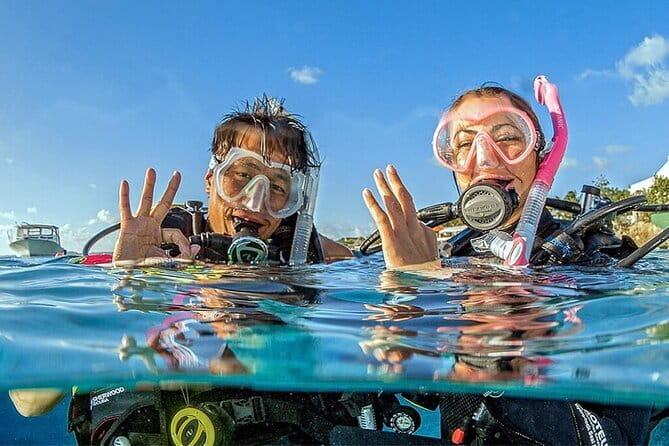
Included in the course price:
- Use of scuba equipment
- Bottled water
- Snacks
- Coffee and/or tea
Not included:
- Lunch
This is a practical detail with real impact. If lunch isn’t included, you’ll want to plan where you’ll eat between theory blocks and water sessions. Missing meals also affects energy and patience, and during AOWD you’ll want to be mentally sharp for instructions and skills repetition.
Gear is included, which saves hassle on travel days. Still, I suggest you bring your own basic comfort items where you can—things like a towel and anything you use to keep your gear dry and organized between sessions. The course style is tight scheduling, so small preparation choices make a big difference.
Instructors and Safety: The Real Reason People Keep Coming Back
The feedback you shared points to one clear pattern: instruction quality and safety attention.
Names that come up include:
- Leon (called out for taking time to explain, serious about security/safety, and being patient)
- Tarush (for excellent coordination and flexible preferences during the course)
- Supun (praised as calm, patient, fun, and making people feel completely at ease and safe)
- Hans, Norbert, and Ellie (noted as part of how well the operation is organized and how smooth the experience feels)
Even if you don’t care about personalities, these qualities matter because AOWD’s core goal is controlled skill improvement. When the instructor is patient and calm, you’re more likely to nail buoyancy and navigation basics the first time. When safety is taken seriously, you’ll focus on learning instead of worrying.
Also, the centre is described as having strong pre-arrival coordination, and that tends to reduce stress—especially if you’re traveling from elsewhere in Sri Lanka and want your schedule to feel smooth.
Price and Value: What $225.51 Covers (and What It Doesn’t)
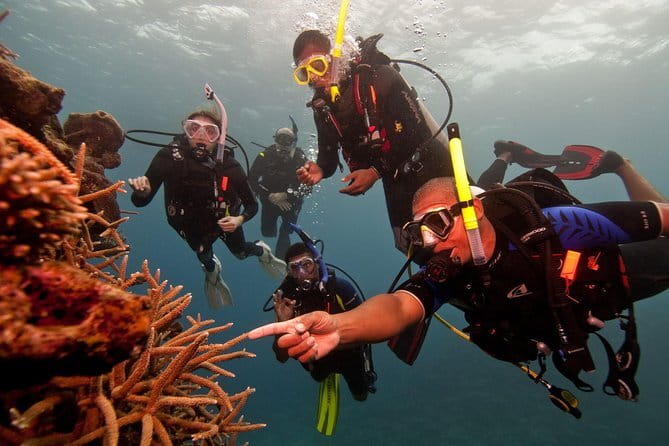
The course price is listed as $225.51 per person, for approximately 3 days and includes equipment and the day-to-day comforts (water, snacks, and coffee/tea). That’s a fair base price for a structured certification course with multiple supervised water sessions.
But there’s an important add-on:
- The PADI fee of 70€ for the AOWD manual and certification costs is not included in the course fee.
If you choose to do theory online:
- You can purchase PADI AOWD eLearning on PADI’s website and register it with the diving centre (Divinguru Unawatuna is listed as a PADI 5 Star Dive Resort in the registration info). The key point: eLearning is not automatically included; it requires an additional purchase on PADI’s side.
So what’s the real value? I’d frame it like this: the base price buys you the instruction, supervision, and local site experience. The 70€ covers the paperwork and PADI materials/certification. If you budget for both at the start, the whole thing makes sense. If you assume the course price is the final total, you’ll be surprised later.
Given the praised safety and instruction, the value isn’t just about “getting certified.” It’s about getting coached through deeper skills and navigation in a place with real underwater variety—reefs, rocky terrain, and three named wrecks.
Picking Your Adventure Options: How to Make AOWD Fit Your Interests
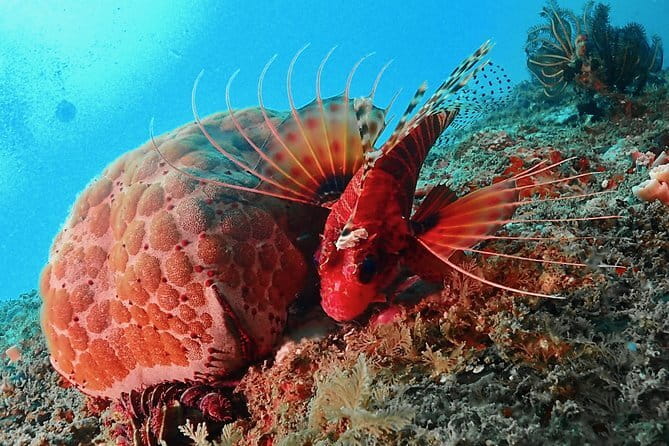
You’ll have to do the mandatory deep training and underwater navigation. Then you choose 3 more adventure options.
Based on the local site list and what’s offered, you might consider tailoring your electives like this:
- If you love structure and stories, pick a wreck-style option (the Rangoon wreck and other wrecks are a big part of the area’s draw).
- If you’re focused on control, choose something aligned with buoyancy skills (listed as peak performance buoyancy).
- If you want to slow down and notice more, fish ID can be great, because the region is described as full of Indian Ocean coral fish and macro life.
The “right” choices depend on what you felt weak at during Open Water. If buoyancy was the thing you kept fighting, prioritize the control-focused option. If you felt confident but wanted to go further in experience, a wreck or boat-style elective could be your payoff.
This is also where instructor flexibility matters, and your provided info includes examples of the team working with preferences.
Practical Tips Before You Go (So Your Course Feels Easier)
AOWD runs on tight timing and repeated instruction. A few practical ideas help you get more from it:
- Plan your meals. Since lunch isn’t included, don’t assume you’ll be covered. Eating well keeps you focused for both theory and skills.
- Bring a calm mindset for navigation. It can feel strange at first, but good coaching makes it manageable.
- Treat registration times as fixed. Morning start is 8:30 am; afternoon start is 1:30 pm.
- Don’t overpack your day with extra activities. You’ll want downtime between theory and water sessions.
- Confirm prerequisites before booking. You must be a PADI Open Water Diver, and the minimum certification age is 12 years.
Should You Book This PADI AOWD Course in Unawatuna?
Book it if you want your Advanced Open Water certification to include more than just “check-the-box skills.” The site mix—reefs with macro life, deeper rocky terrain, and named wrecks like the Rangoon Wreck—gives you the kind of variety that makes skills practice feel useful instead of repetitive. Add in the small-group limit and the consistent praise for patient instruction and safety, and it’s a strong choice for people who care about learning well.
Skip it or think twice if you’re trying to keep things super low-effort or you dislike a schedule that starts at 8:30 am. Also, factor in the extra 70€ PADI fee (plus any optional eLearning purchase) so you’re not budgeting on incomplete information.
If you like structured coaching, want deeper confidence, and are excited by wreck sites and underwater life, this is the kind of course that can turn into a favorite memory—not just a certification stamp.
FAQ
What’s included in the AOWD price?
The package includes use of scuba equipment, bottled water, snacks, and coffee and/or tea. Lunch isn’t included.
What isn’t included in the course fee?
The PADI fee for the AOWD manual and certification costs is 70 euros, and it’s not included in the course fee. PADI teaching materials (expect PADI eLearning) and the PADI card/manual costs are also listed as not included.
How long is the course?
It takes around 3 days, with PADI content described as typically 2 to 3 days. The course includes 5 adventure water sessions.
Do I need online theory or exams?
The schedule includes theory for each adventure water session, and it notes there’s no exam. Online theory is optional if you buy PADI AOWD eLearning through PADI and register it with the dive centre.
What are the mandatory parts of the AOWD course?
Deep training and underwater navigation are mandatory. You then choose three additional adventure options.
What prerequisites do I need?
You must be a certified Open Water Diver, and the minimum certification age is 12 years.
Is pickup available and how big is the group?
Pickup is offered. The group size maximum is listed as 8 travelers.
Can I cancel and get a refund?
Yes. You can cancel up to 24 hours in advance for a full refund. If it’s canceled due to poor weather, you’ll be offered a different date or a full refund.