Elephants, buffalo, and birds in three hours. Udawalawa National Park turns a short safari into a focused wildlife hunt with a private jeep setup. You’re not just driving around hoping for luck—you go in with an experienced driver and tracker who know what to look for.
I love the small group feel: your jeep is limited to 6 passengers, which makes it easier to hear the guide and keep an eye on the same targets. I also like that the guide isn’t only focused on the big mammals; you’ll likely get attention on birds and even smaller critters. As a bonus, some guides are praised for keeping distance and avoiding pressure on elephants.
One consideration: the safari is only 3 hours, and there’s no food included. Also, park entrance tickets aren’t included in the price, so budget a bit more before you go.
In This Review
- Key highlights worth your attention
- Why Udawalawa’s elephant safari feels different in Sri Lanka
- The 4×4 private jeep: comfort, focus, and smarter spotting
- How the 3-hour safari actually plays out (and what to watch for)
- Step 1: Pickup that fits your plan
- Step 2: Udawalawa National Park wildlife viewing for 3 hours
- Step 3: Two drop-off options after the drive
- What animals and birds you’ll actually hope to spot
- The big stars: elephants and their neighbors
- The smaller wildlife you’ll be glad the guide watches for
- Birding bonus: endemics, migrants, and fast ID
- Guide style: getting elephant respect and better sightings
- Price and logistics: is $25 good value?
- What to pack for a hot, dusty, wildlife-focused ride
- Who this private safari is best for
- Should you book Udawalawa National Park Private Safari?
- FAQ
- How long is the Udawalawa National Park private safari?
- What is the price per person?
- Is this tour private?
- What’s included in the safari?
- Are entrance tickets included?
- Do I need to bring food or drinks?
- What should I bring?
- What is not allowed during the safari?
- Can I cancel for a refund?
Key highlights worth your attention
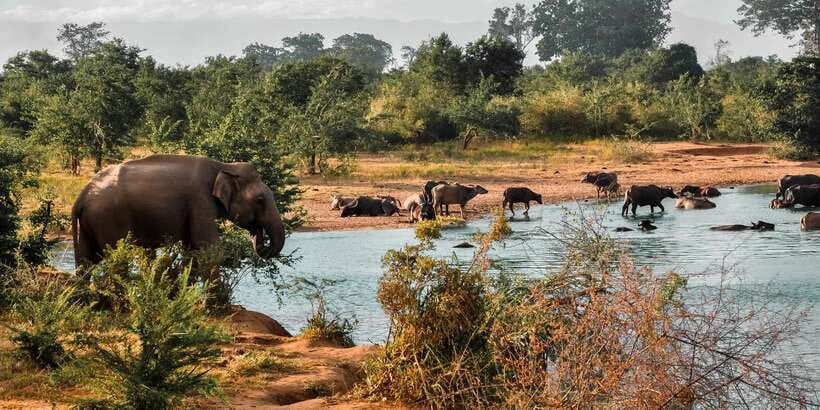
- Elephant herds you can actually watch in a largely undisturbed setting
- Max 6 passengers per jeep so spotting and listening is easier
- A driver + tracker team focused on both wildlife and birds
- Good chances of big and small sightings, from elephants to crocodiles
- Respectful elephant viewing, with guides aiming to keep space
Why Udawalawa’s elephant safari feels different in Sri Lanka
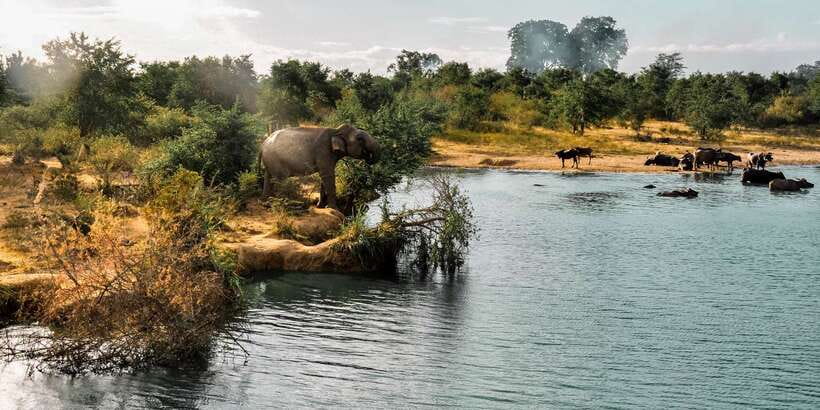
Udawalawa National Park sits in Sri Lanka’s Eastern Province and is known for being one of the more pristine, less disturbed ecosystems. That matters because elephants behave differently when they’re not constantly crowded. Here, you can still find the classic Udawalawa pattern: elephants moving as families, bulls lingering in their own rhythm, and water buffalo showing up around the same habitat lines.
This park also makes a nice change from the usual “big animal only” safari style. You’re likely to get plenty of time looking at birds and other wildlife too. If you enjoy birding, Udawalawa can feel like it rewards patience: the guide can shift your attention from elephant activity to smaller action you’d miss without good eyes.
And because your time window is just 3 hours, the setup leans practical. It’s not a half-day of constant driving without a plan. It’s a short, concentrated wildlife viewing session where your guide decides where to look and when to move on.
You can also read our reviews of more tours and experiences in Udawalawa National Park.
The 4×4 private jeep: comfort, focus, and smarter spotting
You’ll ride in a 4×4 safari jeep with a maximum of 6 passengers. For a wildlife drive, that limit is more than a comfort detail. In a smaller vehicle, you can line up your binoculars, hear the tracker’s calls without shouting, and move your attention quickly when something appears.
Your guide is described as an experienced driver and tracker, and English is available with an English host/greeter. That combination is huge in a place where animal behavior and bird calls are the real clues. You’re not translating in your head—you can focus on spotting.
One extra thing I like: several past safari experiences mention guides who keep a calmer pace, take their time with birds, and don’t rush you to chase the next car ahead. Even when sightings are active, the driving style can make the difference between a stressful ride and a relaxed one.
How the 3-hour safari actually plays out (and what to watch for)
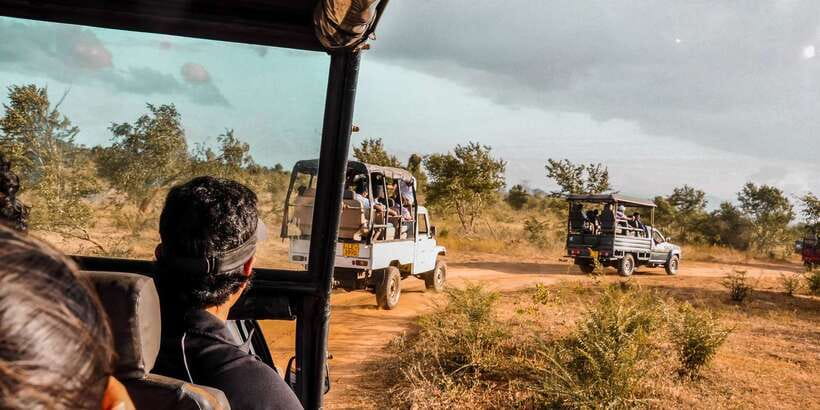
Your itinerary is simple: pickup, time in the park for wildlife viewing, then drop-off. That simplicity is good. It means your 3 hours are mostly about being in the right place at the right time—not about long transfers or complicated stops.
Step 1: Pickup that fits your plan
The starting point depends on the option you choose. If you’re staying close to the park gate, there’s free pickup and drop-off within a 5 km radius of the Park Gate. If you’re farther out, you should expect to meet at the Udawalawa National Park meeting point.
Practical tip: treat your pickup as part of your “spotting time.” If you can, arrive ready to go and bring what you need (sunscreen, water, hat). You don’t want to waste the first minutes sorting gear.
Step 2: Udawalawa National Park wildlife viewing for 3 hours
This is the whole event. You’ll be inside the park, scanning for wildlife while your experienced guide and tracker call out activity.
Here’s what you should keep on your mental checklist during the drive:
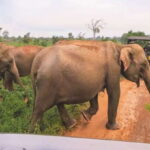
- Elephant herds and families: Look for groups moving calmly along their preferred routes, and watch for pauses that might signal a closer moment (like a family crossing or a bull lingering nearby).
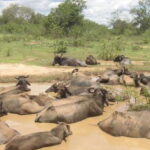
- Water buffalo: These can show up around areas where elephants also travel. They’re a good sign you’re in the right habitat zone.
- Wild boar and spotted deer: Often more subtle than elephants. You’ll typically need quick scanning and patience at the roadside edge.
- Jackal and other mammals: Small, quick sightings. If the guide slows down or stops briefly, that’s usually when you should scan harder.
- Birds (including endemics and migrants): This park is described as especially rewarding for bird-watchers. The guide may point out species you’d miss otherwise.
Some safaris in this park are also described as presenting opportunities for birds like Sri Lankan Jungle Fowl, Spur Fowl, and Green Pigeon. In addition, guides have been praised for pointing out a wide mix—things like bee-eaters, kingfishers, mongoose, lizards, butterflies, peacocks, and even birds of prey.
Step 3: Two drop-off options after the drive
After the 3 hours, you return to Udawalawa National Park and/or to Udawalawa for your drop-off, depending on how your transfer option is set.
This matters because you can plan the rest of your day without guesswork. A three-hour safari fits cleanly between other activities.
What animals and birds you’ll actually hope to spot
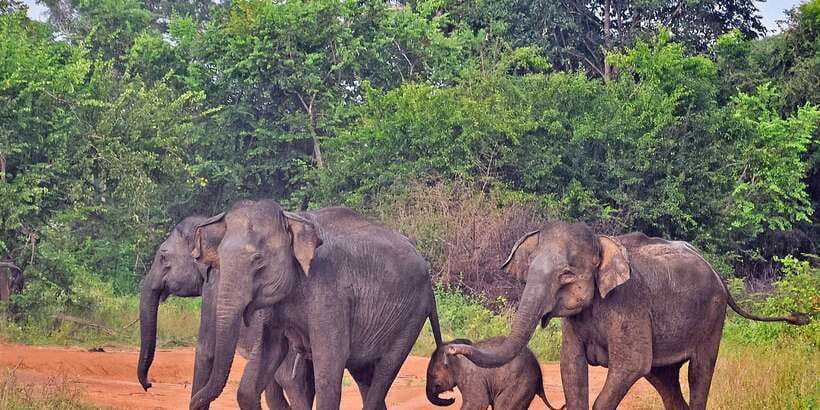
Udawalawa is famous for elephants, but the best safari moments often come from the mix: elephants plus the rest of the food chain and habitats around them.
The big stars: elephants and their neighbors
Expect your guide to focus hard on elephant families and herds. You might also see bulls, plus other mammals like water buffalo and wild boar.
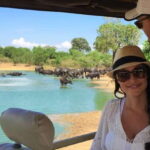
If crocodiles are in the picture, you’ll know quickly because they’re hard to miss once the guide points them out—past experiences include crocodiles as a highlight.
The smaller wildlife you’ll be glad the guide watches for
One of the most praised parts of this safari style is the attention to small stuff:
- Jackal and other mammals that don’t announce themselves loudly
- Spotted deer
- Mongoose and lizards
- Chameleons (a guide detail that shows up in some safari stories)
For me, this is the value of an experienced tracker. It’s not only about scoring the elephant photo. It’s about walking away with a real sense of what the park is like when you’re not looking at it through a screen.
Birding bonus: endemics, migrants, and fast ID
The park is described as a strong option for bird-watchers, with opportunities for both endemic and migratory species. Some specific birds that have been called out include Sri Lankan Jungle Fowl, Spur Fowl, and Green Pigeon.
Other bird mentions from safari guides include things like:
- bee-eaters
- kingfishers
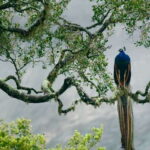
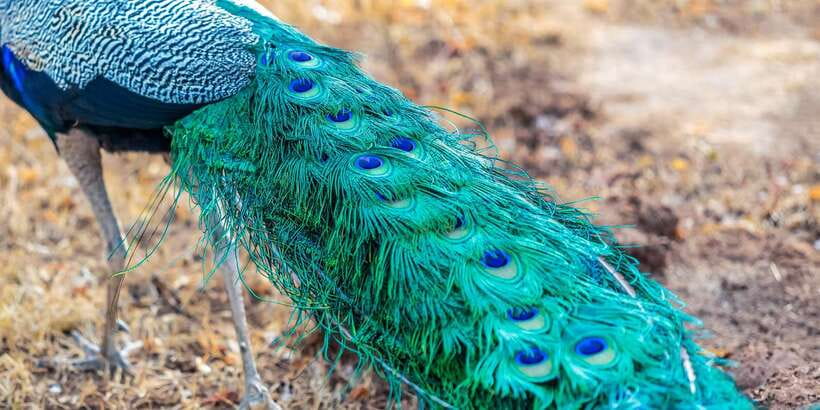
- peacocks
- kingfishers and birds of prey
If you’re the type who loves stopping for a quick look and learning names, you’ll likely enjoy Udawalawa’s rhythm. The guide may pause for calls and movement instead of treating every sighting like a race.
Guide style: getting elephant respect and better sightings
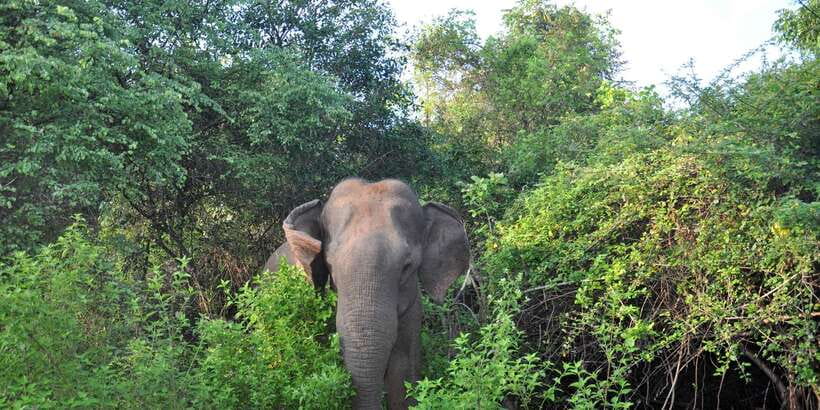
The guide is the difference between a safari that feels like transportation and a safari that feels like wildlife viewing. In Udawalawa, past safari experiences highlight guides who:
- keep time to let you watch instead of rushing you along
- spot small movement quickly
- are careful with driving
- keep distance and avoid pushing elephants closer than they need to be
You may meet different guides based on your date and schedule. Names that have come up include Ashan, Asanka, Darmasiri, and Ruwan—all linked to guide reports that praise careful driving and sharp spotting.
A practical way to get more out of the drive: tell your guide your viewing preference early. If you want to see animals but prefer not to get close, say so. Some guide styles here are praised specifically for listening to that kind of request.
Price and logistics: is $25 good value?
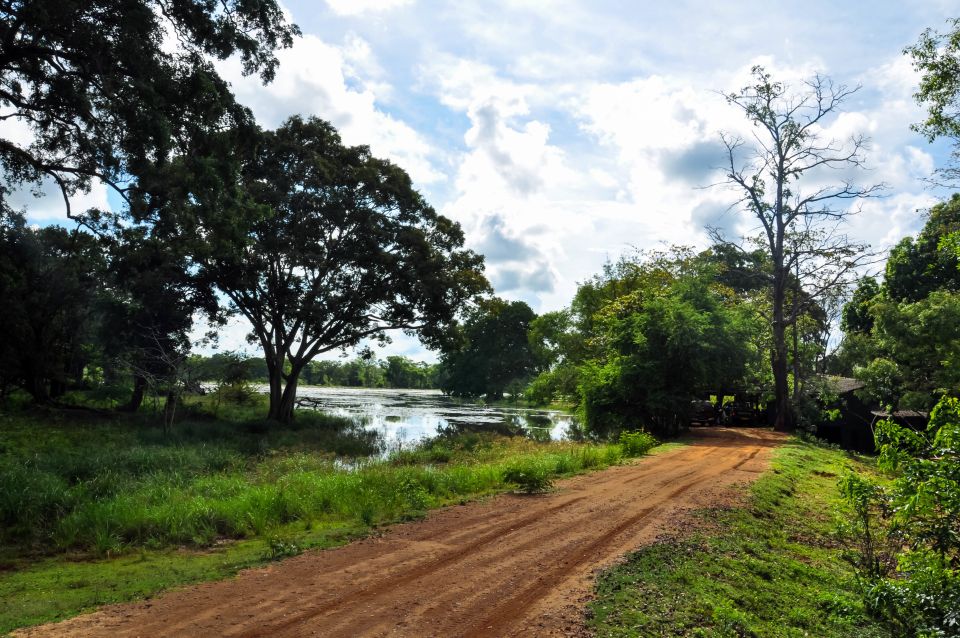
The headline price is $25 per person for a 3-hour private safari, and you’re not paying extra for the jeep itself. What’s included matters.
Included:
- 4×4 safari jeep (max 6 passengers)
- Experienced driver and tracker
- All taxes and service charges
- Water
- Free pickup/drop within 5 km of the Park Gate
- English host/greeter
Not included:
- Food or drinks
- Entrance tickets to the National Park
So is $25 a bargain? It can be, because you’re buying a guided wildlife session with a private jeep setup for a short duration. The cost lever you can’t ignore is the entrance ticket. One safari story notes that the entrance fee can be expensive, so plan for that extra line item.
Also plan around food. Since there’s no breakfast, lunch, or dinner included, you’ll want to either eat before you go or handle it after. Water is provided, which helps, but you’ll still feel better if you start hydrated and not too hungry.
What to pack for a hot, dusty, wildlife-focused ride
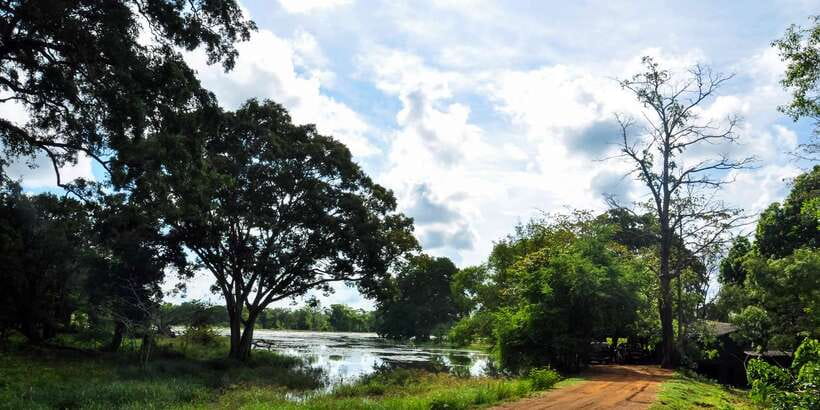
This safari is outdoors. The gear list is short, and it’s spot on:
- Sunglasses
- Sun hat
- Sunscreen
Add the practical “small survival” items you’d use anywhere in Sri Lanka—things like a charged phone or basic power bank—without turning your day into a gear experiment.
And don’t bring what isn’t allowed:
- No drones
- No smoking
- No alcohol and drugs
Those rules keep the park environment safer and calmer, and they help your guide focus on wildlife instead of paperwork.
Who this private safari is best for
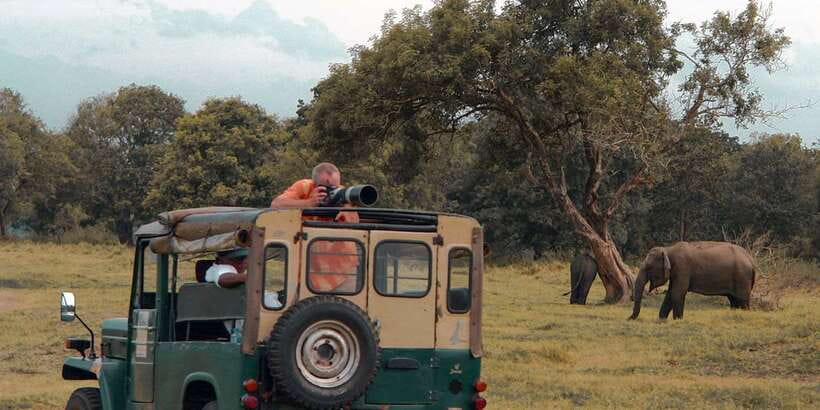
This safari fits well if you want:
- Elephant viewing without a huge, chaotic vehicle lineup
- a bird-friendly guide approach
- a short activity that doesn’t eat your whole day
It’s a strong match for couples and small groups who want a private feel. If you’re traveling solo, the private jeep can still be worth it because the max 6 setup helps the guide tailor the drive to your interests.
If you’re expecting long hours of driving with every possible species guaranteed, temper that expectation. This is a 3-hour wildlife session. You get to see a lot, but the park decides what shows up.
Should you book Udawalawa National Park Private Safari?
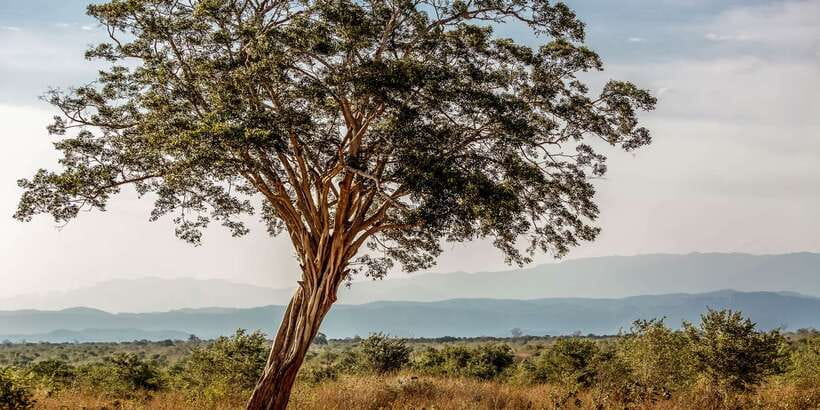
If your priority is elephants plus bird spotting in a small-group jeep, I’d book it. The value is in the combo: private jeep capacity, an experienced driver/tracker, and time spent actually watching rather than sprinting from one scene to the next.
I’d think twice only if you’re tightly budgeted and don’t want to factor in park entrance tickets, or if you need a fully catered half-day with food included. Here, water is provided—but meals aren’t.
If you go, do one smart thing: set your expectations with your guide at the start. Tell them what you want to focus on, including how close (or not close) you want to be to elephants. That kind of clarity tends to make the whole safari feel more relaxed.
FAQ
How long is the Udawalawa National Park private safari?
It lasts 3 hours, focused on wildlife viewing inside Udawalawa National Park.
What is the price per person?
The price listed is $25 per person.
Is this tour private?
Yes. It’s described as a private group, and the jeep has a maximum of 6 passengers.
What’s included in the safari?
You get a 4×4 safari jeep, an experienced driver and tracker, all taxes and service charges, and water. There’s also free pickup and drop-off within 5 km of the Park Gate.
Are entrance tickets included?
No. Entrance tickets to the National Park are not included.
Do I need to bring food or drinks?
Food and drinks are not included. The tour also notes there’s no breakfast, lunch, or dinner provided.
What should I bring?
Bring sunglasses, a sun hat, and sunscreen.
What is not allowed during the safari?
Smoking is not allowed, and drones are not allowed. Alcohol and drugs are also not allowed.
Can I cancel for a refund?
Yes. Free cancellation is available up to 24 hours in advance for a full refund.