Elephants come with dust and drama. This Udawalawe safari from Tangalle pairs a 2-hour drive with a Jeep ride in Udawalawe National Park, where you’ll scan for elephants and other wild animals in their own habitat.
What I like most is the mix of effort and comfort: you get a smooth hotel pickup and a private air-conditioned vehicle, then you’re out on safari where the animals do the real show. A second big plus is the English-speaking guide, and the operator’s guide skills have been praised, including Mahesh being attentive and sharing useful on-the-ground info. One thing to factor in: park entrance fees are extra, so your total will be higher than the base price.
In This Review
- Key highlights worth planning for
- Tangalle to Udawalawe: the ride that sets expectations
- Why this pacing works
- Udawalawe National Park Jeep safari: how the game viewing really works
- You’re not just looking for animals. You’re reading the habitat.
- How much patience you’ll need
- Elephants, crocodiles, buffalo, sambhur: what to look for beyond the obvious
- Sambhur is a fun target
- Birding boosts your odds, even when sightings are spaced out
- One practical note on crocodiles
- Birds and butterflies in Udawalawe: why it’s not just a safari box
- What it means for your visit
- Timing: what you can do with the schedule
- Elephant transit home: what this stop adds (and when it might feel short)
- How to get value from a shorter transit visit
- Price and value: what $62 covers, and what doesn’t
- Is it good value?
- What to bring for a smoother safari day
- Logistics that actually matter: pickup zones, language, and duration
- Group vibe
- Who should book this Udawalawe safari
- Who should skip it
- Should you book Udawalawe Safari from Tangalle?
- FAQ
- Where does this tour pick up?
- How long is the tour?
- How long is the drive to Udawalawe?
- Is the Jeep safari included?
- Is the entrance fee included in the price?
- Does the tour include air-conditioned transport?
- What language is the guide?
- What animals can you expect to see?
- Is this tour suitable for everyone?
- What is the cancellation policy?
Key highlights worth planning for
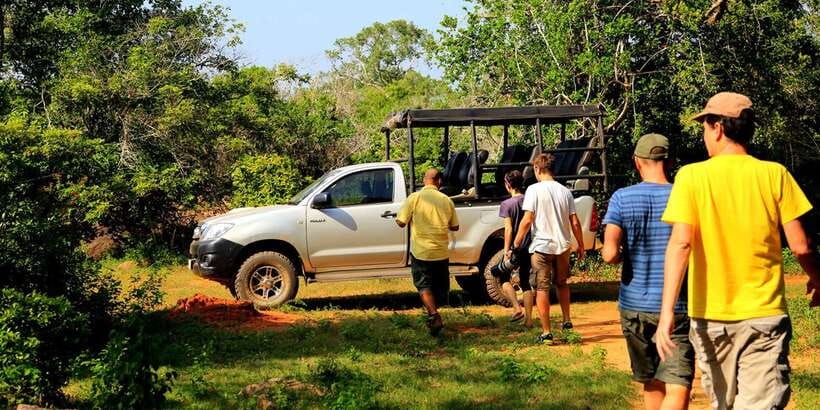
- Private air-conditioned transport from Tangalle, Hiriketiya, or Mirissa to keep the long road from feeling exhausting
- Jeep safari in Udawalawe National Park for real wildlife viewing, not just a photo stop
- Elephant watching in a sanctuary created after the 1970s reservoir work, so the park has a clear purpose
- More than elephants: you can also look for crocodiles, buffalo, wild boar, sambhur, and hare
- Udawalawe as a butterfly-and-bird reserve, including 50 species of butterflies and many bird species
- Guide quality that helps you see more, with Mahesh specifically noted for being attentive and informative
Tangalle to Udawalawe: the ride that sets expectations
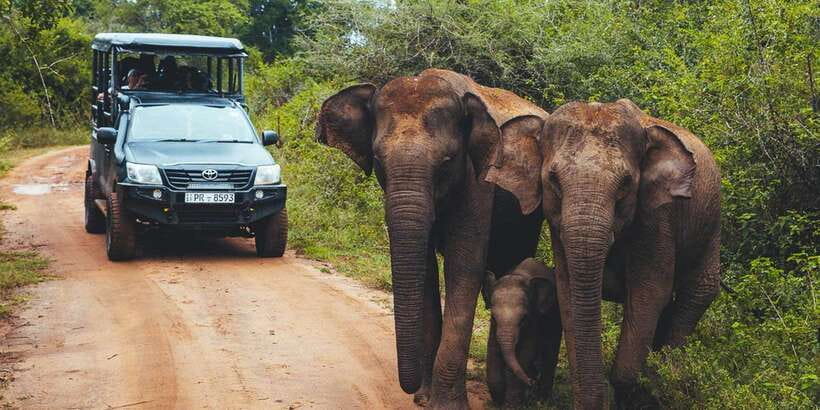
This is a classic Sri Lanka “get up, get out, see something wild” day. You’ll be picked up either in the morning or afternoon from your hotel area around Tangalle, Hiriketiya, or Mirissa, then you’ll head to Udawalawe. The drive takes about 2 hours one way, so having air-conditioned transport matters more than you might think. It cools you down before you bounce around in a Jeep.
On the way, you’re not just stuck staring at the road. You’ll learn how the park was created in the 1970s as a sanctuary for wildlife displaced by construction of the Udawalawe Reservoir on the Walawe River. That context helps your brain shift from sightseeing to understanding why you’re seeing what you’re seeing today.
You can also read our reviews of more tours and experiences in Udawalawa National Park.
Why this pacing works
Udawalawe isn’t a zoo-style place where animals stand in one spot for your camera. It’s a large natural area, and the best sightings often come from moving with the conditions. This tour’s pace is built for that: travel time first, then a safari drive where your guide can position the Jeep for animal activity.
Udawalawe National Park Jeep safari: how the game viewing really works
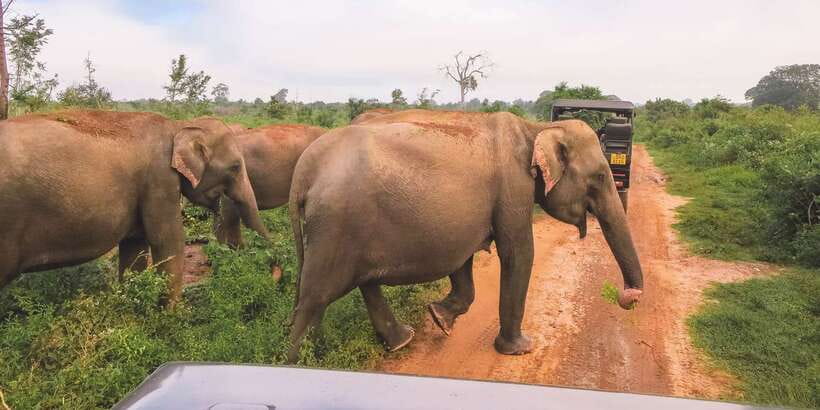
Once you arrive, the heart of your day is the Jeep safari inside Udawalawe National Park. This is where you look for elephants and other animals right in their everyday world—without fences for the “wow” factor.
You’ll typically spend time scanning for elephants first. Udawalawe is known for a thriving elephant population, and your guide will focus on where elephant activity is likely. One review feedback that matches what you’d hope for here: guides are praised for knowing the right areas to go, which makes a difference between passing by wildlife versus actually finding it.
You’re not just looking for animals. You’re reading the habitat.
What helps during the safari is understanding how animal sightings connect to the landscape and water availability. Udawalawe is important partly because it became a safe haven when the reservoir changed the region. That means many animals are tied to the same kinds of feeding and moving routes. So your job isn’t to hunt wildly—it’s to watch where the guide directs your attention and keep your eyes open for movement and sound.
How much patience you’ll need
Udawalawe can be active, but wildlife viewing is still wildlife viewing. You may see elephants clearly, or you may spot them at a distance before they move closer. That’s normal. The best approach is to treat the safari drive as a series of “possible sightings,” not a guarantee that every animal will show up on schedule.
Elephants, crocodiles, buffalo, sambhur: what to look for beyond the obvious
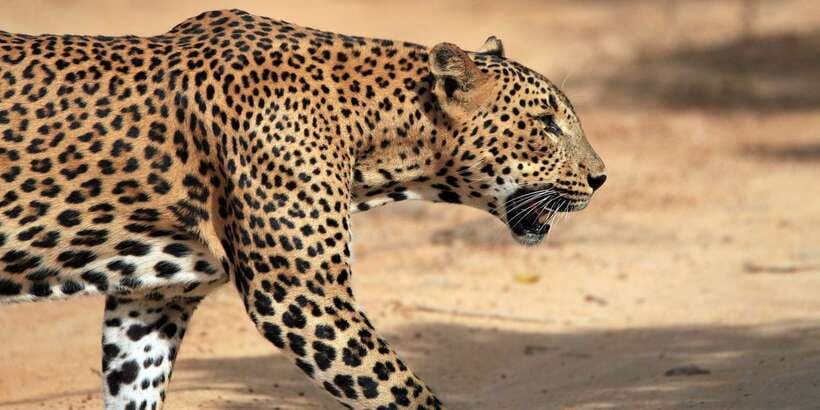
Elephants are the headline, but this tour is also about getting a broader wildlife day. Based on the activity description, you can keep your eyes peeled for:
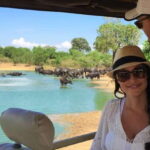
- Crocodiles
- Buffalo
- Wild boar
- Sambhur
- Hare
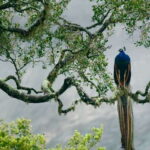
- Plus different species of birds
Sambhur is a fun target
I like that this tour name-checks sambhur. It’s the kind of species that makes a safari feel more “wildlife” and less “one big animal and done.” When you’re on the Jeep, having multiple target species helps you stay focused even if elephants aren’t right in front of the vehicle at every moment.
Birding boosts your odds, even when sightings are spaced out
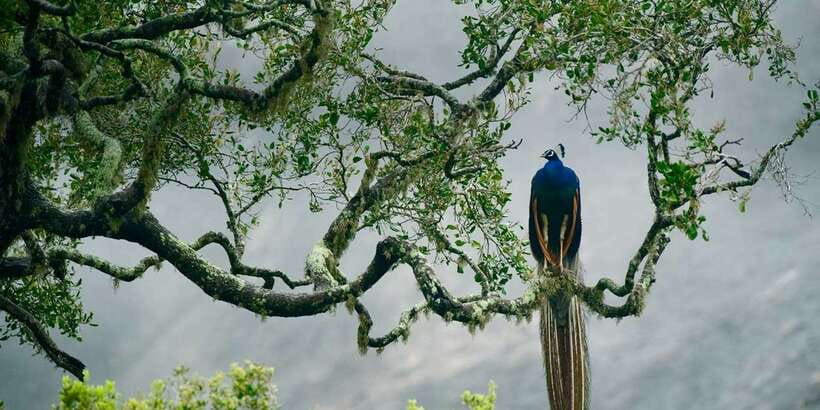
If you get one strong elephant sighting, great. If you get elephants spaced out, birds and other animals fill the gaps. Udawalawe is described as home to many bird species, and that means your viewing doesn’t feel empty when the animals aren’t close.
One practical note on crocodiles
Crocodiles are one of those wildlife finds that often depend on where you’re stopping and what the guide thinks is likely that day. That’s why having a guide who knows where to be matters. You won’t get to control that part, so lean on the driver’s judgment.
Birds and butterflies in Udawalawe: why it’s not just a safari box
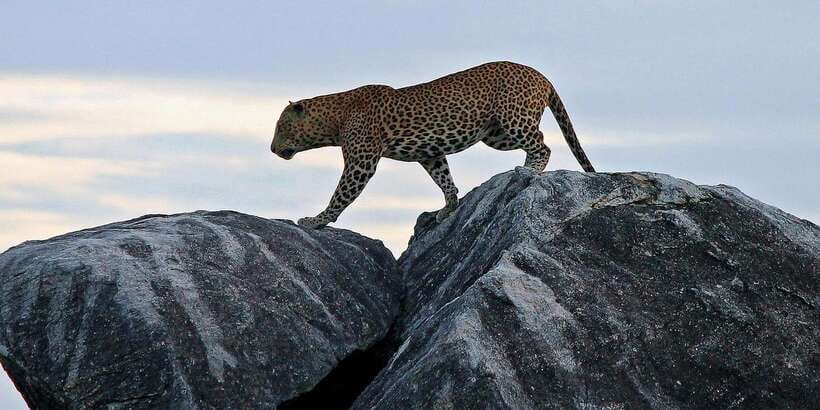
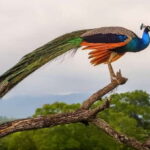
Udawalawe is also a nature reserve, and it’s known for more than mammals. The description highlights 50 species of butterflies and many species of birds. That tells me something important for your expectations: this park is biologically busy, even if you’re not seeing a parade of elephants every five minutes.
What it means for your visit
When a park has that kind of butterfly and bird diversity, it usually means the habitat is varied enough to support different life cycles. For you, that translates to more things to notice from the Jeep: small movements, perched birds, and the feeling that you’re passing through an active ecosystem rather than a single-animal stage.
Timing: what you can do with the schedule
You’ll go either morning or afternoon depending on your pickup time. The tour doesn’t promise a specific wildlife “showtime” in the data you provided, but in general, animal activity can shift by the time of day. So when you book, pick the slot that best fits your energy level and photos tolerance. Early enough in the day tends to feel more rewarding for people who like crisp wildlife spotting, while afternoon trips can feel calmer.
Elephant transit home: what this stop adds (and when it might feel short)
Your experience title includes an elephant transit home, but the detailed flow you provided focuses heavily on the Udawalawe Jeep safari. What I take from that is: the safari drive is the anchor, and any transit-related stop is likely a secondary part of your day.
That matches one review note that said an elephant sanctuary stop wasn’t really necessary. If you’re the type who wants the main event only, plan for the possibility that the transit component could be brief compared with the time you spend tracking elephants on safari.
How to get value from a shorter transit visit
If there is a transit facility stop during your day, treat it like context: it can help you understand conservation efforts around elephants. But don’t let it steal your attention from the Jeep safari, where your best chances for multiple sightings usually come from staying focused on where the guide positions the vehicle.
Price and value: what $62 covers, and what doesn’t
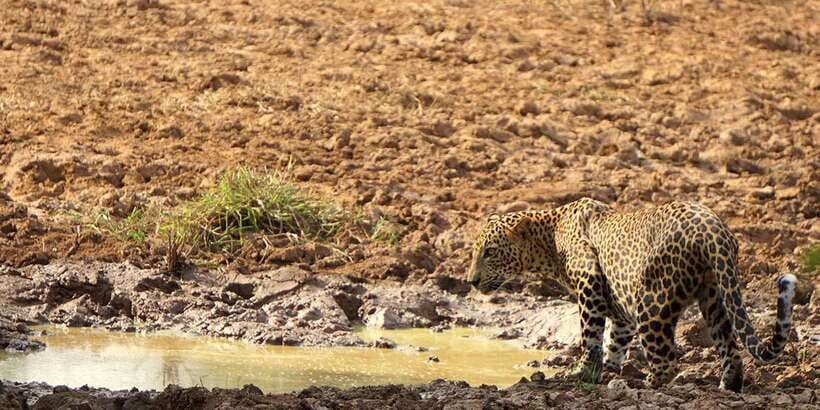
The listed price is $62 per person for a 1-day outing that includes:
- Hotel pickup and drop-off from the Tangalle area
- Private air-conditioned vehicle transport
- Jeep safari at Udawalawe National Park
- Professional driver/guide
Here’s the key cost detail: entrance and service fees to Udawalawe National Park are not included, listed at 11,000 Sri Lankan Rupees (approx. $37) in the info you shared. So your real all-in total is closer to the high-$90s range.
Is it good value?
For wildlife-focused travel in Sri Lanka, this feels like a solid deal because you’re getting both the road logistics and the safari format handled. You’re not paying just for a ticket inside the park—you’re paying for pickup, private transport, and a Jeep drive with an English guide. That combination reduces stress a lot, especially if you’re not renting a car.
The only cost surprise is the entrance fee. If you plan for it upfront, the overall value holds.
What to bring for a smoother safari day
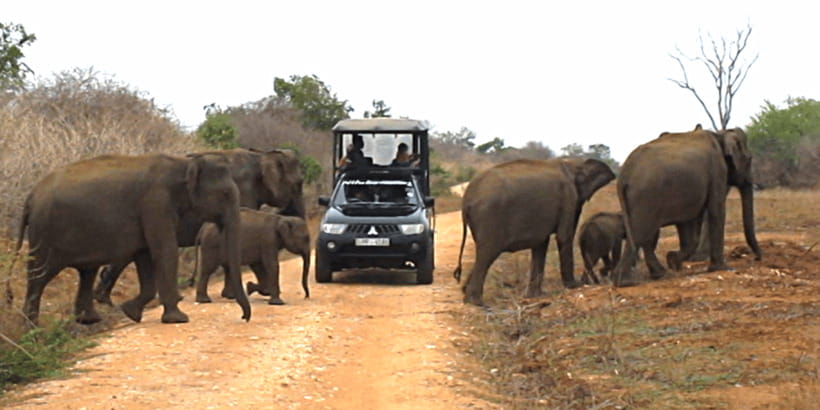
You’ll be in cars, then on a Jeep safari. That mix means small comfort items matter.
- Bring water. One review explicitly suggested it, and it’s smart for any safari day.
- Wear comfortable, breathable clothes and something you don’t mind getting dusty.
- If you’re sensitive to sun, consider hat + sunglasses for the drive and open-view moments.
- Your phone camera battery will drop faster than you expect. Charging power is hit or miss, so keep an eye on battery life.
Also, note that the tour is not suitable for everyone: pregnant women and people with back problems are listed as not suitable. The safari Jeep experience and the general vehicle movement can be a problem.
Logistics that actually matter: pickup zones, language, and duration
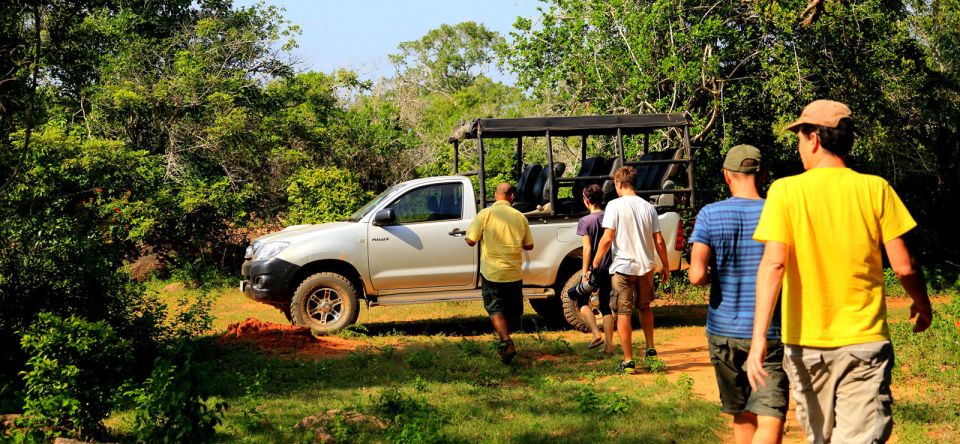
This one runs from a Tangalle/Hiriketiya/Mirissa pickup zone, and the guide is English-speaking. That’s important because wildlife spotting gets easier when you can follow the guide’s cues and explanations in real time.
Duration is listed as 1 day, but the safari itself is a half-day style outing inside the park, plus the drive. So you’ll feel like you did a full day even if the safari time isn’t all day long.
Group vibe
You’ll be in a private air-conditioned vehicle, which usually means you don’t have the full “tour bus” feeling. The info you provided doesn’t mention group size, so I won’t guess. Still, “private vehicle” strongly suggests a more controlled, less chaotic day.
Who should book this Udawalawe safari
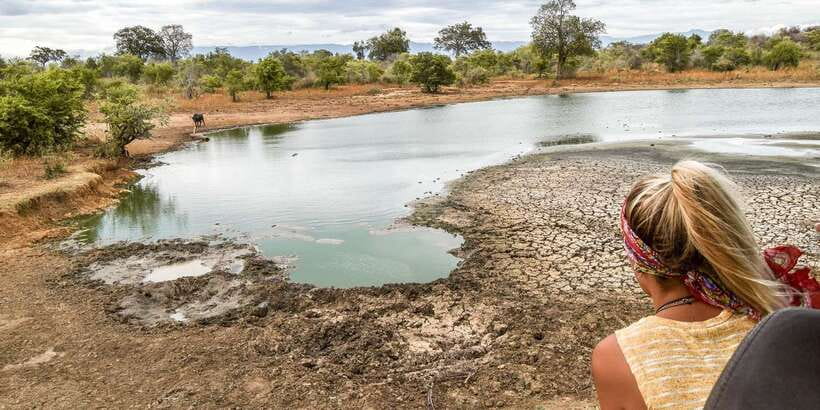
I think this tour is a strong fit if you want:
- A focused wildlife day anchored by Udawalawe’s elephant population
- A safari format that includes a guide who can help you find animals
- Convenience from the Tangalle/Hiriketiya area without renting or driving yourself
It’s also a good match if you enjoy wildlife beyond elephants, like crocodiles, buffalo, and the more “scanner-friendly” targets such as birds.
Who should skip it
If you’re pregnant or have back problems, don’t force it. The tour lists those limitations for a reason. If you’re looking for a very gentle outing with minimal vehicle movement, this may not be your best match.
Should you book Udawalawe Safari from Tangalle?
If your main goal is elephants plus real safari time, I’d say yes, book it—especially because the cost includes pickup, private transport, and the Jeep safari with an English guide. Udawalawe’s conservation backstory also gives the day meaning beyond photos: you’re seeing wildlife in a park created as a sanctuary after major reservoir construction changed habitat.
I’d book with eyes open about two things. First, entrance fees add to the total. Second, wildlife isn’t a schedule-driven product—your best sightings depend on the guide’s ability to read conditions and position the Jeep. The guide quality has been praised, including Mahesh for being attentive and sharing helpful info, and that’s exactly what you want on a safari day.
If you’d like an elephant-focused morning or afternoon plan from Tangalle/Hiriketiya with minimal hassle and maximum chances for animal sightings, this is a practical, value-forward way to do it.
FAQ
Where does this tour pick up?
Pickup is available from hotels in the Tangalle, Hiriketiya, and Mirissa area.
How long is the tour?
The experience is listed as 1 day, with a half-day style safari experience at Udawalawe National Park.
How long is the drive to Udawalawe?
The drive to Udawalawe National Park is about 2 hours.
Is the Jeep safari included?
Yes. A Jeep safari at Udawalawe National Park is included.
Is the entrance fee included in the price?
No. Entrance and service fees for Udawalawe National Park are not included. The info provided lists 11,000 Sri Lankan Rupees (about $37) as an estimate.
Does the tour include air-conditioned transport?
Yes. You’ll travel by a private air-conditioned vehicle.
What language is the guide?
The live tour guide is in English.
What animals can you expect to see?
You can look for elephants and also other animals such as crocodiles, buffalo, wild boar, sambhur, and hare, plus many bird species.
Is this tour suitable for everyone?
No. It is listed as not suitable for pregnant women and people with back problems.
What is the cancellation policy?
Free cancellation is available up to 24 hours in advance for a full refund.