Elephants and wild safari in one short outing. This Hambantota Port day run threads you through Udawalawe National Park by jeep and then brings you face-to-face with rescued elephants at the Elephant Transit Home.
You’ll also like how focused it stays: a proper game drive for wildlife, then a timed-feeling visit for the younger elephants.
What really works is the mix of big animals and guided meaning. I like the chance to see a range of wildlife in natural habitat, and then get context on what you’re watching—elephants are the star, but they are not alone.
One thing to plan for is the extra cost on the ground. Entrance and service fees for Udawalawe National Park are not included (about Sri Lankan Rupees 11,000, roughly $37), and on-the-day payment can be confusing if you only bring card and no cash.
In This Review
- Key Things to Know Before You Go
- Udawalawe National Park From Hambantota: a 4-hour, no-fuss wildlife plan
- The Udawalawe Game Drive: elephants first, but keep your eyes moving
- Elephant Transit Home: what rehab looks like up close
- What the guide actually adds (and why it matters)
- Price and logistics: budgeting for entrance fees without surprises
- Pickup and the day flow from Hambantota Port
- Who this tour is best for (and who should think twice)
- What to bring and how to make the day smoother
- Should you book the Hambantota Port: Udawalawe Safari & Transit Home visit?
- FAQ
- Is pickup included for this tour?
- How long is the Udawalawe Safari Tour & Elephant Transit Home visit?
- What’s included in the price?
- Are entrance fees included for Udawalawe National Park?
- Is the guide available in English?
- What animals might I see on the safari?
Key Things to Know Before You Go
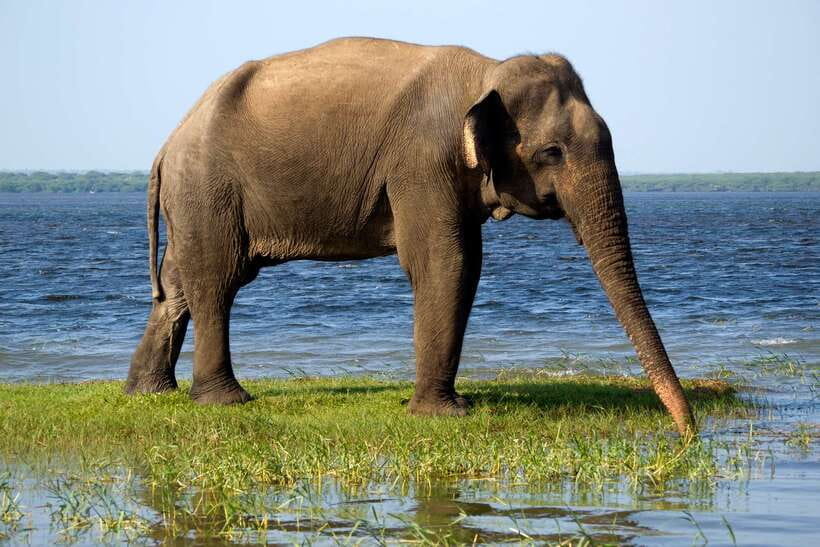
- Udawalawe jeep safari gives you the best shot at elephants plus smaller wildlife like lizards and monkeys
- Rescued elephants at Elephant Transit Home means you’ll see rehab in action, including feeding time and play
- English live guide is part of the package, so you’re not just driving and guessing
- Entrance fees are extra so budget cash for park and service charges
- Hambantota Port pickup/drop makes it a smart choice for short stopovers
Udawalawe National Park From Hambantota: a 4-hour, no-fuss wildlife plan
This is a short day trip built around one core idea: if you’re in the Hambantota area and want real wildlife, you don’t need a multi-day safari. The tour runs about 4 hours, with pickup and drop arranged from Hambantota Port and nearby hotels.
That time box matters. In practice, you’ll want to use this trip for what Udawalawe does best: wildlife viewing in a famous sanctuary where elephants are often the main event. You’re not here for a slow museum tour. You’re here to be in the right place at the right moments, riding out in a safari jeep and then switching gears to the elephant rehabilitation center.
Also worth noting: this is described as a transit-style experience, so you should expect the schedule to feel efficient. If you like breathing room, plan to pair it with a meal or a longer activity after you return. If you’re tight on time, it’s a strong fit.
You can also read our reviews of more tours and experiences in Udawalawa National Park.
The Udawalawe Game Drive: elephants first, but keep your eyes moving
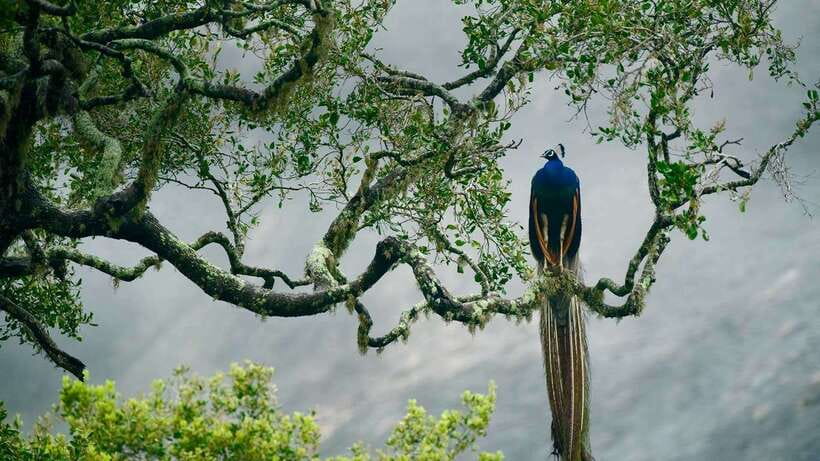
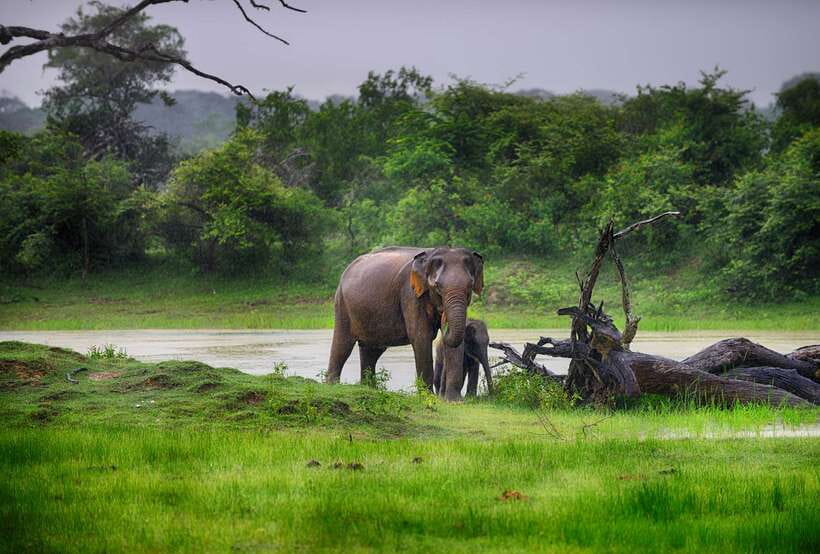
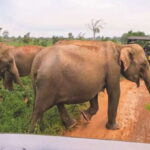
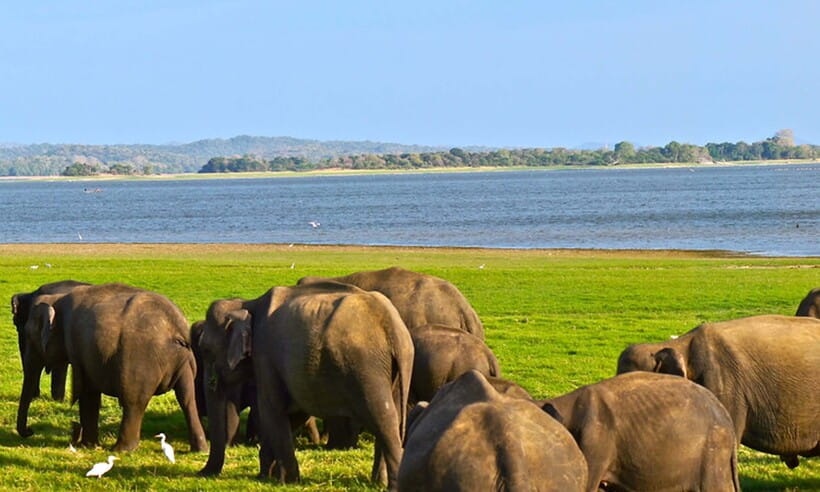
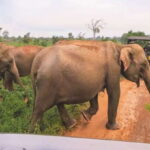
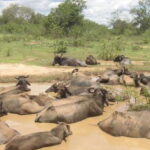
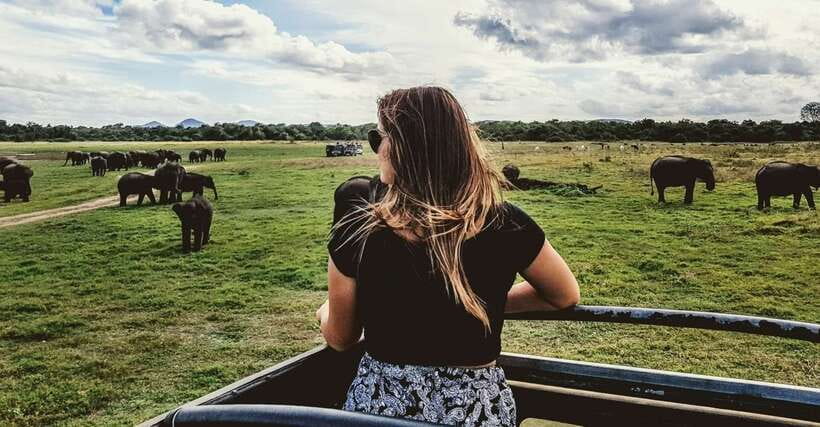
Udawalawe National Park is known for Sri Lankan elephants, and this trip is designed to maximize your sightings with a guided game drive by jeep. The wildlife list you can realistically hope for includes elephants, water buffalo, monitor lizards, monkeys, and even the occasional leopard—plus birds and other small creatures that show up when the jeep is in the right zone.
Here’s how to think about a safari day like this: animal sightings are never guaranteed, but the guide’s job is to stack the odds. A good guide watches movement, reads the habitat, and keeps the jeep positioned where animals are likely to be visible. In similar outings, guides such as Pathum are praised for being clearly communicative and helping you understand what you’re seeing, not just where to look.
You’ll also appreciate careful driving. In one group, the driver Mutu was specifically noted as cautious—important on uneven roads, especially when you’re trying to spot wildlife quickly and safely.
What I like about this game drive setup is that it encourages you to scan beyond the obvious. Yes, elephants can steal the show. But if you only look for elephants, you’ll miss the supporting cast:
- Monitor lizards basking or moving near the ground
- Monkeys calling from trees or edging along open areas
- Water buffalo appearing as you change vantage points
- Birds you might otherwise walk past
If you’re the type who enjoys small wins—good bird views, reptiles in sun patches, fresh tracks on the route—this jeep safari fits your mindset.
Elephant Transit Home: what rehab looks like up close
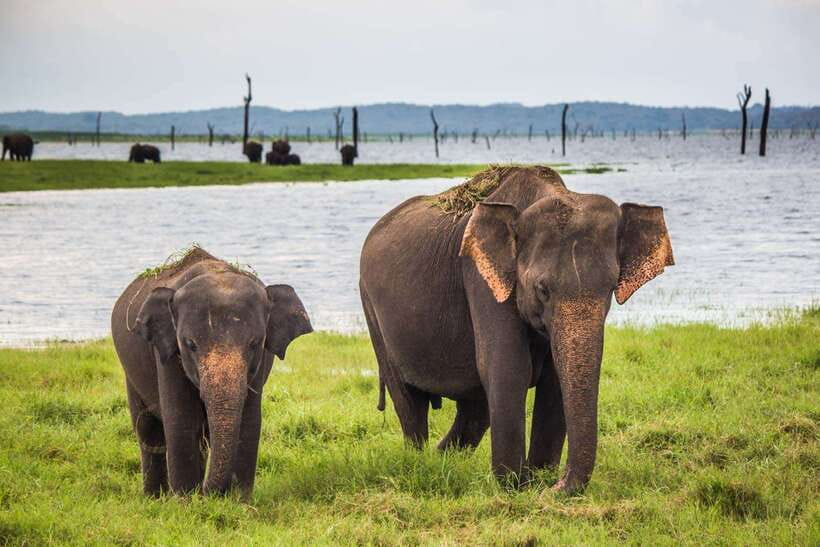
After the safari, the tour shifts to the Elephant Transit Home. This is described as Asia’s first elephant rehabilitation center and one of Asia’s large elephant sanctuaries. The key word here is rehabilitation, meaning you’re not just watching elephants in a zoo-like setting. You’re seeing rescued elephants getting care and chances to progress.
You’ll experience the center with an on-the-day focus: baby elephants in rehab, including feeding time and a chance to see them playing. That matters because it turns the visit from passive observation into something more human—and more honest about what rehabilitation involves.
A few tips for how to watch this part well:
- Keep your eyes at elephant height. Smaller movement often happens low to the ground.
- Don’t rush. Feeding and play can start and stop, and the best moments can be brief.
- Stay attentive to your guide’s directions. With rescued animals, routines and safety rules are part of the experience.
Also, consider your expectations. You’re not there to see a fully wild herd. You’re there to see the bridge between rescue and return to the jungle. That’s a different kind of connection, and it tends to be emotionally powerful in a quiet way.
What the guide actually adds (and why it matters)
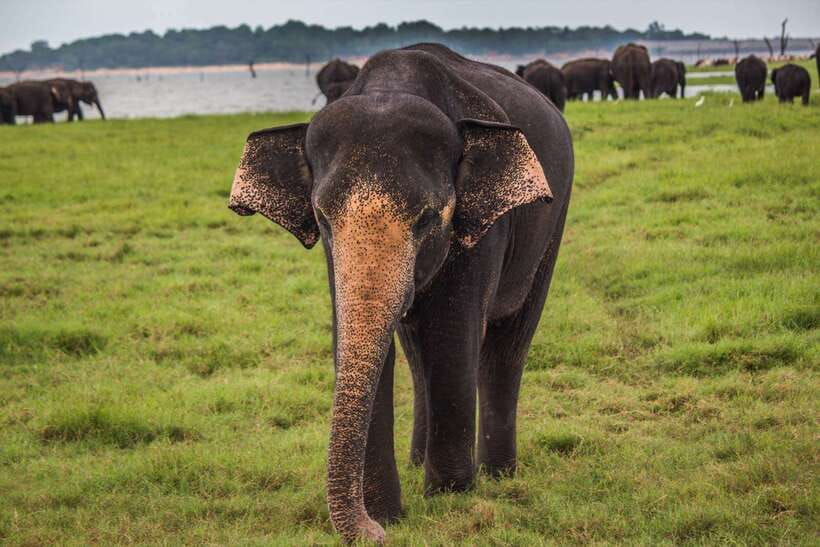
The tour includes an English live tour guide, and this is where the value shows. When you’re in a national park, it’s easy to see animals and still leave with questions: What species is that? Why are they moving now? What habitat are they using?
Guides can answer those questions in real time, turning a random drive into an education you can carry home. In this experience, guides are noted for explaining habits and lifestyles—exactly the kind of context that helps you spot animal behavior instead of just collecting photos.
There’s also a safety-and-comfort angle. A careful driver helps you keep the jeep stable enough to observe. In one case, drivers Danith and Trshad were singled out as excellent, which speaks to how much “day quality” depends on driving skill when you’re on a timed safari.
If you’re considering this tour because you want to learn, prioritize trips like this that include a live guide rather than a self-drive option. For Udawalawe and the elephant center, the difference is huge.
Price and logistics: budgeting for entrance fees without surprises
The advertised price is $51 per person for a 4-hour experience with pickup/drop, a jeep safari, and the Elephant Transit Home visit. That can be a good deal for a short window in Sri Lanka—especially if you’re starting from Hambantota Port rather than needing long ground transfers on your own.
But here’s the part you must respect: entrance fees are not included. The Udawalawe National Park entrance and service fees are listed as Sri Lankan Rupees 11,000 (approx. $37).
That hidden-cost frustration is real. In at least one case, the issue wasn’t the cost itself—it was the lack of clear advance understanding about payment amounts and method. The fix is easy: plan cash and plan extra.
Practical budgeting mindset:
- Treat the $51 as the tour fee and guiding/vehicle cost
- Add the park/service fee for Udawalawe National Park
- Expect that elephant-area related payments may also be handled on-site, and can be cash-only at times
If you’re arriving by ship, pay extra attention to where you’re told to meet. One detailed note from a past experience highlights confusion about terminals (Terminal 1 vs Terminal 2) and the walk between them. If you’re in that situation, I’d treat terminal info as mission-critical and confirm it before you go ashore.
Pickup and the day flow from Hambantota Port
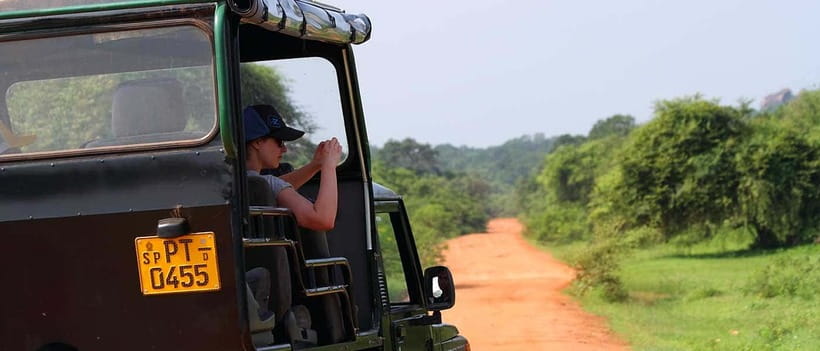
Pickup is included from the Hambantota Port area and nearby hotels. You’re asked to be ready in the lobby 10 minutes before the scheduled pickup time.
This matters because the tour is time-tight. If you show up late, you can easily lose your first viewing window on the safari drive, and that’s where early sightings can happen. I like tours that give a clear pickup buffer—this one does.
For cruise or port arrivals, I strongly recommend you plan for small friction:
- Check which terminal you’re actually at
- Confirm the meeting point in advance (not just the name of the port)
- Allow extra minutes for walking and getting organized when you’re moving between terminals
Once you’re loaded into the jeep, the itinerary is straightforward: drive to Udawalawe for the safari portion, then head to the Elephant Transit Home for the rehabilitation viewing and feeding/play segment.
Who this tour is best for (and who should think twice)
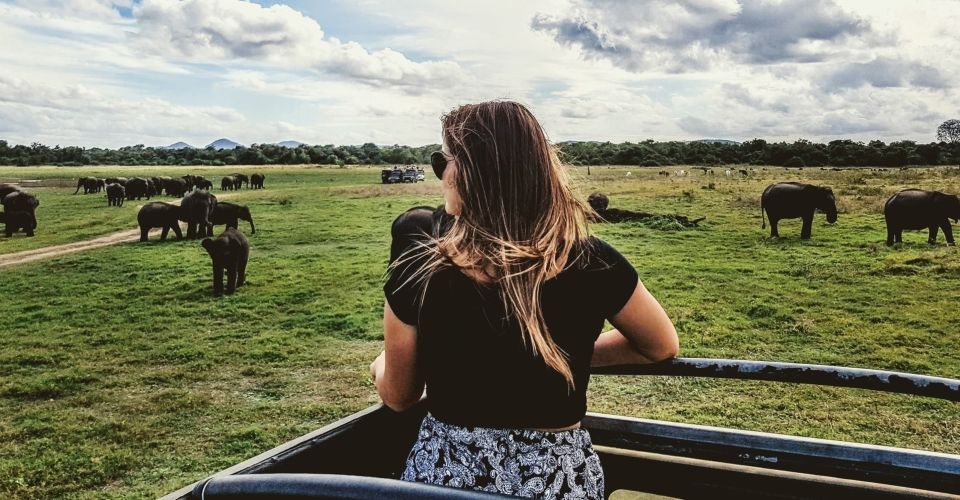
This tour is especially well suited for:
- Wildlife lovers with limited time in Hambantota
- People who want elephants and more than elephants
- Families and groups who enjoy guided animal education rather than just driving around
- Anyone who wants a meaningful stop that connects safari viewing with rehabilitation work
You might think twice if:
- You hate paying extra on-site and want everything priced upfront (because entrance and service fees are explicitly not included)
- You’re not comfortable carrying cash in Sri Lankan Rupees for on-the-day fees
- You want a slow-paced, flexible day rather than a tightly timed transit format
If your trip is short and your top goal is simply to see Udawalawe’s animals—and then have a memorable elephant rehab visit—this arrangement fits.
What to bring and how to make the day smoother
Because food and drinks aren’t included, plan your day around that. I’d suggest you have a snack or water before pickup if you tend to get hungry on road trips. At minimum, bring water.
For the fee side, bring:
- Enough Sri Lankan rupees to cover park and service entrance fees
- A little extra cash in case on-the-day service charges are handled separately
If you’re paying anything by card only, don’t rely on it. One past experience pointed out the difficulty when cash payment is required, especially when internet is limited and updates are hard to check. Even if your day is smooth, cash is the safe option.
Finally, bring a camera-friendly mindset. Wildlife moments can be quick. When you’re inside a jeep, good viewing depends on timing and patience. Stay alert, listen to your guide, and keep your eyes moving from trees to ground to open space.
Should you book the Hambantota Port: Udawalawe Safari & Transit Home visit?
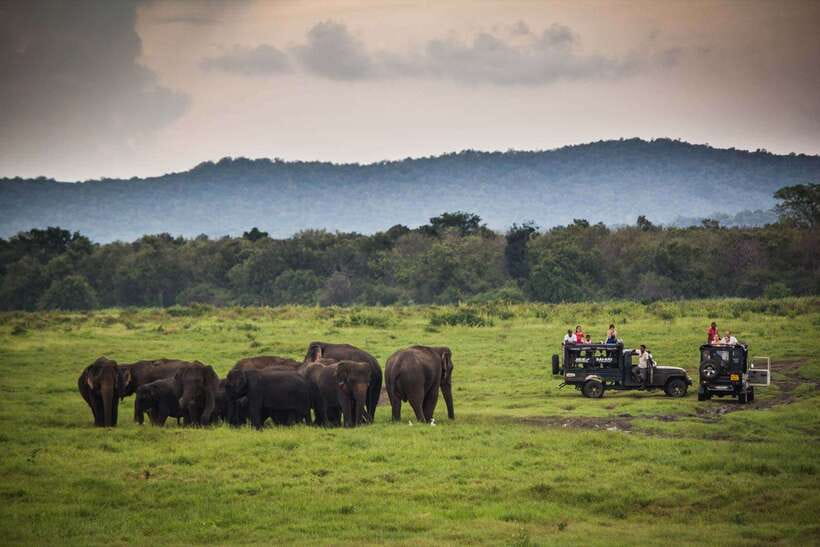
I’d recommend booking if your priorities match what this tour is built to do: a short jeep safari in Udawalawe plus an up-close Elephant Transit Home visit with feeding and play. The combination is what makes it feel more than just a drive—especially with an English live guide and wildlife viewing in natural habitat.
Book it with one clear condition: plan for extra entrance/service fees and bring the right cash in Sri Lankan rupees. If you do that, you’ll likely feel you got your money’s worth—because the safari and the rehabilitation visit both deliver on what most people come to Sri Lanka for: real animals, not just a photo stop.
FAQ
Is pickup included for this tour?
Yes. Hotel pickup and drop are included from Hambantota Port and nearby area hotels. You should wait in the hotel lobby about 10 minutes before your scheduled pickup time.
How long is the Udawalawe Safari Tour & Elephant Transit Home visit?
The duration is listed as 4 hours.
What’s included in the price?
The package includes hotel pickup & drop, a professional driver/guide, a jeep safari at Udawalawe National Park, and a visit to the Elephant Transit Home.
Are entrance fees included for Udawalawe National Park?
No. Entrance and service fees for Udawalawe National Park are not included. The cost is listed as Sri Lankan Rupees 11,000 (approx. $37).
Is the guide available in English?
Yes. The tour includes a live English tour guide.
What animals might I see on the safari?
You can expect the chance to see Sri Lankan elephants and other wildlife such as water buffalo, monitor lizards, monkeys, and an occasional leopard, plus additional animals in the park.