Elephants first, sea breaks later. This full-day outing is built around Udawalawe National Park and the chance to see elephant herds up close, with the Elephant Transit Home feeding moment as a real highlight. I also like how the day includes quick, scenic cultural breaks at Koggala and Dikwella. One thing to plan for: it’s a long day (about 10–12 hours) and lunch isn’t included.
I like that you’re not just shuffled from place to place. You get pickup from the Galle/Mirissa/Unawatuna/Hikkaduwa area, private transportation, and your own group on a jeep with a guide. With entrance tickets, snacks, and bottled water handled, you can focus on wildlife and photos instead of logistics.
In This Review
- Key Things That Make This Udawalawe Day Trip Work
- Why Udawalawe Works So Well From Hikkaduwa, Galle, Mirissa, and Unawatuna
- Price and Value: What $184.94 Covers (and What It Doesn’t)
- The Early Start: How Pickup and Timing Shape Your Safari Day
- Entering Udawalawe National Park: What to Expect From the Jeep Safari
- Elephant Transit Home Feeding Time: The Moment That Makes People Remember This Day
- Koggala: The Stick Fishermen Stop (and Why 15 Minutes Can Still Matter)
- Dikwella: Buddha Statue Photos and a Quick Breather
- Guide and Jeep Skills: How Mahesh’s Spotting Adds Real Payoff
- Small Practical Notes for a Smoother Day
- Who This Tour Suits Best (and Who Might Skip It)
- Should You Book This Udawalawe Safari From the South Coast?
- FAQ
- How long is the Udawalawe safari day trip?
- Where does pickup happen?
- What’s included in the price?
- Is lunch included?
- Is this tour private?
- What other stops are included besides Udawalawe?
- What time does the experience operate?
- What animals might you see in Udawalawe?
- Is there free cancellation?
Key Things That Make This Udawalawe Day Trip Work
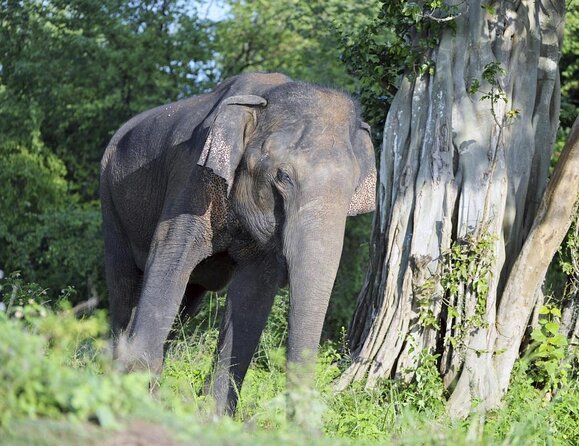
- Udawalawe safari time with a guide: A jeep safari designed to help you spot animals you might otherwise miss.
- Elephant Transit Home feeding time: Young elephants moving around during feeding is a standout moment.
- Your own group, private-feeling pace: Even with a shared route, you’re not dealing with lots of strangers inside your day plan.
- Spotlight on smaller wildlife too: One jeep driver’s keen eye was a big part of why the day felt full, not just elephant-heavy.
- Koggala stick fishermen quick stop: A short, memorable look at a very specific Sri Lankan tradition.
- Dikwella Buddha Statue photo pause: Easy, low-effort sightseeing on the way back.
Why Udawalawe Works So Well From Hikkaduwa, Galle, Mirissa, and Unawatuna
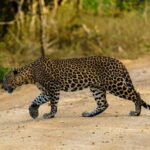
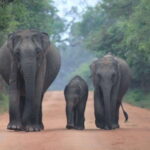
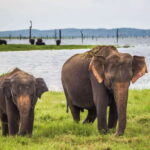
Udawalawe is one of Sri Lanka’s go-to places if your main goal is elephants—especially the chance to see Asian elephants in the wild with enough frequency that your afternoon doesn’t feel like a gamble. The park is known for herds of elephants, but the experience isn’t limited to trunk-and-tusk moments. The tour description also points to other wildlife you might encounter, including slot bears, golden jackals, and the elusive Sri Lankan leopard.
What I like about a day trip from the south coast is that you’re pairing a wildlife-focused block of time with two calmer, scenic stops. That matters because the safari can feel intense: early, dusty, and full of stop-and-go excitement. When you later get to Koggala and Dikwella, you’ve got a more relaxed rhythm—walk a bit, snap photos, breathe fresh air, then settle back into the ride.
Also, the tour is built around a “one day, multiple wins” idea: park entrance tickets, safari jeep with guide, snacks, plus the additional stop for the orphanage/transit-home experience. That’s a lot bundled into a single outing.
You can also read our reviews of more tours and experiences in Hikkaduwa.
Price and Value: What $184.94 Covers (and What It Doesn’t)
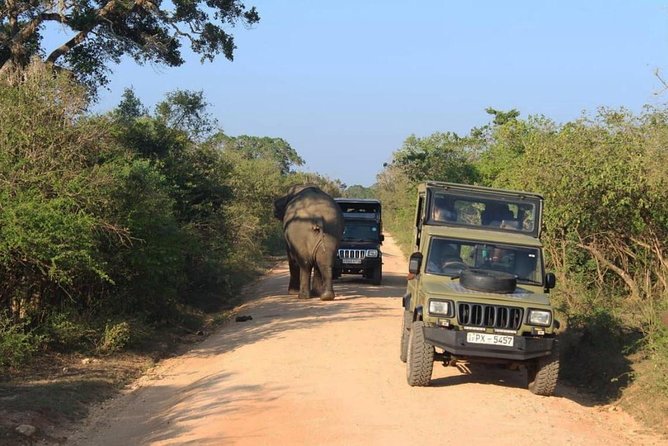
At about $184.94 per person, you’re paying for a package-style day that covers the expensive parts: entrance into the park, the jeep safari with a guide, and the added Udawalawe Orphanage Entrance (linked to the transit-home feeding experience). You also get bottled water and snacks included, plus private transportation from your pickup area.
The “value” part isn’t just the sticker price—it’s that the day is already stitched together. You don’t need to arrange a jeep, purchase separate tickets, or figure out how to time the wildlife block versus the coastal stops. For many people, that planning headache is the real cost.
What’s not included is breakfast and lunch. The day runs around 10–12 hours, so you’ll want to bring extra snacks if you know you get hungry. The tour does include snacks, but they’re usually not a substitute for a full meal. If you’re sensitive to long stretches without food, plan ahead.
The Early Start: How Pickup and Timing Shape Your Safari Day
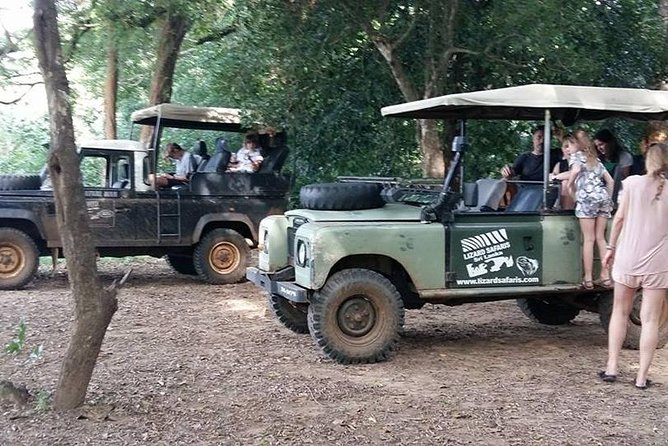
This tour is scheduled within an early window—Monday to Sunday from 3:00 AM to 10:00 AM. That’s the kind of timing that can either be a joy (cooler air, wildlife energy) or a rude awakening, depending on your sleep habits. Since the duration is around 10–12 hours, you’ll essentially live on the move for the day.
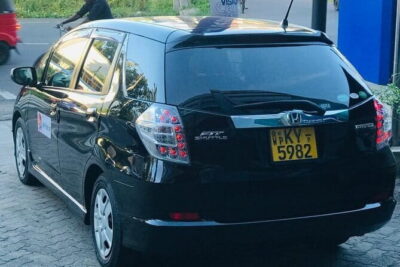
The good news: pickup is handled. You’re collected from the Galle/Mirissa/Unawatuna/Hikkaduwa areas and transported to Udawalawe National Park. That removes the pressure of finding your own transport early in the morning and helps keep your day focused on the safari.
It’s also a private tour in the sense that only your group participates, which usually makes the timing feel less stressful. You’re not trying to coordinate with other groups, and the guide can adapt pacing to your interests inside the time limits.
Entering Udawalawe National Park: What to Expect From the Jeep Safari
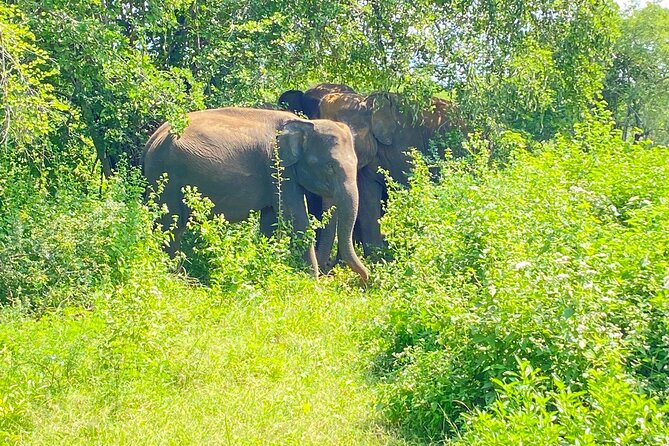
Once you reach the park, the main action happens during the jeep safari. The tour description frames Udawalawe as one of the biggest national parks, and that scale matters: it gives wildlife room, plus it creates more opportunities for your guide to reposition when sightings appear.
Plan for a classic safari rhythm:
- Ride and scan for movement
- Stop when something is spotted
- Photograph, then move again
- Keep expectations flexible because animal sightings depend on chance and timing
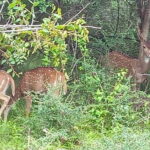
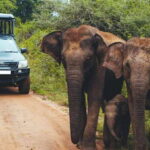
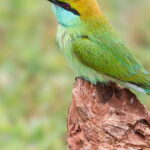
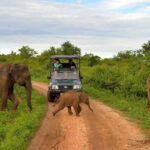
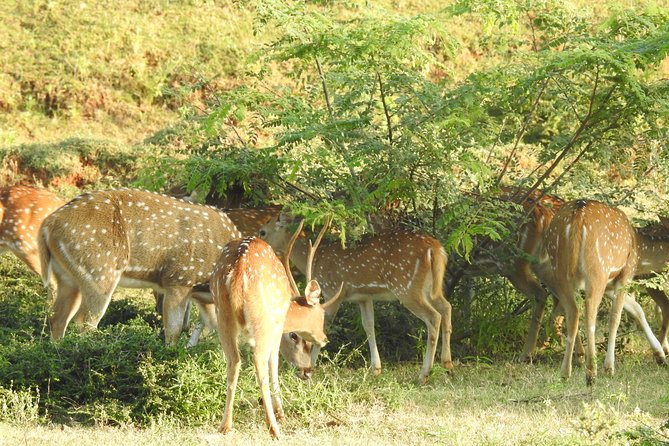
The biggest draw here is elephants. In the best moments, you’re close enough to feel how real and big they are—this is not a “distant dots” experience. And the guide’s job isn’t just to chase elephants. One of the reviews emphasizes how the jeep driver had a sharp eye for smaller birds and creatures, with frequent stops for photos. That is a huge quality-of-life detail: it means the safari doesn’t feel like a single-species wait.
The tour also sets you up for other wildlife possibilities—slot bears, golden jackals, and even the Sri Lankan leopard. You shouldn’t count on the leopard as a guaranteed sighting (that’s what elusive means), but the fact that these are part of the park’s wildlife profile tells you why a guided safari is worth doing.
Tip for your own comfort: a jeep safari is bumpy. Wear shoes that can handle uneven ground and dust, and bring something light for sun protection. Bottled water is included, but you’ll still want to manage your own pace.
Elephant Transit Home Feeding Time: The Moment That Makes People Remember This Day
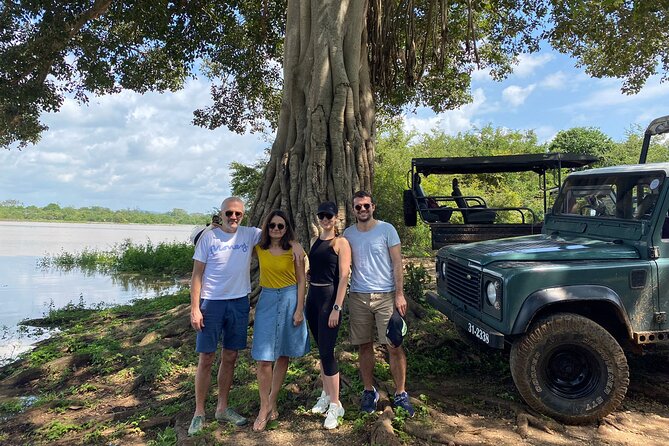
One reason this tour earns strong praise is that it doesn’t stop at “park sightings.” It also includes the Udawalawe Orphanage Entrance Ticket, which connects to the Elephant Transit Home feeding time.
In a standout review, the Elephant Transit Home feeding is described as fun and special because you can see young elephants trotting around. If you’re trying to understand the emotional tone of the day, this is often the part that turns a standard safari into a memory. In the park, you’re watching wildlife in its natural setting. At the transit home, you’re witnessing feeding-related activity with juvenile elephants, and that brings a different kind of closeness.
You’ll want to treat this segment with respect. Keep your movements calm, follow the guide’s instructions, and don’t block other people’s view if you’re taking photos.
If you care about seeing both ecosystems of the day—the wild and the human-run support side of elephant life—this stop adds real depth. It also helps explain why many people rate the experience so highly.

Koggala: The Stick Fishermen Stop (and Why 15 Minutes Can Still Matter)
After the safari block, the day shifts toward coastal scenery with a quick stop at Koggala. You’ll get about 15 minutes here, and the main attraction is the stick fishermen of Sri Lanka.
This is one of those experiences where timing matters. It’s short on purpose, and that’s why it can work well: you get to see the tradition and the sea mood without turning the day into a long sightseeing detour after the morning’s wildlife focus.
What you should do with your 15 minutes:
- Walk to a vantage point where you can see the action
- Take photos quickly, then enjoy a few calm minutes by the water
- Don’t burn your energy trying to do a second big walk right then
The value is the mix. If your only plan is a safari, you may go home with elephant photos and not much else. This tour gives you one cultural visual from the coast so your day doesn’t feel like a single-note experience.
Dikwella: Buddha Statue Photos and a Quick Breather
Next comes Dikwella, again about 15 minutes. The stop centers on a Buddha Statue, where you can take pictures and get a bit of fresh air.
This isn’t a long cultural tour. It’s a quick moment to reset after the jeep and to break up the return ride. Think of it as a photo stop and a chance to stretch your legs.
If you’re the kind of traveler who enjoys small, practical stops—rather than big museum-style outings—Dikwella fits your style.
Just keep expectations realistic: 15 minutes means you’re not doing an all-day exploration here. You’re getting a snapshot and moving on.
Guide and Jeep Skills: How Mahesh’s Spotting Adds Real Payoff
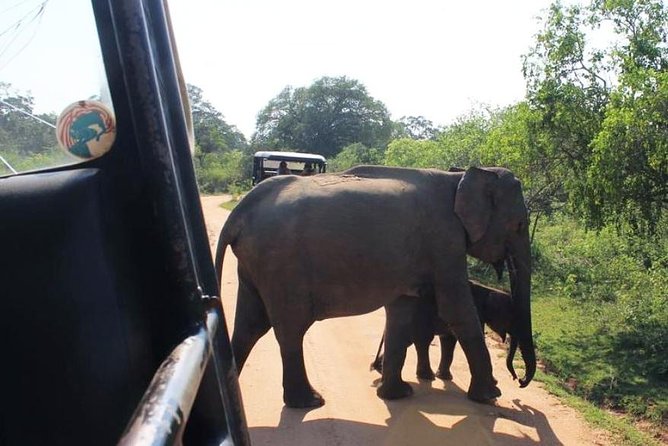
The safari experience depends heavily on the person in the jeep with you. In a glowing review, the guide Mahesh is credited with doing a fine job finding animals in the wild. That’s exactly what you want from a guide: not just knowledge for trivia, but the ability to read the scene and react when something appears.
Another review highlights that the jeep driver was good at spotting smaller birds and creatures and stopped regularly for photos. That’s not a small detail. It changes the feeling of the whole day.
When spotting is handled well:
- You spend less time hoping
- You see more than just elephants
- Your group gets more chances to capture photos
- The safari feels lively instead of monotonous
So when you book, treat the guide and jeep as part of the product. This tour includes a private safari jeep with guide, and that’s where a lot of the money is going.
Small Practical Notes for a Smoother Day
This is a long outing, and it’s worth thinking like this is a “morning start, full-day loop” rather than a casual afternoon excursion.
A few practical takeaways I’d follow:
- Bring a light layer for early hours, especially if you get cold easily.
- Use sunscreen and a hat. You’ll be in open air for safari moments.
- Bring a phone power plan or a small power bank for photos.
- If you’re picky about meals, plan on eating on your own since lunch isn’t included.
Also, you’ll want to keep your schedule flexible. The safari is the main event, so any delays from sightings or road conditions can affect the rest of your day. That’s normal on safari days.
Who This Tour Suits Best (and Who Might Skip It)
This is a great fit if you:
- Want a focused wildlife day centered on Udawalawe elephants
- Like the idea of a guided jeep safari rather than self-driving
- Enjoy the combination of wildlife viewing plus a brief cultural/coastal add-on
- Prefer a private-feeling group setup (only your group participates)
It might not be the best match if you:
- Hate long days (10–12 hours)
- Need a fully catered meal plan (breakfast and lunch are not included)
- Are hoping for a relaxed, unstructured day with long stops at each attraction
If your priorities are elephants, wildlife variety, and a well-run day with minimal hassle, this tour’s format makes sense.
Should You Book This Udawalawe Safari From the South Coast?
My take: yes, book it if your top goal is seeing elephants in Udawalawe and you like the idea of adding the Elephant Transit Home feeding time. The strongest praise centers on elephants in the wild, plus the guide’s spotting skill (including Mahesh) and frequent photo stops for smaller wildlife too. Those details are what turn a safari from one big hope into a day with lots of wins.
Book this tour if you also appreciate short, well-timed extras: stick fishermen at Koggala and the Buddha statue photo pause at Dikwella. It’s not trying to be a huge sightseeing marathon of stops—it gives you variety without stealing attention from the main event.
Skip it if you can’t handle early starts or long hours without a guaranteed lunch. If you solve that with your own food plan, you’ll be in a good spot to enjoy the full day.
FAQ
How long is the Udawalawe safari day trip?
The tour runs about 10 to 12 hours (approx.).
Where does pickup happen?
Pickup is available from the areas of Galle, Mirissa, Unawatuna, or Hikkaduwa.
What’s included in the price?
It includes private transportation, bottled water, snacks, Udawalawe National Park entrance ticket, Udawalawe Orphanage entrance ticket, and a private safari jeep with guide.
Is lunch included?
No. Lunch and breakfast are not included.
Is this tour private?
Yes. It’s a private tour/activity, and only your group will participate.
What other stops are included besides Udawalawe?
After the safari, the tour includes stops at Koggala (stick fishermen) and Dikwella (Buddha Statue).
What time does the experience operate?
The listed opening hours are Monday to Sunday, 3:00 AM to 10:00 AM.
What animals might you see in Udawalawe?
The tour description highlights Asian elephants, and also mentions possible sightings of slot bears, golden jackals, and the Sri Lankan leopard.
Is there free cancellation?
Yes. Free cancellation is available if you cancel up to 24 hours in advance for a full refund.