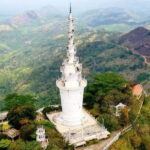
Tea, spices, and a waterfall swim in one day. This Knuckles Spice Trail trek from Kandy mixes tea plantation paths with panoramic mountain views and small-creature sightings along the way. It’s the kind of walk that feels like you’re moving through working countryside, not just passing scenery.
What I liked most is the way the route keeps giving you different worlds: pine and eucalyptus forest, spice areas, and terrace rice fields. And that natural swimming pool by the waterfall is the perfect mid-trek reward, even when the water feels brisk. One thing to consider: if it rains, the trail can get muddy and you may meet leeches, so rain gear is not optional.
In This Review
- Key highlights to watch for
- Why the Knuckles Spice Trail feels more real than a scenic hike
- A cool day plan that still feels relaxed
- From Kandy to the trail: the morning setup that matters
- Altitude you’ll feel, but not panic about
- Tea plantation trails and big views: the first payoff
- What to pay attention to on the tea paths
- Pine and eucalyptus forest: where the small stuff shows up
- If you’re chasing wildlife moments
- The spice forest and garden stops: learning as you walk
- What plant explanations add to the trail
- Waterfall crossing and the natural swimming pool: the day’s best break
- A fun, optional detail
- Practical note: swimming depends on conditions
- Terrace rice fields and the shift toward village life
- Why this part hits differently
- Lunch with locals: what you’re really paying for
- What makes this lunch valuable
- Trekking grade, distance, and what to expect from your body
- The biggest physical considerations
- Weather and rain reality: what to plan for
- How to stay comfortable if the weather turns
- Price and value: is $101 a fair deal?
- What to pack so the day stays fun
- Who should book this trek from Kandy
- Should you book the Knuckles Spice Trail Trek from Kandy?
- FAQ
- What time does pickup happen in Kandy?
- How long is the trek, and what distance will I walk?
- What’s included in the $101 per person price?
- Do I need swimwear and rain gear?
- Is the tour private, and is the guide English-speaking?
- Who is this trek not suitable for?
Key highlights to watch for
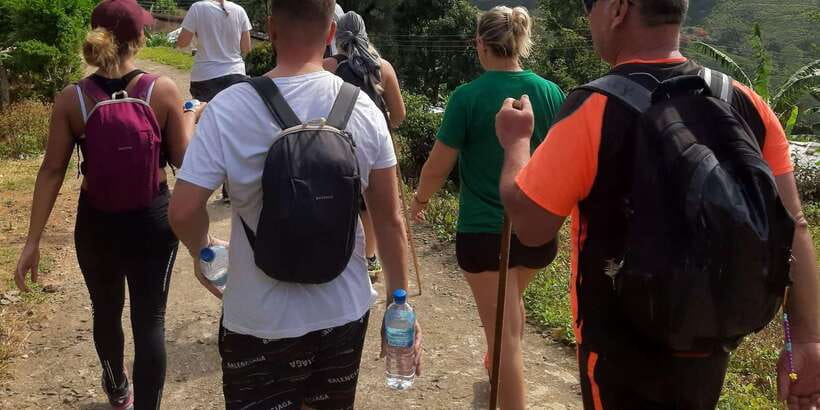
- Tea plantation trail time with views over the hills in Central Province
- Waterfall crossing and natural pool swim (the water can be chilly)
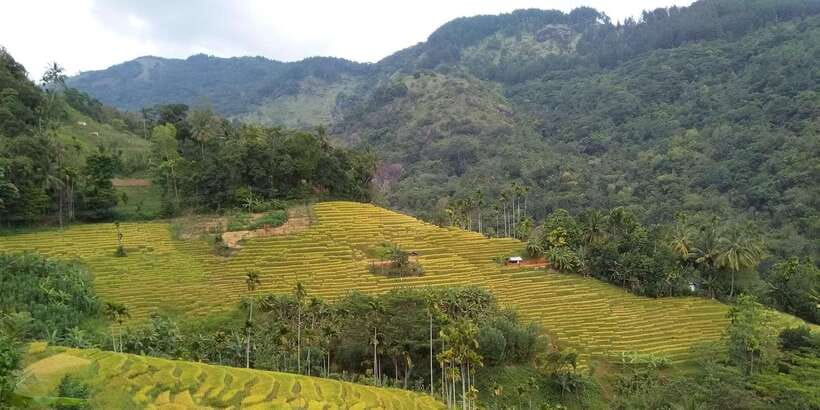
- Terrace rice fields that look magical, especially as clouds roll in
- Spice and vegetable gardens plus a look at how village life works
- Guide-led plant spotting covering spices, tea, fruit, and more
- Private-group pacing on a smooth-to-medium trek (about 10–15 km)
Why the Knuckles Spice Trail feels more real than a scenic hike
This trek has a simple idea: you don’t just walk in nature, you walk through the places nature and people are connected. You start from Kandy, then head out into the Knuckles area where tea grows on slopes, spice plants fill forested sections, and rice terraces step down across the hillside. The result feels hands-on.
I especially like that the experience is guide-led in a practical way. You’re not only told what you’re seeing; you learn what people grow, why it matters, and what kinds of plants and fruits are around you. Guides such as Lakmal and Ashoke are singled out in the way they explain what’s on the trail, from everyday herbs to crops tied to tea and spice work.
You can also read our reviews of more tours and experiences in Kandy.


A cool day plan that still feels relaxed
Even though it’s an active walk, the schedule spreads things out. Pickup happens in the early morning, then you start trekking around late morning, with the walk ending mid-afternoon and time to get back to Kandy. That matters because the Knuckles region can be misty and change quickly. You’re not stuck out there longer than your body can handle.
From Kandy to the trail: the morning setup that matters

Pickup is typically 7:00–7:30 am from your hotel area in Kandy. Transport to the trailhead takes about 1.5 hours, and trekking starts around 9:30–10:00 am. This timing is smart: you avoid the hottest sun, but you still get daylight for views and for the waterfall/pool part of the trek.
Because the trek covers roughly 10–15 km and takes about 4–5 hours of walking, you’ll want the rest of the day to feel like breathing room, not a sprint. The full experience runs about 8 hours, so you’re not committing to an entire travel day.
Altitude you’ll feel, but not panic about
You’ll move through elevations around 1000 to 500 meters. That’s not “high altitude,” but it can mean cooler air at higher points and a bit of temperature change during the day. Light layers and comfortable clothes help you adjust as the trail rises and dips.
Tea plantation trails and big views: the first payoff
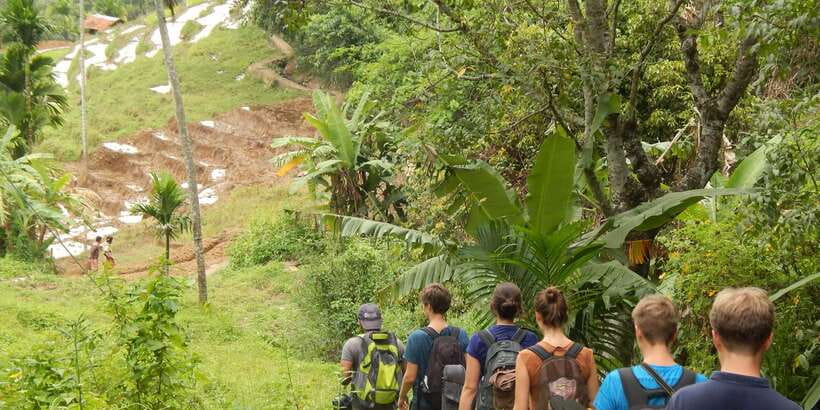
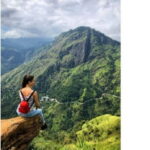
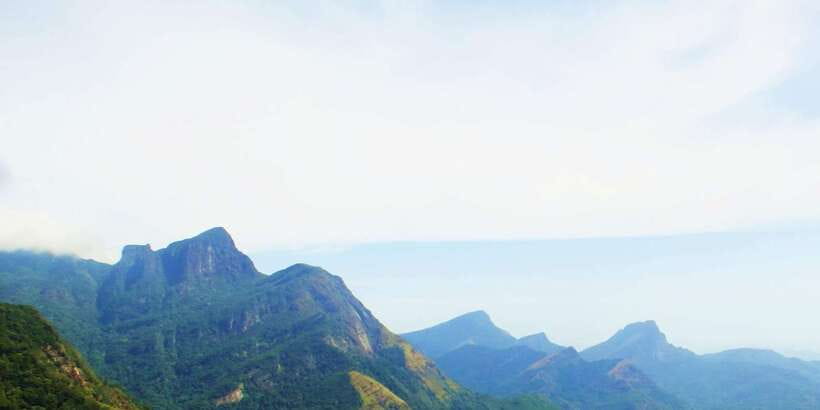
One of the best parts of this trek is how quickly you get to the “wow” zone. You’ll spend time in tea plantation trails, and the views can be genuinely memorable in the Knuckles area—especially when clouds thin out enough to show the hills.
This section is also where you start noticing the rhythm of the place. Tea cultivation is visual: slope, rows, careful tending. Even if you’ve never studied tea farming, you’ll start to understand what kind of work goes into keeping it growing. And if your guide is Ashoke or Lakmal, expect lots of explanation that turns the walk into a living classroom.




What to pay attention to on the tea paths
- How the trail follows the contours of tea slopes
- How the tea area transitions into more natural forest
- Bird activity in the higher, greener patches
- The way light changes once you’re moving through cloud-prone zones
This is also a good time to take a breath and slow down. The trek isn’t a race, and the best views happen when you stop looking like you’re hiking and start looking like you’re sightseeing.
Pine and eucalyptus forest: where the small stuff shows up
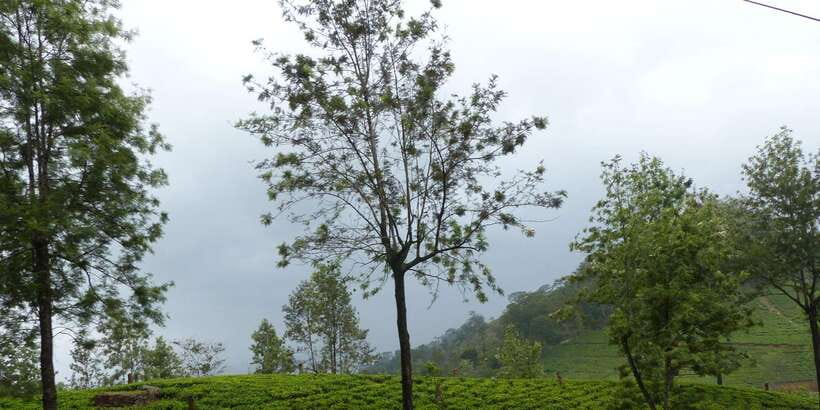
After the tea section, you move into pine and eucalyptus forest. This is a quieter stretch. The point isn’t speed; it’s attention. Guides help you spot what’s around you—especially birds, small animals, and butterflies.
This part of the trail is valuable because it teaches you how to see. You don’t have to be a nature expert to enjoy it. When someone points out what to look for, suddenly the forest feels alive rather than just “green.”
If you’re chasing wildlife moments
The forest section is the best time in the day to keep your eyes up and your pace steady. If clouds roll in, don’t assume it’s a dead end for nature. In misty conditions, the forest often feels more atmospheric, and smaller movements become easier to notice.
The spice forest and garden stops: learning as you walk
A key part of the route is moving through spice forests and seeing spice/vegetable gardens tied to village life. You might spot plants that look ordinary until your guide explains what they’re used for—spices, herbs, and fruit crops that connect directly to everyday cooking.
I like this segment because it connects “nature” with “food.” Instead of treating spices as something that only exists in markets, you’re seeing the living plants and learning about how they grow and get used. People often come to Sri Lanka for tea and spice flavors. This trek makes you understand the source.
What plant explanations add to the trail
A good guide doesn’t just list names. They help you link a plant to a use, and they often include sensory details like smell or taste when the opportunity is available. That makes the experience stick long after the walk ends.
Waterfall crossing and the natural swimming pool: the day’s best break
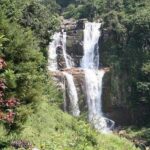
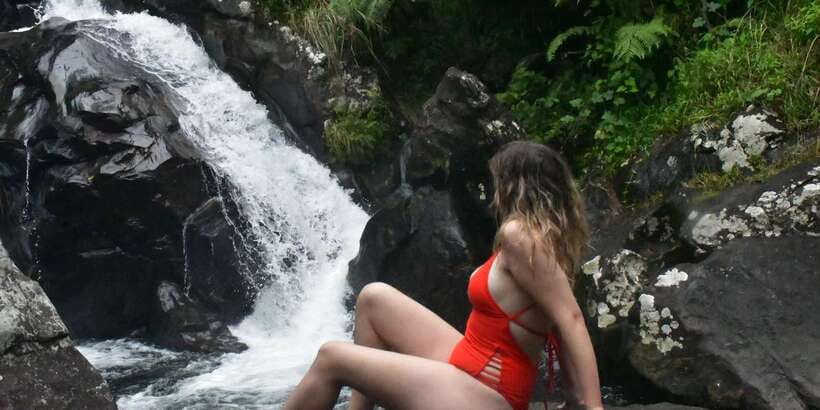
At some point, the trail includes a waterfall crossing and access to a natural pool where swimming is possible. This is the mid-trek reward that turns exercise into a story you’ll remember.
The pool experience can vary by day. When water is clear and the waterfall is running, it feels like a real wilderness moment. In the provided feedback, the water is described as cold, but that didn’t ruin it. People thought it was worth trying anyway.
A fun, optional detail
There’s also an extra little twist at the pool: you might be able to let small fish nibble at your feet. It’s not required, but it’s one of those moments that makes the day feel special in a simple, human way.
Practical note: swimming depends on conditions
If it’s been rainy, the water and edges around the pool can be slick. Wear confidence, not bravado. Bring the swimwear you were instructed to pack, but also be ready to skip the swim if conditions feel unsafe that day.
Terrace rice fields and the shift toward village life
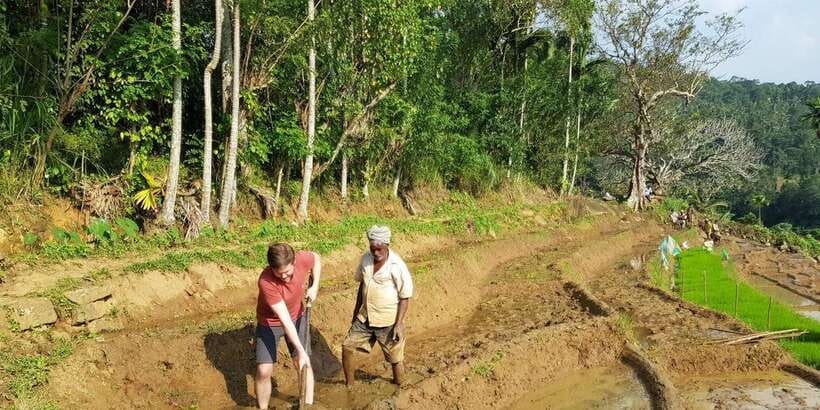
After the waterfall/pool segment, the trek leads through terrace rice fields described as magical. This is when the scenery opens up visually. You get more lines and layers—terraces stacking across slopes—which makes for great photo opportunities and a calmer feeling after the water break.
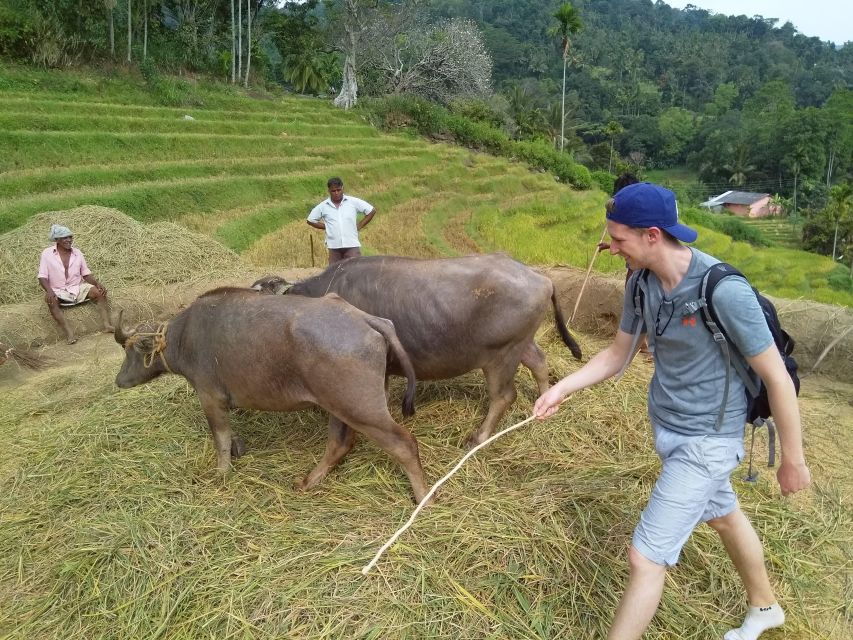
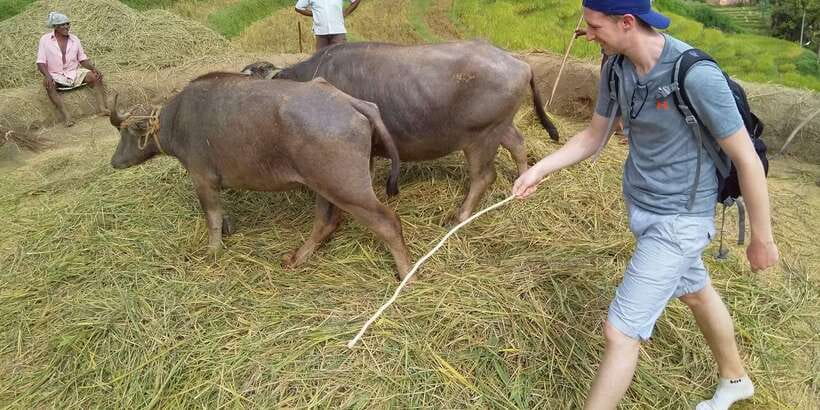
Then you start transitioning into the traditional village portion of the walk. This isn’t just a scenic stop. You move through areas where you can see vegetable gardens and spice gardens, and you get the chance to meet village people and learn about village culture.
Why this part hits differently
It’s easy to treat villages like “a view.” Here, the village segment is tied to what you’ve already seen—gardens, crops, and daily work. You understand the land better because you’re connecting the plants you walked past to the lives that depend on them.
Lunch with locals: what you’re really paying for
The trek includes a picnic lunch or a village authentic lunch, plus water and snacks. In the feedback, the village meal gets a lot of love, and it’s described as fresh and prepared with care.
One detail that stands out for practical travelers: if you’re vegetarian, it has been accommodated—at least for one guest—so it’s worth communicating your preference when you book.
What makes this lunch valuable
It’s not just food. It’s a pause that reinforces the theme of the day: how Sri Lankans eat and work with what’s grown locally. After hours on a trail, a village-style meal feels like the natural ending, not an afterthought.
Trekking grade, distance, and what to expect from your body
This is listed as a smooth medium grade trek. That phrase matters. Medium grade can mean “not extreme,” but it still means you should respect uneven ground, stairs/steps, and slippery spots after rain.
Expect 10–15 km total walking over about 4–5 hours. The route includes forest sections, hillside trails, and the waterfall area, so your footing skills matter more than your gym routine.
The biggest physical considerations
- Mud and wet patches if the day starts rainy
- Cool air changes as altitude shifts
- Time on your feet, even if the pace is steady
If you’re comfortable doing a solid half-day hike, you’ll likely be fine. If you’re only used to flat city walking, this may feel tougher than you expect—especially after rain.
Weather and rain reality: what to plan for
One review experience includes strong rain at the start, with leeches also mentioned. Then conditions improved near the waterfall, making the middle and later parts less drippy. That’s a pattern you should plan around.
You’re provided guidance to bring rain jackets and trekking shoes, and I’ll stress again: don’t pack these like you’re bringing extras. Bring them like you’re using them.
How to stay comfortable if the weather turns
- Wear trekking shoes suited for muddy or slippery trail
- Use rain gear from the start if clouds look serious
- Keep a small backpack so you don’t shuffle everything around during stops
And remember: rain doesn’t automatically ruin the day. It can change the trail feel and make the walk more challenging, but the route is built for it.
Price and value: is $101 a fair deal?
At $101 per person (for an experience lasting about 8 hours), you’re paying for more than a trail. You get transport from Kandy, a specialized English-speaking guide, entrance tickets, lunch, and water/snacks, plus passenger insurance.
If you tried to do this independently, you’d quickly spend money and energy on:
- getting a guide who knows the plant/spice explanations
- arranging safe transport and the right trail access
- figuring out a route that actually delivers tea, spice, rice terraces, and the waterfall pool
So while it’s not a budget “wander around town” cost, it’s a fair value for a guided full-day trek that mixes nature plus village culture plus a swimming break.
What to pack so the day stays fun
The tour asks you to bring trekking basics and a few smart extras. Use their list as your checklist, especially because this is a trail where weather changes fast.
Bring:
- Trekking shoes
- Rain jackets
- Swimwear
- Small back pack
- Sun cream
- Comfortable clothes
- If you plan to swim: swimwear cloths (keep it simple and pack-dry when possible)
That’s all practical, and you’ll feel the difference between being prepared and trying to improvise.
Who should book this trek from Kandy
This works best for you if:
- you want a guided day that teaches you plants, tea, spices, and village life
- you like active walking but don’t need a hardcore challenge
- you’re excited by the idea of a waterfall natural pool swim
- you travel in a way that values a private group pace (you can ask questions without waiting)
It’s not a fit if:
- you use a wheelchair (it’s not suitable)
- you’re traveling with babies under 1 year
- you’re over 95 years old
Should you book the Knuckles Spice Trail Trek from Kandy?
I’d say yes if you’re the type who likes your nature days to come with context. This trek isn’t only about views; it’s about understanding the living system behind Sri Lankan flavors—tea, spice plants, and the gardens that support village life. The waterfall pool swim adds a fun reset that makes the hours feel worthwhile.
Book it even more confidently if you enjoy guided explanations. Having a strong guide like Lakmal or Ashoke can turn a good hike into a memorable one.
Skip it or reconsider if rain and mud would make you miserable. The route can handle wet conditions, but you should show up ready—rain gear and good shoes make a real difference.
FAQ
What time does pickup happen in Kandy?
Pickup is scheduled for 7:00 am to 7:30 am. Transport takes about 1.30 hours before you start trekking later in the morning.
How long is the trek, and what distance will I walk?
Trekking time is 4 to 5 hours, covering about 10 to 15 km. The trek is described as smooth medium grade.
What’s included in the $101 per person price?
The price includes a specialized guide, transport, entrance ticket, picnic lunch or village authentic lunch, water and snacks, precautions, and passenger insurance.
Do I need swimwear and rain gear?
Yes. The tour includes a natural swimming pool, so bring swimwear. Rain can happen, so pack rain jackets and also comfortable clothes and sunscreen.
Is the tour private, and is the guide English-speaking?
Yes. It’s a private group with a live tour guide in English.
Who is this trek not suitable for?
It’s not suitable for wheelchair users, babies under 1 year, or people over 95 years.