A real village kitchen beats another restaurant meal. This Kandy Cooking Class with Granny turns you from diner to cook, with step-by-step help from Granny Nandy and her family. You’ll learn the logic behind Sri Lankan spices and coconut-based flavors, not just memorize recipes.
I especially love the fact that you cook in a home setting in the village, not a concrete studio. And I like how much food you make in a short window, with practical guidance as you chop, stir, and taste your way through the meal.
One possible drawback: transport needs a little planning. Pickup is included from Kandy (and nearby), but you’ll need to pay extra for the return journey unless you arrange it yourself.
In This Review
- Key highlights you’ll actually care about
- Why Granny Nandy’s Village Kitchen Feels Different From Usual Cooking Tours
- Getting There in Sri Lanka Style: Pickup, Tuk-Tuk Rides, and Return Costs
- Market Stop and Spice Shopping: What You Learn Before the Cooking Starts
- The Hands-On Menu: Rice, 7 Vegetables, Curries, Sambol, Papadam, and Dessert
- How the dishes connect on your plate
- Vegan options (and how flexibility works)
- What Your Cooking Lesson Looks Like: Step-by-Step Guidance in a Quiet Home Kitchen
- Class time slots in Kandy
- Group size feel
- Food You’ll Actually Want to Eat: Plentiful, Fresh, and Built for Real Satisfaction
- Taking Sri Lankan Cooking Home: What Those Recipe Photos Are Good For
- Price and Value: Is $25 Fair for a Real Village Cooking Session?
- Who Should Book This Cooking Class With Granny (and Who Should Skip It)
- Should You Book Kandy Cooking Class With Granny?
- FAQ
- How long is the cooking class?
- What food do you cook during the class?
- Is there a vegan option?
- Do you visit a market to buy ingredients?
- Is hotel pickup included, and is return transport included?
- Is the experience wheelchair accessible?
Key highlights you’ll actually care about
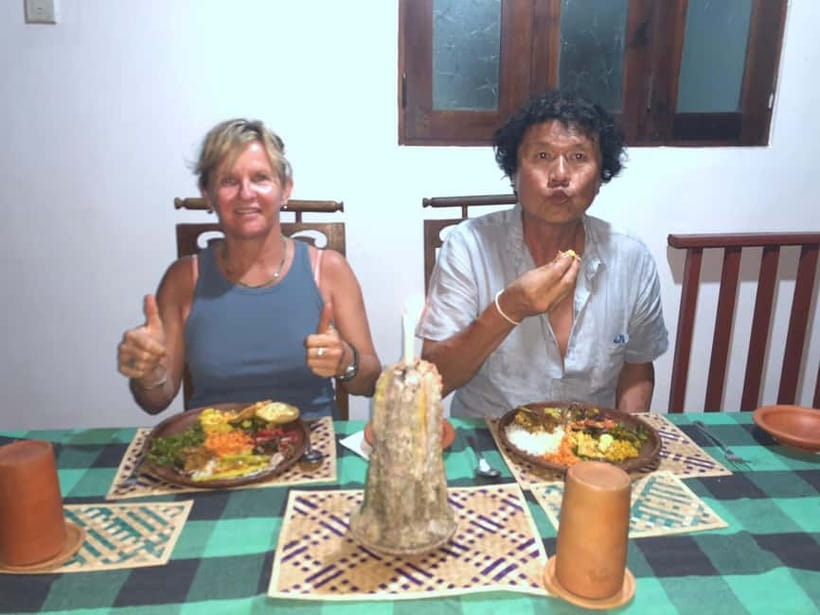
- Village location, not a commercial kitchen: You’re in a quiet residential area outside the city, inside a traditional home setup.
- Hands-on cooking: This is not watch-and-snack. You cook your dishes with clear English guidance.
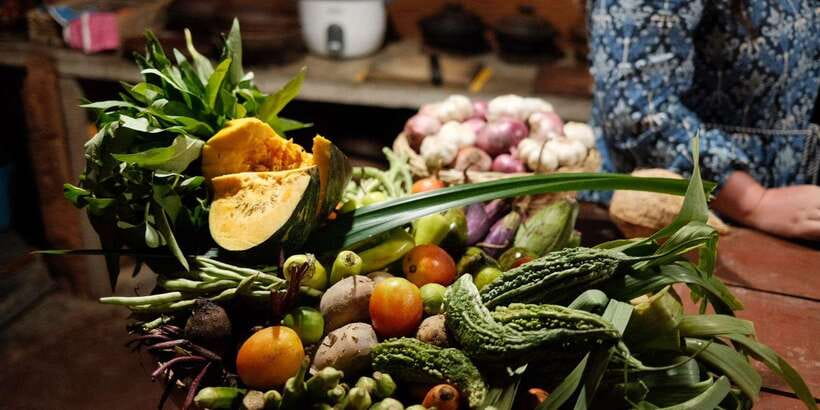
- Market ingredient time (often included): You may shop with a family member and even taste local fruits like mango and passionfruit.
- Big menu output for the price: Expect rice plus multiple vegetable curries, coconut sambol, papadam, a dessert, and usually a fish or chicken curry.
- Recipe photos to take home: You’ll get photos of the dishes you cooked so you can recreate them later.
- Private group feel: Smaller, more personal than the typical big-class setup.
Why Granny Nandy’s Village Kitchen Feels Different From Usual Cooking Tours
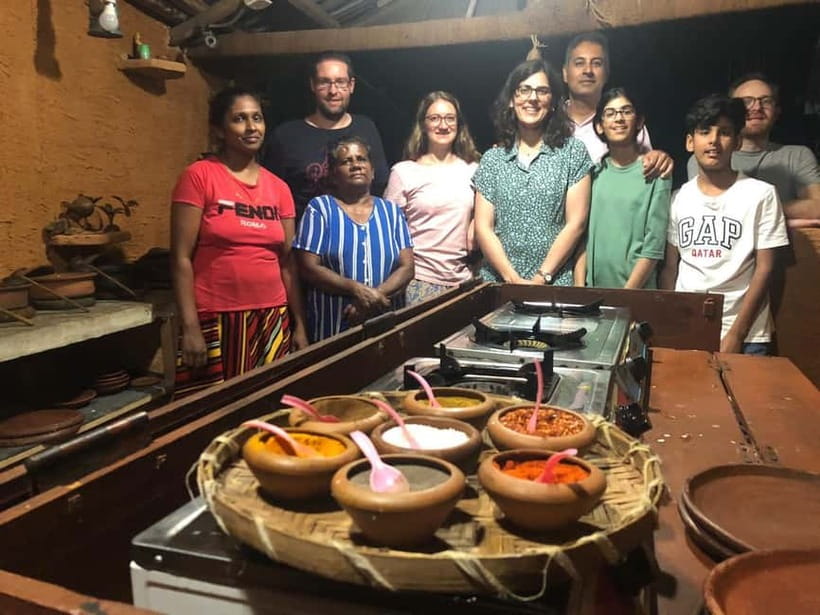
This class starts with a setting you can feel right away. You’re not heading into a shiny cooking school. You’re going into the village—around 6.5 km from Kandy—and into a house in a quiet residential area just outside the city. The cooking happens inside a home environment, so the pace feels more like family cooking than a staged performance.
That matters for two reasons. First, you’ll get more natural explanations about spices and ingredients. People don’t talk like they’re reading a script when you’re standing over the stove with them. Second, you’ll see how the food fits daily life. Sri Lankan cooking isn’t only about spice. It’s about texture, timing, and balance—like how coconut milk changes the mood of a curry, or how sambol brings brightness to the table.
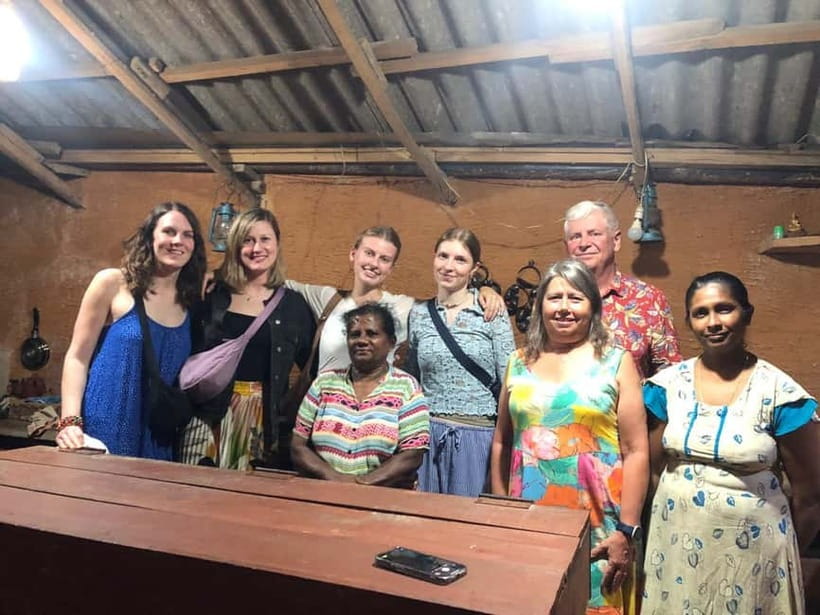
You’ll also get that sweet multi-generation hospitality. Reviews repeatedly mention Granny Nandy herself as the heart of the experience, with helpers who jump in so everyone can actually participate. If you like learning with warm, human guidance, this is the kind of class that sticks in your memory.
You can also read our reviews of more tours and experiences in Kandy.


Getting There in Sri Lanka Style: Pickup, Tuk-Tuk Rides, and Return Costs
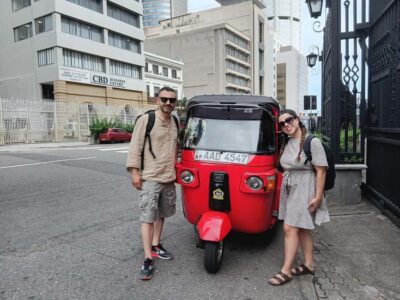
Most classes include pickup from your accommodation in Kandy, plus an extra 3 km around Kandy. From there, you head out toward the hills and village area where the kitchen is located. Expect a ride time of about 20 minutes by tuk-tuk up into the area outside town, depending on traffic and where you start.
Here’s the important practical point: transport from Kandy to the cooking place is included, but return transport is not fully covered. The information you’re given is clear that you’ll have to handle the journey back yourself or pay for it if they provide it. I’d treat that as part of the planning, not an afterthought.
My advice: confirm your return arrangement when you book and ask the exact pickup point for pickup. Kandy isn’t small, and the easiest way to avoid stress is to have your start and end locations nailed down.
Market Stop and Spice Shopping: What You Learn Before the Cooking Starts
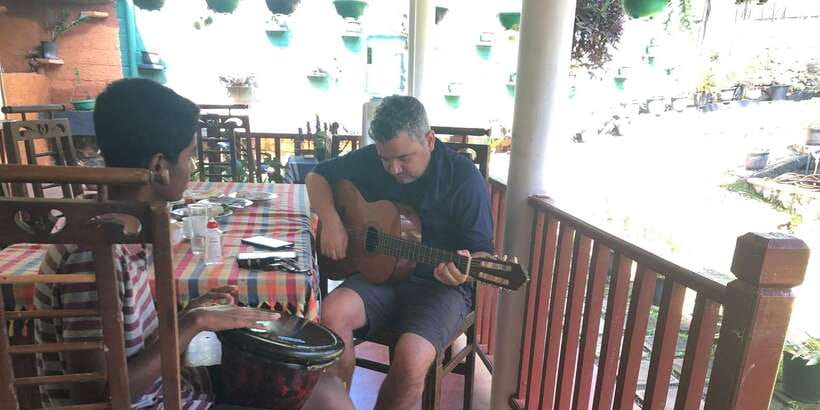
If your session includes the market step, you’ll get the best kind of intro lesson: seeing ingredients in real life before you cook them. In the experiences shared, you often shop with a family member (including a grandson in some classes), and you’ll be shown fruits and vegetables you may not recognize at home.
One participant described tasting multiple fruits during the market visit, including different banana types, mango, and passionfruit. Even if your session’s specific fruit tasting differs, the takeaway is the same: you learn what ingredients taste like when they’re fresh, and you learn how to choose them when you’re shopping later.
This part also helps your cooking make sense. When you understand why an ingredient works in a curry—rather than just where to pour it—you’ll cook with confidence. You’ll also get a more grounded relationship with spices. The class focuses on using the spices properly, not dumping them in because a recipe says so.
The Hands-On Menu: Rice, 7 Vegetables, Curries, Sambol, Papadam, and Dessert
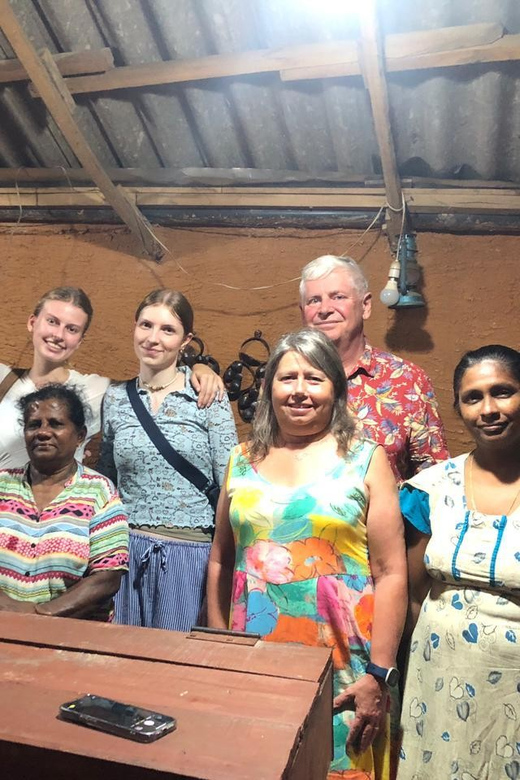
This is where you’ll probably realize you’re getting far more than a quick demo. The class is designed so you cook a full meal in stages, and you leave having made enough to feel like you really ate well. The included foods (as listed) typically cover:
- rice
- 7 vegetables
- fish or chicken curry (depending on what’s on your menu)
- coconut sambol
- papadam
- 1 Sri Lankan traditional sweet (dessert)
On top of that base, the menus vary by day of the week, and some sessions include additional dishes. In the experiences shared, people mention making things like dhal (lentil curry), egg curry on certain days, and multiple vegetable curries. There are also references to a special curry typically prepared for big events, depending on the menu for that day.
How the dishes connect on your plate
Sri Lankan meals tend to have a “team” effect. Rice is the anchor. Curries bring depth and heat. Vegetable curries add texture and sweetness. Coconut sambol brings a sharp, fresh kick that makes the whole meal feel more balanced. Papadam adds crunch.
That balance is what you want to learn, because you won’t replicate the meal well if you treat each dish like a separate island. You’ll cook multiple components, so you start to understand how the meal is built.






Vegan options (and how flexibility works)
The class states they can do vegan foods. It also notes that you can include egg, chicken, or fish if you prefer. So if you’re vegan (or cooking for someone who is), you’re not stuck with a simplified “side dish only” approach. I’d still message or clarify your preference when you book so they match the menu properly.
What Your Cooking Lesson Looks Like: Step-by-Step Guidance in a Quiet Home Kitchen
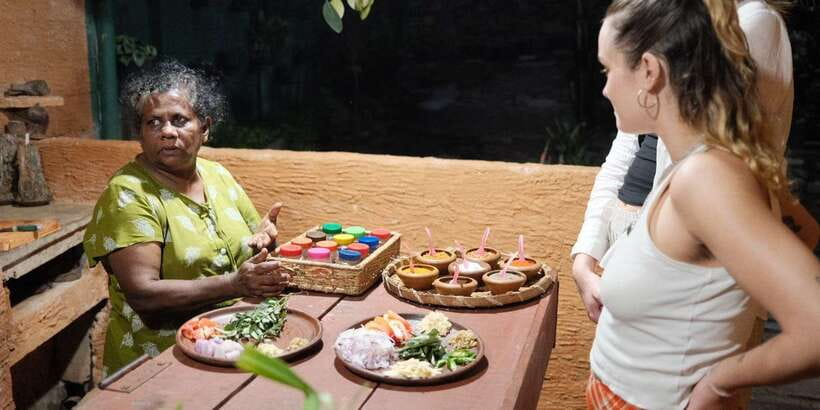
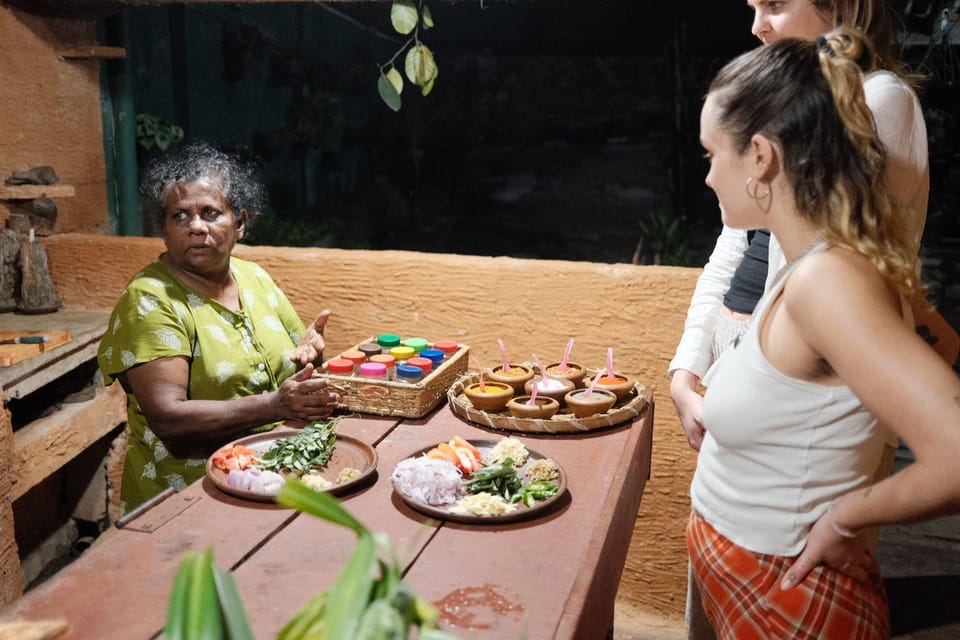
Your cooking session is structured around multiple steps, not one big cooking moment. You’ll likely start with a welcoming tea moment, then move into learning about spices and how they’re used in Sri Lankan cooking. A big theme is understanding spices, plus how coconut milk behaves in curries.
Then you cook. The class is hands-on, and English instruction is available. Reviews highlight that guidance is step-by-step, which is exactly what you want if your cooking skills are average. You’re not expected to be a master chef. You’re expected to try, taste, and adjust.
The session length is usually around 3–4 hours, and it can vary based on how quickly you move through the steps. You’ll want to plan your schedule with that in mind, especially if you’re stacking other activities on the same day.
Class time slots in Kandy
The class offers three daily options:
- Lunch class: 9:00am to 12:30pm
- Midday class: 1:00pm to 4:30pm
- Dinner class: 5:00pm to 8:30pm
If you like cooking when you’re most energized, dinner can be a great choice. If you want the rest of the evening free for sightseeing or relaxation, go with the lunch or midday slot.
Group size feel
This is a private group, which usually means you’ll get more personal attention. Reviews describe small groups where everyone gets enough time at the stove. That’s the kind of setup where you learn faster because you can ask questions before your curry is already past saving.
Food You’ll Actually Want to Eat: Plentiful, Fresh, and Built for Real Satisfaction
The meal is not a token tasting. People consistently describe it as delicious and plentiful. You’re making enough food that the cooking class feels like the main event, not an appetizer.
Why the food tastes so good (based on what the class emphasizes) is that you’re cooking with instruction and you’re using fresh ingredients you’ve learned to select. The market (when included) helps with that. And the home-kitchen setting likely encourages cooks to use techniques that have been trusted for a long time.
Also, because you cook multiple dishes, you get variety. One curry might be more coconut-forward and creamy. Another might focus more on vegetable sweetness or lentil comfort. Coconut sambol brings a different flavor profile than the curries, so you’re not eating the same thing three times.
If you’re the type who hates leaving tours hungry, you’ll probably love this.
Taking Sri Lankan Cooking Home: What Those Recipe Photos Are Good For
At the end, you’ll be sent photos of the recipes you cooked. This is more useful than people think—especially when you’re cooking spice-heavy food. Spices can be tricky to remember, and photos help you line up what you made, how it looked at different stages, and what combinations your instructor used.
My practical tip: when you get the photos, try one dish first—something simpler and repeatable like rice plus coconut sambol. Then build from there. You’ll be far more successful recreating the bigger curry components once your kitchen already “knows” the flavor direction.
Price and Value: Is $25 Fair for a Real Village Cooking Session?
At $25 per person for a session around 3.5 hours, the value depends on one thing: you want hands-on cooking, not just a cultural show.
Here’s what you’re getting for that price:
- a private-group style class
- English instruction
- you cook multiple dishes (rice, vegetables, coconut sambol, papadam, dessert, plus fish/chicken curry)
- photos of the recipes after the class
- pickup from Kandy (and nearby) and transport from Kandy to the cooking place
Then there’s the one catch: return transport costs extra unless you arrange it yourself. In one experience shared, someone felt the return price was higher than expected. So while $25 is reasonable for the lesson itself, make sure you include the return cost in your mental total.
Overall, if you want a meal you help create—and you’ll use the recipe photos later—this feels like good value for Kandy.
Who Should Book This Cooking Class With Granny (and Who Should Skip It)
This class is a great fit if:
- you want a hands-on food experience rather than watching from the sidelines
- you like learning with a family-style host like Granny Nandy
- you’re curious about Sri Lankan spices, coconut curries, sambol, and papadam
- you prefer an authentic village setting rather than a commercial building
It may be less ideal if:
- you need wheelchair access (the experience is not suitable for wheelchair users)
- you dislike the idea of managing some transport details for the return trip
- you want a short, low-effort activity (this one is interactive, and you’ll be cooking)
If you’re traveling as a couple, this also works well. Smaller groups mean more kitchen time.
Should You Book Kandy Cooking Class With Granny?
Yes, I’d book it if your goal is to bring home real cooking skills, not just souvenirs. The strongest reasons are the village home setting, the hands-on instruction from Granny Nandy and her helpers, and the fact that you make a full meal—multiple curries plus sambol, papadam, and dessert.
Just go in with two expectations set correctly: you’ll be out of the city in a village location, and return transport may cost extra. If you plan for that, you’ll leave with a belly full of Sri Lankan comfort food and the kind of recipe photos you can actually use.
FAQ
How long is the cooking class?
The class typically lasts 3 to 4 hours. Lunch runs from 9:00am to 12:30pm, the midday session runs from 1:00pm to 4:30pm, and the dinner session runs from 5:00pm to 8:30pm.
What food do you cook during the class?
You’ll cook included items such as rice, 7 vegetables, coconut sambol, papadam, a Sri Lankan traditional sweet, and a fish or chicken curry. The exact menu can vary by day of the week.
Is there a vegan option?
Yes. The class states they can do vegan foods. It also mentions that eggs, chicken, or fish can be included if you want that option.
Do you visit a market to buy ingredients?
Many experiences include a market stop to buy ingredients. The market visit can also include fruit tasting as part of the experience.
Is hotel pickup included, and is return transport included?
Pickup from Kandy and around 3 km is included. Transport from Kandy to the cooking place is included, but the return journey costs extra unless you arrange your own transport.
Is the experience wheelchair accessible?
No. It is not suitable for wheelchair users.