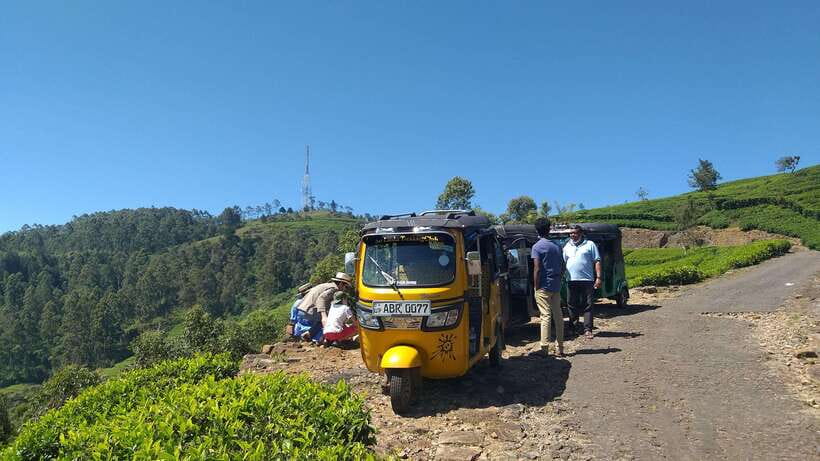
Tea-country views arrive fast. This tuk-tuk ride from Haputale or Bandarawela to Lipton’s Seat and the Dambatenne Tea Factory mixes big panoramas with real, hands-on tea moments. I especially like the chance to join local tea pluckers, and I like how the factory visit explains tea production step by step, ending with tea tasting you can actually compare with what you learned.
The only real catch is that the day includes walking and a bit of hiking, so plan for steady footing and sun. Also, the factory may not run at full speed at every moment (harvest timing can affect operations), though the team can still show the process in a way that makes sense.
In This Review
- Key highlights worth planning for
- Tuk-tuk through Haputale and Bandarawela tea country
- Lipton’s Seat: the Thomas Lipton statue and those hill panoramas
- Tea plucking in the plantation: hands-on work with local tea pluckers
- The picnic in the tea fields and a short hike break
- Dambatenne Tea Factory: from fermentation to grading, with tea tasting
- Price and value: is $35 per person a fair deal?
- Practical tips for comfort and better photos
- Who this suits best (and who should rethink it)
- Should you book this Haputale tuk-tuk tea tour?
- FAQ
- Where are the pickup and drop-off points?
- How long does the tour last?
- Is the tour private, and is the guide English-speaking?
- What do you see at Lipton’s Seat and who is Thomas Lipton?
- Do you get to pluck tea and is there a picnic?
- What happens at the Dambatenne Tea Factory?
- Is tea tasting included?
- What should I bring for this experience?
- Who should avoid this tour, and is smoking allowed?
Key highlights worth planning for
- Tea-country tuk-tuk route from Haputale or Bandarawela with scenic stops
- Lipton’s Seat viewpoint plus a photo moment by the Thomas Lipton statue
- Tea plucking time with local workers so you see how it’s done, not just how it’s sold
- Dambatenne Tea Factory with a guided look at processing stages like rolling and grading
- Picnic in the plantation paired with a proper tea tasting at the end
Tuk-tuk through Haputale and Bandarawela tea country
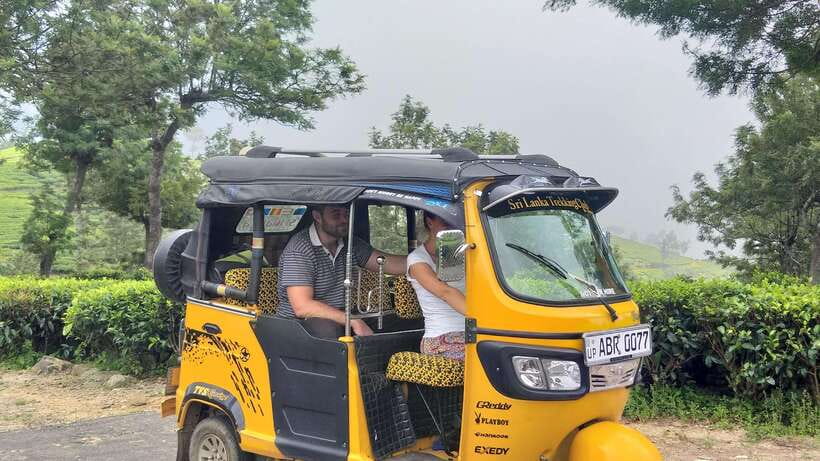
This is one of the better ways to see the Highlands tea belt without feeling like you’re stuck staring out a car window. The tuk-tuk format keeps things fun and direct, and you spend a lot of the day moving through tea-growing areas between stops.
Because it’s a private group with a live English guide, you’re not just getting a checklist of places. You’re getting context while you ride: why tea thrives here, how the slopes shape work, and what you’re going to see at the next stop.
Pickup and drop-off are handled from the Bandarawela or Haputale area, not from random points. That matters because the ride time and the order of stops depend on where you start, and you’ll want the start to be smooth.
You can also read our reviews of more tours and experiences in Haputale.
Lipton’s Seat: the Thomas Lipton statue and those hill panoramas
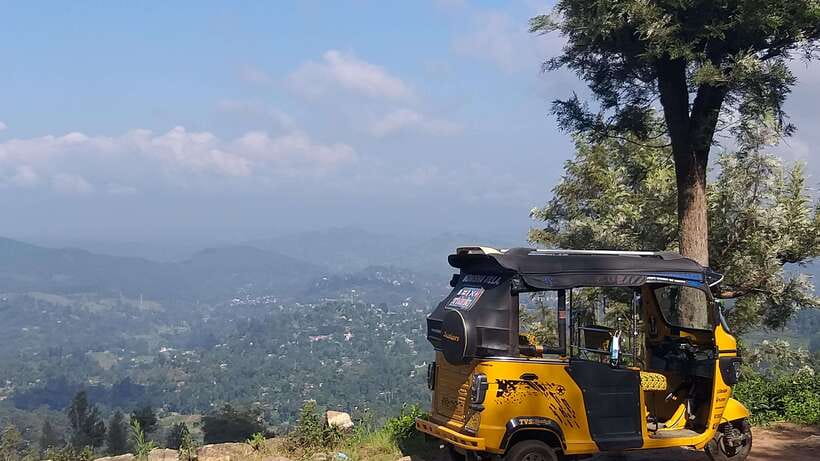
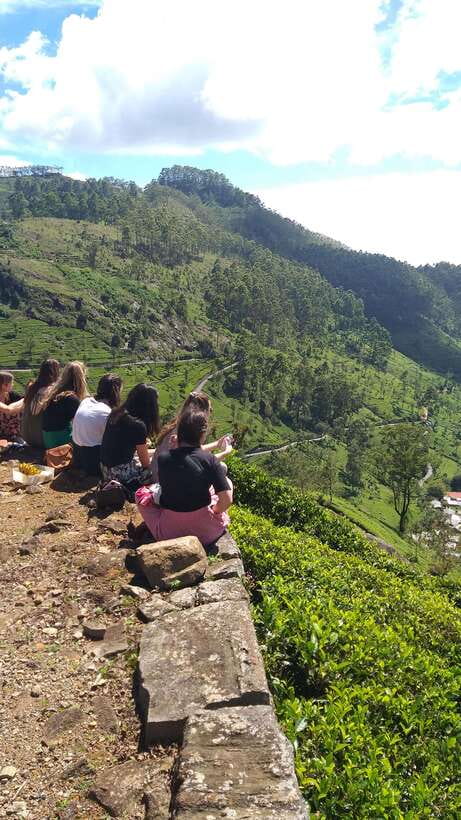
Lipton’s Seat is the big viewpoint stop, and it’s named for Thomas Lipton— the Scottish businessman who moved to British Ceylon in 1890. You sit on a bench close to a life-sized statue, then take in panoramic views over the tea slopes.
What I like about this stop is that it’s not just a photo. There’s time for a walk and some easy hiking around the viewpoint area, so you can actually reposition for better angles when the light changes.
If you’re sensitive to sun or heat, this is also the moment to slow down. Wear a hat and sunscreen and keep water handy, because the Highlands can still feel strong when the weather clears.
Tea plucking in the plantation: hands-on work with local tea pluckers
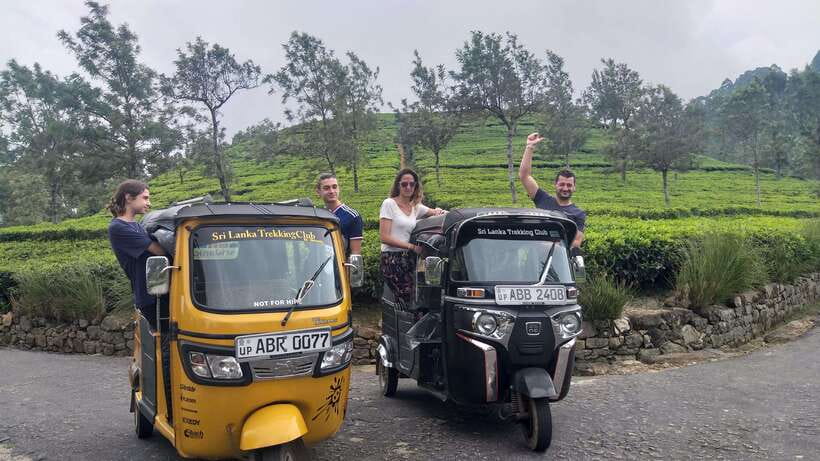
One of the most meaningful parts of this tour is the chance to join tea pluckers in the field. You’ll see tea workers at work and get the option to try plucking yourself, which turns tea from a product into an activity with rhythm and muscle memory.
There’s a practical side to this: tea plucking is careful work, done repeatedly and at scale. When you try it, even briefly, you understand why tea picking is a skill, not just a scenic “activity.”
This is also where you’ll get the most human feeling for the place. The experience is designed so you spend time with people who work the plantation, not just people passing through on short photo breaks.
The picnic in the tea fields and a short hike break
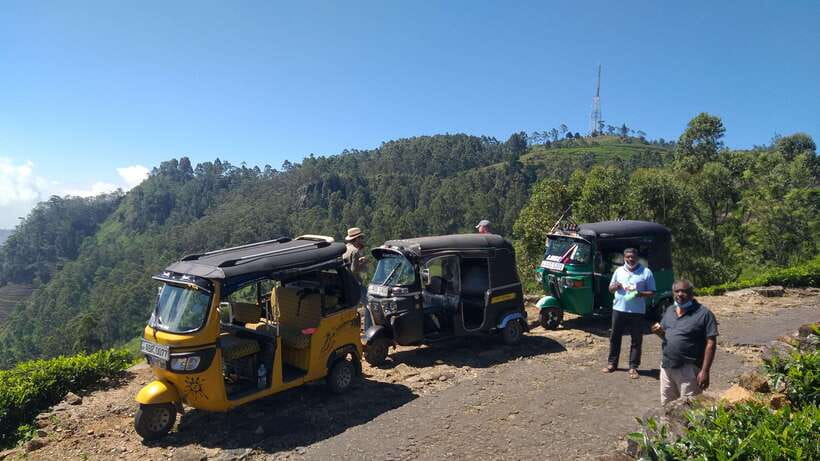
Between viewpoint time and the factory tour, you get a picnic in the plantation plus a bit of hiking time. That works well because the day has multiple “standing and looking” moments, and the picnic gives you a reset.
I like that the picnic is placed right where the work happens. You’re not eating in a parking lot after the scenery is done; you’re eating while the tea landscape is still the backdrop.
That said, this is still outdoors time in changing Highland weather. Comfortable shoes matter because you’ll be on uneven ground at least briefly, and a hat helps whether it’s sun or just a bright sky.
Dambatenne Tea Factory: from fermentation to grading, with tea tasting
The Dambatenne Tea Factory visit is the education engine of the day. It was built in 1890 by Sir Thomas Lipton, and the guided tour walks you through how tea moves through multiple steps.
Here’s the process you should expect to hear about:
- fermentation
- rolling
- drying
- cutting
- sieving
- grading
Even without technical details, these stages make sense when you see them explained. Fermentation and rolling are where leaves change character; drying locks in what’s been developed. Cutting and sieving then break and sort leaves so the final tea has consistent size and flavor behavior, and grading ties it together.
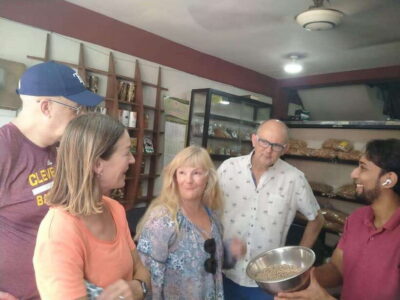
You’ll also get a tea tasting session. If you pay attention, tasting stops being random at that point. You’re tasting after you’ve heard how the leaves are treated, so you can connect flavor to processing in a way that sticks.
A good note for planning mindset: production can vary depending on timing. On at least one visit, the factory production was paused because everyone was in the fields harvesting, but the team still made a special effort to show machines and explain the process. Translation: don’t assume every factory moment will be identical on every day, but the tour is built to keep the explanation meaningful.
Price and value: is $35 per person a fair deal?
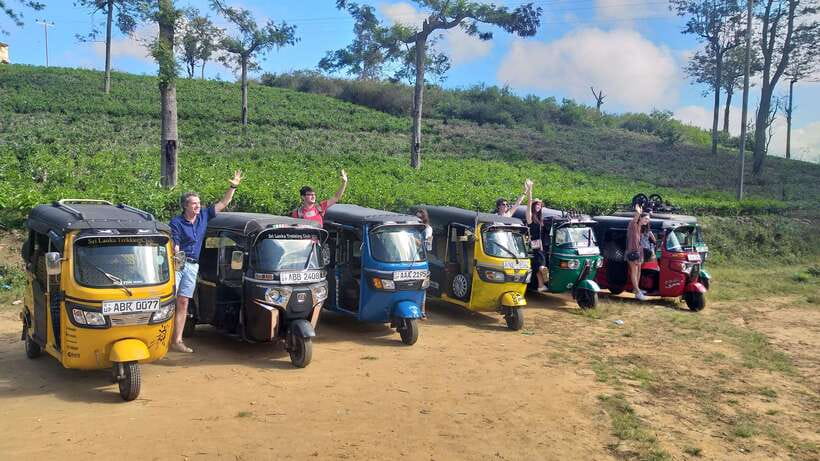
At $35 per person for a 5-hour private tour, the value comes from the mix, not just the cost. You’re paying for:
- a tuk-tuk ride through tea-growing hills for much of the day
- a live English guide
- time at Lipton’s Seat (including walking/hiking time)
- a factory visit with guided explanations
- tea tasting
- tea plucking time and a plantation picnic
That’s a lot of “included stuff” for one day, especially when a private guide is involved. The biggest value driver is that you’re not only seeing tea; you’re doing a small part of the tea workflow and then translating it into tasting and explanation.
If you’re budgeting tightly, think of this as a structured way to get several Highlands experiences in one shot: viewpoints, field contact, and production education. If you’d rather spend your day drifting without structure, you might feel packed. If you like guided context, it’s a good fit.
Practical tips for comfort and better photos
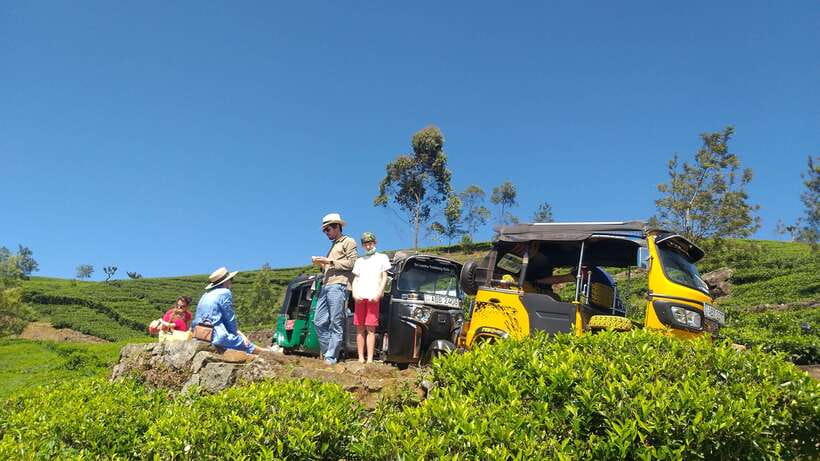
This tour asks for comfort more than athleticism, but it does involve walking and some hiking. Pack for sun and uneven ground, not for a full city stroll.
Bring:
- comfortable shoes
- hat
- sunscreen
- water
- camera
Also, smoking is not allowed, so plan on fresh-air breathing only.
Weather can change fast in the tea hills. Even if it looks clear, bring a layer you can tolerate if the breeze picks up.
For photo lovers: the viewpoint part is where you’ll get the widest angles. The plantation field moments are more about texture and people at work, so use your camera for close shots too, not just the horizon.
Who this suits best (and who should rethink it)
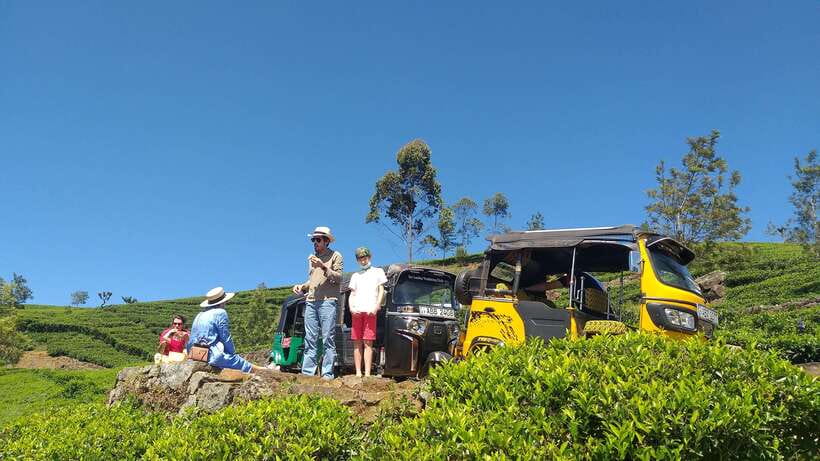
This is a strong pick if you want a day that combines scenery with a real sense of how tea is grown and processed. It’s also a solid option if you like small cultural experiences with local workers, not only big-name sights.
It may not suit everyone. It’s not recommended for:
- pregnant women
- people with back problems
- wheelchair users
If you fall into those categories, you’ll likely find the walk/hike portions uncomfortable.
If you’re traveling with kids, the guide approach can matter a lot. In one account tied to this experience, the guide made room for a child to sit at the tuk-tuk for a short moment, which tells me the day can be flexible when it’s done safely.
Should you book this Haputale tuk-tuk tea tour?
Book it if you want a structured tea day that doesn’t stop at scenery. The best reason is the combination: tea plucking in the fields, a viewpoint tied to Thomas Lipton, and a guided factory tour that explains production stages before you taste.
Skip or rethink it if you want minimal walking, or if you’re not comfortable with uneven outdoor terrain. Also, if you’re expecting constant factory machine action at every second, keep expectations flexible given harvest timing.
If you’re choosing between just a viewpoint and a full tea experience, this one gives you more “why” behind the beauty, and that makes the cup of tea at the end feel earned.
FAQ
Where are the pickup and drop-off points?
You’ll be picked up from the Bandarawela or Haputale area, and you’ll also be dropped off in Bandarawela or Haputale. Share your exact pickup spot and preferred time so the tuk-tuk can be arranged.
How long does the tour last?
The tour is about 5 hours.
Is the tour private, and is the guide English-speaking?
Yes. It’s a private group tour with a live guide in English.
What do you see at Lipton’s Seat and who is Thomas Lipton?
You’ll visit Lipton’s Seat for a viewpoint stop and sightseeing time. It’s named after Thomas Lipton, a Scottish businessman who moved to British Ceylon in 1890, and you’ll see a life-sized statue near a bench at the viewpoint.
Do you get to pluck tea and is there a picnic?
Yes. You’ll have an opportunity to pluck tea with local tea pluckers, and there’s a picnic in the tea plantation.
What happens at the Dambatenne Tea Factory?
You’ll visit the Dambatenne Tea Factory for a guided tour. The tour covers tea production steps including fermentation, rolling, drying, cutting, sieving, and grading.
Is tea tasting included?
Yes. The tour includes a tea tasting session, and you’ll also enjoy a cup of local tea after the tour.
What should I bring for this experience?
Bring comfortable shoes, a hat, a camera, sunscreen, and water.
Who should avoid this tour, and is smoking allowed?
This tour is not suitable for pregnant women, people with back problems, or wheelchair users. Smoking is not allowed.