Tea country moves fast on a tuk-tuk. This day trip strings together Lipton Seat viewpoints and a hands-on Dambatenne Tea Factory tour so you see how Ceylon black tea goes from hillside leaves to what ends up in your cup. I also like the pace: short rides, a guided hike, and a calm picnic break before the factory part gets technical.
The one thing to plan for is weather. If rain rolls in, the views can soften under cloud and the picnic may not stay outside, even though the guide usually finds an easy workaround.
In This Review
- Key Highlights You’ll Actually Feel
- Riding From Ella to Tea Country by Tuk-Tuk
- Lipton Seat: The Viewpoint That Connects Everything
- Tea Fields Hike: Estate Paths With a Guide’s Filter
- Picnic Lunch in the Countryside (Plus a Rain Plan)
- Inside Dambatenne Tea Factory: Built in the Thomas Lipton Era
- What the Factory Tour Teaches: From Fermentation to Grading
- Finishing in Haputale: A Smooth End to the Day
- Price and Value: Is $60 Worth a 7-Hour Tea Day?
- Who This Tour Fits Best
- Should You Book It: My Decision Checklist
- FAQ
- How long is the tour?
- Is hotel pickup included?
- Do I get a picnic lunch?
- What activities are included in the day?
- Which tea factory do you visit?
- Who built Dambatenne Tea Factory?
- What tea is featured during the factory tour?
- Is the tour guide available in English?
- Where does the tour end?
- Is there free cancellation?
Key Highlights You’ll Actually Feel

- Tuk-tuk safari through the hill-country towns around Bandarawela and Haputale, with wind-in-your-hair driving
- Lipton Seat viewpoint with a big-picture look at 7 districts at once
- Guided tea plantation hike on estate paths (good walking, not a treadmill)
- Picnic lunch in the countryside with practical backup options if the weather turns
- Dambatenne Tea Factory visit tied to Thomas Lipton and the 1890 era
- Ceylon black tea production steps explained, including fermentation and rolling
Riding From Ella to Tea Country by Tuk-Tuk
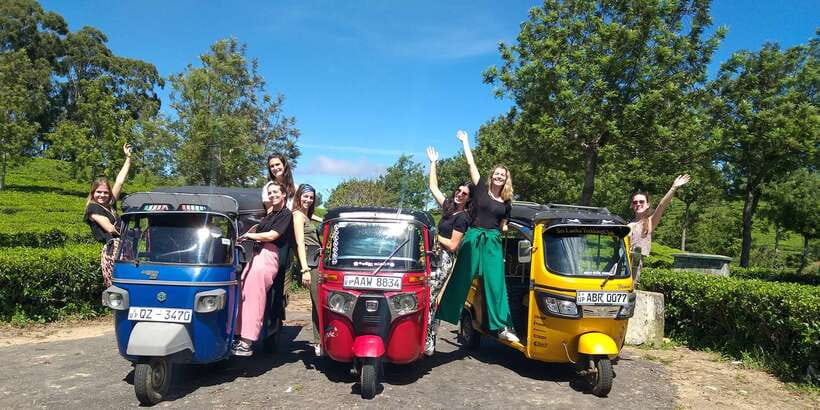
This tour is built around a simple idea: get out of Ella quickly, then let the countryside do the talking. You’re picked up from your accommodation in Ella and transported by tuk-tuk through the tea-growing region, with stops that gradually turn your day from scenic riding into hands-on tea learning.
What makes the tuk-tuk part genuinely fun is how close it keeps you to the hills. Roads in this area can be twisty, and that wind-blown ride feeling is part of why this route works as a day trip. You’re not stuck in a long, boring transfer the whole time. You’re seeing tea slopes, roadside views, and the general rhythm of daily life in the estates while you move between key points.
One practical note: because the tour is about 7 hours total, you’ll want to treat this as a focused itinerary, not a flexible hangout. If you like a tight plan that still feels easygoing, this format fits.
You can also read our reviews of more tours and experiences in Haputale.
Lipton Seat: The Viewpoint That Connects Everything
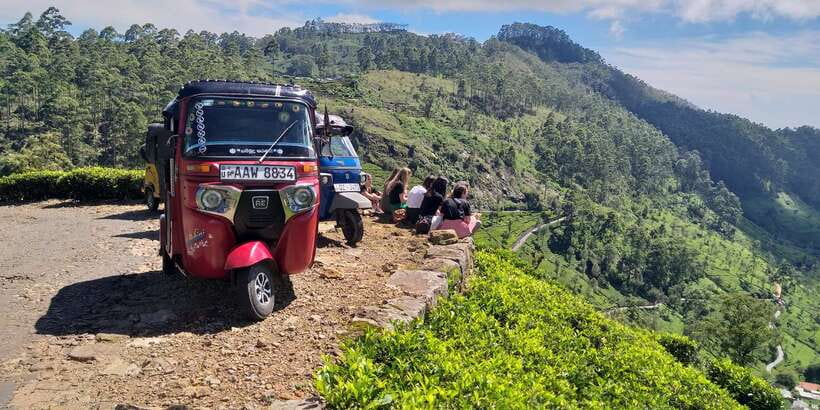
The star stop for the “why tea matters here” story is the Lipton Seat viewpoint. This isn’t just a photo break. The hike and the ride into the area set you up for what the viewpoint represents: the tea belt’s scale.
From Lipton Seat, you can admire 7 districts at once, which is the kind of perspective that helps tea make sense. When you see how many valleys and ridges are involved, you stop thinking of tea as a single plantation and start seeing it as a whole working region.
The other reason this stop works is timing. You learn about tea production along the way, so when you arrive at the viewpoint the explanation lands better. You’re not touring a factory like it’s a separate world. You’re learning how the hillside environment connects to what happens to the leaves later.
If weather is gloomy, don’t panic. The viewpoint can still be interesting for the story, even if visibility isn’t crisp. Still, this is the one moment where you’ll feel the impact if clouds roll in.
Tea Fields Hike: Estate Paths With a Guide’s Filter
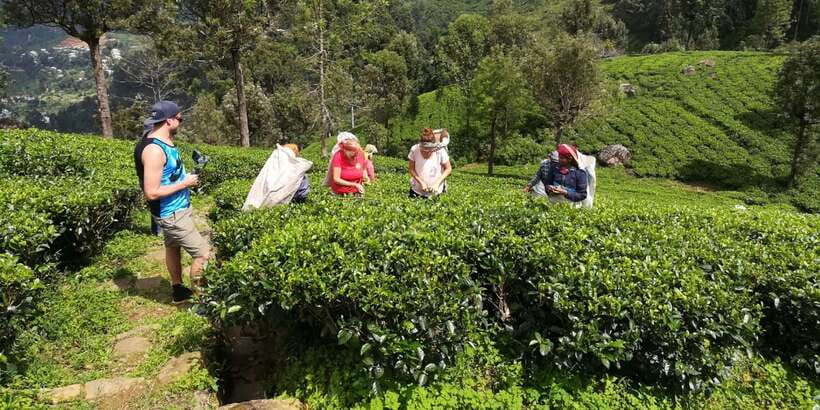
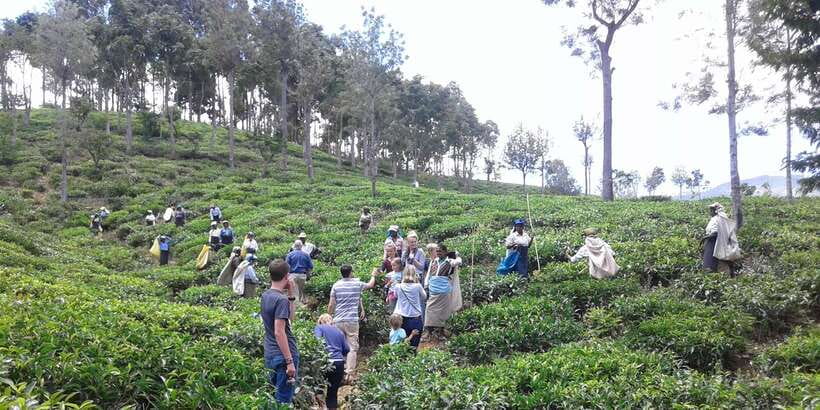
After the ride and viewpoint context, you head into the tea plantation area for a guided hike. This is where the day becomes physical in the best way: not a long trek, but enough walking to wake up your legs and slow your brain down so you notice details.
The tour keeps you on estate paths through the tea-growing zone. That means you’ll be looking at tea plants in rows, seeing how the terrain shapes planting, and getting a clearer sense of what “tea fields” really looks like up close. I like guided hikes like this because the guide helps you read the place instead of just passing through it.
The hike also does a smart job of separating experiences:
- the riding gives you broad views and movement
- the viewpoint gives you scale
- the hike gives you texture and context
So by the time you reach the tea factory, the production explanation isn’t floating in the air. You can mentally connect leaves you saw on the slopes with the steps you’ll hear about inside.
Picnic Lunch in the Countryside (Plus a Rain Plan)
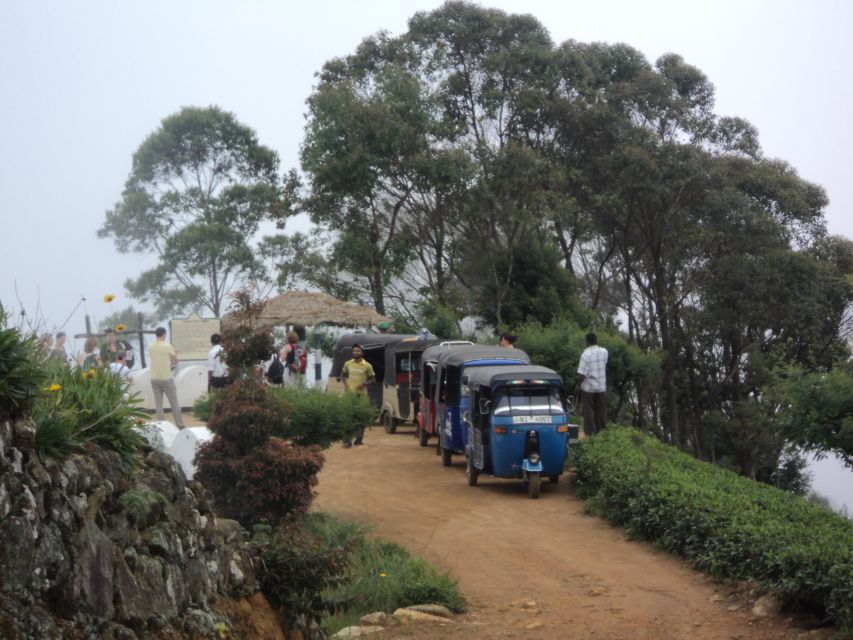
The picnic lunch is one of the best “reset” parts of the day. You stop for a meal in the countryside setting, with food that’s made for travel days: picnic-style sandwiches, fruit like bananas and mangos, and some cake and water are typical in the day’s spread.
Here’s why this matters: after riding and hiking, you don’t just want food—you want a pause that feels like you’re in the region. A picnic does that. It turns the tour from checkpoints into a day.
Rain changes things. If heavy weather comes through, the plan may shift so the meal happens under shelter instead of outdoors. That flexibility is a real quality of the guide, and it keeps the day from feeling wrecked. If you’re someone who gets grumpy about weather changes, you’ll still appreciate how smoothly the meal part can be handled.
Bring a little patience with timing here. You’re eating during a moving day, so don’t expect this to be a long sit-down restaurant experience. It’s a countryside break designed to keep you moving.
Inside Dambatenne Tea Factory: Built in the Thomas Lipton Era
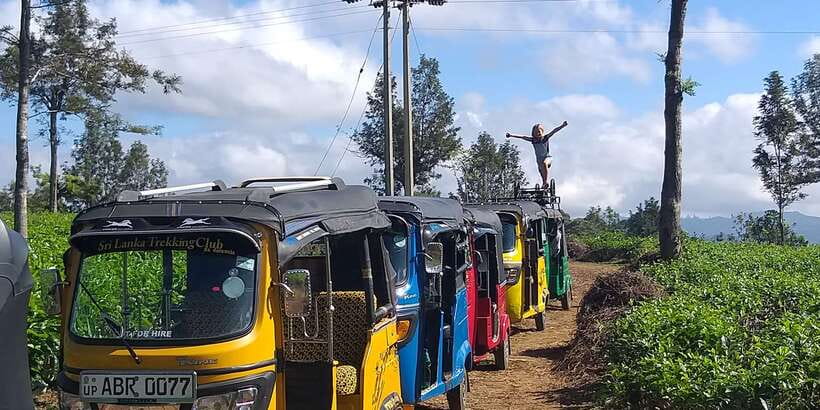
Now you reach the part that turns the countryside story into production reality: the Dambatenne Tea Factory. This factory was built in 1890 by Thomas Lipton, and that historical hook gives your visit a sense of continuity—tea here isn’t a new hobby. It’s been structured like an industry for a long time.
Also, it’s described as the largest tea factory in the country. Even if you don’t measure it, you feel it in the way the tour is organized and the production flow you’re shown.
The practical payoff is that you get a guided explanation of how leaves become Lipton Ceylon black tea. You’re not just touring a building with a few displays. The tour focuses on the steps in the process, with your guide walking you through what happens at each stage.
If you like food and drink stories, this is a great stop. Tea production is full of process details, and the factory visit gives those details a real place in the day.
What the Factory Tour Teaches: From Fermentation to Grading
At the Dambatenne Tea Factory, the explanation includes the production chain: fermentation, rolling, drying, cutting, grinding, sieving, and grading. The list sounds technical, but it becomes easier to understand when you picture each step as changing the leaf in a specific way.
Here’s how I’d think about it as you listen:
- Fermentation is where the tea’s character begins to develop, turning raw leaf properties into the tea profile people recognize.
- Rolling and drying are about shaping and stopping the process at the right point so quality stays consistent.
- Cutting, grinding, and sieving are about size and texture control, which affects how the tea brews.
- Grading is how they sort the results so different strengths and characteristics can be packed and sold.
Even if you don’t become a tea nerd by the end of the tour, you’ll leave with a clearer map of how black tea is made. And that’s the real value. It turns tea drinking from a vague habit into something you can explain in plain language.
Also, the factory visit is the tour’s best “indoors break” if the weather is hot or wet. When the outdoors gets uncomfortable, this stop keeps the day comfortable enough to enjoy.
Finishing in Haputale: A Smooth End to the Day
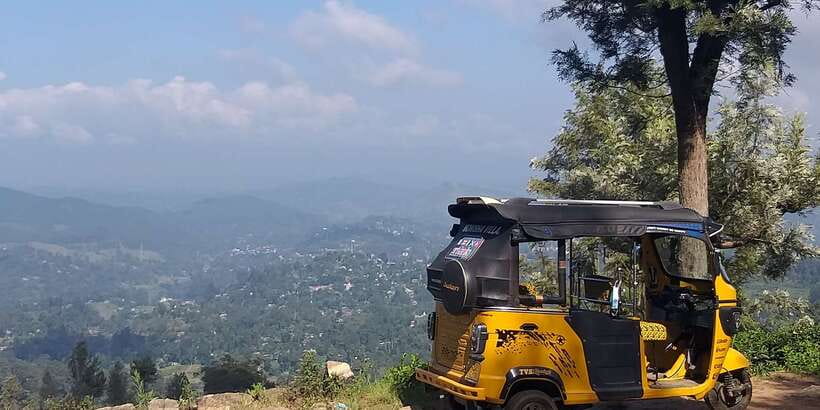
The tour ends in Haputale. That matters because it changes how you plan your afternoon. If you’re staying in Haputale, you may appreciate the natural flow. If you’re going somewhere else, you’ll want to line up transport from there.
One small detail I like from the experience profile is that guides may go slightly beyond the baseline to help with drop-off in practice. In at least one case, a guide returned someone to their homestay even though that kind of extra wasn’t stated as a guarantee. Still, treat that as a bonus, not a promise.
Price and Value: Is $60 Worth a 7-Hour Tea Day?
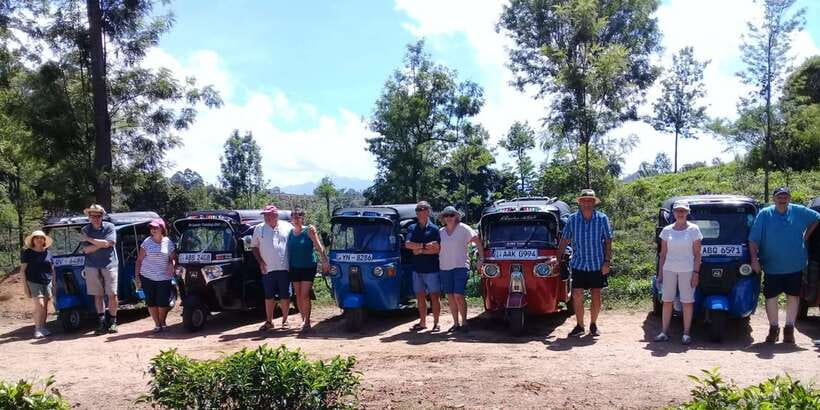
At $60 per person for about 7 hours, you’re paying for more than a single attraction. This cost bundles several things that often add up separately:
- hotel pickup in Ella
- tuk-tuk safari transport
- a guided tea plantation hike
- entrance fees
- picnic lunch
- the Dambatenne Tea Factory guided visit
If you’ve been in Sri Lanka long enough, you know transport + a guide + entry fees can quietly become the real bill. This tour puts them under one umbrella, which makes it feel efficient.
So when does it feel like great value? When you want:
- a full tea-themed day instead of piecing together stops yourself
- local guiding for both the hike and the factory
- a meal included in the countryside rhythm
When might it feel less worth it? If you’re already set on visiting the factory independently and don’t care about the viewpoint and hike, then you’d be paying for experiences you might not use. But if tea is your theme for the day, the combination is the point.
Who This Tour Fits Best
This experience is ideal if you want a tea day that’s not just scenic, but also explainable. You’ll like it if:
- you enjoy guided walks with a purpose
- you like learning how food and drink are made
- you want a day trip that combines views, movement, and an indoor production stop
It’s also a solid choice for couples and solo travelers. You get structure without feeling cramped by a big-city schedule. And since the tour runs with an English live guide, it’s easy to follow along.
If you’re the type who dislikes hills or uneven walking, the hike might require extra care. The tour includes the hike, so expect some walking on estate paths as part of the deal.
Should You Book It: My Decision Checklist
If you want a single day that connects tea fields to tea processing, I’d lean toward booking. The strongest reasons are the combination of:
- Lipton Seat’s big viewpoint (scale really clicks here)
- a guided tea hike that makes the factory tour make more sense
- Dambatenne Tea Factory with a structured walk through tea production steps
Book it if you’re happy to spend 7 hours moving through the tea region with a clear plan and you’ll enjoy both outdoor and indoor time.
Skip it only if tea isn’t a priority for you or if you strongly prefer a lighter, no-hike day. Otherwise, this is a well-balanced way to spend daylight in Sri Lanka’s hill-country tea belt.
FAQ
How long is the tour?
The total duration is 7 hours.
Is hotel pickup included?
Yes. The tour includes hotel pickup in Ella.
Do I get a picnic lunch?
Yes. A picnic lunch is included.
What activities are included in the day?
You get a tuk-tuk safari, a guided tea plantation hike, and a tea factory visit at Dambatenne.
Which tea factory do you visit?
You visit Dambatenne Tea Factory.
Who built Dambatenne Tea Factory?
It was built in 1890 by Thomas Lipton.
What tea is featured during the factory tour?
The tour focuses on Lipton Ceylonta black tea production.
Is the tour guide available in English?
Yes. The tour includes a live English-language guide.
Where does the tour end?
The tour finishes in Haputale. Hotel drop-off is not listed as included.
Is there free cancellation?
Yes. You can cancel up to 24 hours in advance for a full refund.