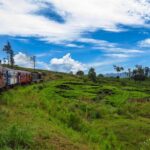
You can pack a lot of Sri Lanka into one day. This private tour from Bentota strings together a Madhu River boat cruise, a sea turtle conservation stop, spice smells, moonstone sights, and the walkable streets of Galle Fortress, all with a comfortable car and a friendly guide like Dimtours’ Dimuthu. I like that it feels structured but not rushed, and you get smart local context on how the coast, trade, and people shaped the south. One thing to consider: it runs about 7 hours, so bring patience for the road time and plan to eat before you start.
Two highlights for me are the sea turtle conservation center (it’s the kind of place that makes you slow down and pay attention) and the Madhu River safari with its many small islands. Those stops are hands-on and real, not just photo-op scenery, and the private format means you can ask questions without performing for a crowd. A possible drawback: lunch and breakfast aren’t included, and the day can feel full if you snack-light in the morning.
If you want a starter day that points you in the right direction, this works. I especially appreciate that you’re not only doing Galle’s famous fort walls—you also get into spice production, moonstone mining, and a couple of tsunami memorial stops that ground the story of the coast in lived history. The one clear “timing” consideration is weather: if conditions aren’t good, it may be rescheduled or refunded, so don’t book it as a last-minute gamble.
In This Review
- Key things that make this tour worth your time
- Bentota to Galle in one day: why this route works
- The guide factor: Dimtours’ Dim and the comfort setup
- Stop 1: Induruwa Sea Turtle Conservation Project and Sea Turtle Information Center
- Stop 2: 777 Spice Garden (and the smell test you can’t fake)
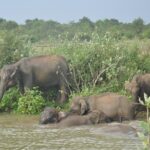
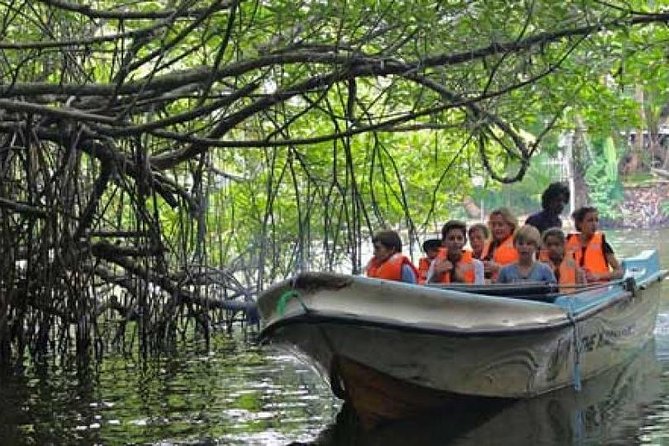
- Stop 3: Madhu River Safari by Buddhi (1.5 hours, 64 islands)
- Stop 4: Moonstone Mines and Gem Palace
- Stop 5: Tsunami Photo Museum
- Stop 6: Tsunami Honganji Vihara (standing Buddha facing the waves)
- Stop 7: Galle Fortress (Dutch Fort) after lunch
- What you’ll likely do with your “free time” and lunch reality
- Pricing and value: what you’re really paying for
- Who this tour suits best
- Should you book the Galle Day Private Tour from Bentota?
- FAQ
- Is pickup and drop-off included?
- How long is the tour from Bentota?
- Which stops have admission tickets included?
- Is lunch included?
- Can I arrange a guide in a specific language?
- What happens if the weather is bad?
Key things that make this tour worth your time
- Madhu River boat cruise with views of islands dotting the river system
- Sea turtle conservation project plus a chance to learn what happens after rescue and care
- 777 Spice Garden where you smell the real thing (cinnamon, pepper, cardamom, nutmeg, mace)
- Moonstone mines and Gem Palace showing how this coastal gemstone is found and processed
- Galle Dutch Fort with Portuguese-era links and the walk inside the fort’s old-world layout
- Tsunami Photo Museum and Tsunami Honganji Vihara that add meaning beyond sightseeing
Bentota to Galle in one day: why this route works
Starting from Bentota (with pickup and drop-off), this is a smart way to reach Galle without turning the trip into a transportation puzzle. You get a private, air-conditioned car, WiFi onboard, bottled water, and a guide to keep the day flowing. At $122.53 per person for a ~7-hour day, it’s not the cheapest option on paper—but when you factor in private transport plus multiple included stops, it often compares well with paying for separate taxis and entry tickets one by one.
The structure also matters. Many one-day Galle trips focus only on the fort and a quick beach. Here, you get a sequence that moves from nature (river and turtles) to hands-on culture (spices and gem mining) to major history (fortifications) and then to coastal memory (tsunami memorial sites). It helps you understand why this region feels the way it does—busy, layered, and shaped by sea routes and difficult events.
You can also read our reviews of more tours and experiences in Bentota.


The guide factor: Dimtours’ Dim and the comfort setup
What stood out from the experience description and feedback is that the day is guided in a way that feels human, not scripted. People highlight Dim (also referenced as Dimuthu) as courteous, informative, and attentive to comfort—especially the ease of pickup and returning to the hotel without delays. That’s a big deal in Sri Lanka, where traffic and road timing can turn a good day into a “wait around” day.
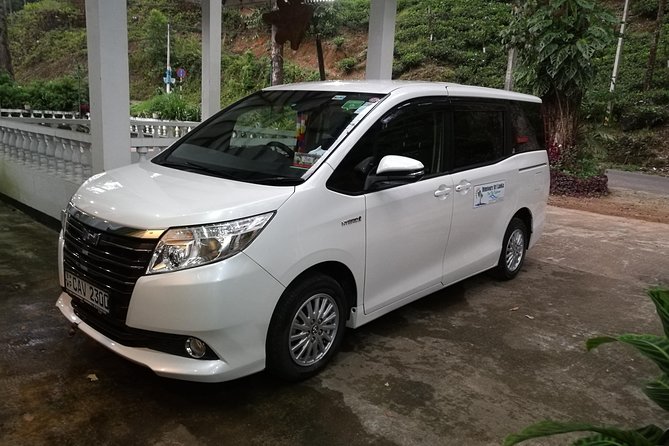
You’ll also appreciate the vehicle setup. A/C luxury car plus onboard WiFi means you can cool down between stops and keep your plans straight. Bottled water helps too. If you’re traveling with a phone full of directions and tickets, having WiFi can be a quiet lifesaver.
And you have a language option if needed. The tour notes that you can arrange a guide who speaks Russian, German, French, Italian, Arabic, Tamil, or Hindi for an extra cost. That’s useful if you’re trying to understand the historical and cultural explanations rather than only collecting images.
Stop 1: Induruwa Sea Turtle Conservation Project and Sea Turtle Information Center
This is where the day slows down in a good way.
You’ll spend about 45 minutes at the Induruwa Sea Turtle Conservation Project & Sea Turtle Information Center with admission included. The point here isn’t just seeing turtles—it’s learning how conservation works on the ground. The center is specifically described as a place where you can view turtles while traveling toward Galle, and it also mentions an option for releasing baby turtles into the ocean after 6pm if you’re happy to take part.
What I like about this stop is that it’s not purely passive. Even if you skip any after-6pm activity, you’ll likely come away with clearer context on why this coast attracts these animals and what humans do to give rescued hatchlings a chance.
Tip: If you’re sensitive to warm weather, come ready with water and sun protection. Conservation centers can be bright and humid, and you’ll be glad you prepared.
Stop 2: 777 Spice Garden (and the smell test you can’t fake)
From turtles to scent—this shift is fun.
You’ll then head to 777 Spice Garden for about 1 hour, and the admission is free. The description focuses on the sensory side: visitors are overwhelmed with the smells of cinnamon, pepper, cardamom, nutmeg, and mace. That matters because spices are one of those things people talk about in Sri Lanka, but you really understand them when you can smell the raw source.
This is also a culture stop. Spice gardens are where you learn how “spice” becomes a local product—used in cooking, sold as commodities, and grown in soil and shade. Even if your guide keeps it light, you’ll get a sense of how Sri Lankan flavors connect to the economy and everyday life.
Practical note: If you’re buying spices, ask how long something has been opened or stored. The tour description doesn’t spell out a shopping experience, but spice gardens often lead to sales. Having basic questions helps you avoid impulse buying.
Stop 3: Madhu River Safari by Buddhi (1.5 hours, 64 islands)
This is the most “you’re actually on the water” moment of the day.
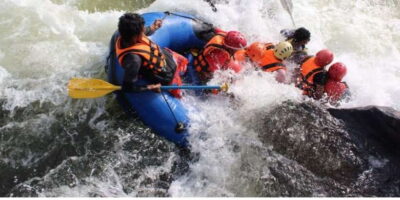
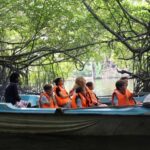
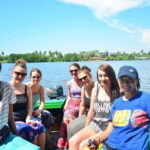
You’ll enjoy around 1.5 hours on a boat safari down the Madhu River, with admission included. The description says the river contains 64 islands, and that’s the kind of detail that makes this cruise feel more specific than a generic “river trip.”
What you’re looking at changes as you move: small islands, shoreline vegetation, and the quiet work of life along the river system. The experience is a strong contrast to the inland stops, and it gives you a real sense of the geography that supports agriculture, communities, and wildlife.
One consideration: boat comfort depends on the day and weather. The tour overall requires good weather, and that makes sense—water trips are sensitive. If you’re prone to motion sickness, take that seriously in advance.


Stop 4: Moonstone Mines and Gem Palace
Now for something that feels distinctly Sri Lankan.
You’ll spend about 45 minutes at Moonstone Mines and Gem Palace. Admission here is listed as free in the tour details. The description calls it one of the natural moonstone mines in Sri Lanka and mentions seeing the mine and the factory.
Moonstone is a gemstone people associate with Sri Lanka, and this stop is valuable because it connects the idea to a real process: where the stone comes from and how it’s handled after extraction. Even if you don’t care about minerals, it’s a worthwhile cultural and economic stop—because it explains a piece of the island’s export story.
Tip: If someone offers you a gemstone explanation with sales pressure, keep it simple. Ask what makes a stone higher quality, then decide. You don’t need to buy to learn what you’re seeing.
Stop 5: Tsunami Photo Museum
This stop turns sightseeing into something heavier.
You’ll spend about 30 minutes at the Tsunami Photo Museum, with admission free. The description states that the 26 December 2004 tsunami was a dark day for Sri Lanka’s southern province, and the museum contains photos of the tragedy.
I think this is important for two reasons. First, it gives context for why some coastal sites feel both scenic and emotional at the same time. Second, it stops the day from becoming purely “happy travel content.” You remember that this coast has survived major hardship.
If you’re traveling with kids or you’re not in the mood for heavy material, you can prepare them ahead of time. This is a short stop, but it can still hit hard.
Stop 6: Tsunami Honganji Vihara (standing Buddha facing the waves)
Right near the coast, you’ll hit a more reflective moment.
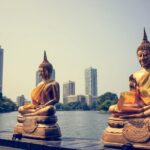
The tour includes about 10 minutes at the Tsunami Honganji Vihara, free admission. The description points out a standing Buddha statue facing the waves, with the hands in the abhaya mudra—a gesture linked with protection and fearlessness. It also mentions that the statue is a replica of an original.
This is a quick stop, but it pairs well with the photo museum. You get both the documentary side (photos and remembrance) and the spiritual side (a place designed to face the ocean again, after loss).
Stop 7: Galle Fortress (Dutch Fort) after lunch
Then you get to the part most people come for: Galle’s fort area.
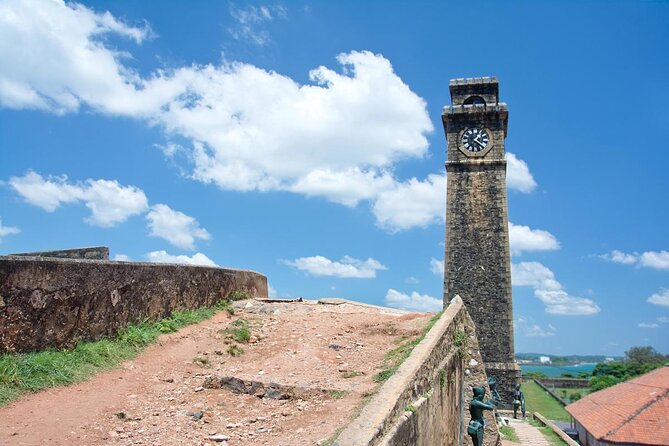
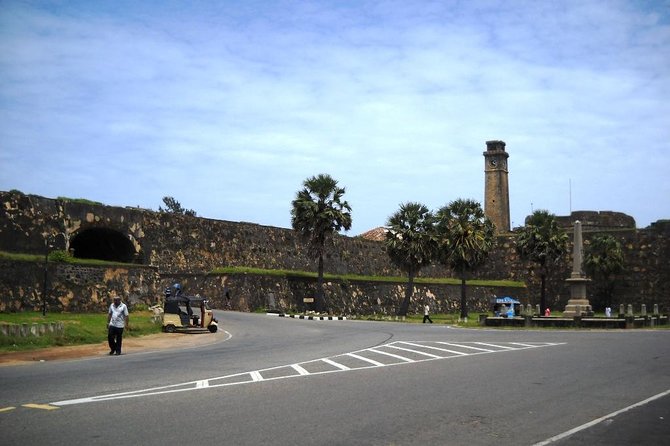
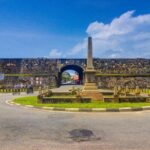
After lunch, you’ll visit Galle Dutch Fort. The description emphasizes that the fortress was created by Portuguese in 1588 (and also refers to the site as a 16th-century fortress). The fort is included with about 1 hour on site, and admission is listed as free.
What I like here is that you can walk it without needing a full day commitment. Within that hour, you can get a sense of the fort’s design and why European influence matters in Sri Lanka’s coastal story. The fort area is famous, but it still feels practical to visit because it’s walkable and easy to orient yourself once you’re inside.
If you like photo angles, go slow. The fort walls and streets create natural viewpoints, and your guide can point out the details you might miss if you’re rushing.
What you’ll likely do with your “free time” and lunch reality
Lunch isn’t included. Breakfast and dinner aren’t included either. That’s normal for tours of this type, but it’s worth planning.
I’d recommend you eat a real breakfast before pickup, or at least keep snacks handy. You’ll want energy for the river safari and the fort walk. If you need a coffee break, this kind of private format usually makes it easier to squeeze in a stop, since you’re not stuck with a packed group schedule.
Also, remember the day is about variety. You’re going from turtles to spices to a boat to mines to museums to a fort. If you only want one or two themes, the day might feel like a lot. If you want a “see the south in snapshots but with meaning,” it’s a strong fit.
Pricing and value: what you’re really paying for
At $122.53 per person for a private, air-conditioned car with hotel pickup/drop-off, bottled water, WiFi, and all fees/taxes covered, the best value comes from the bundle effect.
You’re not just paying for the fort. You’re paying for:
- private transport across multiple stops,
- included admissions at several key places (turtles, spice garden, river safari, tsunami museum),
- and a guided day that connects the dots.
So even though the number may look mid-range, it can turn into a good deal compared to hiring a driver for the day and trying to line up multiple sites yourself.
One thing to watch: the tour description says a minimum of 2 people is required per booking. If you’re traveling solo, you may need to check whether the tour can still work for your situation—or whether you’ll share with your party arrangement. (This is one of those “read the fine print” moments that matters.)
Who this tour suits best
This day works especially well if you:
- want a first-time day from Bentota that covers more than just beach time,
- like mixes of nature, culture, and history in one plan,
- enjoy learning from a guide like Dimtours’ Dim/Dimuthu who explains and adjusts as you go,
- prefer private pacing over joining a large group.
It may not be the best fit if you:
- want a totally relaxed pace with minimal driving,
- dislike tsunami-related content (even though it’s short),
- or expect lunch to be handled for you (it isn’t included).
Should you book the Galle Day Private Tour from Bentota?
Yes, if you want a well-paced, meaningful day that hits the main Galle area and gives you context for why the south looks and feels the way it does. I’d book it if you’re the type of traveler who likes variety and appreciates learning the local story behind landmarks.
Hold off if you’re sensitive to heavy themes like the 2004 tsunami memorial stops or if you prefer one-theme days (only beaches, only wildlife, only fort walks). Also, because it requires good weather, keep an eye on conditions and don’t stack it as the final activity of a tight trip.
FAQ
Is pickup and drop-off included?
Yes. The tour includes hotel pickup and drop-off, plus transport by a private air-conditioned luxury car.
How long is the tour from Bentota?
The experience runs for about 7 hours.
Which stops have admission tickets included?
Several stops include admission: the Sea Turtle Information Center (about 45 minutes), 777 Spice Garden (1 hour, free listed), the Madhu River safari (about 1.5 hours, included), and the Tsunami Photo Museum (about 30 minutes, free listed). Other stops are also listed as free in the tour details.
Is lunch included?
No. Breakfast and lunch are not included, and dinner isn’t included either.
Can I arrange a guide in a specific language?
Yes. The tour notes that Russian, German, French, Italian, Arabic, Tamil, or Hindi-speaking guides can be arranged at an extra cost.
What happens if the weather is bad?
This experience requires good weather. If canceled due to poor weather, you’ll be offered a different date or a full refund.