Elephants, then tea country in one long day. I love doing an Udawalawe National Park safari with a guided naturalist, then switching gears to meet baby elephants at the Elephant Transit Home. The day is busy, and if weather or crowds don’t cooperate, you’ll feel it in your viewing time.
This is also a smart route if you’re moving from the south coast to Ella. I like that you get a door-to-door pickup and drop-off (including Mirissa, Galle, Tangalle, and Ella options) plus an air-conditioned ride, so you’re not stitching together taxis while chasing animals. One thing to watch: the advertised price doesn’t include the big entrance fees.
Finally, the trip can swing between wow and just okay depending on timing and vehicle comfort. I’ve seen notes about rain and about the safari feeling crowded when lots of jeeps are out, plus one mismatch with the luxury-vehicle promise. It’s still a strong way to pack wildlife and Ella into one day—just go in with realistic expectations.
In This Review
- Key things to know before you go
- A Door-to-Door Route From Galle and Mirissa to Ella
- Udawalawe National Park Safari: What You Actually Spend Time Doing
- Elephant Transit Home Feedings: Heartwarming, but Read the Room
- Udawalawe Reservoir Photos and the Slow Turn Toward Ella
- Price and Value: Why $46 Can Turn Into More
- The Vehicle and Timing Factor (This Is Where Days Differ)
- Who This Trip Suits Best—and Who Should Skip It
- So, Should You Book It?
- FAQ
- How long is the Udawalawe Safari & Drop Ella experience?
- Where can the pickup happen, and where will I be dropped off?
- Is the safari guided and done in a 4×4?
- What about elephant feedings at the Transit Home?
- Do I need to pay entry fees?
- What should I bring, and what’s not allowed?
- Is this tour suitable for everyone?
Key things to know before you go
- Door-to-door routing from the south coast and onward to Ella, so your travel day earns its keep
- Guided 4×4 safari time inside Udawalawe, with time for photos and some breathing room
- Elephant Transit Home feedings at set times (10:30, 2:30, 6:00), so your exact experience depends on arrival
- Udawalawe Reservoir stop for a breather and easy photography after the game drive
- Budget for entrance fees: park and transit home costs are not included
- Long-day logistics: multiple pickup/drop options can stretch the clock
A Door-to-Door Route From Galle and Mirissa to Ella
This trip is built for one goal: get you from the south coast into Udawalawe, then on to Ella without the hassle of planning every leg. Pickup can come from several places along the coast and route—Matara, Mirissa, Tangalle, Galle, Udawalawa, Hikkaduwa, and also an Ella option—then you’re dropped back at Matara, Hikkaduwa, Galle, Udawalawa, Ella, Mirissa, or Tangalle.
The ride itself is part of the value. You’re in an air-conditioned vehicle (described as luxury and spacious), and you’re transferred in comfort between wildlife time and tea-country time. For many people, that means you arrive at the park rested enough to actually enjoy the safari, instead of arriving frazzled.
Still, the “door-to-door” part cuts both ways. Because pickup/drop zones are spread out, the day can feel long—especially if you’re near the end of the pickup list. Think of it as a full outing, not a quick hop.
You can also read our reviews of more tours and experiences in Hikkaduwa.
Udawalawe National Park Safari: What You Actually Spend Time Doing
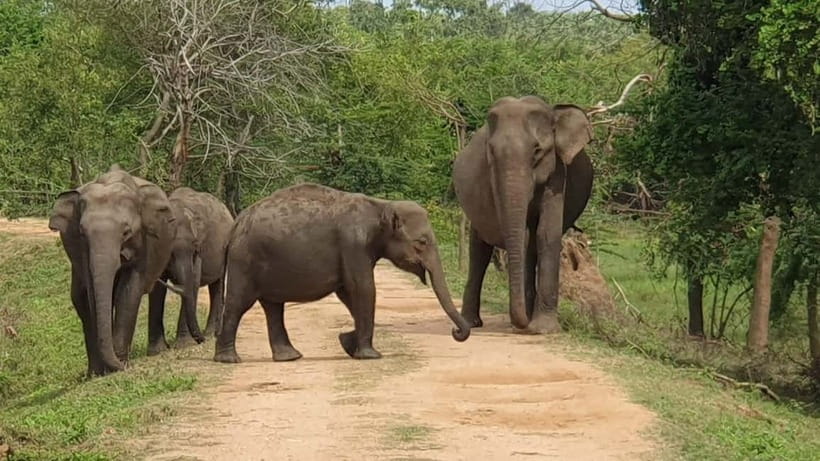
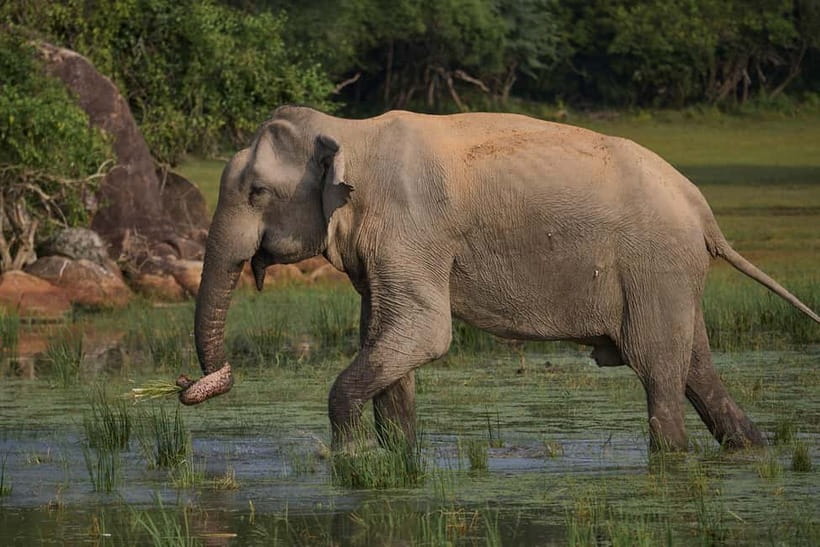
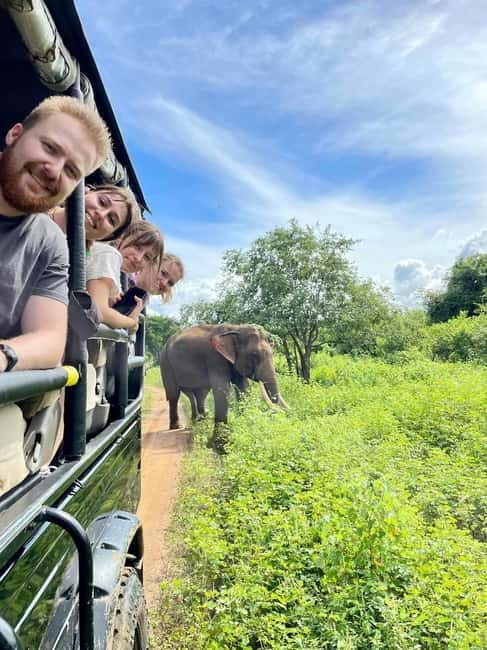
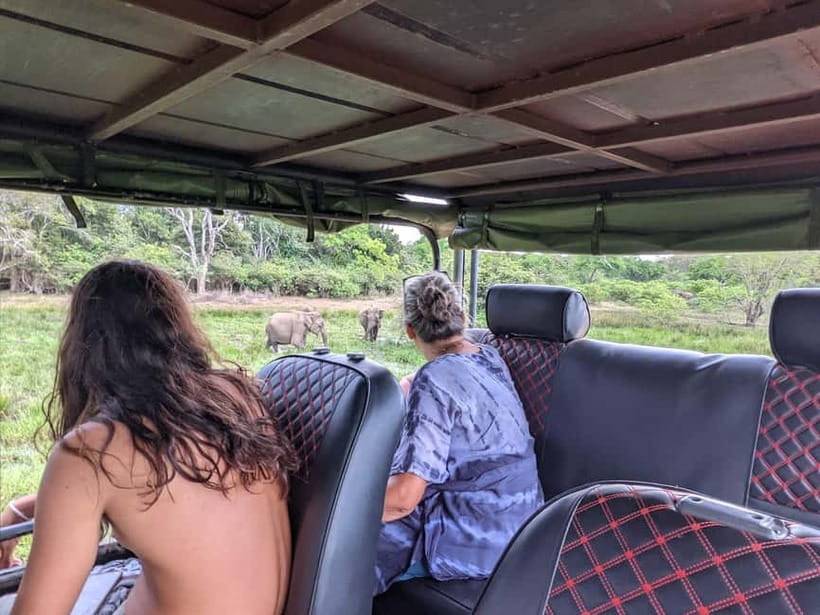
Udawalawe is one of Sri Lanka’s best places for close, practical safari time. You’ll spend about 3 hours in the park, with a mix of guided driving and sightseeing plus some time to take photos. You’re not just in the jeep staring forward either—you’ll have a naturalist-style guide helping you spot animals and interpret what you’re seeing.
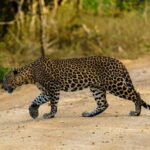
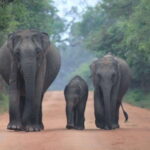
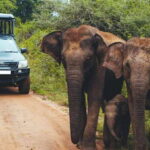
The big expectation is wildlife, and Udawalawe tends to deliver. Keep your eyes open for elephants, buffaloes, leopards (if you’re lucky), and lots of bird life. You’re also likely to see wildlife in different parts of the park—open areas, water edges, and viewpoints—so it doesn’t feel like you’re stuck on one type of habitat.
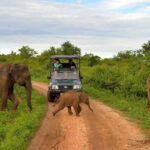
Here’s the practical reality: safari quality can shift with crowds and conditions. One person described rain all day, with water coming in through the roof, which turns “wildlife watching” into “hold on and wait.” Another note mentioned the park felt strongly overfilled with many jeeps getting close to animals—so if you prefer calm wildlife time, this is something to factor in.
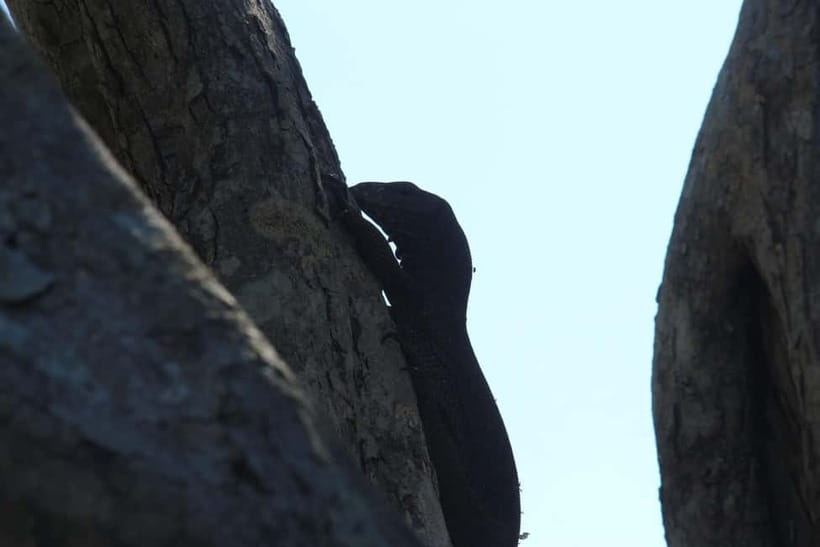
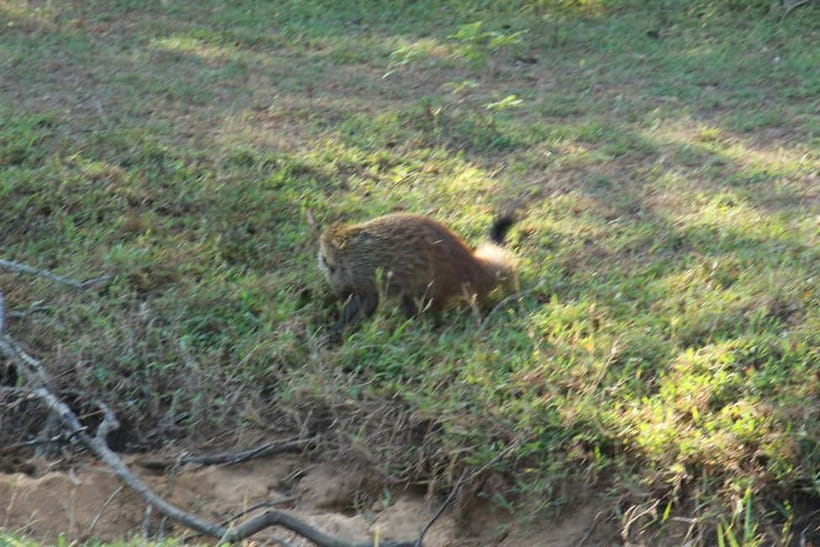
I also like that your guide isn’t limited to big mammals. In at least one account, the guide pointed out smaller wildlife (including something as small as a chameleon and a bird high in a tree). That’s usually where Udawalawe safari guides earn their keep—helping you notice more than just the first elephant you see.
Elephant Transit Home Feedings: Heartwarming, but Read the Room
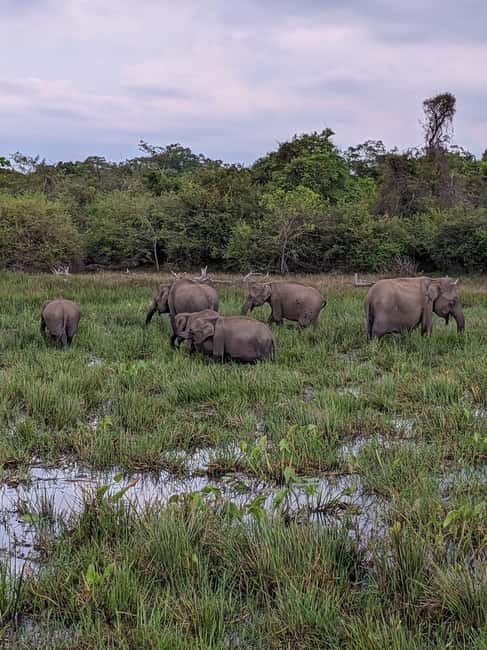
The Elephant Transit Home stop is the emotional highlight of this route. You’re scheduled for about 40 minutes, and what you see depends on the feeding session in operation. Feedings are listed at 10:30 AM, 2:30 PM, and 6:00 PM—so if your timing lands near one of those slots, you’ll get the classic baby-elephant feeding moment.
This is also where the trip becomes more than sightseeing. The transit home is tied to conservation efforts, and you’ll learn as you watch. Even if you’re not the type who reads signage for fun, watching the routines and learning the purpose can make the whole stop click.
One caution that matters: feedings can be busy. A note described a lot of people during feeding time and suggested the interaction can feel a bit pressured. That doesn’t mean you’ll have a bad moment, but it does mean you should expect crowds at the main feeding window and keep your expectations aligned with what a facility operation looks like.
If you’re sensitive to that kind of atmosphere, I’d treat this as a “see-and-understand” stop rather than a quiet cuddle-with-elephants fantasy. It’s still very moving, and it’s still one of the few chances you’ll get to see baby elephants so directly on this route.
Udawalawe Reservoir Photos and the Slow Turn Toward Ella
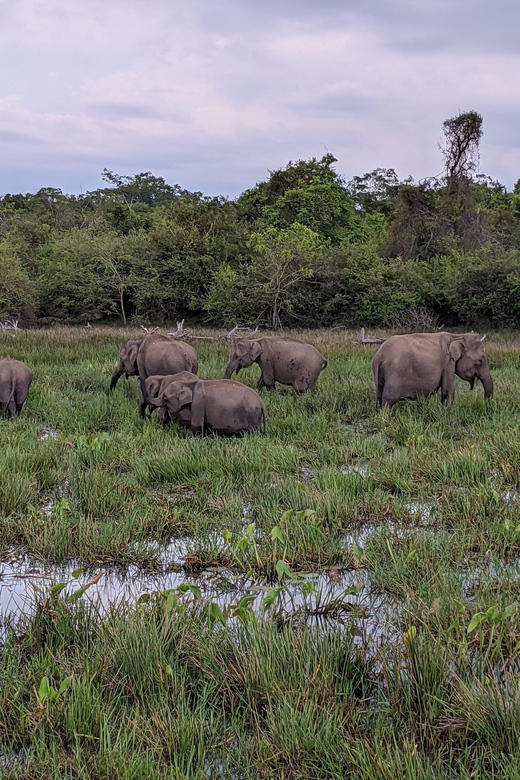
After the main wildlife and elephant time, the itinerary includes a pause at Udawalawe Reservoir. This is a relief break after the jeep focus, and it’s a good moment for calm photos—water reflections, open views, and that shift from game drive intensity to scenery.
Then the day pivots into transfer mode. You’ll drive to Ella through green hills and rolling landscapes, with tea country scenery along the way. In another account, the ride to Ella finished after dark, so if you want to see Ella in daylight, you may need to plan your evening around an arrival window.
That matters for what you do next. If you’re checking into a hotel on arrival, it’s nice to know you might land later than you’d expect. If you’re hoping to hit a waterfall or viewpoint right away, consider building in at least some buffer time, since this is an all-in-one day.
Price and Value: Why $46 Can Turn Into More
On paper, the tour price looks attractive at $46 per person for an 8-hour outing. And yes—your money does go toward real value: a guided safari in a custom 4×4 safari jeep, an experienced guide/driver, and air-conditioned transport between all the stops, with pickup and drop-off options along the route.
But here’s the budgeting part you shouldn’t skip. Udawalawe National Park entry fees are not included (listed at about $36), and Elephant Transit Home entrance fees are also not included (about $7). Food and drinks aren’t included either.
So the “all-in” experience you’re buying is closer to transport + safari + guidance, with the entry tickets added on top. For most people, that’s still a fair deal—because you’re paying for organization and avoiding the time sink of arranging separate safari logistics. Just don’t assume that $46 covers every gate fee.
If you’re traveling as a couple, this is where it can shine. One vehicle and one safari plan, instead of splitting the day into multiple complicated bookings. If you’re traveling solo and already planning to do Udawalawe yourself, compare the cost of an independent driver/safari setup versus paying for this bundled route.



The Vehicle and Timing Factor (This Is Where Days Differ)
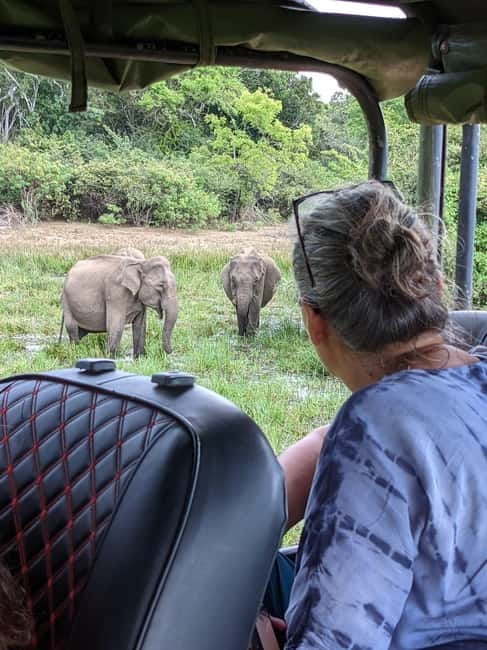
This is the part that can make or break your day, so I’m going to be blunt. The tour promises luxury and comfort—plus a spacious safari jeep—and many times that’s true. But at least one account complained that the safari vehicle wasn’t what was described, and rain got in through the roof, which kills comfort fast.
Another note mentioned a feeling of cramped space in the van. That’s usually more about the model and seat layout than about service quality, but it’s worth thinking about if you’re tall or carry a bag you like to keep close.
Timing can also shift in real life. One person said the safari was moved from early travel to afternoon, aiming for a better experience with fewer animals outside peak times or less rain, and the practical reason seemed linked to routing efficiency. When that happens, it can affect everything: elephant feeding session timing, park crowd levels, and even how the drive into Ella lines up with daylight.
And crowds are real in Udawalawe. One account said the park was busy and jeeps drove close to animals, making it feel more like a ride-through exhibit than a quiet wildlife experience. That’s not the tour operator’s fault in the strict sense, but it is the kind of variable you can’t control once you arrive—so you can only control how you choose your expectations.
My best practical advice: if you hate rain inconvenience, pack for it. Bring a dry bag for your phone/camera and something with a hood. And if you hate crowds, don’t assume Udawalawe will be calm just because it’s nature.
Who This Trip Suits Best—and Who Should Skip It
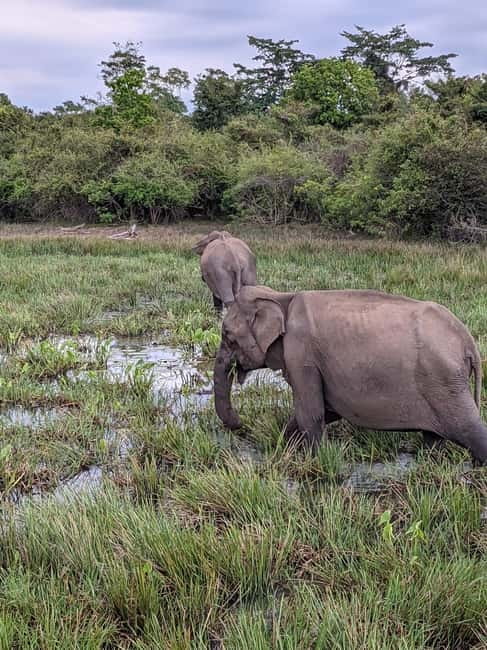
This works best if you want one guided day that covers wildlife, baby elephants, and a transfer into Ella. It’s also a good choice if you’re not in the mood to hire multiple drivers, map schedules, and pay separate safari guide fees.
It may not be ideal if you’re looking for a slow, quiet nature retreat. Between the wildlife drive, a busy elephant feeding session, reservoir photos, and then the transfer into Ella, the day moves. You’ll get downtime, but it won’t feel like a lazy day.
The tour also lists clear non-suitability flags: it’s not suitable for pregnant women or for people with back problems. That’s usually because of safari vehicle movements and long travel time on uneven roads, even if the ride is air-conditioned.
If you’re traveling with mobility limitations, this is a “read the constraints first” kind of tour. And if you’re the type who gets carsick easily, bring what you normally use—because this is a full day of driving.
So, Should You Book It?
Book it if you want the practical combo: Udawalawe wildlife + elephant transit feedings + Ella transfer in one organized day, with English-speaking guidance and door-to-door comfort. The value can be strong when you factor in transport and a real safari jeep.
Skip or rethink it if vehicle comfort and quiet wildlife time matter more to you than packing in stops. With reports of rain issues and a possible mismatch in what people expected from the “luxury” jeep description, it’s wise to plan as though conditions could be less than perfect. Also budget for the park and transit entrance fees so the final cost doesn’t surprise you.
If you’re flexible, this is a great route. You’ll end the day in Ella with stories about elephants and birds that you couldn’t easily recreate on your own.
FAQ
How long is the Udawalawe Safari & Drop Ella experience?
The total duration is 8 hours.
Where can the pickup happen, and where will I be dropped off?
Pickup options include Matara, Mirissa, Tangalle, Ella, Galle, Udawalawa, and Hikkaduwa. Drop-off options include Matara, Hikkaduwa, Galle, Udawalawa, Ella, Mirissa, and Tangalle.
Is the safari guided and done in a 4×4?
Yes. You’ll do the Udawalawe National Park safari in a 4×4 jeep, guided by an experienced naturalist/guide.
What about elephant feedings at the Transit Home?
The Elephant Transit Home has feeding sessions at 10:30 AM, 2:30 PM, and 6:00 PM. Your stop includes the Transit Home visit, and what you see depends on your arrival time.
Do I need to pay entry fees?
Yes. Udawalawe National Park entry fee is about $36, and Elephant Transit Home entrance fee is about $7. Food and drinks are not included.
What should I bring, and what’s not allowed?
Bring a passport or ID card. Alcohol and drugs are not allowed.
Is this tour suitable for everyone?
It’s not suitable for pregnant women or people with back problems.