Elephants show up on Sri Lanka time, not yours. This Ella-to-south-coast day pairs a Udawalawe National Park safari with a stop at the Elephant Transit Home, then you’re carried toward the beaches after.
I like two things right away: the chance to see elephants and other animals in one focused 4×4 morning ride, and the feel-good moment of watching baby elephants get fed. One possible drawback: transport comfort can vary if your group vehicle ends up packed, and early starts are part of the deal.
You’ll also notice how much the guide matters. When the safari guide is strong, you get pointed toward sightings fast and you’re less stuck in the thick of the jeeps. If you’re the type who hates cramped seating on long transfers, plan to be flexible.
In This Review
- Key highlights worth caring about
- Udawalawe National Park safari in a 4×4 jeep
- Elephant Transit Home feeding sessions (and what you’ll learn by going)
- Udawalawe Reservoir: a calm pause after the safari
- Getting dropped in Hikkaduwa, Mirissa, or Galle without extra driving stress
- Price and value: $47, then budget for entry fees and food
- Transport reality: comfort, early starts, and the group-size wildcard
- Who should book this Ella Udawalawe safari-to-coast day
- Should you book this Udawalawe safari & south-coast drop?
- FAQ
- What’s included in the $47 price?
- Are park entry fees included?
- How long is the safari part?
- What time are the Elephant Transit Home feedings?
- Where can you be picked up and dropped off?
- Is the tour guide in English?
Key highlights worth caring about
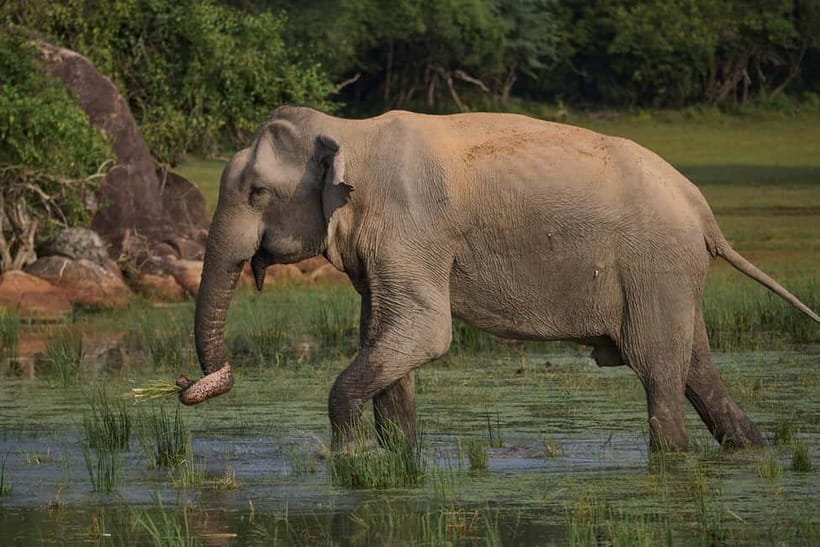
- 4×4 safari time inside Udawalawe (about 3 hours) with a naturalist-style guide who helps you spot wildlife
- Elephant Transit Home feedings at 10:30 AM, 2:30 PM, and 6:00 PM (entrance fee extra)
- A Reservoir photo break that slows the pace after the action
- Drop-offs on the south coast like Hikkaduwa, Mirissa, and Galle so you avoid an extra driving day
- English live tour guide listed for the experience, plus real guide-quality differences you’ll feel in the safari
Udawalawe National Park safari in a 4×4 jeep
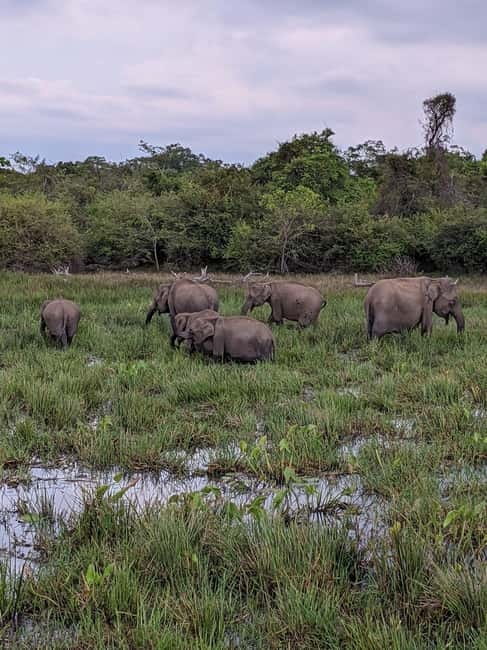
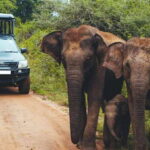
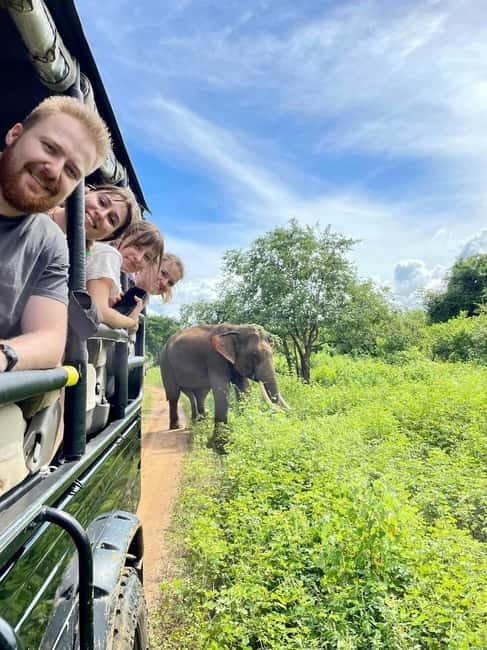
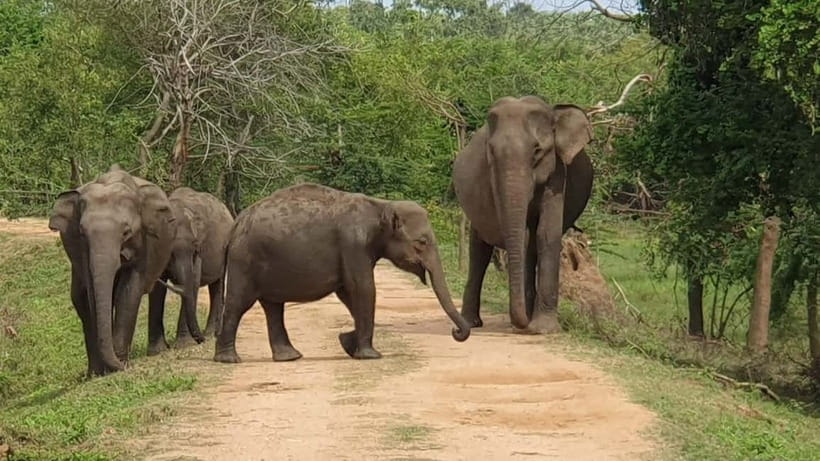
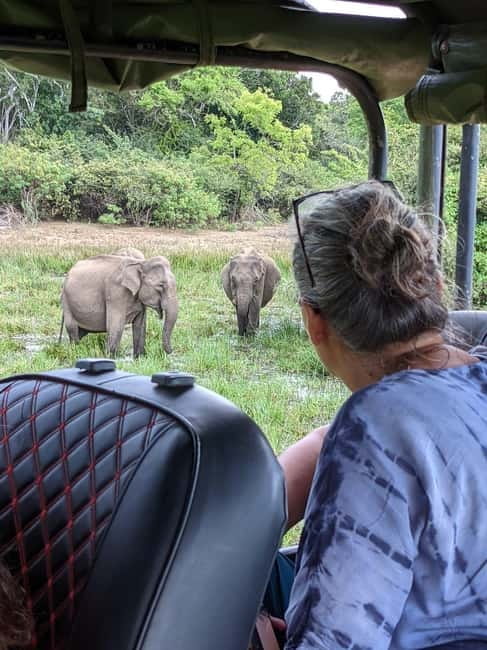
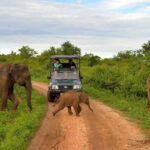
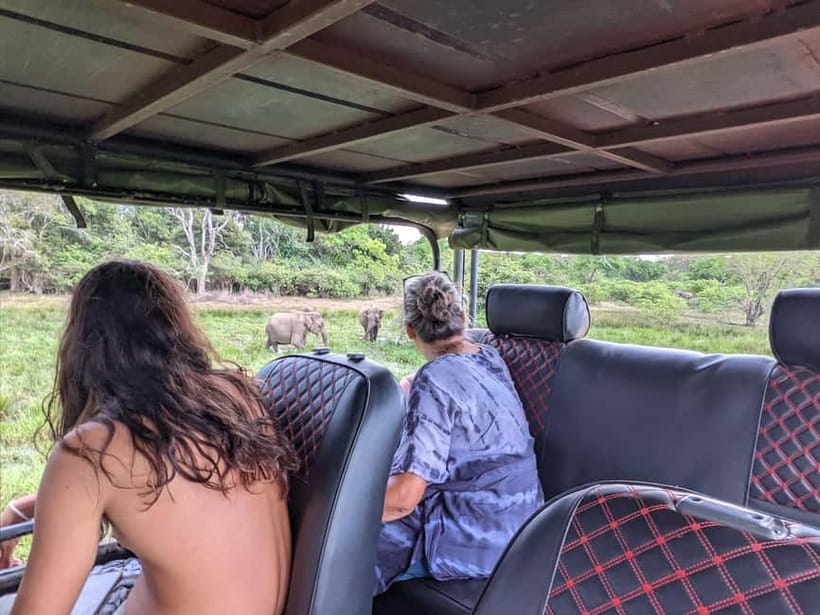
Udawalawe National Park is built for sightings. This tour sends you in a 4×4 safari jeep with an experienced driver/guide who’s there to help you read the park. The safari block is about 3 hours, and you also get a photo stop and guided sightseeing as part of that stretch.
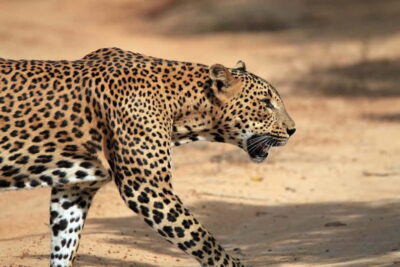
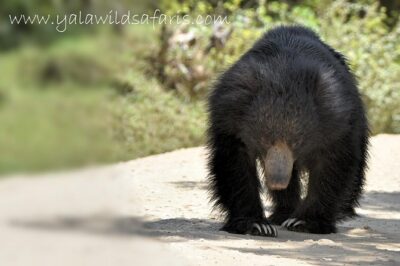
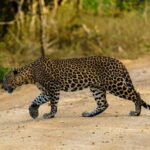
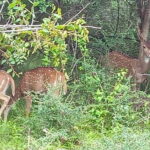
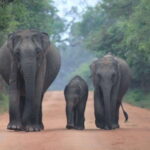
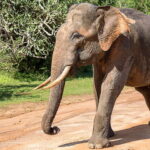
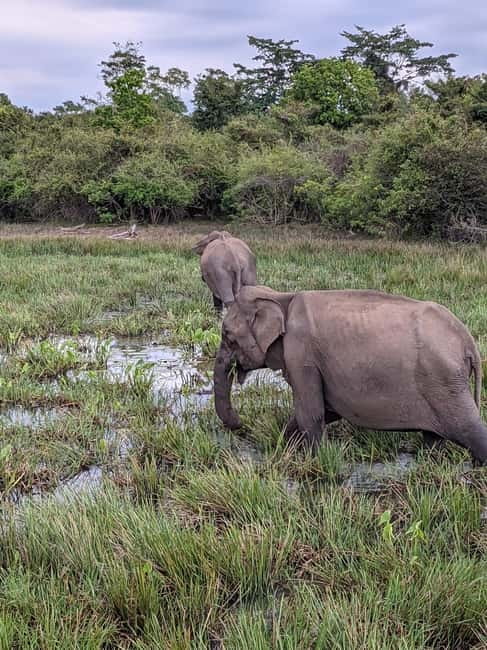
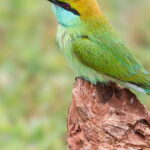
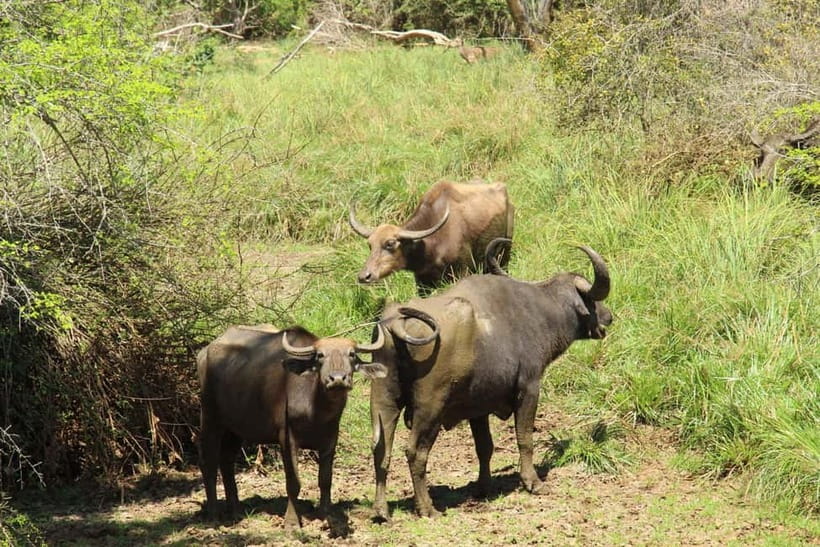
What you’re looking for is pretty clear and, honestly, the fun starts before you even get deep into the park. Keep your eyes open for elephants first—that’s the headline—then watch for other wildlife like leopards, buffaloes, and a range of bird species. Even if you’re not chasing a checklist, Udawalawe tends to keep your attention. The animals are why you’re here, but it’s also the way you move: short bursts of driving, quick stops, and then more scanning while the jeep rolls on.
Timing matters. In one recent experience, the safari itself went well, but the transfer rhythm meant a much earlier pickup than some people expect when they book a day tour. That’s not unusual in this region: if you want the best chance of seeing animals, you go early. So if you’re a night owl, this is your reminder to pack your energy for the morning.
Also, be aware of how many people are in the vehicle. The tour description mentions spacious safari jeeps, but the real-world ride between Ella and Udawalawe can be a shared vehicle. That can mean less legroom, tight packing with backpacks, and less breathing space during turns and stops. You’re still going to the park for the safari, not for comfort awards, but it’s worth knowing ahead of time.
You can also read our reviews of more tours and experiences in Hikkaduwa.
Elephant Transit Home feeding sessions (and what you’ll learn by going)
After the safari, you head to the Elephant Transit Home, where you can see baby elephants being fed. This is one of those stops that feels emotional in the best way, because you’re close enough to really watch the behavior—without it turning into chaos.
The key practical detail is the feeding schedule. The transit home runs feeding sessions at 10:30 AM, 2:30 PM, and 6:00 PM. Your day’s timing determines which session you catch. If you’re booking specifically for this, treat those times as the anchor point. If the safari timing lands you well before or after the session, you may have a wait window depending on the day’s flow, but the feeding itself is the highlight you came for.
This stop is also where the tour connects animal watching to conservation efforts. The format is straightforward: you arrive, you witness the feeding, and you get context around why places like this matter for protecting vulnerable elephants. Even if you’re not the type who reads every sign on a trip, you’ll still feel the difference between just seeing elephants and understanding the care behind them.
One more tip: entrance fees are not included. The elephant transit home entrance fee is listed as about $7. So budget for it, and bring the kind of payment you can actually use in Sri Lanka that day. (I’d rather you carry a little extra than scramble mid-ride.)
Udawalawe Reservoir: a calm pause after the safari
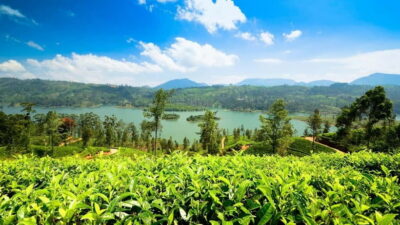
Once you’ve done the excitement, the tour shifts gears to a quieter moment at the Udawalawe Reservoir. This isn’t a second safari. It’s more of a reset: calm views, space to breathe, and a chance to take photos without scanning for movement every ten seconds.
What I like about this kind of stop is how it balances the day. A safari is intense even when you’re relaxed. After a few hours of watching and waiting, your eyes need a break. The reservoir area gives you that slow-down time, so when you roll onward toward the south coast, you’re not mentally wiped.
It’s also a good moment to regroup logistics—water, snacks, and sun protection habits if you use them. Since food and drinks are not included, you’ll be grateful for any pause to manage your energy before the longer transfer portion of the day.
Getting dropped in Hikkaduwa, Mirissa, or Galle without extra driving stress
The last part of the day is a scenic transfer toward the south coast. The tour description lists drop-off options including Hikkaduwa, Mirissa, Galle, Tangalle, and even Ella depending on your route selection. There are also multiple pickup options across the island, so this is really a one-day connection, not only a safari excursion.
This matters for value. If you’re moving between regions anyway—say from the Ella area toward the beach towns—combining the safari with a transfer can save you time and simplify planning. You’re paying for a guided safari experience and then letting someone else handle the driving when you’d otherwise be figuring out schedules, transport changes, and costs.
That said, the transfer portion can be the part that tests your patience. In the real world, shared transport can become tight, and sometimes departure times shift earlier than expected to fit the overall plan. If you’re prone to motion sickness, or if you pack in a way that assumes you’ll have room for bags near your feet, you’ll want to travel smart—keep what you’ll need accessible and try not to overpack bulky items.
Also note the listed duration: 8 to 9 hours. That’s a full day, so pick this tour if you’re ready to start early, see the wildlife, and end with a drop where you can continue your vacation on the coast.
Price and value: $47, then budget for entry fees and food
On paper, the price looks tempting: $47 per person for an 8 to 9 hour day. But here’s the reality check you’ll thank yourself for later. Two big items are not included:
- Udawalawe National Park entry fee: about $36
- Elephant Transit Home entrance fee: about $7
- Food and drinks: not included
Add those up and the day becomes closer to roughly $90+ per person before you buy any snacks or drinks. That changes the math. Still, it can be good value if you’re getting three things in one: a guided 4×4 safari, the transit home feeding experience, and a south-coast transfer that would cost time and money on its own.
So how do you decide if it’s worth it? I’d use this rule: if you were already planning to get from the Ella area toward Hikkaduwa/Mirissa/Galle anyway, this combo is often a clean way to turn a travel day into a wildlife day. If you only wanted the safari and would rather handle the coast transfer separately, you might compare costs and decide what feels less stressful.


Transport reality: comfort, early starts, and the group-size wildcard
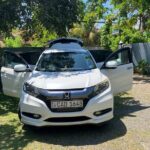
The tour description promises luxury air-conditioned transport and spacious safari jeeps. And many days probably live up to that. But the biggest thing you should keep in mind is that this type of day tour often runs as a shared service.
From the experiences you might encounter, the smooth version looks like: pickup on time, a quick handoff into the safari jeep, then a safe, friendly ride to the drop-off. In the smoother scenario, you arrive at the park early enough that you can see elephants up close, and your guide takes you away from the busiest clusters of jeeps.
The not-so-smooth version is where you should protect your expectations. There have been instances of a packed vehicle with too many bodies and bags for comfort, plus situations where passengers felt seating was tight enough to make the ride stressful. One person even noted seatbelt issues and missing headrest comfort, and that’s the sort of thing that can matter if you’re tired, have luggage, or dislike rough seating.
You can’t control everything, but you can control your planning:
- Keep your daypack manageable so it doesn’t become a backpack wrestling match.
- Expect that pickup may start very early if your safari schedule needs it.
- If comfort is a priority, ask questions before booking about the vehicle type and whether the service is shared.
One small but meaningful detail: English is listed for the live guide, and you’ll want to rely on them for spotting help and explanations. In some situations, communication can be harder if a driver’s English is limited, but the safari guide quality can still make the experience shine.
If you’re lucky enough to have a guide named Baeus, the vibe can be excellent—strong communication, care with the group, and a strategy that helps you get close to elephants while avoiding the densest jeeps.
Who should book this Ella Udawalawe safari-to-coast day
This is a great fit if you want:
- One day that delivers wildlife + a conservation-focused elephant stop
- A 4×4 safari with guidance, not a self-drive
- A travel-day solution that ends on the south coast—so you can get to Hikkaduwa, Mirissa, or Galle without plotting separate transport
It’s not ideal if:
- You’re very sensitive to cramped seating on long transfers
- You hate early mornings and would struggle with a possible pre-dawn pickup
- You’re counting every dollar and don’t want to add park and transit home fees on top of the base price
Should you book this Udawalawe safari & south-coast drop?
Book it if you like the idea of turning a moving day into a wildlife day—and if you’re excited about seeing elephants both in the wild and at the transit home feeding sessions. The structure is solid: safari first, then the elephants’ feeding stop, then a calmer reservoir break, then onward to the coast.
Skip or reconsider if comfort is your top priority and you need a guaranteed private, roomy ride. Also, if you’re not interested in baby-elephant feedings, you may find the extra stops less worth it and want a simpler safari-only option.
Bottom line: for many people, it’s a smart way to cover a lot of ground with guided wildlife time. Just go in knowing the entry fees and food are extra, and accept that the day runs on Sri Lanka schedule—early.
FAQ
What’s included in the $47 price?
The price includes transport in an air-conditioned car/van from select pickup locations, a 4×4 safari jeep, and an experienced guide/driver. It also includes pickup and drop-off from select locations (including Ella and several south-coast areas).
Are park entry fees included?
No. Udawalawe National Park entry is about $36 and the Elephant Transit Home entrance is about $7. Food and drinks are also not included.
How long is the safari part?
The safari section is listed at about 3 hours, with a photo stop plus guided tour/sightseeing.
What time are the Elephant Transit Home feedings?
Feeding sessions are at 10:30 AM, 2:30 PM, and 6:00 PM.
Where can you be picked up and dropped off?
Pickup is available from multiple locations including Ella, Hikkaduwa, Mirissa, Galle, Tangalle, Udawalawa, Tissamaharama, and others listed. Drop-offs include Galle, Hikkaduwa, Mirissa, Tissamaharama, Ella, and Udawalawa depending on your chosen route.
Is the tour guide in English?
Yes. A live tour guide in English is listed for the experience.