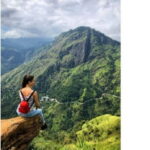
Knuckles hikes feel like Sri Lanka at full speed. This 2-day camping trek from Kandy puts you on Knuckles Mountain Range trails—tea paths, wooden bridges, and cloudy forest—and ends with an overnight camp base just below the footstep areas. I love the way the route mixes big viewpoints with small, close-up nature details, and I love that your lunch turns into a picnic-style break in the middle of the hike.
One thing to plan for: the trail can get muddy and wet, and day two includes a swim stop in cold-ish natural water. Bring rain gear and expect your shoes to earn that “mud souvenir” look.
In This Review
- Key highlights
- Knuckles Mountain Range: the kind of adventure you actually feel
- Day 1 from Kandy: tea trails, silent forest, and a plateau view
- Climbing the tea trail into the silent forest
- Lunch at a waterfall-natural pool zone
- Downhill to the eastern slope and the base camp night
- What I’d watch for on day one
- Your overnight camp: why this matters more than you think
- Day 2: tea plantations, cloud forest, waterfall crossings, and a swim
- Waterfall crossing and the natural pool swim
- Terrace rice fields and the traditional village experience
- Getting back to Kandy
- Price and logistics: is $195 per person worth it?
- Pace, difficulty, and what to pack so day two doesn’t hurt
- What to bring (and what actually matters)
- Altitude and temperature reality check
- Guides and what they add to the trek
- Who should book this Knuckles camping trek?
- Should you book this tour from Kandy?
- FAQ
- What time is pickup in Kandy?
- How long is the tour?
- What kind of group is this?
- How hard is the trekking?
- What altitude and walking distance should I expect?
- What meals are included?
- Is there an opportunity to swim?
- What should I pack for the trek?
- What are the cancellation terms and pay-later options?
Key highlights
- Private pickup from Kandy with a direct drive into the range
- Tea-trail climb to the silent forest and a rocky plateau viewpoint
- Waterfall-area picnic lunch with a natural pool option
- Overnight at an exclusive base camp with facilities
- Day two cloud-forest trekking, waterfall crossing, swim time, and a traditional village lunch
Knuckles Mountain Range: the kind of adventure you actually feel
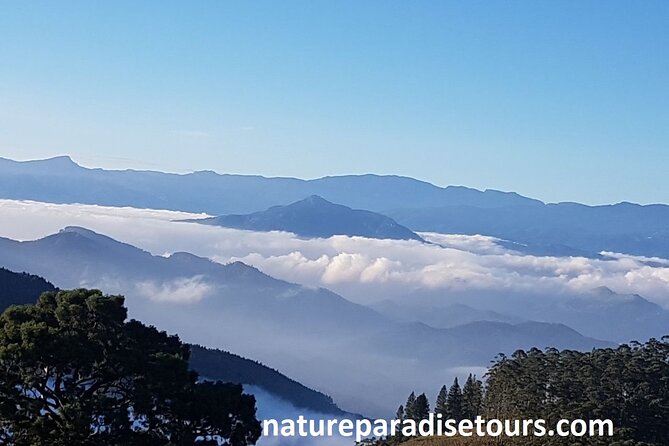
This tour is built for people who want hiking that changes scene every hour. You’re not just walking through scenery—you’re moving through different forest types and plant zones as you gain and lose altitude, from about 500 up to 1900 meters.
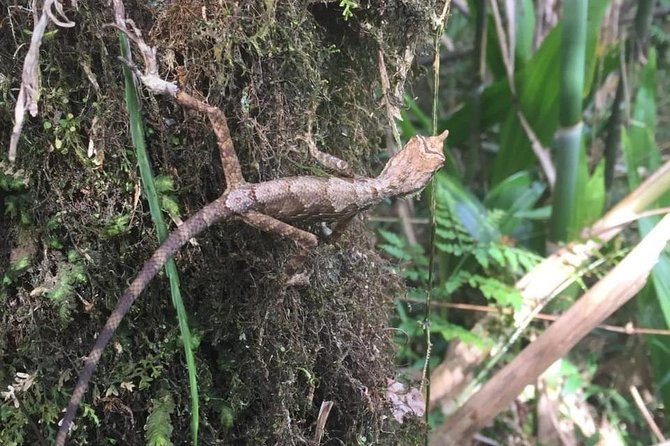
The core magic is the combination of nature trails + wildlife spotting + waterfalls. You’ll cross wooden bridges, pass through evergreen dwarf forest, and later step into cloud-tree conditions where birds and small animals show up more than you’d expect. One of the guide strengths highlighted by recent hikers is learning-focused plant and animal spotting, including endemic species—names may differ by season, but the goal stays the same: notice what’s around you, not just what’s ahead.
If you want a relaxing day with a mostly flat path, this isn’t that. It’s a trek with real effort, and the tour’s own grading (hard medium grade mixed with smoother medium sections) matches what you’ll feel in your legs.
You can also read our reviews of more tours and experiences in Kandy.

Day 1 from Kandy: tea trails, silent forest, and a plateau view
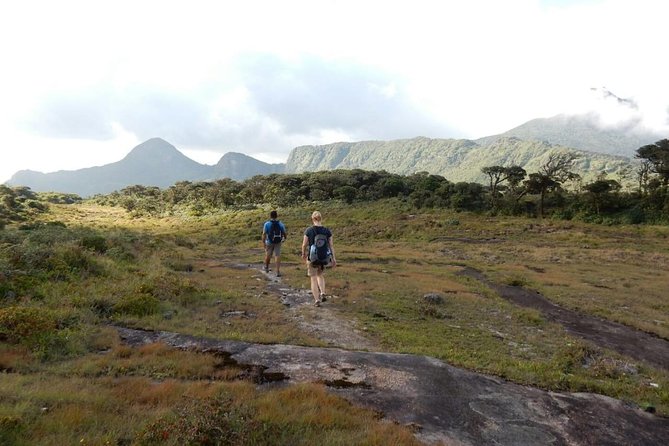
Your day starts with pickup in Kandy, usually around 7:00–7:30 am, depending on where you’re staying. Then you’ll ride about 1.5 hours toward the Knuckles area. Early start matters here: it gives you better light for photos and more time before the day gets fully warm.
Climbing the tea trail into the silent forest
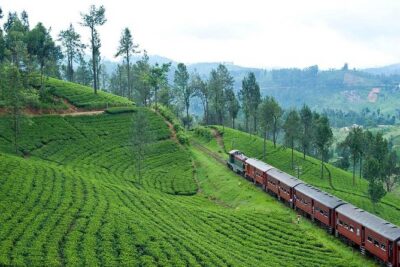
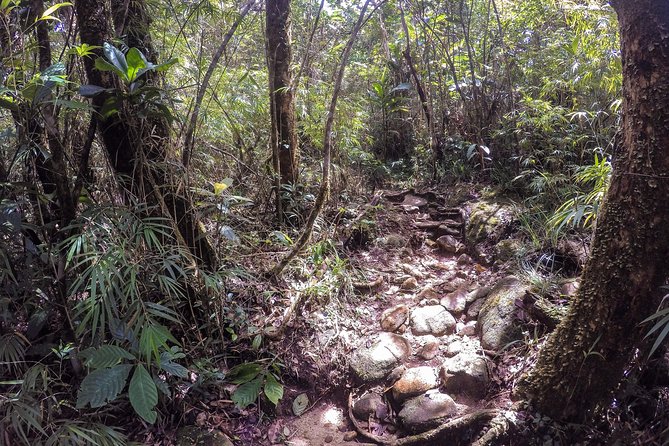
Once you’re in the Knuckles range, the route heads into the forest along a tea trail trek. Expect gravel and rocky paths, plus thick green areas that feel quiet and enclosed. This is where you’ll start spotting the smaller stuff: endemic flora & fauna are the theme, along with cane bamboo and endemic creepers.
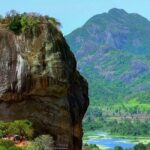
A signature element is the crossings. You’ll go over wooden bridges, which both break up the hike and help you slow down to look around. After that, the trail leads you toward a large rocky plateau and a peak view—exactly the kind of payoff that makes the first day feel worth it.
Lunch at a waterfall-natural pool zone
At some point, you’ll reach a turning point and stop for picnic lunch. The picnic setting is tied to a waterfall area with a natural pool, or to a peak-view spot, depending on conditions and timing. Either way, you’re eating while the forest keeps moving in the background—birds calling, water running, and that cool misty feel that comes with the higher elevation.
Downhill to the eastern slope and the base camp night
After lunch, you start the downhill trek toward the eastern slope. The route includes a circular trek around a large rocky plateau before you continue downward to the camp.
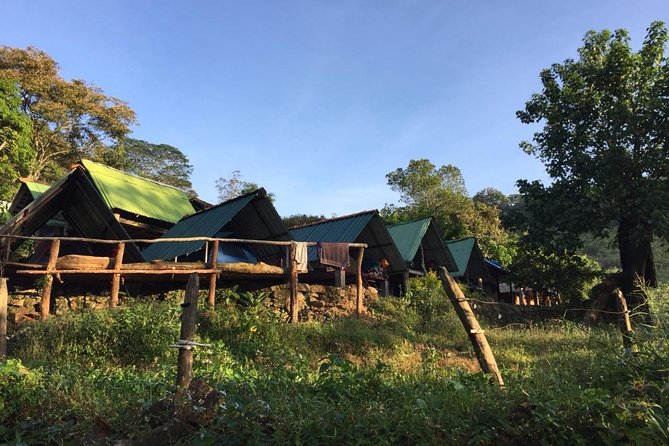
Overnight is at an exclusive base camp below the Knuckles footstep area, and the tour notes that it has all facilities. Translation: you’re not doing a “survive in the wilderness” style sleep. It’s camping, but with the comforts needed to recover for day two.
What I’d watch for on day one
Day one is where you’ll earn the views. If you tend to go out fast and then burn out, pace yourself after the tea-trail climb. Also, keep your backpack organized: the hike includes wet spots and forest dust, so you’ll be glad later if your rain layer and extra clothes aren’t buried under everything.
Your overnight camp: why this matters more than you think
A lot of hikes in Sri Lanka are “walk all day, ride back at night.” This one changes the rhythm by giving you a proper two-day experience. The overnight at the exclusive base camp matters because it lets you start day two fresh, in better mood, and with less pressure to rush.
Even if the first day feels intense, the camp stop is where you reset. You’ll have dinner included, plus breakfast before the next hike. That’s practical value in a trek like this, because it reduces the number of decisions you have to make when your energy is low.
Also, sleeping in this area gives you more time for nature atmosphere. You’re at a higher, forested setting, so the evenings tend to feel cooler, and the next morning often starts with that quiet, misty forest calm that makes you want to stand outside and just listen for a minute.
Day 2: tea plantations, cloud forest, waterfall crossings, and a swim
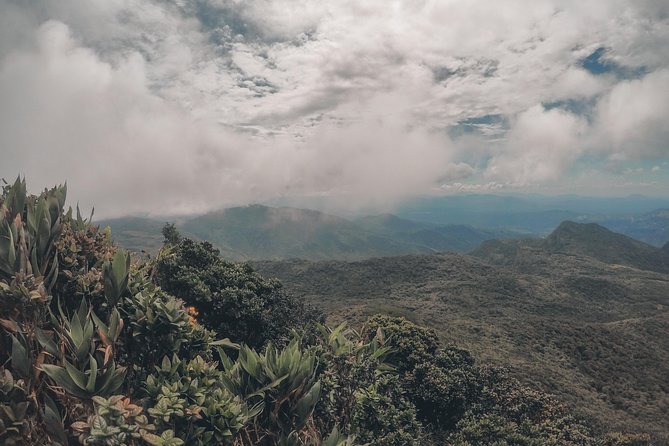
Day two begins with breakfast at the camping site, then a downhill trek. The route drops along tea plantation areas, plus panoramic viewpoints that give you a broader sense of the Knuckles range before you sink back into denser forest.
Then comes the high forest portion, described as full of cloud trees, plus pine, eucalyptus, and turpentine. This is the part where you’ll likely notice more movement—birds, small animals, and butterflies are specifically part of what the route is set up for. You don’t need to be a “nature expert” to benefit; just bring curiosity and slow down at the edges of the trail when your guide points things out.
Waterfall crossing and the natural pool swim
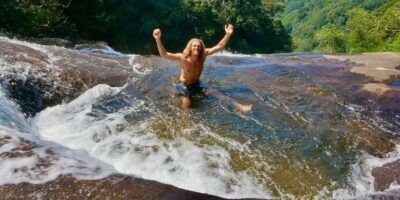
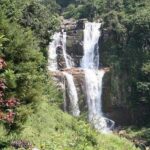
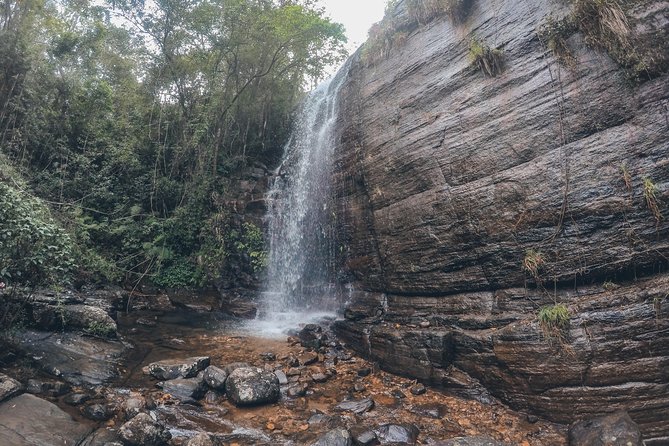
Like day one, day two includes water. You’ll cross a waterfall and natural pool, with an opportunity to swim in crystal water. The tour notes it’s slightly chilly, so don’t treat it like a warm resort pool. Think quick splash and then warm up.
Practical tip: if you plan to swim, use your swimwear and keep a towel or dry layer in an easy-to-reach spot. Wet clothes on a moving trek back can feel colder than you expect.
Terrace rice fields and the traditional village experience
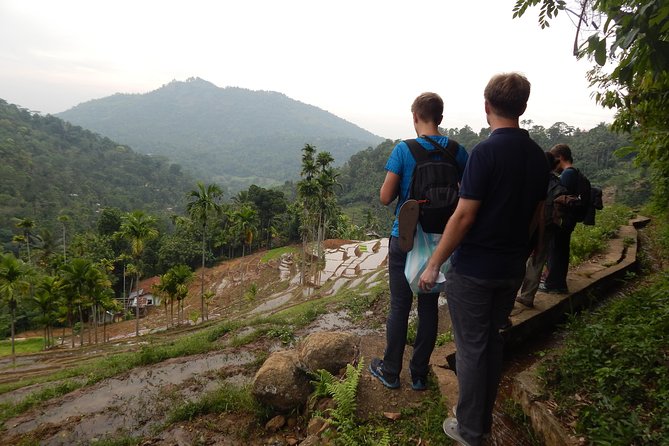
After the forest and water stops, you walk through terrace rice fields, described as “magical” in the way stair-step greenery can look when the light hits it just right. The trail then enters a traditional village area.
This is one of the most human parts of the trek. You’ll pass vegetable gardens and spice gardens, then have a chance to meet village people and learn about village culture. You end day two with an authentic lunch there.
This village segment is valuable because it grounds the trek in daily life. You’re not only seeing nature—you’re seeing how people live with the same terrain and climate that shapes the forest trails.
Getting back to Kandy
You’ll return to your hotel in the evening. The exact timing depends on your hotel location and traffic on the way back, so plan for a slow dinner after you get dropped off.
Price and logistics: is $195 per person worth it?
At $195 per person for two days, the main question is what you’re paying for besides the walking.
You’re paying for:
- Private transportation from Kandy and back
- Entry/admission to the Knuckles mountain range
- A live English-speaking guide
- Meals: dinner, plus lunch and breakfast (and an additional lunch during the village portion), along with water bottles
- The overnight base camp setup with facilities
For many trekking alternatives, you either pay for a guide and transport but bring your own meals, or you get a group trek but lose the private pace. Here, the private group style can make the hike feel more flexible—especially on a route that mixes steep-ish segments, forest stops, and waterfall breaks.
Would I say it’s cheap? No. But for a guided 2-day camping trek with transport, admission, meals, and a base camp night, it’s pretty straightforward value.
If you’re the type who hates haggling over logistics mid-trip, you’ll probably feel the convenience as part of the price.
Pace, difficulty, and what to pack so day two doesn’t hurt
The tour includes a hard medium grade portion and smoother medium sections. In plain terms: you’ll work, but you won’t be constantly in “technical” rock climbing territory.
Still, this is a rainforest-style trek where feet and clothing take a beating. The tour explicitly warns you’ll end up dirty, muddy, and wet. That’s normal here, and you’ll feel better if you pack with that reality.
What to bring (and what actually matters)
Bring:
- Hiking shoes (not brand-new stiff ones)
- A small backpack / daypack
- Rain jacket(s) if rain shows up
- Sunscreen
- Warm clothing (the higher areas and the slightly chilly water aren’t warm-weather friendly)
- Swimwear if you plan to use the natural pool swim stop
- Change of clothes for the ride back and the next day comfort
A small humorous truth: you’ll want clothes you can treat like equipment. Think “trek gear,” not “nice outfit.” Your body will recover faster if you can change out of wet fabric when you get the chance.
Altitude and temperature reality check
With an altitude range from 500 to 1900 meters, temperature can shift across the two days. Even if Kandy starts warm, the higher forest sections and morning camp air can feel cooler. Your guide’s schedule moves you through those changes steadily, so pack for layers.
Guides and what they add to the trek
This route lives or dies by the guide’s pacing and observation. English-speaking guidance is included, and the names Chan and Lakmal show up in recent experiences connected to this trek type, both praised for knowing local plants, animals, and Sri Lankan context.
What that means for you: the hike is more than “follow the leader.” You’re likely to get better at noticing endemic species, water features, and how different forests change with altitude. It also helps you feel safer on crossings and downhill sections because you’re not just guessing where to step.
Who should book this Knuckles camping trek?
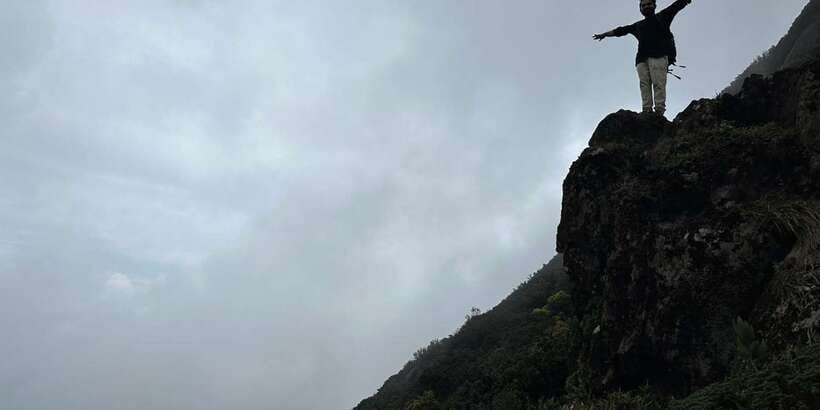
You’ll love this if you want:
- Two full days of hiking instead of a quick day trip
- Real forest trekking with waterfall stops
- An overnight in a camp setting with facilities
- A mix of scenery and traditional village culture, including gardens and an authentic lunch
You might reconsider if:
- You hate being muddy and dealing with wet clothing
- You’re looking for a mostly flat, low-effort route
- You don’t like cold-water swim opportunities (even though it’s optional, it’s part of the plan)
Should you book this tour from Kandy?
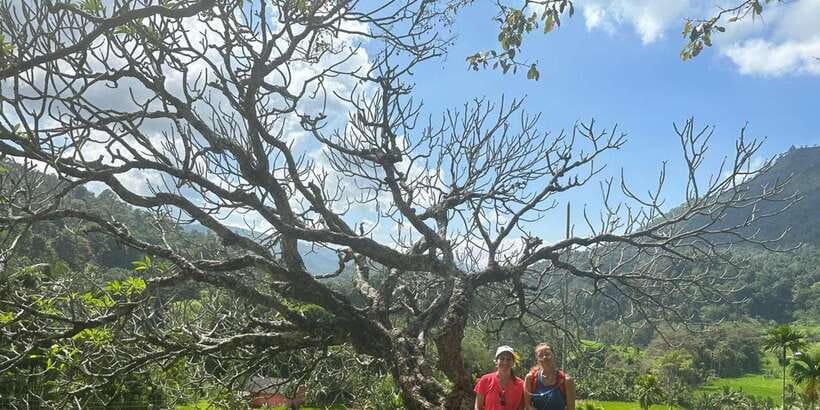
If you’re choosing between a short view-focused outing and a proper adventure with nature + culture, I’d lean toward booking this. The combination of Knuckles Mountain Range trekking, waterfall breaks, an overnight camp with dinner and breakfast, and a day-two village experience gives you a full Sri Lanka feeling in just two days.
Go ahead and book if you can handle a couple days of effort, pack smart for mud and cool temperatures, and actually want to pay attention to plants, birds, and forest changes. If you want a polished, comfort-first hike, pick something else. But if you want a trek that feels like it has a story—tea trail up, silent forest middle, waterfall lunch, camp reset, cloud forest and rice terraces down—this is a strong choice.
FAQ
What time is pickup in Kandy?
Pickup is scheduled between 7:00 am and 7:30 am, depending on where your hotel is located.
How long is the tour?
The tour runs for 2 days.
What kind of group is this?
It’s a private group, with a live tour guide in English.
How hard is the trekking?
The tour lists a hard medium grade and a smooth medium grade.
What altitude and walking distance should I expect?
Altitude is from about 500 to 1900 meters, and the trekking distance is listed as 26 to 36 km.
What meals are included?
Meals included are dinner, lunch, breakfast, and lunch on the second day, plus water bottles.
Is there an opportunity to swim?
Yes. There is a waterfall and natural pool stop where you can swim in crystal water, though it’s slightly chilly.
What should I pack for the trek?
Bring hiking shoes, rain jacket(s), sunscreen, a small backpack/daypack, warm clothing, swimming cloths/swimwear, and a change of clothes.
What are the cancellation terms and pay-later options?
You get free cancellation up to 24 hours in advance for a full refund, and there’s a reserve now & pay later option (book now and pay nothing today).