Birds on the wing can make a day fly by. This private outing to Anawilundawa Wetland Sanctuary turns Negombo into a proper wildlife outing, with resident and migratory birds you can actually spot in one go. The best part is the day is built around comfort—A/C pickup and drop-off—so you’re not fighting transport fatigue while you hunt for feathers.
What I like most is the strong birdwatching focus: you’re in a place known for 150+ bird species, and the tour aims at specific targets like cormorants, egrets, storks, ibis, pheasant tailed-jacana, and purple swamp hen. I also like that the day includes two bonus Hindu temple visits, so you get color and culture without turning the trip into a checklist. The one thing to consider is simple: this is a birds-first tour, so if you’re not into birdwatching, you may find the day a bit repetitive.
In This Review
- Key Highlights I’d Plan Around
- Why Anawilundawa Works as a Day Trip from Negombo
- The Birdwatching Target List (And What It Means for You)
- Getting There Comfortably: A/C Pickup, Private Transport, and Time to Watch
- The Main Stop: Anawilundawa Wetland Sanctuary (5 Hours of Focus)
- What you should expect to do there
- Admission note that helps value
- A real tip from the reviews: use identification tools
- Best season timing
- Bonus Cultural Stops: Two Hindu Temples (Color Without Too Much Detour)
- What’s Included (And How It Affects Your Day)
- Who This Tour Suits Best (And Who Might Feel It’s Not for Them)
- Value Check: Is $70 per Group a Fair Deal?
- Weather and Timing: The Day Won’t Always Be the Same
- Should You Book This Anawilundawa Bird Tour from Negombo?
- FAQ
- How long is the Anawilundawa Wetland Sanctuary day tour from Negombo?
- Is hotel pickup and drop-off included?
- What is the price and group size limit?
- Do I get a mobile ticket?
- Is admission to Anawilundawa Wetland Sanctuary included?
- What birds can you expect to see?
- Are snacks and bottled water provided?
- Do I need to worry about onboard amenities like WiFi or a restroom?
Key Highlights I’d Plan Around
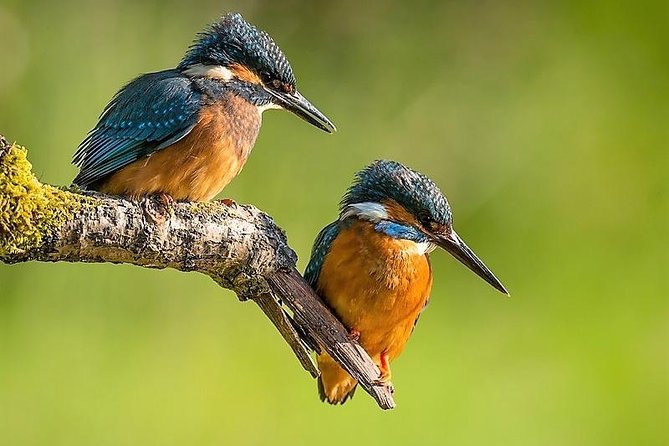
- 150+ bird species in one protected wetland birdwatching area
- Best bird season is Oct–Apr, when rarer migratory birds are more likely
- A/C car with hotel pickup and drop-off keeps the day comfortable
- Two Hindu temples added as bonus cultural stops
- Small-group private setup for up to 2 travelers
- Free sanctuary admission for the main wetland stop
Why Anawilundawa Works as a Day Trip from Negombo
If you’re basing yourself in Negombo, it’s tempting to spend every day on the coast. This tour is different. It trades beach time for wetlands—quiet, water-rich habitat where birds show up with less effort than you’d expect.
Anawilundawa Wetland Sanctuary is set up as a birdwatcher’s haven. The sanctuary is known for resident and migratory birds, and it’s the kind of place where one good sighting can lead to several more nearby. That matters because wetlands are “busy” in layers: you’ll often notice movement first, then identify the bird later.
I also appreciate the pace. The wetlands are the centerpiece, and the day isn’t stretched with too many extra activities. You’re looking at a total of about 6 to 7 hours, and roughly 5 hours are spent at the sanctuary—enough time to slow down and actually watch, not just rush through.
You can also read our reviews of more tours and experiences in Negombo.


The Birdwatching Target List (And What It Means for You)
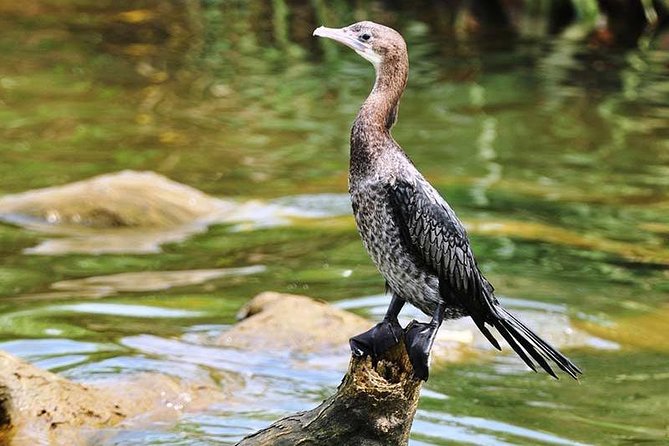
This is not a generic wildlife drive. The tour is aimed at bird species you’ll recognize, plus a few that are more “wow, that’s rare” if you’re paying attention.
Here’s the shortlist the tour highlights:
- Cormorants, egrets, storks, and ibis (classic wetland birds)
- Pheasant tailed-jacana (a striking, distinctive species)
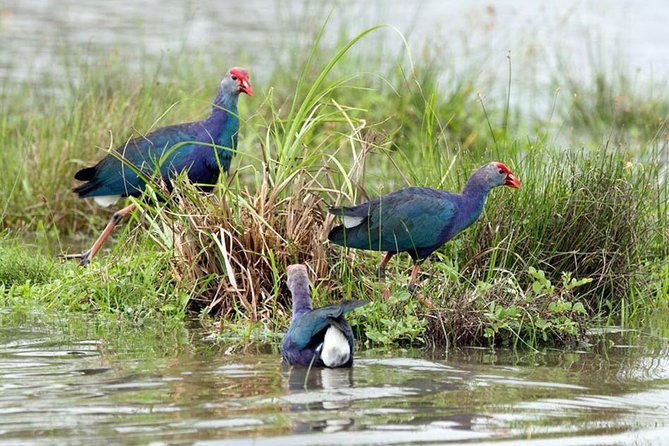
- Purple swamp hen (a memorable specialty bird)
The practical value of this is that you can orient your expectations before you arrive. If you don’t know birds well, that’s fine—this tour’s format helps you identify what you’re seeing. If you do know birds (or want to learn fast), this setting gives you repeated chances to confirm IDs.
A key seasonal note: October to April is the best time for spotting many migratory birds. That doesn’t mean you’ll see nothing outside those months—resident birds are there year-round—but if you’re traveling during those months, your odds for “rare migratory” sightings are better.
One more thing I like: the tour is built around native habitats. You’re not just hoping birds fly past a random viewpoint—you’re spending your time inside the wetland environment where they live and feed.
Getting There Comfortably: A/C Pickup, Private Transport, and Time to Watch
Transport can make or break a long day. Here, the plan is deliberately comfort-focused. You get:
- Hotel pickup and drop-off
- An air-conditioned vehicle
- Private transportation for your small group
The tour runs about 6–7 hours total, so it’s worth having a ride that doesn’t add stress. In a wetland setting, your best time is spent outside watching. When the car is comfortable, you’re less likely to cut your viewing short because you’re tired.
The tour is also limited to a maximum of 2 travelers. That small size matters because it usually means the guide can adjust pace. You’re more likely to stop for a sighting the moment it happens, and less likely to feel stuck waiting for a larger group to catch up.
Two practical notes from the tour details:
- There is no WiFi on board, so don’t plan on using internet to identify birds later.
- There is no restroom on board, so you’ll want to think ahead before you set off.
The Main Stop: Anawilundawa Wetland Sanctuary (5 Hours of Focus)
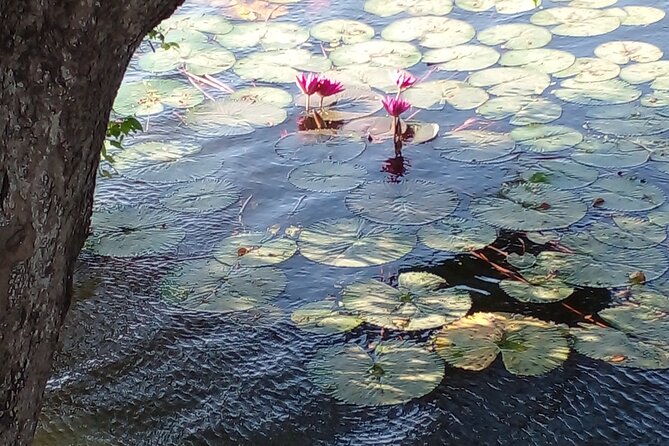
This is the heart of the day, and it’s where most of the time goes—about 5 hours at the sanctuary.
The sanctuary is known for over 150 bird species. That number is big, but what matters for you is what it creates in real life: you get more chances for variety. Wetland birdwatching is rarely one “perfect” sighting. It’s more often a chain of smaller ones that build a satisfying day.
What you should expect to do there
You’ll spend the time watching birds in their habitat, not scanning endlessly from one distant spot. The tour highlights a mix of:
- water birds like cormorants and egrets
- wading and stalking birds like storks and ibis
- specialty birds like jacana and purple swamp hen




Admission note that helps value
The sanctuary entrance is marked as admission ticket free for this tour. That’s a small detail, but it improves the overall value—your money goes to the guided experience and transport, not extra entry fees.
A real tip from the reviews: use identification tools
One review pointed out that the guide uses apps on a phone to recognize birds and is passionate about bird identification. That’s exactly the kind of support you want if you’re not sure what you’re looking at. If you’re the sort who likes learning on the spot, you’ll benefit from asking the guide to confirm species when you get that first good look.
Best season timing
If you’re visiting Oct–Apr, keep this on your calendar. That’s when migratory birds are more likely to appear.
If your dates fall outside that window, don’t worry—resident birds are still there—but plan to view the day as “reliable wetlands birding,” not a guarantee of every rare migrant.
Bonus Cultural Stops: Two Hindu Temples (Color Without Too Much Detour)
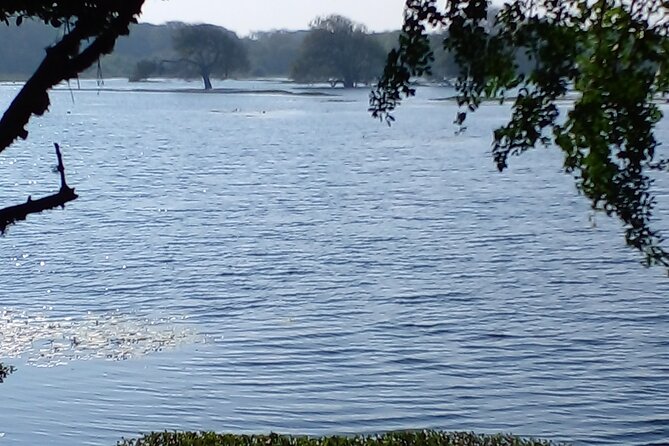
Besides the wetlands, the tour includes visits to two colorful local Hindu temples. Think of these stops as a palate cleanser. After a few hours of scanning water and reeds, it’s nice to step into a different kind of visual rhythm—ornate details, devotional spaces, and local religious life.
The tour doesn’t make these temples the main event; they’re bonus stops. That’s good if you want culture without sacrificing bird time. It also makes the overall day feel less like one long waiting game.
Because the itinerary details only say “bonus stops” (not exact minutes), you should treat temple time as flexible. In practice, you’ll likely get enough time to enjoy the atmosphere and take photos, but you won’t feel trapped there.
Practical tip: temples often involve dress expectations. If you’re traveling light, bring something you can adjust quickly (a light cover-up or scarf is usually handy in South Asia). This is especially useful when you’re switching from outdoor wetlands time to indoor or sacred spaces.
What’s Included (And How It Affects Your Day)
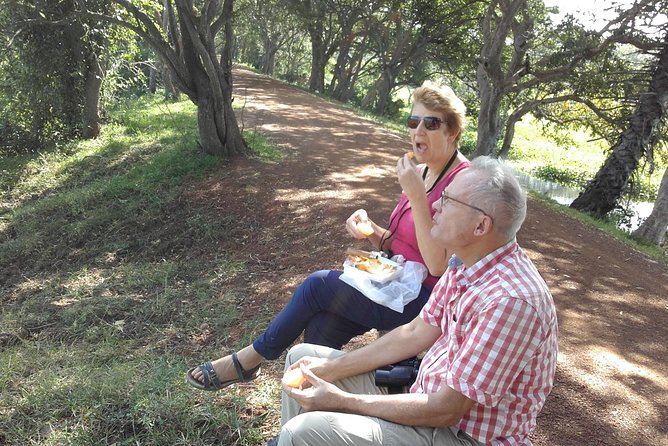
This tour is packaged in a way that reduces small headaches.
Included:
- Bottled water
- Air-conditioned vehicle
- Private transportation
The overview also notes snacks are included. That matters more than it seems. Wetland days are “stop-start” with waiting built in. When you’re hungry or thirsty, your attention drops and birdwatching becomes less fun. Having water and snacks removes that friction.
Not included:
- WiFi on board
- Restroom on board
So, what should you do with that info? Simple plan:
- drink water when you can
- snack early if you tend to get cranky when hungry
- use restroom opportunities before you head fully into the wetland time
Who This Tour Suits Best (And Who Might Feel It’s Not for Them)

This is best for people who like birds—or at least like the idea of learning to identify them in real time.
You’ll likely love this if:
- you want a full-day bird-focused outing with a guided ID assist
- you prefer small group tours (up to 2 people)
- you want a break from coastal routines while still staying comfortable with A/C transport
You might want to think twice if:
- birds don’t hold your attention for long
- you hate slow, watching-based activities
- you need on-board WiFi or on-board restrooms during long outings
And here’s the humorous truth: a wetlands day is basically an organized waiting game, but a good one. If you come expecting movement and variety—rather than a guaranteed “one big animal”—you’ll enjoy it more.
Value Check: Is $70 per Group a Fair Deal?
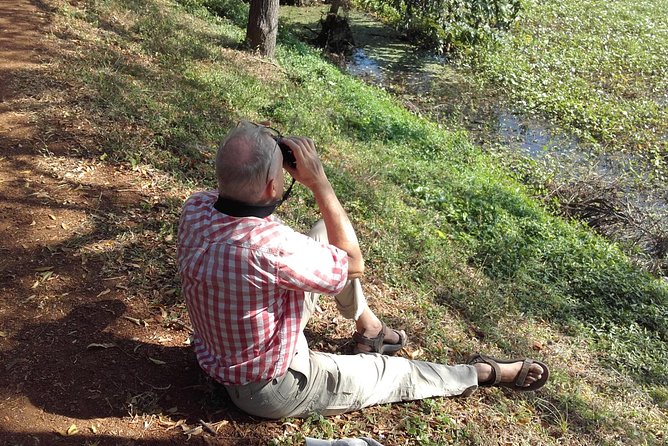
The price is $70 per group (up to 2 travelers). The tour is private, meaning you’re not sharing the experience with a big crowd.
That price works because:
- you’re getting A/C transport with pickup and drop-off
- the sanctuary entry is marked as free
- the day includes guide support focused on identifying birds
- you’re also getting snacks and two temple stops
A fair way to compare is to think of it as paying for comfort and guidance rather than paying for “a ticket.” If you’re traveling with one other person, the per-person value tends to look much better than solo pricing for many tours.
Also, since this is booked about 16 days in advance on average, it’s a popular option. If your dates are fixed, booking sooner can help you lock in the schedule you want.
Weather and Timing: The Day Won’t Always Be the Same
Wetland birding is weather-sensitive. The tour is marked as requiring good weather, and if it’s canceled due to poor weather you’ll be offered a different date or a full refund.
In practical terms, you should be ready for the day to shift slightly. Birds do what birds do, and wetland conditions can change viewing comfort.
If you’re flexible in your schedule, this is a good candidate for one of your less-structured days in Negombo.
Should You Book This Anawilundawa Bird Tour from Negombo?
I’d book it if you want a private, comfortable birdwatching day that doesn’t require you to be an expert. The setup is strong: 5 hours at the sanctuary, guided identification help (including app-based recognition), free sanctuary admission, and A/C transport with snacks and water.
I’d skip it if you’re more interested in shopping, beach lounging, or short photo stops. This tour asks you to watch—patiently—and it rewards that with variety if the birds are active.
If your trip lines up with Oct–Apr, even better. You’ll have the seasonal advantage for migratory birds, while still getting resident species year-round.
FAQ
How long is the Anawilundawa Wetland Sanctuary day tour from Negombo?
The duration is about 6 to 7 hours, with around 5 hours spent at the wetland sanctuary.
Is hotel pickup and drop-off included?
Yes. The tour includes pickup and drop-off from your hotel in Negombo.
What is the price and group size limit?
It costs $70 per group (up to 2 travelers), and the maximum group size is 2.
Do I get a mobile ticket?
Yes, the tour includes a mobile ticket.
Is admission to Anawilundawa Wetland Sanctuary included?
Yes. The sanctuary admission is listed as free for this tour.
What birds can you expect to see?
The tour highlights cormorants, egrets, storks, ibis, pheasant tailed-jacana, and purple swamp hen.
Are snacks and bottled water provided?
Yes. Bottled water is included, and snacks are included as part of the tour.
Do I need to worry about onboard amenities like WiFi or a restroom?
WiFi is not included on board, and there is no restroom on board.