Dambulla Cave Temple is the kind of sight you can’t fake. This half-day outing pairs the scale of the Dambulla Cave Temple with a hands-on traditional village experience—so you get both Sri Lanka’s spiritual side and everyday village life in one 5.5-hour loop.
I especially love the sheer detail inside the caves: the murals cover about 2,100 square meters, and the guide helps you make sense of what you’re seeing beyond just photographing Buddhas. I also like the village portion with a proper Sri Lankan lunch, where the meal feels part of the day instead of an afterthought.
One drawback to consider: the village segment includes a bullock cart ride, and if animal welfare is a big deal for you, you may want to think twice or ask your guide how you can best participate. With a short overall duration, the experience can feel more structured than “slow village wandering” too.
In This Review
- Key things to know before you go
- Dambulla Cave Temple: the big reason to choose this tour
- What you’ll actually do at the caves (and how to enjoy it)
- The Golden Temple feel: photos, views, and pacing
- Hiriwadunna photo stop: small moment, good energy reset
- Traditional village tour: how the day feels when life is right there
- Boat trip and village waterways: short, but part of the story
- Paddy fields, farms, and the walk to the village home
- Lunch in a village house: what makes it feel worth it
- Guide matters: Ajith and why explanations change the day
- Transportation and timing: a practical day trip from Dambulla or Sigiriya
- Price and value: is $70 a fair deal for this mix?
- What to bring (and what not to wear)
- Who should book this tour
- Should you book Dambulla Caves Temple & Traditional Village with Lunch?
- FAQ
- How long is the Dambulla Cave Temple & Traditional Village tour?
- Where do the hotel pickups and drop-offs happen?
- Is lunch included?
- What’s included besides the village and cave visits?
- Are there any clothing or photography rules?
- What should I bring with me?
Key things to know before you go
80+ caves with 153 Buddha statues in one famous complex
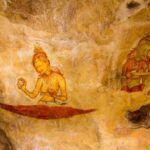
2,100-square-meter murals tell stories of Gautama Buddha
Bullock cart ride + boat trip give you movement through village settings
Hiriwadunna stop adds extra scenic time on the drive
Fresh Sri Lankan lunch is included during the village visit
Hotel pickup by tuk-tuk works smoothly from Dambulla, Kandalama, Habarana, and Sigiriya
Dambulla Cave Temple: the big reason to choose this tour
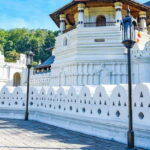
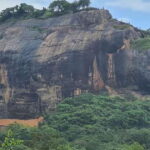
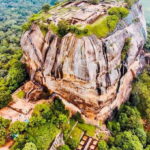
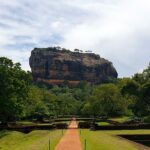
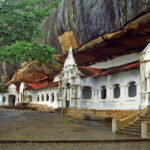
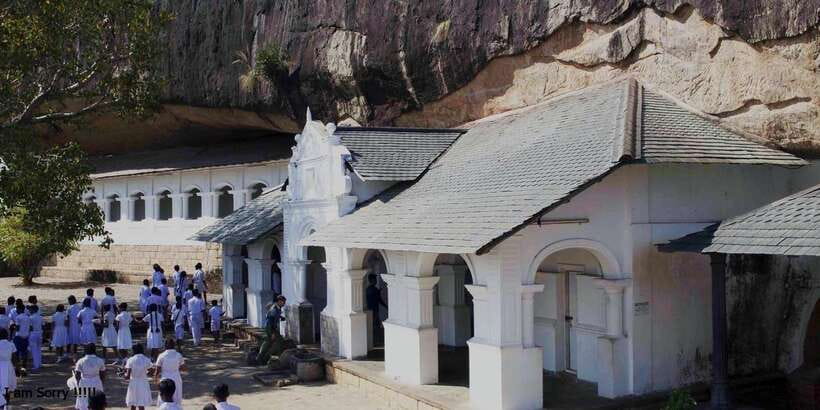
Start the day with a pickup and a short ride toward Dambulla, and you’ll feel the mood shift fast. The Dambulla Cave Temple complex sits up high—about 160 meters above the area—so your first look is always a “wow, that’s up there” moment. Then you step into the caves and it turns into slow, careful looking.
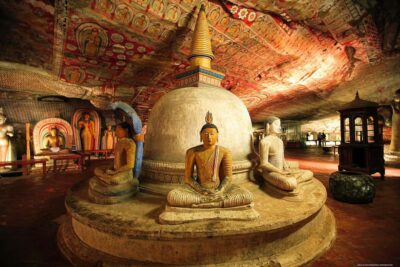
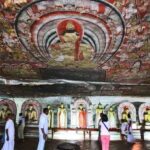
This is not one small shrine. It’s a whole group of caves—more than 80—packed with religious art. Inside, you’ll see 153 Buddha statues, plus figures connected to Sri Lankan kings and other Hindu deities like Vishnu and Ganesha. Even if you’re not a religion deep-diver, the variety helps you understand why the site is such a major stop.
If you care about good guidance, this tour includes a English- or German-speaking guide for the Cave Temple sightseeing. That matters because the caves can look like an overwhelming wall of faces unless someone helps you decode what you’re looking at. A solid guide also helps you time your viewing so you don’t just rush from one statue to the next.
You can also read our reviews of more tours and experiences in Dambulla.


What you’ll actually do at the caves (and how to enjoy it)
You’ll have time for visiting the temple caves with a mix of walking and photo stops. The complex is built for foot traffic inside uneven cave spaces, so wearing something comfortable helps more than you’d expect. Also keep an eye on the rules: no sleeveless shirts, and no flash photography. You don’t want to lose time fixing clothing at the entrance.
Inside, the biggest “stop and stare” factor is the murals. The guide information includes murals totaling about 2,100 square meters, depicting key parts of the life of Gautama Buddha. In practice, this means you can spend a long time just learning how the scenes connect—especially if you ask questions.
What I like about these caves as a tour experience is that you get multiple layers in one place: statues, murals, and the way different cave rooms feel like separate chapters. It’s also a good day choice if you’re in the Dambulla–Sigiriya–Habarana area already, because the caves are the kind of landmark you’ll feel glad you didn’t skip.
The Golden Temple feel: photos, views, and pacing
Dambulla’s cave complex is sometimes discussed as separate parts—so you’ll often notice people talking about the Royal Cave Temple and the Golden Temple. On this tour, you’ll cover the main cave temple area and get photo opportunities and scenic views along the way. That “outside first, then inside” pacing is smart.
For photos, aim to get your wide shots early, when light conditions make the cave entrances and the surrounding rock look their best. Then focus on close-ups once you’re inside, but do it slowly. Flash is off-limits, so you’ll have to rely on ambient light and steady hands.
Pacing is worth mentioning because you’ll still have village time later. If you try to photograph everything at once, you’ll end up rushing the murals. I suggest you pick a few murals or statue areas to focus on, and let the rest blur into the background. You’ll leave with fewer, better memories instead of a memory hard drive full of almost-right shots.
Hiriwadunna photo stop: small moment, good energy reset
Between the caves and the village portion, there’s a stop at Hiriwadunna for a photo moment and a short stretch to look around. This is the kind of break that helps your brain reset after the cave crowds and cave shadows.
Because this is a short stop rather than a major activity, treat it as a chance to:
- get a quick scenic perspective
- adjust your camera settings
- rehydrate before the village segment
Even if you don’t buy anything or linger long, these mini stops help the day feel less like a single long sprint.
Traditional village tour: how the day feels when life is right there
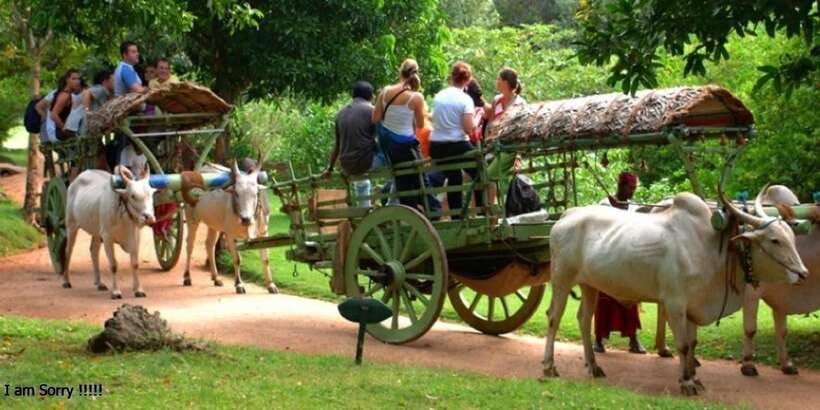
Then the tour shifts gears into village life. You’ll go into the traditional village experience with an included bullock cart ride and a serene boat journey through the village surroundings. The goal here is simple: show you how daily rhythms connect to land and water, not just point you at monuments.
The bullock cart ride gives you movement at a slower speed than a tuk-tuk. That changes what you notice. You’re more likely to spot how people farm, where structures sit, and how paths connect homes to fields. It can also be a moment of ethical reflection: one piece of feedback about the ox/cart part was that it raises animal welfare concerns.
My practical take: if animal treatment is a deal-breaker for you, don’t ignore that instinct. Ask your guide what participation options exist, or consider whether you want this specific format. The village experience includes multiple parts, so you can decide how much you want the cart element to define the day.


Boat trip and village waterways: short, but part of the story
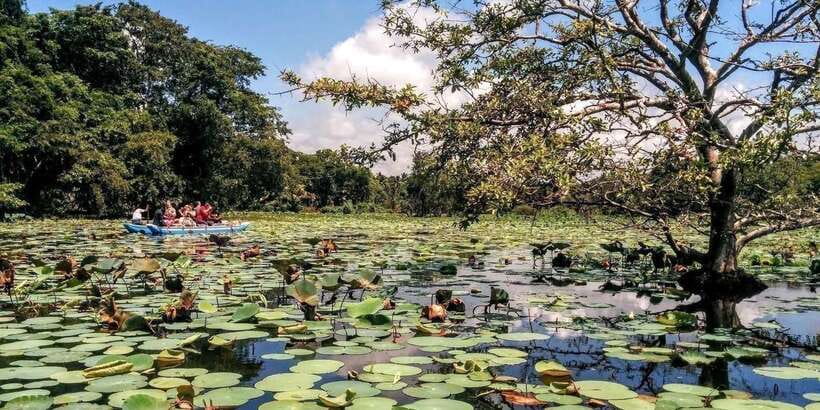
You’ll also enjoy a boat trip that moves through water in the village area. The time is brief, but it gives you a different angle on village life than the land-based walking. From the water, you tend to see the rhythm of fields and paths in a more connected way.
This part is best approached with realistic expectations: it’s not a full-day river cruise. It’s a short village-water experience that’s meant to complement the land tour. If you’re the type who gets frustrated when an activity is shorter than you hoped, keep your expectations aligned with a 5.5-hour day.
The boat segment also pairs well with the walking portion afterward. After you see the water approach, you’ll get to move through paddy fields and vegetable areas on land, where the scenery becomes more detailed.
Paddy fields, farms, and the walk to the village home
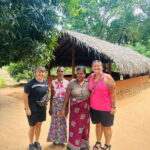
After the cart and boat, you’ll do a leisurely walk through paddy fields and vegetable plantations, then head to a traditional village house. This is where the tour aims to shift from “things you watch” to “places you’re inside.”
The walk is typically gentle and meant to feel easy. The benefit is that you start noticing how agriculture shapes the environment you’re standing in. Even if you don’t know the technical terms for every crop or field system, you’ll feel the logic: water management, growing cycles, and how homes relate to farmland.
One thing to watch for: because this is a packaged tour and the day runs on a schedule, you won’t have weeks to wander. You’ll get a real taste of the environment, but you’ll still be moving toward lunch and back to your hotel.
Lunch in a village house: what makes it feel worth it
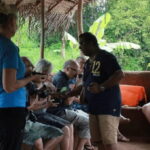
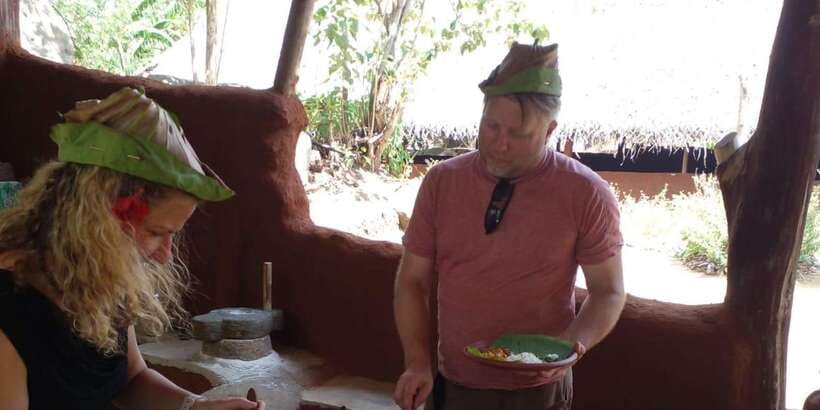
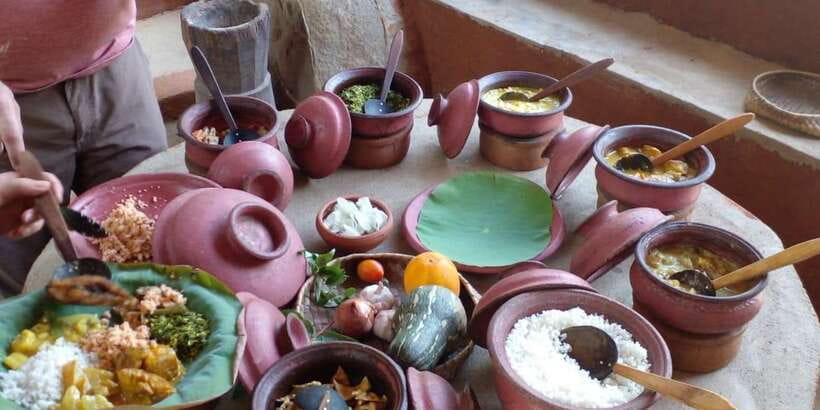
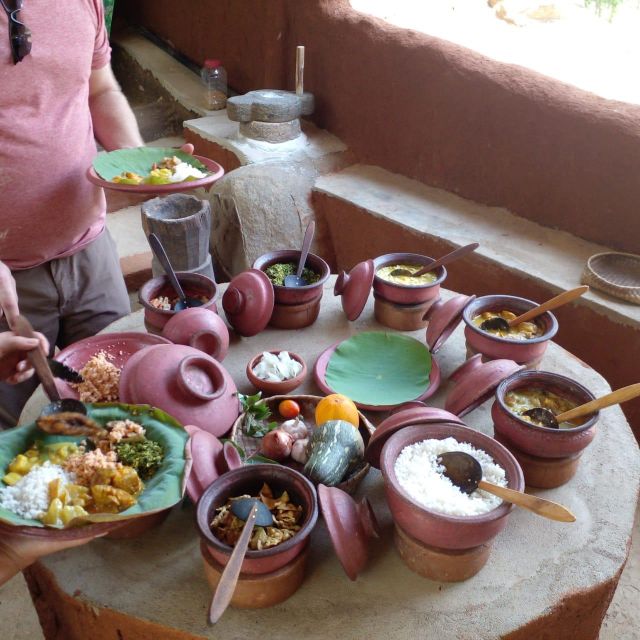
Lunch is included, and it’s described as a Sri Lankan lunch prepared in the village setting. In the best cases, it feels like the highlight of the “traditional” part—especially when you get to watch the cooking and hear a bit of how ingredients come together.
Some feedback praised home-cooked Sri Lankan food and even learning from the process, including seeing women prepare food as part of the day. Another review mentioned a cooking demonstration and described the meal quality as good, so this is clearly the portion the tour is trying to get right.
Still, food is always variable in group settings. If you’re very picky about freshness or how every curry is served, you might find the menu approach less flexible. One criticism was about how multiple dishes were warmed instead of prepared on the spot, plus frustration with the overall value. The upside: you’re still eating lunch at the end of a real village visit, not a quick stop in a roadside restaurant.
What to do to make lunch better: go hungry, drink the provided water, and focus on enjoying the flavors rather than comparing it to restaurant standards back home.
Guide matters: Ajith and why explanations change the day
A name worth remembering from the experience reports is Ajith, who was described as friendly and helpful on at least one run of the tour. That kind of guide presence matters a lot for this itinerary because you’re moving between very different environments in a short time.
At the caves, the guide’s job is to help you connect statues and murals to meaning. In the village, the guide helps the “what am I looking at?” questions turn into “oh, I get how this works.” If your guide is good, the whole day clicks.
Even if your language needs are met, you’ll still appreciate a guide who keeps momentum without making you feel rushed. This tour is short enough that you’ll feel the difference between a guide who explains and one who just walks ahead.
Transportation and timing: a practical day trip from Dambulla or Sigiriya
This runs about 5.5 hours, which makes it a useful half-day option if you want to see more than one big thing without losing your whole afternoon. Pickup is included, and the tour can pick you up from Dambulla, Kandalama, Habarana, or Sigiriya, then drop you back at Sigiriya, Dambulla, Kandalama, or Habarana.
You travel by tuk-tuk, and the package includes driver charges, fuel surcharge, and parking fees. On top of that, you’ll have complimentary refreshments and water. That reduces the little stress costs that often add up on short tours.
Entrance fees for the Dambulla Cave Temple are included, which also keeps your day smoother. When you factor that in, the price starts to make more sense as a “you don’t have to plan anything” day.
Price and value: is $70 a fair deal for this mix?
At $70 per person, this sits in the mid-range for a half-day cultural combo tour. Whether it’s a good value depends on what you prioritize.
If you mainly want the Dambulla Cave Temple experience with a guided explanation and a included lunch, the value can feel solid. You also get transportation from key areas around Sigiriya and Dambulla, plus the village activities.
If you’re expecting a long, slow immersion where every part feels deeply village-focused, you might feel the structure is tight for the price. The day is only 5.5 hours, and it packs: cave temple, a photo stop, cart ride, boat, walking, and lunch.
My advice: treat it as a “best-of” sampler. If you want deeper time in the village or more freedom inside the caves, you might consider pairing this with a longer independent visit afterward.
What to bring (and what not to wear)
Bring a camera and your passport. Dress modestly: no sleeveless shirts is specifically noted, so plan a shirt with sleeves. And remember the photography rule inside the temple: no flash photography.
Also, wear shoes you’re comfortable in for walking on uneven cave surfaces and for a gentle outdoor walk through fields. You’re not doing hiking, but you are doing movement.
Finally, bring a curious attitude. This tour works best when you’re willing to ask a question and slow down for details—especially at the murals.
Who should book this tour
This is a good fit if you want:
- a focused Dambulla Cave Temple day with guidance
- an included Sri Lankan lunch in a village setting
- a short schedule that still feels like more than one stop
- a practical half-day option from the Sigiriya / Dambulla / Habarana area
It might not be your best match if:
- you strongly object to animal rides and don’t want to compromise
- you want lots of time for independent exploring rather than a guided rhythm
Should you book Dambulla Caves Temple & Traditional Village with Lunch?
Yes, book it if you want the headliner caves plus a village experience that’s actually built around food and daily scenery, not just a quick photo stop. The cave side is the real anchor: 80+ caves, 153 Buddha statues, and murals that take up about 2,100 square meters. With a guide, that’s the kind of cultural payoff that justifies paying for someone to organize your day.
If animal welfare is a concern, don’t ignore it—this tour includes a bullock cart ride. In that case, either ask your guide about alternatives or choose a different style of village visit.
If you’re on the fence about value at $70, remember what’s included: pickup by tuk-tuk, entrance fees for the cave temple, lunch, refreshments, water, and guide support. For many visitors, that “done-for-you” convenience is half the value.
FAQ
How long is the Dambulla Cave Temple & Traditional Village tour?
The tour lasts about 5.5 hours.
Where do the hotel pickups and drop-offs happen?
Pickups are available from hotels in Dambulla, Sigiriya, Habarana, and Kandalama. Drop-offs are to Sigiriya, Dambulla, Kandalama, or Habarana.
Is lunch included?
Yes. Lunch is included during the traditional village visit and is described as an authentic Sri Lankan lunch.
What’s included besides the village and cave visits?
Transportation from your hotel and back by tuk-tuk, entrance fees to Dambulla Cave Temple, a guide during the cave sightseeing (English or German), complimentary refreshments and water, and government taxes are included.
Are there any clothing or photography rules?
Yes. You should not wear sleeveless shirts, and flash photography is not allowed.
What should I bring with me?
Bring your passport and a camera.