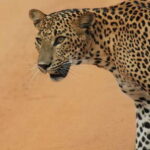
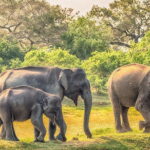
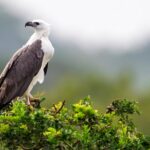
Bundala turns birds into the main show. Bundala National Park is a maze of lagoons, waterways, and dunes, and a half-day private safari there lets you focus on real wildlife watching instead of long, stop-and-wait sightseeing. The setting matters too: this wetland sanctuary is internationally recognized under the Ramsar convention.
I really liked two parts of this outing. First, the hotel pickup and drop options around Kataragama, Tissamaharama, Kirinda, Debarawewa, Yoda Kandiya, and Weerawila kept the day clean and simple. Second, I appreciated the extras you get for the drive—binoculars, bottled water, and cool drinks—because it supports the whole point of the tour: seeing more, for longer.
One thing to plan for: the national park entrance ticket fee isn’t included in the price, so you’ll need to budget that separately. Also, wildlife sightings follow season and timing, so no operator can promise the same mix every day.
In This Review
- Key things you’ll notice right away
- Getting picked up near Kotapola and heading to Bundala
- Bundala National Park is all about wetlands, birds, and seasonal action
- The 5-hour guided safari in the park: what your day actually feels like
- What to watch for: elephants, flamingos, crocodiles, and turtles
- The guide and the small extras that make a half-day worth it
- Price and logistics: is $36 a good deal for what you get?
- What to expect from the pickup, ride, and drop-off
- Who this Bundala half-day private safari suits best
- Should you book this Bundala Half Day Safari PRIVATE Tour?
- FAQ
- Is the Bundala half-day safari a private tour?
- How long is the tour?
- What’s included in the price?
- Is the national park entrance ticket included?
- Where does pickup and drop-off happen?
- Do I need to pay in advance?
Key things you’ll notice right away
- Private jeep + guided safari for focused animal spotting in Bundala
- Binoculars, bottled water, and cool drinks included for comfort during the ride
- Prime bird-watching seasons linked to migratory arrivals from Aug to Apr
- Elephant chances rise in December, with 15 to 60 depending on season
- Marine turtle nesting season on the coast runs roughly Oct to Jan
- English live guide, and the guide can add extra bird/animal details at your pace
Getting picked up near Kotapola and heading to Bundala
This tour is built around convenience in Sri Lanka’s south, with pickup offered from several towns in the Hambantota region and nearby areas. You’re not locked into one meeting point. Instead, you can start from places like Yoda Kandiya, Kataragama, Kirinda, Debarawewa, Tissamaharama, or Weerawila, then return to the same general area afterward.
Because it’s private, the driver and guide can set a practical pace. You’re not trying to herd a group through traffic or waiting for multiple stops. For a half-day format, that matters. The whole experience stays tight: you trade complexity for more time actually watching birds, elephants, and reptiles in the park.
Timing-wise, you’ll want to check availability for the morning versus afternoon departure. The park experience changes with light and heat, so choosing the right window can affect what you spot and how comfortable you feel.
You can also read our reviews of more tours and experiences in Hambantota.
Bundala National Park is all about wetlands, birds, and seasonal action
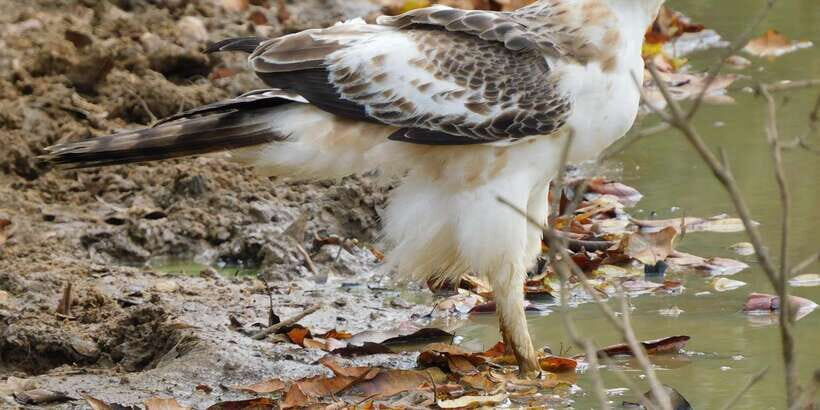
Bundala is famous for migratory water birds, and it earns that reputation. The park covers about 62 square kilometers, and it supports around 197 bird species. Many of the birds you’ll see are winter visitors, arriving between August and April, including birds that come from as far as Siberia and the Rann of Kutch in India.
The setting is also part of the appeal: think lagoons, waterways, and dunes that feel connected by thin bands of habitat. That’s why a safari here is less about one big “wow moment” and more about constant small reveals—different flocks in different pockets, plus opportunities to spot crocodiles along the water edges.
Season drives the best odds. December is often the standout month for elephants, with counts described as ranging from roughly 15 to 60 depending on season. If you’re going in peak bird season (December to March), you’re entering the time when greater flamingos are most likely, including records of up to 2000 in one place.
The 5-hour guided safari in the park: what your day actually feels like
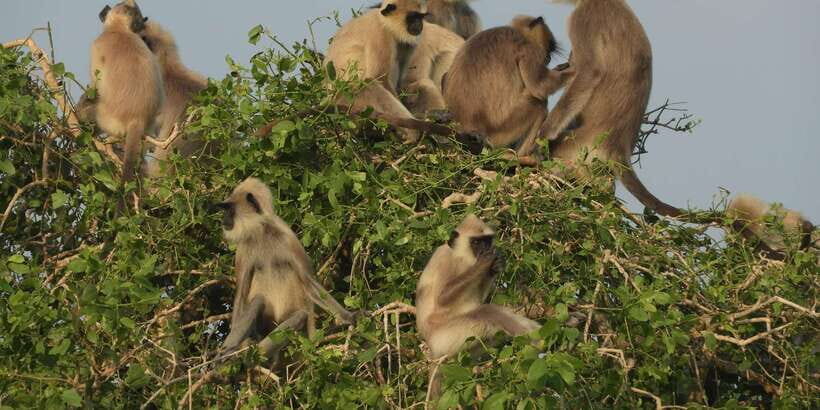
Once you enter Bundala, the tour becomes a guided search process. You’re in a Safari Jeep with a live English guide, and the focus stays on spotting wildlife, then getting you practical info about what you’re seeing. This isn’t a lecture. It’s information timed to the moment—birds when birds appear, animal signs when you’re near the right habitat, and explanations that help you recognize patterns faster.
You also get binoculars for free. That sounds simple, but it changes the experience. Distant birds become identifiable, and you’re not stuck guessing shapes. You’ll also have bottled water and cool drinks on hand, which helps you keep watching without rushing to escape heat or thirst.
One subtle benefit: a good guide helps you move efficiently. In a park like this—where wildlife can be close but not always obvious—you want someone who knows where to look and when. The guide experience matters because Bundala isn’t just one “track.” It’s a system of watery zones and open areas, and your best viewing depends on route choices during the drive.
What to watch for: elephants, flamingos, crocodiles, and turtles
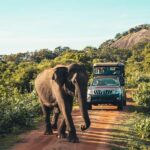
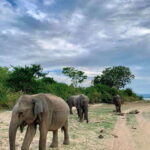
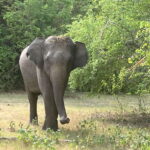
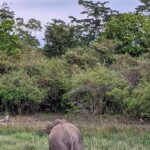
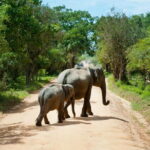
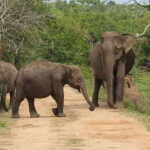
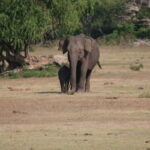
Elephants are one of Bundala’s main reasons people go. The park is described as having between 15 and 60 elephants depending on the season, with December identified as especially good. That’s a helpful planning anchor. If you’re traveling in December, your odds for elephant sightings should feel better than in other months.
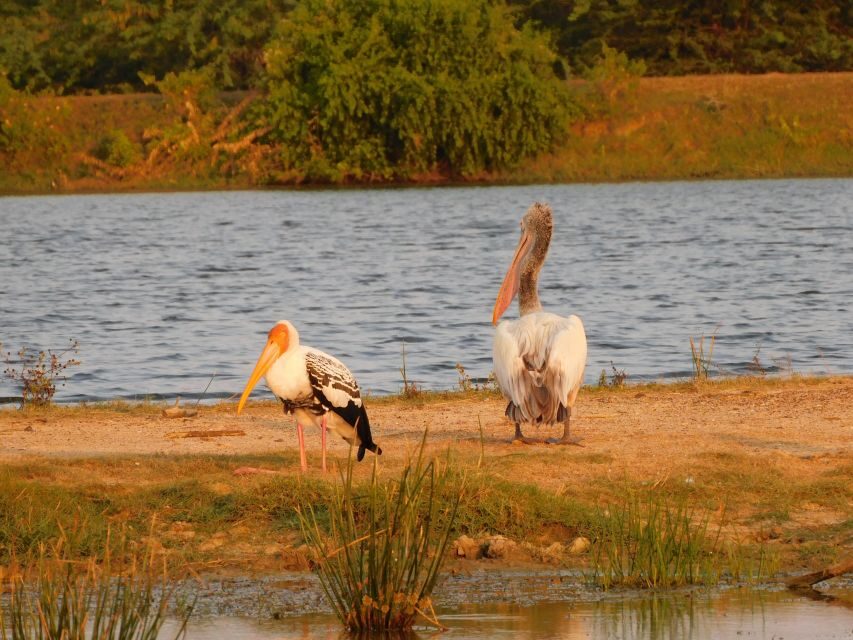
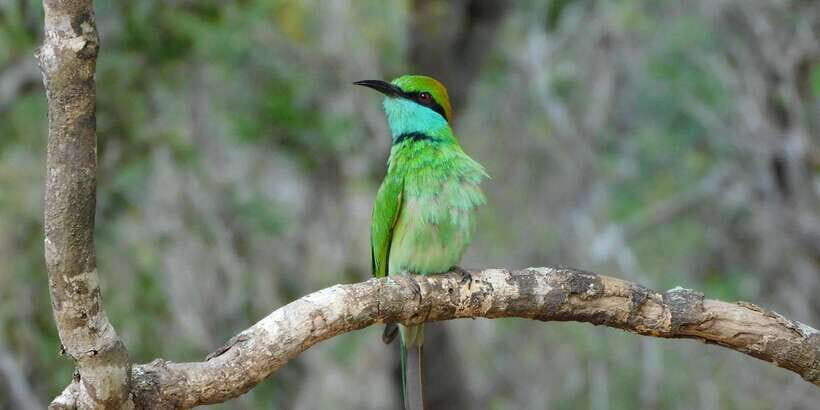
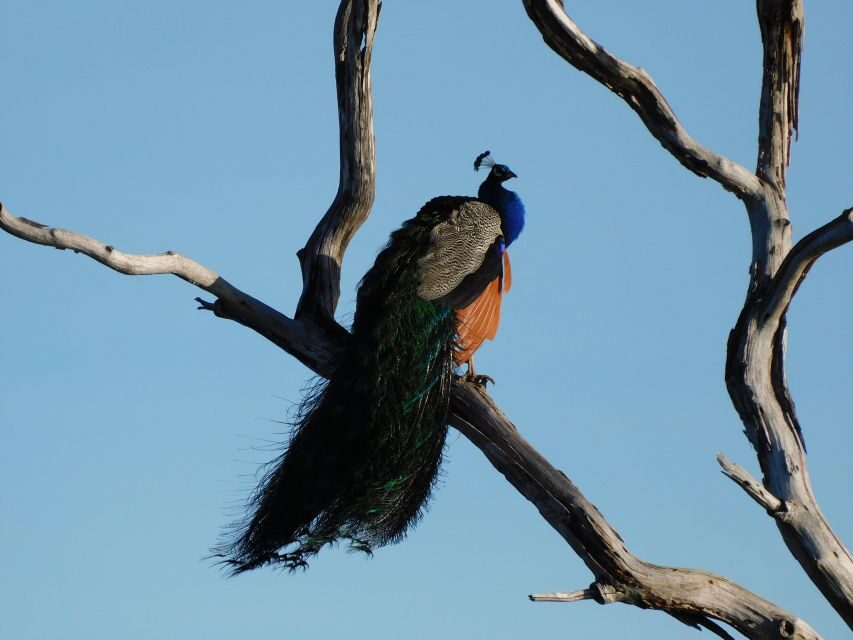
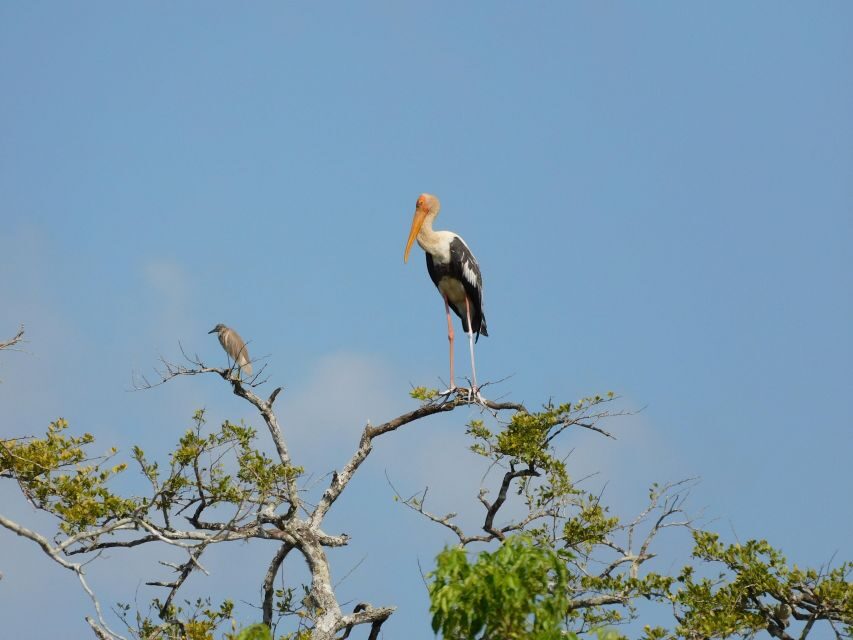
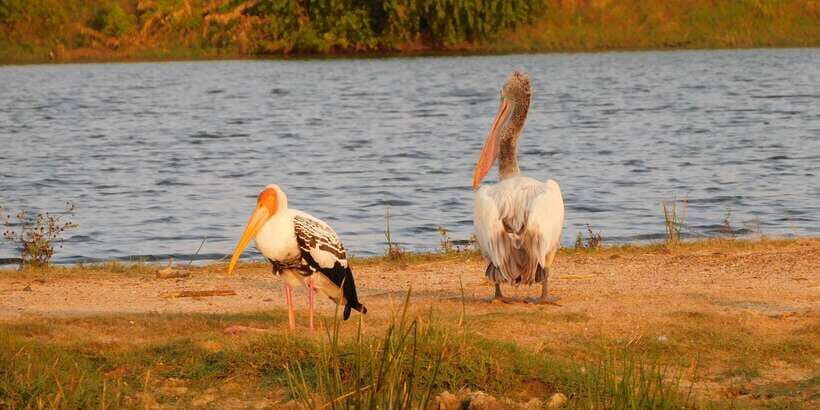
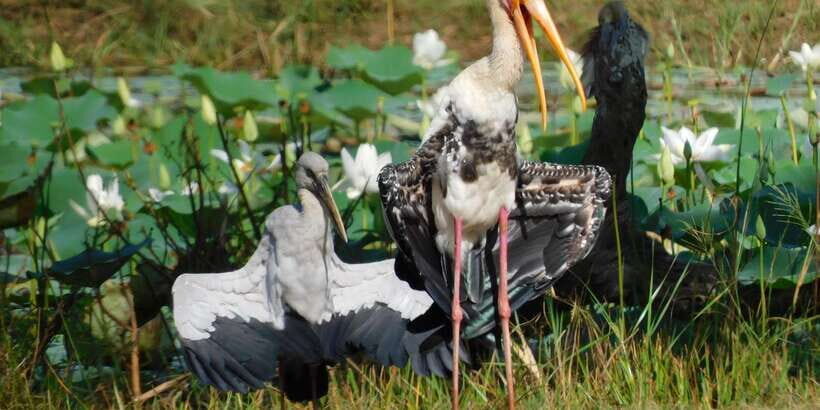
Birds are the daily headline. Bundala is highlighted as a place where thousands of colorful birds live, from small birds like bee-eaters to larger species like open-billed storks. The park’s wetland sanctuary status under the Ramsar convention also reinforces why the birds are a core part of the wildlife story here, not an afterthought.
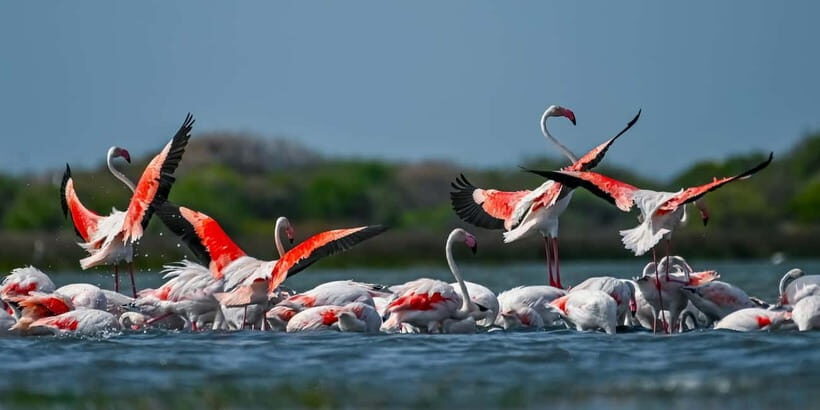
Flamingos are a big draw, too. Bundala is described as a winter home to greater flamingos, with up to 2000 recorded at one time. If you’re there in the December to March window, you’ll be traveling during the peak period when these birds are more likely to be present in notable numbers.
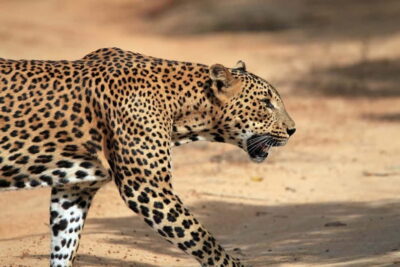
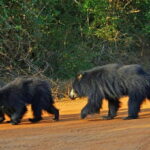
Then there are reptiles and coastal wildlife. Bundala includes crocodiles, and it also has civets and giant squirrels. Between October and January, four of Sri Lanka’s five species of marine turtles lay eggs on the coast: olive ridley, green, leatherback, and loggerhead. If you’re traveling during those months, it’s worth keeping an eye out for turtle nesting activity along the coastal zones—when conditions line up.
The guide and the small extras that make a half-day worth it
A half-day safari lives or dies on the guide’s ability to spot and explain. In this case, the guide you’ll meet has real strengths in animal identification and calm, organized guiding. One standout example: Ishan is often mentioned for being punctual, friendly, and informative. He also reportedly knows some animal names in German, which hints at how seriously he studies wildlife details and how he can adapt explanations to different audiences.
That same kind of guidance showed up in how he finds the best observation spots. When elephants appear close to the jeep, you don’t want a guide who rushes past. You want someone who slows down long enough for you to actually see. Reviews highlight that the guide took time to explain birds and other animals, not just “drive and point.”
Another nice detail: cool comfort matters in Bundala’s heat. This tour includes bottled water and cool drinks, so you’re not stuck calculating every stop around your thirst level. It’s a small thing, but it keeps the safari focused.
I also loved hearing about the bonus moments that can happen outside the core safari stops. For example, one account mentions additional wildlife spotting like big bats, plus a watermelon break at a scenic spot close to the sea. Those aren’t guaranteed, but they point to a style of guiding that looks for teachable moments rather than sticking rigidly to a script.
Price and logistics: is $36 a good deal for what you get?
At $36 per person for a 5-hour private safari, the value comes from what’s bundled into that time block. You’re not just paying for a drive. You’re paying for private transportation, a safari jeep experience, an English live guide, and viewing support like binoculars plus water and cool drinks.
There is one clear cost gap: the national park entrance ticket fee isn’t included. That means your real total includes the park entry on top of the listed price. Still, even with that add-on, a private jeep with a guide for a focused half-day can be a strong deal, especially if you’re comparing it to longer tours that require more time, more transfers, or less concentrated viewing.
The fact that there’s a private group also changes the math. If you’re traveling as a couple or small group, you often get a better experience per person than joining a larger shared safari. Your route and stopping style can feel more tailored.
What to expect from the pickup, ride, and drop-off
Here’s how the flow works on the ground. Pickup comes from multiple towns—Yoda Kandiya, Kataragama, Kirinda, Debarawewa, Tissamaharama, and Weerawila—so you can match your starting point to where you’re already staying. The park visit is guided for about 5 hours, and then you return to your drop-off location options that mirror the pickup areas.
This kind of half-day itinerary works best when you want wildlife time without losing your whole day. It’s also useful when you plan other sightseeing around the area. If you’re based in or near Kotapola, this format keeps the safari portion efficient and doesn’t force a full-day schedule that can feel draining in Sri Lanka’s warmer months.
Because the timing can vary between morning and afternoon departures, plan around how you like wildlife viewing. Early light can help with visibility and bird activity. Later in the day, animals may still show up, but you’ll want to dress for heat and be ready for the sun angle that comes with afternoon.
Who this Bundala half-day private safari suits best
This tour makes the most sense if you want a high-focus safari in a short time window. If your schedule is tight—only a morning or afternoon window—this 5-hour structure is ideal. You get a guided experience in Bundala without needing a multi-day itinerary.
It’s also a great pick for bird lovers. Bundala’s bird story is a major part of the park’s identity: migratory arrivals from Aug to Apr, a winter home for greater flamingos, and a large number of bird species within a compact area. If you’ve ever wanted a safari where birds are the headline instead of the side act, this is the right setup.
Finally, it fits people who prefer private guiding. If you don’t want to negotiate shared group pacing, a private format helps you stay flexible. Your guide can spend time where wildlife shows rather than keeping a rigid schedule designed for a large group.
Should you book this Bundala Half Day Safari PRIVATE Tour?
I’d book it if you want a focused, guided Bundala experience with real viewing support like binoculars, cool drinks, and a guide who’s comfortable explaining what you’re seeing. The strengths here are efficiency, private pacing, and the way the guide helps you connect wildlife to habitat and season.
I’d think twice if your trip timing is very inflexible and you’re hunting one specific animal with total certainty. Even with strong seasons like December for elephants and December to March for flamingos, wildlife is still wildlife. Also remember to budget for the park entrance ticket, since it isn’t included.
If you’re looking for a practical way to see Bundala’s best wildlife and birdlife without a full-day commitment, this private half-day format is a sensible choice.
FAQ
Is the Bundala half-day safari a private tour?
Yes. It’s listed as a private group, with private transportation and a safari jeep.
How long is the tour?
The duration is 5 hours.
What’s included in the price?
Included are private transportation, a safari jeep, a live English guide, hotel pickup and drop, bottled water, cool drinks, free binoculars, and safari service/assistance.
Is the national park entrance ticket included?
No. The national park entrance ticket fee is not included.
Where does pickup and drop-off happen?
Pickup includes Yoda Kandiya, Kataragama, Kirinda, Debarawewa, Tissamaharama, and Weerawila. Drop-off is listed for Kirinda, Yoda Kandiya, Kataragama, Debarawewa, Tissamaharama, and Weerawila.
Do I need to pay in advance?
You can reserve now and pay later.