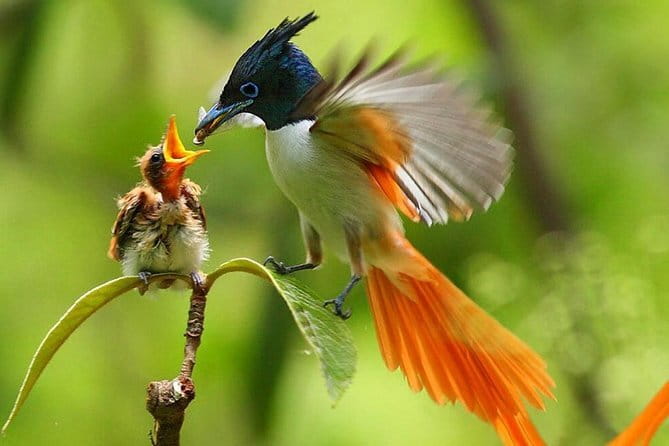
Birds, wetlands, and rainforests, all on one route. What makes this 10-day birding loop special is the way it stitches together very different habitats, so your odds of seeing everything from kingfishers to Sri Lanka endemics stay high. I like the morning and evening sessions, because many birds actually show their best behavior twice a day. I also like the focus on Sri Lanka endemics, especially during the rainforest days.
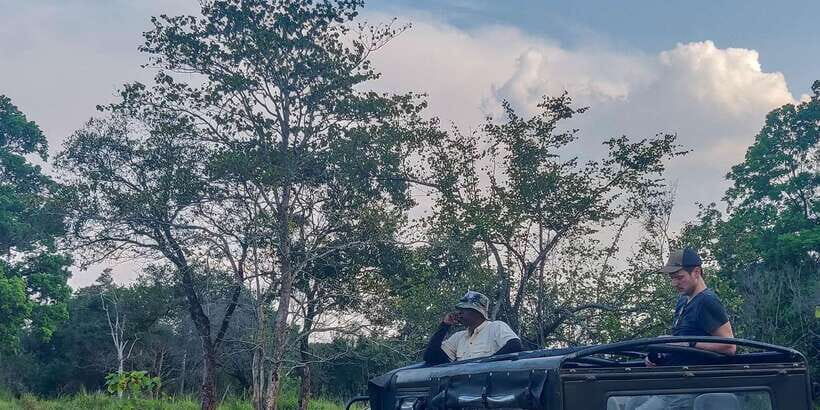
One thing to plan for: the package covers a lot of ground, but entry fees and most meals are not included. That means your final cost can rise a bit depending on what sites charge, and you’ll want to budget for lunch and dinner each day. Reviews also point out that the trip feels smooth with a friendly driver named Sam, which matters a lot when you’re up early for bird time.
In This Review
- Key highlights you’ll feel from day one
- Why Sri Lanka birding feels different: endemics plus big-world migration
- Price and what your dollars actually cover
- Day-by-day: from Negombo coast to rainforest endemics and Bundala flamingos
- Muthurajawela and Anawilundawa: wetland birding with crocodile-and-otter potential
- Sigiriya, Udawatte Kele, and Belilena Cave: forests and dusk activity
- Kithulgala and Sinharaja: where most Sri Lankan endemics can be found
- Bundala National Park at dawn: flamingos and migratory waterbirds
- Getting the most out of it: pace, timing, and weather matters
- Should you book this 10-day Bird Watching Tour from Colombo?
- FAQ
- Where does the tour start and what time does it begin?
- Is this tour private or shared with other groups?
- Are entry fees included in the price?
- What meals are included during the 10 days?
- What’s included in terms of transportation and guiding?
- What if weather is bad on your travel dates?
- What is the cancellation window?
Key highlights you’ll feel from day one
- Wetlands first, then forests: you build momentum with Muthurajawela and Anawilundawa before heading into the interior.
- Rainforest endemics are the main event: Sinharaja is the big draw for Sri Lanka’s unique birds.
- Dawn timing is built in: multiple early starts give you the best chance at active birds.
- Evening birding adds variety: the Belilena Cave stop shifts the birding mood into dusk hours.
- Bundala’s migration factor: Greater Flamingo flocks and migratory waterbirds are the reason many people make this stop.
Why Sri Lanka birding feels different: endemics plus big-world migration
Sri Lanka is small, about 65,610 km², but birding here punches well above its weight. The island records 459 bird species, and it hosts 34 endemic species, meaning birds found nowhere else. That mix of endemics and more widely distributed birds is exactly why a “habitat-hopping” itinerary pays off.
This tour’s structure helps you match the island’s bird reality. Wetlands pull you toward herons, cormorants, kingfishers, and other water-edge specialists. Forest reserves and rainforest shift your chances toward species that stick to thicker cover. Then you switch back to water at Bundala, where seasonal migration can bring in dramatic numbers.
You’ll also notice how the schedule uses time of day as a tool. Morning and evening are where bird activity often ramps up, and the program keeps returning to those windows rather than doing one long mid-day session and calling it done.
You can also read our reviews of more tours and experiences in Colombo.
Price and what your dollars actually cover
At $746.67 per person for the 10 days, you’re paying for more than just “transport around the island.” You’re getting air-conditioned transfers, parking and tolls, and a chauffeur guide who helps manage the route and timing in English. The package also includes GST/VAT/service charges and breakfast on 8 mornings.
That value gets real when you compare it to how quickly birding days become expensive on your own. Entry fees are not included, and lunches and dinners are not included either, so you’ll want to keep cash or a card for daily food and site charges. Camera fees are also not included, so if you plan to shoot in protected areas, assume there may be extra rules and fees.
Still, what you’re getting is a private, day-by-day program built around locations that birders actually care about. If you want a trip where the driving and the routing are handled and you can focus on seeing birds, the price can make sense.
Day-by-day: from Negombo coast to rainforest endemics and Bundala flamingos
This route starts with a gentle landing, then gets serious fast.
Day 1: Negombo arrival and downtime
You’re greeted at Bandaranayake International Airport in Colombo, then transferred to Negombo. Negombo is a coastal town with wide sandy beaches and an easy, unwind pace. There’s no early bird rush on this day—just leisure to reset and possibly enjoy the local nightlife.
Day 2: Muthurajawela Marsh morning birding
You head to Muthurajawela Bird Sanctuary for a morning session (about 3 hours). This is the kind of place where waterbirds feel close. The program highlights sightings like purple herons, cormorants, and kingfishers. The marsh life isn’t just birds either: crocodiles, monkeys, and very rarely seen otters are part of the ecosystem here. The conservation angle is strong too, with endemic and nationally endangered vertebrates documented in the area.
Day 3: Anawilundawa Wetland Sanctuary, then onward to Sigiriya
Morning birding continues at Anawilundawa, another wetland sanctuary known for over 150 bird species. What I like about this stop is the wider wildlife balance. The sanctuary has mammals recorded like toque monkey and threatened species such as slender loris, rusty-spotted cat, fishing cat, and Indian otter. Plus, butterflies are documented (74 species noted as breeding here), so it’s not a one-track bird-only outing. After this, you proceed toward Sigiriya.
Day 4: Sigiriya morning, Udawatta Kele afternoon
You get another 3-hour morning session around Sigiriya, then shift into forest birding at Udawatta Kele Sanctuary. Udawattekele is about 257 acres and matters because it functions as a bio reserve for the Kandy area. Expect a more shaded, forest-feeling hunt for birds compared with the open wetland stops.
Day 5: Belilena Cave evening bird-watching
This day changes tempo. Instead of just chasing birds in daylight, you do an evening bird watching tour around the Belilena prehistoric cave area. The focus is on birds you might associate with forest and scrub edges, including munias, flower peckers, sunbirds, flycatchers, mynas, babblers, and many others. Evening is a smart way to add variety, because the bird calls and activity can feel different from morning.
Day 6: Kithulgala early birding, then Sinharaja at dusk and night
You start early around Kithulgala, then proceed to Sinharaja. The day includes an evening bird watching tour in Sinharaja Rain Forest. Sinharaja is a UNESCO World Heritage site and is famous for bird diversity, with 147 species recorded. The key detail for endemics is even more impressive: it’s the only location where 21 of Sri Lanka’s 26 endemic bird species can be explored. That’s why this portion is the heart of the trip.
Day 7: Sinharaja morning, then head toward Thissamaharama
You return for another morning birding session in Sinharaja (again about 3 hours). After that, you travel toward Thissamaharama, setting you up for Bundala the next morning.
Day 8: Bundala National Park at dawn
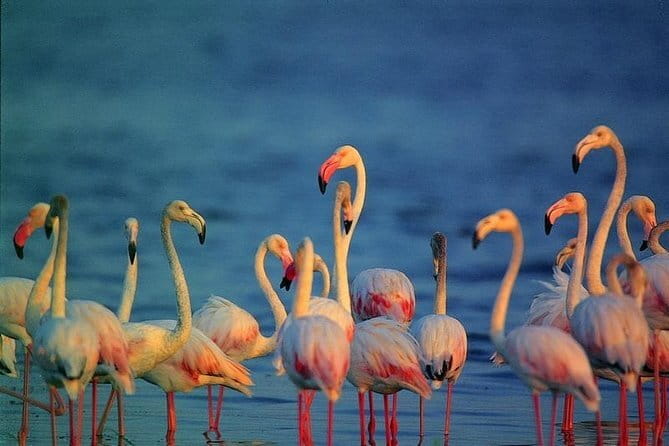
Bundala National Park is where wetland birding turns into spectacle. You get an early morning session (about 3 hours). Bundala is internationally important as a wintering ground for migratory waterbirds in Sri Lanka. The water bodies create feeding zones, and the program also notes flocks of hummingbirds that can attract visitors. The big headline: Greater Flamingo, often in large flocks during migration. Bundala has 197 species recorded.
Day 9: Back to Negombo
After breakfast, you head back to Negombo. This is a good buffer day. It’s also practical for anyone who wants to buy a few last items or simply have a softer pace before the flight.
Day 10: Airport transfer and departure
After breakfast, your guide takes you back to the international airport for your onward journey.
Muthurajawela and Anawilundawa: wetland birding with crocodile-and-otter potential
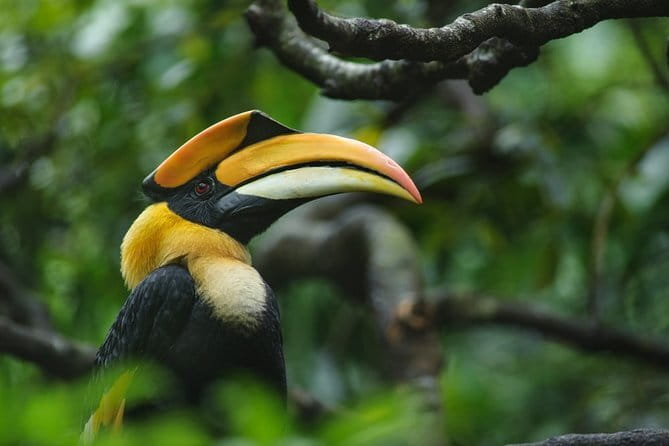
Wetlands are where birding in Sri Lanka often feels easiest at the start. The birds aren’t hidden in deep forest. They use edges, open water, and reeds—so you can spot, follow calls, and build your “bird eyes” quickly.
At Muthurajawela, the tour’s bird list is built around recognizable species: purple herons, cormorants, kingfishers. The standout extra is the ecosystem possibility: crocodiles, monkeys, and even very rarely seen otters. You don’t have to expect otters every time, but the fact that they exist here is a reminder that this is a living landscape, not just a bird checklist.
An added bonus is the conservation framing. The tour notes that among documented vertebrates, some are endemic and others are nationally endangered. That tends to change your mindset on a birding day—you’re not just enjoying wildlife, you’re witnessing habitat that needs protection.
Then Anawilundawa widens the wildlife lens. It’s described as generally unknown outside bird circles, but it has over 150 bird species. What makes it feel worth the trip is the mammal record: toque monkey, slender loris (threatened), rusty-spotted cat, fishing cat, and Indian otter. Even if you only catch glimpses, knowing those animals are there makes the walk feel more like an ecosystem safari than a single-purpose bird outing. On top of that, 74 butterfly species are known to breed here, which is a nice extra when birds are quiet for a moment.
Sigiriya, Udawatte Kele, and Belilena Cave: forests and dusk activity
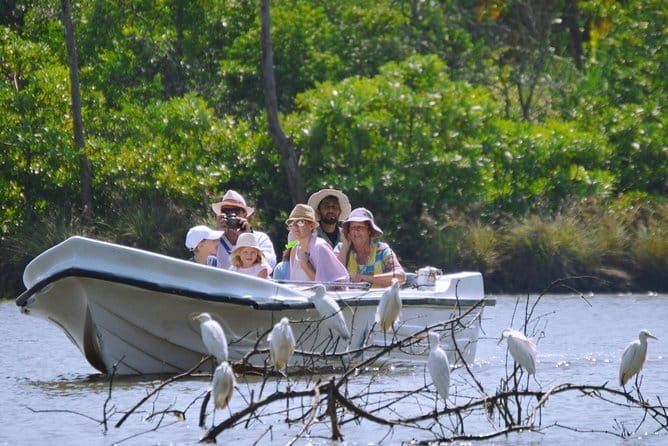
Once you leave wetlands behind, the game changes. Birds start acting more like forest residents—moving in short bursts and calling from cover. That’s why this tour doesn’t just throw you into one forest stop. It gives you two different “forest styles,” then adds a cave-area evening.
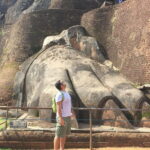
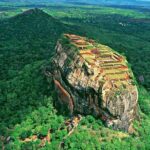
Around Sigiriya you do a morning birding session (about 3 hours). Sigiriya is known worldwide, but in this context it functions as a birding base: you’re there for morning bird activity rather than only for views.
In the afternoon you move to Udawattekele Sanctuary, about 257 acres and described as a vital bio reserve for the Kandy city area. I like how this connects the birding to a real land-use story. It’s not only remote forest—it’s close enough to a major city to matter for conservation and habitat survival.
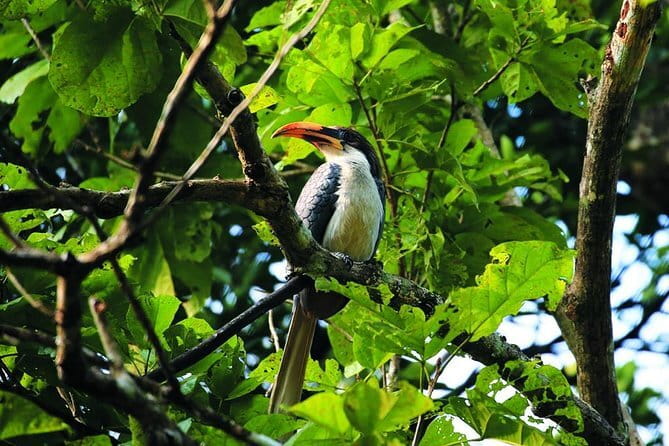
Then comes Belilena Cave in the evening. Dusk birding can be a little magical because some species become more vocal when daylight fades. The tour’s bird list for this stop includes a spread of birds you might associate with forest edges and understory: munias, flower peckers, sunbirds, flycatchers, mynas, babblers, monarchs, prinias, bul-buls, wagtails, drongos, orioles, leafbirds, woodpeckers, barbets, pigeons, nuthatchs, hornbills, and coucals.
If you’re the type who loves variety more than just “big name” birds, this evening change of pace is a big win. It also helps break up the heavier rainforest focus coming later.




Kithulgala and Sinharaja: where most Sri Lankan endemics can be found
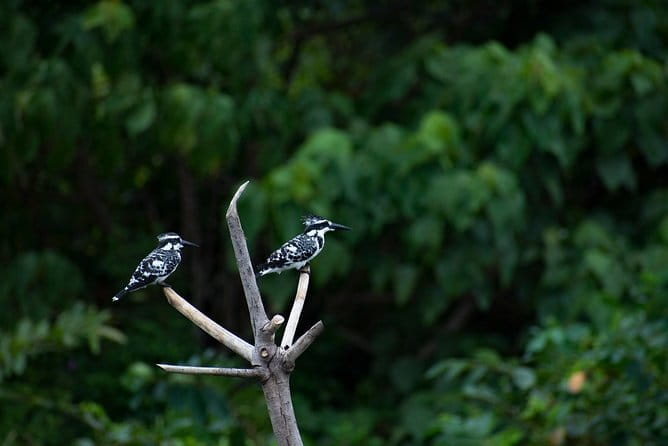
This is the part you plan your whole trip around.
You start with Kithulgala for early morning bird watching, then head to Sinharaja Rain Forest. Sinharaja is UNESCO-listed, and the program highlights why: it has 147 species of birds recorded to date. Even more important for endemics, it’s the only place where 21 of Sri Lanka’s 26 endemic bird species can be explored.
That number changes expectations in a good way. Instead of hoping you’ll catch one or two endemics, this itinerary is built to maximize your chances. And because the tour schedules both evening and morning sessions in/around Sinharaja, you’re not relying on one “perfect hour.” You get multiple chances when birds shift activity patterns between day and night.
The day includes an evening bird watching tour inside Sinharaja Rain Forest (about 3 hours). Then the next day you do a morning session again before traveling toward Thissamaharama. From a practical standpoint, that means you’re less likely to feel rushed. You also get to learn the rhythm of the habitat—where calls are coming from, how visibility changes under canopy cover, and when the forest seems to wake up.
The consideration here is physical. The tour notes a moderate physical fitness level is needed. Rainforest birding often means uneven ground and sustained attention while waiting for birds to show. If you’re fit and patient, you’ll likely love it. If you want effortless strolling, this rainforest day might feel more demanding than you expect.
Bundala National Park at dawn: flamingos and migratory waterbirds
After Sinharaja, Bundala feels like a reset. You’re back near open water, and the birding can feel more “see-and-enjoy” than “listen-and-guess.”
Bundala is described as an internationally important wintering ground for migratory waterbirds. The water bodies create feeding grounds, and the program notes that migratory birds can show up in large numbers during the migratory period. Another interesting detail: it mentions f l o c k s of hummingbirds that attract visitors—so it’s not only waterbirds, even though waterbirds are the headline.
The highlight is the Greater Flamingo, noted as migrating in large flocks. If you love spectacle as much as species, this is where you’ll likely smile the most.
Bundala also has 197 species recorded. That’s a strong number for a single park, and the dawn timing is part of why. Early light and active feeding can make your time feel efficient, especially when you have only a few hours in a day.
Getting the most out of it: pace, timing, and weather matters
This trip is built around early bird windows and a schedule that moves from coast to interior to rainforest to wetlands again. That can be great because you’re always where birds are likely to be active. The trade-off is that you won’t have the kind of slow, flexible days where you sleep in and still see everything.
Plan for rest as seriously as you plan for birds. Negombo on Day 1 and the return to Negombo on Day 9 give you room to breathe before the harder birding days.
Also, check the weather mindset. The experience requires good weather. If poor weather forces a change, you’ll be offered a different date or a full refund. That’s reassuring. It also means you should keep your calendar open enough to handle a possible schedule adjustment.
Finally, remember that meals and some site costs are extra. Lunch and dinner are not included, and entry fees aren’t included either. If you like knowing your total budget early, ask about expected entry fees for each stop before you commit. The tour covers transfers, parking/tolls, and breakfast, but the birding sites themselves may still have separate pricing.
Should you book this 10-day Bird Watching Tour from Colombo?
If you want one trip that actually covers Sri Lanka’s main bird habitats—wetlands, forests, rainforest, and a migratory waterbird park—this is a strong fit. It’s also a good choice if you like structure: multiple mornings and evenings, enough time at key sites like Sinharaja and Bundala, and private transport that keeps you from spending your energy on logistics.
It’s especially worth it for anyone chasing Sri Lankan endemics. The Sinharaja focus (with 21 of 26 endemics) is a clear reason to pick this route rather than a random “see a temple, then maybe spot a bird” plan.
I’d think twice if you hate early starts or if you don’t want to manage extras. Entry fees, lunches, dinners, and potential camera fees can add up. But if you’re happy budgeting a bit for on-the-ground costs and you care about seeing birds in the right places at the right times, this tour is built for exactly that goal.
FAQ
Where does the tour start and what time does it begin?
The tour start point is Bandaranayake International Airport in Colombo, Sri Lanka, with a start time of 8:00 am.
Is this tour private or shared with other groups?
It’s private. Only your group will participate.
Are entry fees included in the price?
No. Entry fees are not included.
What meals are included during the 10 days?
Breakfast is included on 8 mornings. Lunch and dinner are not included.
What’s included in terms of transportation and guiding?
You get transfers by an air-conditioned vehicle and sightseeing tours with an English-speaking chauffeur guide, plus parking and tolls.
What if weather is bad on your travel dates?
The experience requires good weather. If it’s canceled due to poor weather, you’ll be offered a different date or a full refund.
What is the cancellation window?
You can cancel for free up to 24 hours in advance of the experience start time for a full refund.