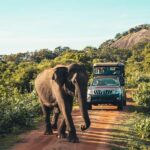
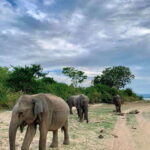
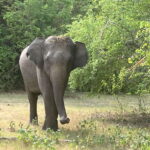
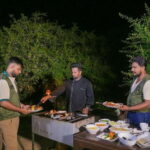
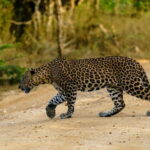
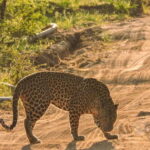
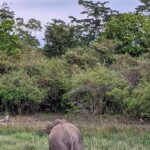
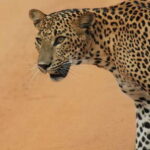
A long drive, then big elephant moments. This Ahangama-to-Udawalawe safari is interesting because you get hotel pickup to handle the road time, then spend 3 hours on a jeep where elephants and water birds can show up right in front of you. The one catch is the late, day-long schedule, with returns around 8 to 9 pm, so treat it as a full-day outing.
You can choose a morning or afternoon departure, and the trip runs with an air-conditioned vehicle plus an English-speaking chauffeur-guide. You’ll ride through the park’s marshes, forests, and grasslands—an area protected as a wildlife sanctuary since the 1970s.
In This Review
- Key highlights worth your attention
- Ahangama to Udawalawe: the air-conditioned pickup that keeps the day sane
- Timing matters: choosing the 11:00–11:30 pickup and the right safari slot
- The vehicle swap near the park: how the transfer supports your safari time
- On safari for 3 hours: what you’re really doing in Udawalawe
- Wildlife spotting priorities: elephants and water birds, plus the small stuff
- Budget and extras: what $110 includes, and what you should plan to pay
- Entrance fees to expect
- Food strategy for the long day
- Comfort and safety: who this safari is a good match for
- Where this works best (and where it doesn’t)
- Should you book this Udawalawe safari with pickup from Ahangama?
- FAQ
- What time is hotel pickup from Ahangama?
- What time do I return to Ahangama?
- How long is the jeep safari inside Udawalawe National Park?
- Is hotel pickup and drop-off included?
- Are food and drinks included?
- Are entrance tickets included in the price?
- Can I choose a morning or afternoon safari?
- Is this a private group?
- Is the vehicle air-conditioned and is the driver English-speaking?
- Is the tour suitable for everyone?
Key highlights worth your attention
- Hotel pickup and drop-off from Ahangama: saves you the hassle of arranging separate transport
- 3-hour jeep safari inside Udawalawe: long enough for real wildlife spotting, not just a quick pass-through
- Elephants + water birds (and more): the route is set up for mammals, birds, reptiles, amphibians, and even butterflies
- Handled vehicle swap near the park: chauffeur takes you to the jeep handover point so you can focus on the safari
- Entrance fees are extra: you pay on arrival (and it can depend on how many people are in your jeep)
Ahangama to Udawalawe: the air-conditioned pickup that keeps the day sane
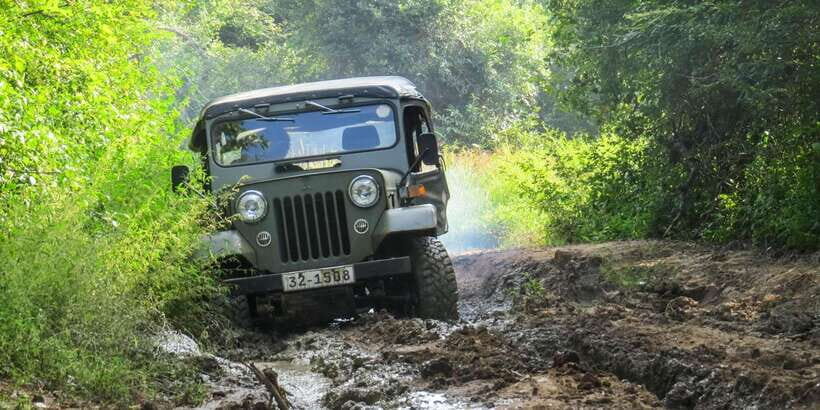
What makes this safari practical is the point-to-point transfer. You’re not trying to coordinate a tuk-tuk, a bus connection, or a last-minute jeep booking from the South Coast. Instead, your pickup is organized from Ahangama and done in an air-conditioned car, driven by a local chauffeur.
The ride time is part of the tradeoff. Udawalawe is worth it, but you’re giving up a big chunk of the day—so I recommend thinking of this as a “transport + safari package,” not a casual afternoon. If you’re staying on the South Coast and want elephants without making multiple arrangements, this setup is hard to beat.
You’ll also benefit from having an English-speaking chauffeur-guide. Even if you mainly want the safari, a guide in the planning layer matters. It helps you know what to expect with the schedule and the jeep handover, which is where many self-arranged days fall apart.
You can also read our reviews of more tours and experiences in Hambantota.
Timing matters: choosing the 11:00–11:30 pickup and the right safari slot
The tour gives you a choice of morning or afternoon options, and that’s useful in Sri Lanka where weather and plans can shift quickly. Your pickup is described as starting around 11:00–11:30 am from Ahangama, with the next step being reaching Udawalawe around 2:00 pm to meet your safari jeep.
From there, the safari itself is about 3 hours on the jeep. After that, you head back toward Ahangama and you’re back by about 8:00 pm or 9:00 pm, depending on the exact start time you get.
Here’s how I’d decide between the options. If you like wildlife spotting when animals are more active, pick the slot that puts you in the park during the daytime window you prefer. If you want an easier pace for the rest of your evening plans (dinner, a beach walk, early sleep), choose the option that’s described with the earlier return time.
Also: this is a private group setup, which means your timing is more likely to follow your booking details instead of being squeezed into a larger shared rhythm. For solo visitors, that can make the whole logistics piece feel less stressful.
The vehicle swap near the park: how the transfer supports your safari time
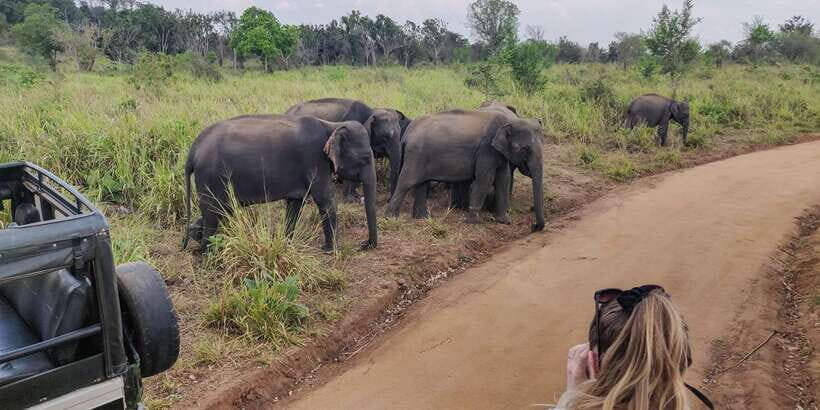
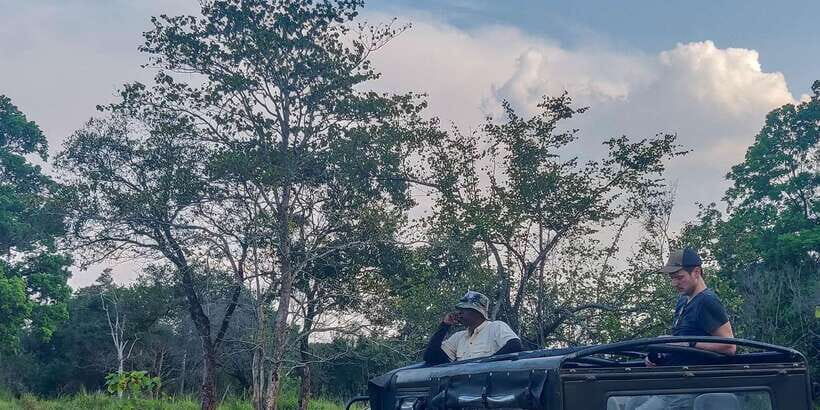
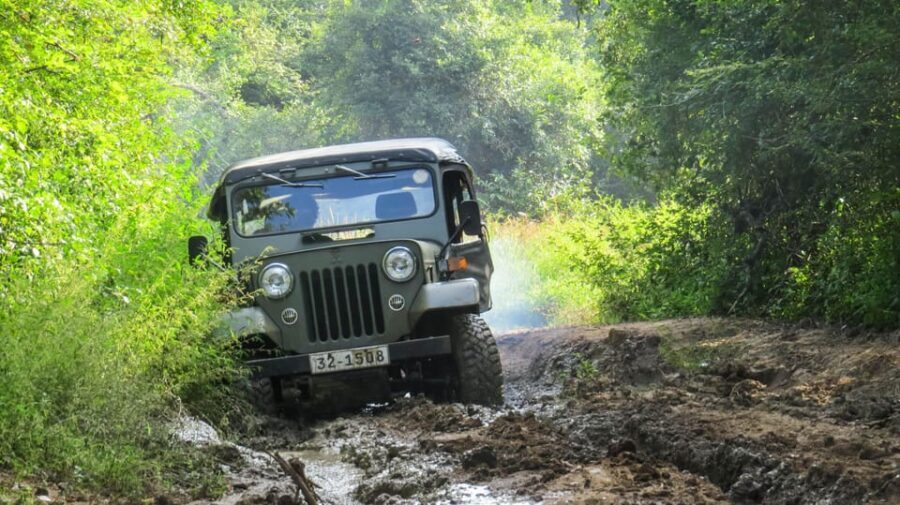
One of the most underrated parts of a safari day is what happens right before you enter the park. In this experience, the chauffeur takes you to the jeep swap / meeting point near Udawalawe, then you transition to your safari jeep for the wildlife portion.
That handover is a big deal because it protects your time and attention. If you’ve ever shown up late to a jeep departure or tried to coordinate a meeting point with strangers, you know how quickly the day turns annoying. Here, the structure is meant to keep you moving and reduce uncertainty.
You also get a practical benefit: there’s often flexibility for a quick toilet stop and even lunch planning around the vehicle swap. The information you’ll be working with suggests you can stop at a café near the park during that handover window. If you’d rather bring your own food, that’s also an option, since food isn’t included in the price.
Air-conditioned transfer plus organized handover means you arrive at the jeep portion with less mental clutter. And when wildlife spotting gets serious, that matters more than people think.
On safari for 3 hours: what you’re really doing in Udawalawe
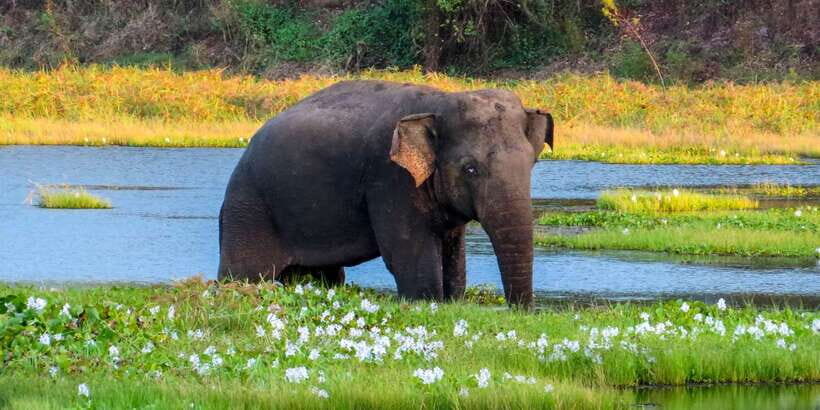
A 3-hour jeep safari is a sweet spot. It’s long enough to cover varied habitats within the park, but not so long that you feel trapped in a vehicle for the entire day.
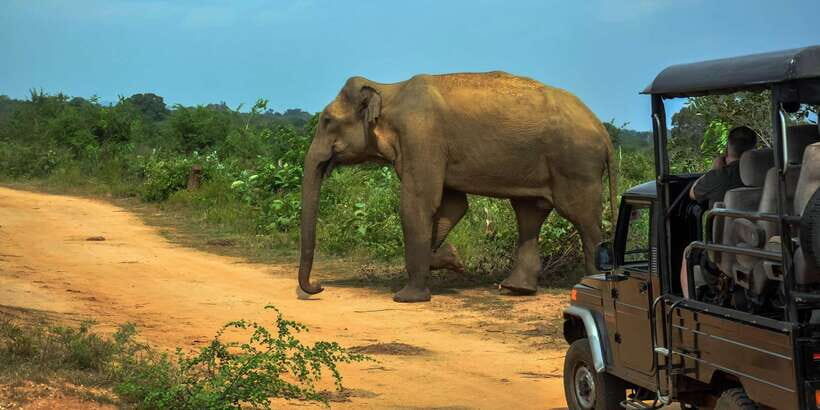
During your ride, the jeep route typically moves through marshes, forests, and grasslands. That habitat mix is why Udawalawe is good for sightings. Different animals show up in different micro-environments, and moving through several types of terrain increases your odds of seeing more than one “kind” of wildlife.
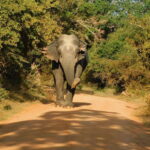
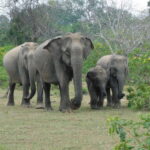
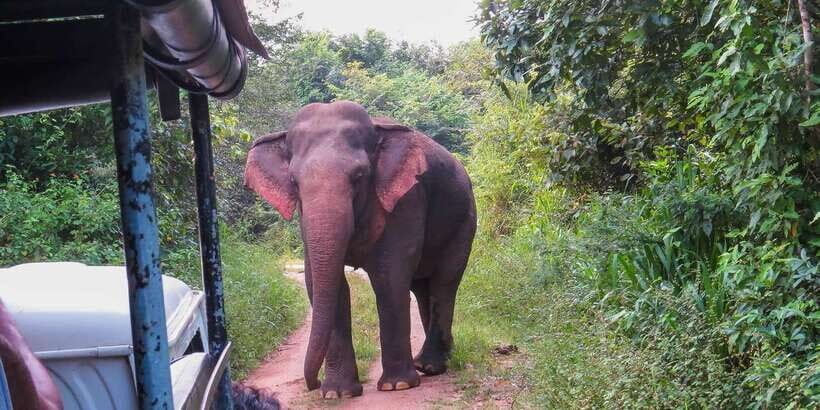
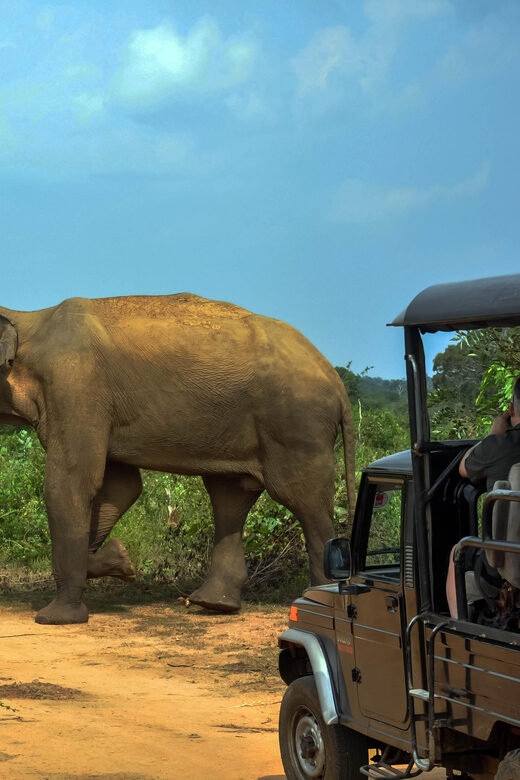
The park is also known for its Sri Lankan elephants, and you’re specifically positioned to look for elephants and water birds. In addition, the safari experience includes time for spotting other creatures—mammals and birds beyond the headline animals, plus reptiles, amphibians, and butterflies.
What I like about this pacing is that it doesn’t treat the safari like a checkbox. You’re given time to pause, look, and adjust when something interesting appears. The guide role here matters too—not just for telling you names, but for helping you understand what you’re actually looking at in the landscape and at animal behavior level.
Practical reality: jeep safaris are not guaranteed wildlife “performances.” You can’t control sightings. But you can control how much time you spend in the right place with the right guidance—and that’s what this format gives you.
Wildlife spotting priorities: elephants and water birds, plus the small stuff
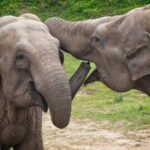
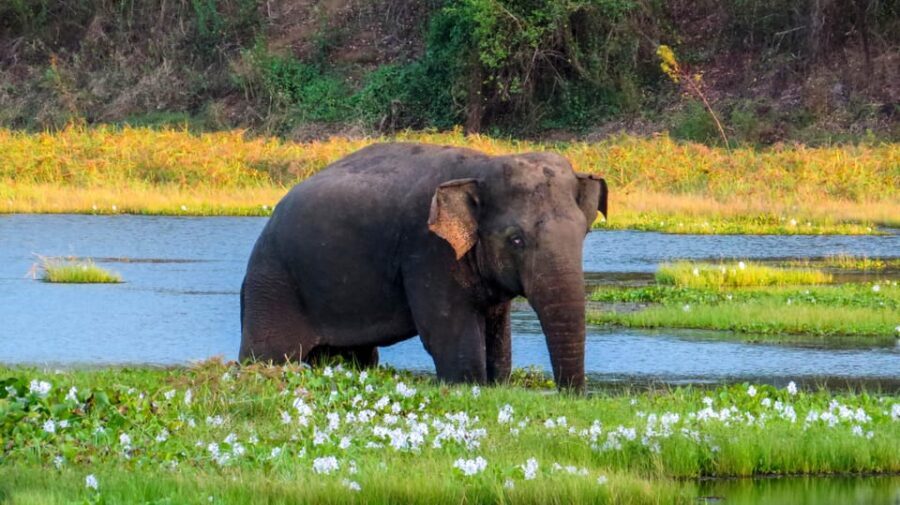
Let’s talk sightings. Udawalawe’s biggest draw is elephants, and this safari is built around that expectation. The park has a reputation for elephants, and your route and guide focus are meant to help you catch them during your 3-hour window.
Alongside elephants, look hard for water birds. Udawalawe is famous for birds connected to water sources, and the marshy and wet areas of the park are where that becomes obvious. If you’re the type of person who enjoys binocular-style scanning—even without fancy gear—this is a great park for that slower kind of spotting.
Then there’s the bonus wildlife layer. The safari information explicitly flags that you might see reptiles, amphibians, and butterflies. Even if those sightings are brief, they add variety to your day. They also make the safari feel like more than just waiting for one species.
One practical tip: if you want better sight lines on a jeep, lean into the moment when the guide stops. Use that pause time to scan carefully rather than staring at your own screen. When animals are on the move, you’ll often get your best chance during the stop.
And yes, the guide helps with more than spotting. You’ll learn about local wildlife as you go, which makes the sightings stick in your head rather than turning into random flashes of movement.
Budget and extras: what $110 includes, and what you should plan to pay
The price is listed as $110 per person for this Ahangama pickup safari, and what you get is more than just a drive. Included in the package are:
- Hotel pick and drop off
- Air-conditioned transport throughout the tour
- English-speaking chauffeur-guide
- A half-day jeep safari in Udawalawe National Park
- Taxes and service charges
Not included is the part that often surprises people: food and drinks, and the park entrance ticket.
Entrance fees to expect
You’ll pay entrance fees on arrival. The information says fees can be paid in local currency or by card, and they’re priced based on how many people are in your jeep. One example given is about 32,000 rupees for a group of three.
That means your total cost will be the $110 plus entrance fees plus whatever you choose to eat and drink. If you’re budgeting tightly, plan to either bring snacks or eat at the café near the park during the vehicle swap window.
Food strategy for the long day
Because food isn’t included, I recommend packing light snacks and water if you’re the type who gets hungry midday. The ride day runs long, and even with a lunch stop option near the park, it’s still smart to have backup food.
If you do want lunch from the café, the information indicates it can be a local buffet-style option. Some people also choose to pack their own lunch to keep it simple and avoid waiting.
Comfort and safety: who this safari is a good match for
This tour is a private group experience, which can feel calmer and more personalized than jumping into a large shared bus. Your transport is air-conditioned, and there’s an English-speaking chauffeur-guide for the logistics and safari connection.
There are also clear limitations. Smoking isn’t allowed. The tour is marked as not suitable for pregnant women and people with back problems.
If you have any back or mobility concerns, think carefully. Jeep safaris involve uneven terrain and vibration, and even when you’re sitting still, the ride can be uncomfortable. In your case, it’s worth choosing a different style of wildlife outing with less jostling.
For everyone else, the day is most enjoyable if you can handle long travel hours and the late return time. If you’re thinking about partying that night or catching an early flight the next morning, this might not be the smartest fit.
Where this works best (and where it doesn’t)
This safari is ideal if:
- You’re staying in Ahangama (or nearby on the South Coast) and want a ready-made plan to get to Udawalawe
- You want a jeep safari that focuses on elephants and water birds, not just general sightseeing
- You prefer a guided day with hotel pickup instead of piecing together transport
It’s less ideal if:
- You hate long travel days and don’t want a return close to 8–9 pm
- You’re hoping food is included (it isn’t)
- You need a tour that’s suitable for pregnancy or back issues (this one isn’t)
Also, keep expectations grounded. A safari day is nature, not a theme park. You’re increasing your odds through timing and structure, but you’re still entering the wild.
Should you book this Udawalawe safari with pickup from Ahangama?
If you want elephants and real wildlife time without organizing transport from scratch, I think it’s a strong booking. The value is in the full package: hotel pickup/drop-off, air-conditioned driving, an organized vehicle handover, and a focused 3-hour jeep safari built for Udawalawe’s mix of habitats.
Before you book, just run the quick checklist:
- You’re okay with a long day and a late return
- You’re ready to pay park entrance fees at arrival
- You’ll bring your own snacks or plan for lunch on the way
- You fit the stated comfort/safety limits
If those boxes work, this is a sensible way to experience Udawalawe from the South Coast—especially if you want your logistics handled and your safari time protected.
FAQ
What time is hotel pickup from Ahangama?
Pickup is described as starting around 11:00 am or 11:30 am, with the drive continuing toward Udawalawe for an afternoon park arrival.
What time do I return to Ahangama?
You’re scheduled to get back to your hotel by about 8:00 pm or 9:00 pm, depending on which departure timing you have.
How long is the jeep safari inside Udawalawe National Park?
The jeep safari portion is about 3 hours.
Is hotel pickup and drop-off included?
Yes. Hotel pickup and drop-off from Ahangama are included.
Are food and drinks included?
No. Food and drinks are not included.
Are entrance tickets included in the price?
No. Park entrance tickets are not included, and you pay them on arrival (in local currency or by card).
Can I choose a morning or afternoon safari?
Yes. The experience offers a choice to match your schedule.
Is this a private group?
Yes. The tour is listed as a private group.
Is the vehicle air-conditioned and is the driver English-speaking?
Yes. Transport is in an air-conditioned vehicle, and the driver/chauffeur guide is English-speaking.
Is the tour suitable for everyone?
No. Smoking isn’t allowed, and the tour is not suitable for pregnant women or people with back problems.