Dinner gets hands-on in Kandy. This family-run cooking class near Bahirawakanda Mountain pairs real Sri Lankan kitchen know-how with a warm, everyday cultural feel. I particularly like that the lessons are taught by the host’s wife, sister, and mother, not a staged chef show, and you finish with recipes you can actually repeat at home.
The cooking happens inside the family’s home kitchen, so the vibe is personal and practical. One consideration: since there is no chef, you should expect instruction rooted in family routine, not a polished, restaurant-style production. It’s also a small group experience with a 15-person max, so you’ll get more real attention than at bigger tour tables.
Start time is 5:00 pm, and it’s a great pick if you want your evening in Kandy to feel local instead of sightseeing-only. Optional pickup and drop-off can be arranged around Kandy city, and you’ll leave knowing more than just how dishes taste—you’ll understand the why behind the spices and daily cooking rhythms.
In This Review
- Key highlights worth your attention
- A home-kitchen class near the big Buddhas statue in Kandy
- The practical rhythm: 5:00 pm start, ~3 hours, and a small group
- Who teaches you: wife, sister, and mother cooking the real way
- What you’ll do during the cooking session (and what you’ll learn)
- Spice and market time: optional local market guidance
- Eating the results: divine food with family context
- Price and value: is $35 a fair deal in Kandy?
- Who this Kandy cooking class fits best
- Should you book this family cooking class in Kandy?
- FAQ
- What time does the Kandy cooking class start?
- How long is the cooking class?
- Is pickup available from hotels in Kandy?
- Where does the class take place?
- Do I get recipes to take home?
- Is there a chef teaching the class?
- Can I visit a local market as part of the experience?
- What’s the price per person?
- How big is the group?
- Is there a cancellation policy?
Key highlights worth your attention
- Taught by the host’s wife, sister, and mother using day-to-day family methods
- No chef in the room, so the class stays grounded in real home practice
- Home kitchen setting near Bahirawakanda Mountain, close to the big Buddhas statue
- Spice and vegetable guidance, with help for anyone who wants a deeper market experience
- Recipes provided at the end, so you’re not stuck with memories only
- Small group (max 15) for a more hands-on feel
A home-kitchen class near the big Buddhas statue in Kandy
Kandy has plenty of big-name attractions. This experience goes the other direction—in a calm home setting near Bahirawakanda Mountain, close to the famous big Buddhas statue. That location matters because it frames what you’re doing: you’re not just learning food. You’re stepping into a way of daily life that shaped the cuisine long before it became a “class.”
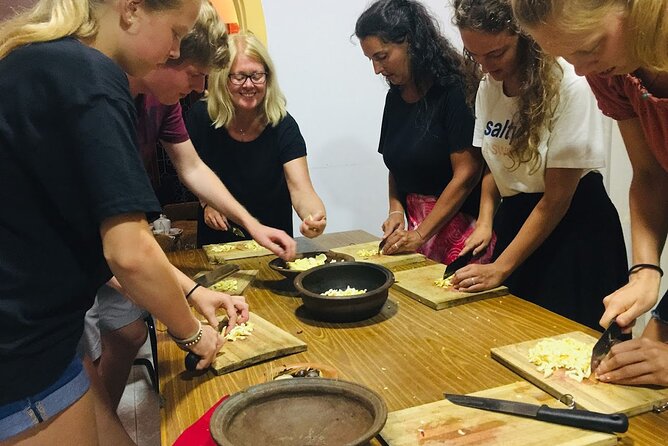
What I like most is how the instruction is built around the people who actually cook. The teachers are the host’s wife, sister, and mother, and the idea is simple: women in the family cook traditional foods about three times per day, so the techniques aren’t theory. You learn methods that come from repetition, not from a one-time cooking performance.
You also get an honest sense of Sri Lankan cooking culture—how spices, vegetables, and everyday routines connect. That cultural link is what turns a recipe from a list into something you can confidently recreate. If you’ve ever cooked from a recipe and then wondered why it never tastes the same, this approach is the kind that fixes that gap.
You can also read our reviews of more tours and experiences in Kandy.

The practical rhythm: 5:00 pm start, ~3 hours, and a small group
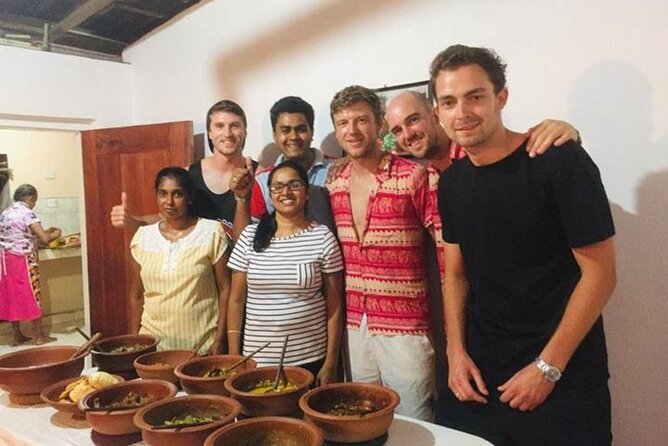
This runs for about 3 hours and starts at 5:00 pm. Evening classes work well in Kandy because you’re not forced to rush breakfast plans or time your day around another early departure. You can keep your afternoon flexible, then devote the evening to something useful and delicious.
Group size is capped at 15 travelers. That’s a sweet spot for a home setting. You’re less likely to feel like a spectator, and you’ll have more chances to ask questions about spices and ingredients while things are fresh in your mind.
Pickup may be available, but only around Kandy city. So before you book, check that your hotel falls within that area. If you’re staying farther out, you may need to handle your own short transfer.
Also note the class uses a mobile ticket, and you should receive confirmation at booking. That’s convenient, especially if you like keeping everything on your phone.
Who teaches you: wife, sister, and mother cooking the real way
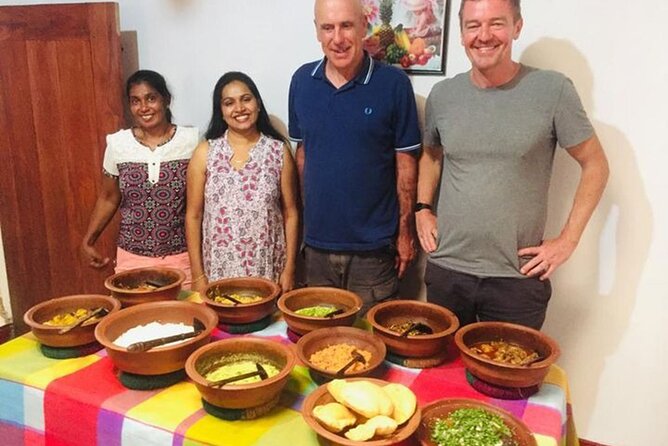
This is not a “chef teaches, students watch” format. The teachers are family members—again, the wife, sister, and mother—and sometimes their three little girls join in. That detail may sound small, but it changes the entire mood. A family kitchen has a different energy than a training studio.
The host explains that traditional Sri Lankan cooking benefits from lived experience, and the family’s approach reflects that. Because they cook regularly, they can explain how ingredients behave and how flavors build. You’ll learn cooking techniques that are meant to be repeated at home, not just admired in the moment.
One more thing that’s worth highlighting: women are positioned as the core traditional cooks, and the class is built around that strength. You’re not getting a generic food talk. You’re getting a window into how that skill is passed along inside a family.
A possible drawback to keep in mind: because there is no chef, the pacing and emphasis follow home practice. Some people prefer tightly structured instruction. If that’s you, you might want to mentally adjust your expectations and focus on learning skills, not following a scripted show.
What you’ll do during the cooking session (and what you’ll learn)
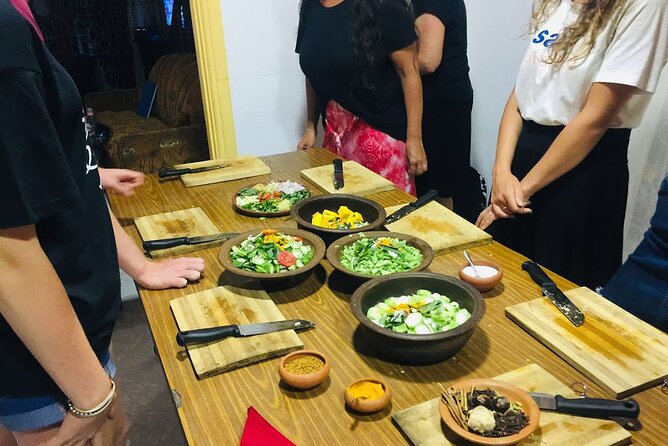
The class takes place inside the home kitchen. That means you’ll get a more direct look at how Sri Lankan cooking actually happens: the tools, the flow, and the way the family handles spices and produce as part of daily life.
You’ll learn traditional cooking techniques, and the course is designed so you can repeat what you learn at home. That’s a key promise here, and it’s the difference between a fun activity and something that keeps paying off after you get back.
You’ll also learn about the broader context of Sri Lankan food—how it connects to culture and daily routines. The family doesn’t frame cooking as isolated recipes. They frame it as something that belongs to markets, seasons, and household rhythm.
If you come in curious about flavor, this class is a strong match. The session isn’t only about tasting. It’s about understanding ingredients like spices and vegetables in practical terms, so you can adjust and make choices later when you’re shopping at home.
Spice and market time: optional local market guidance
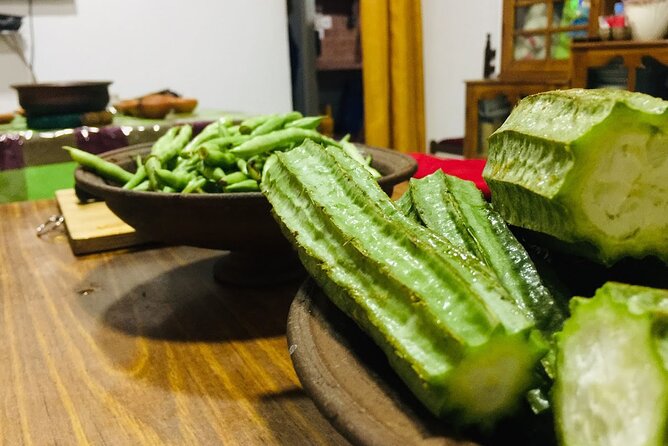
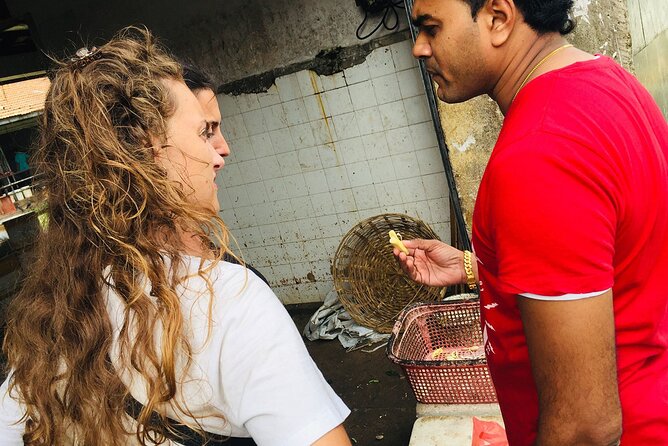
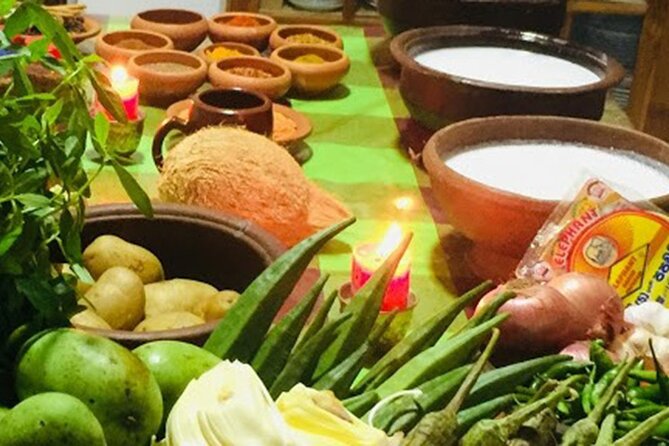
One of the most useful parts of this experience is the attention to spices and vegetables, plus the offer to guide you through a local market if you want that extra step. If your goal is to understand the cuisine beyond the final dish, this market-oriented context can be a big win.
The host explains they guide visitors who want the market experience and explain spices and vegetables as you go. Even if you skip the market, you’re still getting that ingredient-focused teaching throughout the cooking class.
Here’s why this matters for value: spice knowledge is hard to learn from a single recipe. If you can connect a flavor to the ingredient and understand what it does in cooking, you’ll make better choices at home. You’ll stop guessing. You’ll start reproducing.
If you enjoy wandering markets on your own, you may find this part especially helpful. If you don’t like markets at all, you can still enjoy the cooking side, but you’ll likely miss some of the ingredient context that makes the recipes easier to repeat.





Eating the results: divine food with family context
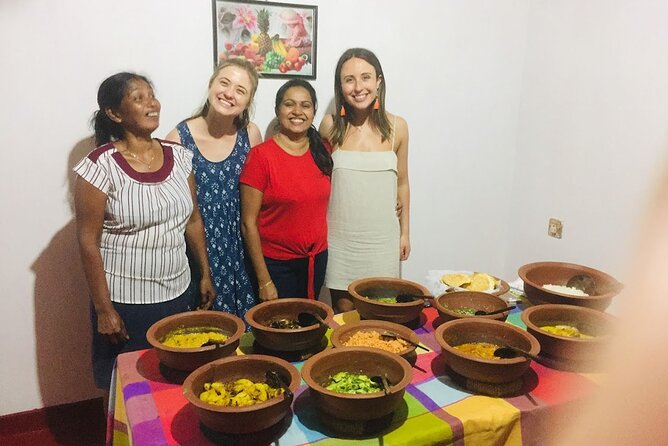
At the end of the class, you get to eat what you cook. That might sound obvious, but the way the class is framed makes the meal more satisfying. You’re eating meals with background—why certain flavors are used, how everyday cooking habits shape the final result, and how the family approaches traditional foods.
I like that you’re not just handed a plate and sent on your way. The “eat what you learn” structure is built in, and it reinforces the lesson. When you taste the food right after learning techniques, you remember the cause-and-effect: this spice, this heat level, this ingredient timing.
And because recipes are provided at the end, you leave with a practical souvenir. It’s not just a photo moment. It’s a do-again plan.
Price and value: is $35 a fair deal in Kandy?
At $35 per person, this sits in the realm of “memorable experience,” not “budget theater.” The value comes from what you actually get for the price:
- A real family kitchen setting, taught by multiple family members (wife, sister, mother)
- About 3 hours of focused food learning
- Techniques you can repeat at home rather than only tasting
- Recipes provided at the end
- Optional pickup/drop-off around Kandy city, which can save time and hassle
A big cost driver on food tours is often the chef/producer overhead. Here, the class is family-run with no chef, which helps keep the experience grounded and affordable. You’re paying for access to practiced skill, not just a menu.
One practical note: this is often booked about 20 days in advance. That suggests it’s a popular option for people doing Kandy in a short time window. If you’re traveling during peak season, I’d treat the booking timing as part of the value: secure your spot early rather than gambling on availability.
Who this Kandy cooking class fits best
This is ideal if you want Kandy food culture in a way that feels personal. You’ll probably enjoy it most if you like hands-on activities, you’re curious about spices and vegetables, and you want a recipe that works because it comes with context.
It also makes sense if you’re the type of traveler who likes learning daily-life skills. This class includes more than cooking: you get historical tips about Sri Lankan cuisine and a sense of family traditions tied to how people eat every day.
If you’re traveling with a group bigger than a couple, the 15-person max keeps things comfortable, though it can still be a cozy space since it’s a home kitchen. And if you’re on a very tight schedule, the 5:00 pm start may be a deciding factor.
If you’re expecting a professional chef-led, highly scripted show, this won’t match that style. The center of gravity here is family practice, not a formal culinary performance.
Should you book this family cooking class in Kandy?
If your goal is to learn real Sri Lankan cooking techniques and leave with recipes you can use, this class is a strong choice. The structure checks a lot of boxes: small group size, family teachers (not a chef), a home kitchen setting, and recipe handout at the end. At a $35 price point for around 3 hours, it feels like solid value rather than an overpriced “activity.”
I’d book it if you care about understanding spices, want a market option, and enjoy evening plans that turn into something you can recreate later. I’d be more cautious if you need a strict, restaurant-style pace or if you’re far outside Kandy city and pickup/drop-off becomes an issue.
With a 5.0 rating and 100% recommendation across 44 reviews, it’s clearly landing well with people who want something authentic and practical. In other words: this is the kind of Kandy evening that doesn’t just entertain you while you’re there. It gives you a repeatable skill.
FAQ
What time does the Kandy cooking class start?
The class starts at 5:00 pm.
How long is the cooking class?
It lasts for about 3 hours.
Is pickup available from hotels in Kandy?
Pickup can be arranged, and drop-off can also be arranged, for around Kandy city.
Where does the class take place?
The class is held inside the hosts home kitchen near Kandy city center, close to the big Buddhas statue at Bahirawakanda Mountain.
Do I get recipes to take home?
Yes. At the end of the class, you’re provided with the recipes.
Is there a chef teaching the class?
No. The class is taught by the host’s wife, sister, and mother (and sometimes their three little girls join).
Can I visit a local market as part of the experience?
If you want the experience of the local market, the hosts can guide you and explain spices and vegetables.
What’s the price per person?
The price is $35.00 per person.
How big is the group?
The experience has a maximum of 15 travelers.
Is there a cancellation policy?
Yes, you can cancel for free. You can cancel up to 24 hours in advance for a full refund.