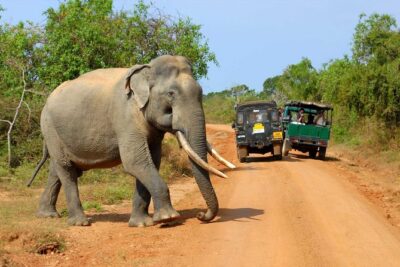
Foggy mangrove calm beats the beach noise.
In Pottuvil Lagoon, you get a quiet, paddle-powered boat ride through mangroves, with your guide scanning for birds, reptiles, and the occasional elephant at the water’s edge. I like how the tour is built around slow nature time: two hours of cool wind, chirping birds, and guide-led spotting rather than a checklist of stops.
Two big wins: the chance to see birds like sea eagles, kingfishers, pelicans, herons, Jacana, common coots, and darters, plus the real Sri Lanka bonus of sightings that can include crocodiles and even bathing elephants. One drawback to plan for: wildlife isn’t a guarantee. Even with great guiding, you’re going out on a living ecosystem, so some days will be more active than others.
In This Review
- Key things to know before you go
- Entering Pottuvil Lagoon from Arugam Bay (the easy start)
- The two-hour eco boat safari: mangroves, birds, and careful spotting
- Elephants and crocodiles: why the lagoon is only half the story
- Paddle boats and no-motor calm: the comfort factor you feel immediately
- Choosing sunrise or sunset: when to go for the mood
- Included refreshments and small extras that make it feel human
- What the guide adds: names that keep showing up
- Itinerary reality check: tuk tuk in, lagoon focus, tuk tuk out
- Price and value: is $32 worth it?
- Who this tour fits best (and who might want a different plan)
- Should you book the Arugambay Pottuvil Lagoon eco boat safari?
- FAQ
- How long is the Pottuvil Lagoon mangrove eco boat safari?
- Where does pickup happen?
- What is included in the price?
- Is there a live guide, and what language do they speak?
- What wildlife and scenery can you expect to see?
- Does the tour include sunrise or sunset?
- What should I bring?
- What is not allowed during the tour?
Key things to know before you go
- No-motor, paddle-style boat time makes the lagoon feel calm and close to the birds
- Birdwatching is the main event, with species you can actually name and spot
- Elephants, crocodiles, monkeys, and bats are possible, depending on conditions
- Sunrise or sunset timing gives you softer light and a more atmospheric ride
- Hotel pickup by tuk tuk keeps the start simple from Arugam Bay
Entering Pottuvil Lagoon from Arugam Bay (the easy start)
The tour starts in Arugam Bay, with pickup by tuk tuk about 15 minutes before you leave. That short ride matters because it gets you to the lagoon area without a long, tiring transfer. You’re also less rushed, which helps once you settle into the boat rhythm.
From there, you move into lagoon time. The tour is structured so the main action is out on the water for about two hours, with the rest of the time spent getting you there and back. If you like your tours light on logistics and heavy on observation, this one fits.
You can also read our reviews of more tours and experiences in Pottuvil.
The two-hour eco boat safari: mangroves, birds, and careful spotting
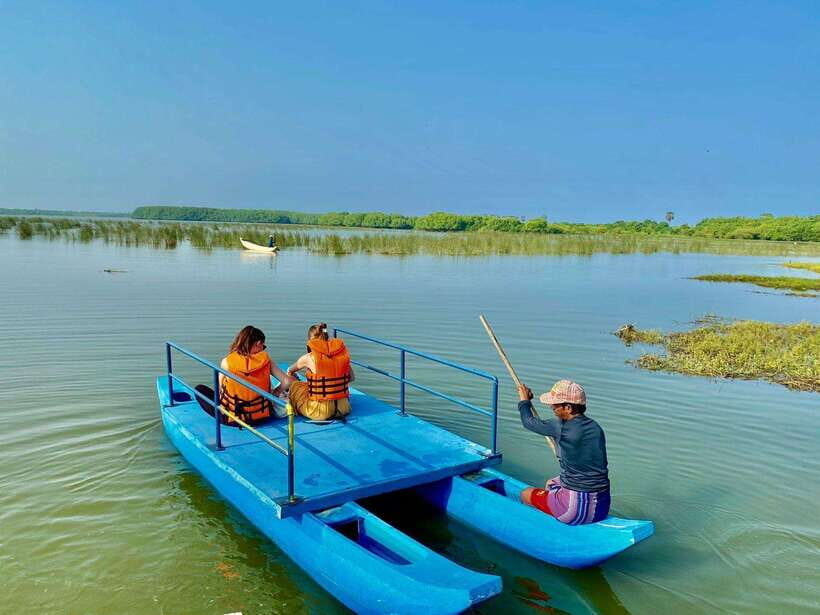
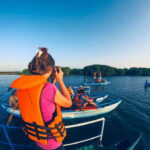
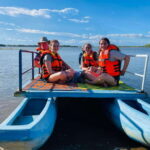
Once you’re on the water, the vibe changes fast—from beach energy to lagoon hush. You’ll be paddled along and guided through mangrove areas where birds and other wildlife do their thing without being disturbed.
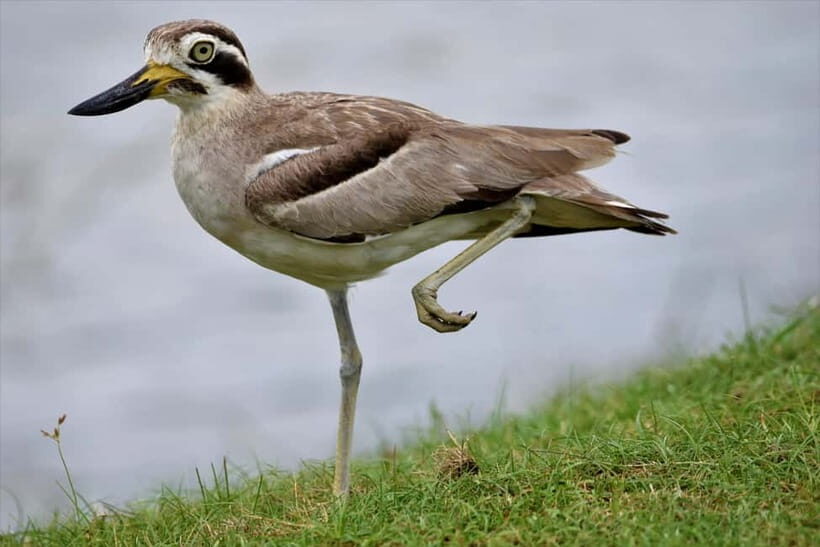
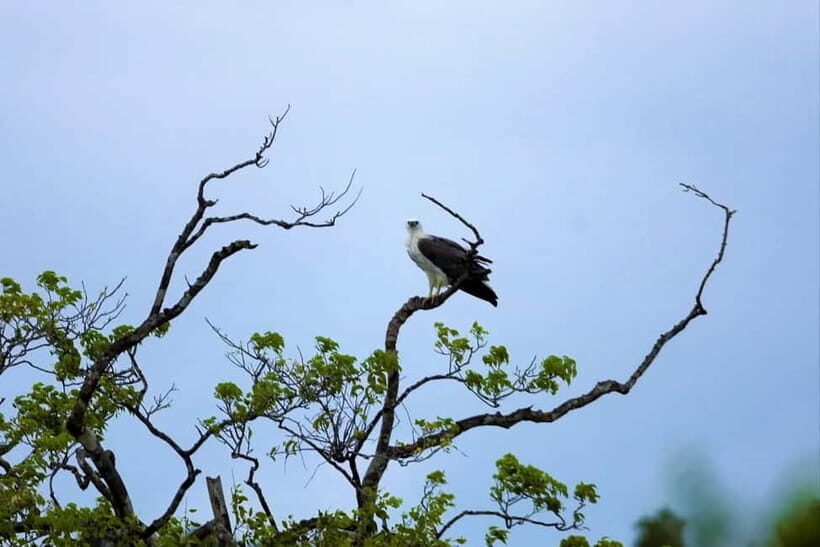
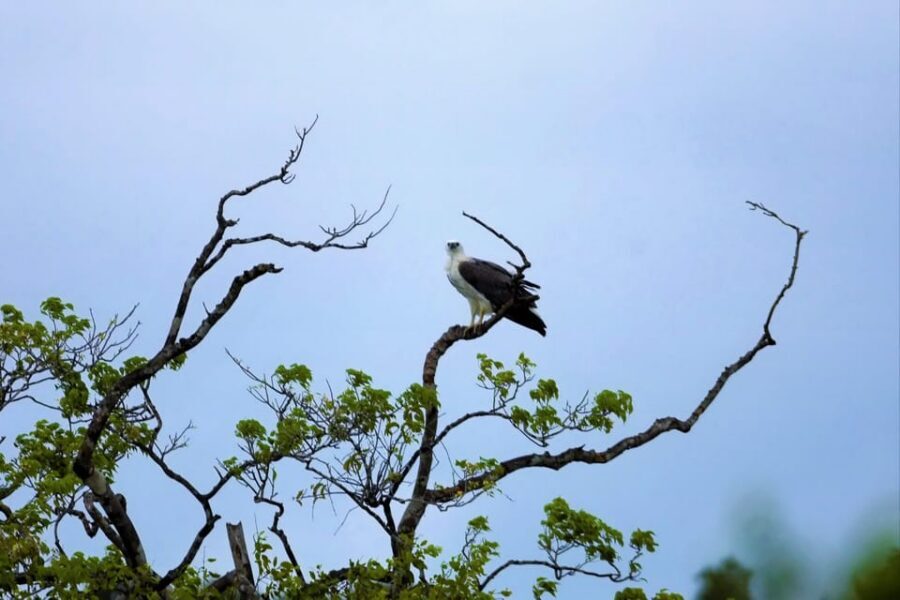
Your guide’s job is to help you read the lagoon. Expect birdwatching first: sea eagles, kingfishers, pelicans, herons, Jacana, common coots, and darters are all specifically mentioned as part of what you might see. In plain terms, it means you won’t just point at birds and hope you can identify them later. You’ll get real guidance on what you’re looking at and where it tends to show up.
Under the surface—and along the edges—you might also spot fish, prawns, crabs, and crocodiles. The mangroves aren’t just scenery; they’re a feeding and nesting zone. That’s why even if the big moments take a minute, you can still stay engaged with the smaller signs of life: movement in the shallows, bird calls changing pitch, and sudden pauses from the guides as they scan.
Elephants and crocodiles: why the lagoon is only half the story
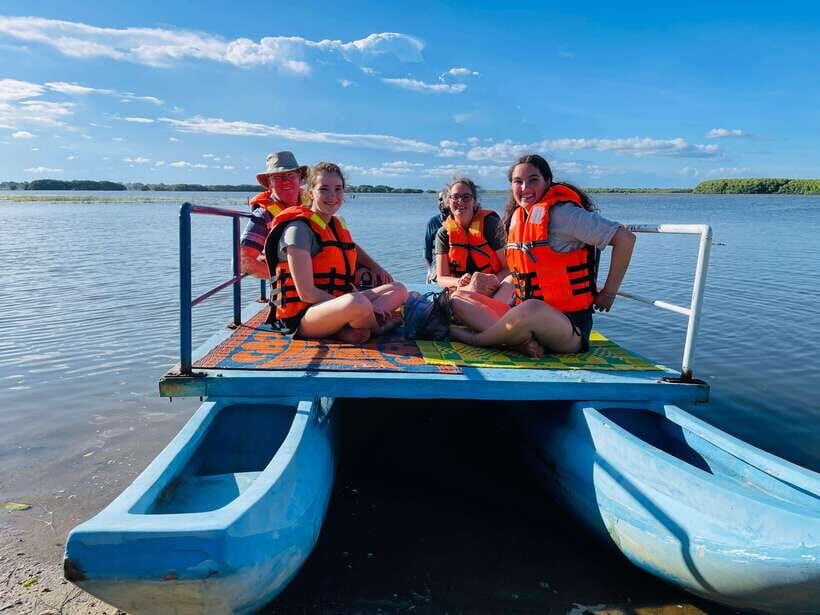
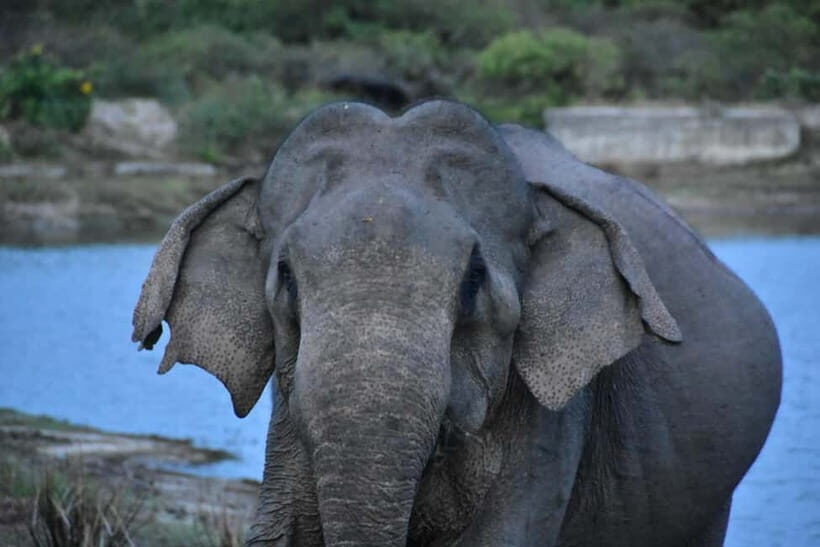
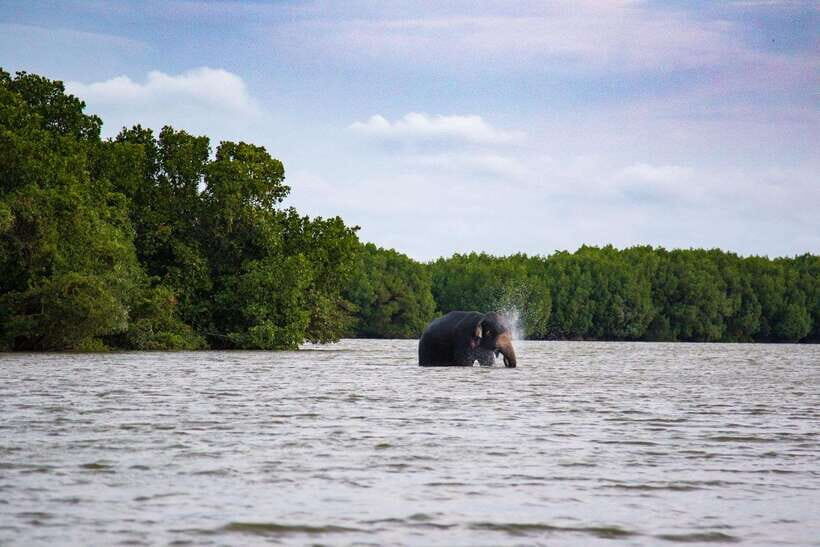
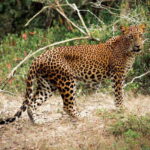
The tour’s headline wildlife is often bathing elephants in Pottuvil Lagoon, plus the ever-present possibility of crocodiles. The key word is possibility. Elephants show up when they choose to, and crocodiles are the same story—visible some days, hidden other days.
Here’s the smart part: some guides use an extra scouting step so you’re not left empty-handed. In the experience descriptions, guides like Ibrahim and Imam are credited with helping spot crocodiles first before the main lagoon ride. That makes sense. The lagoon might not always deliver the croc sightings you want immediately, so a quick upstream adjustment improves your odds without turning the tour into a chaotic chase.
I also like how the focus stays on ecology, not thrill-seeking. Even when the big animals appear, the guide’s attention is on how the ecosystem supports them—mangroves, water movement, bird behavior, and where different species tend to linger.
Paddle boats and no-motor calm: the comfort factor you feel immediately
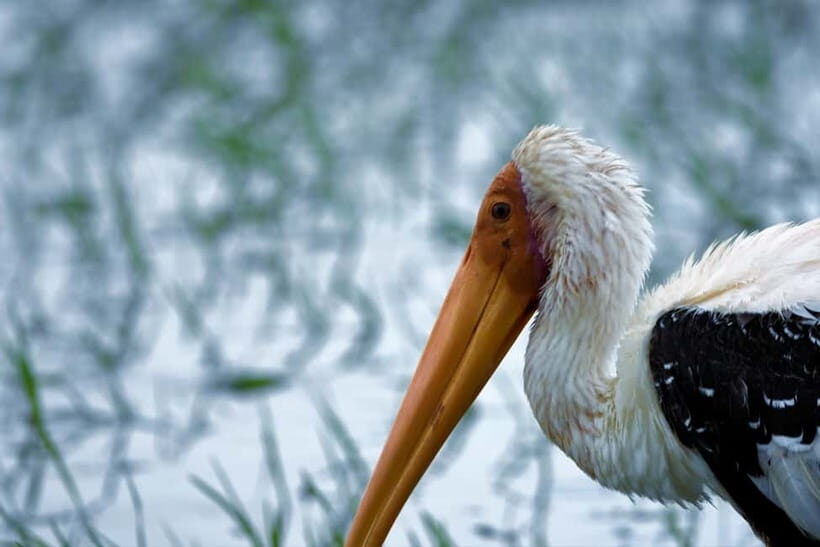
A lot of tours promise nature. This one is better because it actually sounds quieter. Multiple descriptions mention the ride being without a motor, with paddling instead. That matters because sound can spook wildlife and it also changes how you experience the place.
On a silent or near-silent ride, you start hearing the lagoon: wing flaps, bird calls, and the subtle rhythm of the boat through mangroves. It’s also just easier on the senses. You’re not fighting engine noise while trying to notice small birds popping up along the waterline.
The boat style also tends to make you feel more connected to the shoreline. You’re close enough to notice details—bird posture, where kingfishers hover, and how herons stand still. If you’re the type who likes to slow down and look, you’ll appreciate this setup.
Choosing sunrise or sunset: when to go for the mood
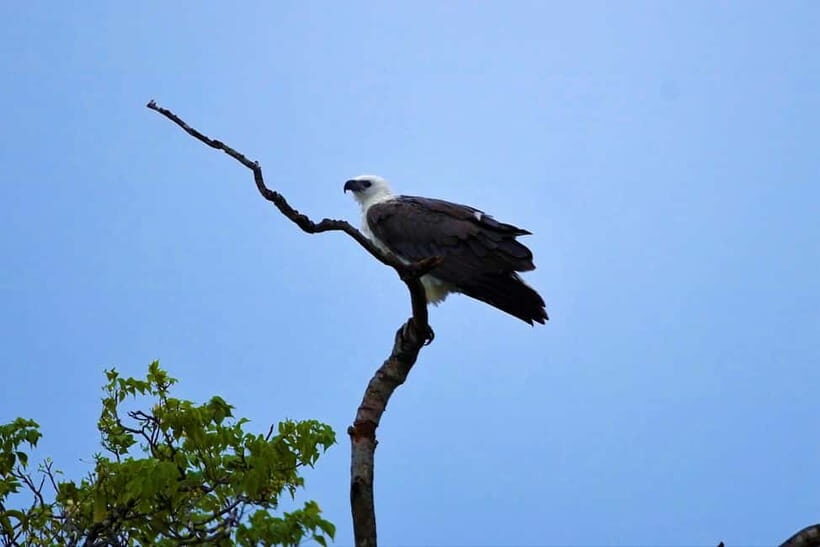
The tour is designed around sunrise or sunset watching, and that’s more than a marketing line. Low light usually means fewer harsh reflections on the water and calmer boat moments. It also tends to make bird activity feel more dramatic, because you’re seeing the lagoon when the animals and the sky are in a slower mode.
In the descriptions, morning outings were especially praised for their serenity. If you’re flexible, pick the time that matches your energy. Sunrise can feel early, but it’s the classic nature advantage: cooler air, quieter mornings, and a good chance at that fresh, awake feeling you want when you’re going to wildlife country.
Included refreshments and small extras that make it feel human
You’ll get refreshments included, and the specifics can vary by guide and timing. Some accounts mention light morning snacks like milkshake and hoppers, and even chocolate milk at certain stops. The practical point for you: plan your day with the idea that you won’t leave hungry, but you might still want to keep your own water bottle as well.
Bring water either way. Even on a shaded mangrove ride, Sri Lanka’s sun and humidity can catch up with you. Your camera also gets real use here—if you’ve ever tried photographing birds from a moving boat, you know you need good timing and patience.
What the guide adds: names that keep showing up
A huge part of why this safari earns such high marks is the guides. English-speaking guides are part of the deal, and in the details you’ll see names repeatedly. Shiham is described as having strong English and deep wildlife knowledge, while also sharing broader insights about life around elephants and other animals. Ibrahim and Imam show up with praise for spotting skills—especially helping with crocodiles—and friendly, attentive guiding.
What you want in a guide here is simple: someone who can switch between spotting and explaining. When that happens, the tour turns from a boat ride into a learning walk on water. You start understanding behavior—why birds are in certain spots, what mangroves do, and what kinds of animals might appear when the lagoon looks like it’s holding its breath.
Itinerary reality check: tuk tuk in, lagoon focus, tuk tuk out
Here’s the practical flow as you’ll experience it:
First comes pickup in Arugam Bay by tuk tuk (about 15 minutes before departure). Then you head toward the lagoon area. The big block is the lagoon time: about two hours on the water with guide-led spotting and birdwatching.
After the safari, you return to Arugam Bay by tuk tuk. That structure keeps the tour from feeling like a half-day where you spend more time in transit than on the water. It’s especially nice if you’re also planning other nearby stops in the Arugam Bay/Kumana area and don’t want your schedule chopped up.
One note for your planning: because the main value is wildlife sighting, it can help to approach this like a morning ritual rather than a performance. You’re going for calm nature time, and if you also get elephants or crocodiles, that’s your win.
Price and value: is $32 worth it?
At $32 per person for roughly a three-hour outing, the value comes from three things: hotel pickup and return transport, lagoon entry access, and a guided two-hour nature session. Many wildlife experiences in Sri Lanka charge for guide time and access separately, so having transportation and entrance bundled keeps things straightforward.
You’re also paying for the pacing. Two hours in the lagoon (not ten minutes at a viewpoint) is what lets you notice different animals and bird patterns. Add the no-motor paddle style and the chance of enhanced spotting from guides (including pre-lagoon crocodile chances described in multiple accounts), and the price starts to look fair for what you’re actually getting: time, guidance, and a calmer way to experience wildlife.
Who this tour fits best (and who might want a different plan)
This safari is ideal if you like wildlife that doesn’t require an adrenaline soundtrack. It’s also a good match if you’re into birdwatching and you want to learn what you’re seeing, not just collect photos.
You might want to consider another option if you’re expecting a guaranteed lineup of specific animals. The lagoon delivers naturally, but sightings depend on the day. It’s still a worthwhile tour, yet it’s not the kind where you should plan your entire trip around one animal being present.
It also works well for couples and small groups because the boat time is calm and focused. If you hate crowded tours, you’ll probably appreciate the slower rhythm—though exact group size isn’t specified in the provided details, so keep your expectations flexible.
Should you book the Arugambay Pottuvil Lagoon eco boat safari?
I’d book it if you want a peaceful wildlife experience with real guide attention and a bird-first approach. The best reason is the combination of two hours out on the lagoon, English-speaking guidance, and the paddle-based style that makes it feel intimate instead of rushed.
Book it especially if you’re a morning person or you like the idea of sunrise or sunset light over mangroves. And if crocodiles or elephants are high on your wish list, go with the right mindset: you’re improving your odds through strong local guiding, and when big animals appear, they tend to feel earned rather than staged.
If you want one simple checklist: camera ready, comfortable clothes, water in hand, and patience for nature timing. If you can do that, this tour is a very solid use of a half-day in Arugam Bay.
FAQ
How long is the Pottuvil Lagoon mangrove eco boat safari?
The tour duration is about 3 hours in total, with about 2 hours spent on the lagoon boat experience.
Where does pickup happen?
Pickup is from your hotel or pickup point in Arugam Bay by tuk tuk, with the tuk tuk arriving about 15 minutes before departure.
What is included in the price?
Included are transportation both ways from your hotel, the lagoon entrance fee, and refreshments.
Is there a live guide, and what language do they speak?
Yes, there is a live tour guide. The guide language is English.
What wildlife and scenery can you expect to see?
You can expect mangroves and birdwatching, with possible sightings of sea eagles, kingfishers, pelicans, herons, Jacana, common coots, and darters, plus other wildlife that may include fish, prawns, crabs, crocodiles, and elephants.
Does the tour include sunrise or sunset?
The experience includes sunrise or sunset watching as part of the tour style, depending on the time slot you choose.
What should I bring?
Bring a camera, water, and comfortable clothes.
What is not allowed during the tour?
Pets are not allowed, and smoking and alcohol and drugs are not allowed.