Kumana rewards early mornings with sightings. A private half-day jeep safari from Arugam Bay is a smart way to hunt for Sri Lanka’s big wildlife while staying comfortable in a 4WD vehicle and getting real help from an English-speaking guide. The park’s famous for leopards, elephants, crocodiles, and a lot of birds, so even when sightings are quiet, the day still feels like you’re in the right place. One thing to consider: the experience can depend heavily on how well your guide and driver communicate and time stops, so it’s worth going in with flexible expectations and a quick attitude for wildlife viewing.
I also like that the timing works with nature, not against it. You choose a morning slot (05:00–11:00) or an afternoon slot (13:00–19:00), and the drive style can include sunrise or sunset viewing as you move through the park. Some safari guides in this area are noted for spotting animals early and explaining what you’re looking at, with names like Rishi and Hanas coming up for their focus on wildlife and birds. Still, if you’re very sensitive to bumpy rides or need perfect comfort, read the suitability notes carefully, because one bad run can feel jarring if the vehicle is not in top shape.
In This Review
- Key Highlights You’ll Feel Right Away
- Kumana National Park From Arugam Bay: The Timing That Matters
- What you can realistically expect to see
- The First 45 Minutes: Pickup, Safety Briefing, and Settling In
- Game Drive Time: How the Park Visit Actually Works
- Animals to keep your eyes trained on
- Birdwatching in Kumana: 255+ Species Is Not Just a Number
- Private Vehicle vs. Real-World Privacy: What You Should Clarify
- Price and Value: Is $87 Worth a Half-Day Safari?
- My value checklist before you book
- Who This Safari Is Best For (and Who Should Skip It)
- Should You Book This Kumana Jeep Safari?
- FAQ
- What time does the morning safari run?
- What time does the afternoon safari run?
- Where are pickup and drop-off available?
- How long is the safari experience?
- What’s included in the price?
- Who should not take this safari?
Key Highlights You’ll Feel Right Away
- Early-morning or golden-hour game drives that line up with wildlife activity
- English-speaking guide support that helps you actually find animals and understand what they do
- 4WD access through rugged terrain with a built-in safety briefing before you head in
- Birdwatching powerhouse: Kumana is promoted for 255+ bird species
- Possible big-name sightings like leopard, elephants, crocodiles, and even sloth bears
- Pickup and drop-off around Arugam Bay for a smoother start than self-driving
Kumana National Park From Arugam Bay: The Timing That Matters
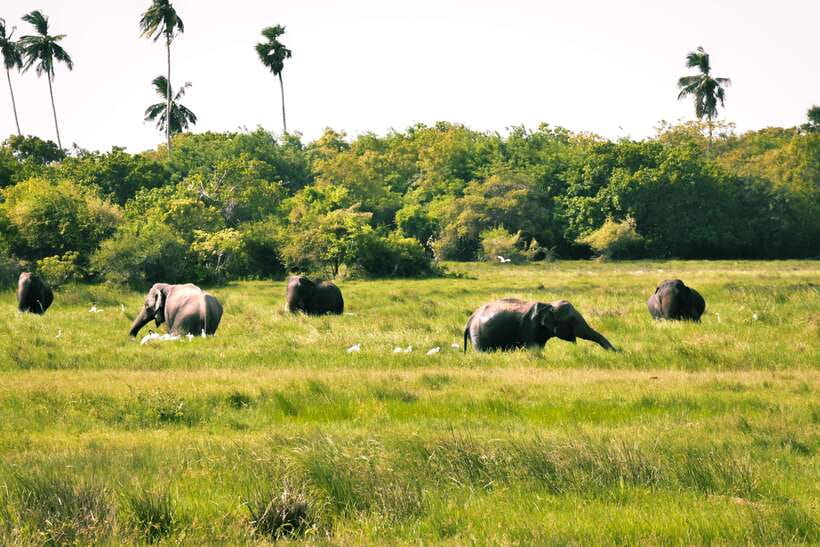
Kumana National Park sits in Sri Lanka’s Eastern Province, and the big reason it draws repeat wildlife lovers is simple: wildlife shows up when the light and temperature cooperate. That’s why this safari gives you two practical time windows. You can go in the morning from 05:00 to 11:00, or in the afternoon from 13:00 to 19:00, and both are built around the idea that animals are most visible when people are least.
In a half-day format, timing becomes a value issue. You’re not spending all day commuting or waiting around—you’re using a focused block to search for sightings and then still have time to enjoy Arugam Bay afterward. The route style also allows for sunrise or sunset viewing on the way in or out, so the experience isn’t just about animals. You’re out in the park-country at the hour when it’s easiest to spot movement and sounds—especially birds, which are a huge part of Kumana’s identity.
You can also read our reviews of more tours and experiences in Pottuvil.
What you can realistically expect to see
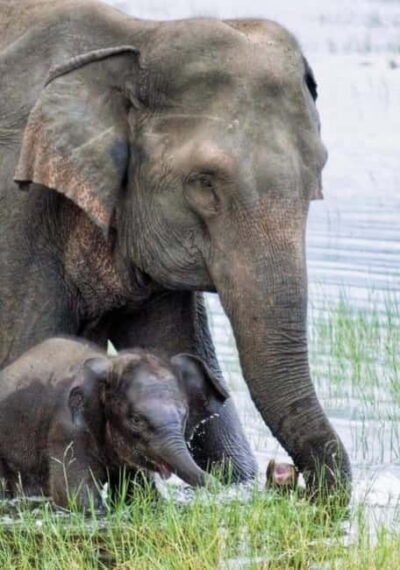
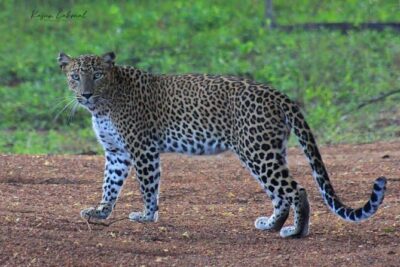
This safari is framed around a strong mix: leopards, elephants, sloth bears, plus crocodiles, jungle buffaloes, and spotted deer. On top of that, you’ll likely notice plenty of smaller wildlife too—lizards, monkeys, and other animals that pop up at the edges of clearings. One thing I like about this kind of park visit is that you’re not stuck with only one target species. If leopards are quiet one day, birds and other mammals can still make the drive worth it.
The First 45 Minutes: Pickup, Safety Briefing, and Settling In
The day starts with convenience. Pickup is available from Pottuvil or Arugam Bay, and the driver comes about 5 minutes earlier than the scheduled time, so you’ll want to be ready in the lobby rather than hanging around outside. Then you get a quick safety briefing before the vehicle moves off, which matters in a place where roads can be rough and visibility can change fast.
You spend around 45 minutes in the jeep/SUV before reaching the park, and that travel stretch is part of the safari experience. It’s not just dead time. It’s the transition moment when you move from coastal town pace into park pace, where eyes start scanning for movement in scrub and along water edges. If you’re birdwatching, this is also where you can start noticing calls and silhouettes before you ever reach your main game-drive area.
Comfort is part of the deal. The tour description emphasizes smooth rides in 4WD trucks and safety-first guidance. That said, one critical review noted rough suspension and that the ride felt bad over bumps. My advice: if you’re booking with a tight comfort requirement, ask the operator what vehicle you’ll be using and whether it’s well-maintained. At the price point, you deserve a ride that doesn’t distract from your eyes.
Game Drive Time: How the Park Visit Actually Works
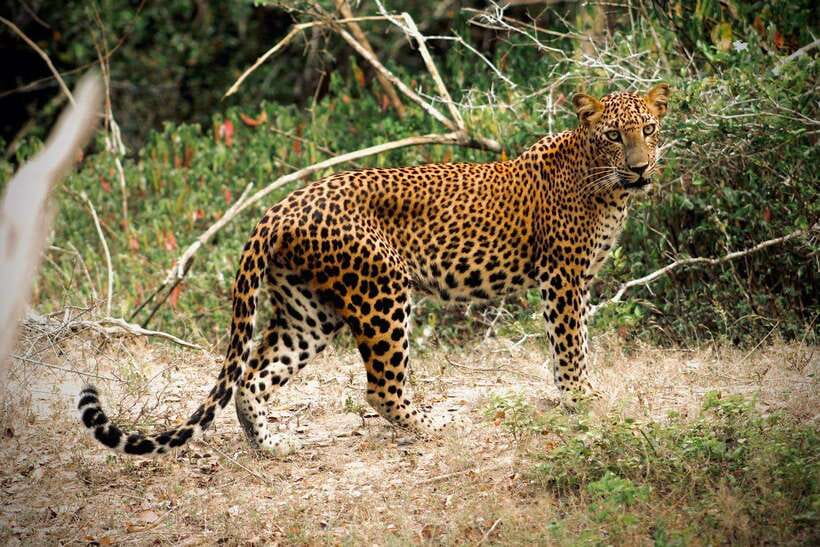
Once you reach Kumana National Park, you get roughly 4 hours of park time, which is where the safari earns its keep: guided tour, game drive, sightseeing, and wildlife viewing. This is the heart of the experience, and it usually feels like a mix of slow searching and sudden stops. A good guide helps you switch from random scanning to purposeful looking—watching not only where animals are, but where they’re likely to travel next.
This is also where vehicle behavior matters. The most enjoyable safaris keep the engine off or slow when you’re trying to watch in silence, so you can see behavior like feeding, crossing, or resting patterns. One experience in this area was described as not stopping at the right moments, which reduced wildlife viewing quality. You can’t control every driver decision, but you can choose your mindset: if you want the best odds, be ready to pause and look patiently even when nothing seems to be happening for a minute.
Animals to keep your eyes trained on
Here’s the practical list based on what this safari is built to look for:
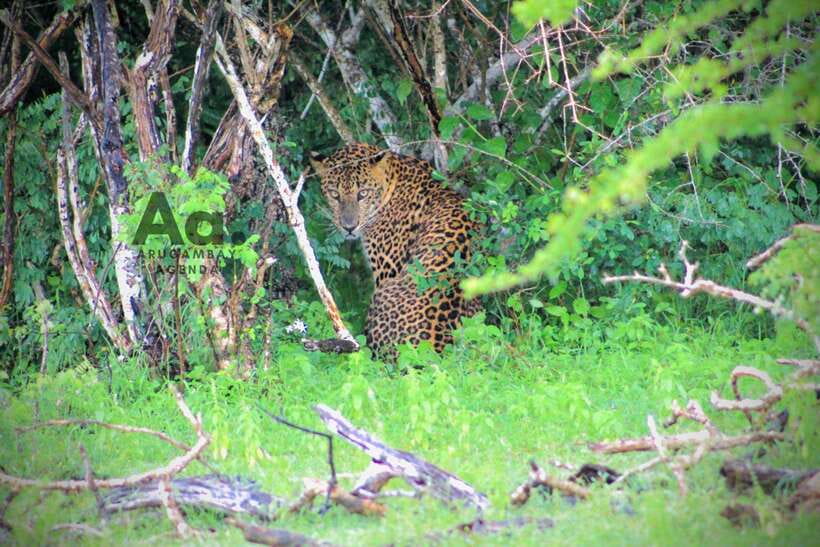
- Leopard: possible, sometimes near the end of the tour when you’re tired of searching—so don’t tune out.
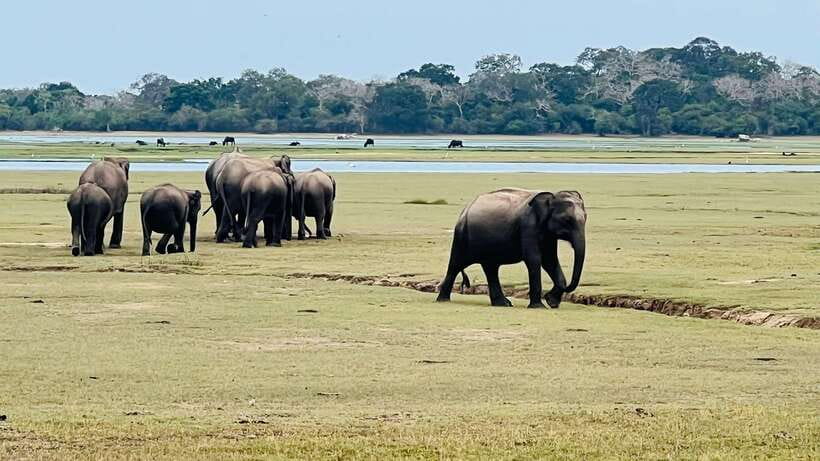
- Elephants: often the most obvious movement when they pass between open spaces.
- Crocodiles: look for them near water edges and stillness.
- Buffaloes and deer: keep an eye on grazing areas and light gaps in the vegetation.
- Sloth bear: mentioned as a possibility—usually you spot signs before you spot the animal itself, so listening and scanning helps.
Even if you don’t catch a big moment, smaller sightings can still make the trip feel alive: the kind of wildlife you only see when you’re inside the park, not outside it.
Birdwatching in Kumana: 255+ Species Is Not Just a Number
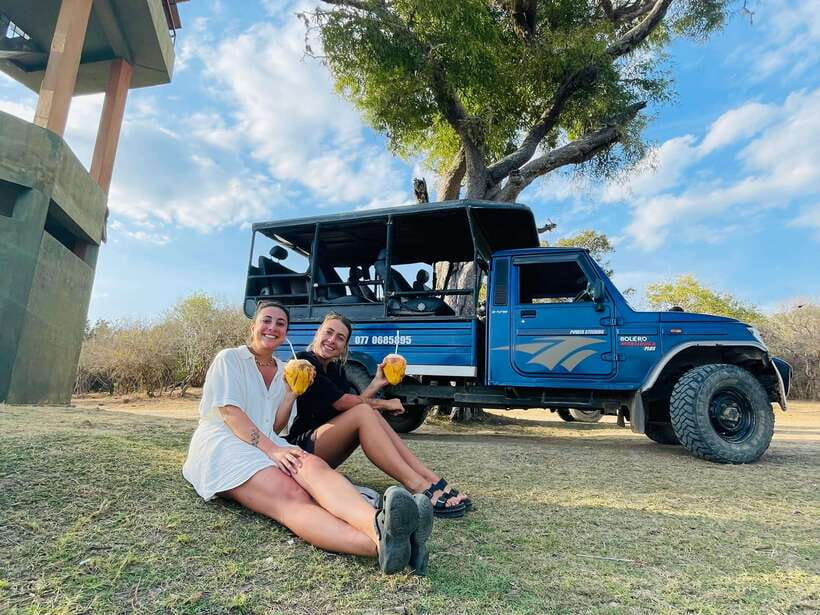
Kumana is a birdwatcher’s magnet, and this safari leans into that. The highlight claims 255+ bird species, and that kind of figure changes how you should approach the drive. Instead of thinking only about mammals, you should treat birds as a real scoring system for your day.
A good guide makes this easier. When the birding portion is done well, you’re not just seeing a bird—you’re learning what to look for next time: calls, feeding behavior, habitat edges, and body shape clues. One safari experience described a guide with an excellent eye for birds and wildlife, with a steady habit of pointing things out and giving background as they appeared.
One caution: bird names can be harder in the field than people expect. A less smooth run was described where the guide sometimes didn’t know the exact name. If species-level accuracy matters to you, bring your own phone camera habit: snap a photo first, then ask for the name. You’ll get more value out of each stop, even if the guide’s ID isn’t perfect in the moment.
Private Vehicle vs. Real-World Privacy: What You Should Clarify
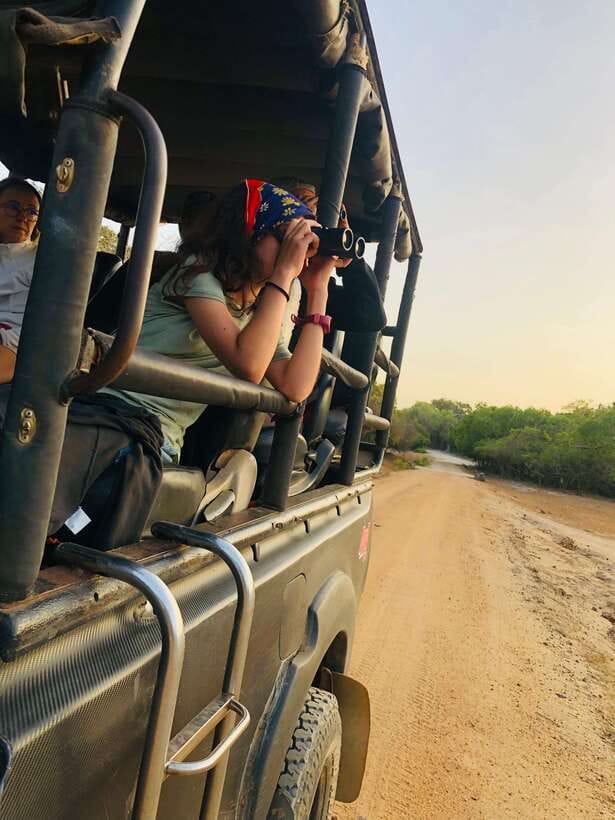
The tour is presented as private, and the inclusions list a private vehicle plus pickup and drop-off from Arugam Bay/Pottuvil. In an ideal setup, you get your own jeep/SUV for the group and your guide can focus on your sighting goals.
But here’s the reality check: one critical review claimed it wasn’t fully private and that other people were in the jeep. I can’t guarantee what will happen for your specific booking, so the best move is simple: when you confirm, ask what private means in practice.
- Will it be only your party in the jeep?
- Will the English-speaking guide lead the whole time, or is it driver-led with minimal guidance?
- Are the complimentary drinks provided during the drive as promised?
This kind of clarification takes two minutes and can save you from feeling surprised later.
Also pay attention to “how guiding feels.” The best safaris aren’t just about stopping. They’re about communication: telling you what to watch for, what you’re looking at, and how the animal is behaving. When that communication drops, the experience can feel like a driving tour with wildlife as background.
Price and Value: Is $87 Worth a Half-Day Safari?
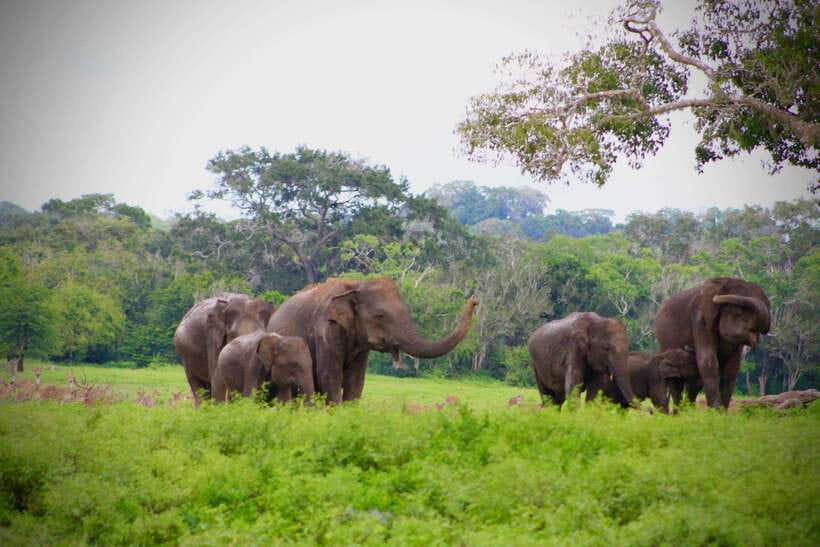
At $87 per person for about 6 hours total, you’re paying for more than transportation. You’re paying for:
- Park access via entry fares and taxes (included)
- Pickup and drop-off around Arugam Bay
- A private vehicle
- An English-speaking guide
- Complementary refreshing drinks
- The operator’s ability to find and work the timing inside the park
That’s where the value can really shine. If your guide is good at spotting and explaining, you get higher returns from every stop because you’re not just seeing animals—you’re understanding what you’re seeing. One standout safari experience described a leopard sighting and a long watch session, with animals close to the vehicle and guide attention that helped the moment last.
But this price also raises your expectations for basics: vehicle comfort, communication, and sensible stop timing. One very low-rated experience complained about the ride quality and about missing or delayed drinks that were supposed to be included. Another mentioned the lack of true guiding and stops that pushed animals away. Those issues matter because, at this cost, you should feel guided and comfortable enough that wildlife viewing is the main event.
My value checklist before you book
- You want wildlife and birds, not just scenery.
- You can handle a bumpy park-road ride without needing luxury comfort.
- You’re okay with the truth that animal sightings are never guaranteed, but guidance improves your odds.
- You’re fine choosing the timing slot (morning or afternoon) based on what feels best for your trip.
Who This Safari Is Best For (and Who Should Skip It)
This tour includes a clear suitability message. It’s not recommended for:
- Pregnant women
- People with back problems
- People with heart problems
- People with low level of fitness
- People with mobility impairments (it says not wheelchair accessible)
That makes sense. You’re spending time in a vehicle that works on uneven ground and you’ll be focused on wildlife viewing from the jeep position. If your body handles that kind of physical day well, you’ll enjoy the flexibility of wildlife searching. If not, you’re setting yourself up for discomfort that can ruin the whole point of going.
Where this safari fits especially well:
- First-time wildlife visitors who want a guided experience rather than DIY searching
- Birdwatchers who plan to look beyond the mammals
- People staying in Arugam Bay or Pottuvil who want park access without another day of logistics
Should You Book This Kumana Jeep Safari?
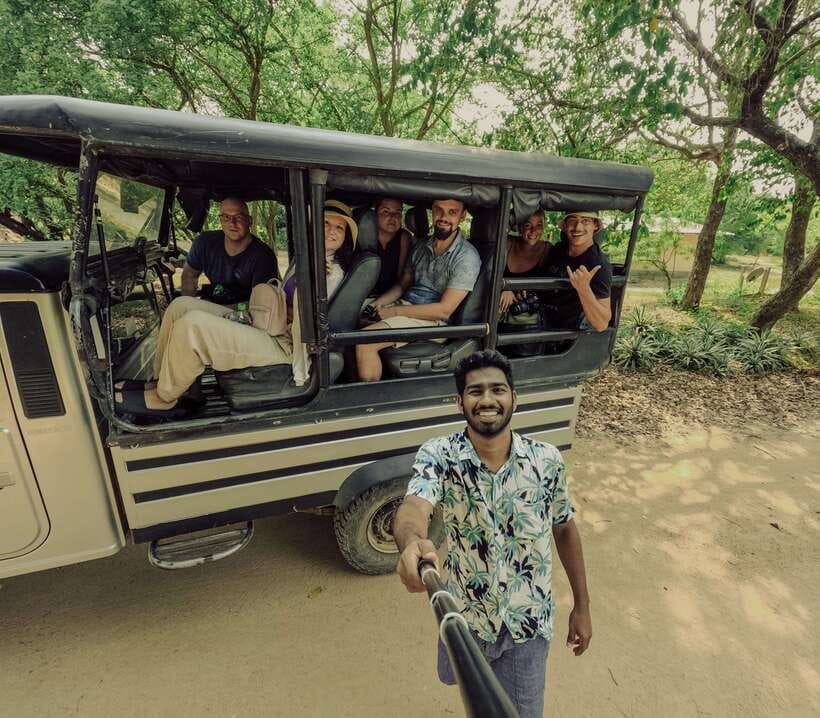
If you’re coming to the Arugam Bay area and you want one focused wildlife mission, this tour is a solid choice—mainly because it’s built around half-day timing, a 4WD game-drive style, and the promise of English-speaking guidance plus birding energy.
I would book if:
- You care about the chance of leopard, elephants, and crocodiles, and you’re excited about birds too.
- You want pickup and drop-off convenience so the safari takes over your schedule in a good way.
- You’re willing to be patient for wildlife. Great sightings often come from calm waiting.
I’d hesitate if:
- Comfort is a top priority for you and you’re worried about rough roads.
- You have any of the health or fitness limitations listed in the suitability info.
- You need strict certainty about a fully private jeep experience and nonstop guide interaction—then ask the operator to confirm what you’re getting before you pay.
Bottom line: this safari can be a memorable Kumana day when the guide is on point and the timing clicks. Plan your expectations around wildlife viewing reality, and you’ll get a lot for your money.
FAQ
What time does the morning safari run?
The morning option runs from 05:00 AM to 11:00 AM.
What time does the afternoon safari run?
The afternoon option runs from 01:00 PM to 07:00 PM.
Where are pickup and drop-off available?
Pickup and drop-off are available around Arugam Bay, with options listed for Pottuvil and Arugam Bay.
How long is the safari experience?
The total duration is listed as 6 hours, including transfers and park time (with about 4 hours for wildlife viewing in the park).
What’s included in the price?
The inclusions list from-hotel pickup and drop-off, a private vehicle, all entry fares/tickets/taxes, an English-speaking guide, and complementary refreshing drinks.
Who should not take this safari?
It states the safari is not recommended for pregnant women and for travelers with back problems. It also says it’s not suitable for people with mobility impairments or heart problems, and it is not recommended for people with low level of fitness.